The global effort to mitigate climate change has found a significant ally in the digital marketplace as companies like Too Good To Go bridge the gap between retail surplus and consumer demand. Recent initiatives highlight a growing trend where mobile applications are utilized to redistribute edible food that would otherwise be discarded, addressing a crisis that accounts for approximately 10% of all global greenhouse gas emissions. By facilitating a direct connection between local restaurants, gourmet grocery stores, and the public, these platforms are transforming the traditional linear model of food consumption into a more circular and efficient system.
The Global Scale of Food Insecurity and Surplus Mismanagement
The scale of global food waste represents one of the most significant paradoxes of the modern era. According to the United Nations Food and Agriculture Organization (FAO), approximately one-third of all food produced for human consumption—roughly 1.3 billion tons—is lost or wasted annually. This inefficiency carries an estimated economic cost of $1 trillion per year. Beyond the financial implications, the environmental toll is staggering. When food is discarded and left to decompose in landfills, it releases methane, a greenhouse gas that is significantly more potent than carbon dioxide in the short term.

In the United States, the Environmental Protection Agency (EPA) estimates that food waste is the single most common material found in municipal solid waste. The energy, water, and land resources required to produce this wasted food are also lost, compounding the environmental footprint. Addressing this issue requires a multi-faceted approach, involving policy changes, improvements in supply chain logistics, and consumer-facing technology that can manage surplus at the "last mile" of the retail cycle.
Digital Intermediation: The Rise of the Surprise Bag Model
Too Good To Go has emerged as a leader in the food-rescue sector by introducing the "Surprise Bag" concept. This model acknowledges the inherent unpredictability of the food service and retail industries. Because restaurants and grocery stores cannot always predict daily foot traffic or sales volume, they are often left with high-quality surplus items at the end of the day.
The application allows users to browse nearby establishments—ranging from high-end gourmet markets to specialized juice bars—and reserve a "Surprise Bag" of items that were not sold during regular business hours. These bags are typically priced at one-third of the original retail value, providing a powerful economic incentive for consumers to participate in sustainability efforts. For the business owner, the model provides a way to recoup a portion of production costs while simultaneously reducing disposal fees and meeting corporate social responsibility goals.

Case Study: Gourmet Retail and the Economics of Food Recovery
A practical application of this model was recently demonstrated through a partnership involving a gourmet grocery store and a specialized juice boutique. By utilizing the Too Good To Go platform, consumers were able to acquire a curated selection of premium goods at a fraction of the market price. This specific intervention highlights the versatility of food rescue; it is not limited to fast-food or staples but extends to artisanal breads, fresh produce, and nutrient-dense beverages.
The experience of acquiring a "Surprise Bag" from a gourmet vendor often yields high-value ingredients that serve as the foundation for sophisticated, low-waste culinary projects. In this instance, the items recovered included artisanal breads and various fresh components that were nearing their peak ripeness. Such items, while perhaps no longer suitable for all-day display on a retail shelf, remain perfectly safe and flavorful for immediate consumption. The success of these transactions relies on the consumer’s willingness to be flexible and creative with the ingredients they receive, effectively turning a logistical surplus into a gastronomic opportunity.
Culinary Innovation as a Tool for Waste Mitigation
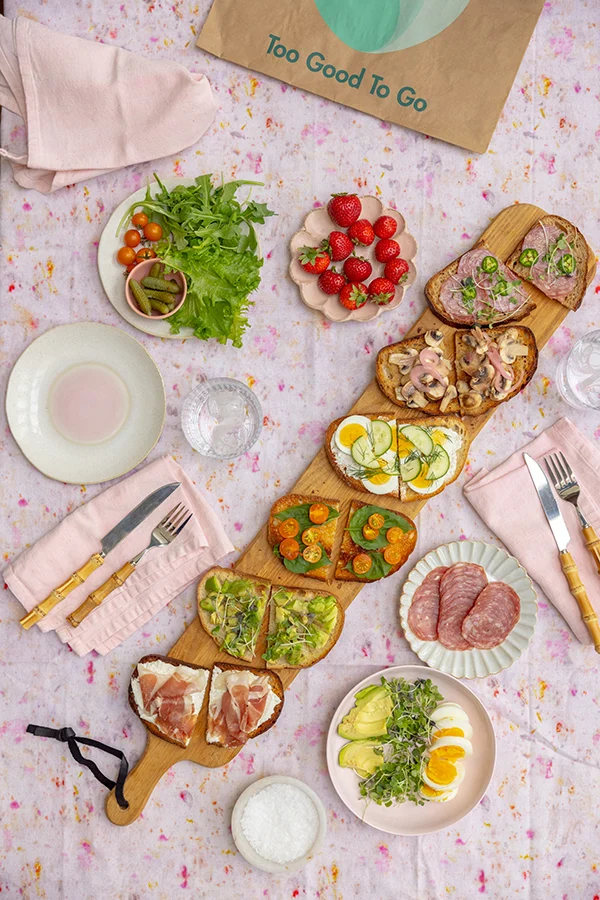
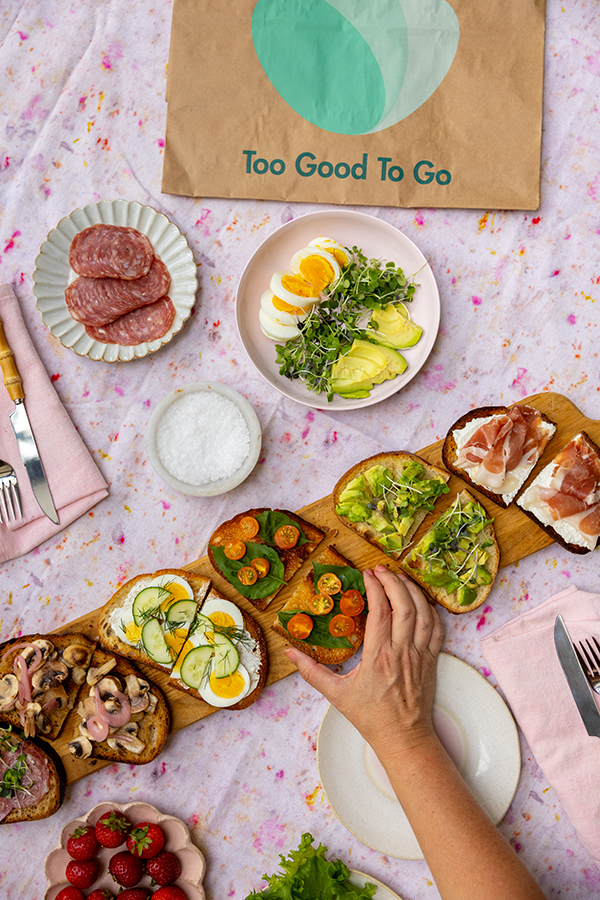
The transition toward a zero-waste lifestyle often begins in the domestic kitchen. Using the items retrieved from the gourmet grocery store, culinary experts have demonstrated how surplus can be repurposed into high-quality gatherings. For example, a "waste-free" gathering can be centered around a versatile crostini station. By toasting surplus bread in bulk, hosts can create a base for various toppings derived from both the "Surprise Bag" and existing pantry staples.

Effective strategies for utilizing surplus ingredients include:
- The Crostini Base: Slicing and toasting large quantities of bread at once to ensure uniform texture and to extend the shelf life of the product.
- Creative Topping Combinations: Utilizing a mix of recovered goods and garden-fresh produce. Notable combinations include ricotta paired with prosciutto and hot honey, or avocado seasoned with lemon and salt and topped with fresh sprouts.
- Resourceful Pairings: Using classic combinations like tomatoes and basil (potentially sourced from home gardens) with olive oil, or more substantial options like melted cheese with sautéed mushrooms or soppressata with jalapeños.
By providing a "build-your-own" station, hosts not only reduce the labor associated with meal preparation but also ensure that guests consume only what they desire, further minimizing post-event plate waste.
Environmental and Economic Implications of Food Rescue
The broader impact of these digital food-rescue platforms extends into the realm of macroeconomics and environmental science. Project Drawdown, a leading resource for climate solutions, ranks the reduction of food waste as one of the top actions necessary to limit global warming to 2°C. The logic is straightforward: when we stop wasting food, we reduce the need to overproduce, thereby saving the carbon-sequestering forests that would otherwise be cleared for farmland.
From an economic perspective, the "Surprise Bag" model creates a new revenue stream for small and medium-sized enterprises (SMEs). In an industry with notoriously thin profit margins, the ability to monetize surplus—even at a discount—can be the difference between a net loss and a break-even day. Furthermore, it introduces new customers to businesses they might not have otherwise visited, serving as a low-cost marketing tool that builds brand loyalty through shared environmental values.
The Historical Trajectory of Food Waste Technology
The evolution of food waste management has moved through several distinct phases:
- The Charitable Model: Historically, surplus food was primarily managed through donations to food banks and shelters. While vital, this model often faced logistical hurdles regarding the transport of perishable goods and strict liability concerns.
- The Industrial Model: This phase focused on large-scale composting and the conversion of food waste into animal feed or bio-energy.
- The Digital Consumer Model: Emerging around 2015 with the founding of Too Good To Go in Denmark, this phase utilizes real-time data and GPS technology to decentralize food rescue.
Since its inception, Too Good To Go has expanded into over 17 countries, including a significant rollout in major United States metropolitan areas starting in 2020. This expansion reflects a growing consumer appetite for "conscious consumption," where the act of purchasing is aligned with personal ethics regarding the environment.

Stakeholder Perspectives and Market Adoption
Industry analysts suggest that the success of food-rescue apps is driven by a "triple-win" scenario. Consumers win by accessing high-quality food at a lower price point; businesses win by reducing waste and capturing lost revenue; and the planet wins through decreased emissions.
Statements from environmental advocates emphasize that while technology is a critical component, it must be paired with a shift in consumer mindset. The "Surprise Bag" model specifically challenges the modern expectation of constant, unlimited choice. By accepting a "surprise" assortment, consumers are participating in a more naturalistic form of consumption that respects the seasonal and daily fluctuations of food production.
Retailers have also reported positive feedback. Many gourmet stores find that participating in these programs helps them maintain a high standard of freshness for their full-price inventory while ensuring that their labor-intensive artisanal products do not end up in a bin. This psychological benefit for staff—knowing their work is being consumed and appreciated—is an often-overlooked but significant factor in business participation.

Future Outlook: Towards a Circular Food Economy
As the technology matures, we can expect to see deeper integration between food-rescue apps and inventory management systems. Future iterations may include predictive analytics that help businesses further reduce their initial surplus by more accurately forecasting demand.
However, the immediate priority remains the expansion of the user base and the normalization of "rescued food" as a premium, rather than a second-class, option. The collaboration between technology platforms and gourmet retailers is a crucial step in this rebranding. When consumers see that "surplus" can mean high-end sourdough, organic juices, and artisanal cheeses, the stigma of food waste begins to dissolve.
In conclusion, the partnership between digital innovators and the food industry represents a scalable, market-driven solution to one of the world’s most pressing environmental challenges. By turning the 10% of global emissions tied to food waste into an opportunity for culinary creativity and economic savings, these platforms are proving that sustainability and high-quality living are not mutually exclusive. The journey toward a zero-waste future is being paved one "Surprise Bag" at a time, transforming the way society values every loaf of bread and every piece of produce.