
Masa, the properly processed corn flour, stands as a fundamental ingredient and cultural cornerstone, particularly in Mexican cuisine, forming the basis for staples ranging from tortillas to tamales. This seemingly simple flour is the culmination of an ancient and complex biochemical process known as nixtamalization, a transformative technique that unlocks corn’s full nutritional potential and defines the unique flavor and texture of countless traditional dishes. The re-discovery and appreciation of this traditional method highlight its profound historical, nutritional, and culinary implications, extending far beyond regional culinary practices to impact global understanding of food processing and heritage.
The Genesis of Masa: A Deep Dive into Nixtamalization
The journey from dried corn kernels to versatile masa harina begins with nixtamalization, a term derived from the Nahuatl words "nixtli" (ashes) and "tamalli" (cooked corn dough). This intricate process, developed millennia ago by Mesoamerican civilizations, is far more than a simple cooking method; it is a sophisticated form of food engineering. Historically, evidence suggests nixtamalization was practiced as early as 1500–1200 BC in what is now Guatemala, evolving alongside the domestication of maize itself. Its discovery marked a pivotal moment in human history, fundamentally shaping the diet and health of entire civilizations, including the Olmec, Maya, and Aztec.
The process involves cooking dried corn kernels in an alkaline solution, traditionally using slaked lime (calcium hydroxide, also known as cal) or wood ash, though modern industrial methods may employ other alkaline agents. Following a precise cooking period, the corn is steeped in the cooking liquid for several hours. During this critical cooking and soaking phase, a series of remarkable chemical and physical changes occur. The kernels undergo significant hydration, absorbing calcium or potassium from the alkaline solution. This absorption is crucial, as it enhances the nutritional profile of the corn, particularly its calcium content.
Beyond mineral absorption, nixtamalization induces a dramatic transformation in the corn’s starch and protein structures. Starches swell and gelatinize, contributing to the characteristic pliable texture of masa dough. The corn’s protein matrix is altered, making proteins and other vital nutrients, most notably niacin (Vitamin B3), more readily assimilated by the human digestive system. This bioavailability enhancement is perhaps the most significant nutritional benefit of nixtamalization. Untreated corn contains niacin in a bound form, rendering it largely unavailable for absorption, a deficiency that historically led to pellagra, a debilitating disease characterized by dermatitis, diarrhea, dementia, and eventually death, in populations heavily reliant on corn without nixtamalization (e.g., parts of Europe, Africa, and the Southern United States where corn was introduced without the traditional processing).
Once cooked and steeped, the prepared corn, now referred to as nixtamal, is typically rinsed to remove excess alkali and pericarp (hull). It is then traditionally ground using a metate (a stone grinding tool) or, in modern contexts, through mechanical grinders, into a wet dough known as masa. If destined for masa harina (corn flour), this wet masa is subsequently dried and then ground into a fine powder. This dried masa harina can then be reconstituted with water to form fresh masa dough, ready for culinary applications.
Nutritional Powerhouse: Unlocking Corn’s Potential
The nutritional implications of nixtamalization are profound and underscore its importance as a public health intervention for ancient and modern societies alike. The most celebrated benefit is the release of niacin. A study published in the Journal of Agricultural and Food Chemistry highlighted that nixtamalization can increase niacin bioavailability by up to 10-fold compared to unprocessed corn. This chemical transformation effectively eradicated pellagra in Mesoamerican populations, while its absence contributed to widespread outbreaks in other regions where corn became a staple without the accompanying traditional processing.
Furthermore, nixtamalization significantly increases the calcium content of corn. Depending on the concentration of calcium hydroxide used, the calcium content can increase by several hundred percent, transforming corn into a substantial source of this essential mineral, crucial for bone health, nerve function, and muscle contraction. For instance, a typical serving of nixtamalized tortillas can provide a notable percentage of the daily recommended calcium intake. The process also improves the protein quality by altering amino acid profiles and enhances the digestibility of other nutrients. Additionally, nixtamalization has been shown to reduce levels of mycotoxins, such as aflatoxins, which can contaminate corn and pose serious health risks. The alkaline environment helps to degrade these harmful compounds, adding another layer of food safety to the traditional process.
The overall impact on the dietary quality of corn is transformative. It converts a grain that, in its raw form, has limitations in nutrient availability, into a robust and highly nutritious food source capable of sustaining populations. This ancient wisdom represents a pinnacle of traditional food science, predating modern nutritional understanding by millennia.
Masa: The Culinary Cornerstone of Mesoamerica
The cultural significance of masa in Mexico and other Mesoamerican countries cannot be overstated. Corn itself is often revered as a sacred plant, the "staff of life," with creation myths in cultures like the Maya linking human origins to corn dough. Masa is not merely an ingredient; it is an embodiment of heritage, community, and identity. The preparation of masa and subsequent tortilla making is often a communal activity, passed down through generations, particularly through matriarchal lines.
From this foundational dough, an astonishing array of culinary creations emerges. The most ubiquitous is the tortilla, a flat, unleavened bread that serves as the primary eating utensil and carbohydrate source for millions. Tortillas are the basis for tacos, enchiladas, quesadillas, and countless other dishes. Beyond tortillas, masa is central to:
- Tamales: Steamed pockets of masa filled with savory or sweet ingredients, wrapped in corn husks or banana leaves.
- Sopes, Gorditas, and Huaraches: Thick masa cakes often topped with various ingredients.
- Pupusas: Stuffed masa tortillas from El Salvador.
- Atole: A warm, thick beverage made from masa, often flavored with cinnamon, vanilla, or chocolate.
- Tlacoyos: Oval-shaped masa tortillas, often stuffed and grilled.
The sheer variety underscores masa’s versatility and its deep integration into the culinary landscape. Each dish tells a story of regional traditions, family recipes, and agricultural bounty. The distinct, earthy aroma and flavor of fresh masa are instantly recognizable and deeply cherished, a testament to the unique properties imparted by nixtamalization.
From Ancient Grains to Modern Tables: The Evolution of Tortillas and Chips
While nixtamalization and masa have ancient roots, their applications have evolved and spread globally. The arrival of corn in Europe after the Columbian exchange led to its adoption as a staple, but initially without the nixtamalization process, resulting in widespread pellagra. It was only much later, with a better understanding of nutrition, that the importance of the traditional Mesoamerican method became widely recognized.
In the modern era, masa harina is readily available, allowing individuals worldwide to recreate traditional dishes. The increasing interest in authentic, healthy, and culturally rich foods has spurred a renaissance for masa. From gourmet restaurants to home kitchens, chefs and home cooks are rediscovering the superior taste and nutritional benefits of making tortillas from scratch.
Tortillas, once a regional staple, have become a global phenomenon. Corn tortillas are celebrated for their gluten-free nature and distinct flavor. The natural extension of the tortilla’s culinary journey is the tortilla chip. While perhaps a more recent innovation in the grand timeline of corn consumption, tortilla chips have become a beloved snack worldwide. They offer a crispy vehicle for salsas, guacamole, and nachos, transforming the humble tortilla into a versatile component of casual dining and entertaining. The simplicity of taking a freshly made tortilla, cutting it into wedges, and frying or baking it, yields a chip that far surpasses its mass-produced counterparts in flavor and texture, retaining the genuine taste of fresh corn.
The Art of Crafting: Tools and Techniques
The preparation of tortillas and chips from masa dough requires both technique and appropriate tools. Central to achieving the perfect tortilla is the tortilla press. This device is designed to evenly distribute pressure, transforming a small ball of masa dough into a uniformly thin, round tortilla.
Historically, tortillas were hand-patted, a skill that requires considerable practice to achieve consistent thickness. The development of the tortilla press revolutionized home tortilla making, making it accessible to a broader population. Traditional presses are often made of cast iron or wood. Cast iron presses are highly durable, heavy, and apply even pressure effectively, though they require seasoning and care to prevent rust. Wooden presses, like the antique abuela (grandma) press mentioned in the original context, are prized for their craftsmanship, aesthetic appeal, and often, their heritage. They are typically robust and, when well-built, can last for generations, embodying a connection to culinary traditions. While aluminum presses exist, they are generally less favored due to their lighter weight, which can result in less even pressure, and concerns about aluminum leaching into food, though this risk is generally considered low for brief contact.
The process of making tortillas from masa involves hydrating the masa harina with water, often with a pinch of salt, to achieve a pliable dough. The dough is then divided into small balls, which are placed between two sheets of plastic or parchment paper within the press. A firm press flattens the dough into a thin circle. These fresh tortillas are then cooked on a hot comal (griddle) for a short period on each side until they puff up, indicating they are properly cooked and pliable.
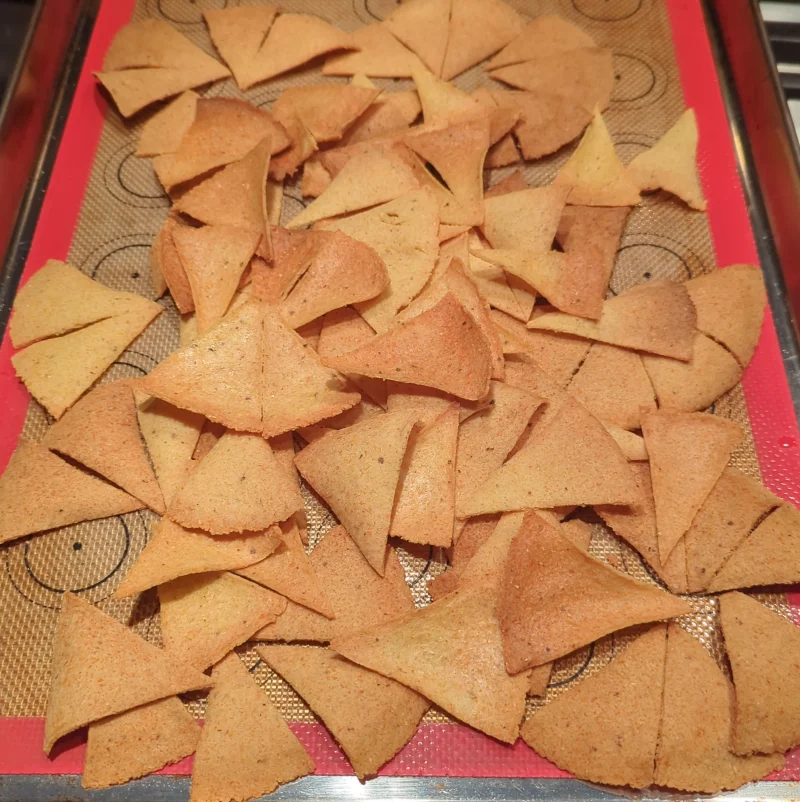
For tortilla chips, the process extends slightly. Freshly made tortillas are typically cut into wedges, then either fried in oil until crispy and golden brown or baked for a lighter alternative. Seasoning with salt immediately after cooking enhances their flavor. The ability to make both fresh tortillas and chips from a single batch of masa dough offers a versatile culinary experience, highlighting the fundamental ingredient’s adaptability.
Economic and Social Dimensions
The production and consumption of masa and corn have significant economic and social implications. Globally, corn is one of the most widely cultivated crops, playing a crucial role in food security and agricultural economies. The market for masa harina supports numerous producers, from small-scale traditional millers to large industrial manufacturers. In communities where traditional methods persist, the preparation of nixtamal and masa can be a source of local employment and a cornerstone of community identity.
However, the industrialization of food production has also presented challenges. While industrial masa harina provides convenience, there’s a growing movement to preserve and revive traditional nixtamalization practices, recognizing their superior nutritional and sensory qualities. This movement is often driven by culinary enthusiasts, health-conscious consumers, and cultural preservationists who advocate for heirloom corn varieties and artisanal processing methods. The economic viability of small-scale, traditional masa production is often supported by niche markets that value authenticity and quality.
Preserving Heritage and Promoting Health
In an era of increasing awareness regarding food origins and processing, nixtamalization stands as a testament to ancient wisdom and sustainable food practices. The revival of interest in making masa from scratch, or sourcing high-quality masa harina, represents a broader trend towards understanding and appreciating the foundational elements of global cuisines.
Organizations and culinary educators are actively promoting the understanding and practice of nixtamalization, not just as a historical curiosity, but as a relevant and beneficial technique for contemporary diets. By highlighting its role in enhancing nutrient bioavailability and improving flavor, they aim to ensure that this ancient food technology continues to thrive. The implications extend to public health initiatives, particularly in regions where corn remains a staple, advocating for the traditional processing to combat nutritional deficiencies.
The humble masa, born from the complex dance of corn and alkali, continues to feed, nourish, and connect people across continents and generations. Its story is a powerful reminder of how traditional foodways are often steeped in profound scientific understanding, cultural meaning, and enduring health benefits. As consumers increasingly seek out whole, minimally processed foods, the wisdom embedded in nixtamalization offers a valuable lesson in how ancient techniques can continue to enrich modern lives and palettes.


