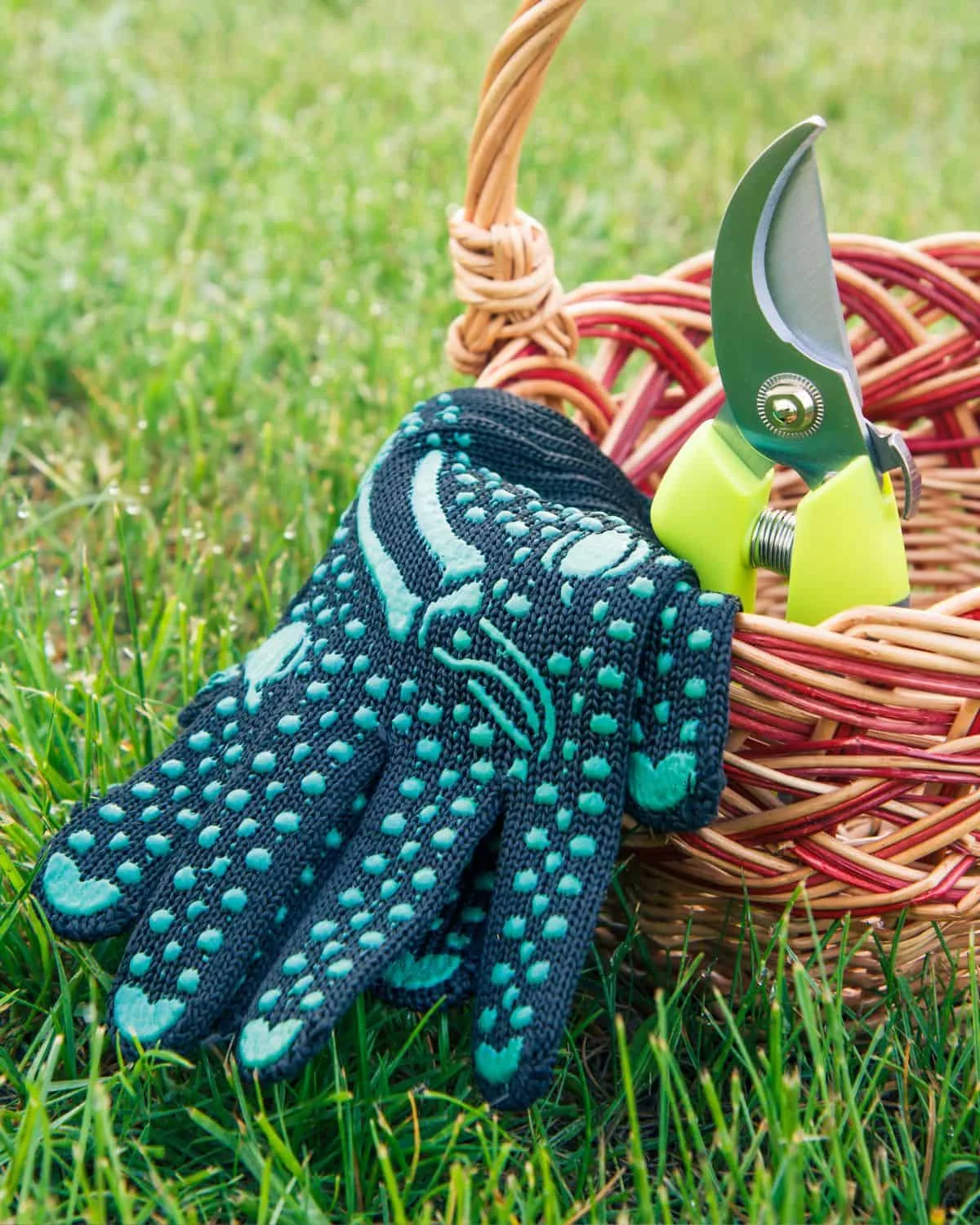
The intersection of the holiday shopping season and a sustained global interest in self-sufficiency has created a robust market for specialized gardening equipment and educational resources. As backyard gardening evolves from a casual hobby into a sophisticated practice of permaculture and small-scale food production, the demand for high-quality, durable tools has surged. This guide provides a comprehensive analysis of the essential items currently shaping the horticultural landscape, ranging from precision hand tools to advanced seed-starting systems and foundational literature.
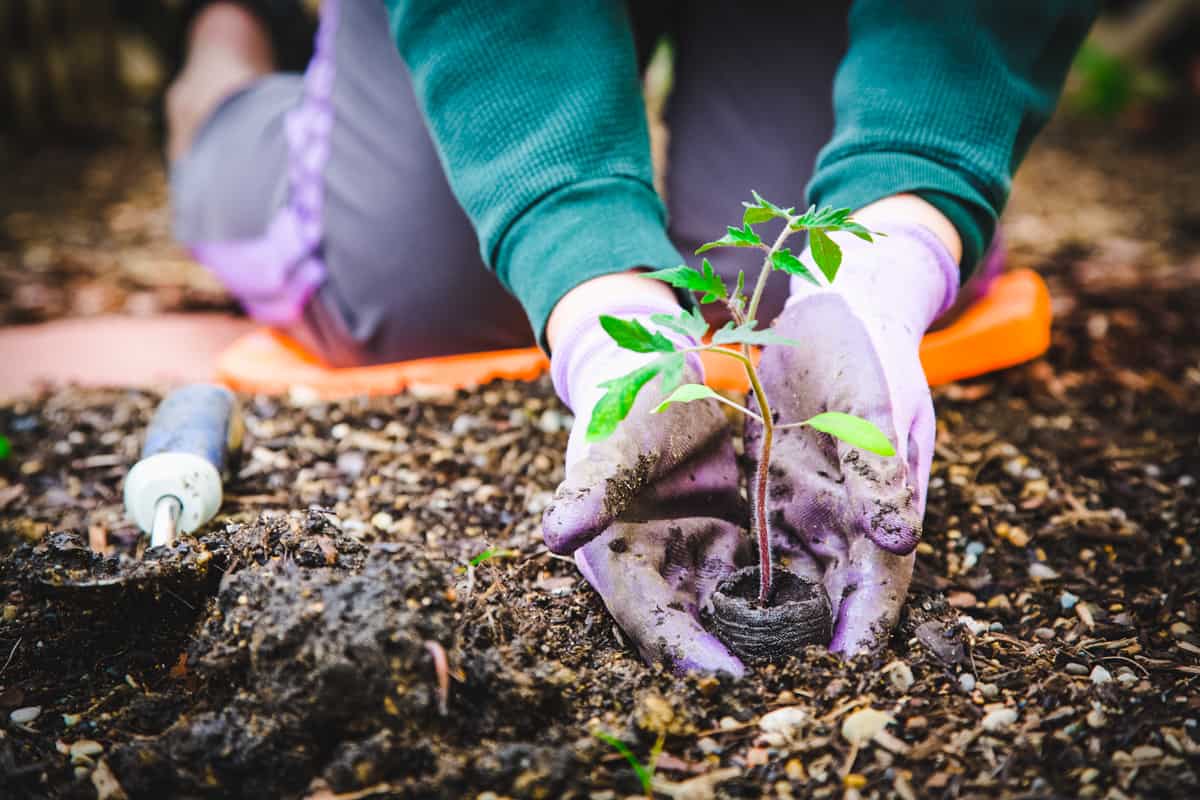
The Growth of the Home Gardening Sector
Market data from the National Gardening Association indicates a significant shift in consumer behavior over the last five years, with a marked increase in "food gardening" as opposed to purely ornamental landscaping. In the United States alone, participation in home food production has reached record levels, driven by concerns over food security, a desire for organic produce, and the psychological benefits of outdoor labor. Within this broader trend, permaculture—a design system based on ecological principles—has emerged as a dominant philosophy for modern backyard enthusiasts. Unlike traditional gardening, permaculture emphasizes permanent systems, soil health, and the creation of "food forests," necessitating a specific set of tools and knowledge.

Precision Engineering in Manual Garden Tools
The shift toward permaculture requires tools that can handle diverse tasks, from deep weeding to delicate pruning. Industry experts frequently highlight the Hori Hori garden knife as a quintessential multipurpose implement. Originating from Japanese mountain-harvesting traditions, the Hori Hori features a dual-edged blade—one serrated and one sharp—capable of digging, measuring planting depth, and cutting through thick root systems. Its stainless steel or carbon steel construction offers a level of durability that surpasses standard trowels.

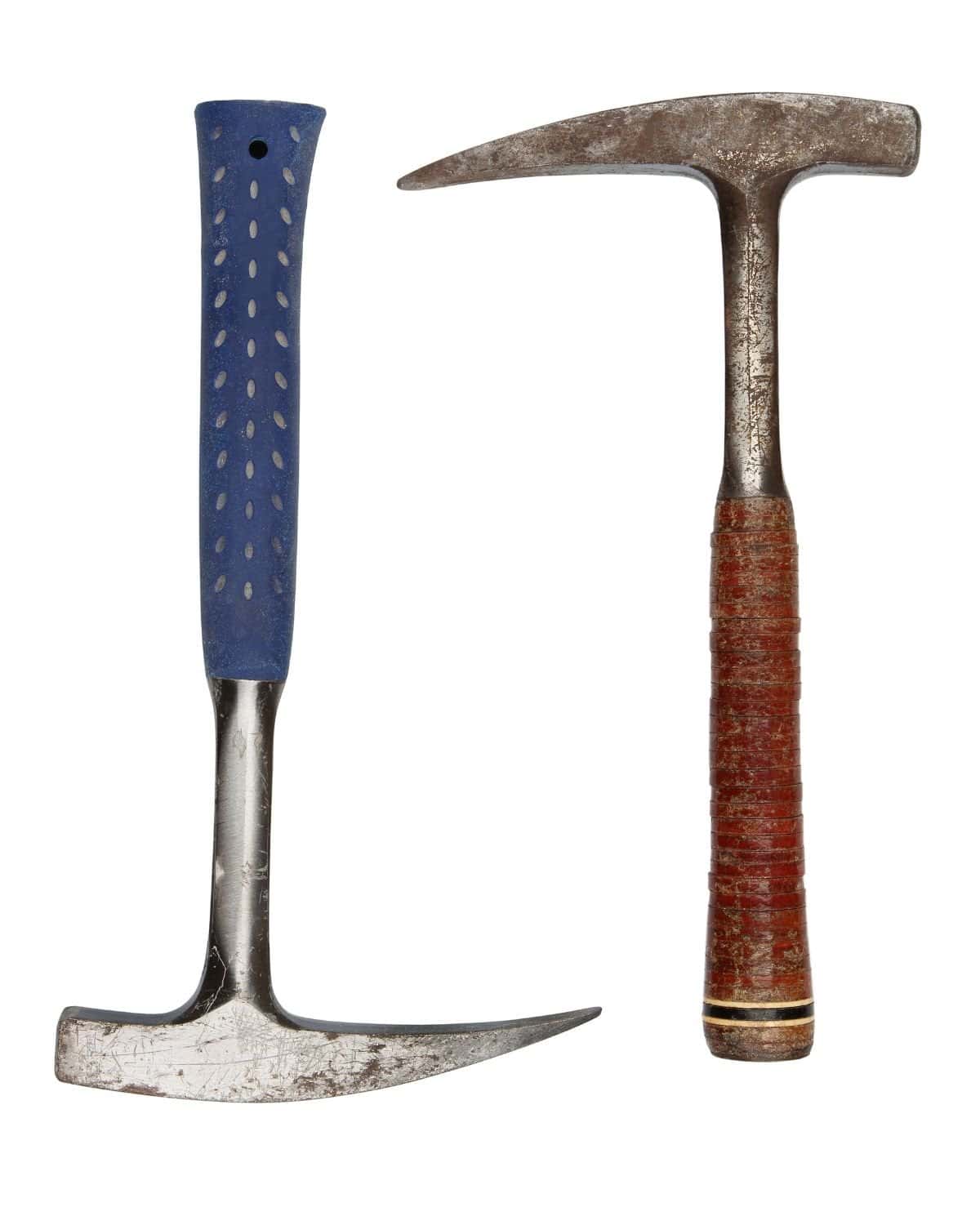
Complementing the Hori Hori is the CobraHead weeder and cultivator. Its unique "steel fingernail" design allows for precise soil disruption without damaging the root structures of adjacent plants. This tool is particularly effective in "no-till" gardening systems, where maintaining soil layers is prioritized over large-scale tilling. For heavier tasks, such as breaking compacted soil or managing rocky terrain, practitioners often turn to geological picks, such as those manufactured by Estwing. While traditionally used in mining and geology, the pick’s ability to leverage rocks and clear debris makes it a staple for establishing new garden beds in challenging environments.
Pruning and Harvesting Technology
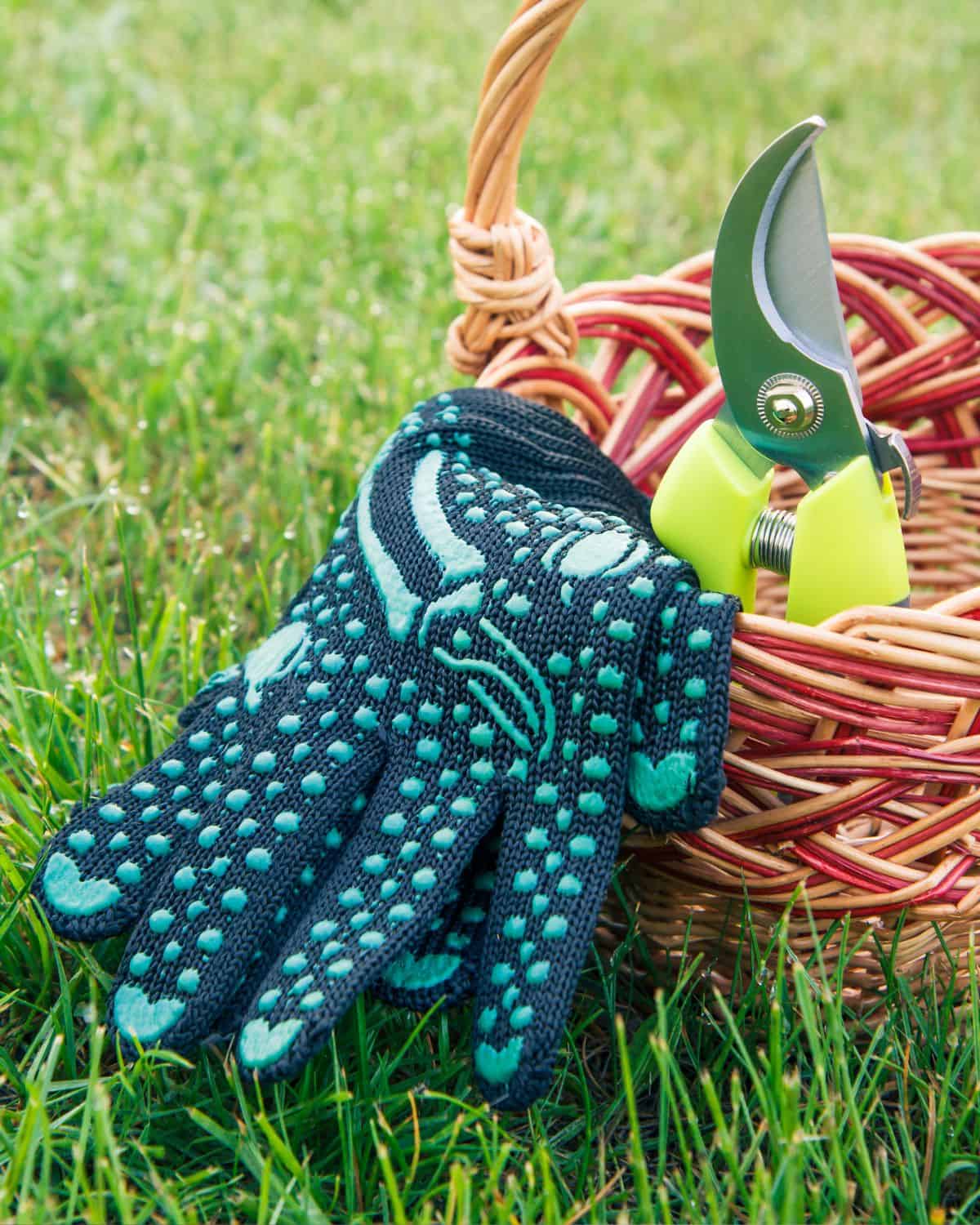
Maintenance of a backyard forest garden involves consistent pruning to ensure light penetration and air circulation. The market leader in this category remains Felco, a Swiss manufacturer known for its high-performance bypass pruners. Felco pruners are designed with ergonomic handles and hardened steel blades that can be sharpened or replaced, ensuring a lifetime of use. This sustainability aspect aligns with the permaculture ethos of "buying once and buying well."
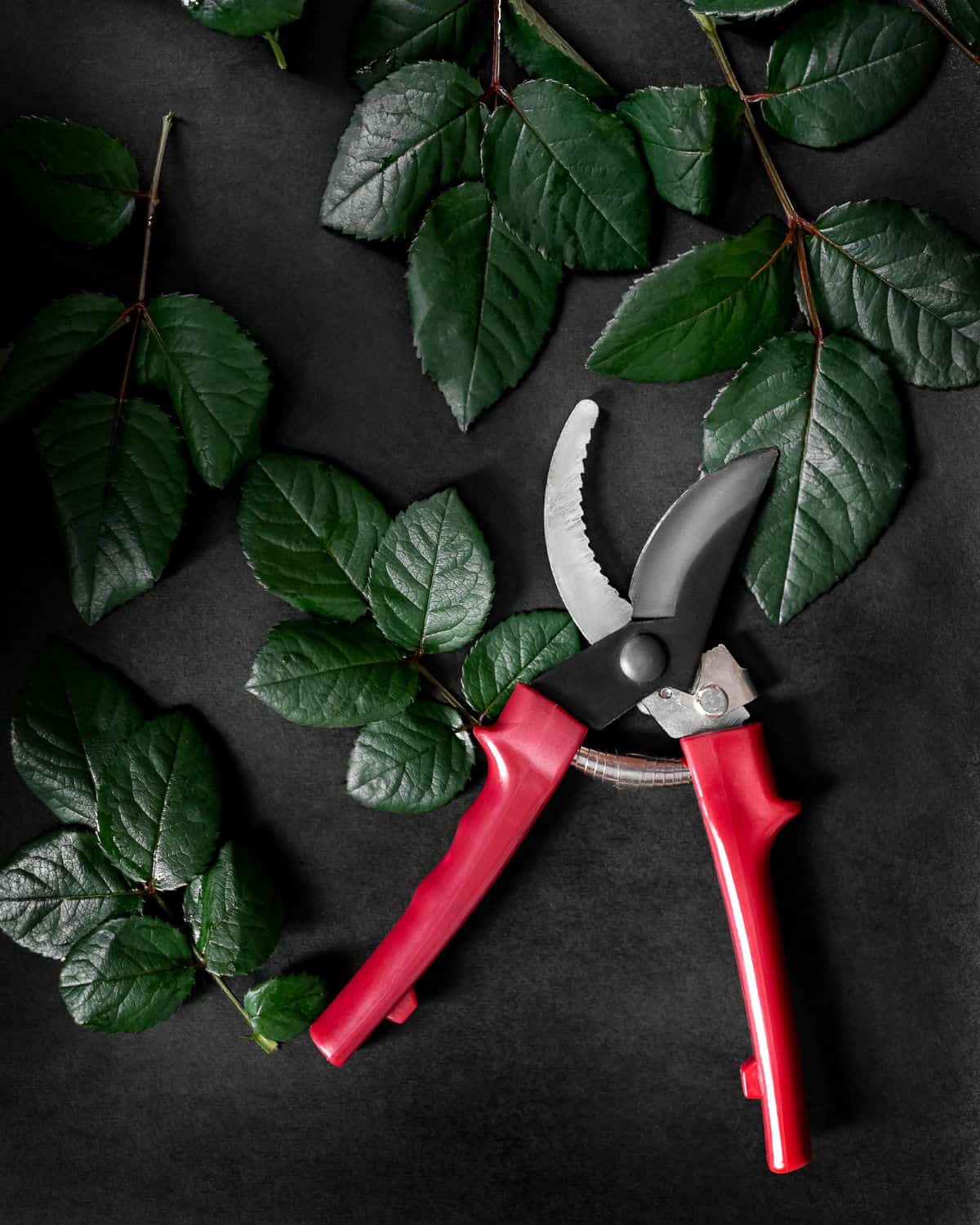
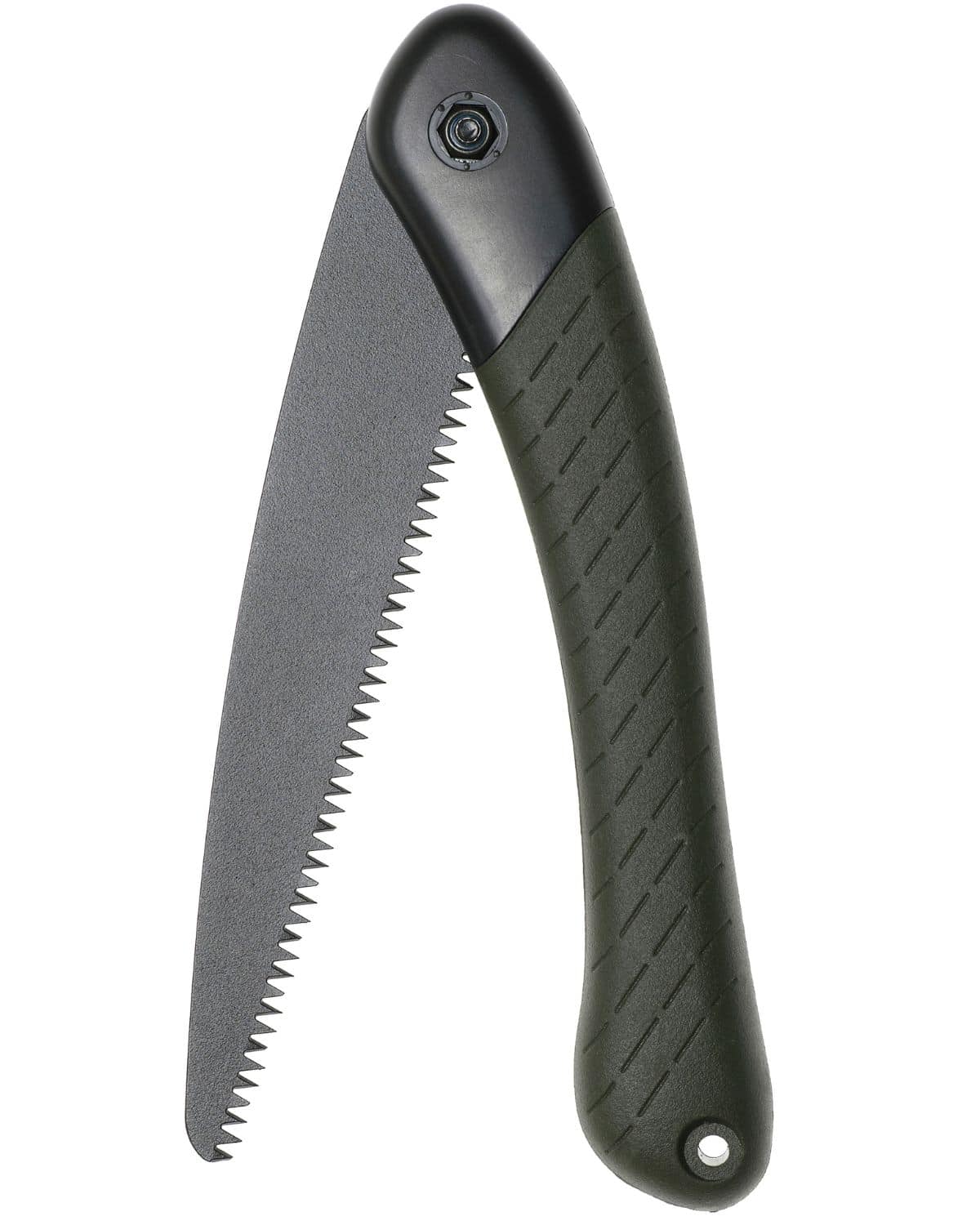
For consumers seeking high-quality alternatives at a lower price point, Corona pruners and shears have gained significant traction. Their harvesting shears are specifically designed for the delicate collection of herbs and greens, utilizing long, thin blades that minimize plant stress. For larger-scale management, the Laplander folding saw has become a preferred tool for arborists and backyard gardeners alike. Its compact design and ability to cut through thick branches make it essential for the winter pruning season, which often coincides with the holiday period.

Sustainable Irrigation and Material Safety
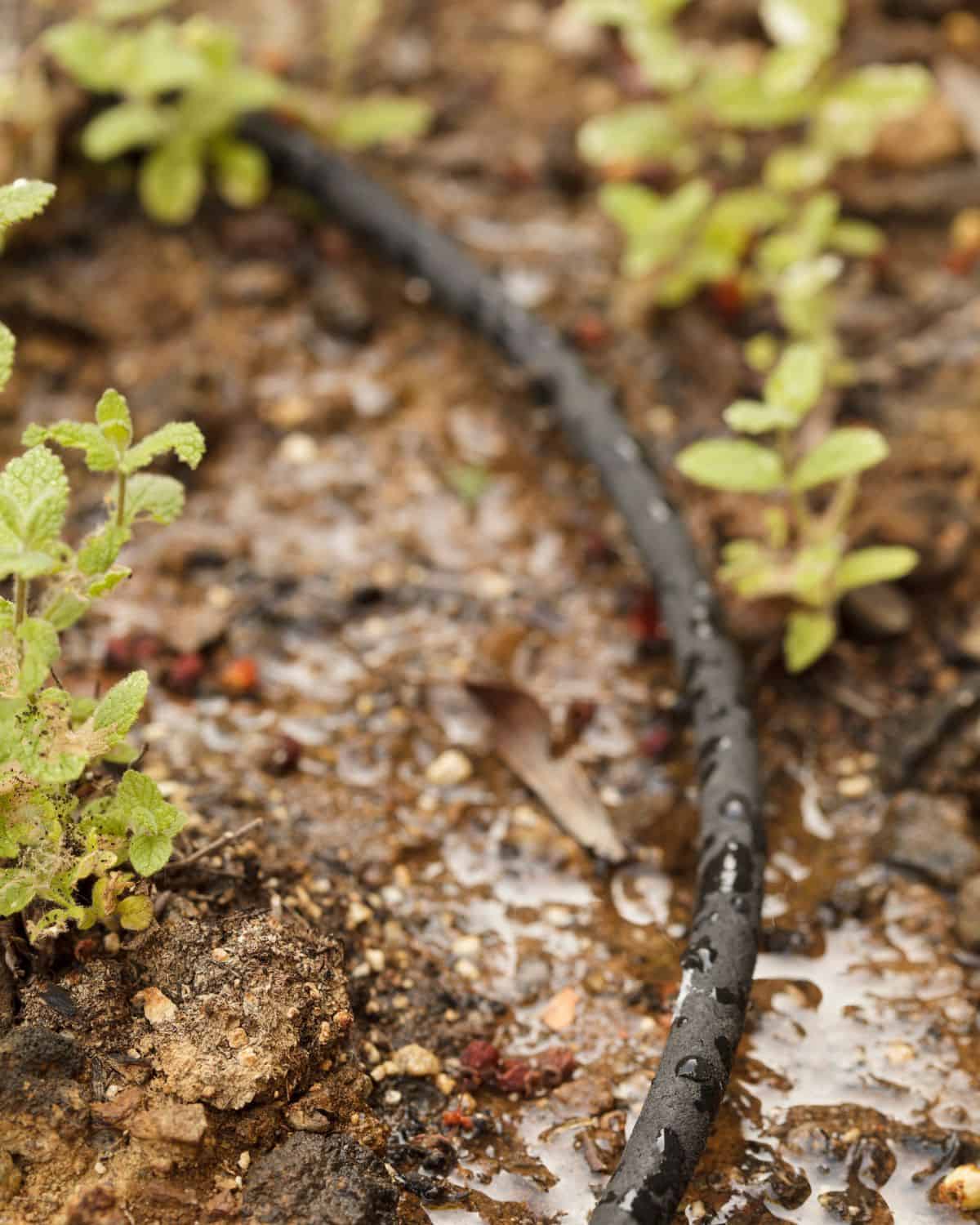
As awareness of environmental toxins increases, gardeners are scrutinizing the materials used in irrigation. Traditional PVC hoses often contain phthalates and lead, which can leach into the water supply. Consequently, there has been a significant market move toward "drinking water safe" hoses. Brands like Water Right have pioneered the use of polyurethane, which is both non-toxic and lighter than traditional rubber.
In addition to high-tech hoses, the traditional galvanized metal watering can remains a preferred choice for targeted irrigation. Unlike plastic versions, metal cans are resistant to UV degradation and offer a classic aesthetic that appeals to the artisanal gardening community. For the younger demographic, companies like Green Toys have introduced gardening sets made from 100% recycled plastic, facilitating the introduction of children to horticultural practices without exposure to BPA or PVC.

Seed Starting and Seasonal Extension
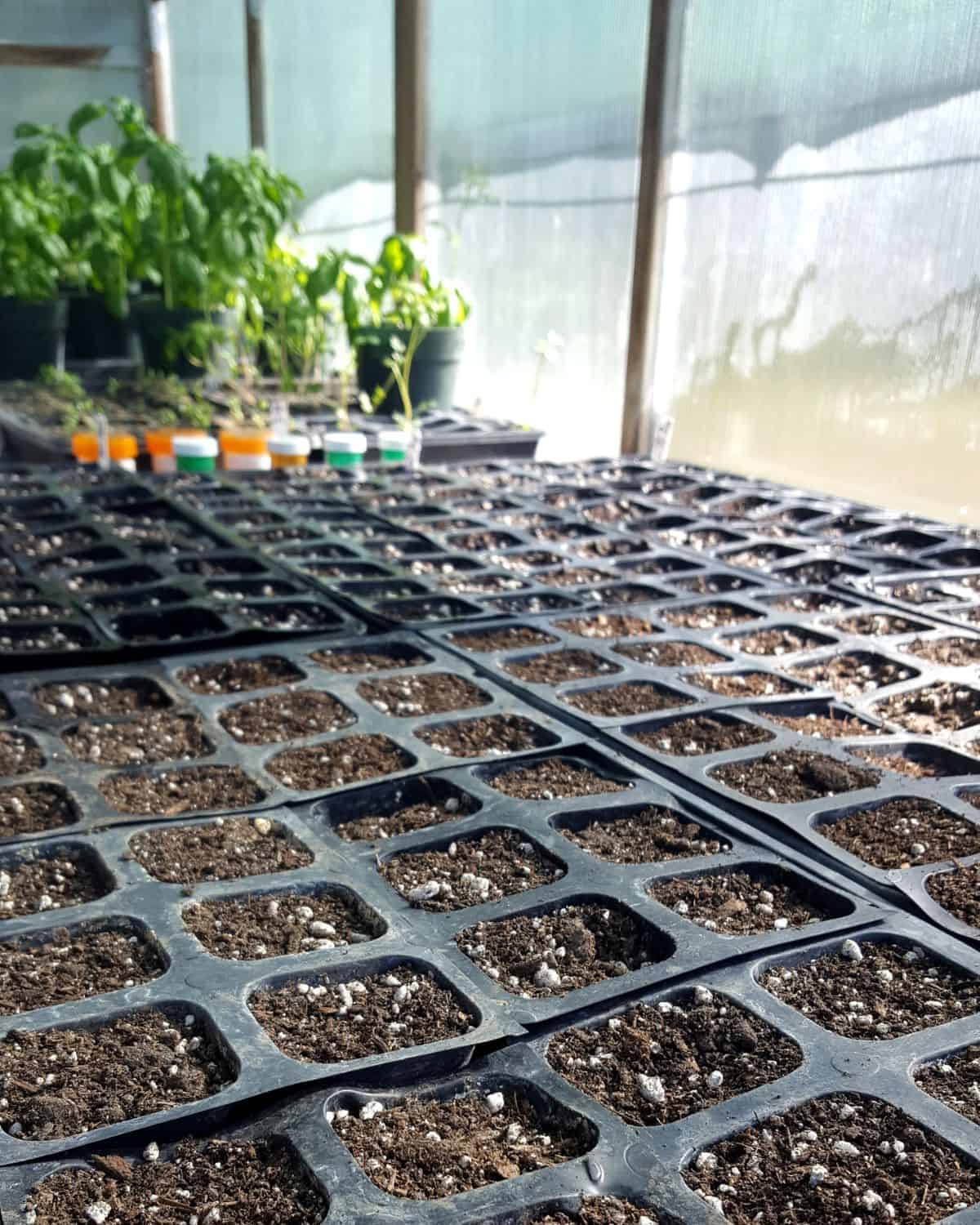
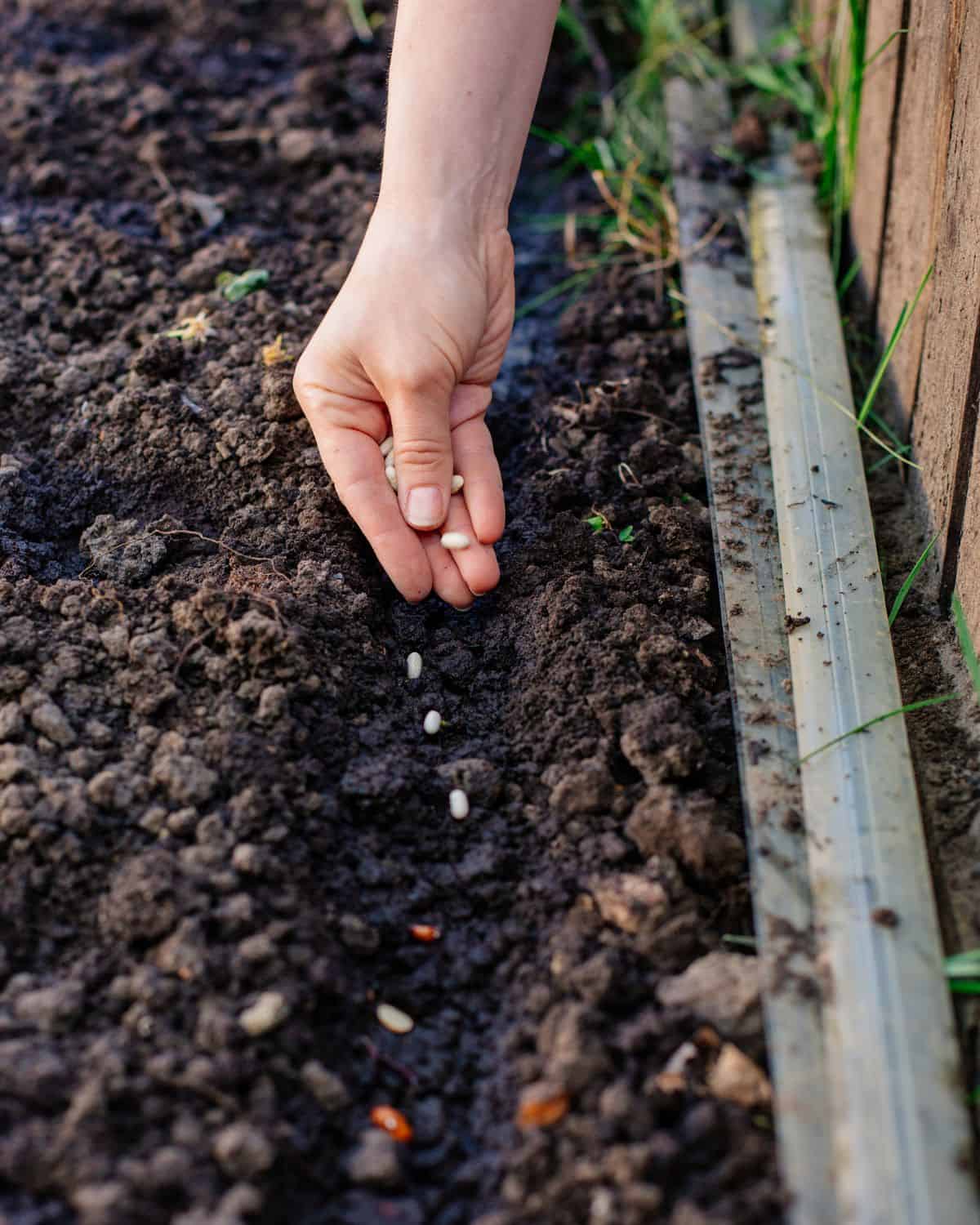
The economic benefits of gardening are most pronounced when starting plants from seed rather than purchasing established starts. The current season sees a high demand for seed-starting infrastructure, including specialized trays and soil block makers. Soil blocking is a technique that eliminates the need for plastic pots by compressing soil into self-standing cubes. This method reduces "transplant shock" and aligns with zero-waste gardening goals.
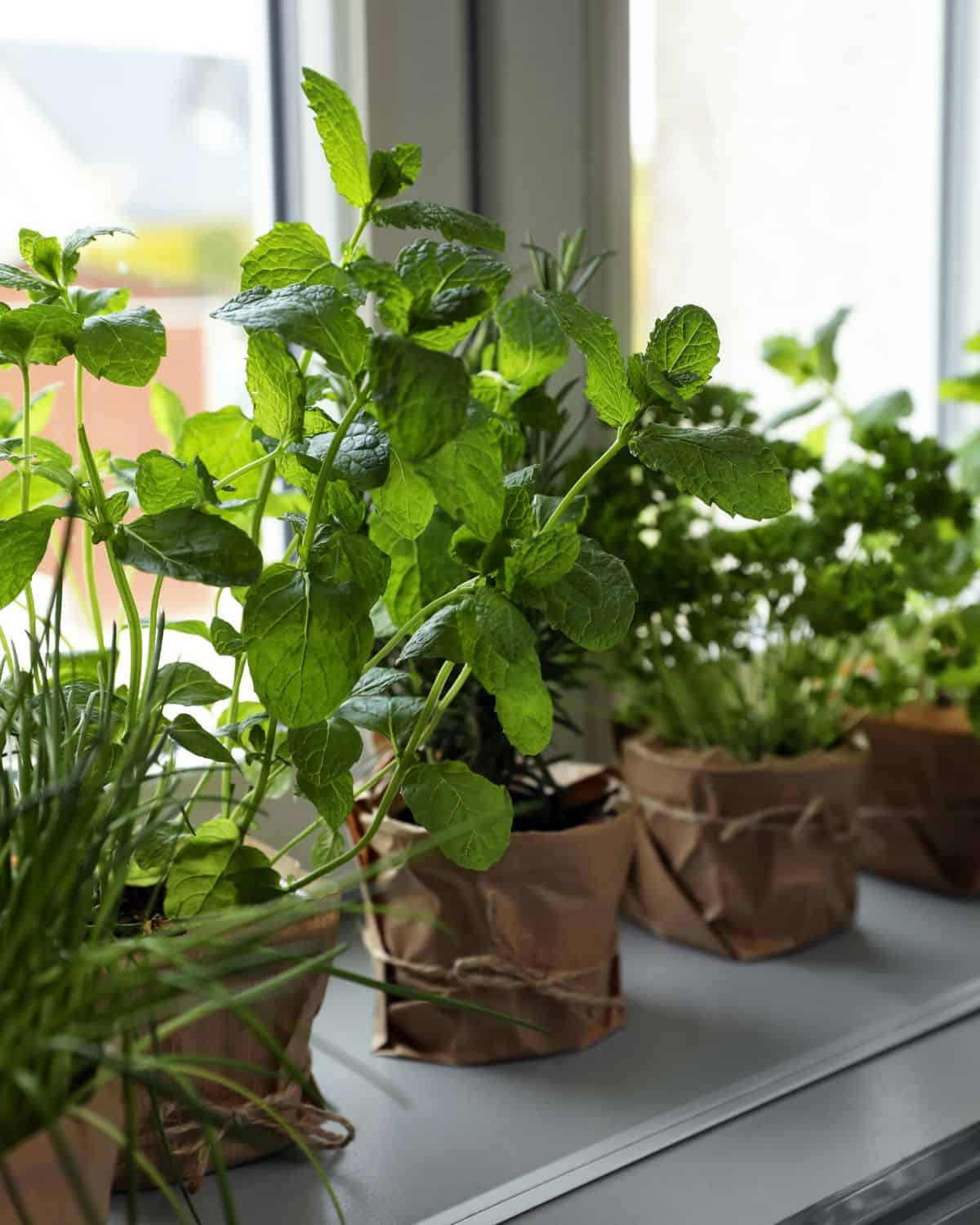
Seed kits have also become a popular gift item, with a focus on heirloom and organic varieties. Survival Garden Seeds and Garden Republic are among the companies offering "seed vaults" and herb kits that include plant markers and instructional guides. These products often focus on culinary and medicinal herbs, such as lavender, basil, and thyme, which are well-suited for small-space gardening.
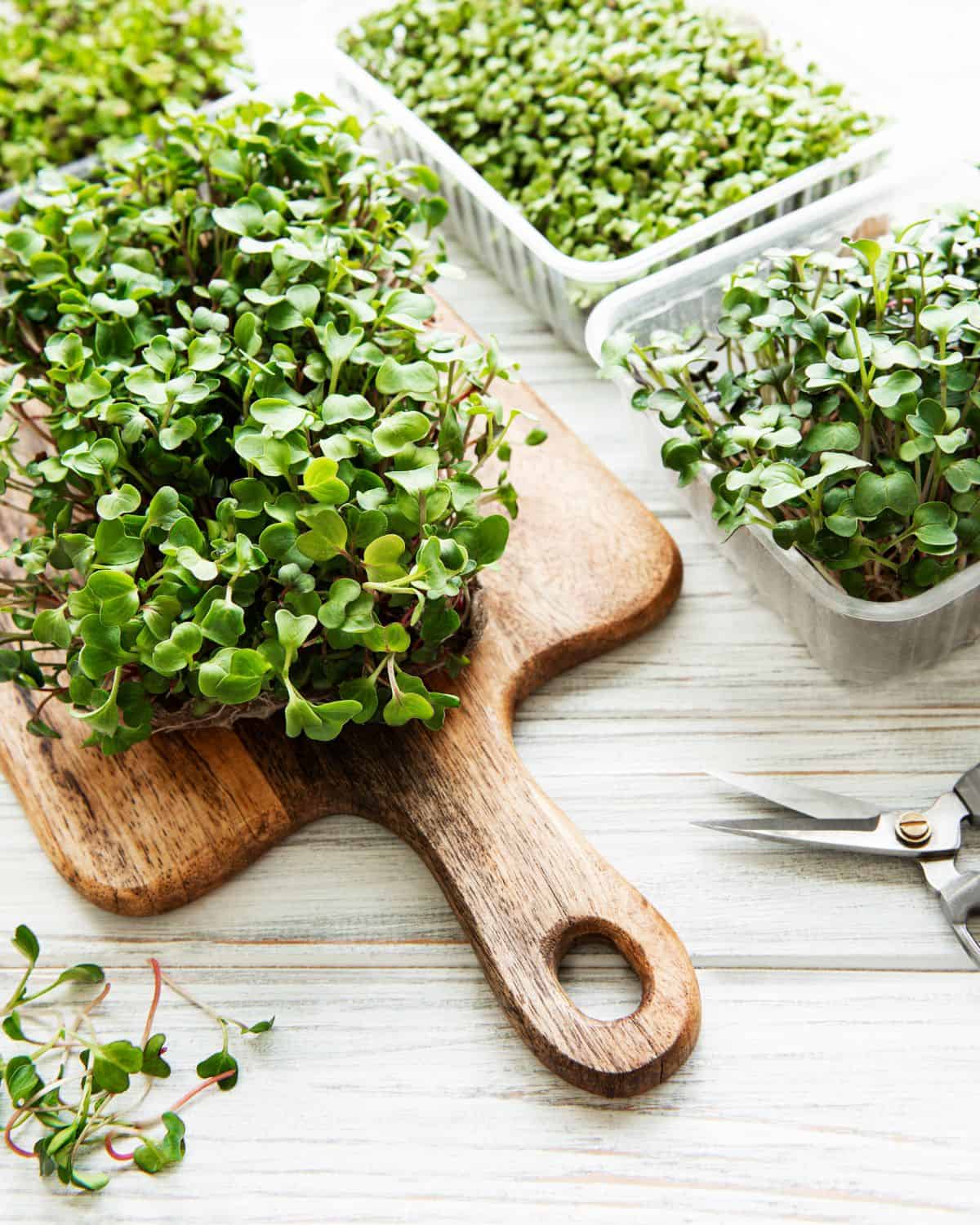
For gardeners in colder climates, mini-greenhouses and microgreens kits provide a means of maintaining production during the winter months. Mini-greenhouses allow for the early hardening off of seedlings, effectively extending the growing season by several weeks. Microgreens kits, which can be used indoors on windowsills, offer a high-nutrient harvest in as little as ten days, providing year-round food security.
The Role of Educational Literature in Permaculture
The complexity of permaculture design necessitates a strong educational foundation. Literature remains one of the most impactful gifts for the aspiring gardener. Several key texts have defined the modern movement:
- The Suburban Micro-Farm by Amy Stross: This text focuses on maximizing productivity in small residential lots, providing a bridge between traditional gardening and complex ecological design.
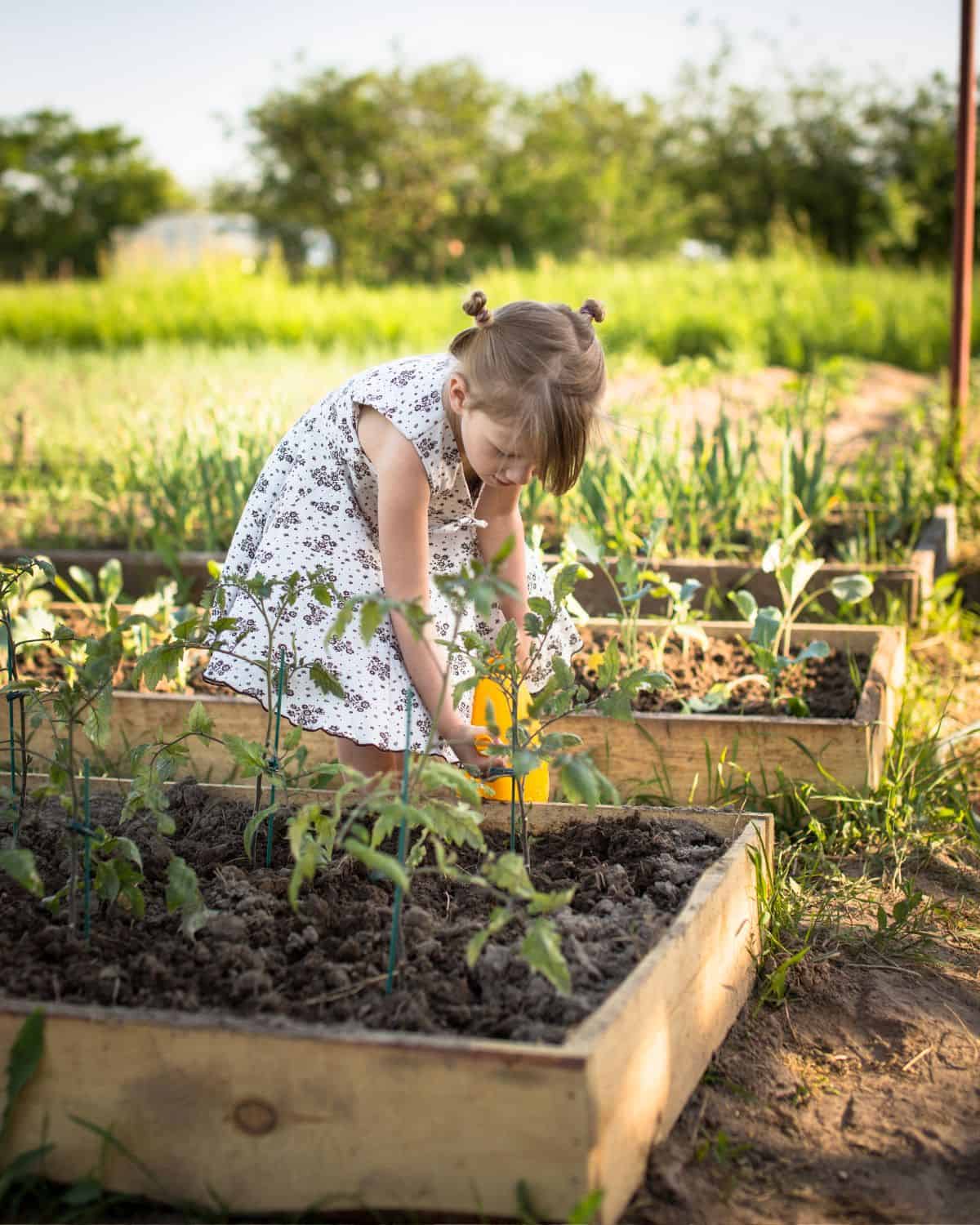
- Square Foot Gardening by Mel Bartholomew: A revolutionary approach that uses a grid system to increase yields while reducing space and water requirements.
- Gaia’s Garden by Toby Hemenway: Widely considered the gold standard for home-scale permaculture, this book teaches gardeners how to create self-sustaining ecosystems.
- The Resilient Farm and Homestead by Ben Falk: A more advanced resource that explores whole-systems design, including water management and renewable energy integration.
- Gardening Without Work by Ruth Stout: A historical but highly relevant text that advocates for permanent mulching to eliminate the need for tilling and weeding.
Furthermore, digital resources such as "The Backyard Forest Garden" eBook provide step-by-step instructions for creating food forests. These guides are essential for gardeners looking to transition from annual vegetables to perennial systems involving trees, shrubs, and ground covers.
Economic and Environmental Implications
The proliferation of high-quality gardening tools and education has broader implications for urban and suburban resilience. By investing in durable equipment, households reduce their reliance on industrial agricultural supply chains. Data suggests that a well-managed backyard permaculture system can provide a significant percentage of a family’s fresh produce needs, leading to long-term financial savings and a reduced carbon footprint.
Furthermore, the shift toward permaculture promotes biodiversity. Unlike monoculture lawns, food forests provide habitats for pollinators and improve soil sequestration of carbon. The holiday season serves as a critical period for this movement, as the gifting of tools and seeds often acts as the catalyst for the establishment of new garden projects in the coming spring.
Industry Analysis and Future Outlook
The gardening industry is expected to continue its upward trajectory, with a focus on "smart" tools and sustainable materials. Analysts predict that the integration of traditional manual tools with modern ecological science will remain the primary driver of growth. Retailers and manufacturers who prioritize durability, non-toxic materials, and educational support are likely to capture the largest share of this expanding market.

In conclusion, the modern backyard gardener is no longer satisfied with disposable plastic tools or chemical-heavy fertilizers. The current trend favors precision engineering, environmental safety, and a deep understanding of ecological systems. This holiday season reflects a maturation of the gardening market, where the gifts exchanged are not merely hobbies, but investments in a more sustainable and self-reliant future.