
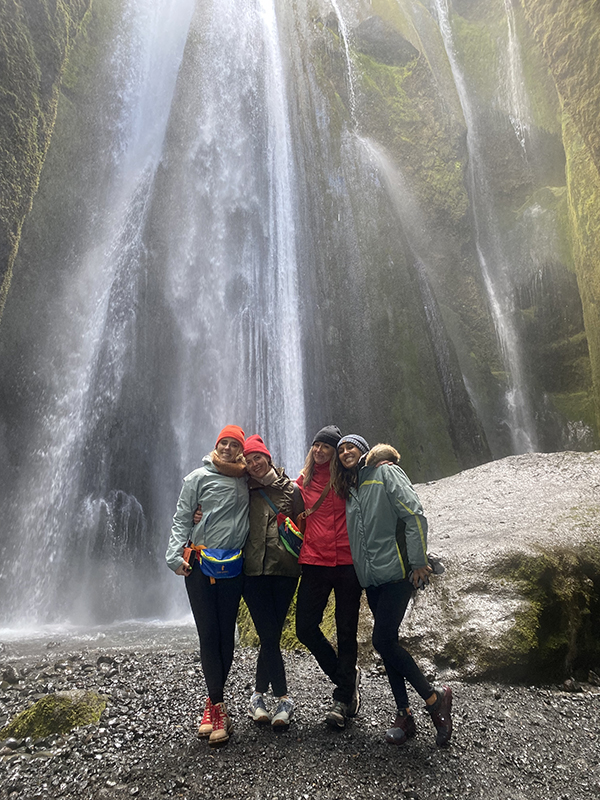
The global travel industry has witnessed a significant shift toward "intentional travel," a concept where journeys are designed around specific life transitions or psychological milestones. A prominent example of this trend is the emergence of the "divorce trip," a niche within wellness tourism where individuals and their support networks utilize travel as a tool for emotional recalibration. Iceland, with its stark landscapes and well-developed geothermal infrastructure, has become a primary destination for such expeditions. A recent 10-day circuit of the island’s Ring Road illustrates how the country’s unique geological and culinary offerings provide a framework for these purposeful journeys.

The Strategic Framework of the Icelandic Ring Road Expedition
The Ring Road, or Route 1, encircles the entirety of Iceland, spanning approximately 821 miles (1,322 kilometers). For travelers seeking a comprehensive overview of the nation’s diverse microclimates and geological features, the circuit offers a logistical backbone. However, tourism analysts suggest that for trips shorter than 10 days, a more concentrated focus on specific regions—such as the South Coast or the Snæfellsnes Peninsula—is often more conducive to the "slow travel" movement, which prioritizes depth of experience over geographic coverage.
The recent expedition undertaken by a group of travelers focused on the therapeutic potential of the island’s landscape. By incorporating a mix of high-adrenaline activities, such as helicopter tours over active volcanic sites, and contemplative experiences in remote geothermal baths, the itinerary sought to balance the physical and emotional demands of a "divorce trip." This approach aligns with broader trends in the travel sector, where consumers increasingly view international trips as essential components of their mental health and personal growth strategies.
Geothermal Wellness and the Expansion of Bathing Culture
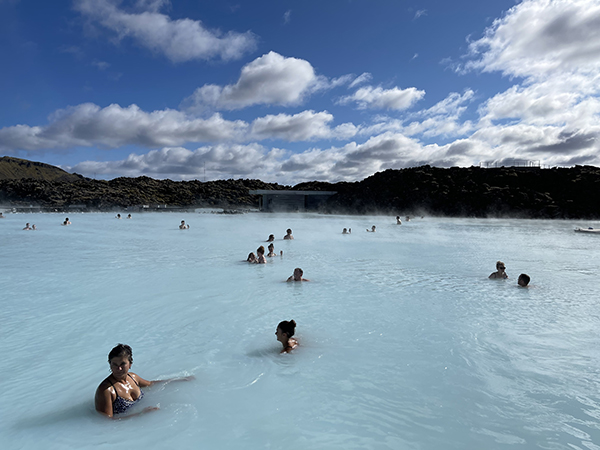
Iceland’s position on the Mid-Atlantic Ridge makes it one of the most volcanically active regions in the world, a factor that has allowed the nation to pioneer geothermal energy and bathing culture. While the Blue Lagoon remains the most recognized site, the development of newer facilities in the East and North has decentralized tourism and provided more secluded experiences.
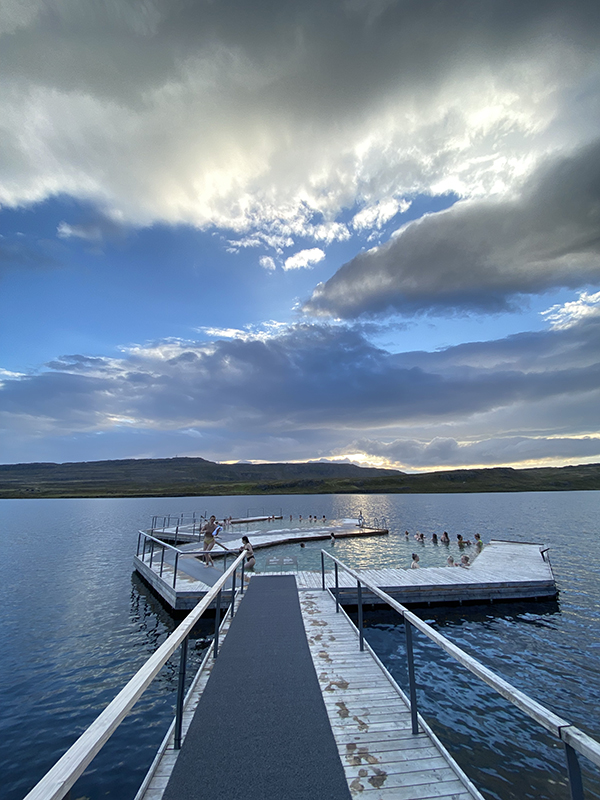
A standout in this category is the Vök Baths, located on Lake Urriðavatn in East Iceland. Opened in 2019, Vök Baths utilizes the country’s only certified drinkable hot water. The facility is notable for its floating pools, which are integrated directly into the cold lake. This allows for "contrast therapy," a practice involving alternating between extreme heat and cold, which is theorized to improve circulation and reduce inflammation. For intentional travelers, these sites serve as more than recreational areas; they are spaces for communal reflection and physical rejuvenation.
Beyond high-end spas, the group’s itinerary highlighted the importance of local community pools. Iceland maintains a high density of public baths, which are subsidized by the government and serve as essential social hubs. These facilities provide an authentic insight into Icelandic daily life and offer a more accessible entry point into the country’s wellness traditions.
Architectural Innovation and the Repurposing of Industrial Structures
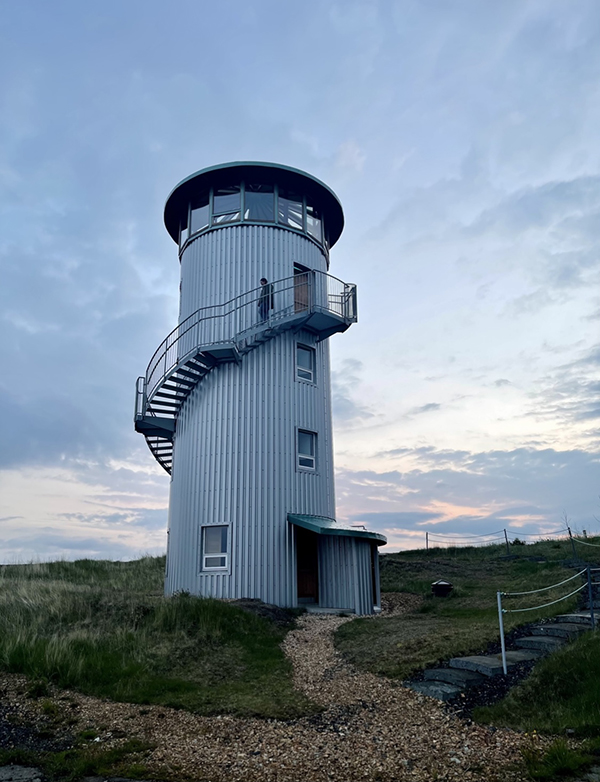
The Icelandic tourism sector has increasingly embraced "adaptive reuse" in its hospitality offerings. A prime example is the Klettar Tower, a repurposed industrial structure that has been converted into a high-end lodging facility. Located in a remote area, the tower features 360-degree windows on its top floor, specifically designed for viewing the Aurora Borealis (Northern Lights) during the winter months.
This trend toward unique, secluded accommodations reflects a shift in consumer preference away from standardized hotel chains. According to data from the Icelandic Tourist Board, there is a growing demand for "isolated luxury," where travelers can experience the wilderness without sacrificing modern amenities. The Klettar Tower represents a successful intersection of historical preservation and contemporary tourism, providing a landmark experience that anchors a multi-day itinerary.
Culinary Sustainability: The Greenhouse Revolution
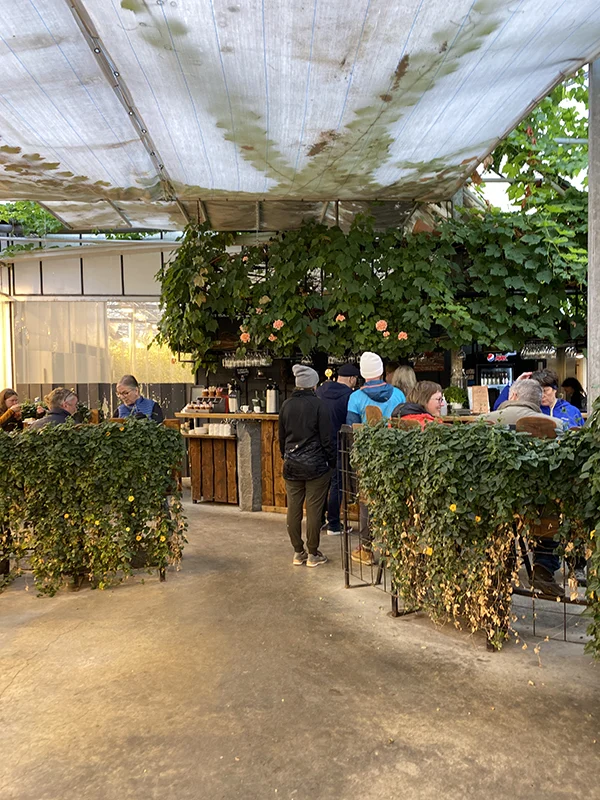
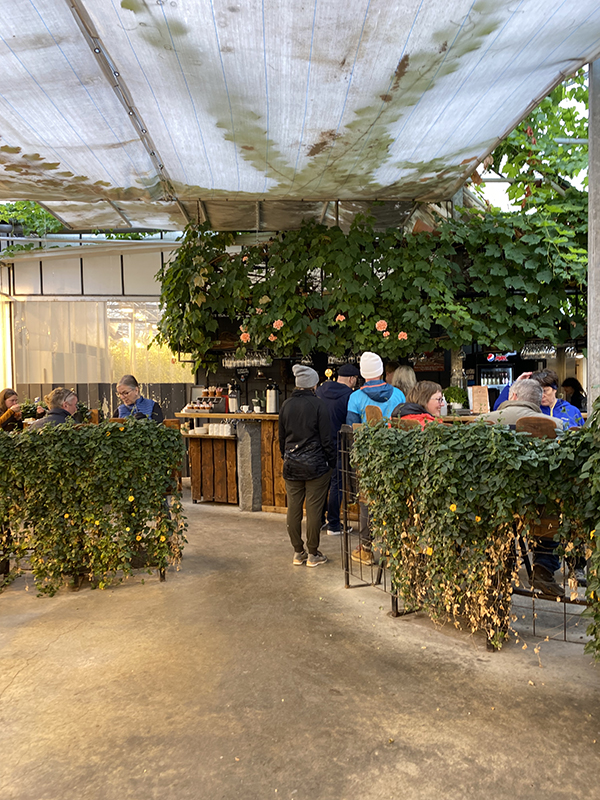
Iceland’s extreme climate and limited sunlight for much of the year pose significant challenges for agriculture. However, the nation has become a world leader in geothermal greenhouse technology. Friðheimar, a tomato greenhouse and restaurant located in the Golden Circle region, has become a flagship for this sustainable model.
By utilizing abundant geothermal heat and pristine Icelandic water, Friðheimar produces roughly one ton of tomatoes per day. The facility employs biological pest control and uses imported bumblebees for pollination, creating a closed-loop ecosystem. The integration of a restaurant within the greenhouse allows visitors to dine amidst the crops, highlighting the connection between energy, technology, and food security. For the "divorce trip" participants, this site offered a unique sensory experience that underscored the ingenuity required to thrive in a harsh environment.
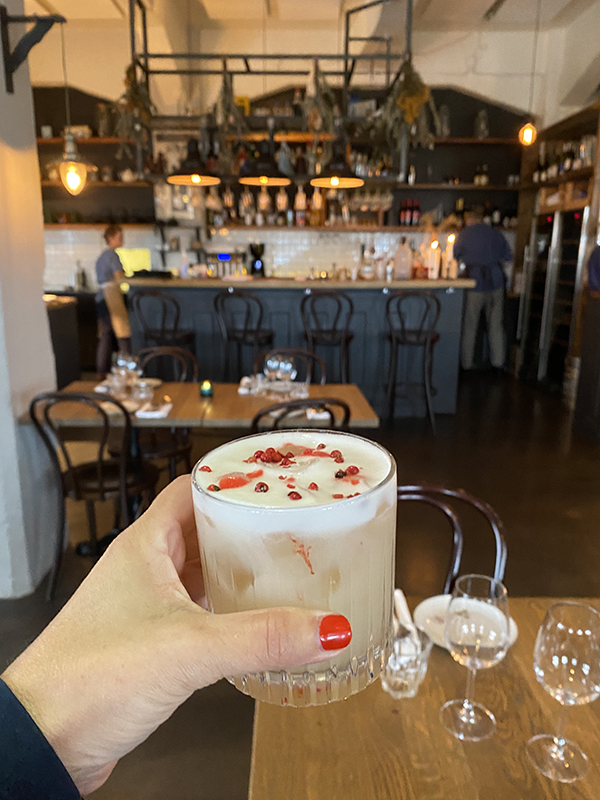
In Reykjavik, the culinary focus shifted toward the "New Nordic" movement, exemplified by the restaurant Matur og Drykkur. This establishment specializes in reinventing traditional Icelandic recipes—often those once considered "poverty food"—using modern techniques. The success of such venues indicates a maturation of the Icelandic food scene, which now attracts global gastronomes seeking authenticity and innovation.
Geological Real-Time: The Impact of Active Volcanism
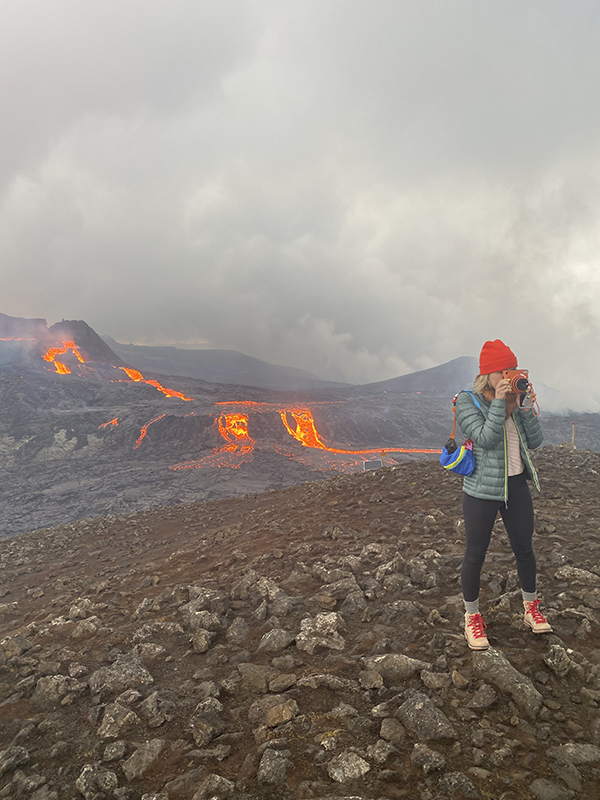
The presence of active volcanoes remains one of Iceland’s most potent draws. During the group’s visit, the Fagradalsfjall eruption provided a rare opportunity to witness the formation of new land. While many tourists choose to hike to the eruption sites—a task that can take several hours over rugged terrain—the group opted for a helicopter excursion to maximize their time and perspective.
The 2021 eruptions in the Geldingadalir valley significantly boosted tourism figures following the global pandemic. Data from Isavia, the national airport operator, showed a sharp increase in arrivals coinciding with the volcanic activity. For travelers on a mission of personal renewal, the sight of molten lava and the creation of new earth served as a powerful metaphor for transformation and the cyclical nature of life.
Urban Culture and the Economics of the Flea Market
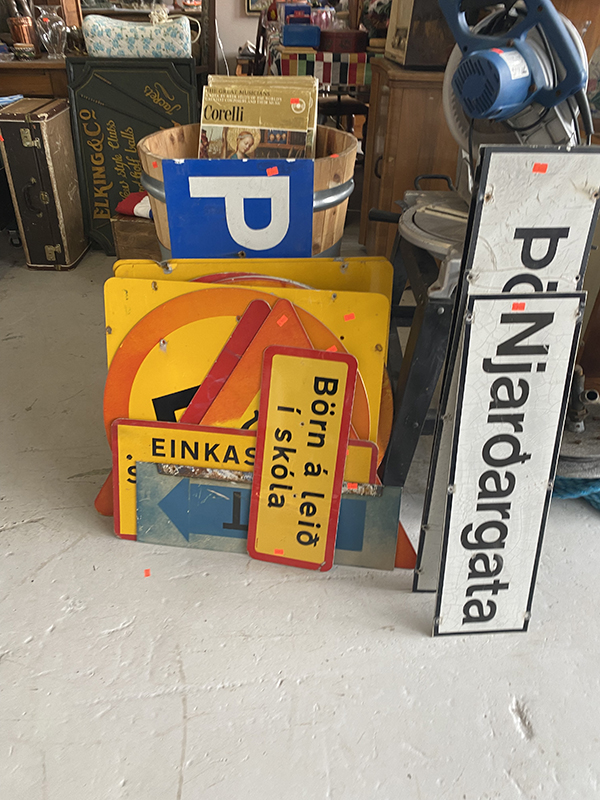
Despite its small population of approximately 370,000, Reykjavik maintains a vibrant cultural scene. The Kolaportið Flea Market, located near the old harbor, serves as a vital economic and social center. Operating on weekends, the market is a repository for Icelandic woolens, vintage items, and traditional delicacies like hákarl (fermented shark).
For the travelers, the flea market provided a venue for "treasure hunting," an activity that encourages engagement with the local community and the discovery of unique souvenirs. Economically, such markets support small-scale vendors and contribute to the circular economy, which is an increasingly important metric for sustainable tourism.
A Chronological Overview of the 10-Day Ring Road Circuit
To understand the logistics of such an ambitious journey, a timeline of the group’s movement provides necessary context for future travelers:
- Days 1-2: Arrival and Reykjavik Exploration. Focus on urban landmarks, the Kolaportið Flea Market, and high-end dining at Matur og Drykkur.
- Day 3: The Golden Circle. Visitation of the Friðheimar Greenhouse and the primary geothermal sites of Geysir and Gullfoss.
- Days 4-5: The South Coast. Transit through the black sand beaches of Vík and the glacier lagoons of Jökulsárlón.
- Days 6-7: The Eastfjords. Arrival at Vök Baths and the remote lodging at Klettar Tower. This segment prioritized rest and contrast therapy.
- Day 8: The North. Exploration of Lake Mývatn and the surrounding volcanic fields, often referred to as a "lunar landscape."
- Day 9: The West and Snæfellsnes. A long transit day focusing on the dramatic coastal cliffs and the iconic Kirkjufell mountain.
- Day 10: Departure and Final Reflection. A return to the Reykjanes Peninsula for a helicopter tour of the active volcano before departing from Keflavík International Airport.
Broader Implications for the Tourism Industry
The success of the "divorce trip" model in Iceland suggests that the future of the travel industry lies in customization and emotional resonance. As travelers move away from "bucket list" checklists, they are looking for itineraries that offer a narrative arc. Iceland’s ability to provide high-contrast experiences—hot and cold, ancient and modern, urban and wild—makes it a premier laboratory for this new era of tourism.
Furthermore, the Icelandic government’s focus on dispersing tourists away from the capital and into the eastern and northern regions is proving effective. By highlighting specialized experiences like Vök Baths and unique accommodations like Klettar Tower, the country is successfully managing its "overtourism" risks while supporting rural economies.
In conclusion, the intersection of intentional travel and Icelandic geography creates a unique opportunity for psychological and physical restoration. Whether through the heat of a geothermal pool, the innovation of a greenhouse, or the raw power of a volcano, the Icelandic landscape continues to serve as a backdrop for significant human transitions, reinforcing the idea that travel is not merely a change of scenery, but a catalyst for change within the traveler.


