
Walmart has formalized a strategic partnership with lifestyle and design platform Oh Happy Day to promote its "Wow and Now" home goods section, a curated initiative designed to capture a larger share of the trend-forward interior and exterior decor market. This collaboration highlights a significant shift in the retail giant’s merchandising strategy, moving beyond its traditional "Everyday Low Price" utility model toward an agile, design-centric approach that competes directly with specialty home retailers and digital-first boutiques. The "Wow and Now" section serves as a rotating showcase of seasonal essentials, offering high-aesthetic products at accessible price points, with an emphasis on rapid fulfillment and omnichannel accessibility.
Strategic Integration of Trend-Forward Merchandising
The partnership between Walmart and Oh Happy Day underscores a broader trend in the retail industry where big-box giants leverage the aesthetic authority of established lifestyle influencers to validate their design credentials. By focusing on a "summer essentials" theme, the collaboration targets a demographic looking to refresh living spaces—specifically outdoor patios and entertainment areas—without the long lead times often associated with high-end furniture and decor brands.
The "Wow and Now" initiative is structured as a "treasure hunt" experience, a retail tactic popularized by off-price retailers but adapted here for the digital space. It features a curated selection of items that are updated frequently to reflect current trends in color, texture, and material. This approach encourages repeat traffic, both online and in-store, as consumers seek to discover new arrivals that align with seasonal shifts.

The Evolution of the "Wow and Now" Concept
Launched as a response to shifting consumer expectations, the "Wow and Now" concept represents Walmart’s attempt to bridge the gap between affordability and aspirational design. Historically, Walmart’s home goods were perceived as purely functional. However, as competitors like Target successfully cultivated design-led brands such as Threshold and Hearth & Hand with Magnolia, Walmart has sought to reposition its inventory to appeal to style-conscious shoppers.
The "Wow and Now" section is characterized by several key pillars:
- Trend Responsiveness: Products are selected based on real-time social media trends and interior design forecasts.
- Price Accessibility: Maintaining the core Walmart value proposition by keeping price points significantly lower than boutique competitors.
- Logistical Efficiency: Leveraging Walmart’s massive distribution network to offer "super quick" delivery, often within one to two days, a critical factor in the modern e-commerce landscape.
Enhancing the Outdoor Living Experience: Product Analysis
The current iteration of the partnership focuses on the "Summer Refresh," a seasonal movement that gained significant momentum following the global shift toward home-based entertaining. The products highlighted in the collaboration reflect a move toward natural materials and "organic modernism."
Materiality and Aesthetics: The Rise of Natural Fibers
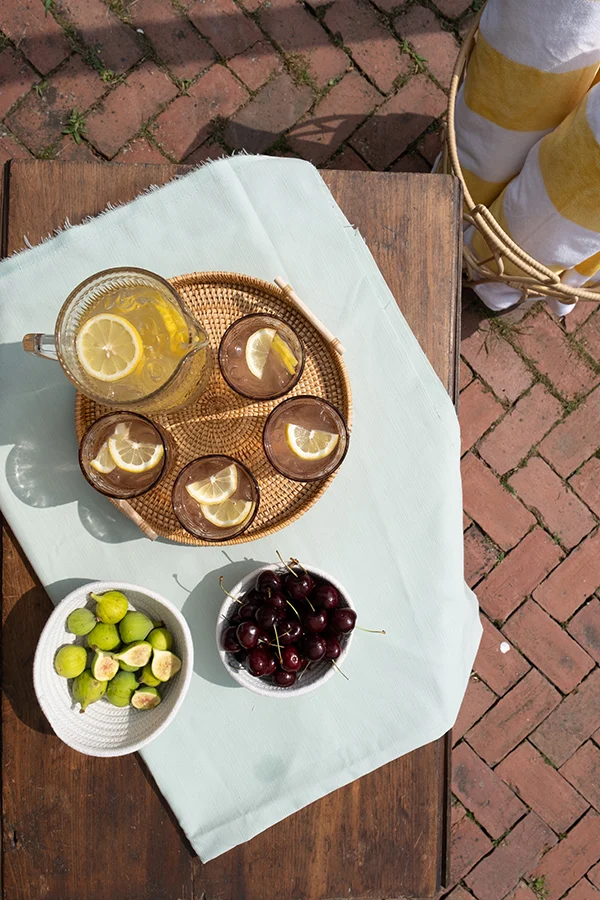
A central component of the summer collection includes woven bowl sets and rattan trays. Industry analysts note that the demand for natural fibers—such as rattan, seagrass, and wicker—has surged as consumers look to soften the lines of modern architecture with organic textures. These materials are particularly popular for outdoor settings due to their visual lightness and association with tropical or coastal aesthetics.
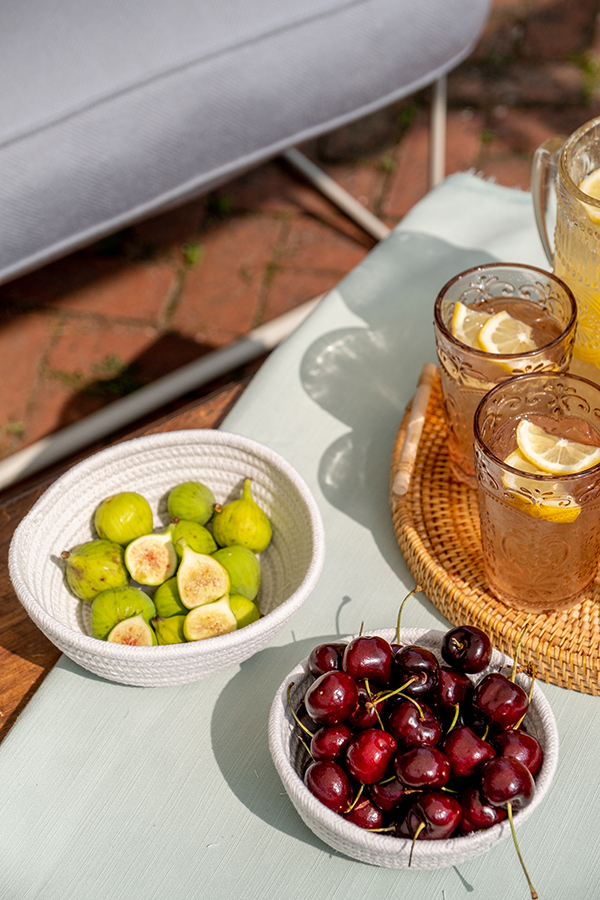
The woven bowl sets, marketed for fruits and snacks, and the rattan trays, intended for beverage service, represent a shift toward "elevated casual" dining. By offering these items, Walmart is tapping into the "tablescaping" trend, where the presentation of food and drink is considered an integral part of the home decor experience.
Beverage Service and the Revival of Home Entertaining
The collaboration also emphasizes tools for homemade refreshments, such as citrus squeezers, glass pitchers, and rose-colored glass tumblers. This focus aligns with consumer data suggesting a revival in home-based mixology and "mocktail" culture. According to market research, the glassware category saw a 15% increase in demand during the early 2020s as consumers redirected discretionary spending from restaurant dining to high-quality home serving sets.
The inclusion of "Rose Glass Tumblers" specifically points to the popularity of tinted glassware, a vintage-inspired trend that has seen a resurgence among Millennial and Gen Z demographics. By providing these aesthetic choices at a lower cost, Walmart effectively democratizes design trends that were previously exclusive to higher-end retailers like Anthropologie or West Elm.
Utility and Style in Outdoor Leisure
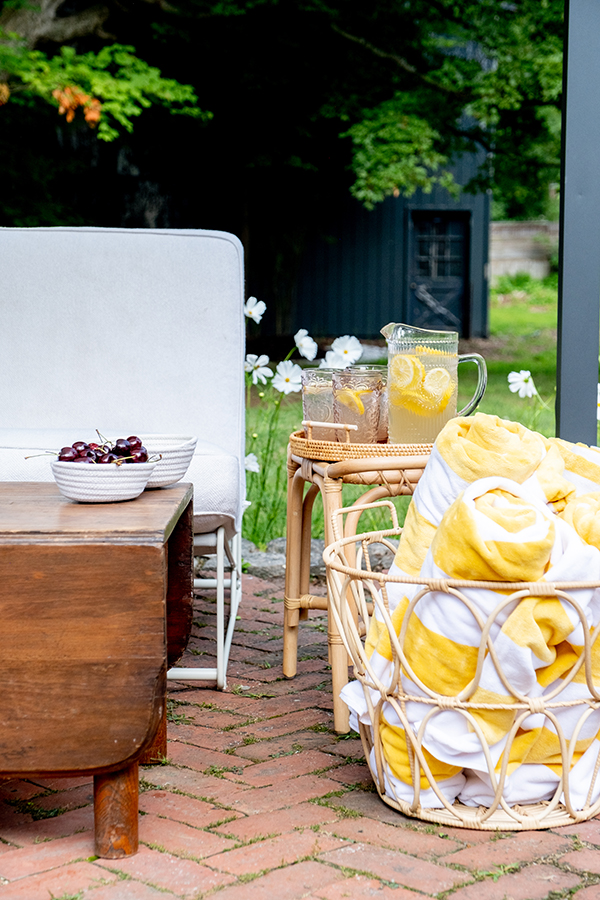
The "summer refresh" also extends to poolside and sunbathing essentials. The partnership highlights open-weave storage baskets and striped towels, suggesting a "level up" from basic utility to a coordinated aesthetic. The use of classic patterns, such as stripes, combined with functional storage solutions, addresses the consumer’s desire for an organized yet photogenic outdoor space.

Logistics and the Competitive Edge of Rapid Fulfillment
One of the primary drivers of this partnership’s success is the integration of Walmart’s logistical infrastructure. While many design-focused retailers struggle with supply chain delays and high shipping costs, Walmart utilizes its 4,700+ stores as fulfillment centers. This allows for the "super quick delivery" mentioned by Oh Happy Day, which often includes same-day or next-day options.
In the context of seasonal decor, timing is a critical conversion factor. Consumers looking for summer essentials are typically unwilling to wait weeks for shipping. By ensuring that a "citrus squeezer" or a "set of striped towels" can arrive within 48 hours, Walmart creates a competitive moat that smaller boutique brands cannot easily replicate.
Market Data and Consumer Behavior in the Home Sector
The home decor market has undergone a radical transformation. According to data from the Global Home Decor Market report, the industry was valued at approximately $616.6 billion in 2021 and is projected to continue growing. A significant portion of this growth is attributed to the "seasonal refresh" sub-sector, where consumers make smaller, more frequent purchases to update their homes rather than undergoing major renovations.
Walmart’s pivot toward curated, trend-forward sections like "Wow and Now" is a direct response to these metrics. By capturing the "impulse buy" market for trendy home goods, the company increases its "basket size" per customer. Furthermore, these partnerships help Walmart improve its brand perception among higher-income demographics who may have previously bypassed the retailer for their aesthetic needs.
The Role of Digital Partnerships in Modern Retail
The collaboration with Oh Happy Day is an example of "native advertising" or "sponsored content" that functions as a bridge between the retailer and the consumer’s lifestyle. In a professional journalistic context, this is viewed as a strategic marketing move to humanize a massive corporation. By showing the products "in use" within a curated, aspirational setting (such as a newly renovated patio), the marketing campaign provides a proof-of-concept for the products’ quality and style.
Retail analysts suggest that these partnerships are more effective than traditional television or print advertising for the home goods category. Consumers are more likely to trust a design platform’s curation than a generic corporate advertisement. This "influencer-as-editor" model allows Walmart to outsource its trend-spotting to experts who have a direct line to the target audience.
Broader Impact and Industry Implications
Walmart’s aggressive expansion into curated home decor signifies a tightening of the "value-luxury" market. As big-box retailers improve their design capabilities, the pressure on mid-tier retailers increases. If a consumer can purchase a high-quality rattan tray at Walmart for a fraction of the price of a specialty store, and receive it the next day, the value proposition of the specialty store must shift toward even higher exclusivity or bespoke services.
Furthermore, this initiative reflects a broader societal trend toward "home-centricity." As hybrid work models persist, the home has become a multi-functional space that requires constant adaptation. The ability to "refresh from season to season" is no longer just a luxury for the wealthy but a standard expectation for the middle-market consumer.
Future Projections for Walmart’s Home Division
Looking forward, it is expected that Walmart will continue to expand the "Wow and Now" model into other categories, potentially including holiday decor, home office organization, and smart home technology. The success of the "Summer Refresh" campaign serves as a blueprint for future seasonal rollouts.
The company’s ability to combine low-cost manufacturing with high-speed logistics and expert-level curation positions it as a formidable player in the global home goods market. As long as the "Wow and Now" section continues to deliver on its promise of being "trend-forward" and "really great price points," it is likely to remain a cornerstone of Walmart’s digital and physical growth strategy.
In conclusion, the partnership with Oh Happy Day is more than a simple endorsement; it is a calculated move to redefine what a discount retailer can offer. By focusing on the intersection of style, speed, and savings, Walmart is successfully navigating the complexities of the modern retail landscape, ensuring that its "summer essentials" are not just functional, but also aspirational.


