
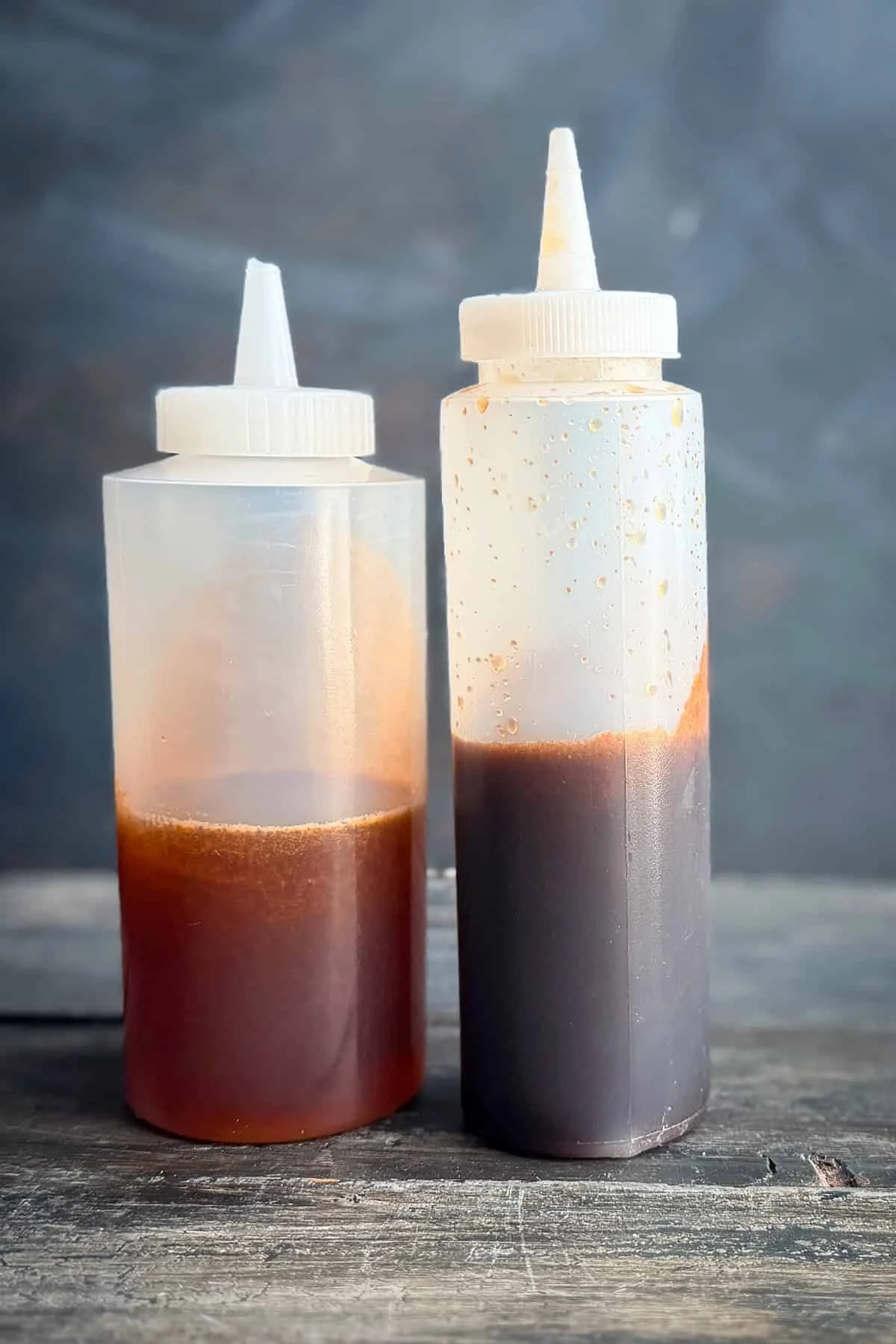
The culinary landscape has been transformed by a simple yet potent combination: heat and sweetness. Hot honey, once a niche condiment found in specialty stores or painstakingly homemade, has exploded into the mainstream, gracing restaurant menus, fast-food drive-throughs, and countless social media feeds. This meteoric rise signifies a broader trend in consumer palates, a desire for complex flavor profiles that challenge and delight. Major players in the food industry have taken notice, with McDonald’s launching a dedicated hot honey menu in January, followed by Einstein Bros. introducing a hot honey cream cheese shmear in February. These additions join an already established lineup of fast-food adopters, including Shake Shack, Pizza Hut, and Taco Bell, all of whom recognized the burgeoning popularity of this "swicy" sensation well in advance. The rapid incorporation by such prominent chains is a clear indicator that hot honey has transcended its artisanal roots to become a firmly established component of the modern American diet.
This widespread adoption, however, often overlooks a crucial point: while commercially available hot honey offers convenience, it frequently falls short of the depth and nuance achievable through homemade preparations. For those seeking the ultimate expression of this flavorful condiment, the journey leads to the kitchen, and for the truly adventurous, to the smoker. The evolution of hot honey’s popularity can be traced through several key phases. Initially championed by food bloggers and chefs experimenting with unique flavor pairings, it gained traction within foodie circles. As these enthusiasts shared their creations online, the visually appealing and versatile nature of hot honey began to capture broader attention. This organic growth was then amplified by restaurant chains and food manufacturers recognizing the market demand and the potential for innovation.

The appeal of hot honey lies in its inherent duality. It delivers a comforting sweetness, reminiscent of classic honey, while simultaneously introducing a stimulating kick of heat. This complex sensory experience is often described as "swicy" – a portmanteau of sweet and spicy – a flavor profile that has been gaining significant traction across various food categories. This trend is not isolated to hot honey; consumers are increasingly seeking out foods that offer a dynamic interplay of tastes, moving beyond single-note flavor experiences. The rise of Korean cuisine, with its emphasis on fermented ingredients and layered spice, has also contributed to the widespread acceptance of ingredients like gochugaru, a key component in one of the most celebrated homemade hot honey recipes.
Christie Vanover, an award-winning competitive pitmaster and founder of Girls Can Grill, offers insights into creating superior versions of this popular condiment. Vanover, who established her website in 2015 to share her extensive BBQ knowledge, highlights two distinct approaches to crafting exceptional hot honey: a quick stovetop method utilizing gochugaru, and a more elaborate smoked version. Both methods, she emphasizes, elevate the ingredient beyond its mass-produced counterparts.
The Gochugaru Hot Honey: A Quick and Flavorful Stovetop Approach
For those seeking an immediate and accessible hot honey experience, Vanover’s stovetop method utilizing gochugaru presents an ideal solution. This recipe, which can be prepared in under 10 minutes with just three primary ingredients, is designed for everyday use and longevity, particularly during warmer months. The key to this version’s distinctiveness lies in the strategic substitution of standard red pepper flakes with gochugaru.

Gochugaru, derived from sun-dried Korean chili peppers, offers a flavor profile that is markedly different from its Western counterparts. It possesses a fruitier, more complex heat that is less sharp and more layered, contributing to a richer and more nuanced final product. This characteristic aligns perfectly with the growing popularity of Korean-inspired flavors, which have been steadily building momentum alongside the broader "swicy" movement. The inherent complexity of gochugaru translates directly into a more sophisticated hot honey, making it a standout choice for those looking to differentiate their culinary creations. This method allows for rapid infusion of flavor, making it a perfect weeknight addition to any meal.
Recipe Spotlight: Gochugaru Hot Honey
This Korean-inspired hot honey is a testament to simplicity and flavor. Ready in mere minutes, it’s an ideal companion for grilling season and beyond.
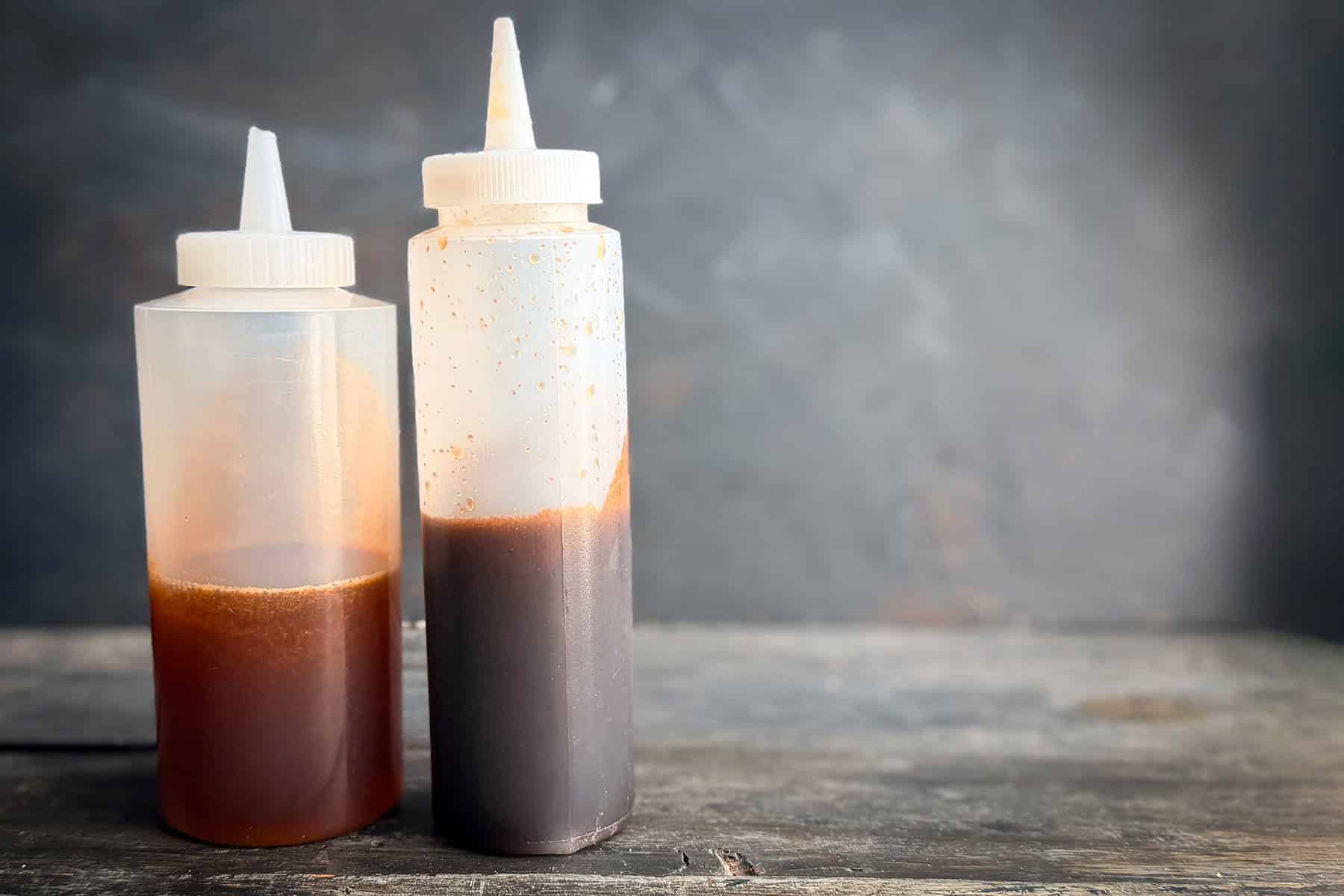
- Key Ingredients: Honey, Gochugaru (Korean chili flakes), optional additions like vinegar or garlic.
- Preparation Time: Approximately 10 minutes.
- Flavor Profile: Fruity, complex heat with a subtle sweetness.
- Versatility: Excellent drizzled over grilled chicken, pizza, biscuits, or incorporated into a cheese board.
The ease of this preparation allows for frequent creation, ensuring a fresh batch is always on hand. Its shelf life of up to two months at room temperature further enhances its practicality. The visual appeal of the vibrant red flecks suspended in golden honey is also a significant draw, making it an attractive addition to any table setting.
The Smoked Hot Honey: An Elevated Culinary Experience
For those who possess a smoker and are willing to invest a little more time, Vanover’s second method—smoked hot honey—promises a truly exceptional outcome. This preparation is designed to deliver a flavor profile so profound that it captivates diners, often eliciting surprised and delighted reactions. The distinctive character of this version is derived from the integration of chipotle powder, which synergizes beautifully with the subtle, earthy notes imparted by cherry wood smoke. This combination creates a slow-building, resonant heat that is both complex and deeply satisfying.
The entire process for smoked hot honey is conducted within a disposable aluminum pan directly on the smoker, eliminating the need for stovetop intervention. This hands-off approach allows the smoke to infuse the honey gradually, creating layers of flavor that are impossible to replicate through conventional cooking methods. The use of cherry wood, known for its mild sweetness and subtle fruitiness, complements the honey without overpowering it, while the chipotle powder adds a smoky depth and a gradual, lingering warmth.

Recipe Spotlight: Smoked Hot Honey
This elevated hot honey leverages the power of smoke for a truly unforgettable flavor. Ready in approximately 45 minutes, it is a game-changer for dishes like ribs, chicken, and pizza.
- Key Ingredients: Honey, chipotle powder, and cherry wood for smoking.
- Preparation Method: Smoked in a disposable aluminum pan.
- Flavor Profile: Deep, smoky, with a slow, earthy heat and a touch of sweetness.
- Culinary Applications: Perfect for brushing over ribs in the final stages of cooking, tossing wings, or drizzling over baked brie.
The creation of smoked hot honey represents a commitment to culinary excellence, transforming a popular condiment into a signature element of a meal. The resulting product offers a depth of flavor that stands apart, providing a gourmet touch to any dish it adorns. The extended cooking time allows for maximum flavor infusion, ensuring each spoonful is a rich sensory experience.
The Broader Implications and Consumer Trends
The meteoric rise of hot honey is symptomatic of a larger shift in consumer preferences. The desire for novel and exciting taste experiences has driven the popularity of "swicy" flavors, and hot honey is at the forefront of this movement. Data from food trend analysis firms consistently shows an increasing consumer interest in spicy and sweet flavor combinations. For instance, reports from Datassential indicate a significant year-over-year increase in menu mentions of "hot honey" and related "swicy" terms across various restaurant segments. This indicates a sustained and growing demand that food manufacturers and restaurateurs are actively working to meet.
The widespread availability of hot honey, from fast-food giants to boutique producers, has normalized its presence. This normalization has, in turn, encouraged further experimentation and innovation within the category. Consumers are no longer just looking for a generic hot honey; they are seeking out specific flavor profiles, heat levels, and ingredient origins. This has created a market opportunity for artisanal producers who can offer unique variations, such as those incorporating fruit infusions, different chili varieties, or artisanal honey sources.
The implications of this trend extend beyond the condiment itself. It signals a broader acceptance of bold and complex flavors within the mainstream palate. As consumers become more adventurous, food businesses are compelled to adapt, offering more diverse and nuanced options. This can lead to a ripple effect across the food industry, encouraging the development of other "swicy" products and challenging traditional flavor expectations.

Furthermore, the ease with which hot honey can be incorporated into a wide array of dishes—from breakfast pastries to main courses and appetizers—contributes to its broad appeal. Its versatility allows it to be a standalone flavor enhancer or a complementary element that elevates existing recipes. The fact that it can be used as a glaze, a drizzle, a dip, or an ingredient in marinades underscores its adaptability and widespread applicability in both home kitchens and professional culinary settings.
Storage and Longevity
Both the stovetop gochugaru hot honey and the smoked hot honey can be stored at room temperature in an airtight glass jar or a convenient squeeze bottle for up to two months. This extended shelf life makes them practical additions to any pantry, allowing consumers to enjoy their homemade creations over an extended period. Proper storage ensures that the vibrant flavors and aromas are preserved, maintaining the quality of the condiment until its final use. This longevity is a significant advantage for home cooks who may not use the condiment daily but wish to have it readily available for special occasions or impromptu culinary endeavors.
The year 2025 marked a significant milestone for hot honey, solidifying its position as a culinary phenomenon. As consumers increasingly embrace the art of homemade condiments, understanding the nuances of creating superior versions becomes paramount. From the quick and flavorful stovetop preparation to the deeply complex smoked variety, the possibilities for crafting the perfect hot honey are as diverse as the palates they aim to satisfy. The continued evolution of this trend suggests that the fiery sweetness of hot honey will remain a captivating element in the culinary world for the foreseeable future.


