
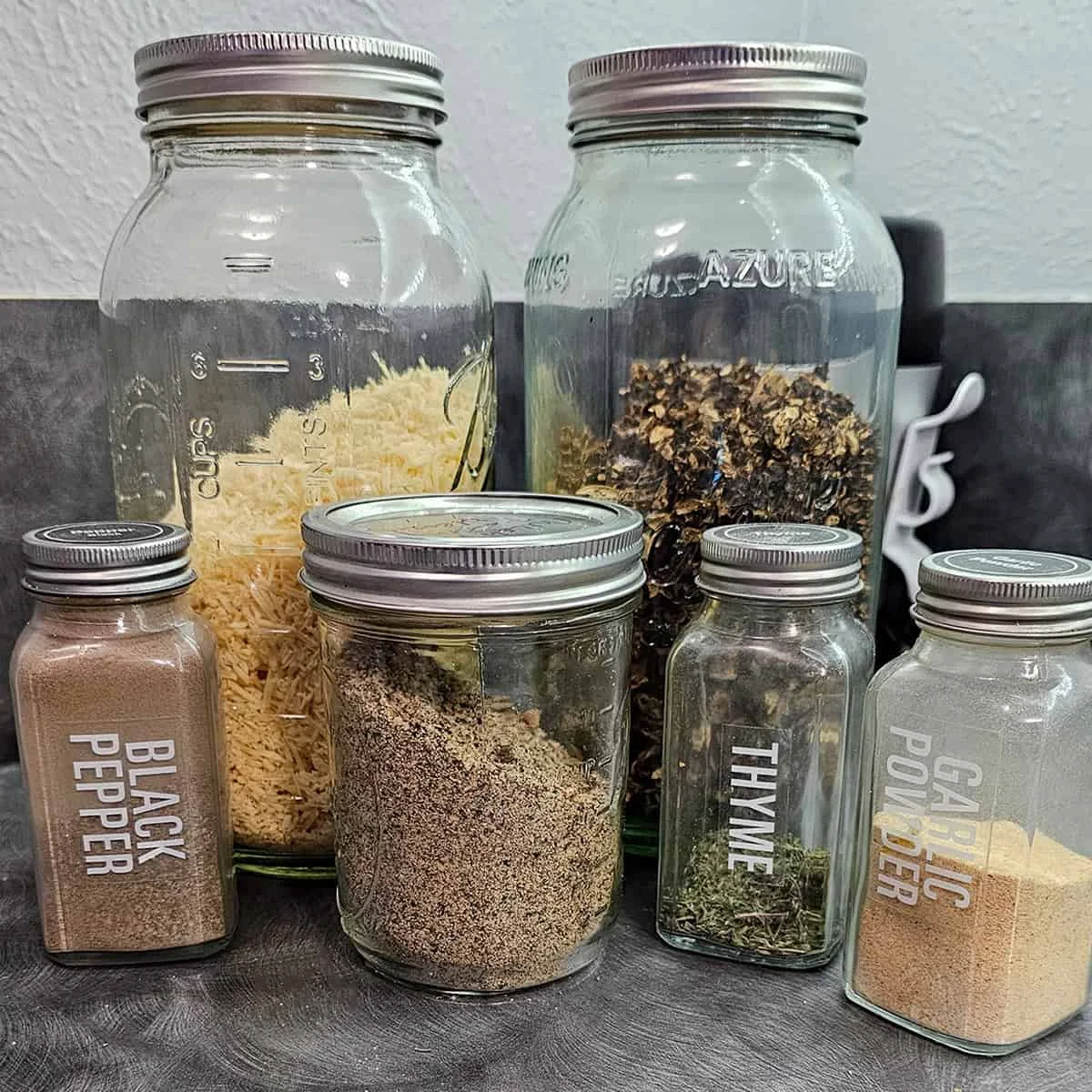
The culinary landscape is currently witnessing a significant shift toward artisanal, home-manufactured condiments as consumers seek to balance gourmet flavor profiles with the economic realities of rising grocery costs. Among these innovations is the Mushroom Parmesan seasoning blend, a versatile umami-rich compound that has gained traction within the food preservation community. Originally inspired by commercial offerings from specialty distributors such as Azure Standard, this specific blend utilizes the synergistic properties of dehydrated fungi and aged cheese to create a multi-purpose flavor enhancer suitable for everything from professional-grade meat rubs to casual snack seasonings.
The Evolution of Umami and the Rise of DIY Seasoning Blends
The development of the Mushroom Parmesan seasoning blend represents a convergence of two major culinary trends: the mainstreaming of "umami"—the fifth basic taste—and the resurgence of home food preservation. Umami, a Japanese term translating to "pleasant savory taste," was first identified by chemist Kikunae Ikeda in 1908. It is characterized by the presence of glutamates and nucleotides, which are naturally abundant in both mushrooms and fermented dairy products like Parmesan cheese.
For years, home cooks relied on store-bought flavor enhancers, often containing high levels of sodium and artificial preservatives. However, the volatility of global supply chains and the increasing popularity of "clean label" eating have prompted a return to pantry-centric manufacturing. Darcy Baldwin, a food preservation expert and creator of The Purposeful Pantry, noted that the impetus for developing a homemade version of this seasoning was born from both necessity and preference. After identifying a high demand for a similar product from Azure Standard, Baldwin engineered a mock-up that allowed for greater control over ingredient quality and shelf-stable longevity.
The Science of Flavor: Why Mushrooms and Parmesan Pair Effectively
To understand the efficacy of the Mushroom Parmesan blend, one must examine the molecular interaction between its primary components. Mushrooms, particularly when dehydrated or freeze-dried, are concentrated sources of guanylate, a nucleotide that amplifies the perception of saltiness and savory depth. Parmesan cheese, through its long aging process, develops high concentrations of L-glutamate.
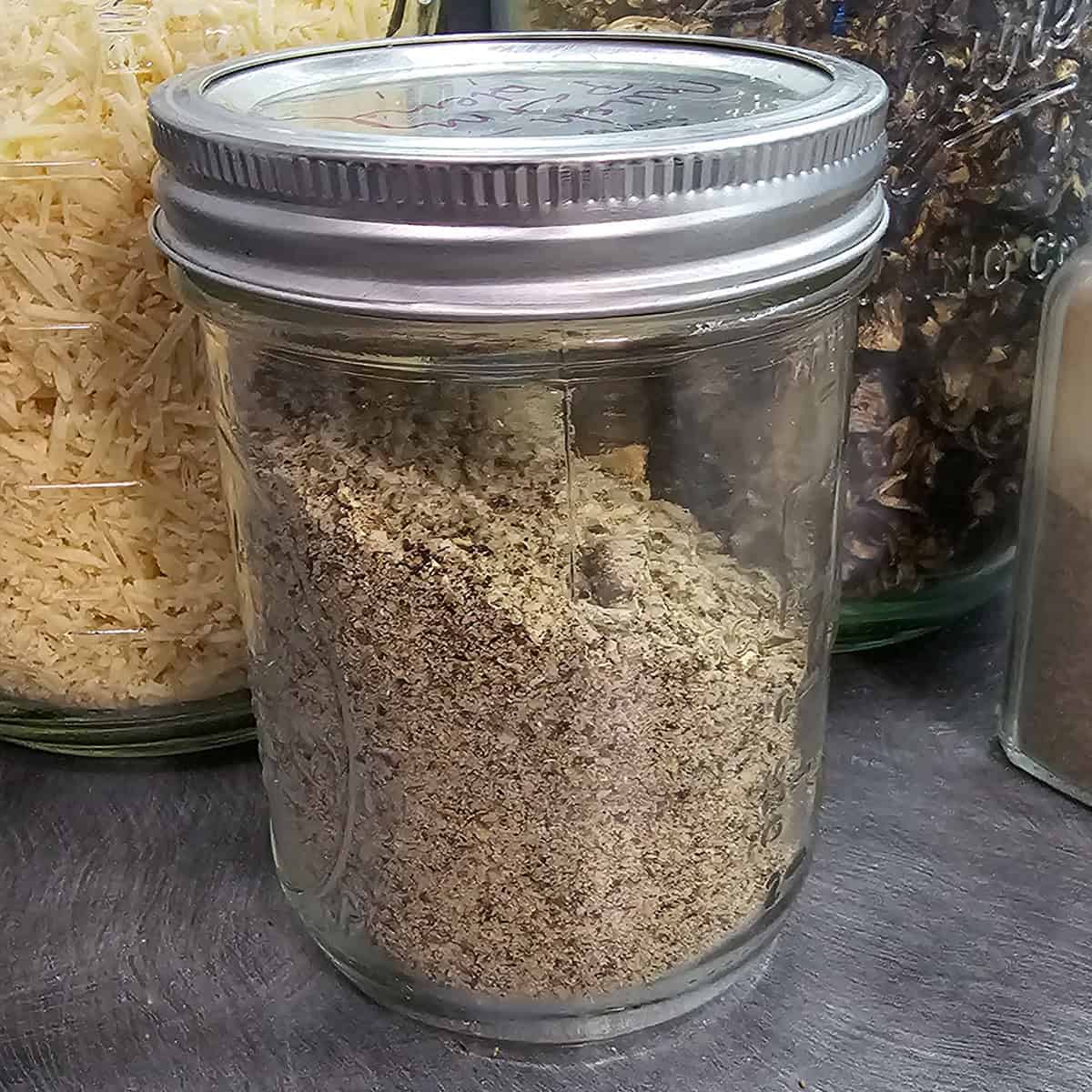
When these two ingredients are combined, they undergo what food scientists call "umami synergy." The combination of glutamates and nucleotides creates a flavor impact that is significantly greater than the sum of its parts. This scientific principle explains why the blend serves as an effective "all-purpose" seasoning, capable of enhancing the natural flavors of proteins, starches, and vegetables without the need for excessive table salt.
Component Analysis and Ingredient Sourcing
The Mushroom Parmesan seasoning is built upon a foundation of six core ingredients, each contributing to a complex flavor hierarchy:
- Dehydrated Mushrooms: These serve as the base of the blend. While various species can be used, common white button or cremini mushrooms are standard for their accessibility and neutral yet earthy profile.
- Dried Parmesan Cheese: The inclusion of dairy in a shelf-stable seasoning requires specific processing. The cheese must be thoroughly dried—often via dehydration at low temperatures or freeze-drying—to remove moisture that could lead to spoilage.
- Garlic Powder: Adds a pungent, aromatic layer that bridges the gap between the earthiness of the fungi and the sharpness of the cheese.
- Dried Parsley and Thyme: These herbs provide a "top note" of freshness, cutting through the heavy savory elements of the primary ingredients.
- Black Pepper: Offers a mild heat and acts as a digestive stimulant, further rounding out the palate.
The sourcing of these ingredients has become more streamlined through the use of bulk distributors. Azure Standard, an independent food distributor based in the United States, has been cited as a primary source for the raw dehydrated materials. By purchasing in bulk and processing the final blend at home, consumers can reduce the per-ounce cost of gourmet seasonings by as much as 40 to 60 percent.
Chronology of Production: From Dehydration to Final Blend
The process of creating the Mushroom Parmesan seasoning is a multi-stage endeavor that begins long before the final mixing.
Stage 1: Preservation
Fresh mushrooms are sliced uniformly and placed in a dehydrator. For optimal results, they are processed at 125°F (52°C) until they are brittle and "snap" when bent. This ensures that no residual moisture remains to compromise the grind. Simultaneously, Parmesan cheese is grated and dried. Because of its fat content, cheese must be handled carefully during dehydration to avoid melting, often requiring temperatures below 100°F or the use of specialized freeze-drying equipment.
Stage 2: Pulverization
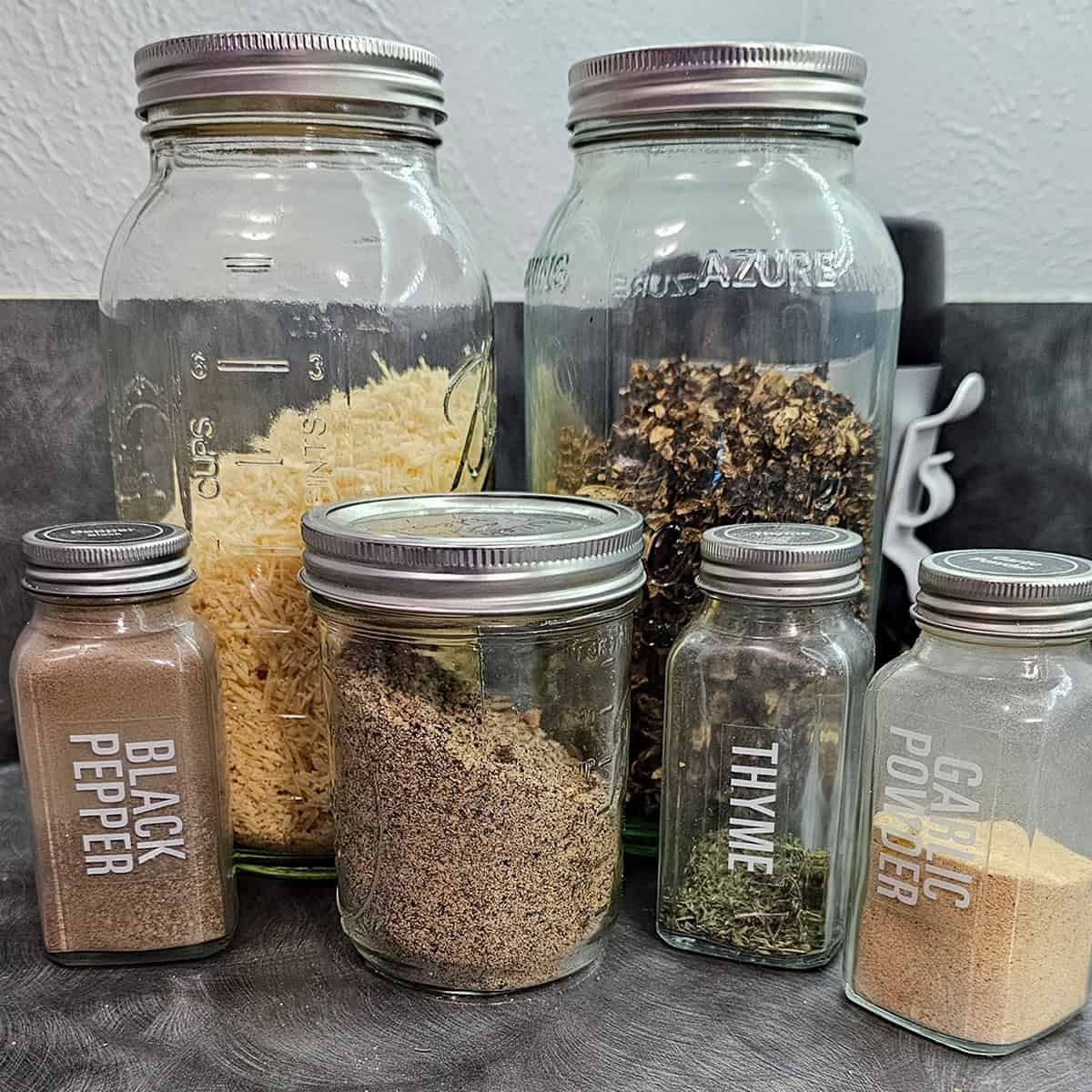
Once the raw ingredients are moisture-free, they are introduced to a high-speed blender or spice grinder. The goal is to achieve a uniform powder that can be easily dispensed through a shaker jar. The mushrooms are typically pulsed first to create a fine "flour," followed by the addition of the cheese and auxiliary spices.
Stage 3: Integration and Storage
The final assembly takes approximately five minutes. The ingredients are combined in a large mixing bowl to ensure even distribution of the herbs and pepper before being transferred to airtight glass containers. When stored in a cool, dark environment, the blend can maintain its peak flavor profile for six to twelve months.
Nutritional Implications and Dietary Considerations
While the Mushroom Parmesan blend is a flavor powerhouse, its nutritional profile reflects its concentrated nature. Based on a standard 2-tablespoon serving size for a bulk batch, the blend contains approximately 697 calories, 48 grams of protein, and 43 grams of fat. However, it is essential to note that as a seasoning, the actual consumption per meal is typically a fraction of this amount.
One of the primary benefits of the DIY approach is the ability to manage sodium intake. Commercial "umami" powders often rely on Monosodium Glutamate (MSG) or high salt concentrations. By using the natural glutamates found in Parmesan and mushrooms, home cooks can achieve a similar flavor intensity with a lower overall sodium footprint. Furthermore, for those following ketogenic or low-carbohydrate diets, this seasoning provides a high-fat, high-protein flavor boost with only 33 grams of carbohydrates in a massive 25-serving batch.
Broader Impact on the Food Industry and Sustainability
The shift toward home-blended seasonings like the Mushroom Parmesan mix has broader implications for the food industry. Market analysts suggest that the "DIY pantry" movement is a direct response to "shrinkflation"—the practice of reducing product size while maintaining prices. By mastering these blends, consumers are effectively "de-commoditizing" their kitchens, moving away from reliance on multinational food corporations.
Sustainability also plays a role. Reducing the purchase of individual plastic spice bottles in favor of bulk glass storage significantly lowers a household’s carbon footprint. Additionally, the ability to dehydrate mushrooms that are nearing their expiration date prevents food waste, turning potential kitchen scraps into a high-value culinary asset.
Expert Responses and Culinary Applications
Professional chefs have begun to acknowledge the utility of mushroom-based powders in modern cooking. Culinary experts suggest that the Mushroom Parmesan blend is particularly effective in "hidden" applications, such as thickening sauces or adding body to vegetarian broths that might otherwise lack depth.
In domestic settings, the applications are varied:
- Popcorn Seasoning: A fine dusting of the blend provides a gourmet alternative to standard butter and salt.
- Protein Rubs: When applied to steaks or chicken breasts prior to searing, the Parmesan creates a delicate crust while the mushroom powder enhances the meat’s natural juices.
- Vegetable Flavoring: Roasting root vegetables with the blend introduces a savory contrast to the natural sugars released during caramelization.
Conclusion: The Future of the Purposeful Pantry
As food prices remain a central concern for households globally, the democratization of gourmet flavors through DIY methods is likely to expand. The Mushroom Parmesan seasoning blend serves as a case study in how traditional preservation techniques can be adapted to meet modern culinary desires. By leveraging the science of umami and the efficiency of home dehydration, consumers are not only stocking their pantries but are also reclaiming agency over the quality and cost of their food.
The work of creators like Darcy Baldwin highlights a growing library of "copycat" recipes that often surpass their commercial inspirations in both freshness and nutritional value. As more individuals adopt the "Purposeful Pantry" philosophy, the kitchen becomes less a place of consumption and more a site of creative, sustainable production. This seasoning blend, simple in its ingredients yet complex in its impact, stands as a testament to the enduring value of culinary self-sufficiency.


