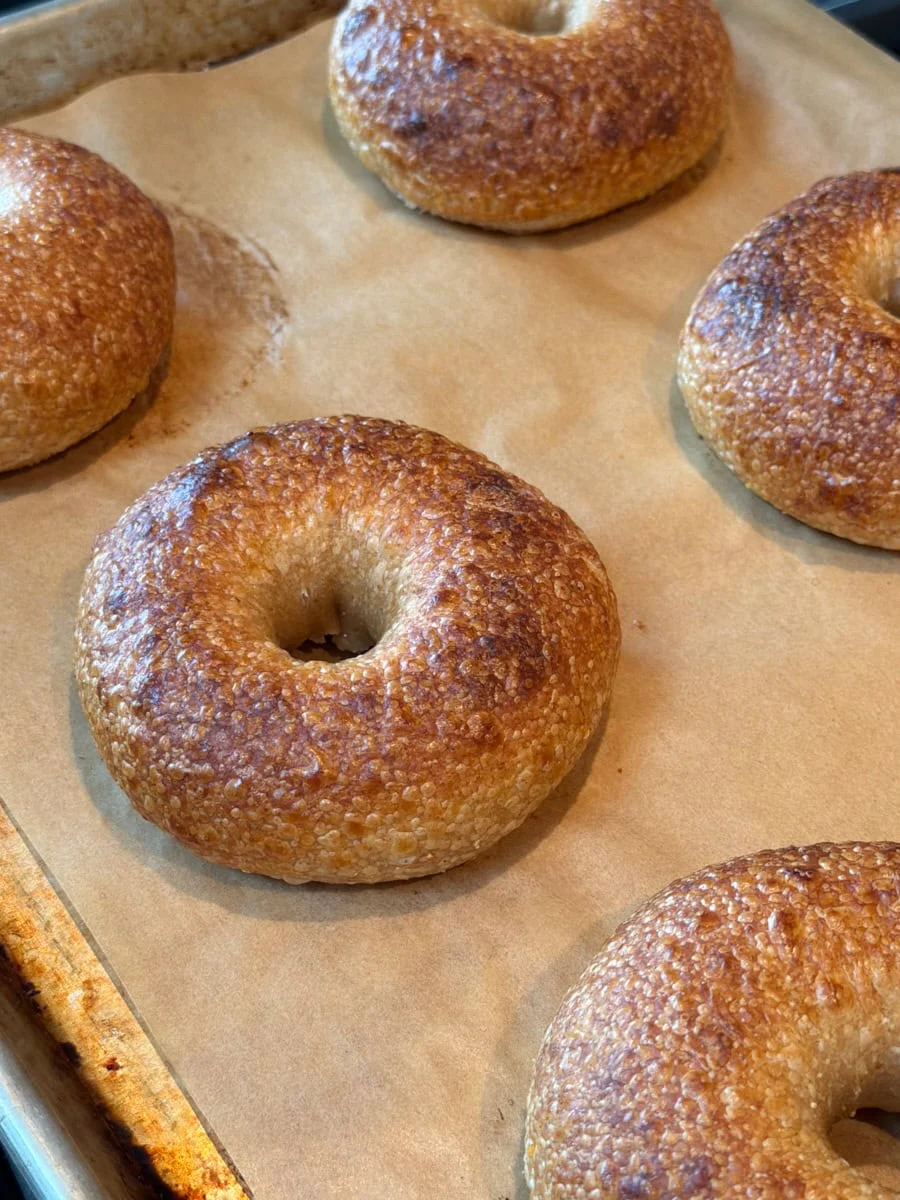
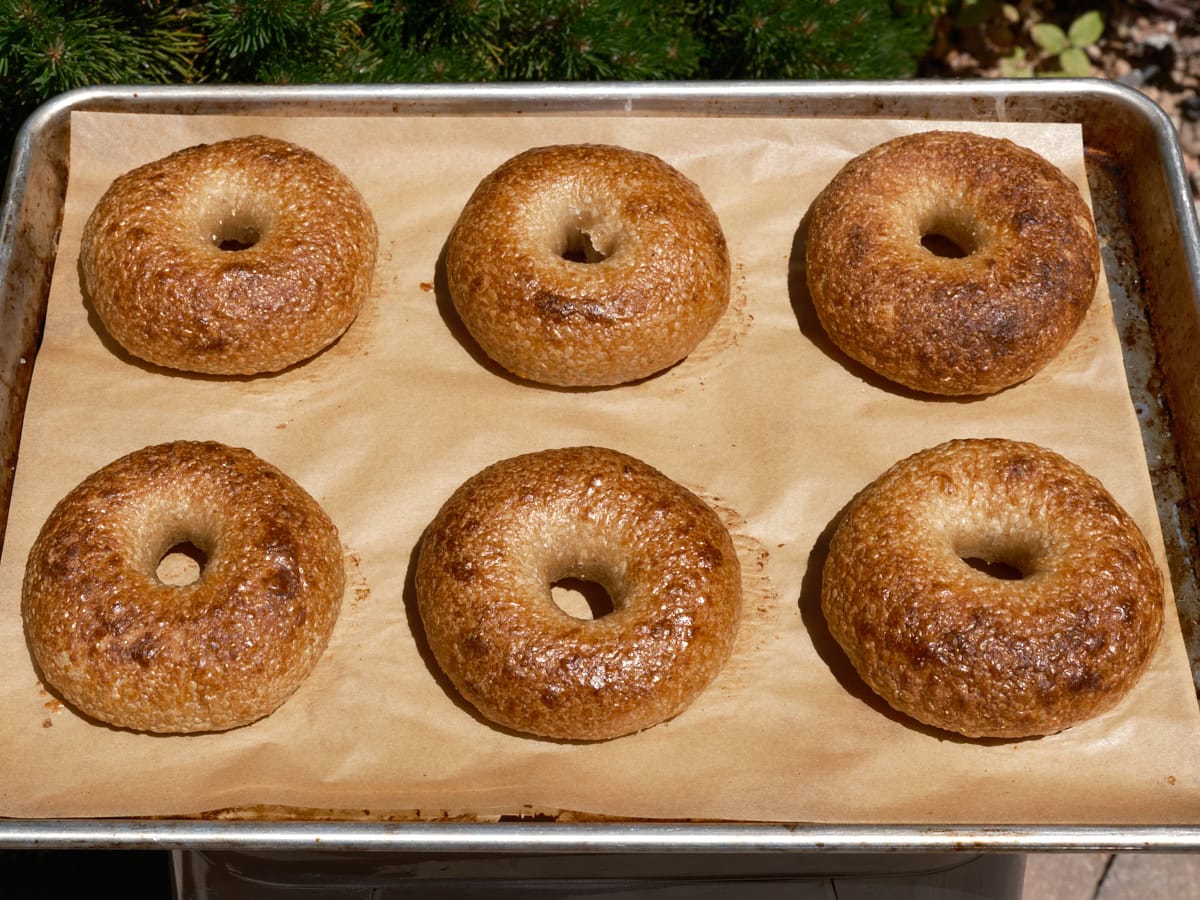
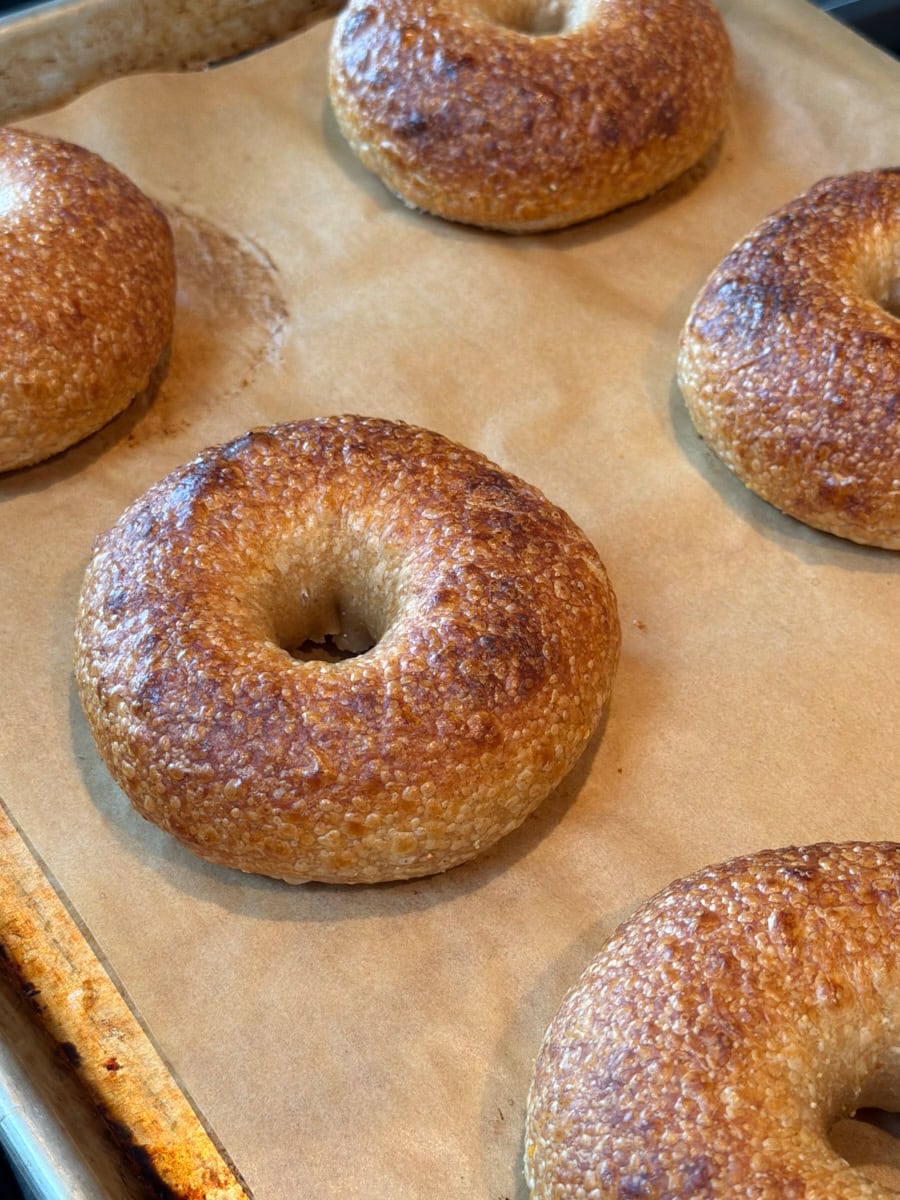
A significant development in the world of artisanal baking has emerged with the release of a meticulously refined "New Wave Sourdough Bagel" recipe, promising a departure from traditional styles and a fresh perspective on a beloved classic. This innovative formula, the culmination of extensive experimentation, addresses long-standing questions in sourdough bagel production, introducing advancements in ingredient selection, fermentation techniques, and baking methodology to achieve a distinctively lighter, crispier, and more complex bagel. The recipe’s architect, a renowned voice in the sourdough community, asserts that these bagels offer a glossy, blistered crust, a tender, open crumb, and a nuanced flavor profile that balances malty sweetness with subtle whole-grain character.
The journey to this new wave bagel began with a fundamental re-evaluation of established baking paradigms. While the traditional New York-style bagel is celebrated for its dense chewiness and robust crust, a growing segment of the culinary landscape has sought a lighter, more ethereal texture without sacrificing flavor. This aspiration fueled an iterative process, much like a scientific inquiry, where individual variables were isolated, modified, and tested. The objective was not a radical reinvention but a sharpening of existing principles, pushing the boundaries of what a sourdough bagel could be. The result is a product that aims to captivate both seasoned bakers and discerning palates, reflecting broader trends in the artisanal food movement toward nuanced flavors and diverse textures.
The Evolution of a Staple: From Tradition to Innovation
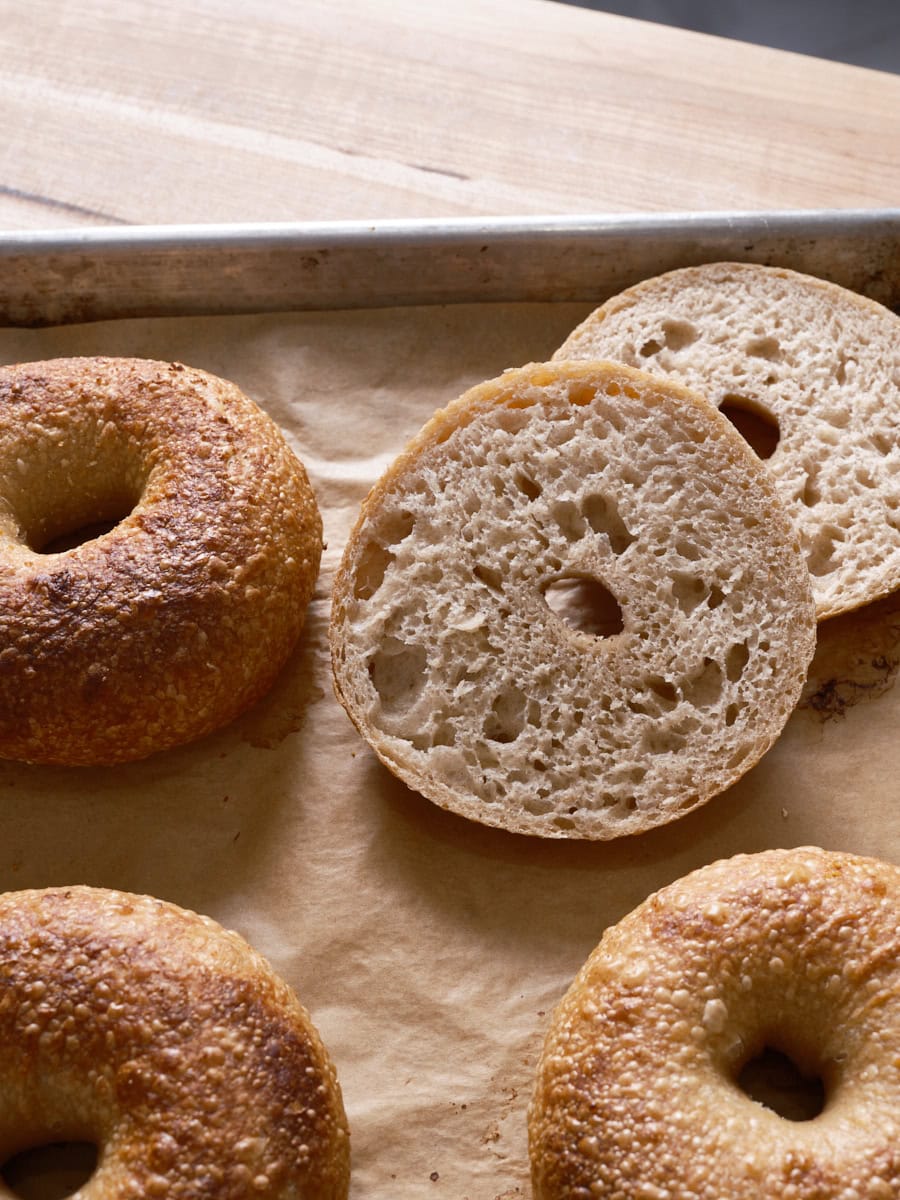
Bagels, with their rich history rooted in the Jewish communities of Eastern Europe and their eventual rise to iconic status in North American cities, particularly New York, have long been defined by a specific set of characteristics: a dense, chewy interior achieved through high-gluten flour and a firm dough, and a glossy, taut crust developed through a precise boiling and baking regimen. The sourdough movement, which has experienced a global resurgence in recent years, has naturally extended its reach to bagels, offering a more complex flavor profile and improved digestibility. However, adapting sourdough starters to the rigorous demands of bagel production, especially for those seeking a less acidic profile and a more open crumb, has presented unique challenges.
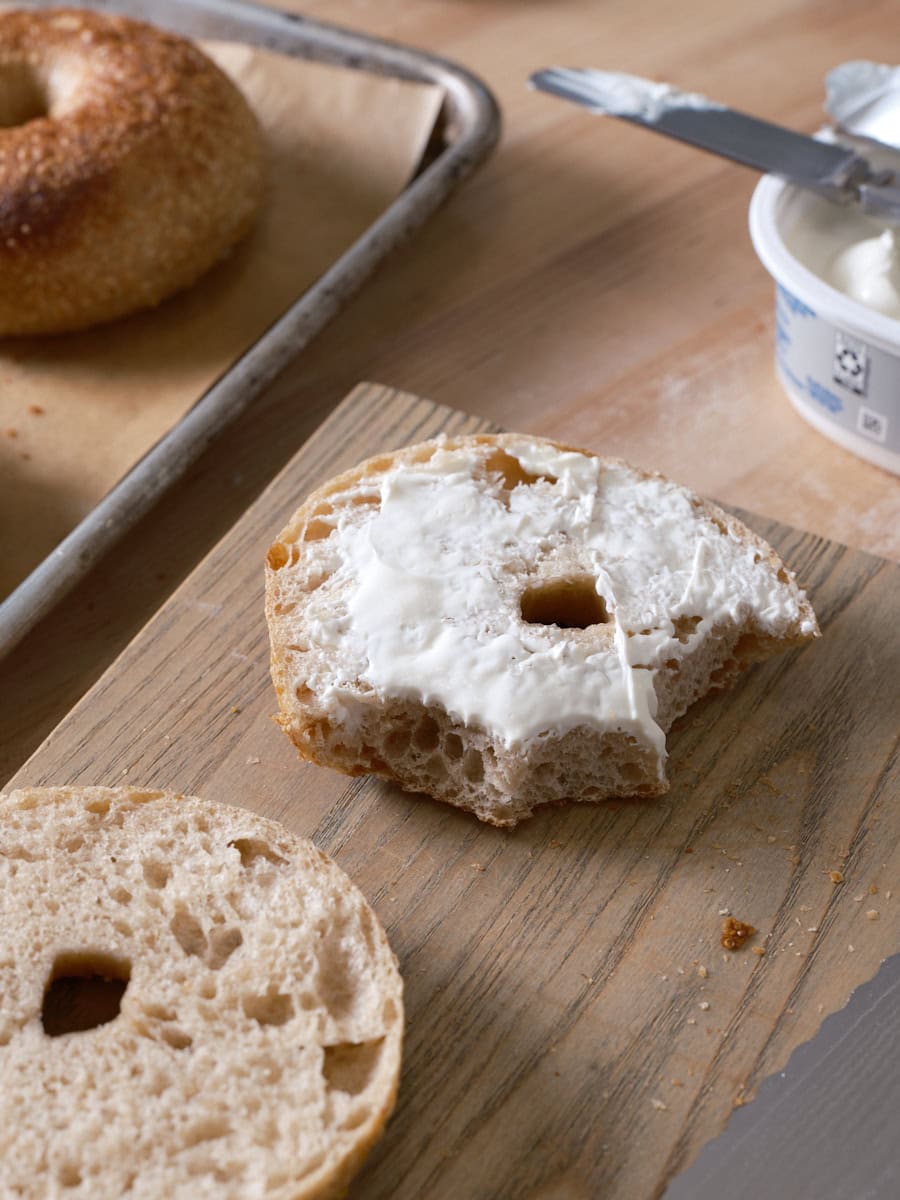
The "New Wave Sourdough Bagel" can be seen as a direct response to these evolving tastes and technical aspirations. It moves away from the strictly traditional New York archetype, which prioritizes a thick, chewy skin and a tightly closed crumb, toward a style popularized by contemporary establishments like Los Angeles’s Courage Bagels. This newer sensibility favors a bagel that is lighter in hand, boasts a visibly blistered and glossy crust that yields to a satisfying crispness, and reveals a more open, less uniform interior structure. This shift signifies a maturation of the sourdough craft, where bakers are now confident enough to innovate within established forms, leveraging the unique properties of natural fermentation to achieve novel textural and flavor outcomes.
A Meticulous Chronology of Refinement
The development of this particular recipe followed a methodical, variable-by-variable approach. The initial phase focused on the flour blend, recognizing its foundational role in texture and flavor. Instead of a single, high-protein white flour, the new formula integrates a blend of high- and medium-protein white flours, alongside a judicious inclusion of whole wheat and whole rye. This strategic combination aims to deliver a balance of structure (from high-protein flour) and tenderness/openness (from lower-protein and whole grains), while introducing a deeper, more complex "character" that single-flour recipes often lack. The whole wheat contributes a warm, nutty depth, and the whole rye provides subtle earthiness, aids fermentation activity, and enhances crust coloration.
Following the flour composition, the levain—the sourdough starter’s active component—underwent significant modification. A "sweet levain" was conceptualized and implemented, incorporating a small amount of sugar into the preferment. The rationale behind this was to skew the microbial balance within the culture, encouraging a more yeast-heavy fermentation. This strategic adjustment aims to maximize dough rise and reduce the transfer of excessive sourness to the final bagel, a common concern for those who find traditional sourdough too acidic.
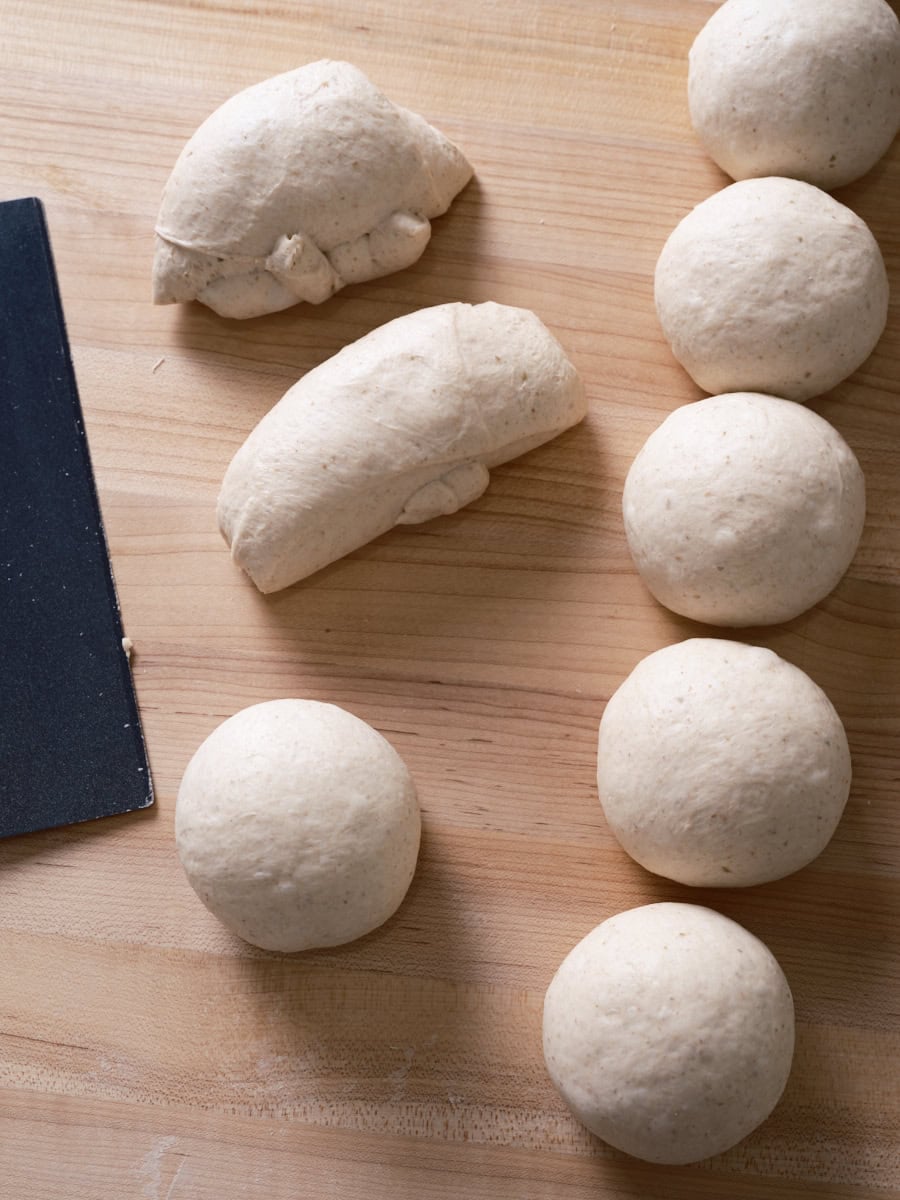
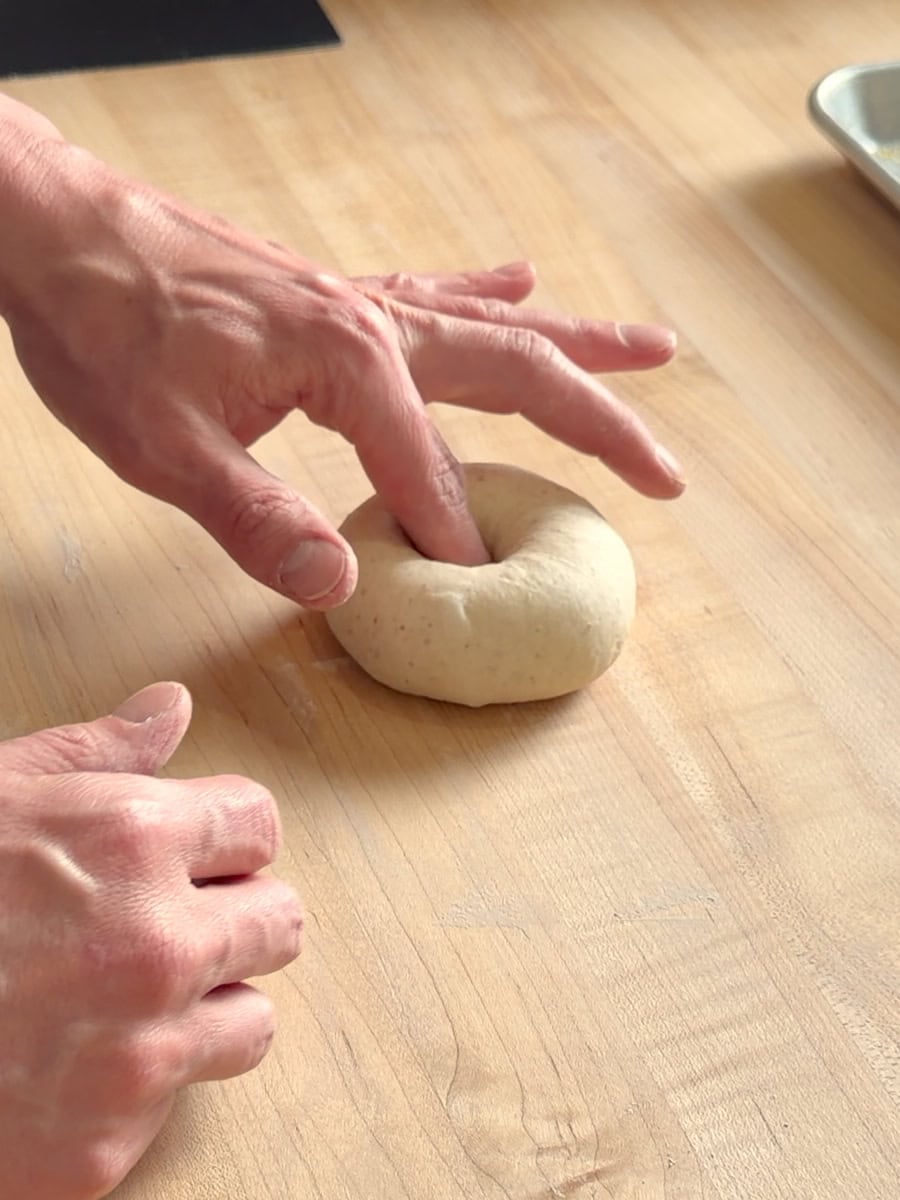
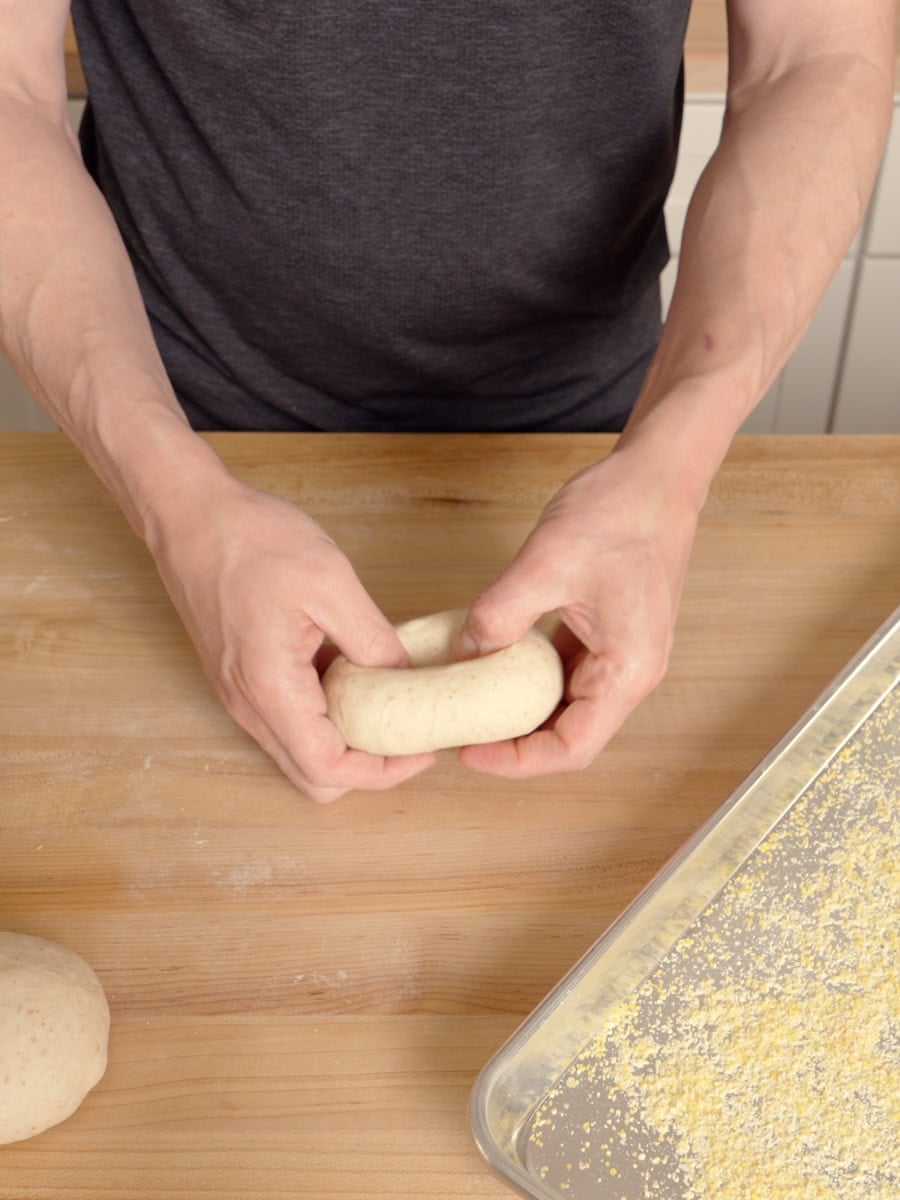
The shaping methodology also saw an overhaul. Recognizing the inherent difficulties of working with higher-hydration doughs using the traditional "rope and join" method, the recipe adopted the "poke method." This technique, where a hole is gently pressed through the center of a balled piece of dough and then stretched, simplifies the shaping process, makes it more forgiving, and results in a more consistent ring, particularly crucial for doughs that are less firm.
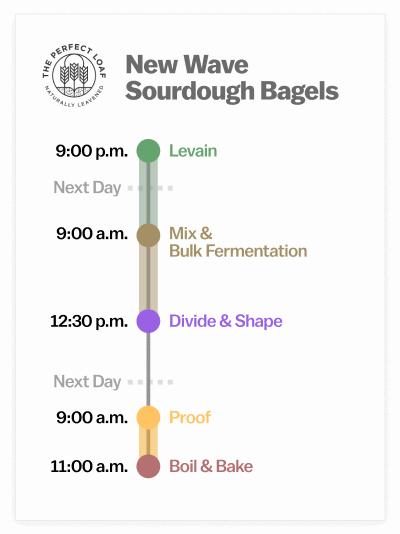
Perhaps the most impactful modification involved the dough’s proofing regimen: the introduction of an extended overnight cold retard. This crucial step, which sees the shaped bagels resting in refrigeration for 12-24 hours, was observed to dramatically transform the final product. The cold environment allows for a slow, controlled fermentation, intensifying flavor development through enzymatic activity and acid production. Critically, it also contributes to the desired crust characteristics, fostering the development of a glossy surface with microblisters and promoting a more open, tender crumb structure. The cold retard also offers significant logistical benefits for home bakers, allowing for greater flexibility in baking schedules.
The Science of the Superior Bagel: Key Innovations Explained
The scientific principles underpinning these innovations are central to the "New Wave Sourdough Bagel’s" success.
- Flour Synergy: The multi-grain blend is not merely for flavor; it’s a structural masterpiece. High-protein flours (12-14%) provide the necessary gluten for chew and elasticity, while medium-protein flours (11%+) offer tenderness. Whole wheat and rye, though lower in gluten, contribute complex carbohydrates and enzymes that enhance flavor development during fermentation and provide subtle textural nuances. Their presence also boosts fermentation activity, thanks to a richer nutrient profile for the sourdough microbes.
- Targeted Fermentation with Sweet Levain: The addition of superfine (caster) sugar to the levain manipulates the yeast-to-bacteria ratio. Yeast thrives on simple sugars, and by providing this readily available food source, the levain becomes more active in gas production, leading to a stronger rise and a less acetic, more balanced flavor profile in the final product. This precision in starter management is a hallmark of advanced sourdough baking.
- The Power of the Cold Retard: The overnight cold proof is a game-changer. At low temperatures, enzymatic activity (amylase breaking down starches into sugars) continues slowly, enriching the dough with more fermentable sugars. This not only contributes to deeper flavor and aroma but also provides more fuel for the yeast during baking, resulting in superior oven spring and browning. The slow fermentation also helps to relax the gluten, leading to a more open crumb, and the surface dehydration in the fridge contributes to the formation of blisters on the crust when boiled and baked.
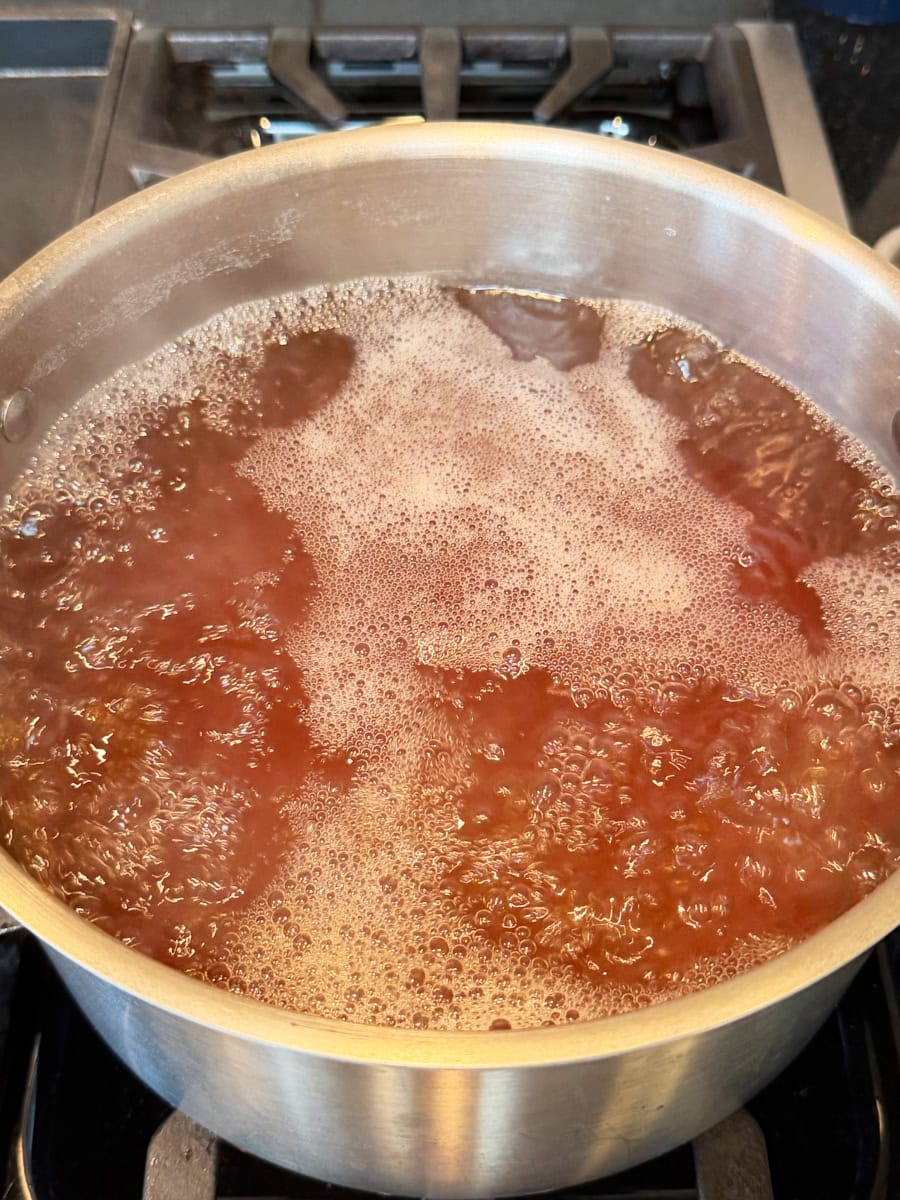
- The Alkaline Malt Bath: The boiling bath is a critical stage. Barley malt syrup, a non-diastatic sweetener, is not just for flavor; its sugars caramelize intensely during baking, contributing to the signature deep golden-brown color and glossy finish. Baking soda, an alkaline agent, further enhances this effect by increasing the pH of the bagel’s surface. This promotes the Maillard reaction—a complex chemical process between amino acids and reducing sugars—which is responsible for the rich brown color and complex savory flavors of the crust. The short boil time (20-30 seconds per side) is crucial for this "new wave" style, as it gelatinizes the surface starch just enough to create a thin, crispy skin, contrasting with the thicker, chewier crust produced by longer boils.
- Optimized Baking Environment: Baking on a preheated baking steel or stone is non-negotiable for achieving an "explosive rise" (oven spring) and a crisp bottom crust. The intense, direct heat from below rapidly sets the dough’s structure. The addition of steam to the oven immediately after loading the bagels further aids in crust development. Steam delays the crust from hardening too quickly, allowing the dough to expand maximally and promoting the formation of desirable microblisters on the surface, contributing to the bagel’s unique aesthetic and textural appeal.
Broader Impact and Implications for the Baking Community
The introduction of this "New Wave Sourdough Bagel" recipe holds several implications for both professional and amateur baking communities. For home bakers, it democratizes access to sophisticated techniques and results previously thought to be exclusive to commercial bakeries. The detailed explanations of why each step is important empower bakers to understand the underlying science, fostering greater confidence and creativity in their own kitchens.
From a commercial perspective, this recipe exemplifies a trend toward specialization and innovation within traditional categories. As consumer preferences become more diverse and refined, bakers are challenged to offer products that stand out. The "new wave" bagel, with its distinctive textural and flavor profile, carves out a niche that appeals to those seeking a lighter, crispier alternative to the classic. This could inspire further exploration and differentiation in the artisanal bagel market, potentially leading to a broader spectrum of bagel styles available to consumers.
The collaboration with Josh Fairbanks, a recognized artisan baker, further validates the recipe’s professional-grade quality and underscores the collaborative spirit within the high-end baking community. Such partnerships accelerate innovation and ensure that new techniques are rigorously tested and refined.
This recipe is more than just a set of instructions; it is a pedagogical tool that demystifies complex sourdough processes, making them approachable while pushing the boundaries of what is achievable in a home setting. It addresses common baker FAQs, offering solutions for less sour bagels, achieving an open crumb, preventing flatness, and understanding the nuances of boiling and ingredient roles like diastatic malt powder. By providing clear guidance on storage and even a same-day baking option for those in a rush, it maximizes utility and reduces barriers to entry for aspiring bagel makers.
In conclusion, the "New Wave Sourdough Bagel" represents a significant evolution in the craft of baking, blending the timeless appeal of sourdough with contemporary preferences for lighter textures and nuanced flavors. It serves as a testament to the continuous pursuit of perfection in culinary arts, demonstrating how thoughtful experimentation and a deep understanding of ingredients can redefine even the most cherished staples. This development is poised to enrich the home baking experience and contribute to the ongoing dynamism of the artisanal food landscape, offering a bagel that is, by design, intended to be enjoyed with minimal adornment, allowing its inherent quality to shine through.