
The universal appeal of cheese, a staple in countless cuisines worldwide, often culminates in the delightful experience of grated varieties like mozzarella or Monterey Jack enhancing dishes from pizzas and pastas to salads and burgers. Its creamy texture and rich flavor can transform a simple meal into a culinary delight. However, the pleasure of consumption is frequently juxtaposed with the less savory task of kitchen cleanup, particularly the intricate process of cleaning a cheese grater. This seemingly minor chore presents a significant challenge for home cooks and professional chefs alike, largely due to the inherent design of graters and the sticky, greasy nature of cheese residue. The difficulty in thoroughly sanitizing these essential kitchen tools has prompted a closer look at effective cleaning methodologies, with modern kitchen faucet technology emerging as a crucial ally in maintaining optimal culinary hygiene.
The Problem of Residual Buildup and Health Implications
Cheese, particularly softer or semi-hard varieties, leaves tenacious residues within the small, sharp perforations and grooves of a grater. These often-overlooked remnants can harden, creating a breeding ground for bacteria and mold if not meticulously removed after each use. The traditional approach, often involving vigorous scrubbing with a sponge, can be inefficient and even hazardous, risking cuts from the sharp edges and potentially embedding sponge fibers into the grater’s holes, exacerbating the cleaning dilemma.
The implications of improper utensil cleaning extend beyond mere aesthetics or inconvenience. Food safety organizations, such as the Centers for Disease Control and Prevention (CDC) and the World Health Organization (WHO), consistently highlight the risks associated with cross-contamination and bacterial proliferation on kitchen surfaces and tools. Unseen food particles can harbor pathogens like Salmonella, E. coli, and Listeria, which, if transferred to subsequent meals, can lead to foodborne illnesses ranging from mild gastrointestinal discomfort to severe infections requiring medical intervention. The greasy nature of cheese provides an ideal environment for bacterial biofilms to form, making them even more resistant to casual cleaning. A 2022 study on kitchen hygiene, for instance, indicated that graters, alongside cutting boards and sponges, are among the most common household items to harbor significant bacterial colonies if not properly sanitized. Therefore, the seemingly trivial act of cleaning a cheese grater is, in fact, a critical component of broader food safety practices in any kitchen.
The Evolution of Kitchen Cleaning and the Rise of Specialized Faucets
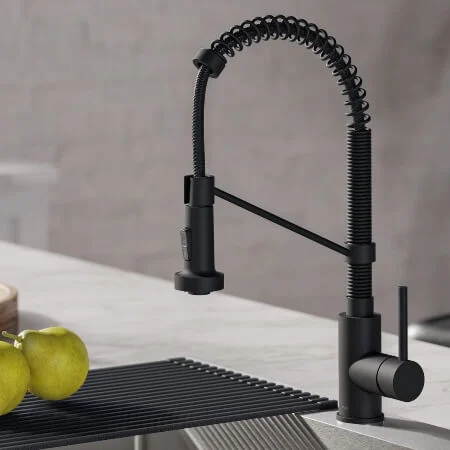
Historically, kitchen cleaning relied heavily on manual effort, hot water, and rudimentary scrubbing tools. Over the past few decades, however, advancements in kitchen appliance design have sought to streamline these processes, enhancing both efficiency and hygiene. The development of specialized kitchen faucets, particularly those equipped with pull-down or pull-out sprayers, represents a significant leap forward in this evolution. These fixtures offer enhanced functionality that directly addresses many common cleaning frustrations.
The chronology of kitchen faucet design has seen a gradual shift from fixed spouts to more versatile configurations. Early innovations included side sprayers, offering a separate hose for targeted rinsing. However, the integrated pull-down or pull-out sprayer, which became widely available in the late 20th and early 21st centuries, revolutionized kitchen sink utility. These designs feature a spray head that extends from the main faucet body, providing a flexible hose that can be maneuvered to direct water precisely where needed. This flexibility, combined with the option for different spray patterns, including a powerful, concentrated stream, proves particularly effective against stubborn food residues.
Leveraging Advanced Faucet Technology for Grater Sanitation
For the arduous task of cleaning a cheese grater, a kitchen faucet with a powerful sprayer, such as a pull-down model, transforms a nightmare into a manageable chore. The key lies in the concentrated water force that these sprayers can deliver. Unlike a standard aerated stream, a powerful spray can physically dislodge sticky, greasy cheese particles from the grater’s tiny apertures without the need for abrasive scrubbing, thereby preserving the grater’s integrity and preventing injury.

Recommended Cleaning Protocol Utilizing Faucet Technology:
- Immediate Action is Key: The most effective method begins immediately after use. Fresh cheese residue is far easier to remove than hardened, dried-on particles.
- Pre-Soaking (Optional but Recommended): For graters that cannot be cleaned immediately, a brief soak in hot water can significantly loosen stubborn cheese. Submerging the grater in a basin of hot, soapy water for 10-15 minutes allows the heat to melt the fats and the soap to emulsify the grease, preparing the residues for easier removal.
- The Power Spray Technique: Position the grater under the pull-down faucet. Engage the powerful spray setting and direct the high-pressure stream from the back or inside of the grater outwards through the holes. This technique effectively pushes the cheese residues out, rather than further embedding them. The flexibility of the pull-down hose allows for precise targeting of individual grooves and holes, ensuring comprehensive cleaning.
- Temperature Advantage: Utilizing hot water during the spray-down process enhances effectiveness. The combination of thermal energy and kinetic force from the water spray works synergistically to break down and flush away even the most tenacious fatty deposits.
- Natural Acidic Agents (For Persistent Residues): For exceptionally sticky or dried-on cheese, natural acidic agents like lemon juice can be employed. Rubbing a cut lemon half over the grater’s surface, especially where residue persists, helps to break down fats. The natural abrasiveness of salt, when added to the lemon pulp, can further aid in dislodging particles without the risk of synthetic fibers getting caught. After applying and allowing to sit briefly, a final rinse with the powerful faucet spray will remove the loosened gunk.
- Safety First: While using the powerful spray, it is crucial to handle the grater carefully to avoid contact with the sharp edges. The advantage of the pull-down sprayer is that it minimizes the need for direct manual contact with the grater’s abrasive surfaces during the primary cleaning phase.
- Final Rinse and Drying: After thorough cleaning, a final rinse to remove any soap residue is essential. Allow the grater to air dry completely or dry with a clean cloth to prevent water spots and inhibit bacterial growth.
The Efficiency and Hygiene Benefits of Modern Faucets
Beyond the specific challenge of cheese graters, the utility of a pull-down kitchen faucet extends to a myriad of daily kitchen tasks. Filling large pots, rinsing delicate produce, or cleaning irregular-shaped baking trays all become considerably easier and more efficient. The dual-function spray head, common in many modern designs, allows users to switch between an aerated stream for general tasks and a powerful spray for rinsing, offering versatility that traditional faucets cannot match.
Furthermore, the materials used in modern faucet construction contribute significantly to overall kitchen hygiene. Many high-quality pull-down faucets are now available with spot-free stainless steel finishes or other anti-fingerprint coatings. These surfaces are not only aesthetically pleasing but also resist the accumulation of grease, water spots, and fingerprints, making the faucet itself easier to keep clean. This attribute is particularly beneficial in a busy kitchen environment where hands often handle food residues. The non-porous nature of stainless steel also means it is less likely to harbor bacteria, promoting a more sanitary kitchen ecosystem.
Market Trends and Consumer Preferences:
Data from market research firms specializing in home goods indicate a consistent upward trend in consumer preference for pull-down kitchen faucets. Reports from 2023 show that pull-down models now account for over 60% of new kitchen faucet installations in North America, a significant increase from a decade ago. This growth is driven by consumer demand for convenience, functionality, and improved hygiene. The average lifespan of a quality kitchen faucet, typically 10-15 years, also means that an investment in a feature-rich model like a pull-down sprayer offers long-term benefits in terms of efficiency and sanitation.
Expert Endorsements and Broader Implications:
Culinary professionals and kitchen designers frequently advocate for the integration of pull-down faucets in modern kitchen designs. Chef Maria Rodriguez, owner of "The Savory Spoon" culinary school, states, "A good pull-down faucet is an indispensable tool in any kitchen, professional or home. It not only saves time during cleanup but, more importantly, ensures that our tools are truly clean, which is paramount for food safety." This sentiment is echoed by public health advocates who emphasize that accessible and effective cleaning tools contribute to a reduction in household foodborne illness incidents.
The broader implications of these technological advancements in kitchen fixtures are far-reaching. They contribute to a healthier home environment by making thorough cleaning less onerous and more effective. For busy individuals, the time saved on mundane chores translates into more time for cooking itself or other activities. Economically, while an advanced faucet may represent a slightly higher initial investment, its durability, efficiency, and contribution to health and safety offer considerable long-term value. Reduced risk of illness means fewer healthcare costs, and more efficient cleaning prolongs the life of kitchen tools, minimizing replacement expenses.
In conclusion, the humble cheese grater, while a source of culinary joy, highlights a pervasive challenge in kitchen hygiene. The evolution of kitchen faucet technology, particularly the advent of pull-down sprayers with powerful, targeted water streams, offers a sophisticated and highly effective solution. By understanding the mechanics of these advanced fixtures and implementing proper cleaning protocols, home cooks can ensure their graters, and indeed their entire kitchen, remain hygienic and safe, allowing them to fully enjoy the pleasures of cooking without the lingering dread of cleanup. The seamless integration of design, functionality, and health considerations in modern kitchen appliances underscores a commitment to enhancing daily life through thoughtful innovation.


