The arrival of autumn brings with it a chill in the air and a sense of anticipation for the ghoulish delights of Halloween. As families begin to plan their festive celebrations, the culinary arts often take center stage, with creative and thematic treats becoming a hallmark of the season. Among the most anticipated are desserts that capture the spirit of the holiday, blending festive fun with a touch of the macabre. This year, a particularly engaging and visually striking recipe for "Vampire Cupcakes" has emerged, offering a delightful way to combine baking prowess with Halloween whimsy. This guide delves into the creation of these charmingly spooky treats, providing a comprehensive look at the ingredients, techniques, and the overall appeal of these vampire-themed confections.
The Allure of Halloween Confections
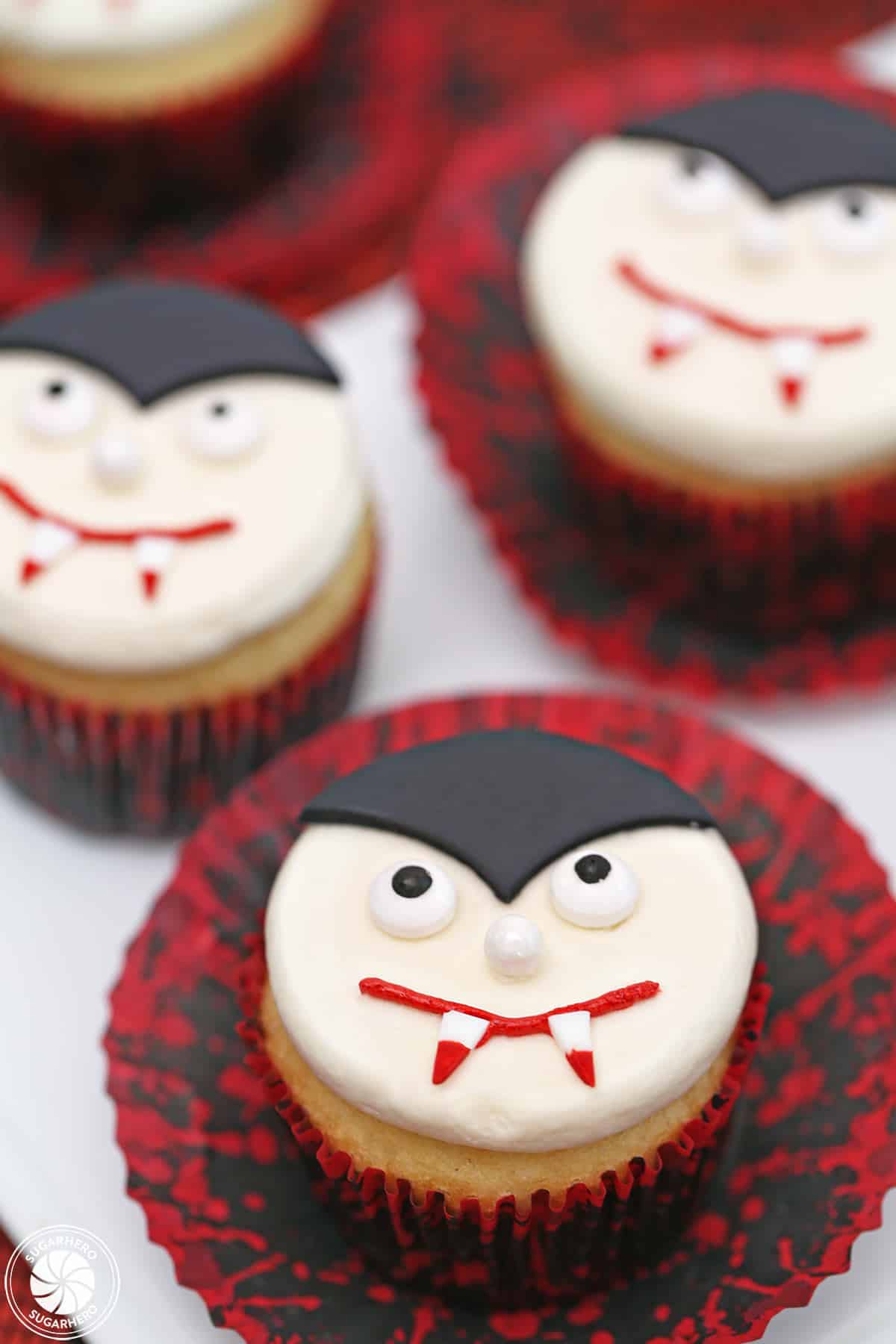
Halloween, a holiday steeped in folklore and tradition, has evolved into a significant cultural event, particularly in its commercial and celebratory aspects. The demand for themed products, from costumes to decorations and, of course, food, surges annually. In the realm of baking, Halloween presents a unique opportunity for creativity. Recipes that are not only delicious but also visually arresting and thematically relevant are highly sought after. Vampire Cupcakes fit this description perfectly, tapping into the enduring fascination with vampires, a staple of gothic literature and popular culture, while transforming them into a palatable and approachable treat for all ages. The appeal lies in their dual nature: they are undeniably cute, with their playful facial features, yet undeniably spooky, invoking the imagery of the undead.
Crafting the Vampire Cupcakes: A Detailed Approach
The creation of Vampire Cupcakes involves a multi-stage process, beginning with the base cake and culminating in intricate decorative elements. The recipe emphasizes accessibility, encouraging the use of pre-made cake mixes for the base to allow more focus on the decorative artistry. However, for those seeking a more involved baking experience, a wide array of complementary cupcake recipes are available.
Essential Ingredients and Tools
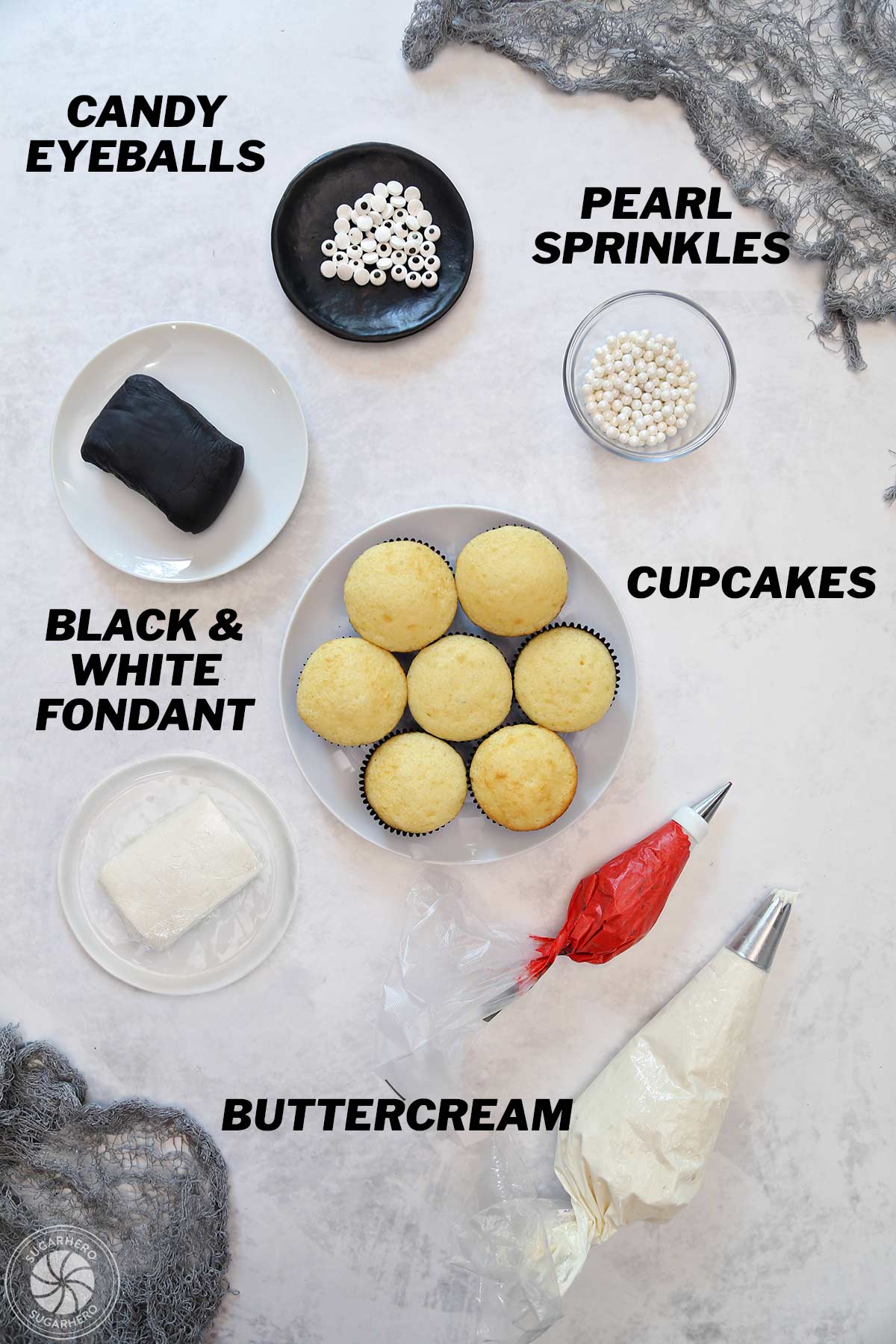
To bring these vampire cupcakes to life, a carefully curated selection of ingredients and equipment is necessary. The core components include:
For the Cupcakes and Frosting:
- Prepared Cupcakes: The foundation of the dessert. While homemade is an option, utilizing a favorite cake mix significantly streamlines the process.
- Homemade Frosting: This forms the base of the vampire’s face. The recipe suggests a versatile buttercream, though specific ingredients like butter, powdered sugar, vanilla extract, and milk are standard. The exact quantities are detailed in the accompanying recipe card.
For the Decorations:
- Fondant: This pliable sugar paste is crucial for crafting the vampire’s hair and teeth. Both black and white fondant are typically required.
- Candy Decorations: Small candies are often employed for features like the nose, adding dimension and character to the vampire faces.
- Edible Food Coloring: Red food coloring is essential for creating the characteristic "bloody" effect on the vampire’s teeth or mouth.
Optional but Recommended Equipment:
- Piping Bags and Tips: While not strictly mandatory, these tools significantly enhance the precision and ease of applying frosting. Alternative methods, such as using Ziplock bags with a corner snipped off, are also viable.
- Rolling Pin: For flattening fondant to the desired thickness.
- Circular Cookie Cutters: Useful for creating uniform shapes for the vampire’s head base.
- Sharp Knife or Craft Knife: For precise cutting of fondant, particularly for the teeth.
- Tweezers: For delicate placement of small candy decorations.
- Parchment Paper: A helpful surface for various stages of the decorating process.
The Step-by-Step Creation Process
The transformation of a simple cupcake into a vampire is a process that can be broken down into distinct, manageable steps.
Step 1: Preparing the Cupcake Base
Begin by baking your chosen cupcakes according to their instructions. Once baked, allow them to cool completely. This cooling period is essential to prevent the frosting from melting and to ensure a stable base for decoration.
Step 2: Frosting the Cupcakes
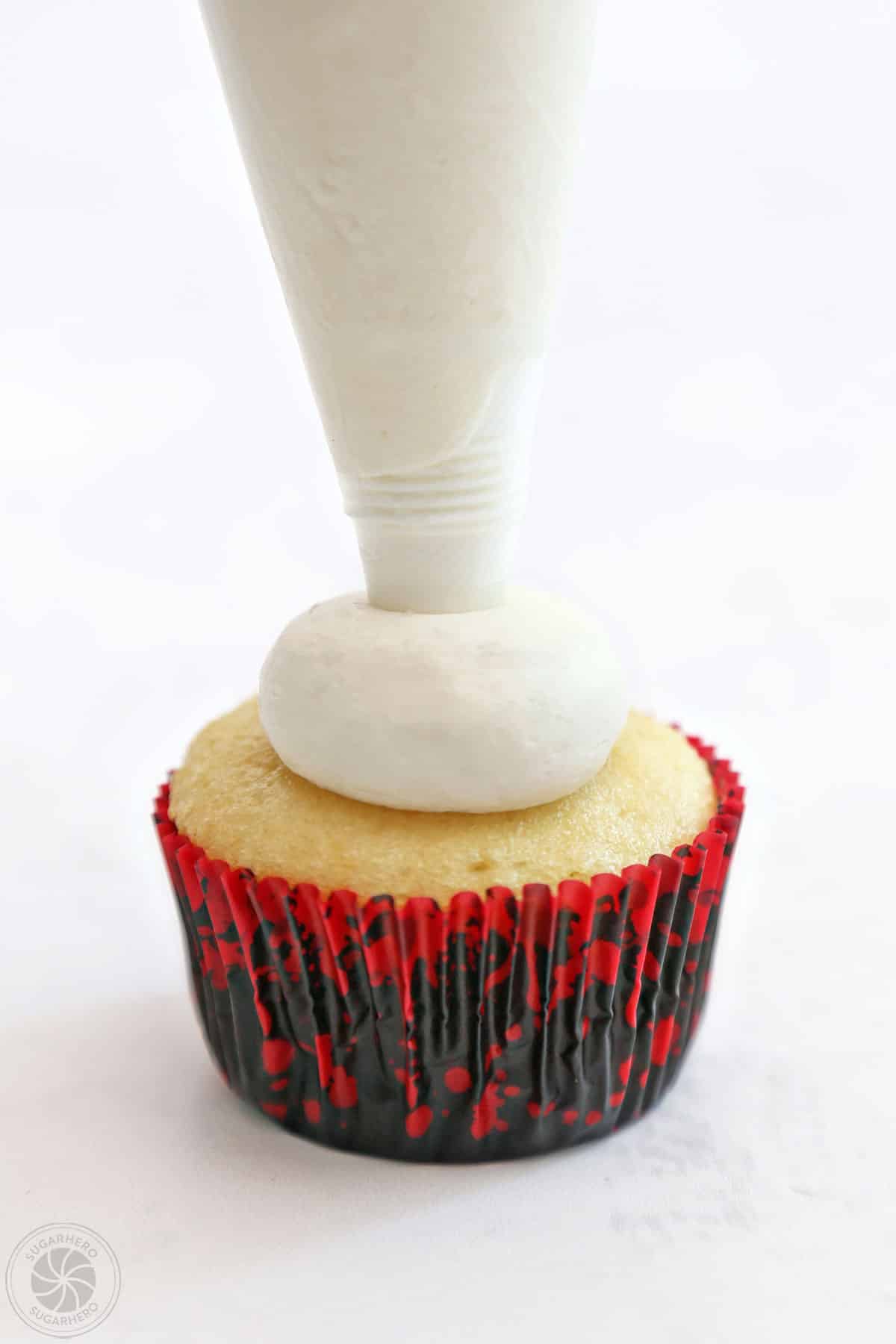
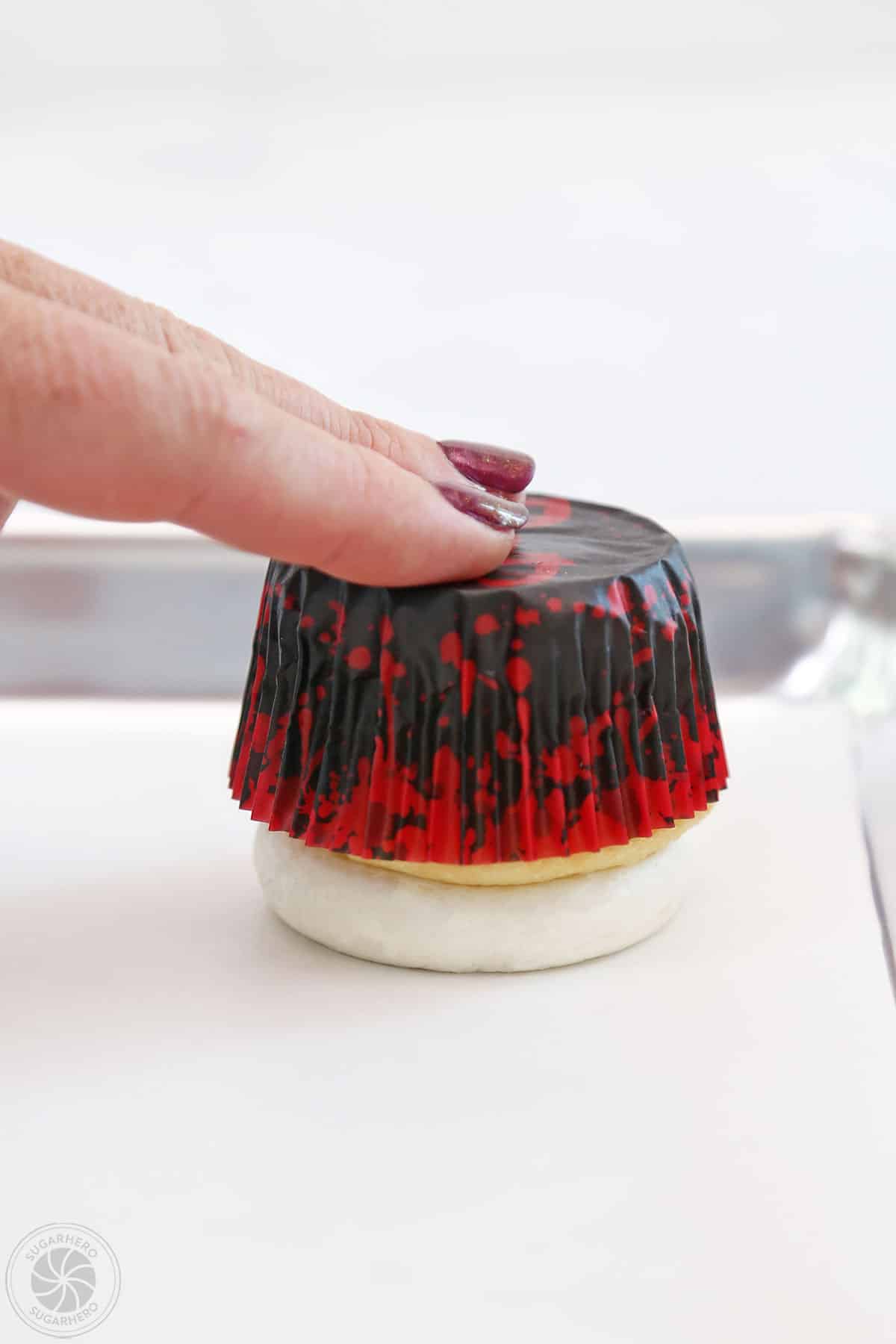
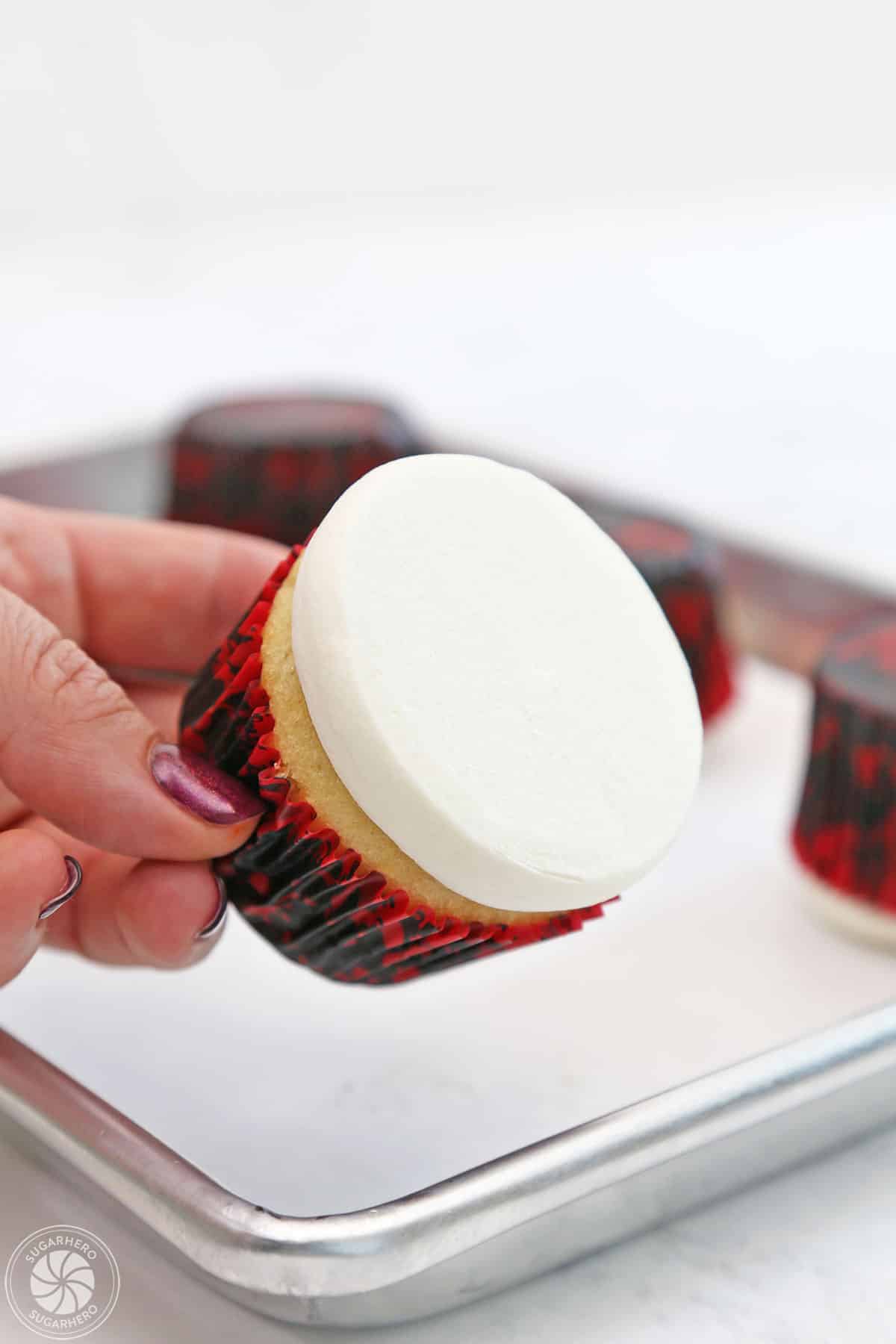
The first layer of decoration involves frosting the cooled cupcakes. A generous amount of buttercream is applied, creating a smooth, rounded surface that will serve as the canvas for the vampire’s face. The recipe notes that achieving the perfect frosting consistency can be influenced by various factors, including butter temperature and ambient kitchen conditions. It encourages bakers to adjust the consistency as needed, adding milk or water for a thinner texture or more powdered sugar for a thicker one. For a neat finish, some methods involve gently pressing the frosted top onto parchment paper to create a perfectly flat surface, ideal for fondant application.
Step 3: Crafting the Vampire’s Hair
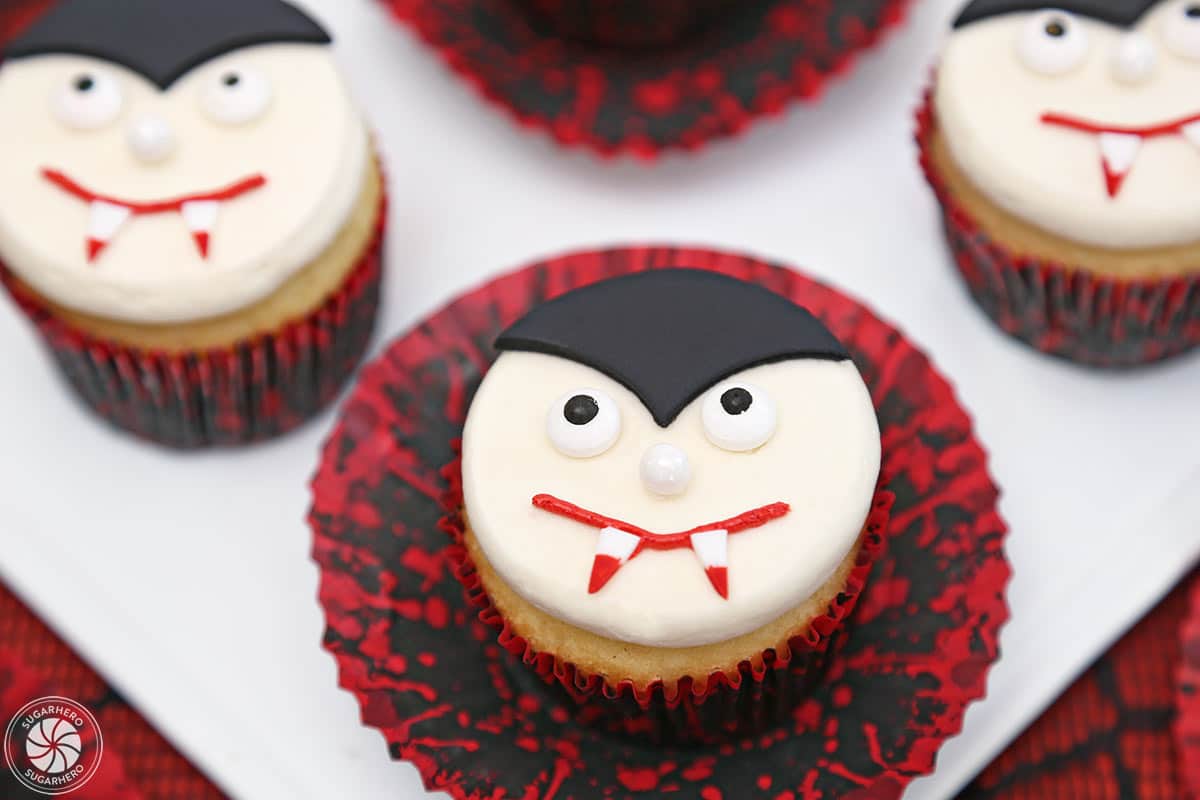
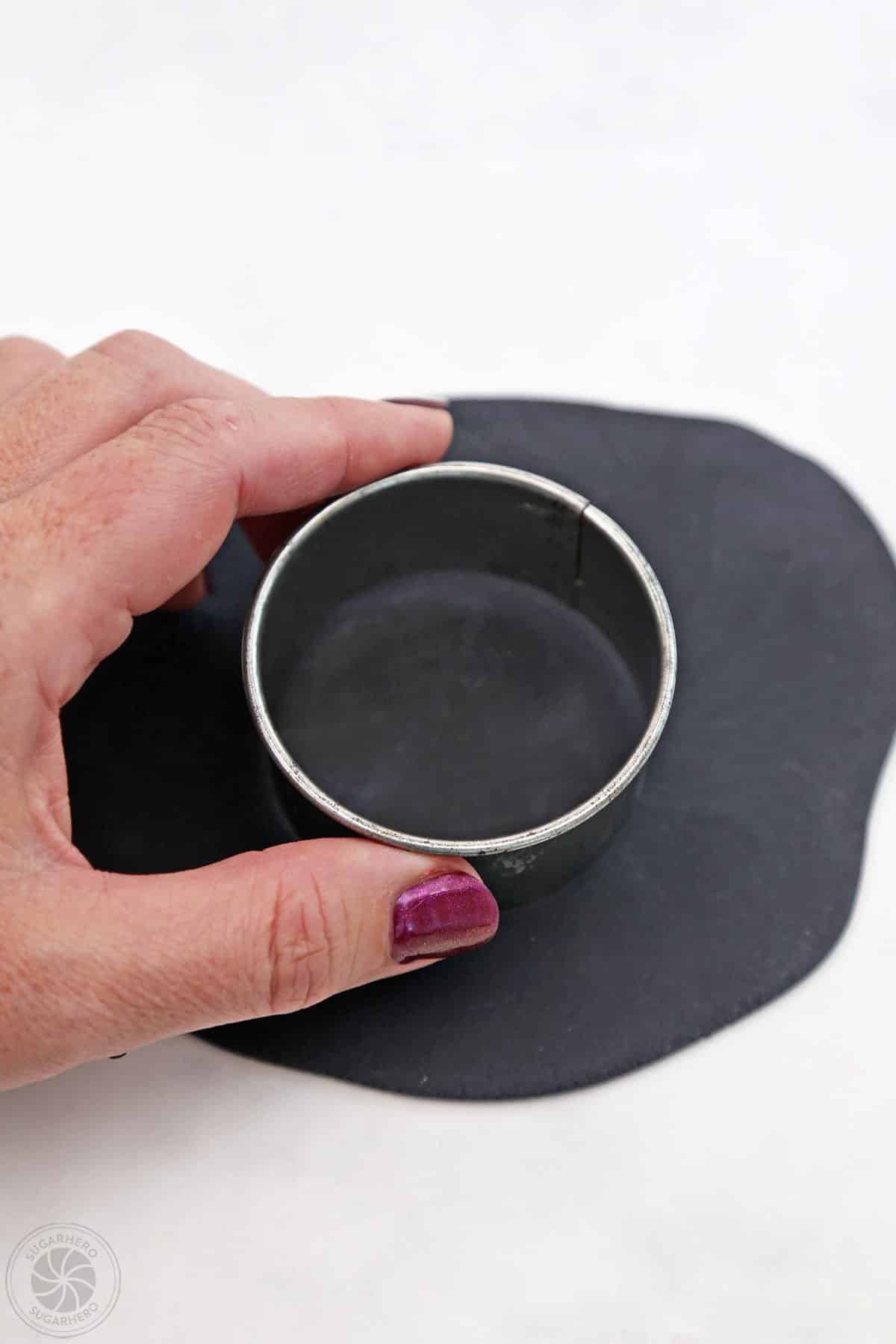
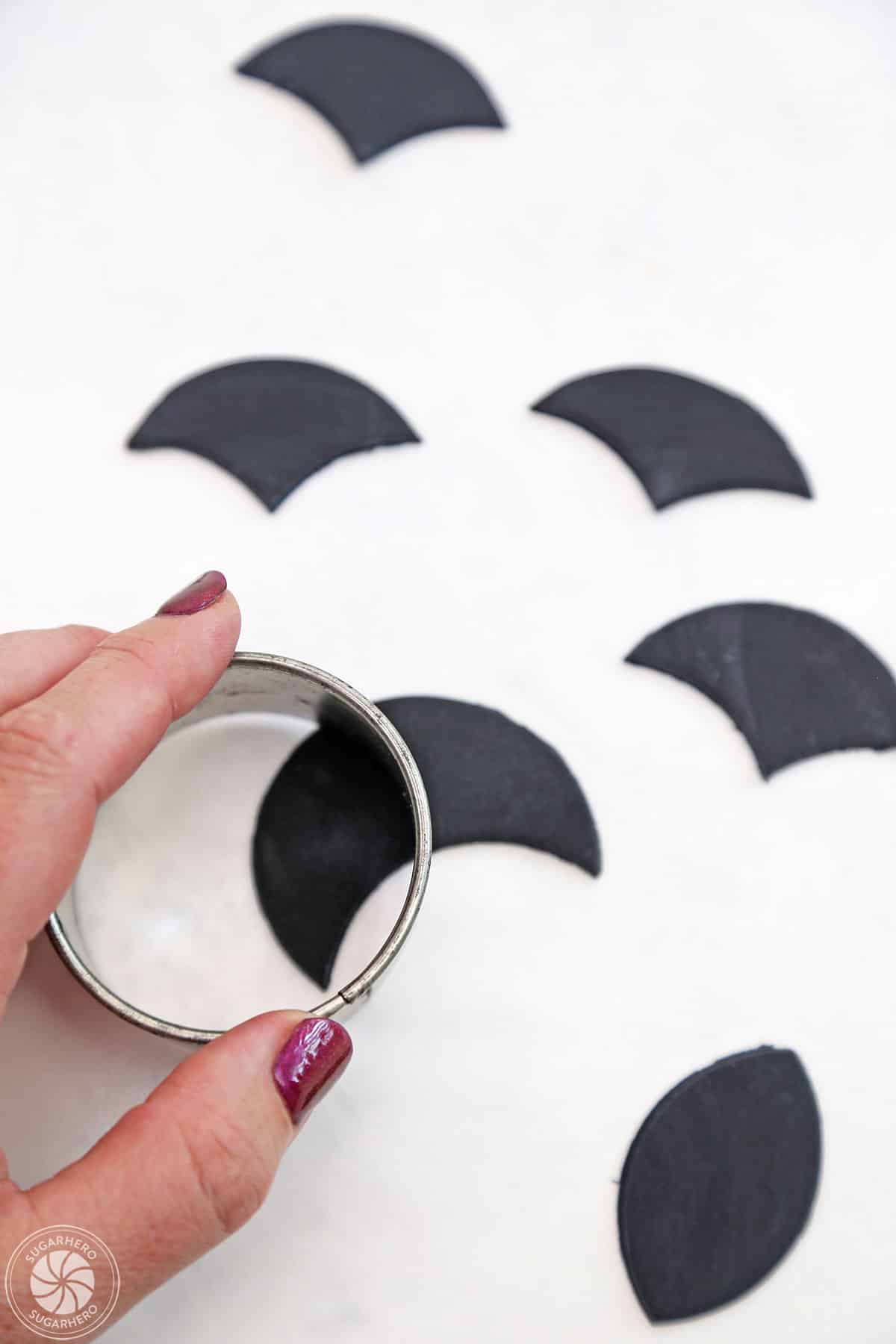
While the cupcakes are chilling or the frosting is setting, attention turns to the fondant elements. Black fondant is rolled out thinly and then cut into irregular shapes or strips to mimic the wild, often spiky, hair of a vampire. The size and style of the hair can be varied to give each cupcake a unique look. This step requires a bit of artistic flair, as the goal is to create a disheveled yet intentional effect.
Step 4: Creating the Vampire’s Teeth
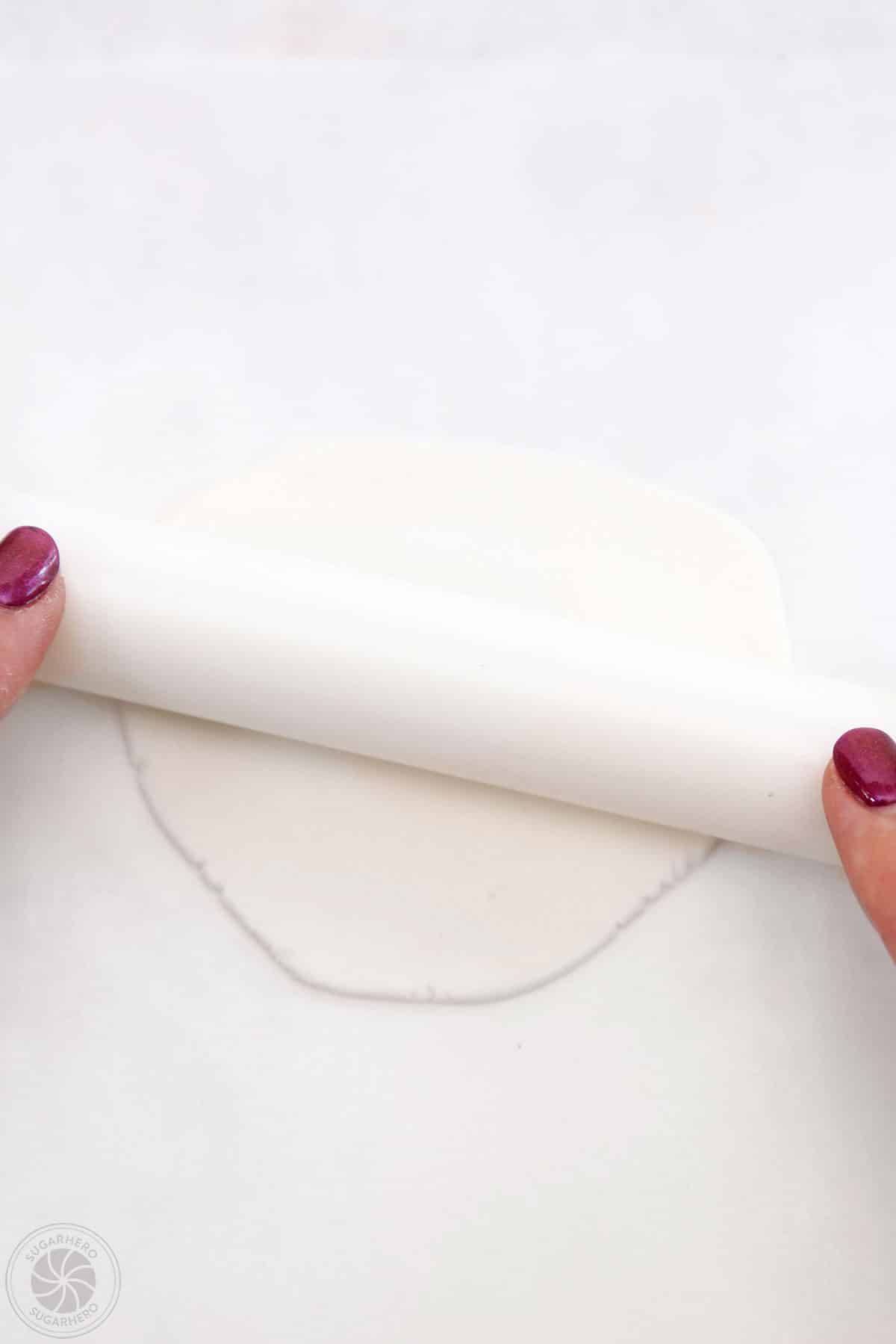
White fondant is the material of choice for the vampire’s iconic fangs. It is rolled out and then cut into small, triangular shapes. For an added touch of realism and Halloween gore, these fondant teeth can be lightly dipped or brushed with red food coloring to simulate a bloody effect. This detail significantly enhances the spooky aesthetic of the cupcakes.
Step 5: Assembling the Vampire Faces
With the base frosted and the decorative elements prepared, the assembly phase begins. The black fondant "hair" is carefully placed around the top edge of the frosted cupcake, creating the illusion of a hairline. The fondant teeth are then positioned at the base of the frosted area, peeking out as if from the vampire’s mouth. Small candies, such as black jelly beans or licorice pieces, are often used to represent the vampire’s nose, adding a finishing touch to the facial features.
Step 6: Adding the Final Touches
The final step involves any additional decorative elements. A touch of red frosting can be piped in a small curve beneath the teeth to suggest a smiling mouth, further emphasizing the vampire theme. The overall effect is a collection of charmingly menacing vampire faces, ready to be devoured.
Background and Context
The tradition of creating themed desserts for holidays like Halloween has deep roots. It draws from historical practices of celebratory feasting and the desire to imbue special occasions with unique culinary expressions. The modern iteration of this tradition is heavily influenced by media, popular culture, and the accessibility of specialized baking ingredients and tools. The rise of social media platforms has further amplified the trend, with visually appealing and shareable food creations gaining significant traction. Recipes like the Vampire Cupcakes benefit from this ecosystem, readily shared and adapted across various online platforms, inspiring home bakers and professional pastry chefs alike.
Analysis of Implications and Broader Impact
The popularity of recipes like the Vampire Cupcakes reflects several broader trends:
- The Democratization of Baking: With readily available resources, from cake mixes to detailed online tutorials, complex decorating techniques are no longer exclusive to professional bakers. This empowers individuals to engage in creative culinary endeavors.
- The Rise of "Foodie Culture": There is a significant cultural emphasis on aesthetically pleasing and thematically relevant food, particularly for celebratory occasions. This drives demand for recipes that are both delicious and visually striking.
- The Power of Social Media: Platforms like Pinterest and Instagram serve as powerful conduits for recipe dissemination and inspiration. Visually appealing creations like these cupcakes are perfectly suited for these platforms, fostering viral spread and engagement.
- The Economic Impact: The demand for seasonal treats fuels the market for baking supplies, specialty ingredients, and even baking classes, contributing to the broader food and confectionery industries.
Nutritional Information and Considerations
The provided nutritional information for these Vampire Cupcakes indicates that a single serving contains approximately 457 calories, with a significant portion coming from carbohydrates (67g) and fat (21g). This highlights that these are indulgent treats, best enjoyed in moderation as part of a balanced diet. The recipe’s focus is primarily on taste and presentation, as is common with many festive desserts.
Make-Ahead and Storage Tips
For those planning Halloween parties, make-ahead strategies are invaluable. The buttercream frosting can be prepared up to a week in advance and stored in an airtight container with plastic wrap pressed directly onto the surface to prevent a crust from forming. Before use, it should be brought to room temperature and whipped to restore its creamy texture. Baked and cooled cupcakes can also be frozen for up to a month in airtight containers. Thaw them on the counter before decorating. Once decorated, the cupcakes can be stored in an airtight container at room temperature for 2-3 days or refrigerated for up to a week. It is recommended to allow refrigerated cupcakes to return to room temperature before serving for optimal flavor and texture.
Conclusion
The Vampire Cupcakes represent more than just a recipe; they are a testament to the joy and creativity that baking can bring, particularly during festive occasions like Halloween. By combining simple techniques with imaginative decoration, these treats offer a perfect blend of spookiness and sweetness, making them a memorable addition to any Halloween celebration. Their accessibility and visual appeal ensure their continued popularity, solidifying their place as a beloved seasonal confection. The process, while detailed, is designed to be enjoyable, encouraging bakers of all skill levels to embrace the spirit of Halloween and create something truly fang-tastic.