
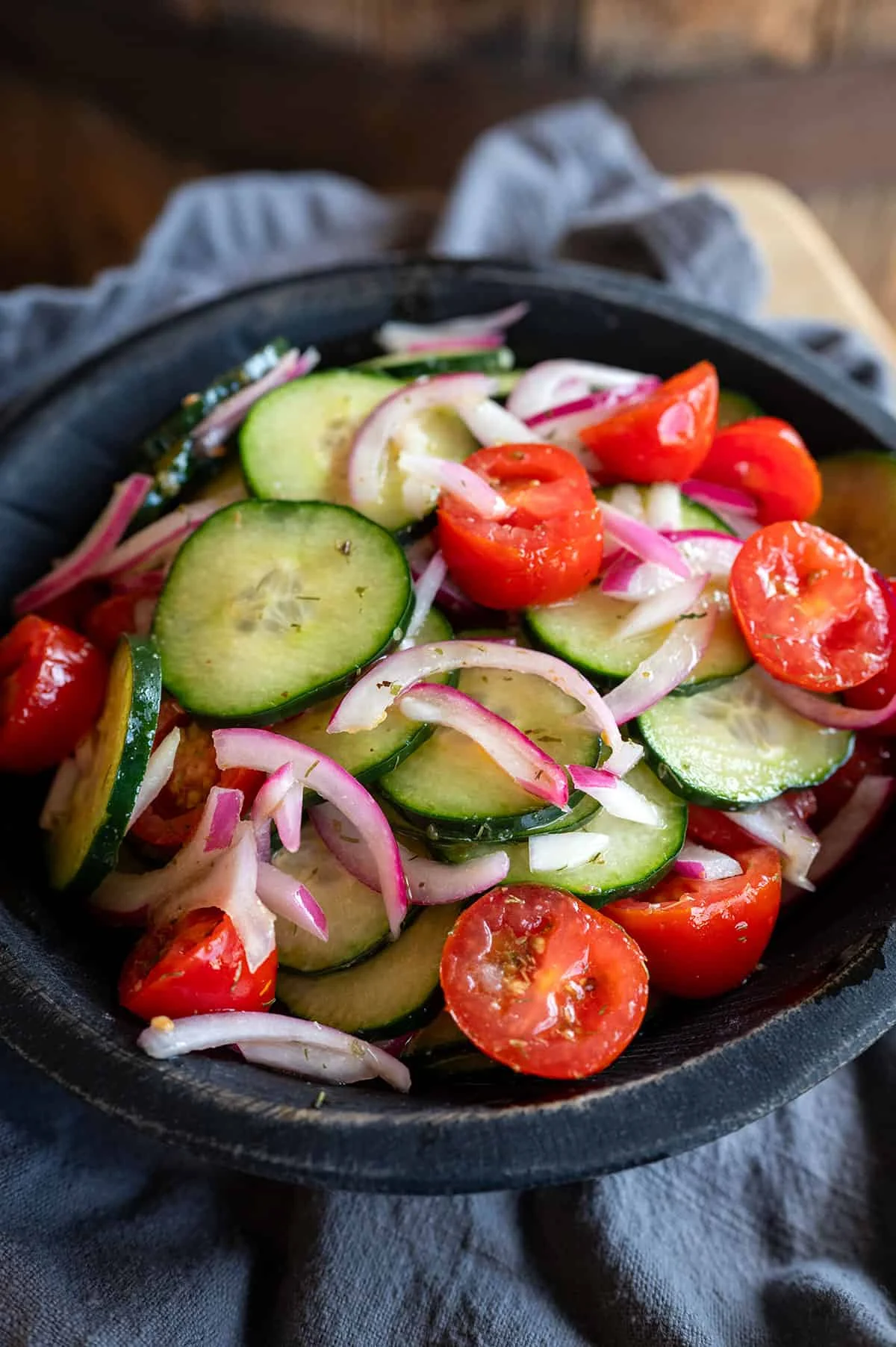
Crisp cucumbers, thinly sliced red onion, and halved cherry tomatoes are tossed in a simple oil-and-vinegar dressing for a cold side dish that comes together in minutes and requires no time at the grill. This recipe is a staple for busy summer days, especially when the smoker is already working overtime. It offers a welcome respite from additional stovetop cooking, allowing for a hands-off preparation that simply sits on the counter while other culinary endeavors take center stage.
What is Cucumber Salad?
Cucumber salad, in its most fundamental form, is a raw, marinated vegetable salad built around thinly sliced cucumber. It is typically combined with onion and a zesty, acidic dressing, often enhanced with fresh herbs. Variations of this dish are found across numerous global cuisines, each offering a unique regional twist. The iteration discussed here leans towards a Greek-inspired vinaigrette, featuring the aromatic notes of oregano and dill, but its inherent simplicity makes it highly adaptable to whatever herbs are readily available in any given kitchen.
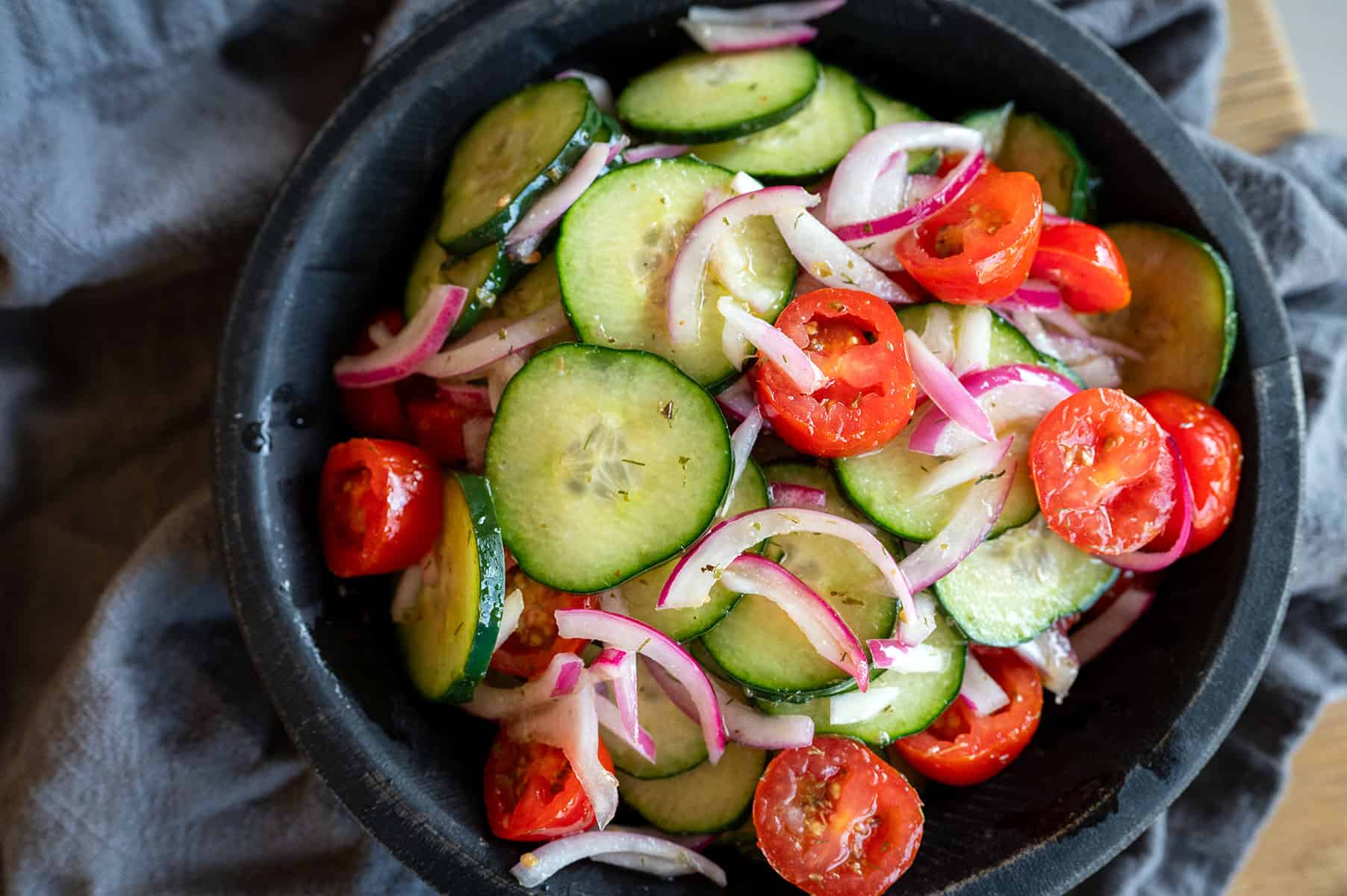
This recipe serves as an excellent example of how a few fresh ingredients can be transformed into a flavorful and cooling accompaniment. The raw preparation method ensures that the natural crispness and refreshing qualities of the cucumber are preserved, while the light dressing adds a bright counterpoint to richer main courses, particularly those prepared through grilling or smoking.
The Culinary Context: Summer Entertaining and Efficient Preparation
The popularity of cucumber salad as a summer side dish is deeply rooted in the season’s emphasis on outdoor cooking and entertaining. As temperatures rise, the desire for lighter, more refreshing fare increases. Recipes that minimize time spent in a hot kitchen are particularly sought after. The strategy of preparing a dish that requires no additional heat source when the grill or smoker is already in use is a practical approach favored by many home cooks and pitmasters alike.
This method aligns with the broader trend of "set it and forget it" cooking, where components can be prepped in advance and allowed to meld their flavors without constant attention. For hosts, this translates to more time spent with guests and less time tethered to the stove or grill. The cucumber salad, in this context, is not just a recipe but a solution to a common seasonal culinary challenge.

Nutritional Snapshot: A Light and Healthy Option
The provided nutritional information highlights cucumber salad as a low-calorie, low-carbohydrate option, making it an attractive choice for health-conscious individuals.
- Calories: Approximately 85 kcal per serving.
- Macronutrients: Low in carbohydrates (5g), protein (1g), and fat (7g), with a majority of the fat being monounsaturated (4g).
- Micronutrients: Offers a modest amount of Vitamin A (166 IU) and Vitamin C (9mg), along with essential minerals like potassium (168mg) and calcium (21mg).
It is important to note that this information is automatically calculated and serves as an approximation. The exact nutritional content can vary based on ingredient brands and precise measurements.
Ingredients and Preparation: Simplicity at its Core
The beauty of this cucumber salad lies in its straightforward ingredient list and minimal preparation steps. The core components are readily available in most grocery stores, and the process is designed for ease.
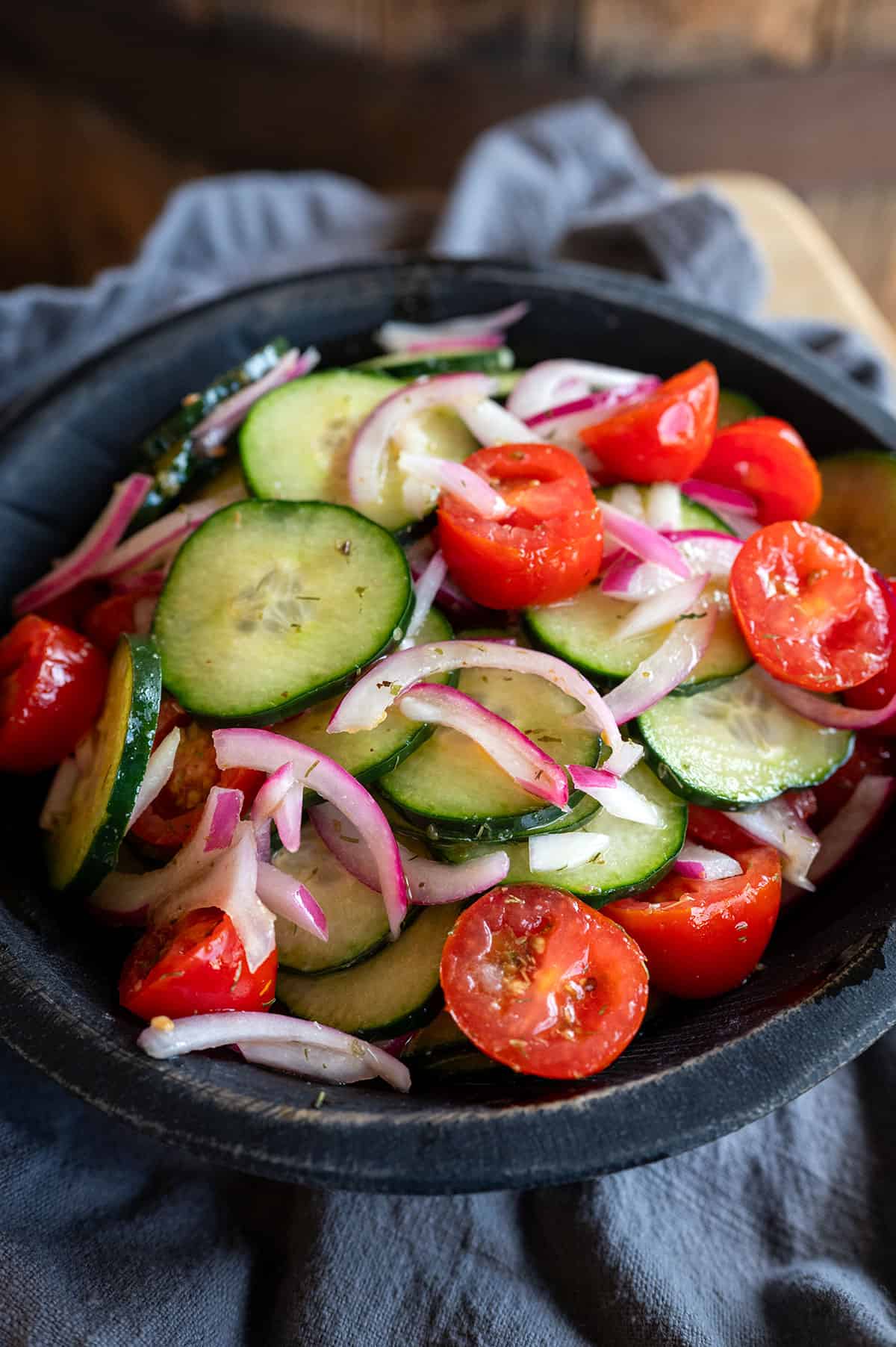
Key Ingredients:
- Cucumbers: Fresh, crisp cucumbers form the base of the salad.
- Red Onion: Thinly sliced red onion provides a sharp, pungent contrast.
- Cherry Tomatoes: Halved cherry tomatoes add bursts of sweetness and color.
- Dressing Components:
- White Vinegar: Provides the essential acidic tang.
- Oil: Typically a neutral vegetable oil or olive oil.
- Kosher Salt: Enhances flavors and helps to draw out moisture from the vegetables.
- Dried Oregano: Offers a classic Mediterranean herb note.
- Dried Dill: Contributes a fresh, slightly anise-like flavor.
- Granulated Garlic: Adds a savory depth without the intensity of fresh garlic.
Optional Substitutions and Enhancements:
- Milder Onion Flavor: Shallots can be substituted for red onion for a gentler taste.
- Varied Tang: Apple cider vinegar can replace white vinegar for a subtly different acidic profile.
- Fresh Herbs: For a more vibrant flavor, fresh dill and minced garlic can be used in place of their dried counterparts.
- Additional Vegetables: Bell peppers, radishes, or even thinly sliced celery could be incorporated for added texture and flavor.
- Creamy Variations: For a German-inspired twist, sour cream, dill, and chives can be added, and tomatoes omitted.
- Sweetness Adjustment: A touch of sugar or honey can be incorporated into the dressing for a sweeter profile.
- Asian-Inspired Twist: Rice vinegar and a splash of sesame oil, along with gochugaru flakes and ginger, can create a distinctly different flavor profile.
Step-by-Step Preparation:
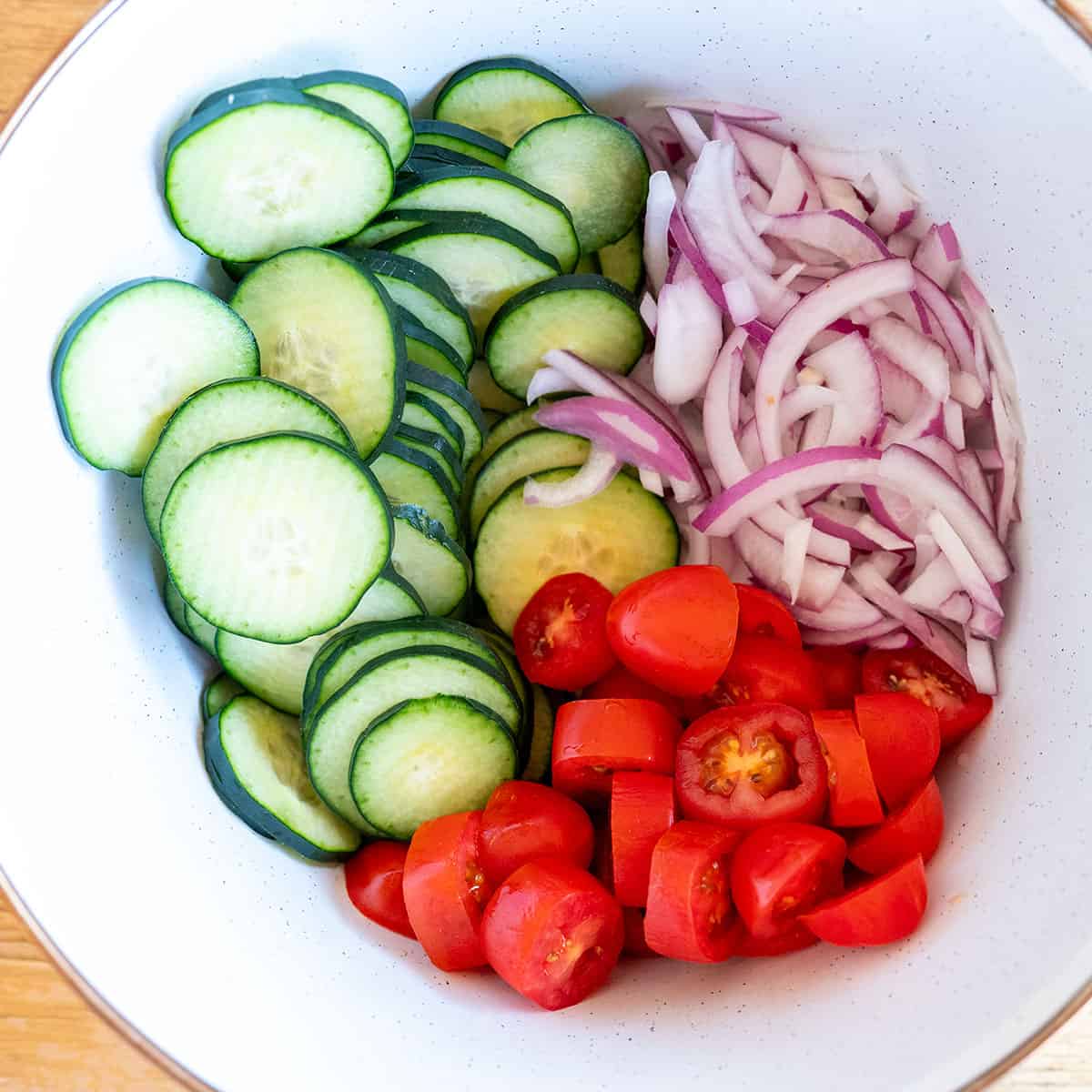
- Prep the Vegetables: Begin by washing and preparing the fresh produce. Slice the cucumbers to your desired thickness, thinly slice the red onion, and halve the cherry tomatoes. Combine these prepared vegetables in a large mixing bowl.
- Create the Vinaigrette: In a separate small bowl or jar, whisk together the white vinegar, oil, kosher salt, dried oregano, dried dill, and granulated garlic. Ensure the ingredients are thoroughly combined to create a homogenous dressing.
- Toss for Uniformity: Pour the prepared vinaigrette over the vegetables in the large bowl. Gently toss the ingredients until all the cucumbers, onions, and tomatoes are evenly coated with the dressing.
- Allow Flavors to Mingle: Cover the bowl and let the salad rest on the counter for at least one hour before serving. This crucial resting period allows the cucumber and onion to absorb the flavors of the dressing, softening slightly and developing a more cohesive taste.
Serving and Storage Recommendations: Maximizing Freshness
The ideal serving time for this cucumber salad is after it has had adequate time to rest and marinate. Its bright acidity makes it a perfect accompaniment to a wide array of grilled and smoked meats, including ribs, pulled pork, chicken, and burgers. The sharpness of the salad cuts through the richness of barbecued foods, providing a balanced and palate-cleansing experience.
Serving Suggestions:
- Alongside Grilled Meats: This salad is a natural partner to any grilled or smoked main course.
- As a Picnic Staple: Its no-cook nature makes it an ideal contribution to potlucks and picnics.
- Part of a Larger Meal: It can be included as one component of a varied buffet or barbecue spread.
Storage Considerations:
The texture and flavor of cucumber salad are at their peak when served relatively fresh. However, understanding how to store leftovers is important for minimizing waste.
- Best Freshness: The salad is best consumed within a few hours of preparation.
- Refrigeration Impact: Refrigerating the salad can cause the oil in the vinaigrette to solidify, altering the texture. If chilled, it is recommended to let the salad sit at room temperature for 20-30 minutes before serving to allow the oil to loosen.
- Advance Preparation: For those who need to prepare further in advance, the vegetables can be sliced and stored in the refrigerator for 1-2 days. The dressing should be prepared separately and tossed with the vegetables about an hour before serving.
- Airtight Storage: If refrigerating leftovers, store them in an airtight container to maintain freshness.
Frequently Asked Questions: Addressing Common Queries
A clear understanding of common questions can enhance the user’s experience with this recipe.
-
Can I make this cucumber salad ahead of time?
Yes, but for optimal texture, it is recommended to prepare it about an hour before serving and allow it to rest at room temperature rather than refrigerating it. -
Why cherry tomatoes instead of regular tomatoes?
Cherry tomatoes tend to release less water than larger varieties like Roma or slicing tomatoes, which helps to prevent the vinaigrette from becoming diluted. -
Should I refrigerate leftover cucumber salad?
If you have leftovers, store them in the refrigerator. However, before serving, allow the salad to sit at room temperature for 20-30 minutes to soften the oil in the dressing.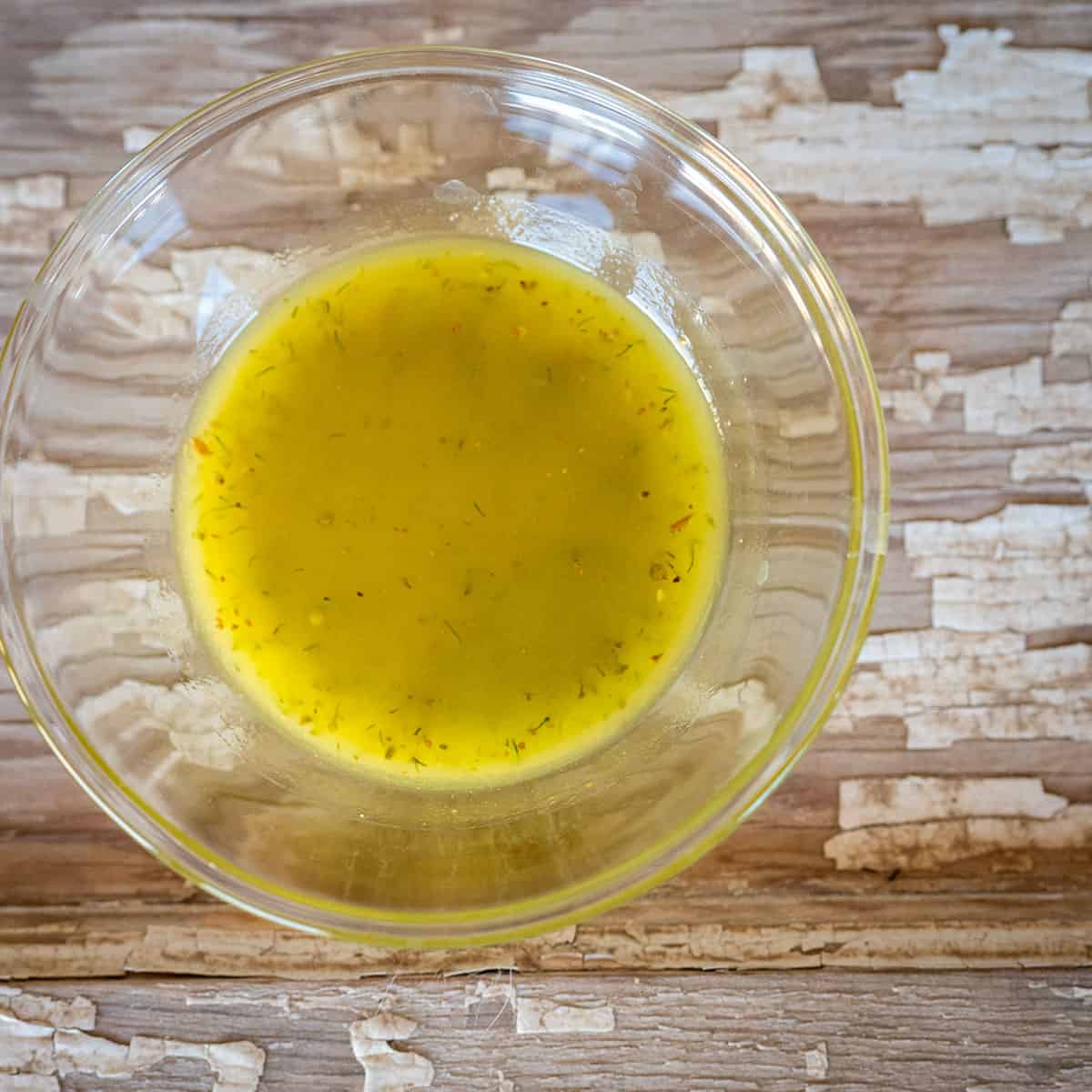
-
Can I make different variations of this salad?
Absolutely. The recipe is highly adaptable. For an Asian-inspired version, consider using rice vinegar and sesame oil, with gochugaru flakes and ginger. For a German-style salad, omit the tomatoes and incorporate sour cream with dill and chives. Adjusting the sweetness with sugar or honey is also a popular modification.
GCG Pro Pitmaster Tips: Expert Insights
While the article does not explicitly provide "GCG Pro Pitmaster Tips," the underlying philosophy of the recipe – efficiency, flavor, and suitability for outdoor cooking – suggests several best practices:
- Quality Ingredients: Using fresh, high-quality cucumbers and ripe cherry tomatoes will significantly impact the final taste.
- Uniform Slicing: Consistent slicing of cucumbers and onions ensures even distribution of flavors and textures.
- Dressing Emulsion: Thoroughly whisking the dressing ingredients helps to create a stable emulsion that coats the vegetables effectively.
- Marinating Time: Adhering to the one-hour resting period is crucial for allowing the flavors to meld and the vegetables to soften slightly.
- Seasoning Adjustment: Taste and adjust the salt and vinegar levels before serving to suit personal preferences.
This refreshing cucumber salad embodies the spirit of summer cooking – simple, flavorful, and perfectly suited to complement the hearty flavors of the grill. Its ease of preparation and adaptability make it a valuable addition to any cook’s repertoire.


