
The culinary landscape is witnessing a significant shift toward home-based food preservation and the creation of artisanal seasoning blends, driven by both economic considerations and a growing consumer preference for "umami"—the savory fifth taste. A prominent example of this trend is the emergence of DIY mushroom parmesan seasoning, a blend that utilizes dehydrated or freeze-dried ingredients to replicate high-end commercial products. Originally inspired by specialty items from bulk suppliers such as Azure Standard, these homemade alternatives are gaining traction among food preservation enthusiasts and home cooks seeking to control ingredient quality while reducing grocery expenditures.
The development of the mushroom parmesan blend represents a broader movement in the "purposeful pantry" philosophy, which emphasizes the long-term storage of nutrient-dense, shelf-stable ingredients. By combining the earthy, glutamate-rich profile of dried mushrooms with the salty, fermented notes of aged parmesan cheese, creators have developed a versatile seasoning that serves as a salt-substitute or flavor enhancer for a wide variety of dishes, ranging from popcorn to protein rubs.
The Evolution of the Mushroom Parmesan Seasoning Concept
The trajectory of this specific seasoning blend began in the niche market of bulk organic food distribution. Consumers frequenting distributors like Azure Standard identified the mushroom-parmesan combination as a standout flavor profile, yet often faced challenges regarding consistent stock availability and the premium pricing associated with pre-mixed specialty spices. This scarcity prompted home preservation experts, most notably Darcy Baldwin of The Purposeful Pantry, to reverse-engineer the blend using standard kitchen equipment.
The process of transitioning from a commercial consumer to a DIY producer involves a strategic approach to food storage. The chronology of creating such a blend typically follows a specific sequence: the procurement of bulk mushrooms—such as white button, cremini, or shiitake—followed by the dehydration process to remove moisture while concentrating flavor. The final stage involves the integration of dried dairy products, a feat made possible by modern home dehydrating and freeze-drying technologies. This shift reflects a larger historical cycle where industrial food processes are being reclaimed by the domestic sphere, allowing for customization according to individual dietary needs and taste preferences.
Technical Composition and Ingredient Synergy
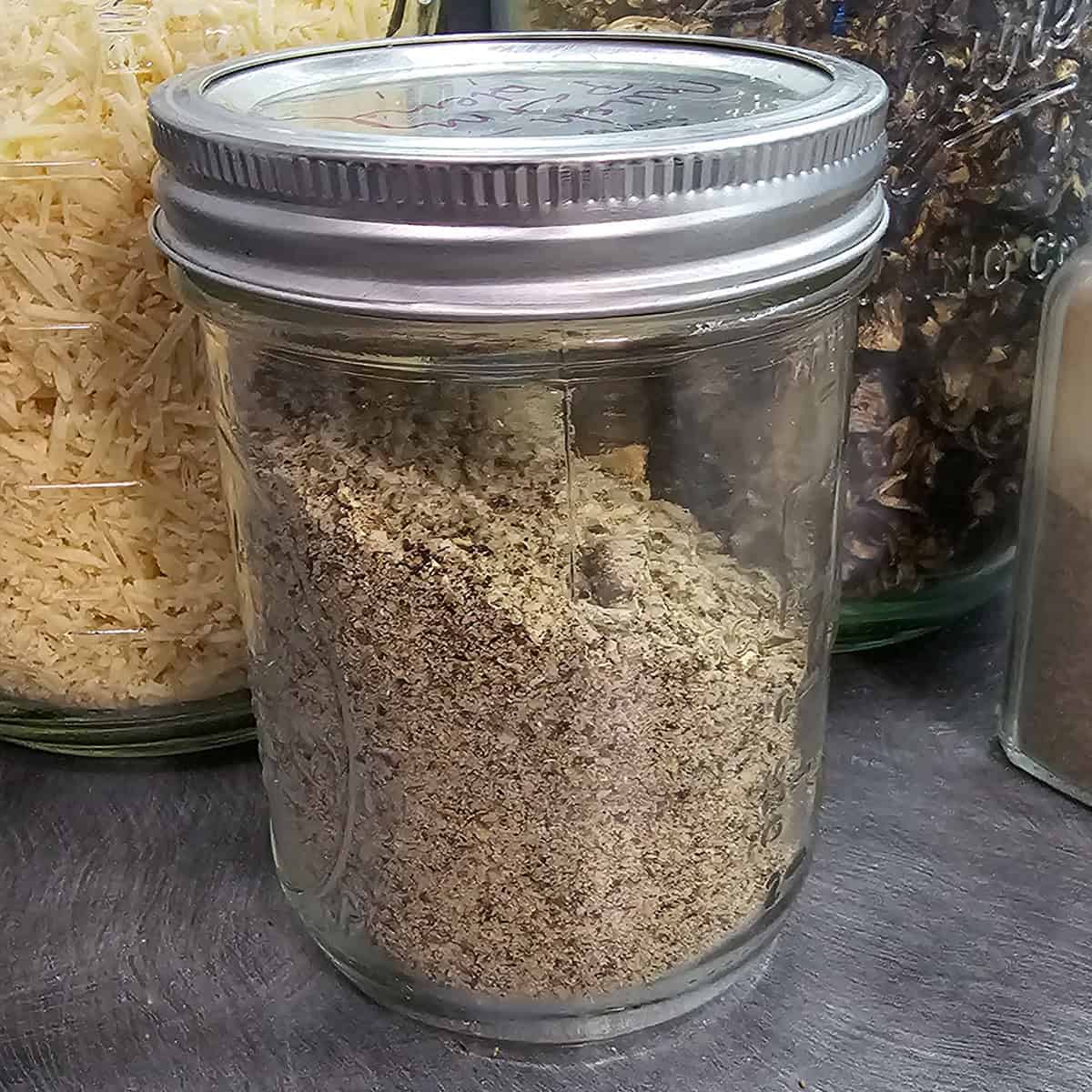
The efficacy of the mushroom parmesan seasoning lies in its chemical composition. Mushrooms are naturally high in ribonucleotides and glutamic acid, which provide the foundational "umami" sensation. When paired with parmesan cheese—which contains one of the highest concentrations of naturally occurring glutamates among all dairy products—the resulting synergy creates a flavor profile that significantly enhances the palatability of other foods.
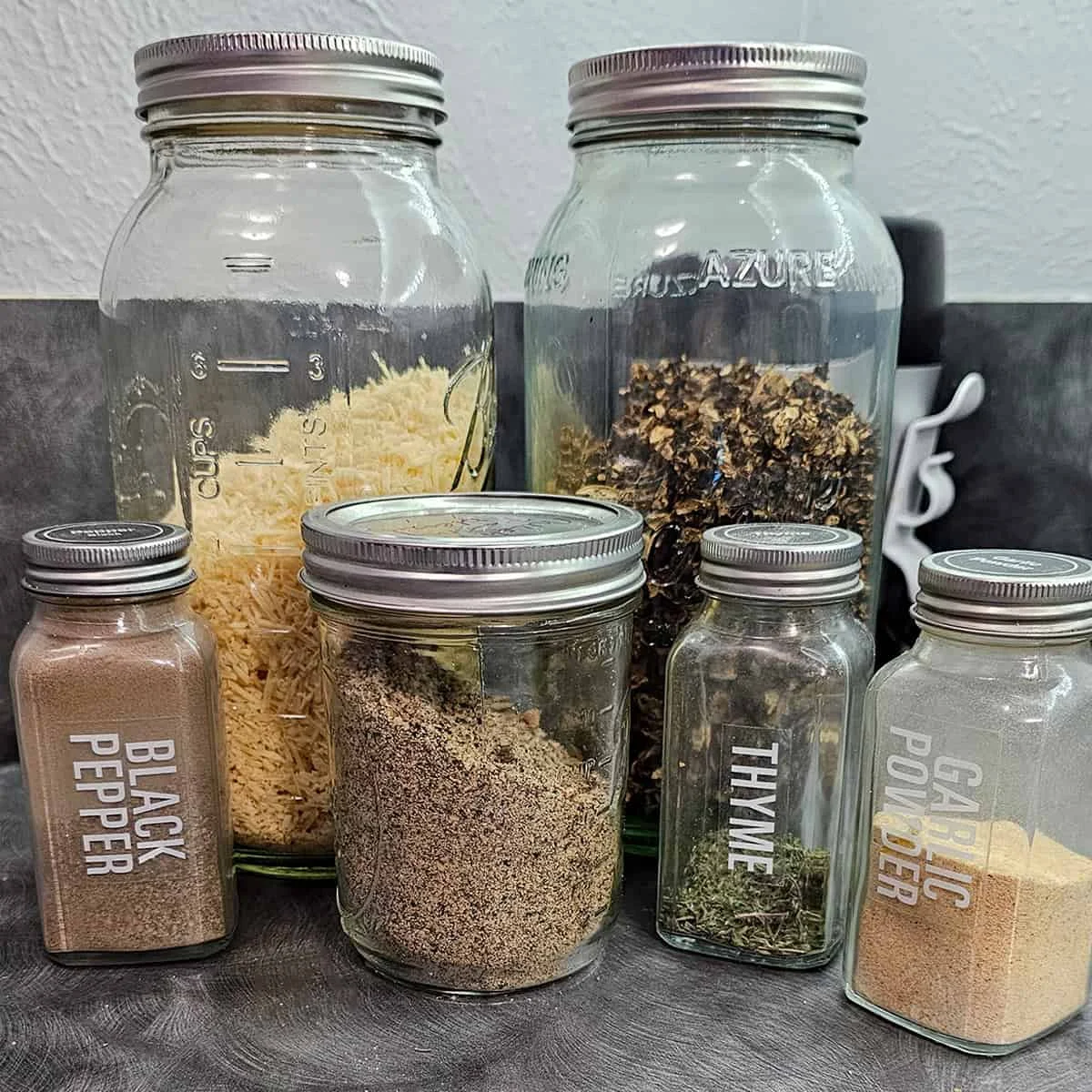
The standard formulation for this DIY blend typically includes:
- Dehydrated Mushrooms: The primary source of earthiness and body.
- Dried Parmesan Cheese: Provides saltiness and a sharp, savory finish.
- Garlic Powder and Black Pepper: Act as aromatic bridge notes.
- Dried Thyme and Parsley: Introduce herbaceous brightness to balance the heavy savory elements.
According to culinary data, the dehydration process reduces the weight of mushrooms by approximately 90%, meaning the flavor intensity of the powder is nearly ten times that of fresh fungi. This concentration allows a small amount of seasoning to have a profound impact on a dish’s final taste profile.
Economic Implications of Home Seasoning Production
The rise of DIY seasonings is inextricably linked to the rising costs of processed goods. Market analysis indicates that pre-mixed specialty seasonings can retail for three to four times the cost of their raw components when purchased in bulk. By utilizing home dehydration, consumers are able to leverage the lower price points of seasonal produce or bulk-purchased mushrooms.
Furthermore, the longevity of these products provides a hedge against food waste. Fresh mushrooms have a notoriously short shelf life, often spoiling within a week of purchase. By converting them into a shelf-stable powder, the consumer extends the utility of the ingredient from days to years. This "purposeful" approach to pantry management aligns with sustainable living goals by reducing the carbon footprint associated with frequent grocery trips and the plastic packaging of commercial spice jars.
Health and Nutritional Analysis of Dehydrated Blends
From a nutritional perspective, the DIY mushroom parmesan blend offers a complex profile. Based on estimations for a concentrated batch, a two-tablespoon serving of such a blend can contain approximately 697 calories, 48 grams of protein, and 43 grams of fat, primarily derived from the parmesan component. However, it is essential to note that because the ingredients are dehydrated, the nutrients are highly concentrated.
Public health experts note that one of the primary benefits of homemade seasonings is the ability to manage sodium intake. Commercial "umami" seasonings often rely heavily on Monosodium Glutamate (MSG) or high levels of added sodium chloride. In contrast, the DIY version utilizes the natural glutamates in mushrooms and the inherent saltiness of parmesan to achieve a similar flavor profile with potentially less total sodium.
Current nutritional data for dehydrated foods suggests that 1/4 cup of dried product typically retains the caloric and sugar content of 1 cup of fresh produce. This density makes the seasoning an efficient way to add vitamins and minerals—such as Vitamin D and B-vitamins found in mushrooms—to meals without increasing the volume of the food consumed.
Broader Impact on the Food Preservation Community
The success of the mushroom parmesan blend has sparked a renewed interest in other "copycat" seasoning projects. Enthusiasts are increasingly looking to replace household staples with homemade versions, such as:
- "Whatever" Seasonings: Aimed at replacing salt-free blends like Mrs. Dash.
- Bulk Taco Mixes: Utilizing dehydrated onions, peppers, and home-ground chilies to avoid the anti-caking agents found in commercial packets.
- Vegetable-Based Umami Powders: Inspired by popular retail versions (e.g., Trader Joe’s Umami Seasoning), using dried onions and mushroom stalks.
This trend is supported by a growing infrastructure of digital resources and journals, such as the "Dehydrating Basics & Journal" authored by Baldwin. These resources provide the technical framework necessary for novices to safely preserve food at home, addressing concerns regarding moisture content and shelf stability.
Culinary Versatility and Application
The application of the mushroom parmesan blend extends beyond simple table seasoning. Professional chefs and home cooks alike have identified several key areas where the blend excels:
- Protein Rubs: The high protein and fat content of the parmesan allows the seasoning to crust beautifully on seared steaks or roasted chicken.
- Vegetable Enhancement: Adding the blend to roasted cauliflower or broccoli provides a savory depth that mimics the effect of long-simmered stews.
- Snack Foods: As a popcorn topping, it offers a gourmet alternative to standard butter and salt, providing a complex flavor that adheres well to the kernels.
- Grains and Pastas: Stirring the powder into risottos or pasta water infuses the base starch with a foundational layer of flavor.
Conclusion: The Future of the Purposeful Pantry
As global supply chains face ongoing volatility and consumers become more conscious of the additives in their food, the move toward DIY preservation is expected to accelerate. The mushroom parmesan seasoning blend is more than a simple recipe; it is a case study in how modern consumers are navigating the intersection of flavor, economy, and self-sufficiency.
By transforming perishable bulk goods into high-value pantry staples, individuals are effectively building a more resilient food system within their own kitchens. The continued popularity of these blends suggests a permanent shift in the culinary zeitgeist—one where the "purposeful pantry" is defined not just by what it holds, but by the creativity and technical skill used to fill it. Through the simple act of blending mushrooms and cheese, home cooks are rediscovering the power of concentrated flavor and the satisfaction of a well-stocked, self-reliant home.


