Two episodes into Food Network’s competitive series Pitmasters, the remaining contestants are already navigating a gauntlet of high-stakes challenges that push their culinary skills and endurance to the absolute limit. Following a challenging premiere that saw some teams land in the bottom, the second episode, dubbed "The Big Burn," presented an unprecedented nine-hour endurance test. This multi-faceted live-fire challenge required contestants to master three distinct cooking techniques simultaneously: underground, direct fire, and hanging over an open flame. The pressure was further amplified by the discerning palates of the judging panel, comprised of renowned culinary figures Andrew Zimmern, Big Moe Cason, Ernest Servantes, and Jess Pryles, all of whom are known for their unvarnished critiques.
The episode’s narrative arc began with a palpable sense of urgency for competitors like Christie Vanover and her teammate Susie Bulloch of Hey Grill Hey. Having narrowly avoided elimination in the premiere, the specter of the bottom ranking loomed large. Vanover expressed her innate drive to win, stating, "If you know me, you know I like to win. So being on the bottom on episode 1 was not where I wanted to be." The limited time for regrouping was immediately curtailed as the "Big Burn" challenge was announced, signaling a significant escalation in difficulty and complexity.
Andrew Zimmern, setting the stage for the arduous task ahead, emphasized the comprehensive nature of true live-fire mastery. "Real live fire mastery is not just one trick," he stated. "It’s cooking underground, direct fire, hanging above it. For this big burn, guess what? You’re gonna use all three. Nine hours, three different live fire techniques.” This declaration underscored the show’s commitment to exploring the diverse spectrum of barbecue traditions and techniques.
The Big Burn: A Trifecta of Live Fire Techniques
The "Big Burn" challenge demanded an exceptional level of adaptability and foresight from the contestants. While cooking on coals and hanging food over fire were familiar territory for many, the requirement to cook underground presented a novel and significant hurdle. Vanover and Bulloch, recognizing the need for a strategic approach, quickly decided to leverage their collective experience with Dutch oven cooking for the underground component. This decision acknowledged the versatility of the Dutch oven, a staple in many outdoor cooking arsenals, capable of remarkable heat retention and consistent cooking, even when buried.
Cooking Underground: The Osso Buco Innovation
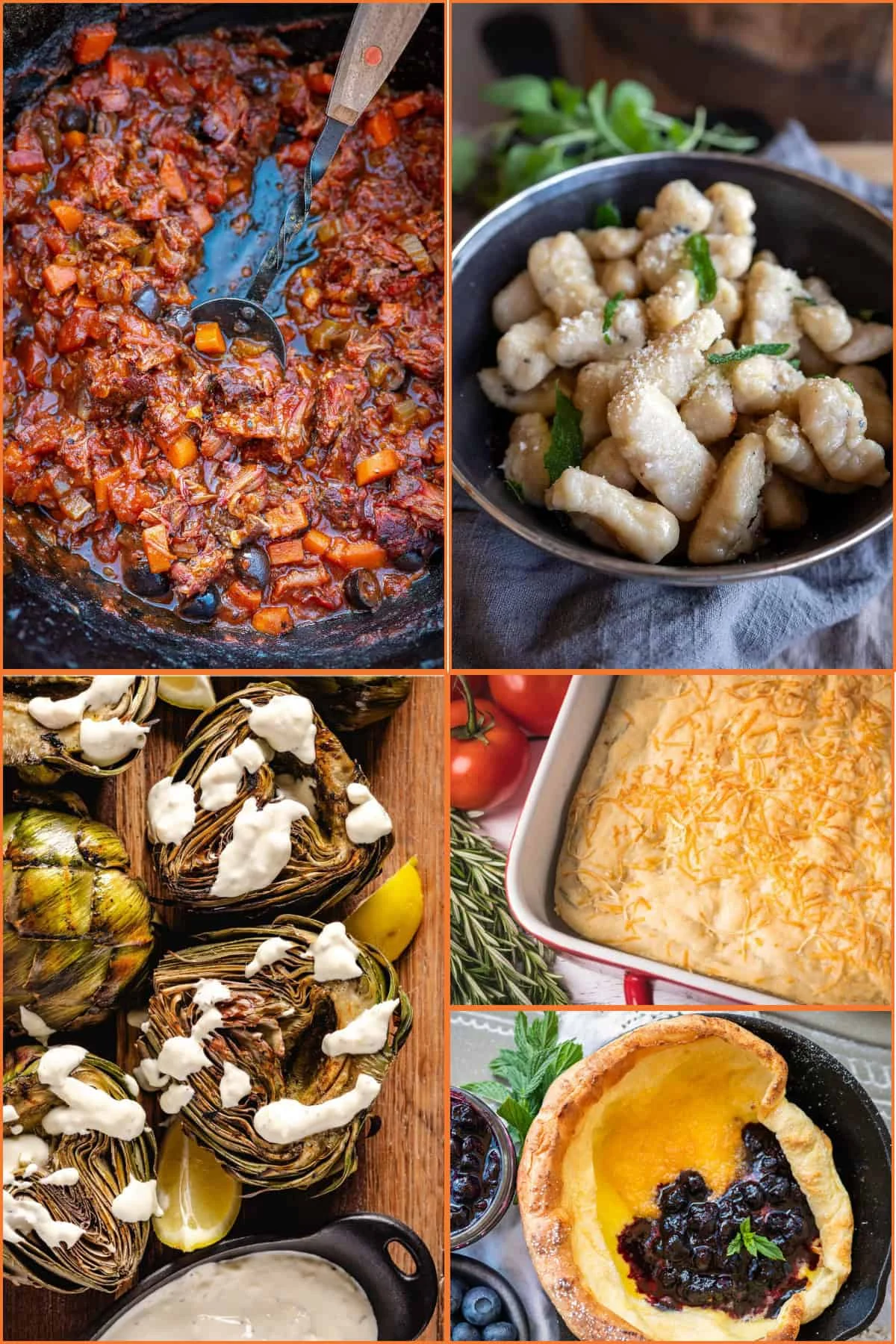
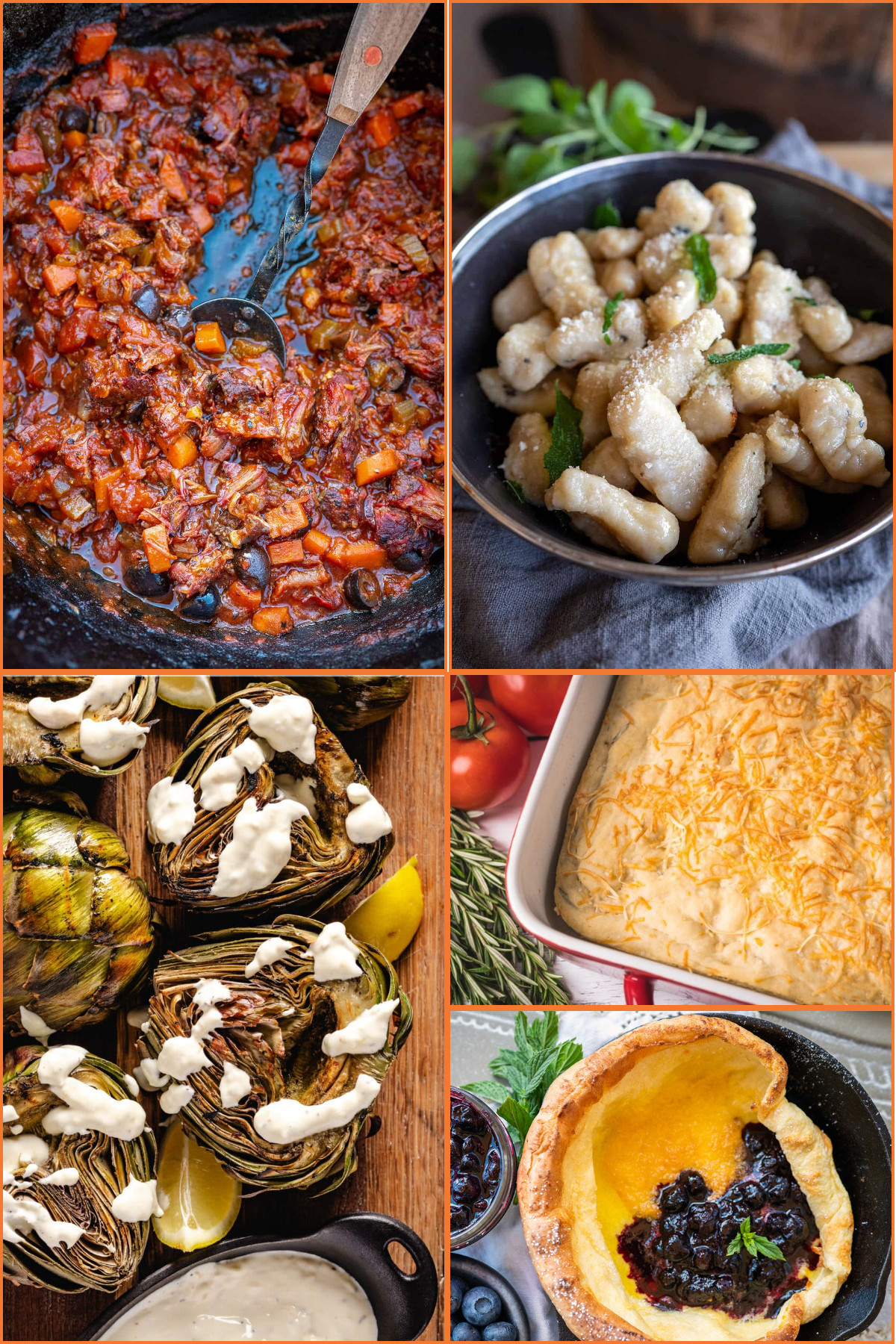
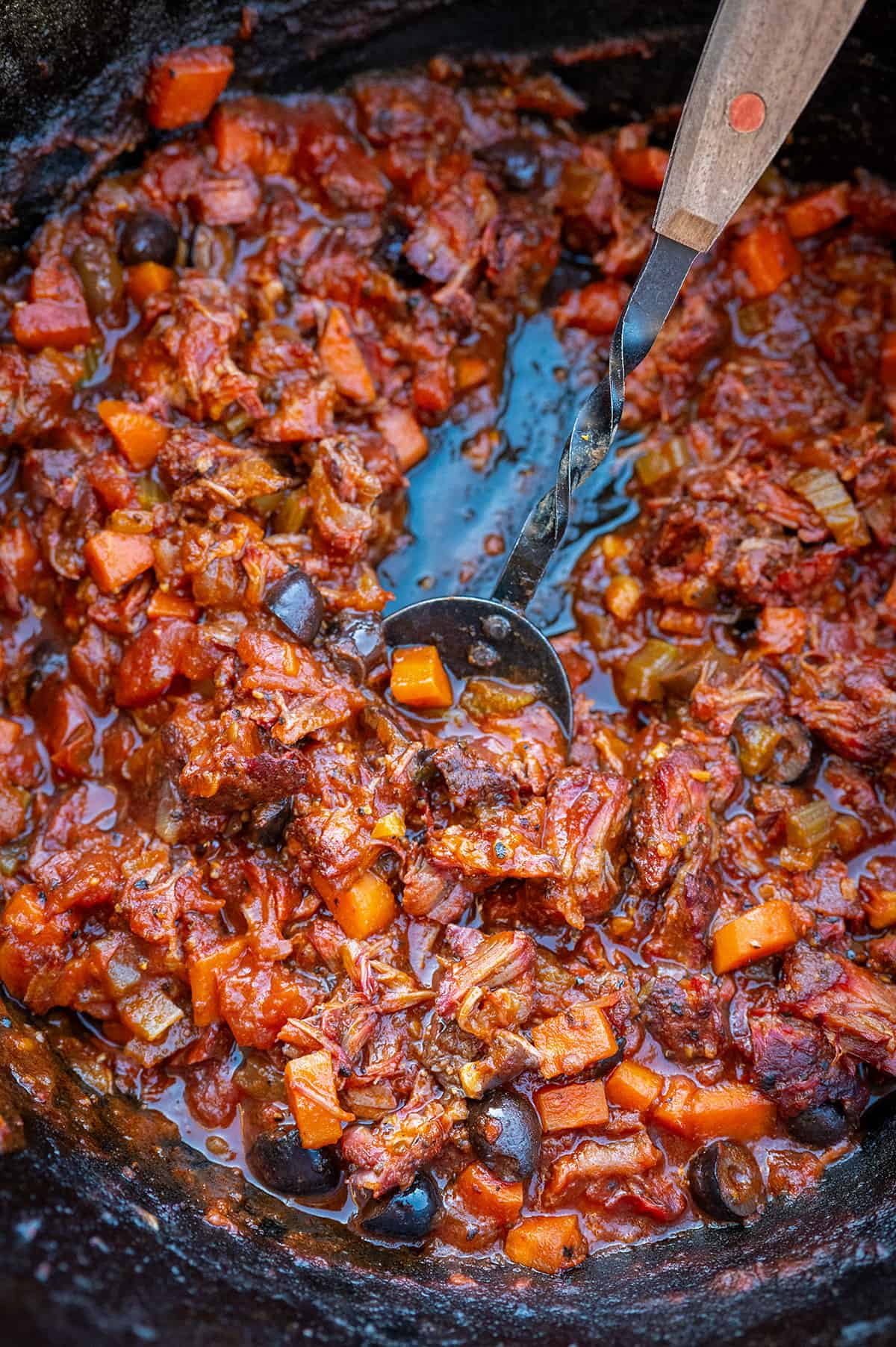
For the underground cooking segment, Vanover proposed her signature Smoked Osso Buco recipe, adapted for this unique application. Traditionally prepared with veal shanks, Vanover opted for beef shanks, or in this case, oxtail and chuck roast due to pantry availability. The marrow in the oxtail and the fat content of the chuck roast were crucial for ensuring a moist and flavorful outcome, essential for a dish cooked indirectly beneath the earth’s surface. The process involved searing the beef, sautéing aromatics, deglazing with broth and red wine, and incorporating olives and herbs. This flavorful base was then placed in a Dutch oven, positioned within a carefully prepared pit, and covered with a calculated number of hot coals both underneath and on top. The entire pit was then buried with dirt, creating an improvised earth oven. The primary concern for Vanover and Bulloch during this phase was the potential for liquid evaporation at a higher altitude, a common challenge in arid or elevated environments that can significantly impact the tenderness and succulence of slow-cooked dishes.
The science behind underground cooking, or earth oven cooking, dates back millennia and is a testament to primal culinary ingenuity. By utilizing the earth’s insulating properties, contestants could achieve slow, consistent cooking temperatures without the direct oversight required for other methods. This method requires a deep understanding of heat transfer and the ability to accurately gauge the amount of fuel needed to maintain the desired internal temperature for an extended period. The success of this technique hinges on the precise management of coals and the thermal mass of the cooking vessel.
Cooking on Coals: The Grilled Gnocchi Experiment
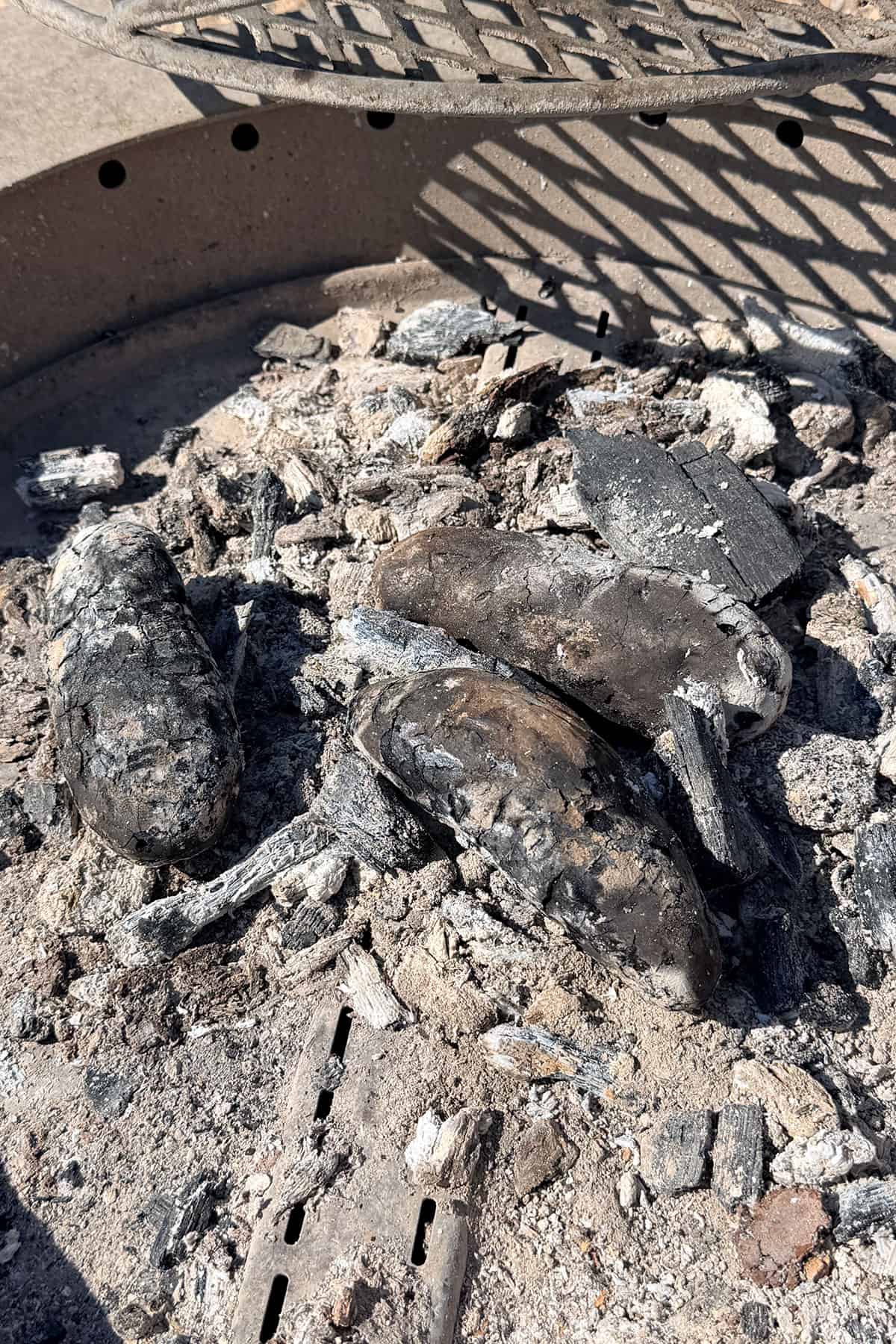
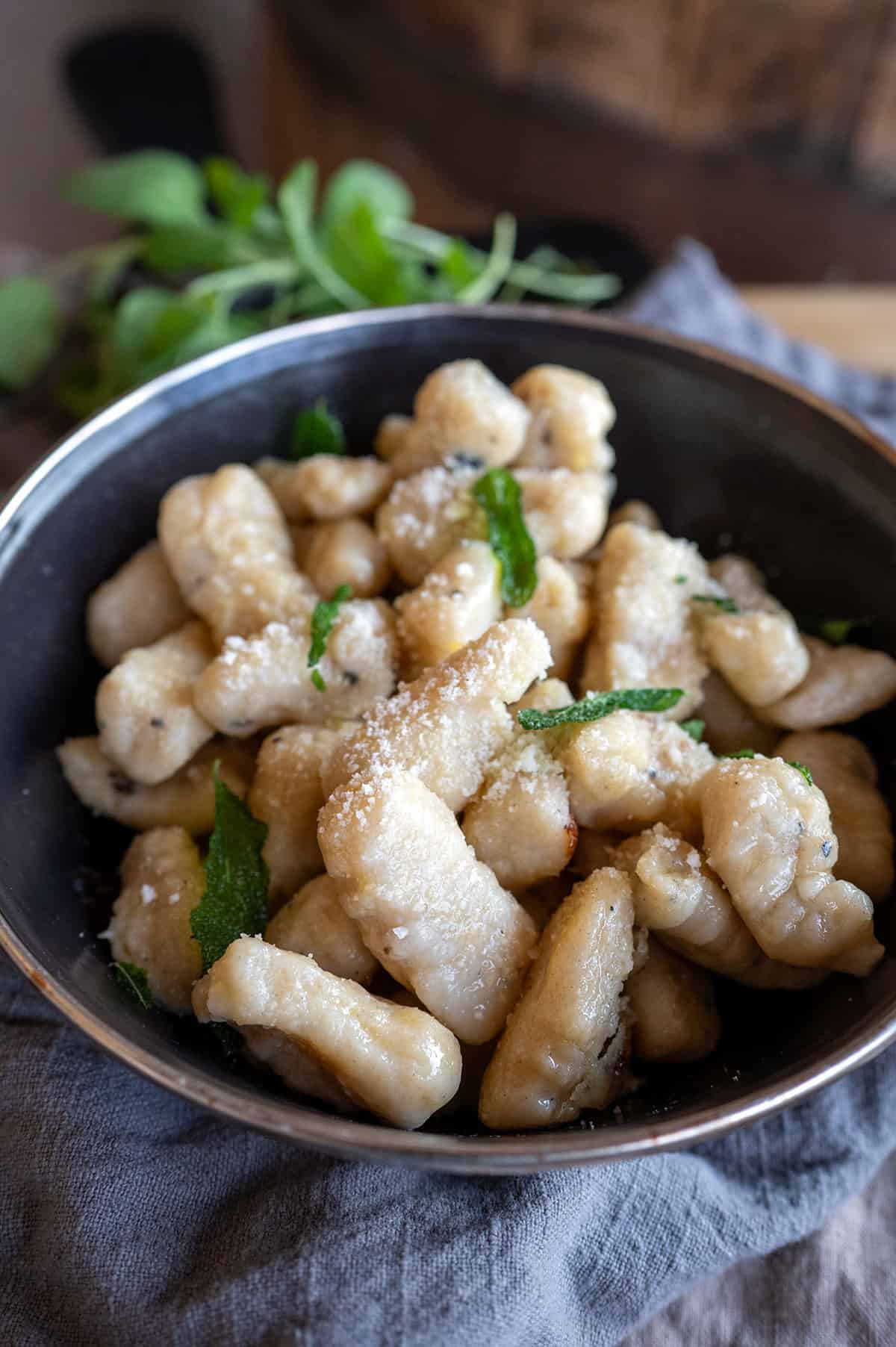
Complementing the underground osso buco, the second component of the challenge involved cooking directly on coals. Vanover identified grilled gnocchi as an ideal accompaniment, a departure from the traditional pasta or polenta pairings. Gnocchi, essentially potato dumplings, are made by combining mashed potatoes with flour and egg, shaping them, and then boiling. Vanover’s innovative approach involved preparing mashed potatoes by cooking them directly on hot coals. This technique, she explained, involves placing whole potatoes directly into the embers and rotating them until cooked through to an internal temperature of 205-210°F. The cooked potatoes are then cooled in cold water, allowing the tender flesh to be easily scooped out. This mash is the foundation for the gnocchi, which are then shaped and, in this challenge, grilled. The grilling of the gnocchi adds a distinct char and smoky flavor profile that complements the rich osso buco.
The art of cooking on coals, or "coal-roasting," is a fundamental technique in many barbecue traditions. It demands a keen awareness of heat intensity and the ability to manage flare-ups. The direct contact with the coals imparts a unique char and flavor that cannot be replicated by other methods. Vanover’s method of using coals to prepare the potato mash demonstrates a resourceful application of this technique, highlighting her ability to adapt and innovate under pressure.
Hanging Over Fire: The Dual-Dish Strategy
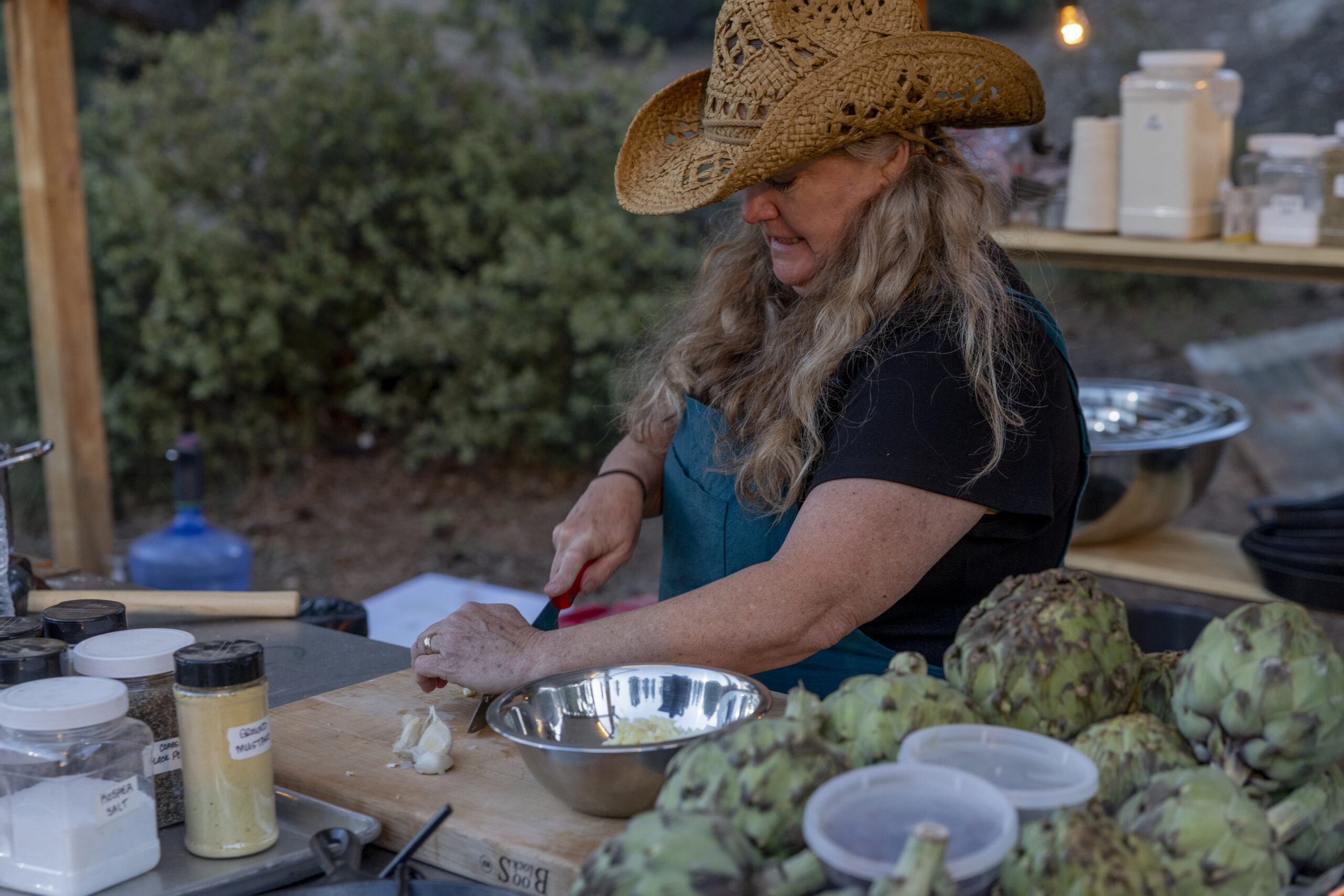
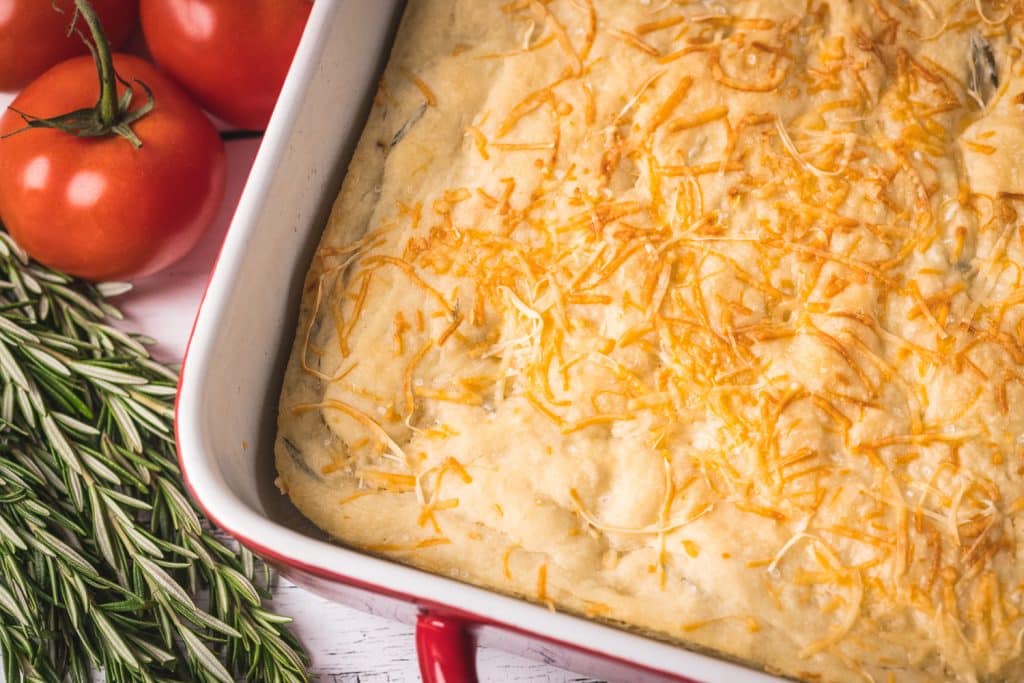
Susie Bulloch showcased her preparedness and culinary versatility with two distinct dishes designed to be cooked by hanging over the open fire. Her first offering was a Rosemary Parmesan Focaccia bread. This Italian bread, known for its light and airy texture, was infused with the aromatic notes of rosemary and the savory depth of Parmesan cheese. Bulloch prepared the dough, ensuring it achieved an exceptional rise, and then placed it in a pan. This pan was then suspended over the fire using a makeshift swing apparatus. To trap heat and promote even baking, an additional pan was placed on top of the focaccia pan. This method of suspended baking is reminiscent of traditional methods used in various cultures, where doughs are cooked over open flames, requiring careful management of heat and proximity to the fire.
For her second hanging dish, Bulloch prepared Grilled Roman Artichokes with a Lemon Garlic Aioli. Her meticulous attention to detail in trimming each artichoke heart was noted by Vanover, who likened the care to that of a seasoned Italian grandmother. The artichokes were then artfully strung together, resembling festive lights, and hung over the fire alongside fresh lemons, allowing them to char and soften while infusing with smoky essence. The accompanying aioli provided a bright, zesty counterpoint to the earthy artichokes. This approach to cooking vegetables highlights the ability of open-fire grilling to enhance natural flavors and textures, adding a layer of complexity and depth.
The Flash Burn: A High-Speed Breakfast Challenge
As the grueling nine-hour "Big Burn" drew to a close, the contestants were met with another surprise challenge: the "Flash Burn." This timed event, set for 45 minutes, required the creation of a BBQ breakfast featuring a smoked element and a live-fire component. The stakes were raised by the lure of a $2,000 prize for the winner. Vanover and Bulloch, finding common ground in their shared Sunday tradition of German pancakes (Dutch babies), decided to build their breakfast around this dish.
German Pancakes and Jalapeño Bacon Sausage
For the smoked element, Bulloch crafted Jalapeño Bacon Pork Breakfast Sausage. Vanover then planned to bake individual German pancakes in mini skillets. While her initial instinct was to use a Dutch oven, she opted for smaller skillets to ensure a more aesthetically pleasing presentation. She attempted to bake them on a grill grate over coals, but when the desired rise was not achieved, she improvised by moving the skillets directly under the brasero (fire cage), utilizing the radiant heat from above to bake the pancakes. This quick thinking and adaptation under time constraints were crucial. Vanover also prepared a quick batch of Maple Blueberry Syrup, enhanced with lemon zest, to complement the pancakes.
The feedback on their breakfast creation was encouraging. Judge Andrew Zimmern specifically praised the "lovely little skillets," validating Vanover’s decision to opt for individual servings. Jess Pryles commended the sausage, describing it as "a gorgeous combo of sweet and savory" and a "fun breakfast." Although they did not win the Flash Burn, the positive reception reinforced their confidence moving forward.
The Save and The Judging: A Rollercoaster of Emotions
The climax of the episode involved the presentation of the "Big Burn" dishes to the judges. As the osso buco was unearthed, it revealed a moist, tender, and juicy result, exceeding their expectations. While Vanover worked on the gnocchi, she encountered a familiar challenge from episode one: difficulty in achieving a rapid boil for the gnocchi. This resulted in the dumplings absorbing more water than desired. To rectify this, she performed a quick pan-fry in olive oil, followed by a finish with butter, lemon zest, Parmesan, and fried sage, aiming to restore their texture and flavor.
The final presentation required contestants to carry their dishes up a hill to the judging area, adding a physical challenge to the already demanding competition. Upon reaching the summit, Vanover took a moment to absorb the surroundings and the gravity of the situation: standing with a close friend, serving innovative dishes prepared under extreme conditions, with no sleep.
The judges’ feedback was a mixture of praise and constructive criticism. Jess Pryles lauded the grilled artichoke, stating, "The artichoke is a spectacular bite, because I can taste the flame… I feel like we could be in the hills of Tuscany right now eating this, which is just gorgeous." This comment significantly lifted the team’s spirits. However, Big Moe Cason noted that the gnocchi were "a little greasy," a critique Vanover attributed to the final pan-frying process. Andrew Zimmern offered words of encouragement, highlighting the "red wine mirepoix vibes that are in here with the olive acid is really really nice" in the osso buco. Ernest Servantes added, "To do it underground, that’s smart because if you overcook it, it’s still gonna be great as long as it has moisture.”
Despite the mixed feedback on the gnocchi, the overall sentiment was positive. The team successfully avoided the bottom ranking, a significant achievement after their premiere performance. This result provided a much-needed boost in confidence as they prepared to face the next series of challenges.
Broader Implications and Future Prospects
The "Big Burn" challenge on Pitmasters exemplifies the show’s commitment to showcasing the breadth and depth of live-fire cooking. By requiring contestants to master three distinct techniques – underground, direct fire, and hanging – the competition not only tests their technical proficiency but also their ability to innovate and adapt under pressure. The challenges presented are not merely about executing recipes but about understanding fundamental principles of heat management, ingredient interaction, and the historical context of various barbecue traditions.
The inclusion of both individual "Flash Burn" challenges and longer, multi-stage "Big Burn" events creates a dynamic viewing experience that highlights different facets of a pitmaster’s skillset. The $2,000 prize for the Flash Burn, while a significant incentive, also serves to underscore the show’s intention to reward both immediate ingenuity and sustained excellence.
The narrative arc of Vanover and Bulloch’s journey in episode two, from the pressure of the bottom to the relief of avoiding elimination, reflects the emotional rollercoaster inherent in high-stakes culinary competitions. Their ability to strategize, adapt to unexpected obstacles (like the gnocchi preparation), and maintain a positive attitude in the face of fatigue and pressure is a testament to their resilience.
Looking ahead, the success in the "Big Burn" provides a crucial springboard for the upcoming challenges. The contestants will need to build on their successes, learn from their critiques, and continue to demonstrate mastery of diverse live-fire techniques. The continued success of Pitmasters hinges on its ability to present authentic, challenging, and engaging content that appeals to both seasoned barbecue enthusiasts and a broader audience interested in the art and science of cooking.
New episodes of Pitmasters air Mondays at 9/8c on Food Network, with subsequent streaming available on HBO Max. The competition promises further exploration of culinary frontiers, pushing the boundaries of what is possible with live-fire cooking.