
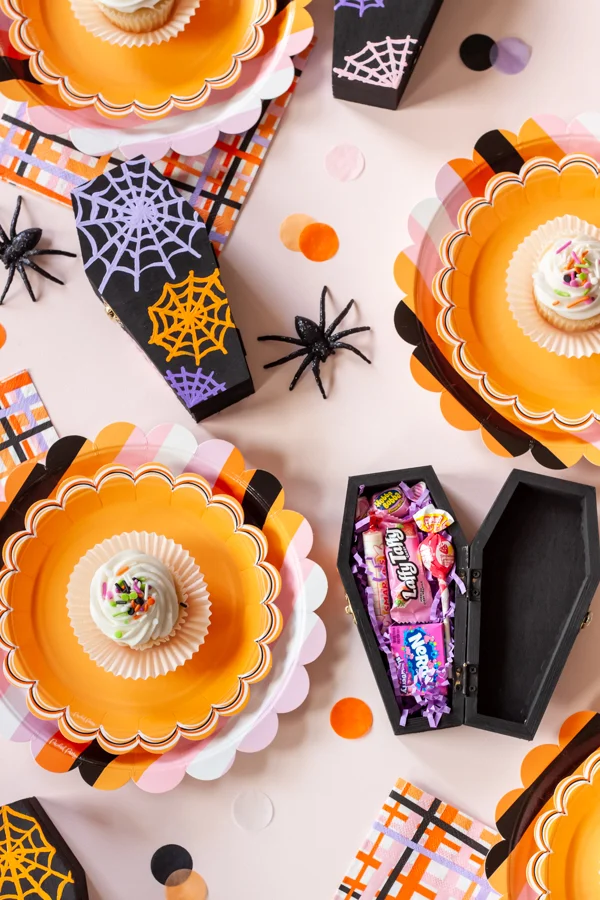
The arrival of the autumn season has historically signaled a shift in consumer behavior, moving away from outdoor summer activities toward indoor, home-centric festivities characterized by thematic aesthetics such as pumpkin spice, communal bonfires, and elaborate "spooky" decor. In recent years, this transition has been increasingly defined by a surge in the DIY (Do-It-Yourself) movement, particularly in the realm of family-oriented crafting. A prominent example of this trend is the emergence of personalized "Candy Coffins"—small-scale, customizable wooden containers that serve as both interactive craft projects for children and functional elements for seasonal gatherings. These items, currently popularized through strategic retail partnerships, highlight a broader shift in how modern families approach holiday preparation, blending creative engagement with practical party planning.
The Rise of the DIY Halloween Economy
The National Retail Federation (NRF) has consistently reported record-breaking figures regarding Halloween spending, with recent annual projections exceeding $10 billion in the United States alone. While costumes and candy remain the primary drivers of this expenditure, the "decorations" category has seen the most significant proportional growth. Within this category, there is a distinct sub-sector focused on "craftable decor." This movement is driven by a desire for personalization that mass-produced, off-the-shelf decorations often fail to provide.
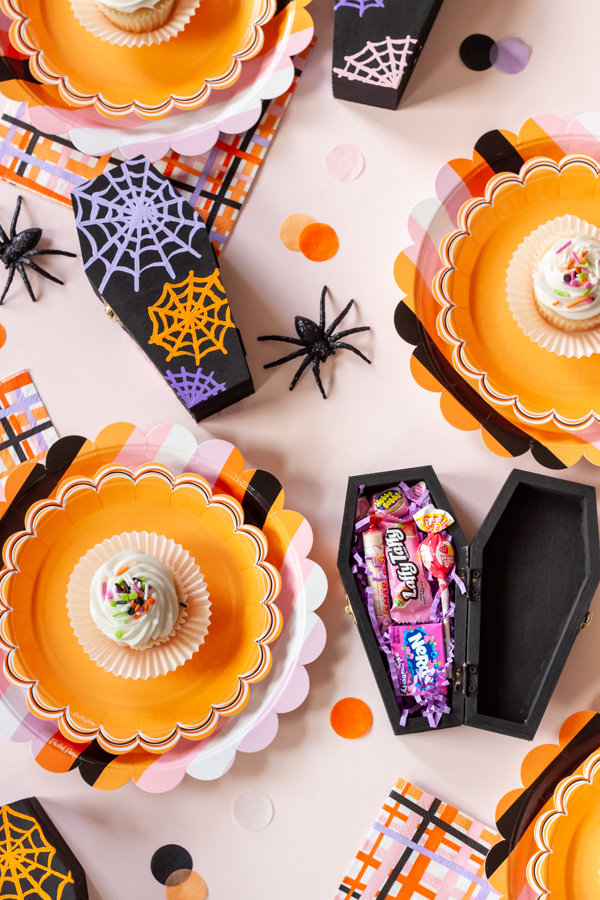
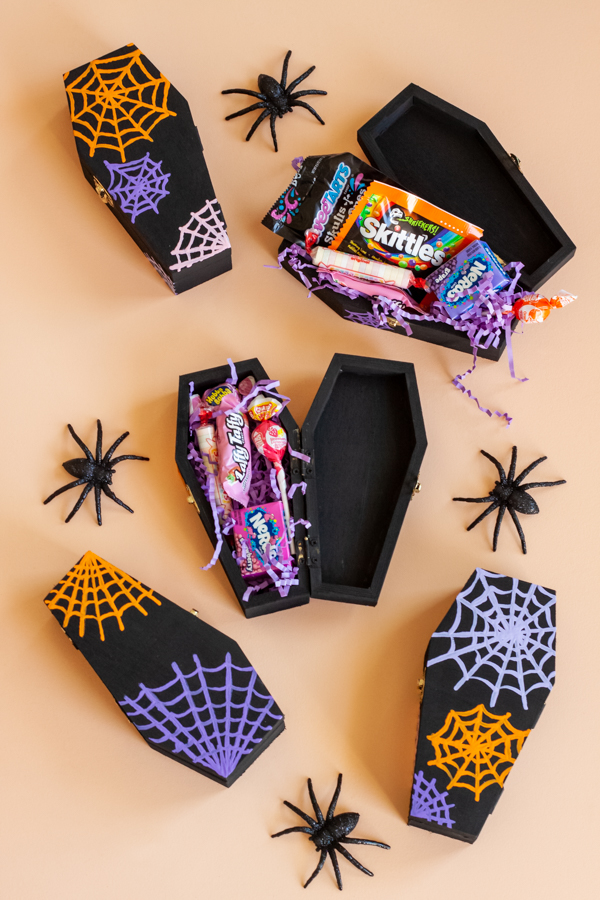
The "Candy Coffin" project, facilitated by materials sourced from major retailers like Walmart, represents a tactical intersection of affordability and customization. By utilizing 6-inch unfinished wooden coffin boxes, consumers are able to create multi-functional items that serve as party favors, place cards, and decorative accents. This "double duty" utility is a key factor in the project’s appeal, offering a cost-effective solution for hosts who wish to provide guests with a unique, take-home memento. The integration of alphabet stickers for interior lid labeling further elevates the item from a simple toy to a sophisticated element of "tablescaping"—the art of designing elaborate and thematic table settings.
Technical Implementation and Creative Methodology
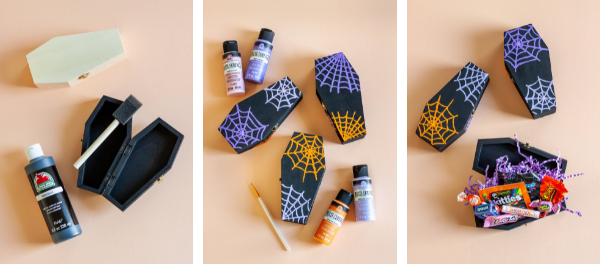
The process of transforming raw materials into festive artifacts involves a structured, three-step methodology designed to be accessible to various age groups while maintaining a professional aesthetic. The use of specific mediums, such as acrylic craft paints and foam sponge brushes, ensures a durable finish that is suitable for seasonal longevity.
The first phase of the project involves the application of a base coat. Using a foam sponge brush, the unfinished wood of the coffin is covered in black acrylic paint. This choice of medium is significant; acrylics are preferred for their fast drying times and opaque coverage, which is essential for covering the natural grain of the wood. Once the base layer is completely dry, the second phase—the "creepy cobweb" design—commences. This requires a higher degree of precision, utilizing a fine-tipped paintbrush to execute a geometric web pattern.
The design begins with the painting of "spokes" that radiate from a central focal point on the lid toward the edges. The artist then connects these spokes with "scallops"—concave arcs that mimic the structural integrity of a spiderweb. Multiple layers of these scallops are applied, with the ends of the spokes left slightly extended to enhance the gothic visual appeal. The final phase is the assembly and personalization, where the interior of the coffin is filled with curated confectionery, such as Kinder eggs, candy corn, and Dum Dums lollipops. The addition of decorative spiders or personalized name plates inside the lid completes the transformation from a raw craft material to a finished retail-grade product.
Retail Strategy and Content Integration
The promotion of these DIY projects is frequently the result of sophisticated content marketing strategies. The "Candy Coffin" initiative, for instance, is a sponsored collaboration with Walmart, illustrating how big-box retailers are moving beyond traditional television and print advertising. By providing consumers with "how-to" guides and direct links to necessary materials—ranging from the wooden boxes to specific paint sets—retailers create a seamless "path to purchase."
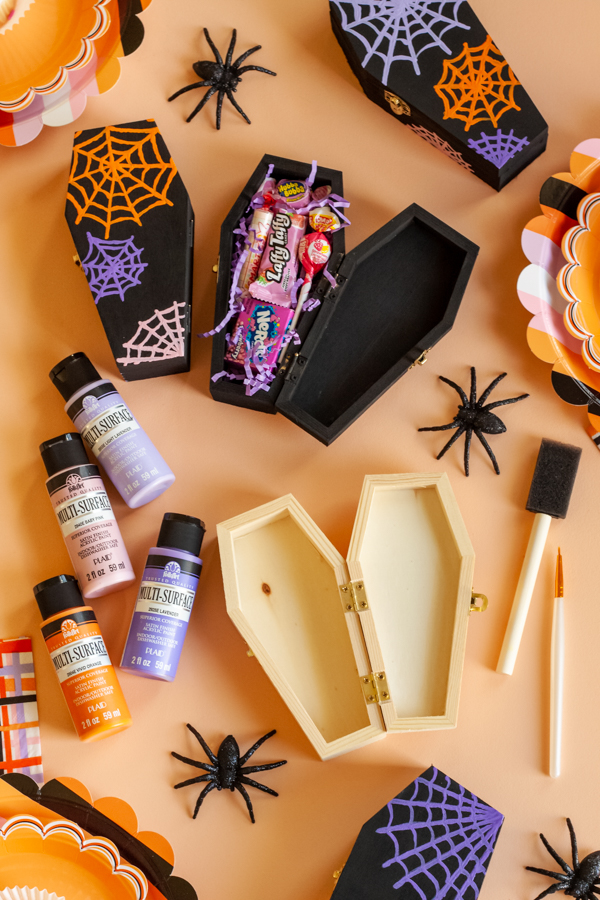
This strategy leverages the "Pinterest effect," where visual inspiration leads directly to commerce. Market analysts note that when consumers are presented with a specific project, they are more likely to purchase an entire suite of related products rather than a single item. In this case, the purchase of a coffin box naturally leads to the acquisition of black paint, bright accent paints, brushes, and various types of candy. This bundling effect, though driven by the consumer’s creative intent, serves as a powerful tool for inventory turnover in the seasonal aisles of major retail chains.
Chronology of Seasonal Preparation
The timeline for these DIY activities has expanded significantly over the last decade. What was once a week-long preparation leading up to October 31st has evolved into a two-month "Halloween Season" that begins as early as late August.
- Late August to Early September: Retailers begin stocking "unfinished" craft items and bulk seasonal candy. This is when "early adopters" and professional influencers begin conceptualizing their decor themes.
- Mid-September: The "Planning Phase." Consumers begin purchasing base materials (paints, brushes, wooden structures) and testing designs.
- Early to Mid-October: The "Execution Phase." This is the peak period for family crafting sessions. The "Candy Coffins" are typically produced during this window to ensure they are ready for upcoming weekend parties or school events.
- Late October: The "Deployment Phase." Finished crafts are integrated into home displays, used as table settings for "Boofests," or distributed to trick-or-treaters.
This extended chronology allows for a more sustained engagement with the holiday, providing families with multiple opportunities for "micro-celebrations" throughout the month.
Sociological and Psychological Implications
Beyond the economic and retail data, the DIY crafting movement holds substantial social value. Psychologists specializing in child development often point to the benefits of "process-oriented" art. Engaging children in the creation of holiday decor fosters fine motor skills, encourages patience through the multi-step drying process, and provides a sense of agency in family traditions.
Furthermore, the shift toward home-based, personalized celebrations reflects a broader post-pandemic trend. As communal gatherings became more localized and intimate, the emphasis on "theming" increased. A personalized coffin with a guest’s name on it serves as a "social lubricant," sparking conversation and making guests feel uniquely valued. This level of intentionality in hosting is a hallmark of modern social etiquette, where the effort invested in DIY elements is viewed as a higher form of hospitality than the purchase of pre-made goods.
Market Analysis of Component Trends
The specific components of the "Candy Coffin" project also reflect current market sub-trends. For example, the inclusion of Kinder eggs—a product that faced long-standing regulatory hurdles in the United States before being introduced in a modified "Kinder Joy" format—highlights the consumer’s desire for "novelty confectionery." Similarly, the use of alphabet stickers points to the ongoing "monogramming" trend that has dominated the home goods market for several years.
Environmental considerations are also beginning to influence this space. Unlike plastic "disposable" Halloween favors, wooden crafts like these coffins are often perceived as more sustainable or, at the very least, more durable. Many consumers report keeping these hand-painted items as part of their permanent Halloween "heirloom" collection, bringing them out year after year, which contrasts with the "single-use" culture of traditional holiday party supplies.
Future Outlook and Broader Impact
As the boundary between digital inspiration and physical retail continues to blur, the prevalence of DIY seasonal projects is expected to grow. Retailers are likely to invest more heavily in "project-based" merchandising, where aisles are organized by "the look" or "the craft" rather than by product category.
The "Candy Coffin" project is more than a simple afternoon activity; it is a microcosm of a shifting retail landscape where consumer creativity is the primary currency. By empowering individuals to become creators rather than just consumers, brands like Walmart are securing a place in the emotional fabric of family traditions. As we look toward future holiday seasons, the integration of technology—perhaps through Augmented Reality (AR) tutorials or 3D-printable craft components—will likely be the next evolution in this space. For now, the humble wooden coffin, a bit of black paint, and a handful of candy remain the gold standard for a personalized, "spooky" autumn experience.


