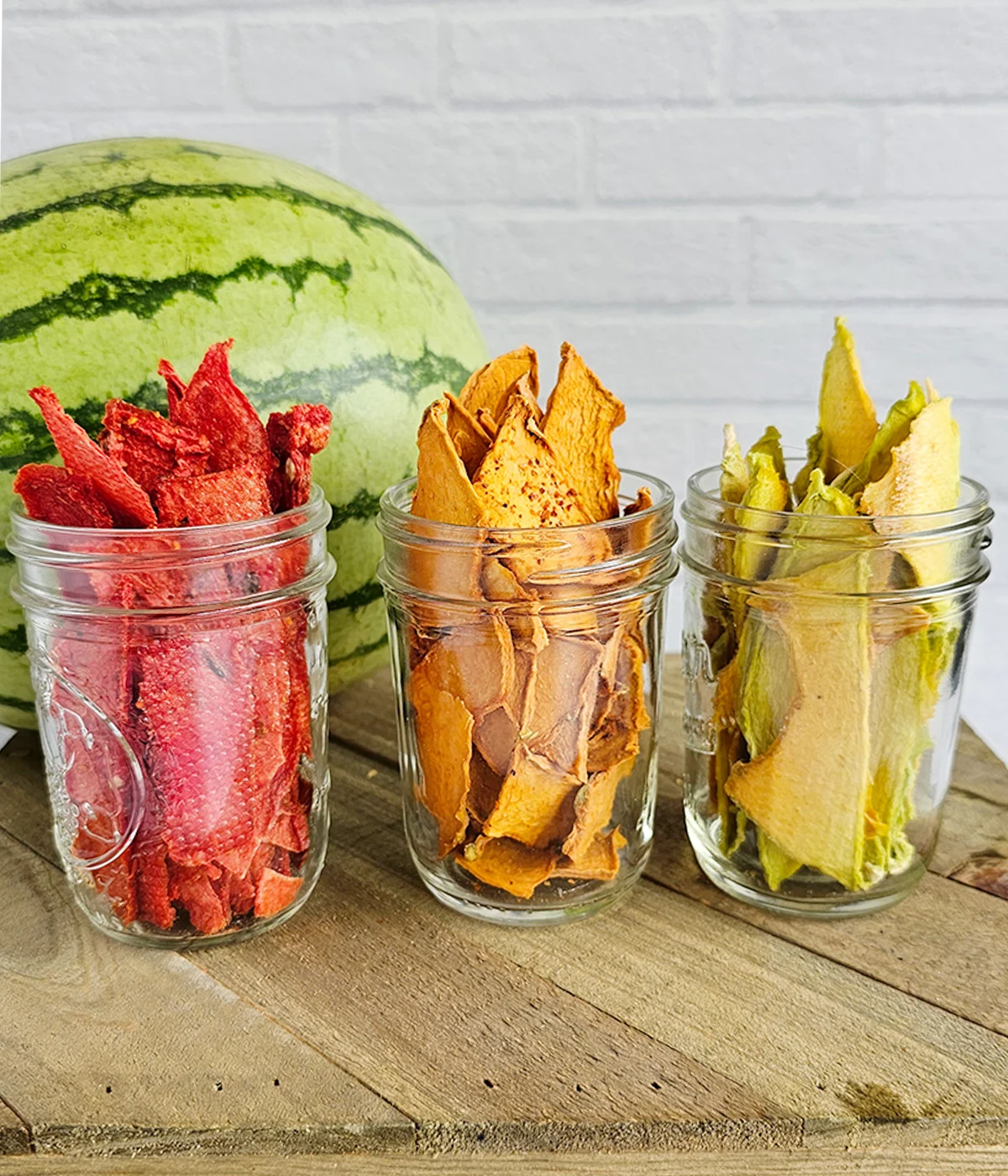
The practice of home food preservation has seen a significant resurgence as consumers seek to reduce household food waste and secure their food supply chains. Among the various methods available, dehydration stands out as one of the most accessible and effective techniques for transforming perishable summer produce into shelf-stable staples. Melons, including watermelon, cantaloupe, and honeydew, are often overlooked in the dehydration process due to their exceptionally high water content—frequently exceeding 90 percent. However, when processed correctly, these fruits yield nutrient-dense, flavorful snacks that can last up to a year in a pantry. Experts in the field, such as Darcy Baldwin, author and creator of The Purposeful Pantry, emphasize that dehydrating melons is not merely a way to save leftovers but a strategic approach to seasonal eating and waste reduction.
The Economic and Environmental Context of Food Preservation
The impetus for dehydrating melons often stems from the dual challenges of seasonal abundance and rapid spoilage. In the United States, it is estimated that between 30 and 40 percent of the food supply is wasted, with a significant portion of that waste occurring at the household level. Melons are particularly susceptible to this trend; their large size often makes them difficult for small households to consume in a single sitting, and their high moisture content leads to rapid fermentation and mold growth once sliced.
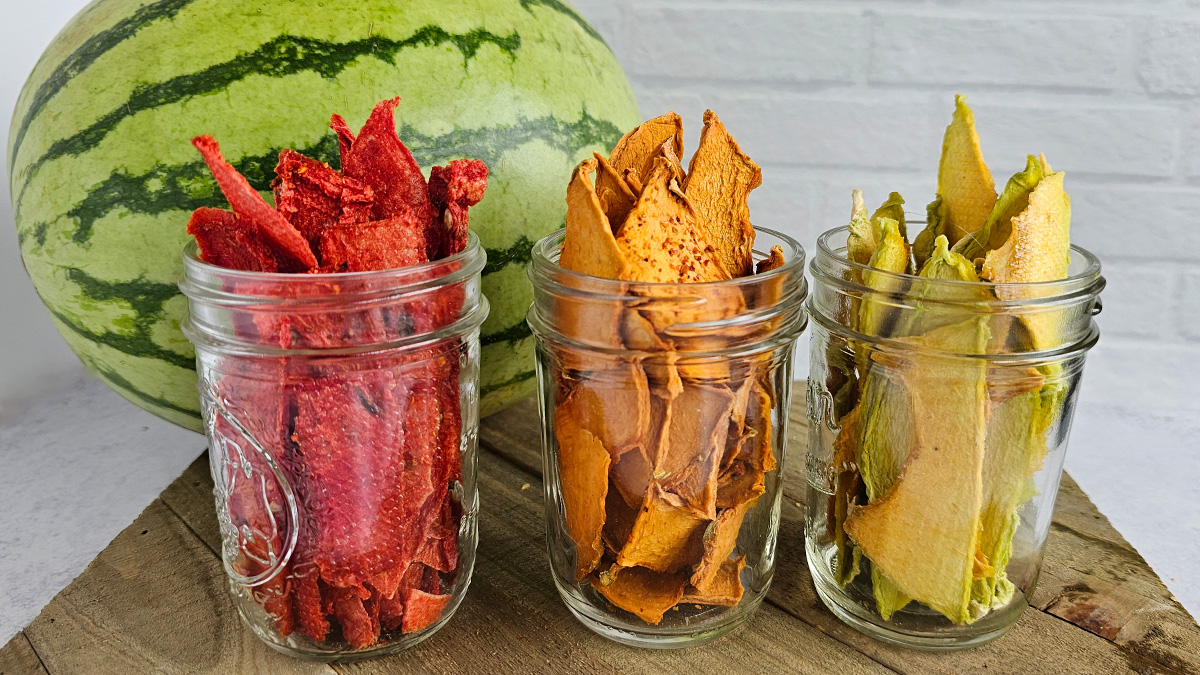
By utilizing dehydration, consumers can effectively "stop the clock" on spoilage. This method allows for the purchase of melons at their peak ripeness and lowest price points during the summer months, preserving their nutritional value for consumption during the winter when fresh produce prices rise and quality diminishes. The transition from a fresh, bulky fruit to a compact, shelf-stable snack represents a significant shift in household resource management, aligning with broader sustainability goals.
The Science of Dehydrating High-Moisture Fruits
Dehydration works by removing the majority of the water content from food, thereby inhibiting the growth of bacteria, yeast, and mold, which require moisture to thrive. For melons, this process is transformative. As the water evaporates, the natural sugars and flavor compounds become highly concentrated. A slice of watermelon, for instance, transitions from a crisp, watery fruit to a chewy, intensely sweet treat often compared to fruit taffy.
To achieve the best results, the temperature must be carefully regulated. A standard temperature of 135°F (57°C) is recommended for fruits. This temperature is high enough to facilitate relatively rapid evaporation without "case hardening"—a phenomenon where the outside of the fruit dries too quickly, trapping moisture inside and leading to eventual spoilage.
Critical Equipment and Preparation
While high-end dehydrators with adjustable thermostats and horizontal airflow are ideal, the process can be adapted for various kitchen setups. Essential equipment includes:
- A Food Dehydrator or Oven: A dedicated unit is preferred for its energy efficiency and precise temperature control.
- Slicing Tools: A sharp chef’s knife or a mandoline slicer ensures uniform thickness, which is critical for even drying.
- Liners: Silicone mats or parchment paper are often necessary, especially for watermelon, which becomes very sticky as its sugars concentrate.
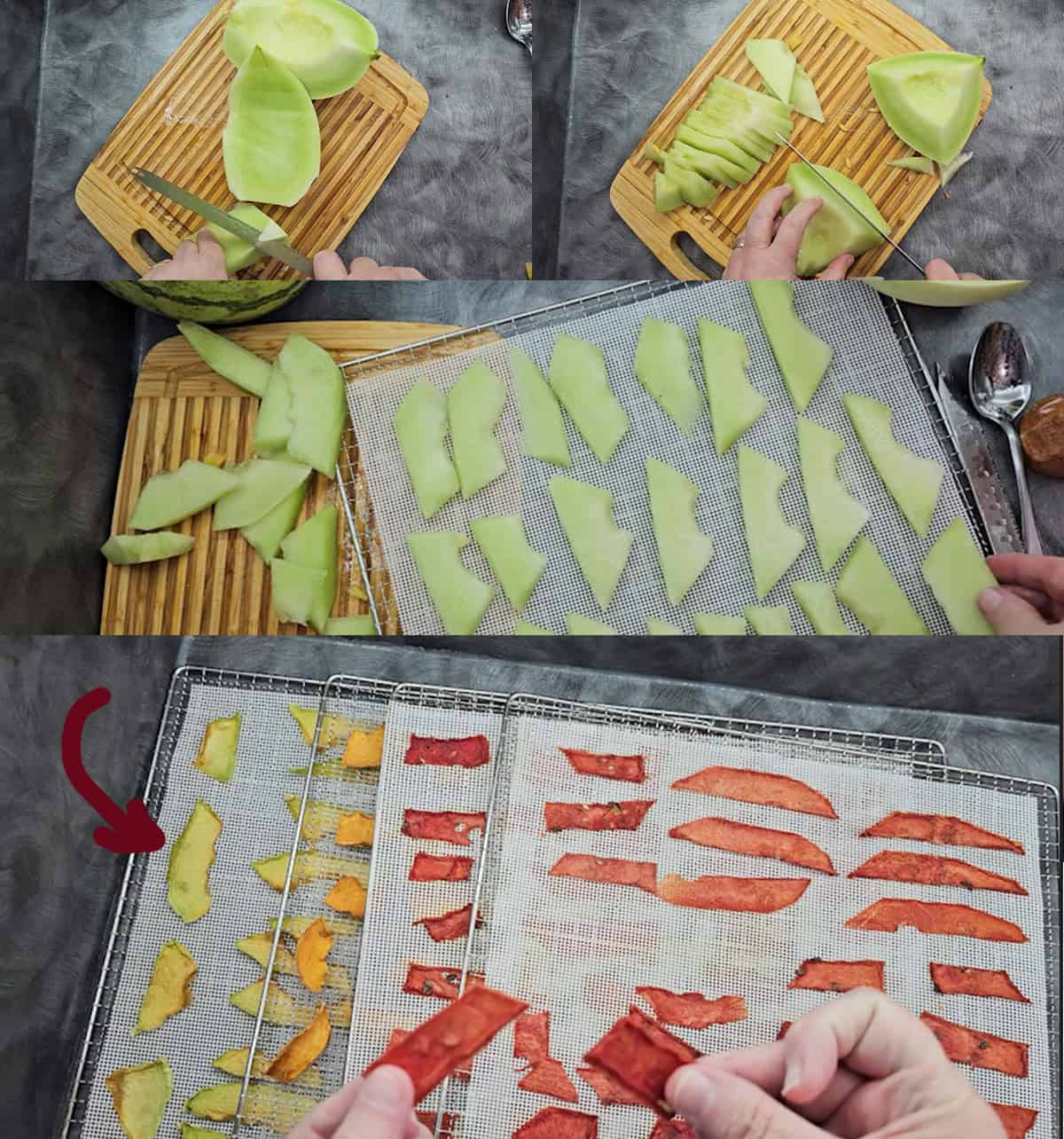
Preparation begins with selecting ripe, high-quality fruit. Dehydration concentrates flavors, meaning it will intensify both the sweetness of a good melon and the blandness of an underripe one. The fruit should be peeled, seeded (where applicable), and sliced into uniform pieces between 1/4-inch and 1/2-inch thick. Uniformity is the most important factor in the preparation phase; if slices vary in thickness, some will remain dangerously moist while others become overly brittle.
Step-by-Step Dehydration Methodology
The process of dehydrating melons is a multi-hour commitment that requires patience rather than active labor. Following a standardized protocol ensures safety and quality.
1. Preparation and Slicing
The melon should be washed thoroughly before cutting to prevent surface bacteria from transferring to the flesh. Once peeled and sliced, the pieces should be arranged on dehydrator trays in a single layer. It is vital to ensure that the pieces do not overlap, as airflow must reach all surfaces of the fruit to facilitate even drying.
2. The Drying Phase
Set the dehydrator to 135°F (57°C). The duration of the drying cycle typically ranges from 10 to 14 hours, though environmental factors such as ambient humidity and the specific water content of the fruit can extend this time. Watermelon, having the highest water content, often takes the longest. The fruit is considered done when it is leathery and no longer feels tacky to the touch. If the fruit is intended for long-term storage, it should be dried until it is slightly more brittle.
3. Oven Adaptation
For those without a dedicated dehydrator, an oven set to its lowest temperature (ideally 170°F or lower) can be used. Because ovens lack the specialized airflow of a dehydrator, the door should be propped open slightly to allow moisture to escape. This method requires closer monitoring to prevent scorching and is generally less energy-efficient.

Variations Across Melon Varieties
While the basic technique remains consistent, different melons yield different results:
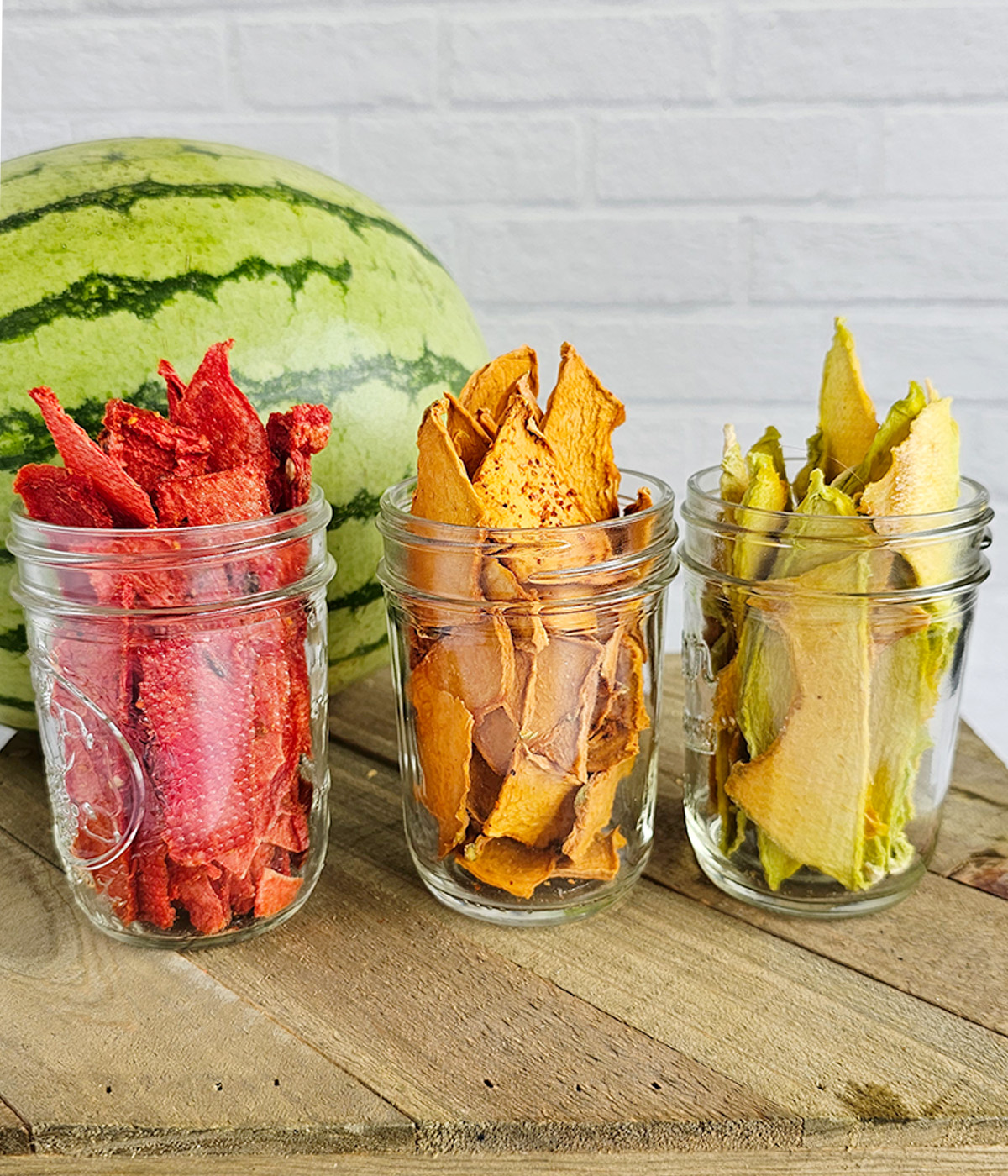
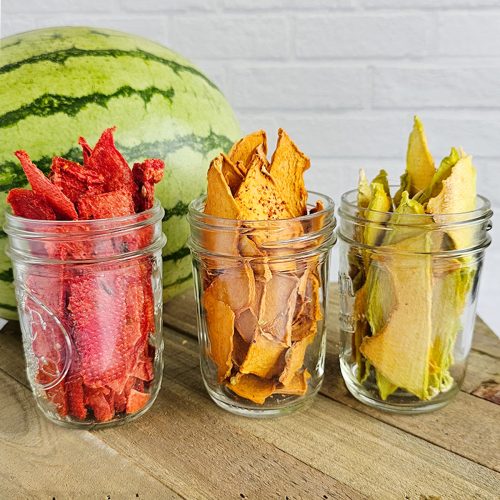
- Watermelon: Known for its "watermelon jerky" or "taffy" consistency. It loses the most volume during drying and becomes exceptionally sweet.
- Cantaloupe: Offers a muskier, more complex flavor profile. It tends to be denser than watermelon and holds its shape well.
- Honeydew: Provides a mild, honey-like sweetness. Its pale green color often transitions to a more vibrant or translucent hue when dried.
For those looking to enhance the natural flavor, various seasonings can be applied prior to drying. A popular choice is a combination of lime juice and Tajin (a chili-lime seasoning) for a savory-sweet snack. Others prefer a dusting of cinnamon or ginger to complement the melon’s natural sugars.
The Importance of Conditioning and Storage
A common mistake in home dehydration is moving fruit directly from the dehydrator to long-term storage. To ensure the product is truly shelf-stable, a "conditioning" phase is required. Even if the fruit appears dry, there may be residual moisture pockets that could cause mold in a sealed container.

The Conditioning Process
- Allow the dried melon to cool completely.
- Place the pieces in a clear, airtight glass jar, filling it about two-thirds full.
- Shake the jar daily for seven days.
- Observe the glass for any signs of condensation or the fruit for signs of sticking together. If moisture appears, the fruit must be returned to the dehydrator. If the fruit remains dry after a week, it is safe for long-term storage.
Long-Term Preservation
Dried melons should be stored in airtight containers, such as Mason jars or vacuum-sealed bags, and kept in a cool, dark, and dry location. Under these conditions, the fruit can maintain its quality for up to twelve months. The use of oxygen absorbers or desiccant packs can further extend shelf life and maintain texture, particularly in humid climates where the high sugar content of the melon may attract ambient moisture.
Nutritional Profile and Culinary Applications
Dehydrated melons are a nutrient-dense alternative to processed snacks. According to nutritional estimations provided by The Purposeful Pantry, a 1/4-cup serving of dehydrated melon contains approximately 14 calories, 3 grams of carbohydrates, and 3 grams of sugar. It is important for consumers to note that while the nutrients (such as Vitamin A and Vitamin C) are concentrated, so are the sugars. One cup of fresh fruit has the same caloric and sugar content as roughly 1/4 cup of the dried version.
Beyond direct snacking, dehydrated melons have several culinary uses:
- Trail Mixes: They provide a chewy texture and burst of sweetness when paired with nuts and seeds.
- Rehydration: The fruit can be chopped and added to oatmeal, yogurt, or salads, where it will partially reabsorb moisture.
- Garnish: Dried melon slices are increasingly used as sophisticated garnishes for cocktails and mocktails.
- Fruit Powders: Brittle-dried melon can be ground into a fine powder to flavor frostings, smoothies, or desserts.
Broader Implications for Household Sustainability
The move toward dehydrating produce like melons reflects a broader shift in consumer behavior toward "purposeful" living. Figures like Darcy Baldwin have built significant followings by teaching these skills, suggesting a deep-seated public interest in self-sufficiency and waste reduction. By mastering these preservation techniques, households can reduce their environmental footprint, save money, and ensure a more resilient food supply.
In conclusion, dehydrating melons is a scientifically sound and economically savvy method of food preservation. It transforms a highly perishable, seasonal fruit into a versatile, shelf-stable asset. As more individuals adopt these practices, the impact on reducing food waste and improving household nutrition becomes increasingly significant, proving that traditional preservation methods remain highly relevant in the modern kitchen.