
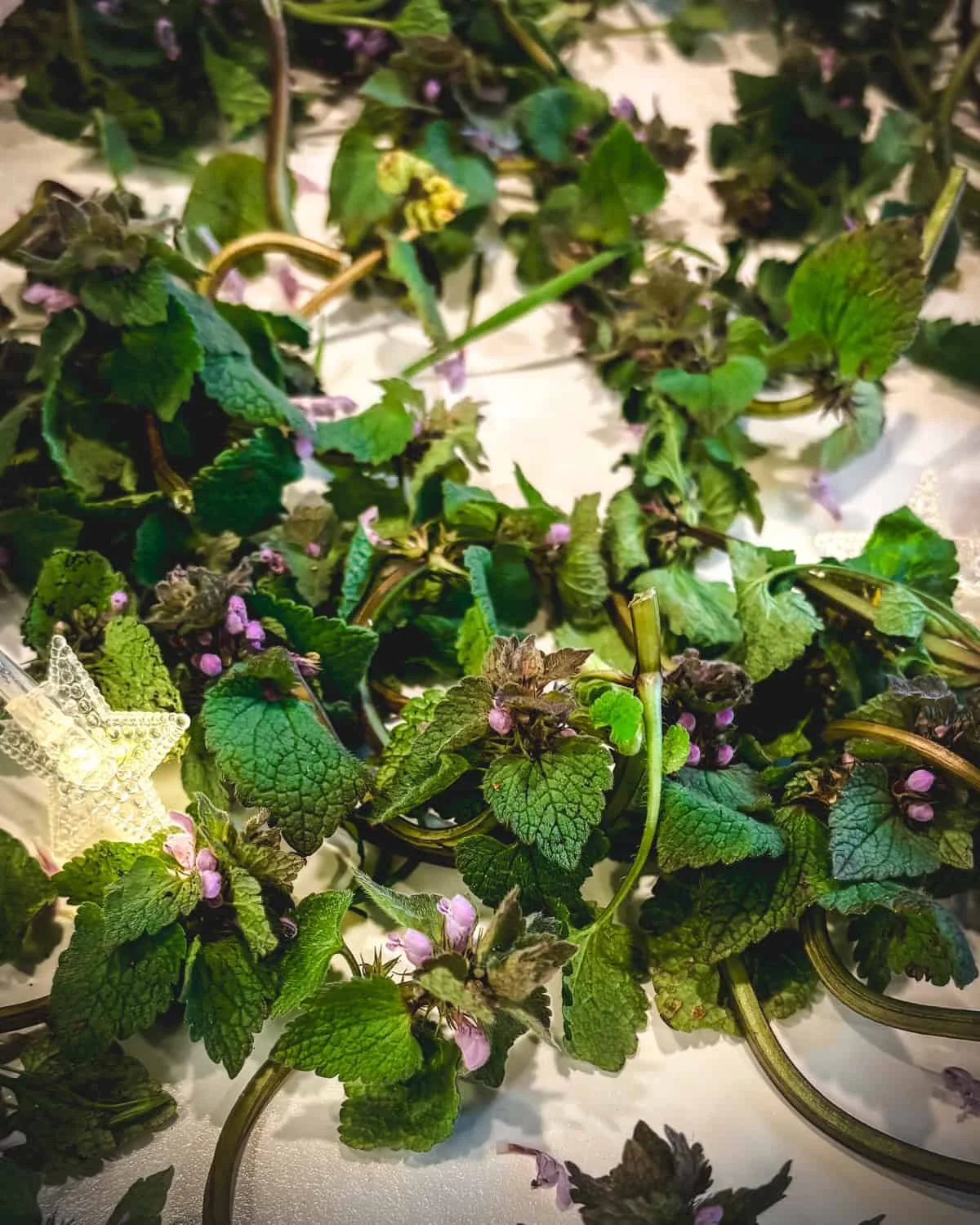
The rise of domestic herbalism has brought renewed attention to the ubiquitous plants often dismissed as common garden weeds, with the purple dead nettle (Lamium purpureum) emerging as a primary candidate for natural skincare applications. As a member of the Lamiaceae, or mint family, this annual herbaceous plant is one of the first to emerge in the early spring across much of North America and Europe. While many homeowners view its rapid spread as a nuisance, herbalists and ethnobotanists prize the species for its dense nutritional profile and its versatile topical properties. The production of purple dead nettle salve represents a convergence of traditional folk medicine and modern sustainable living, providing a gentle, effective alternative to synthetic topical treatments for minor skin irritations.
Botanical Profile and Ecological Significance
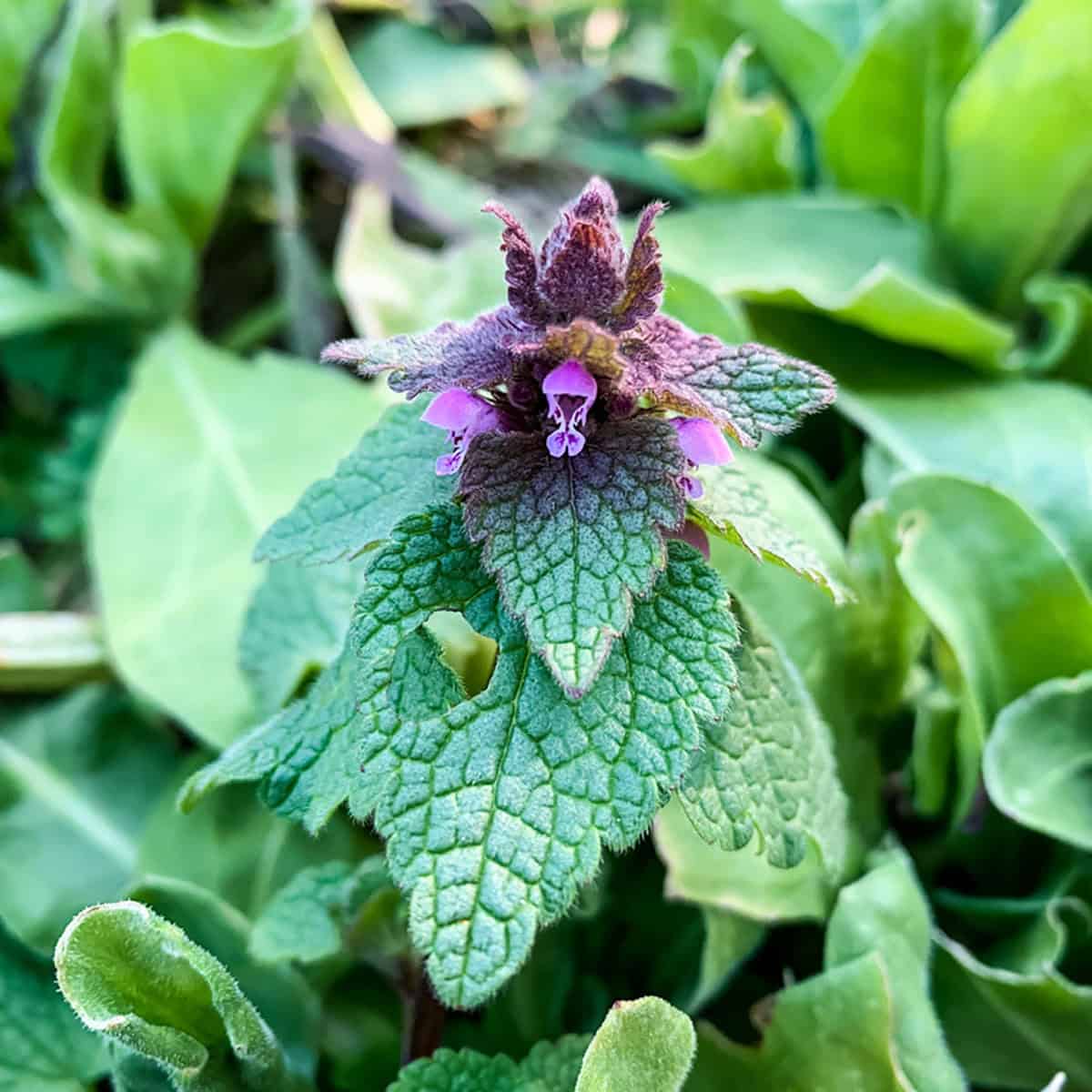
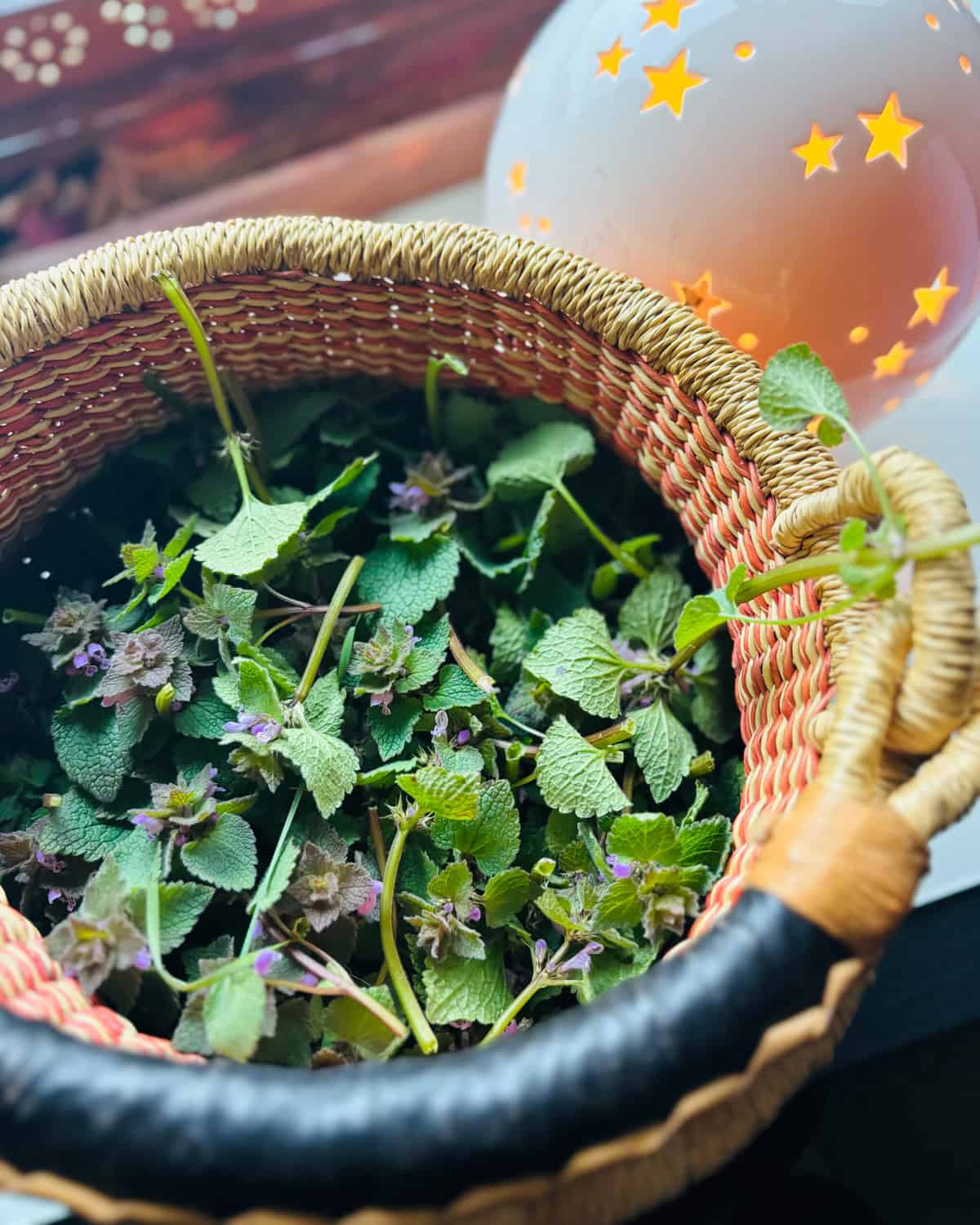
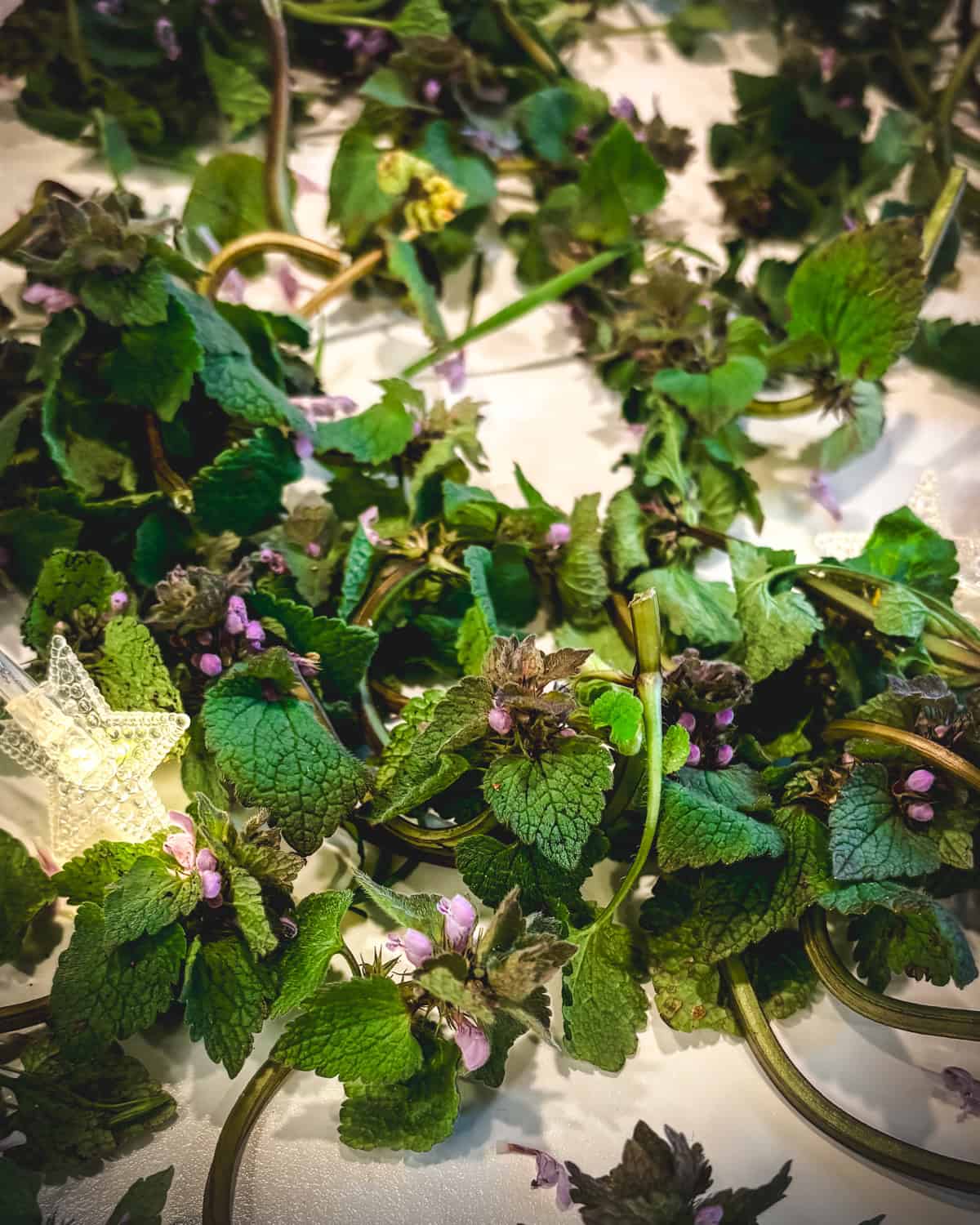
Purple dead nettle is characterized by its square stems—a hallmark of the mint family—and its heart-shaped, downy leaves that transition from green at the base to a vibrant reddish-purple at the crown. Unlike its distant relative, the stinging nettle (Urtica dioica), the purple dead nettle lacks stinging hairs, hence the name "dead" nettle. It typically reaches heights of 5 to 20 centimeters and produces tubular, bright pink to purple flowers that serve as a critical early-season food source for bees and other pollinators when few other nectar sources are available.
From a nutritional standpoint, the plant is often categorized as a "superfood" among wild edibles. It is high in iron, vitamins, and antioxidants. While its culinary uses—ranging from smoothies to salads—are well-documented, its medicinal value lies primarily in its phytochemical composition. Research into the Lamium genus has identified several bioactive compounds, including flavonoids, phenolic acids, and iridoids, which contribute to the plant’s reported anti-inflammatory, antibacterial, and antifungal capabilities.
The Chronology of Production: From Field to Formula
The creation of a high-quality purple dead nettle salve follows a precise chronological progression that ensures the preservation of the plant’s volatile oils and medicinal integrity. This process begins with the foraging stage, typically occurring between March and May, depending on the local climate.
Phase I: Ethical Foraging and Identification
Experts emphasize the importance of foraging in "clean" zones—areas free from roadside runoff, heavy metal contamination, or chemical pesticide applications. Because purple dead nettle has no toxic look-alikes, it is considered an ideal entry point for novice foragers. The most potent parts of the plant are the purple tops and the flowers, which are harvested by pinching the stem just above the lower green leaves.
Phase II: The Drying Process
Following the harvest, the plant material must undergo a drying period. Fresh plants contain significant moisture; if infused directly into oil, this water content can foster the growth of mold and bacteria, compromising the shelf life of the final product. Foragers typically lay the leaves in a single layer on drying racks or paper towels for 48 to 72 hours. The goal is to remove the majority of the water while retaining the essential phytochemicals.
Phase III: Oil Infusion Techniques
The transition from raw plant to medicinal medium occurs through oil infusion. There are two primary methods utilized by practitioners:
- The Solar/Cold Method: Dried herbs are submerged in a carrier oil (such as extra virgin olive oil or sweet almond oil) and left to sit in a cool, dark place for four to six weeks. This slow extraction is favored for preserving heat-sensitive compounds.
- The Heat-Accelerated Method: For those requiring a faster turnaround, a makeshift double boiler is used to gently heat the herb-and-oil mixture for three to five hours. Temperature control is vital here; the oil should never reach a boil, as excessive heat can degrade the plant’s therapeutic properties.
Phase IV: Compounding the Salve
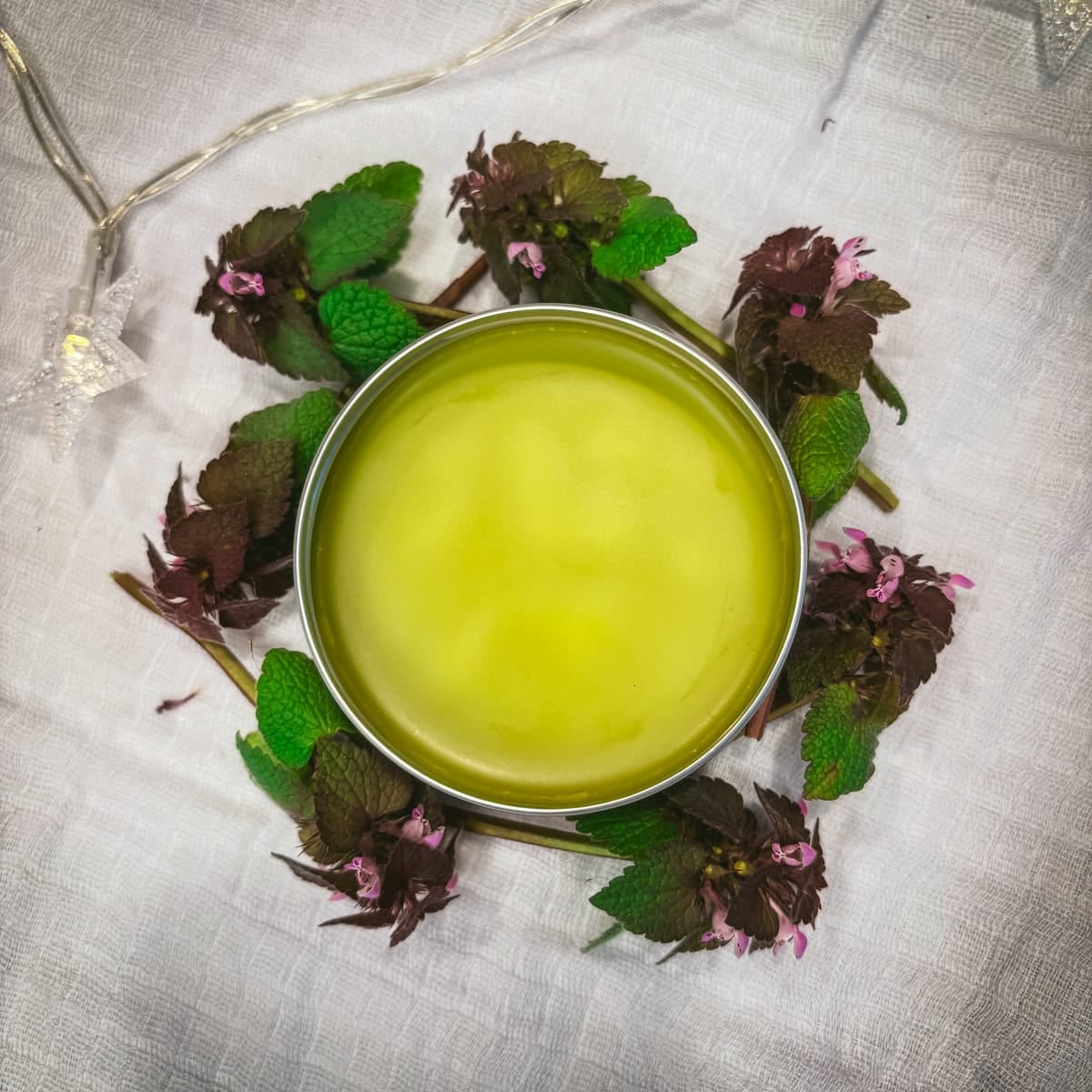
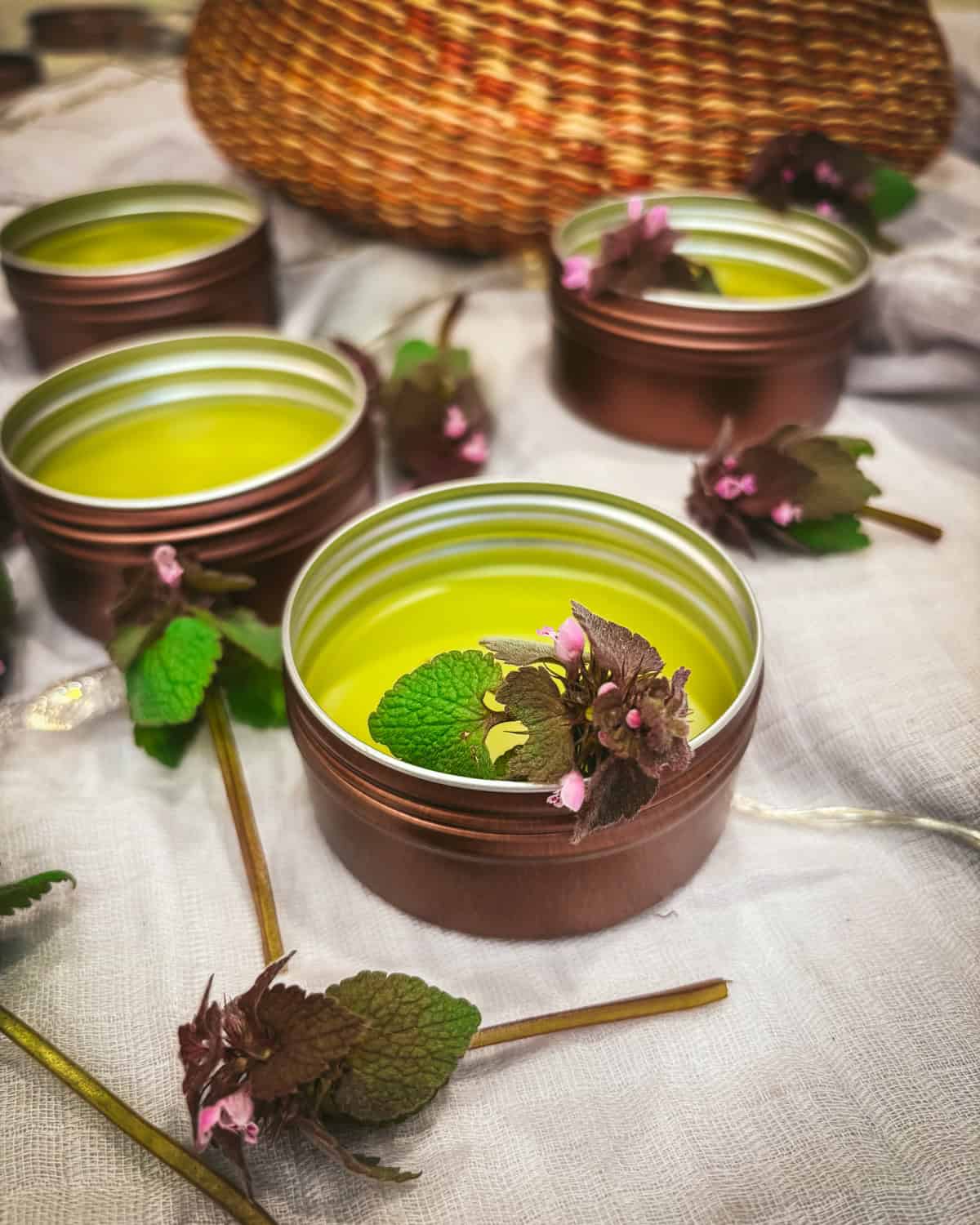
The final stage involves straining the infused oil through a fine-mesh cloth to remove all plant debris. The resulting vibrant, herb-scented oil is then combined with a thickening agent—most commonly beeswax or a plant-based wax alternative—at a ratio of approximately one part wax to four parts oil. Once melted and combined, optional essential oils like lavender or peppermint may be added for aromatic and additional antimicrobial benefits before the mixture is poured into tins to solidify.
Supporting Data and Scientific Context
While much of the evidence supporting purple dead nettle’s efficacy is rooted in traditional use, contemporary studies provide a scientific basis for these claims. A study published in the journal Molecules in 2019 highlighted that the genus Lamium contains significant concentrations of polyphenols, which are known to reduce oxidative stress and inhibit inflammatory pathways in human skin cells.
Furthermore, the antibacterial properties of Lamium purpureum have been tested against common skin pathogens. The presence of germacrene D and other terpenes in the plant’s essential oil suggests a moderate inhibitory effect on certain bacterial strains, supporting its traditional use on minor cuts and abrasions. In a comparative analysis with other common herbal remedies, purple dead nettle is often grouped with plantain (Plantago major) and yarrow (Achillea millefolium) for its "vulnerary" or wound-healing potential, though it is generally considered milder and more suitable for sensitive skin types.
Expert Perspectives and Safety Standards
Professional herbalists advocate for a "patch test" approach when introducing any new wild-harvested topical to a skincare routine. Despite its gentle nature, individual sensitivities to the Lamiaceae family can occur.

"The beauty of purple dead nettle lies in its accessibility," says one practitioner of traditional ecological knowledge. "It bridges the gap between the garden and the apothecary. However, the efficacy of the salve is entirely dependent on the quality of the infusion. If the oil is rancid or the plants were harvested from a contaminated lawn, the benefits are negated."
From a regulatory standpoint, the FDA does not evaluate small-batch herbal salves for medicinal claims. Therefore, manufacturers and home-crafters maintain a focus on "soothing" and "supporting" skin health rather than "curing" dermatological conditions. The consensus among the herbal community is that while purple dead nettle is an excellent tool for minor irritations, it should not replace professional medical intervention for deep wounds or systemic infections.

Broader Impact and Market Implications
The resurgence of purple dead nettle salve is indicative of a larger shift in consumer behavior toward "slow medicine" and bioregional herbalism. As global supply chains face increasing scrutiny for their environmental impact, the ability to harvest and process medicinal ingredients within one’s own zip code offers a compelling alternative to mass-produced petroleum-based ointments.
This movement has also sparked a re-evaluation of biodiversity in suburban landscapes. By recognizing the value of "weeds," homeowners are increasingly moving away from monoculture lawns maintained by herbicides, which in turn supports local bee populations and soil health. The humble purple dead nettle, once a target for eradication, is now being cultivated in intentional "wild corners" of gardens specifically for its medicinal harvest.
Conclusion: A Staple for the Natural First-Aid Kit
The purple dead nettle salve stands as a testament to the utility of the natural world. Its transition from a backyard weed to a sophisticated skin-soothing agent is supported by both historical tradition and emerging phytochemical research. For the modern individual, crafting this salve is more than a DIY project; it is an exercise in botanical literacy and self-reliance.
As spring continues to bring the purple-hued blankets of Lamium purpureum to meadows and gardens alike, the opportunity to harness its anti-inflammatory and antibacterial properties remains a seasonal highlight for those attuned to the rhythms of the earth. Whether used for a minor bee sting, a patch of dry winter skin, or a simple gardening scratch, this salve remains one of the most accessible and effective preparations in the beginner herbalist’s repertoire. Through proper identification, careful infusion, and a respect for the local ecosystem, the purple dead nettle provides a potent reminder that the most effective remedies are often waiting just outside the back door.


