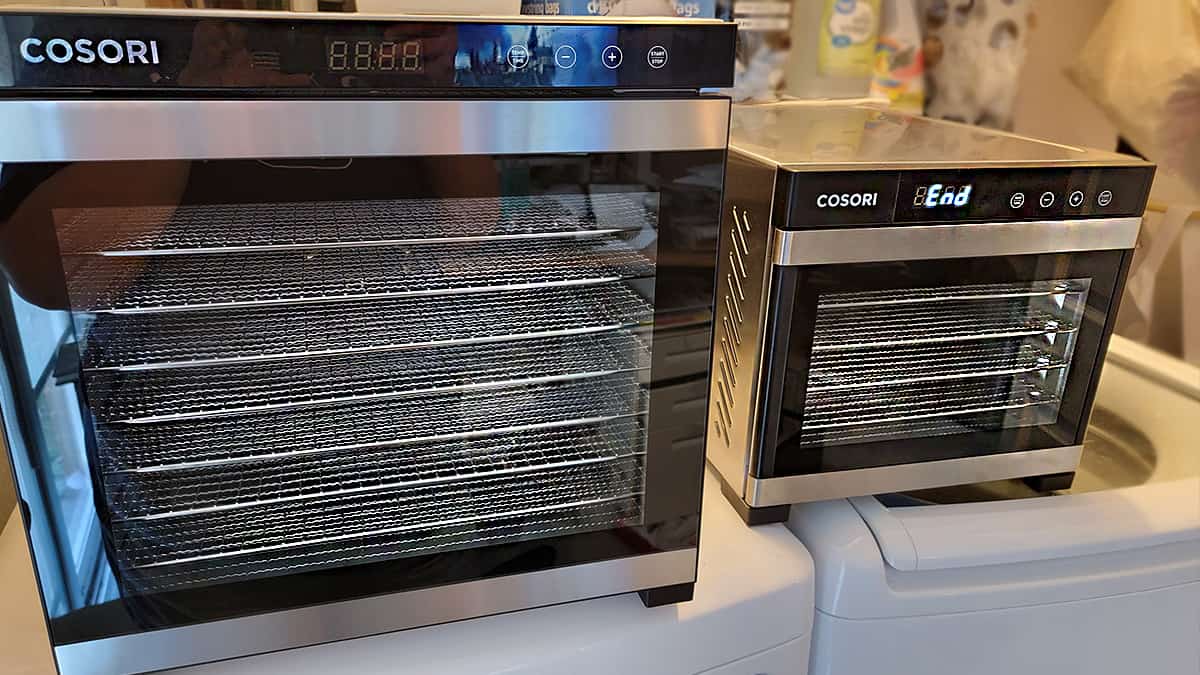
The domestic food preservation market has experienced a significant shift toward high-efficiency, countertop appliances as consumers increasingly prioritize food security and waste reduction. Among the leading brands in this sector, Cosori has established a substantial footprint with its line of stainless steel food dehydrators. Primarily known for its popular air fryers, the California-designed brand has expanded into the dehydration space with models such as the CP267-FD 6-tray and its 10-tray counterpart. These machines are designed to offer a balance between professional-grade horizontal airflow and user-friendly digital interfaces, positioning them as a primary choice for both novice preservationists and experienced home cooks.
The Engineering of Home Dehydration: Technical Specifications
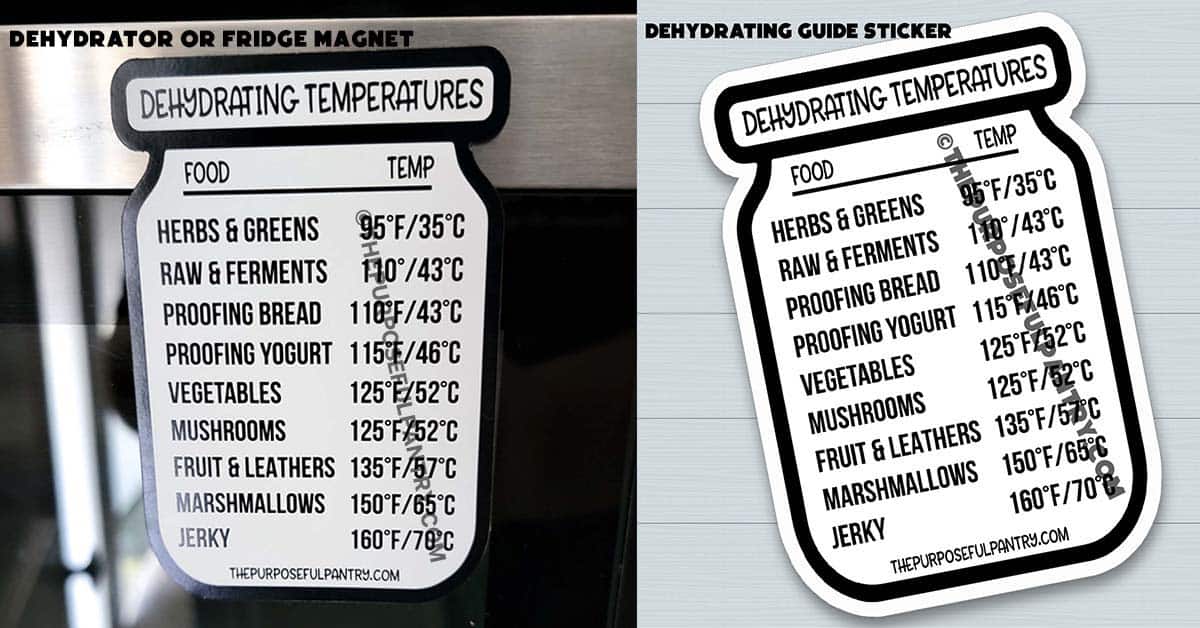
The Cosori 6-tray dehydrator operates on a 600-watt heating element, a standard for mid-range appliances that ensures consistent thermal output without excessive energy consumption. Utilizing a 120V power supply, the unit is optimized for North American electrical grids. The temperature range spans from 95°F to 165°F (35°C to 73.8°C), which covers the critical safety thresholds for everything from delicate herbs to meat jerky.
One of the defining features of the Cosori series is the horizontal airflow system. Unlike entry-level vertical dehydrators, which stack trays on top of a base-mounted fan, the Cosori utilizes a rear-mounted fan. This configuration ensures that air is distributed evenly across all trays simultaneously, eliminating the need for manual tray rotation and preventing flavor contamination between different food types.
The physical construction of the unit features a 100% stainless steel outer housing and internal trays. While the door includes a glass viewing panel and specific plastic components for the handle and hinges, the primary contact surfaces—the trays—are food-grade stainless steel. This addresses a growing consumer demand for BPA-free environments and long-term durability over cheaper plastic alternatives.
Market Evolution and Brand Chronology
The rise of Cosori in the kitchen appliance sector follows a broader trend of "smart" kitchen integration. Initially gaining traction through the air fryer boom of the late 2010s, Cosori transitioned into food preservation as the COVID-19 pandemic spurred a global interest in self-sufficiency and bulk food storage.
By 2021, the brand had solidified its reputation for producing appliances that combined aesthetic appeal with digital precision. The introduction of the stainless steel dehydrator line was a direct response to the market dominance of brands like Excalibur, which had long held the premium spot with their square, horizontal-flow machines. Cosori entered the market at a lower price point while offering features often absent in older professional models, such as integrated digital timers and quieter fan technology. In 2023, the brand further expanded its reach by making these models officially available in the Canadian market, addressing a significant demand from North American consumers outside the United States.
Performance Analysis and User Experience Data
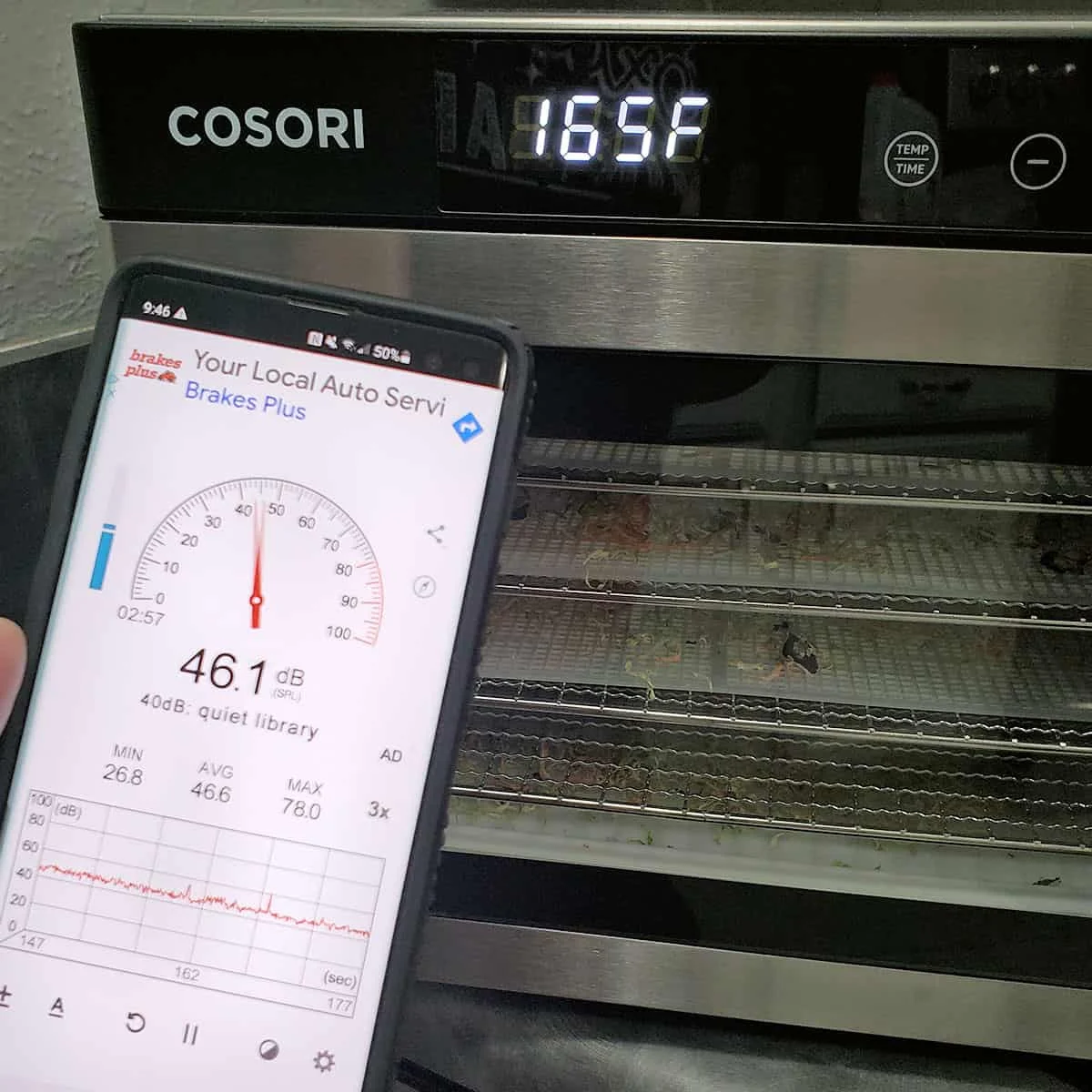
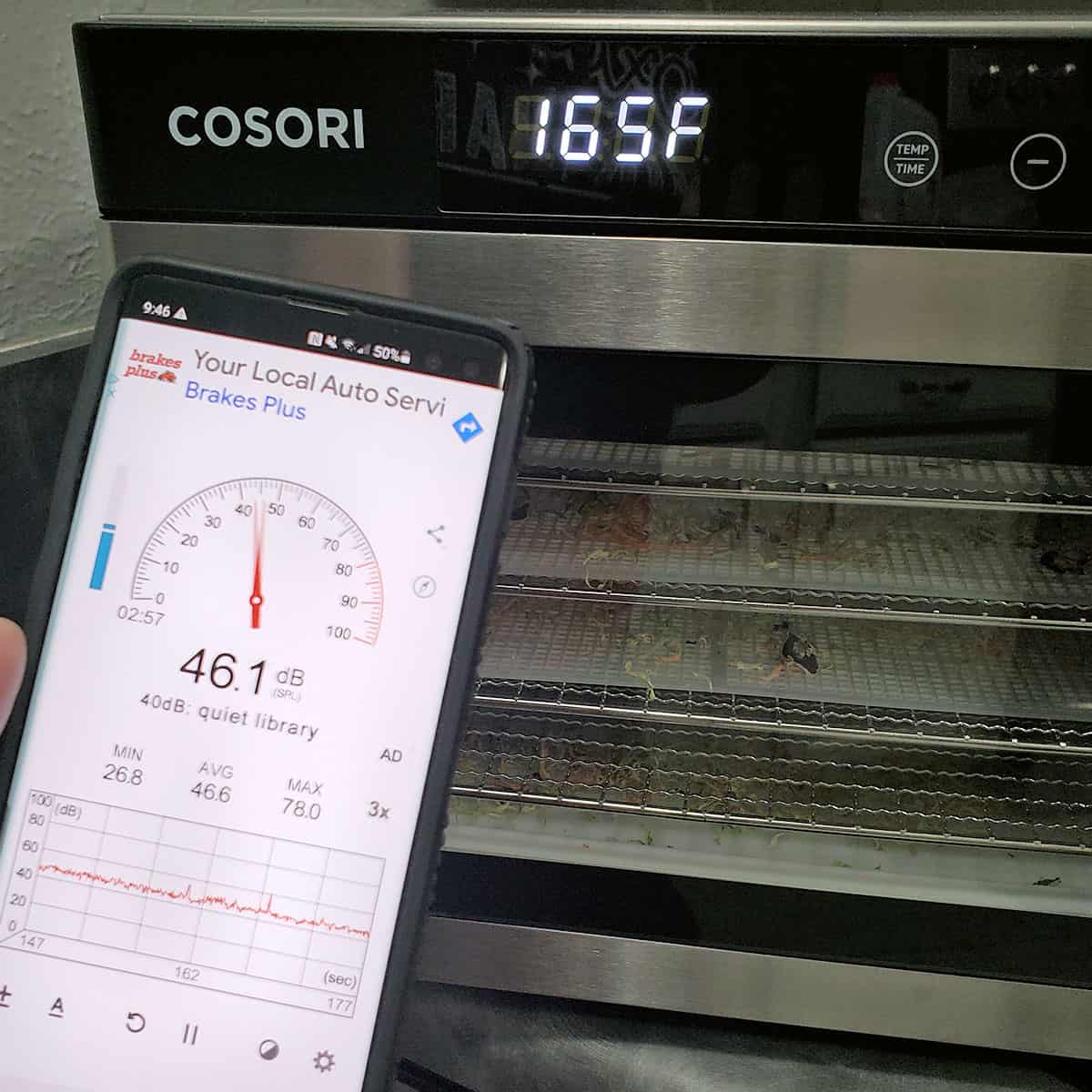
Field testing and consumer feedback reports indicate that the Cosori 6-tray model is notably quiet compared to its competitors. Decibel testing typically places the unit in a range comparable to a quiet office or a gentle hum, allowing it to run overnight in residential kitchens without causing significant disruption.
However, performance data also highlights specific areas for technical improvement. A common point of contention among high-volume users is the "timer reset" mechanism. The unit does not currently feature a dedicated pause button; if the door remains open for an extended period during a cycle—often necessary for checking the dryness of thicker food items—the digital interface may reset, requiring the user to re-program the remaining time.
Furthermore, while the unit is praised for its value, the inclusion of accessories remains a point of critique. Standard packages typically include a limited number of mesh liners and fruit roll-up sheets. Given that the machine has six or ten slots, users frequently report the necessity of secondary purchases to utilize the machine’s full capacity for liquid-based or small-grain items.
Safety Guidelines and Operational Best Practices
Experts in food preservation suggest that while manufacturer manuals provide a baseline for operation, they should be cross-referenced with established food safety standards, such as those provided by the USDA or the National Center for Home Food Preservation. Cosori’s included documentation, like many in the industry, often provides conservative estimates for shelf life and drying times.
For optimal results, users are encouraged to follow a standardized preparation protocol:
- Sanitization: Trays and the interior should be wiped down before the initial use to remove any factory residues.
- Pre-Heating: Running the machine empty at 165°F for 30 minutes can help "season" the unit and ensure the heating element is functioning correctly.
- Environmental Awareness: Drying times are not absolute; they are heavily influenced by ambient humidity and the water content of the specific produce.
In terms of maintenance, the stainless steel trays are dishwasher safe, though the interior of the machine requires manual wiping. The rear fan assembly is protected by a screen, but users are cautioned against allowing liquids to drip directly into the heating element, a risk best mitigated by using drip trays or fruit leather sheets on the bottom-most level.
Comparative Market Positioning
When placed alongside industry stalwarts like Excalibur or newer competitors like Magic Mill and Ivation, the Cosori dehydrator occupies a "premium-entry" niche.
- Excalibur: Offers more varied sizes and a long-standing reputation for industrial durability but often lacks the sleek digital interface and quiet operation of the Cosori.
- Magic Mill/Ivation: These brands offer nearly identical specifications and internal layouts, often leading to a market environment where price fluctuations and warranty terms become the deciding factors for consumers.
Cosori’s standard one-year warranty is competitive, though the brand’s customer service model—which often requires video evidence of malfunctions—reflects a modern shift toward remote troubleshooting. Reports of "duds" or early mechanical failure are statistically consistent with other mass-produced electronic appliances, yet the brand maintains a high satisfaction rating due to its proactive replacement policies during the warranty period.
Broader Implications for Food Security and Sustainability
The adoption of home dehydration technology like the Cosori series has broader implications for environmental sustainability and household economics. Dehydration reduces the weight and volume of food by up to 90%, allowing for significant storage capacity without the energy requirements of a freezer.
From a waste-reduction perspective, dehydration allows consumers to preserve seasonal gluts from home gardens or "manager’s special" produce from grocery stores that would otherwise be discarded. As global supply chains remain volatile, the ability to convert perishable items into shelf-stable pantry staples is increasingly viewed as a vital skill.
Furthermore, the shift toward stainless steel appliances reflects a growing consumer awareness of "forever chemicals" and microplastics. By providing a metal-dominant drying environment, Cosori appeals to health-conscious demographics concerned with the potential leaching of chemicals from plastic trays under sustained heat.
Conclusion and Future Outlook
The Cosori food dehydrator line represents a significant advancement in making professional-style food preservation accessible to the general public. While minor technical flaws such as the lack of a pause button and the minimal inclusion of liners persist, the overall engineering—characterized by horizontal airflow, quiet operation, and a robust stainless steel build—sets a high standard for the mid-range market.
As the brand continues to expand its international presence, particularly in Canada and potentially European markets with 220V adaptations, it is likely that future iterations will address current user feedback. For now, the Cosori 6-tray and 10-tray models remain benchmark appliances for those seeking to bridge the gap between casual kitchen gadgetry and serious food preservation. The intersection of digital convenience and mechanical reliability ensures that these units will remain a staple in modern, self-sufficient kitchens for the foreseeable future.