
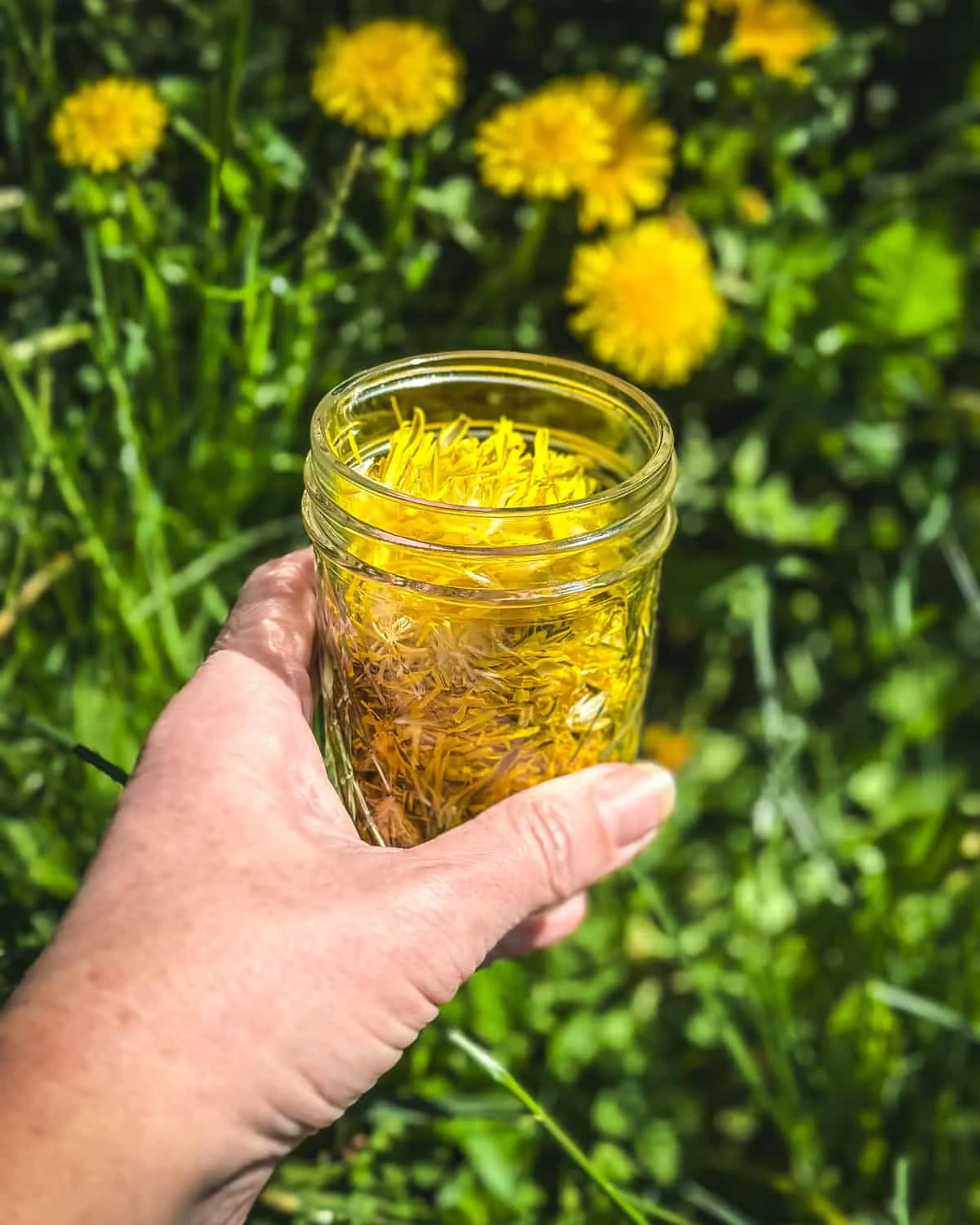
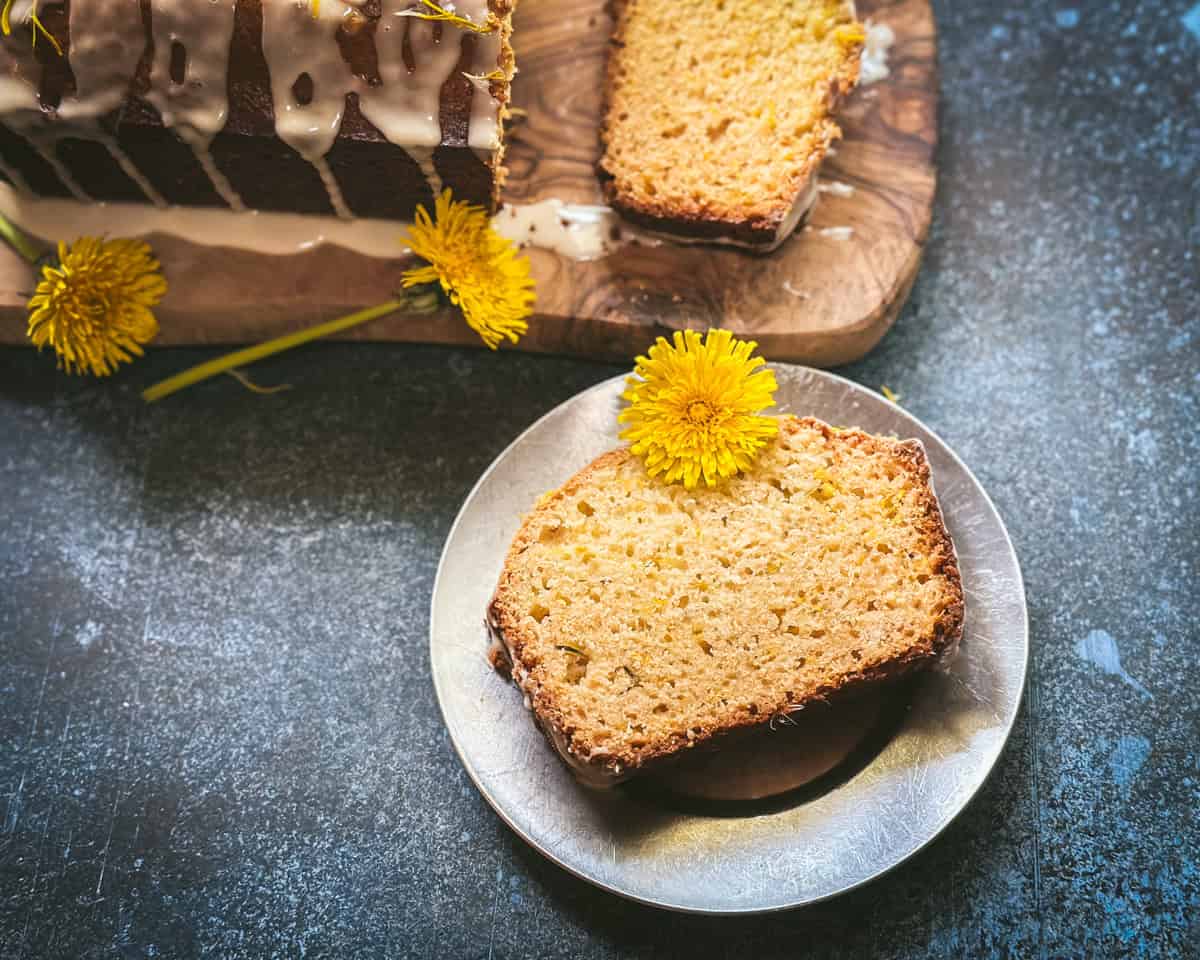
The common dandelion, scientifically known as Taraxacum officinale, is undergoing a significant cultural and culinary re-evaluation as the global interest in sustainable foraging and functional foods continues to rise. Long dismissed by 20th-century suburban standards as a persistent garden weed, this resilient perennial is increasingly recognized by botanists, nutritionists, and chefs for its high nutrient density and versatile applications. The emergence of seasonal delicacies, such as dandelion bread finished with a honey-lemon glaze, represents a broader movement toward hyper-local food sourcing and the integration of wild flora into the modern diet. This shift highlights a transition from chemical-intensive lawn management toward an appreciation for the biodiversity found in domestic backyards.
The Historical Context of the Dandelion
To understand the current resurgence of the dandelion, one must examine its historical trajectory. Unlike many invasive species that spread by accident, the dandelion was intentionally transported across the Atlantic by European settlers in the mid-17th century. It was valued as a reliable food source and a vital component of the traditional apothecary. For centuries, the plant was utilized to treat a variety of ailments, ranging from digestive issues to skin conditions, owing to its diuretic and anti-inflammatory properties.
The transition of the dandelion from a "pantry staple" to a "pest" occurred largely in the post-World War II era. The rise of the American suburban ideal, characterized by the monoculture of the perfectly manicured green lawn, led to the demonization of any non-grass species. The chemical industry responded with a suite of herbicides, such as 2,4-D, specifically designed to eradicate broadleaf plants like dandelions. However, in the 21st century, environmental concerns regarding pesticide runoff and the decline of pollinator populations have sparked a counter-movement. Initiatives such as "No Mow May" have encouraged homeowners to let dandelions bloom, providing early-season nectar for bees and reviving the practice of backyard foraging.
Botanical Profile and Nutritional Data
The dandelion is a member of the Asteraceae family and is distinguished by its hollow stems, deeply notched leaves, and bright yellow composite flowers. One of its most remarkable features is its complete edibility; every part of the plant, from the deep taproot to the vibrant petals, offers distinct culinary and medicinal profiles.
Nutritional analysis reveals that dandelion greens are among the most nutrient-dense vegetables available. According to data from the United States Department of Agriculture (USDA), a single cup of raw dandelion greens provides approximately 112% of the daily recommended intake of Vitamin A, 535% of Vitamin K, and significant amounts of Vitamin C, calcium, and iron. While the greens are known for their bitter flavor—a result of sesquiterpene lactones that stimulate digestion—the yellow petals offer a starkly different sensory experience. The petals are characterized by a subtle, honey-like sweetness and contain high levels of polyphenols and antioxidants.
Recent pharmacological studies have begun to validate traditional herbalist claims. Research published in peer-reviewed journals suggests that the active components in Taraxacum officinale may modulate hemostatic processes, potentially influencing blood clotting and vascular health. Furthermore, comparative studies have demonstrated that dandelion petals often exhibit superior antioxidant activity compared to the leaves, making them a valuable ingredient for oxidative stress reduction.
The Chronology of a Sustainable Harvest
Successful foraging requires a systematic approach to ensure both the quality of the harvest and the health of the ecosystem. Foraging experts suggest the following chronology for a springtime dandelion harvest:
- Site Assessment: The first and most critical step is verifying that the foraging area has not been treated with synthetic fertilizers, herbicides, or pesticides. Public parks and roadsides are often avoided due to potential contamination from vehicle exhaust and chemical spraying.
- Timing the Bloom: Dandelions are most vibrant in the early to mid-spring. Foragers typically wait for a sunny morning after the dew has evaporated but before the heat of the afternoon causes the flowers to close.
- Harvesting Technique: Only the brightest, most fully opened flowers are selected. To maintain the plant’s population, foragers follow the "one-third rule," never taking more than a portion of the available blooms to ensure enough remain for local pollinators.
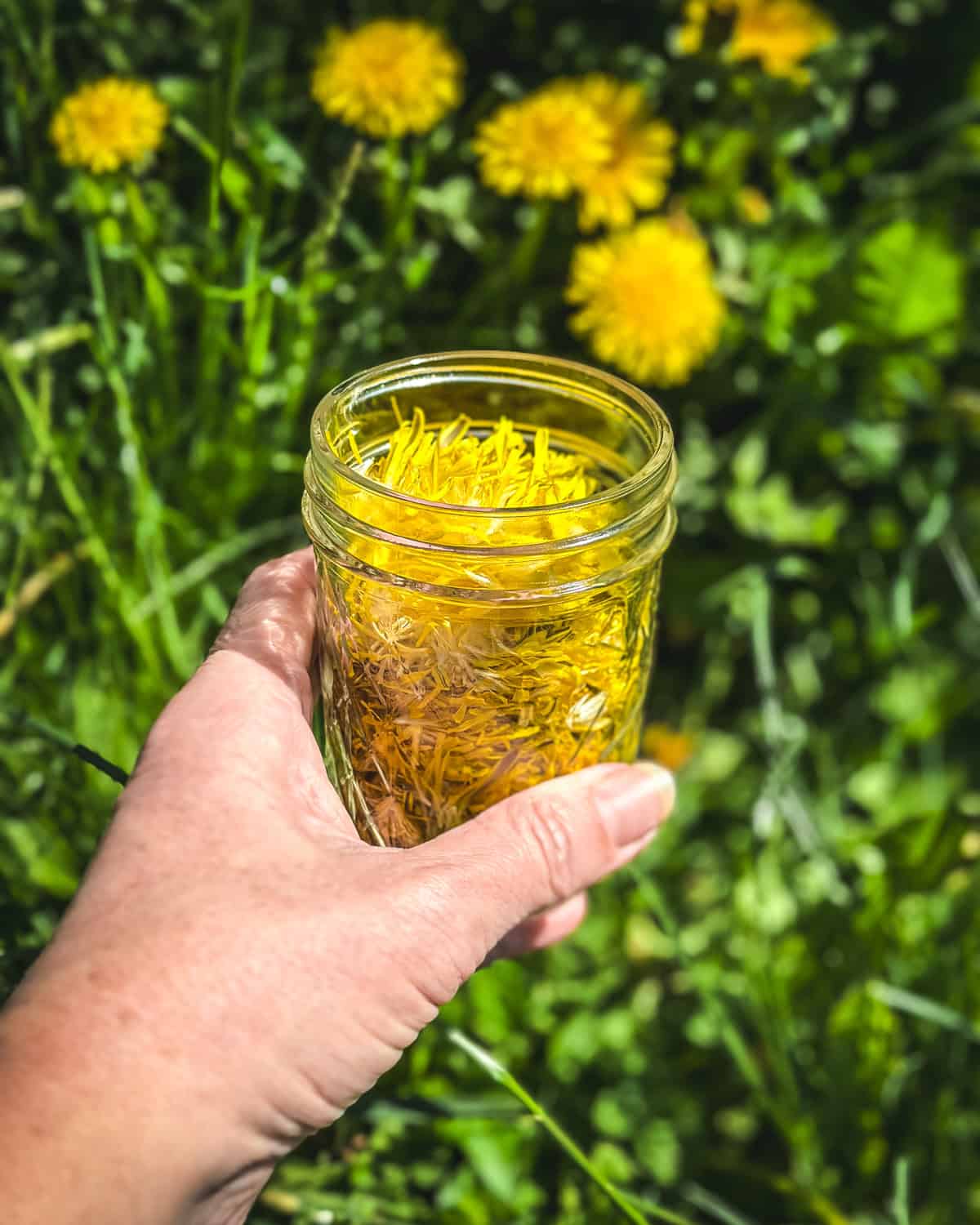
- Processing the Petals: Once harvested, the flowers are cleaned of insects. For culinary applications such as bread or cupcakes, the yellow petals must be separated from the green base (the involucral bracts). The green parts contain a milky latex that is highly bitter and can ruin the flavor profile of baked goods.
Culinary Application: The Methodology of Dandelion Bread
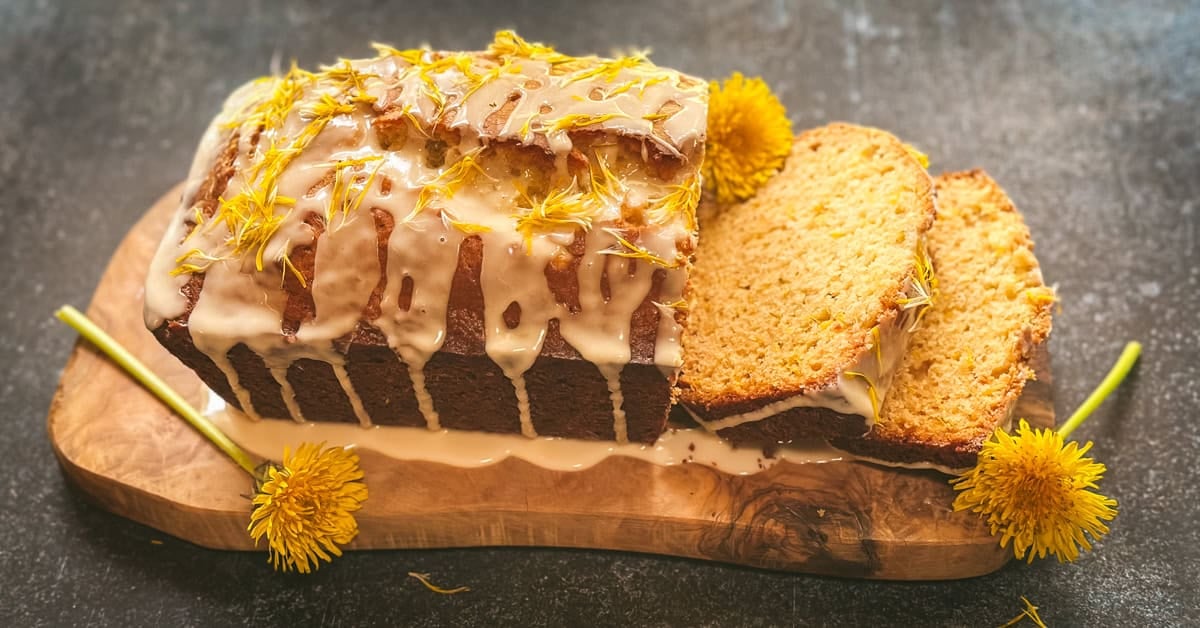
The creation of dandelion bread is an exercise in balancing the rustic nature of foraged ingredients with the refined techniques of modern baking. This quick bread serves as a seasonal transition food, combining the floral notes of spring with the comfort of a dense, honey-sweetened loaf.
Ingredient Composition and Functionality
The recipe relies on a foundation of all-purpose flour, leavened with baking powder to create a consistent crumb. The choice of sweeteners is pivotal; while granulated sugar provides structure and browning, the addition of raw honey complements the natural honey-like scent of the dandelion petals. For the fat component, neutral oils such as organic canola or avocado oil are preferred to ensure that the delicate floral notes are not overshadowed by the heavy flavor of butter or olive oil.
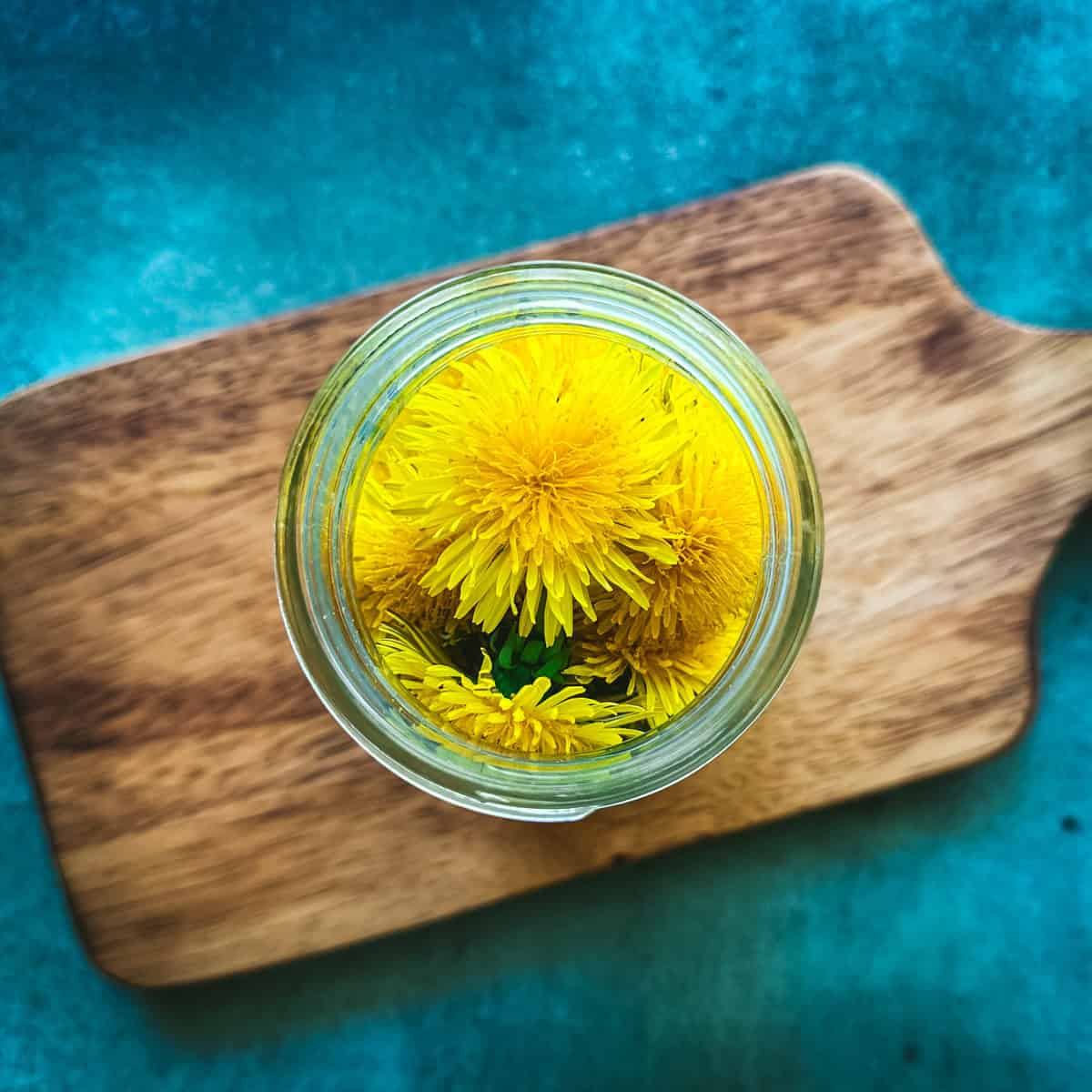
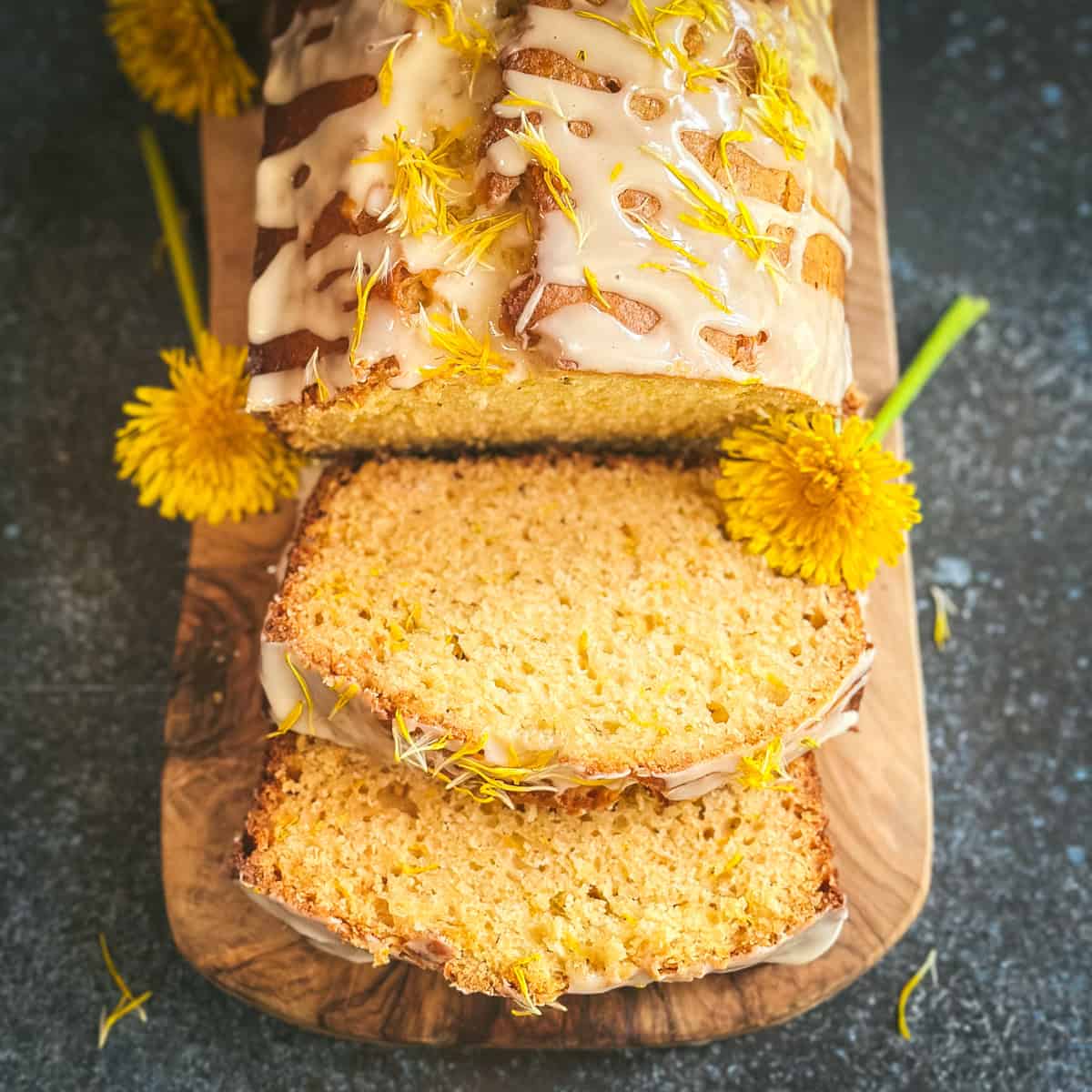
The inclusion of approximately one cup of fresh dandelion petals provides both aesthetic appeal and a unique texture. When folded into the batter, the petals distribute evenly, appearing as golden flecks throughout the finished slice.
The Baking and Glazing Process
The preparation involves a standard "wet and dry" mixing method. Professional bakers emphasize the importance of not over-mixing the batter once the dry ingredients are introduced to the wet mixture, as this can lead to excessive gluten development and a tough texture. The bread is baked at a moderate temperature (350°F or 175°C) for approximately one hour.

A critical refinement in this recipe is the honey-lemon glaze. The acidity of fresh-squeezed lemon juice serves as a bright counterpoint to the earthy sweetness of the dandelion. This glaze is applied only after the loaf has cooled completely on a wire rack, preventing the icing from melting into the bread and ensuring a crisp, decorative finish.
Broader Implications: Sustainability and Food Security
The movement toward utilizing "weeds" like dandelions has implications that extend beyond the kitchen. From a sustainability perspective, dandelions are a zero-input crop. They require no irrigation, no fertilizers, and no tilling, making them one of the most environmentally friendly food sources available. By shifting the perception of dandelions from waste to resource, society can reduce the carbon footprint associated with industrial vegetable production and long-distance transport.

Furthermore, the normalization of foraging contributes to local food security. In an era of fluctuating food prices and supply chain vulnerabilities, the ability to identify and prepare wild edibles provides a layer of resilience for communities. Botanists and environmental advocates argue that fostering a relationship with local flora encourages better stewardship of the land. When individuals view their backyards as a source of nutrition, they are less likely to apply harmful chemicals that degrade soil health and water quality.
Official Perspectives and Safety Guidelines
While the enthusiasm for foraging is growing, botanical and medical experts provide necessary caveats. The American Botanical Council and various agricultural extensions emphasize that while dandelions are generally safe for consumption, individuals with allergies to the Asteraceae family (including daisies, ragweed, and marigolds) should exercise caution.
Additionally, agricultural officials warn about the "look-alike" species. While the common dandelion is easily identifiable, novice foragers may confuse it with "Catsear" (Hypochaeris radicata) or "Hawkbit" (Leontodon). While most look-alikes are non-toxic, they may not possess the same culinary qualities or nutritional benefits. Therefore, official guidance always stresses the mantra: "When in doubt, leave it out."
Conclusion: The Future of the Backyard Apothecary
The humble dandelion stands as a symbol of resilience and untapped potential. As the culinary world continues to embrace foraged ingredients, the dandelion bread recipe represents more than just a novelty snack; it is a testament to the rediscovery of traditional wisdom in a modern context. By integrating these "humble heroes" into our diets, we acknowledge the intricate connection between human health, seasonal rhythms, and the natural world. As spring temperatures rise and the golden blooms reappear across the landscape, the transition from lawn-mower to harvest-basket marks a significant step toward a more conscious and sustainable lifestyle.


