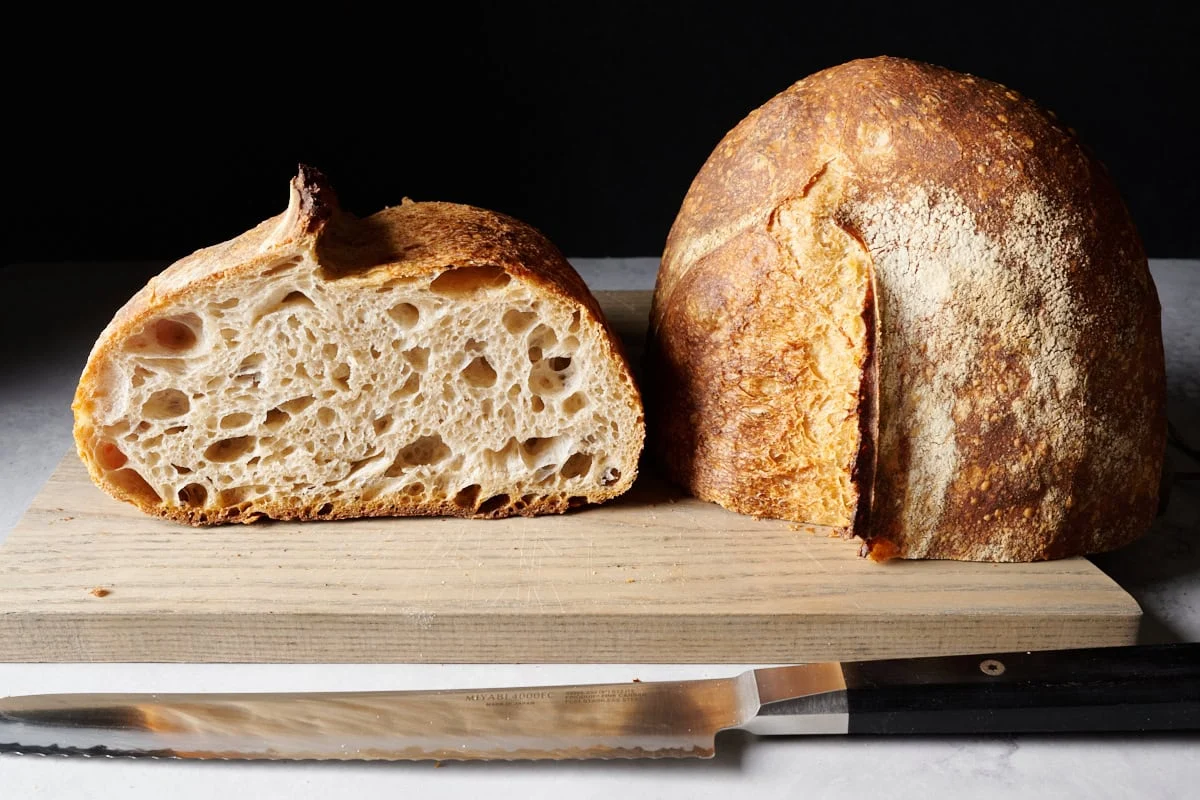
The intricate balance of flavors in sourdough bread, particularly its characteristic tang, is a frequent subject of inquiry among both novice and experienced bakers. While some pursue an intensely assertive, mouth-puckering acidity that defines a truly "sour" sourdough, others favor a more subtle, nuanced acidity that complements the grain’s inherent flavors. The remarkable aspect of sourdough fermentation is that this desired level of sourness is not a fixed outcome but a highly controllable variable, influenced at nearly every stage of the breadmaking process. Understanding the interplay between time, temperature, and the diverse microbial ecosystem within a sourdough starter empowers bakers to precisely calibrate the flavor profile of their loaves.
The Biochemistry of Sourdough Flavor: Lactic and Acetic Acids
The distinctive tang in sourdough originates primarily from the metabolic activities of lactic acid bacteria (LAB) present in the starter. These microorganisms produce two main organic acids during fermentation: lactic acid and acetic acid. The ratio and concentration of these acids dictate the ultimate sourness profile of the baked bread.
Lactic acid, a product of homofermentmentative LAB, imparts a smooth, creamy, and often yogurt-like sourness. It is considered the milder of the two acids, contributing a foundational acidity that enhances depth without overwhelming the palate. Conversely, acetic acid, generated by heterofermentative LAB, is sharper and more pungent, akin to the flavor profile of vinegar. This acid is responsible for the assertive, tangy bite often associated with traditional sourdough. A key differentiator is acetic acid’s higher vapor pressure, making it volatile enough to be detected by smell. Consequently, a starter or dough with a strong, vinegary aroma is indicative of elevated acetic acid levels.
The production of these acids is intrinsically linked to the environmental conditions within the dough, particularly temperature, hydration, and the availability of specific carbohydrates. As LAB metabolize sugars, they release these organic acids, gradually lowering the dough’s pH. This pH drop is critical; while it initially inhibits spoilage organisms and strengthens gluten, excessively low pH levels eventually impede bacterial activity, acting as a self-regulating mechanism. The buffering capacity of flour, particularly its mineral content (ash), also plays a significant role, influencing how much acid can accumulate before bacterial activity is significantly curtailed.
Historical Perspective: Sourdough’s Enduring Legacy
Sourdough baking is one of humanity’s oldest culinary arts, predating the isolation and commercial production of baker’s yeast by millennia. Ancient civilizations, including the Egyptians, Romans, and Greeks, relied on spontaneous fermentation to leaven their bread, a process inherently linked to the wild yeasts and bacteria found naturally in flour and the environment. This method provided not only leavening but also enhanced flavor, digestibility, and shelf life. The regional variations in sourdough cultures, influenced by local grains and ambient conditions, historically led to a vast spectrum of bread flavors, from mildly sweet to intensely sour. The modern resurgence of sourdough baking represents a renewed appreciation for these traditional methods and a deeper scientific understanding of the microbial processes that govern its unique characteristics.
Precision Baking: Strategies to Amplify Sourness
For bakers aiming to achieve a more pronounced sour flavor, several specific adjustments to the baking process can be highly effective:
-
Leveraging Starter Maturity: The ripeness of the starter is a paramount factor. Utilizing a starter that has fermented past its peak ripeness—characterized by a collapsed structure, a strong sour aroma, a loose consistency, and abundant frothy bubbles—ensures that a significant amount of acid has already accumulated. This accumulated acidity directly transfers to the final dough, intensifying the sour profile. Studies in food science confirm that starters allowed to ferment longer before incorporation exhibit higher concentrations of both lactic and acetic acids.
-
The Art of Extended Cold Proofing: This method is widely regarded as one of the most reliable ways to develop assertive sourness. When dough is subjected to cold temperatures (typically 38-42°F / 3-5°C) in the refrigerator, microbial activity slows but does not cease. Crucially, yeast activity is inhibited less severely than bacterial activity at these temperatures. This imbalance means yeast continue to release sugars that heterofermentative bacteria preferentially convert into acetic acid. Over an extended cold proof, typically 24-48 hours or even longer, there is a cumulative effect: more total acid builds up, and a higher proportion of this is the sharper acetic acid. While effective for flavor, bakers must balance this with potential degradation of gluten structure by naturally occurring enzymes, which can impact oven spring if proofing is excessively prolonged.
-
Hydration and its Impact on Levain: The hydration level of the levain significantly influences the acid balance. A stiffer levain (50-65% hydration) creates an environment where bacterial activity is more constrained than yeast activity. This condition, particularly when combined with sufficient ripening time, promotes the production of acetic acid. The reduced water activity slows the metabolic processes, leading to a higher concentration of the sharper acid. Conversely, a highly liquid levain (100% hydration or more) favors lactic acid production, contributing a milder sourness.
-
The Role of Whole Grains and Ash Content: Incorporating whole-grain flours, especially rye, is a potent method for increasing sourness. Whole grains possess a higher "ash content," which refers to their mineral composition. These minerals act as natural buffering agents within the dough. A higher buffering capacity means the dough can absorb more acid before its pH drops to a level that inhibits bacterial activity. This allows LAB to produce greater quantities of total acid, resulting in a more sour loaf. Rye flour is particularly effective due to its unique enzymatic profile and high buffering capacity, even when used in small percentages. Research has shown that rye can significantly enhance the perceived sourness and complexity of sourdough.
-
Temperature Dynamics in Fermentation: Temperature exerts a dual influence on sourdough acidity. Warmer bulk fermentation temperatures (e.g., 78-82°F / 25-28°C) accelerate overall bacterial activity, keeping LAB within their optimal growth range. This generally leads to higher total acid production and a rounder, more lactic character. However, cooler temperatures, particularly during the final proof, tend to shift the acid balance towards acetic acid. While overall acid production may be lower in cooler conditions due to slower microbial activity, the differential slowing of yeast and bacteria favors acetic acid synthesis, imparting a sharper tang. An optimal strategy for a complex sour profile often involves a moderately warm bulk fermentation followed by an extended cold proof.
-
Strategic Levain Proportioning: Counterintuitively, a smaller levain percentage (e.g., 10-15% of total flour) can lead to a more sour loaf over an extended fermentation. A larger, highly ripened levain quickly lowers the initial pH of the dough. Since bacteria are sensitive to low pH and their activity decreases as acidity rises, a dough starting at a lower pH provides less "runway" for additional acid accumulation. A smaller levain, by contrast, starts the dough at a higher pH, allowing bacterial activity to proceed for a longer duration and gradually accumulate more acid. This necessitates longer fermentation times but can result in greater total acid production.
Cultivating Subtlety: Methods to Reduce Sourdough Acidity
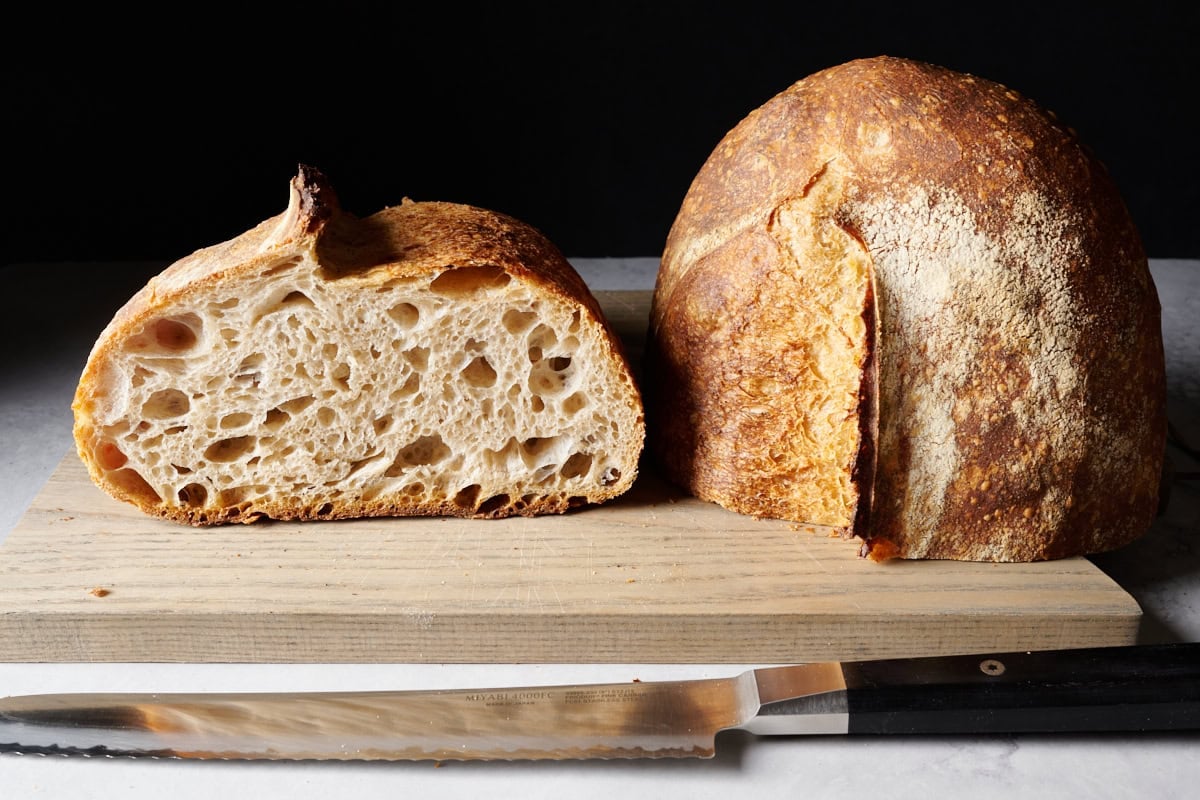
For those who prefer a more understated sourdough character, several adjustments can effectively temper the tang:
-
Dilution and Regular Feeding Regimens: The most direct way to reduce sourness is through diligent starter maintenance. A healthy, frequently-fed starter is regularly diluted, preventing excessive acid accumulation. Feeding a starter before it reaches peak acidity ensures that yeasts and bacteria have a continuous supply of fresh nutrients, maintaining a balanced microbial environment. Artisan bakers emphasize the importance of using a starter at its peak ripeness—risen, bubbly, and with a mild, pleasant aroma—to minimize transferred acidity.
-
Harnessing Young Levains: Utilizing a "young" levain, one that has risen but not yet reached its absolute peak ripeness, contributes less acid to the final dough. At this stage, yeast activity is high, but there hasn’t been sufficient time for a significant accumulation of organic acids. Such levains are often referred to as "booster levains" due to their potent leavening power with minimal sourness contribution. A typical young levain might be made with a 1:1:1 ratio of starter, flour, and water, fermented warm (25-27°C) for 3-4 hours, characterized by a sweet/sour aroma and cohesive texture.
-
Expedited Proofing Schedules: Shortening or omitting the cold proof dramatically reduces sourness. Instead of 16-18 hours in refrigeration, a 10-12 hour cold proof or a room-temperature proof of 2-4 hours will limit the time available for acid accumulation. This results in a milder, often more grain-forward flavor profile.
-
Optimizing Levain Hydration for Milder Flavors: As previously noted, higher hydration levains (e.g., 100% hydration) promote lactic acid production over acetic acid. Lactic acid contributes a smoother, less aggressive sourness. Many bakers find that a 100% hydration levain, managed appropriately, yields a desirable sourdough character without an overpowering tang.
-
Controlling Fermentation Temperature for Reduced Total Acid: While cooler temperatures can favor acetic acid, they also significantly slow overall bacterial activity, leading to less total acid production. A cooler, shorter bulk fermentation, followed by a shorter proof, will produce a milder loaf. Care must be taken to avoid under-proofing, which can compromise crumb structure.
-
The Influence of Increased Levain Percentage: A larger levain percentage, while introducing more pre-fermented flour, can paradoxically lead to a less sour loaf. The increased initial acidity from a larger levain quickly lowers the dough’s pH, which then inhibits further bacterial activity. This effectively shortens the "runway" for bacteria to produce additional acids during bulk fermentation. Furthermore, a larger levain accelerates fermentation, reducing the overall time for flavor development. Most recipes aiming for a subtle tang often fall within a 15-22% levain range, focusing on other variables for fine-tuning.
Troubleshooting: Why Sourdough May Lack Tang
For bakers expecting a classic sourdough tang only to find their loaves surprisingly bland, several common factors are usually at play:
-
Starter Immaturity: A newly established starter, typically less than 2-3 weeks old, may not have developed a robust and diverse bacterial population necessary for significant acid production. The complex microbial ecosystem that defines sourdough flavor takes time to mature and stabilize. Patience and consistent feeding are key.
-
Premature Levain Utilization: If the levain is used before it has fully ripened and accumulated sufficient acids, the resulting bread will naturally lack tang. The levain should at least double in volume, exhibit numerous bubbles, and possess a distinct sweet-sour aroma before incorporation into the main dough.
-
Insufficient Fermentation Duration: Both bulk fermentation and final proofing are crucial for flavor development. Rushing these stages, or allowing fermentation to proceed too quickly in warm conditions, can prevent adequate acid accumulation. Extending bulk fermentation by 30-60 minutes or introducing an overnight cold proof can significantly enhance flavor.
-
Excessive Ambient Temperatures: A very warm kitchen (above 80°F / 27°C) can accelerate fermentation to such an extent that the dough reaches full proof before sufficient acids have time to develop. While the bread may be perfectly leavened, it can taste bland. Strategies include using cooler mixing water or shortening bulk fermentation and relying on an extended cold proof.
-
Dominance of Refined Flours: As established, low-ash refined white flours have less buffering capacity. This means the pH drops rapidly, quickly inhibiting bacterial activity and limiting total acid production. Incorporating even a small percentage of whole wheat or rye flour can provide the necessary buffering capacity to allow for greater acid development.
The Evolving Palate: Consumer Preferences and Market Trends
The contemporary interest in sourdough has also highlighted the diversity of consumer preferences regarding sourness. While the rustic, intensely tangy loaves of traditional European bakeries hold a certain appeal, there is a growing demand for milder, more approachable sourdoughs, particularly in North American markets. This trend is reflected in the offerings of many artisan bakeries, which often feature loaves with nuanced acidity that emphasizes the grain’s character rather than an overpowering tang. This evolution underscores the importance of the baker’s ability to precisely control flavor profiles, catering to a broad spectrum of palates. Culinary scientists continue to explore the intricate metabolic pathways of sourdough microbes, uncovering new insights that empower bakers with even greater control over flavor development.
Conclusion: The Art and Science of Personalized Sourdough
Sourdough baking stands as a testament to the elegant interplay between microbiology, chemistry, and culinary art. Unlike commercial yeast breads with their relatively fixed flavor profiles, naturally leavened bread offers an extraordinary canvas for flavor manipulation. The level of sourness, far from being a random outcome, is a dimension of flavor that home bakers and professionals alike can control with remarkable precision.
The key to mastering sourdough sourness lies in deliberate experimentation. By altering one variable at a time—be it the starter’s ripeness, the duration of the cold proof, or the choice of flour—bakers can systematically observe and understand its impact on the final product. Meticulous note-taking during this process fosters an intuitive understanding of fermentation dynamics, leading to the consistent production of desired flavor profiles. Ultimately, there is no universally "correct" level of sourness; the ideal tang is subjective, defined by personal preference and the palates of those who share the bread. This adaptability is precisely what makes sourdough such an endlessly rewarding and captivating pursuit.