
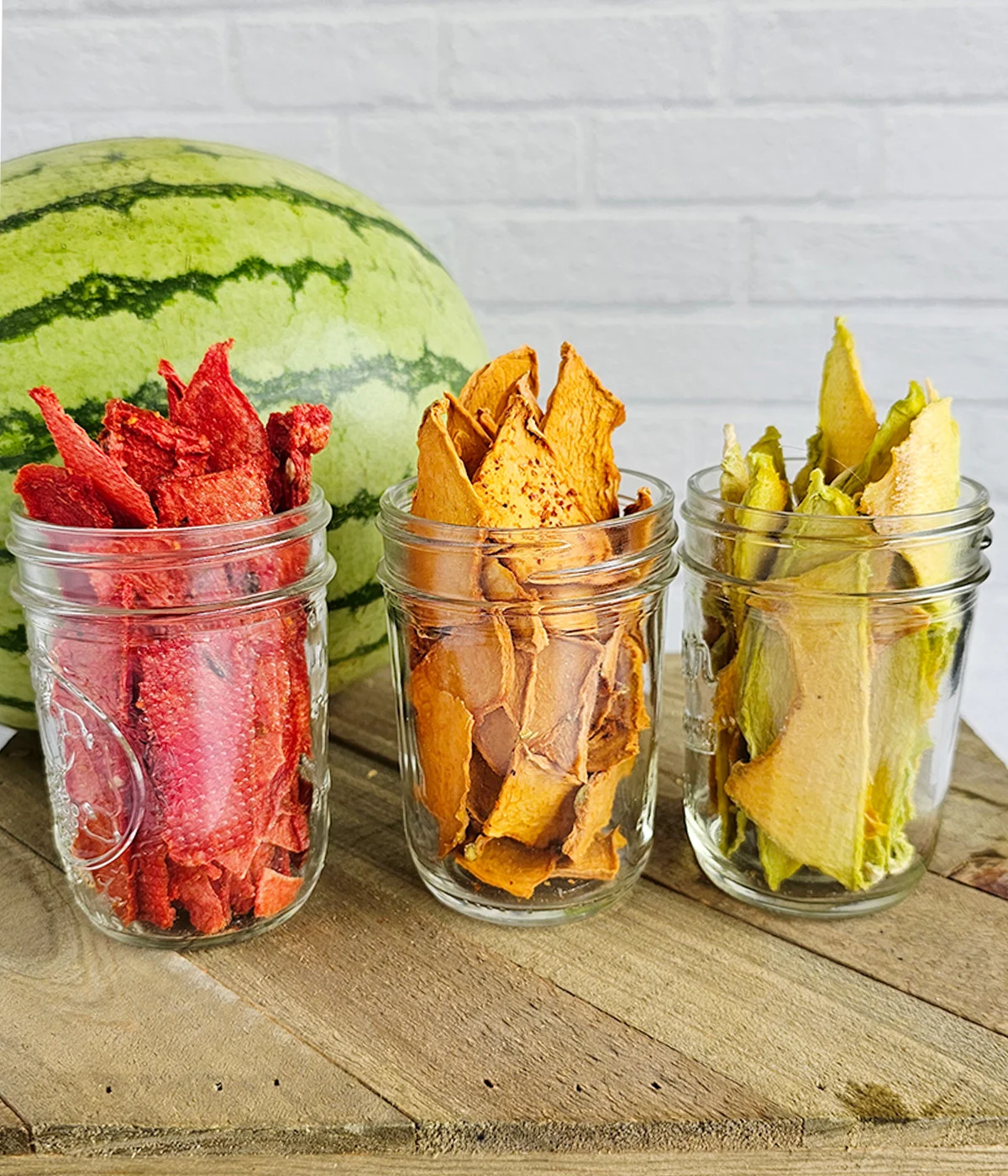
The practice of home food preservation has seen a significant resurgence in recent years as consumers look for ways to mitigate food waste and ensure a stable supply of nutrient-dense snacks. Among the various methods available, the dehydration of melons—including watermelon, cantaloupe, and honeydew—has emerged as a highly effective technique for transforming highly perishable summer fruits into shelf-stable, portable nutrition. According to culinary experts and food preservation specialists, such as Darcy Baldwin, creator of The Purposeful Pantry, dehydrating melons not only extends their lifespan by up to a year but also concentrates their natural sugars, resulting in a product that serves as a healthy alternative to processed confectionery.
The Economic and Environmental Context of Food Preservation
The drive toward dehydrating produce is rooted in broader economic and environmental concerns. According to data from the United Nations Food and Agriculture Organization (FAO), approximately one-third of all food produced for human consumption is lost or wasted globally. In the United States alone, the USDA estimates that food waste at the retail and consumer levels corresponds to approximately 31 percent of the food supply. Melons, characterized by their high water content and relatively short peak ripeness window, are frequently among the items discarded by households when they cannot be consumed quickly enough.
By utilizing dehydration, consumers can effectively "lock in" the nutritional value of melons purchased at the height of their season or in bulk when prices are lowest. This shift toward a "zero-waste" kitchen philosophy is supported by the rising popularity of home preservation manuals and digital resources that provide systematic approaches to food storage. The process converts a bulky, heavy fruit into a lightweight, energy-dense snack suitable for various applications, from school lunchboxes to long-distance hiking expeditions.
Technical Specifications for Dehydrating Melons
Successful dehydration requires a precise balance of temperature and airflow to remove moisture without cooking the fruit or allowing for microbial growth. The standard procedure for melons involves several critical stages, beginning with the selection of raw materials and ending with a mandatory conditioning phase.
Preparation and Slicing
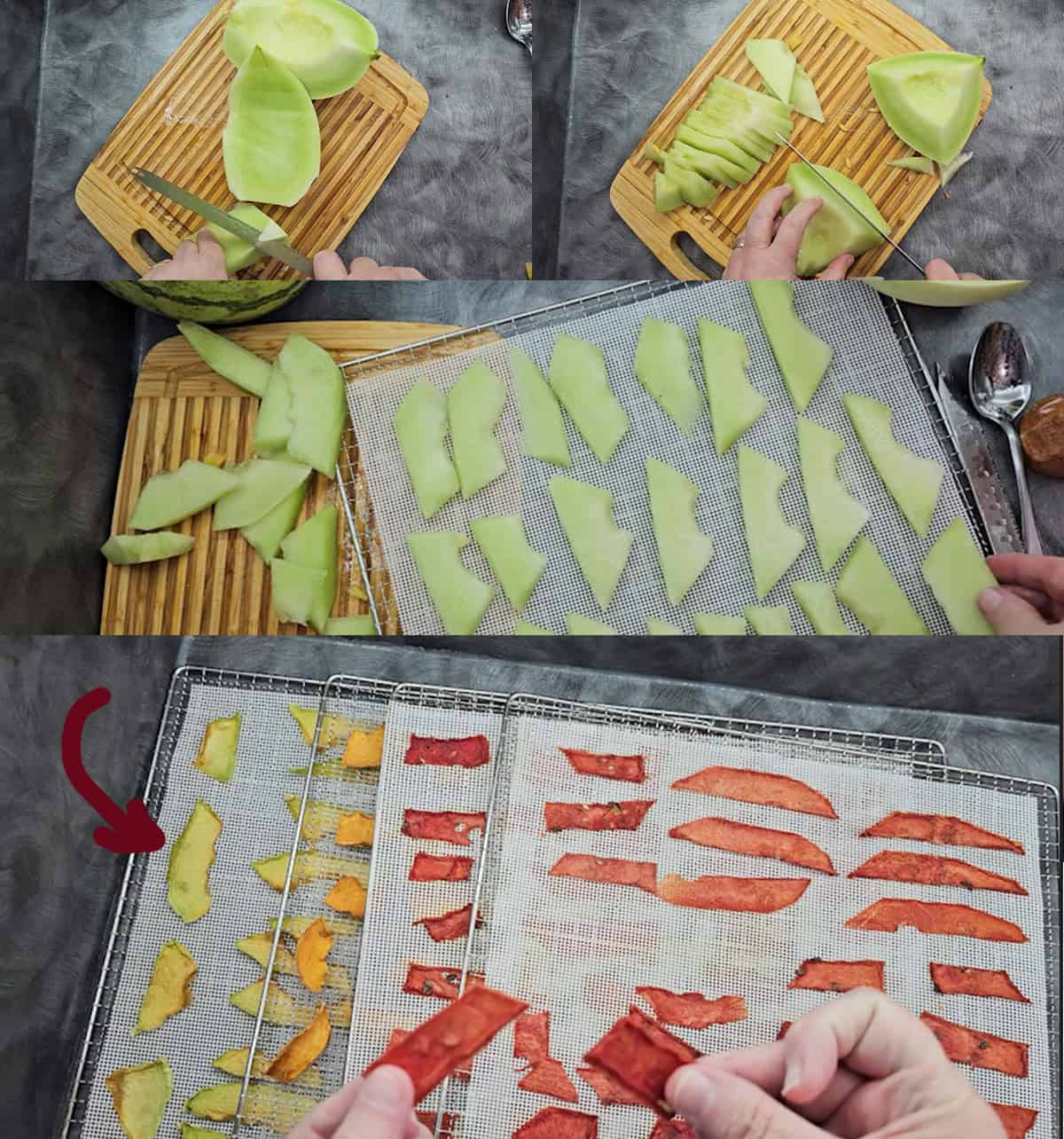
The quality of the final dehydrated product is directly proportional to the ripeness of the fruit at the time of processing. Experts recommend using melons that are fully ripe and fragrant. For watermelon, seedless varieties are preferred to simplify the preparation process. For cantaloupe and honeydew, the seeds and rinds must be completely removed.
The fruit should be sliced into uniform pieces, typically between 1/4-inch and 1/2-inch in thickness. Uniformity is essential to ensure that all pieces dry at the same rate, preventing a scenario where some pieces remain moist (and thus prone to mold) while others become overly brittle.
Temperature and Duration
For most melon varieties, the recommended dehydration temperature is 135°F (57°C). This temperature is high enough to facilitate rapid moisture evaporation but low enough to preserve the vitamins and enzymes present in the fruit. The duration of the process typically ranges from 10 to 14 hours, though environmental factors such as ambient humidity and the specific water content of the fruit can extend this timeframe.
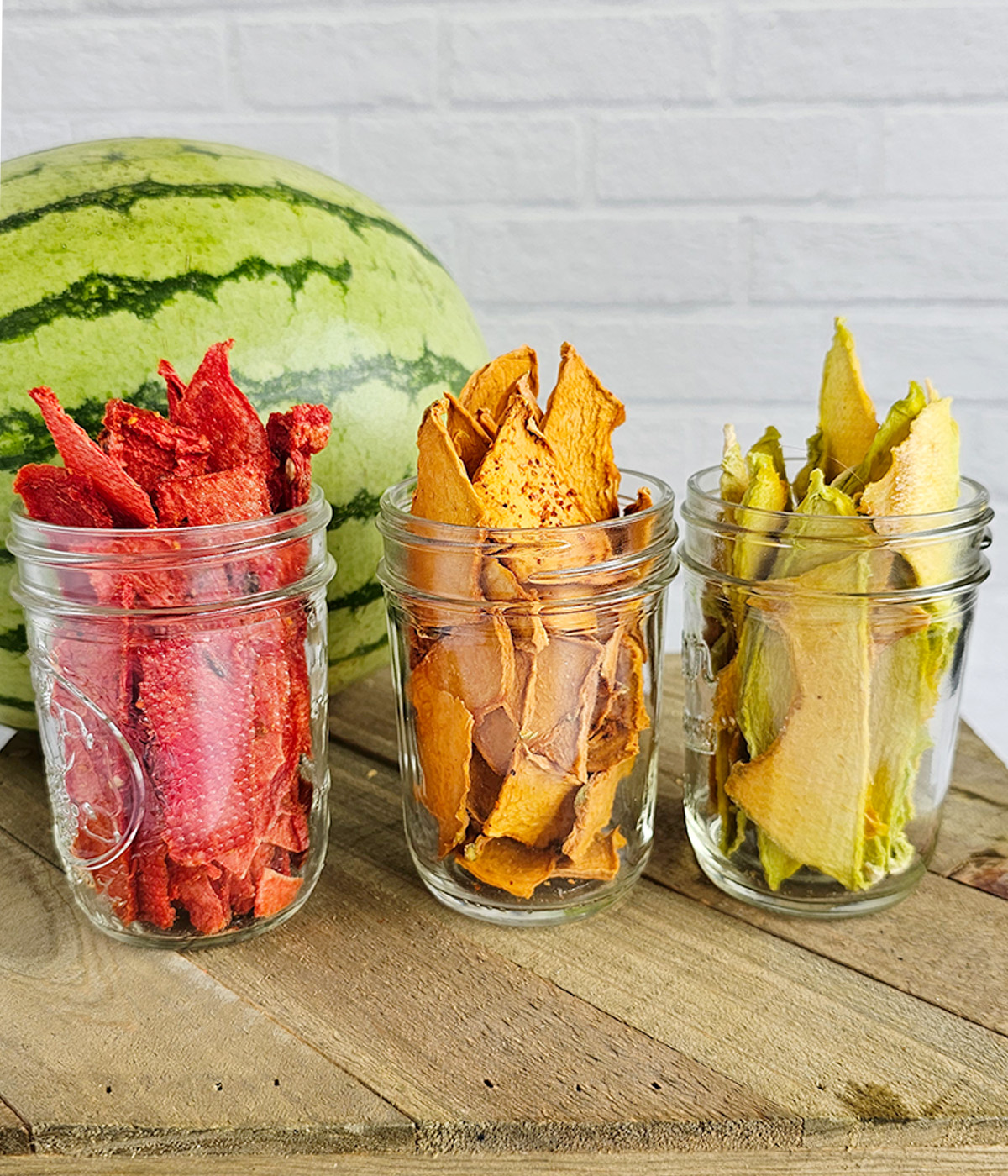
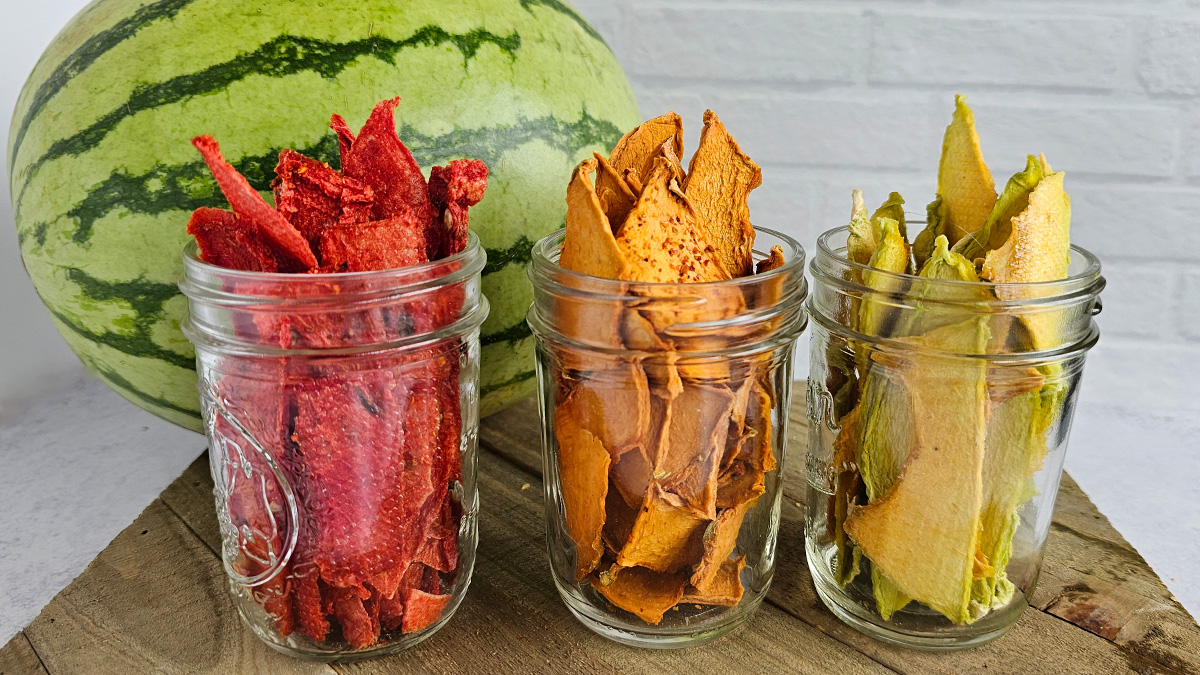
The target consistency for dehydrated melon is "leathery" or "pliant." Unlike apples or bananas, which can be dried to a crisp "chip" consistency, the high sugar content in melons—particularly watermelon—often results in a texture similar to fruit jerky or taffy.
The Science of Moisture Removal and Shelf Stability
Dehydration works on the principle of reducing "water activity" (aw) within the food. Bacteria, yeast, and mold require a certain level of moisture to proliferate. By reducing the water content to approximately 10-20%, the shelf life of the melon is extended from days to months.
However, melons are naturally hygroscopic, meaning they readily absorb moisture from the air. This characteristic necessitates strict storage protocols. Once the dehydration process is complete, the fruit must be stored in airtight containers, such as glass Mason jars or vacuum-sealed bags. In environments with high relative humidity, the inclusion of food-grade desiccant packets (moisture absorbers) is recommended to maintain the integrity of the product.
The Conditioning Process
A critical, yet often overlooked, step in professional-grade home dehydration is "conditioning." This process involves placing the cooled, dried fruit in a transparent airtight container for seven to ten days. During this period, the jar is shaken daily. This allows any residual moisture to distribute evenly among the pieces. If condensation appears on the walls of the container, the fruit is insufficiently dried and must be returned to the dehydrator to prevent spoilage during long-term storage.
Comparative Nutritional Analysis
One of the primary benefits of dehydrating melons is the concentration of nutrients. While the process of heating can lead to a slight reduction in heat-sensitive vitamins like Vitamin C, most minerals and antioxidants remain intact.
According to nutritional data provided by The Purposeful Pantry, the caloric and sugar density of dehydrated fruit is significantly higher by volume than fresh fruit. A standard serving of 1/4 cup of dried melon contains approximately the same nutritional profile—including sugars and carbohydrates—as one full cup of fresh melon. For example, a 0.25-cup serving of dehydrated cantaloupe provides approximately 14 calories, 3 grams of carbohydrates, and 63 milligrams of potassium.
For athletes and outdoor enthusiasts, this concentration of potassium and natural sugars makes dehydrated melon an excellent source of quick-release energy and electrolytes, which are vital for muscle function during physical exertion.
Equipment and Alternative Methods
While specialized electric dehydrators—such as those featuring horizontal airflow and adjustable thermostats—are the preferred tools for consistent results, the process can be adapted for conventional kitchen equipment.

Oven Dehydration
For those without a dedicated dehydrator, a standard oven can be utilized. The oven should be set to its lowest possible temperature, ideally 170°F (77°C) or lower. Because many modern ovens do not maintain such low temperatures reliably, it is often necessary to prop the oven door open slightly to allow excess heat to escape and to facilitate airflow. This method requires closer monitoring and may take significantly less time than a dehydrator due to the higher temperatures involved, but it carries a higher risk of "case hardening," where the outside of the fruit dries too quickly, trapping moisture inside.
Seasoning and Culinary Applications
While the natural sweetness of dehydrated cantaloupe and honeydew is often sufficient, culinary trends have seen the introduction of various seasonings to enhance the flavor profile. Common additions include:
- Citrus: A light spritz of lime or lemon juice prior to drying to add acidity.
- Spice: A dusting of Tajin (chili-lime seasoning) or ginger to create a savory-sweet contrast.
- Sweetener: A light sprinkle of cinnamon or vanilla bean powder.
Beyond serving as a standalone snack, dehydrated melons are increasingly used as garnishes for salads, additions to homemade granola or trail mixes, and even rehydrated for use in specialty desserts or infused waters.
Broader Implications for the Food Industry and Households
The shift toward home dehydration represents a broader movement toward self-sufficiency and food security. As supply chain fluctuations and inflation impact the cost of fresh produce, the ability to process and store seasonal gluts becomes a vital domestic skill.

Furthermore, the rise of "The Purposeful Pantry" and similar educational platforms indicates a growing consumer demand for transparency in food processing. By dehydrating fruit at home, individuals eliminate the need for the sulfur dioxide, artificial colorings, and added sugars frequently found in commercially available dried fruits.
Industry analysts suggest that the market for home food preservation equipment will continue to grow as more households prioritize health and sustainability. The dehydration of melons serves as a prime example of how traditional preservation techniques can be modernized to meet contemporary needs for healthy, shelf-stable, and environmentally conscious food options.
Conclusion
The dehydration of melons is more than a culinary trend; it is a strategic approach to food management that addresses waste, nutrition, and economic efficiency. By following established protocols for slicing, temperature control, and conditioning, consumers can transform perishable summer fruits into a versatile pantry staple. As the global conversation around food sustainability intensifies, the adoption of such preservation methods is likely to become a standard practice for the health-conscious and environmentally aware consumer. Through the efforts of experts like Darcy Baldwin, the technical knowledge required to master these skills is becoming increasingly accessible, empowering individuals to take control of their food supply chains one harvest at a time.


