The global market for home food preservation has seen a significant surge in recent years, driven by a growing consumer interest in food security, waste reduction, and healthy snacking. Within this landscape, Cosori, a brand under the Vesync Co. umbrella, has emerged as a dominant player with its line of premium stainless steel food dehydrators. Specifically, the Cosori 6-tray and 10-tray models have become focal points for both beginner and intermediate users seeking a balance between professional-grade build quality and consumer-level price points. While the industry has long been dominated by high-end brands like Excalibur, Cosori’s entry into the market represents a shift toward horizontal airflow technology being made accessible to the average household.
Technical Specifications and Performance Data
The Cosori CP267-FD, the brand’s flagship 6-tray model, is engineered with a rear-mounted fan designed to facilitate horizontal airflow. Unlike vertical dehydrators, which stack trays on top of a bottom-mounted heating element, the horizontal system ensures that heated air is distributed evenly across all levels. This eliminates the need for tray rotation, a common labor-intensive requirement in lower-end models.
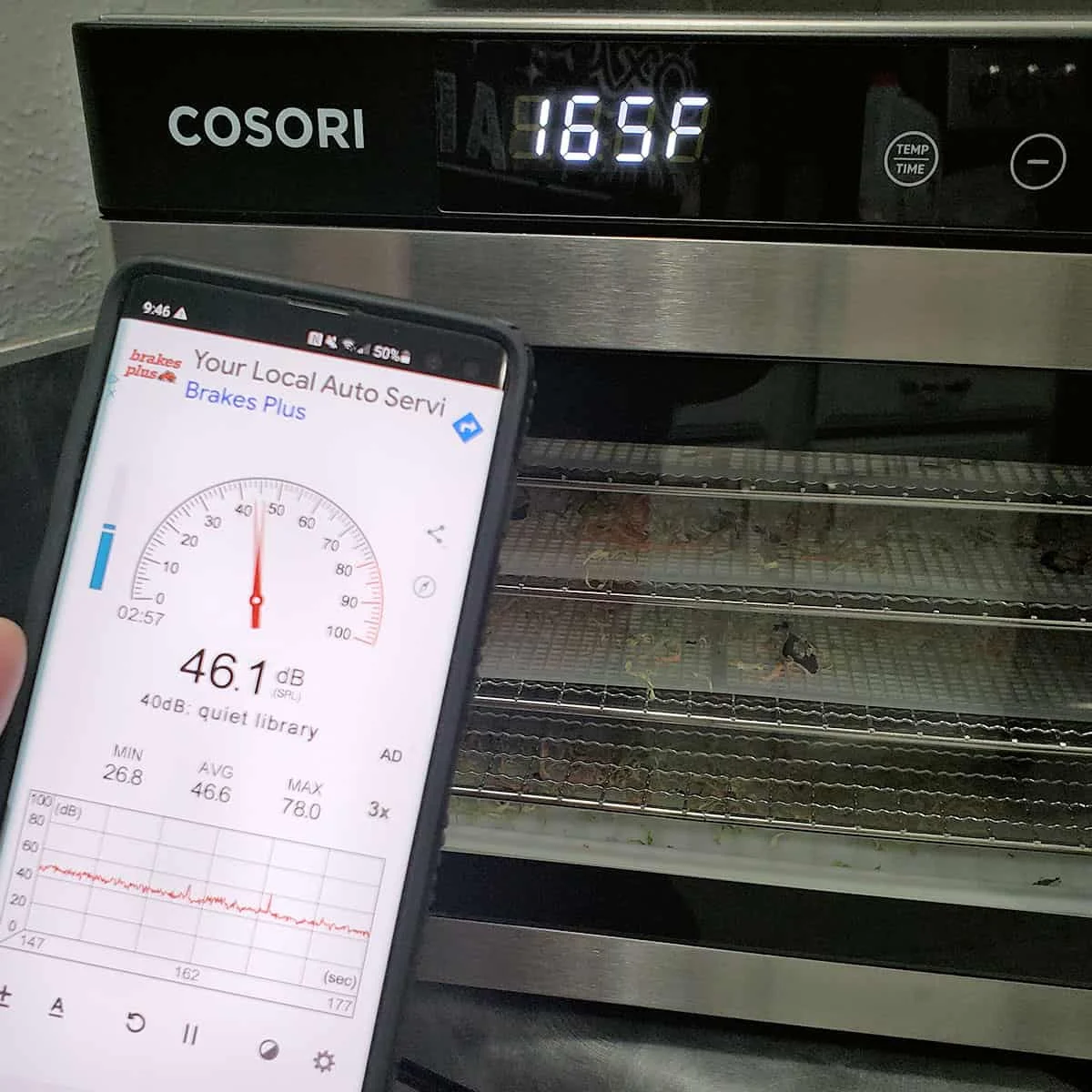
Technical data indicates that the 6-tray model operates at 600 watts, while the larger 10-tray version boasts a higher wattage to accommodate its increased internal volume. However, performance testing reveals that the higher wattage in the 10-tray model does not necessarily result in faster drying times for individual items; rather, it provides the thermal capacity necessary to maintain consistent temperatures across a larger surface area. Both machines operate within a temperature range of 95°F to 165°F (35°C to 73°C), which covers the safety requirements for everything from delicate herbs to high-heat meat jerky.
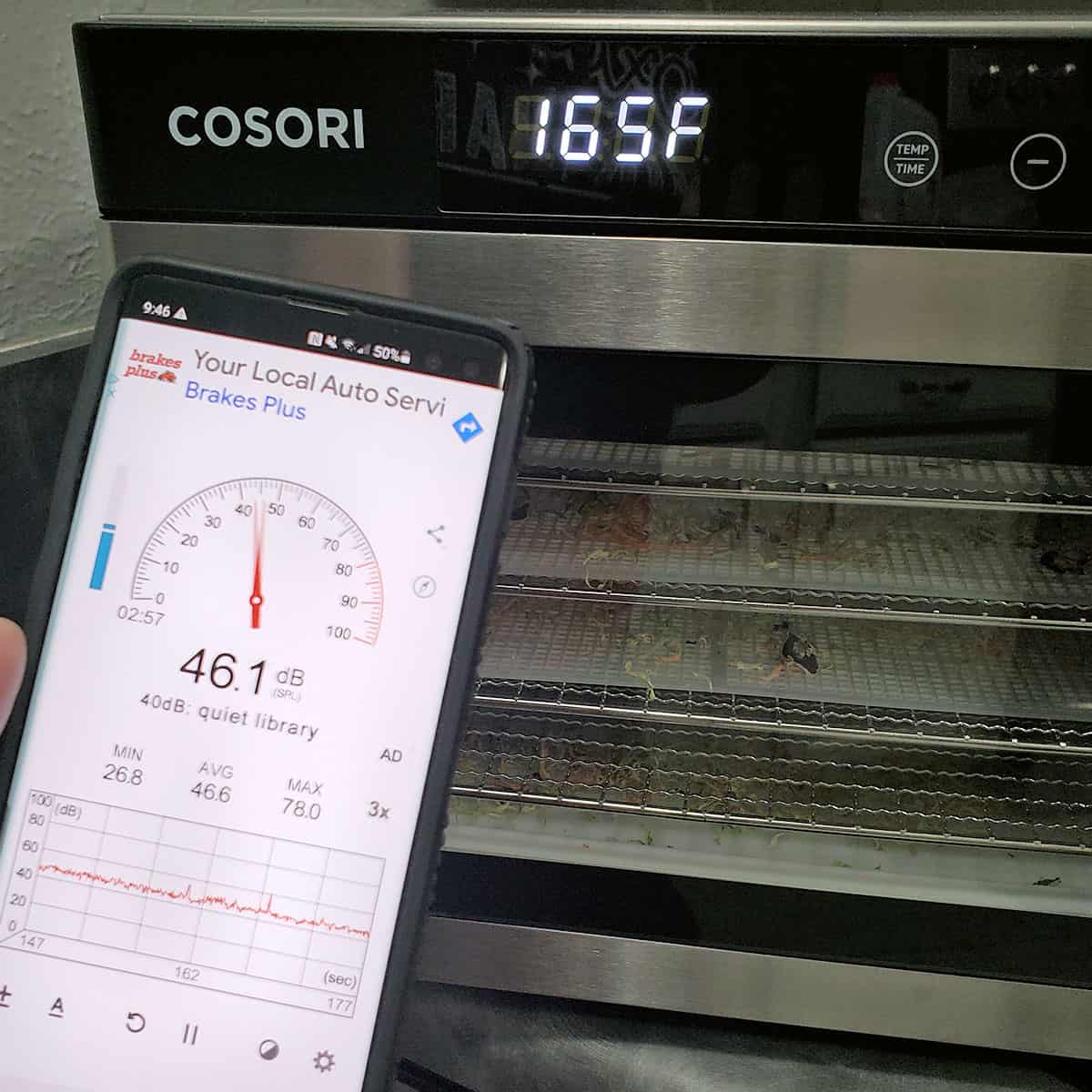
A critical metric for home appliances is noise pollution. Independent decibel testing shows that the Cosori units operate at approximately 48 to 52 decibels. In a residential kitchen environment, this is comparable to the hum of a modern dishwasher or a quiet conversation, making it one of the quietest units in its class. This is a significant improvement over older plastic models that often exceeded 65 decibels.
The Evolution of the Cosori Product Line
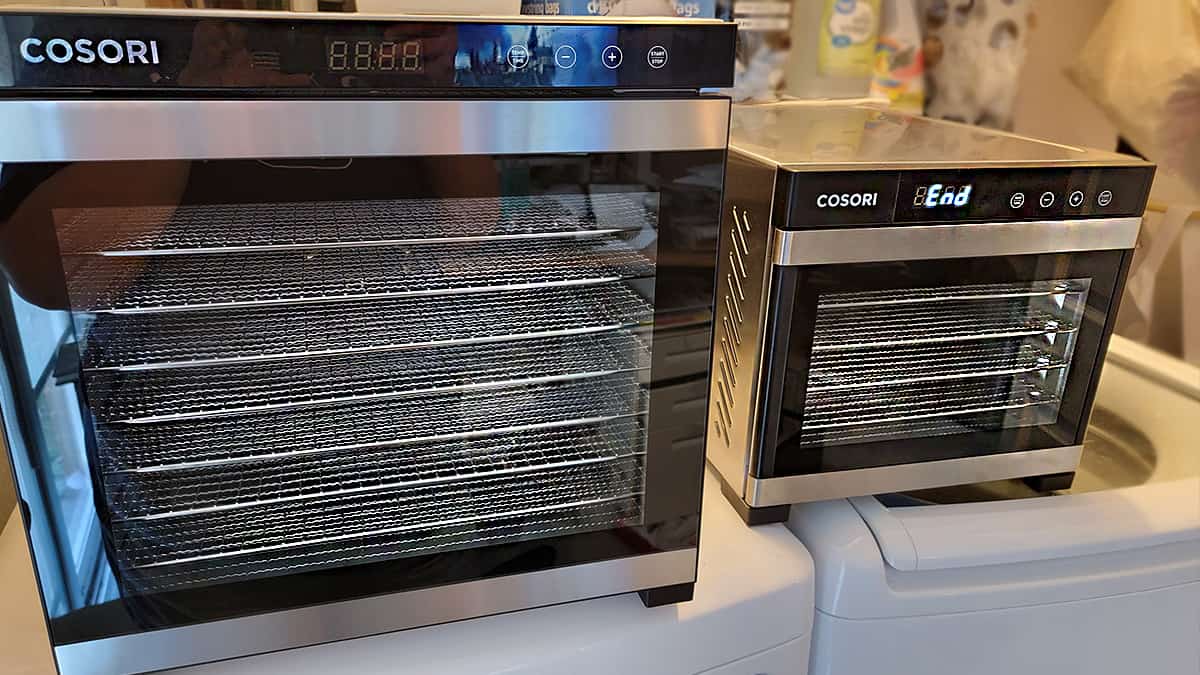
Cosori’s rise in the appliance sector follows a strategic timeline of product diversification. Initially known for its air fryers, the company expanded into food preservation after identifying a gap in the market for affordable, stainless steel, square-format dehydrators.
- Phase 1: Entry into the Market. Cosori introduced the CP267-FD as a durable alternative to the circular, plastic "stackable" dehydrators that had dominated the entry-level market for decades.
- Phase 2: Expansion of Capacity. Following the success of the 6-tray model, the company launched the 10-tray version to cater to gardeners and bulk buyers who required more square footage for seasonal harvests.
- Phase 3: International Distribution. In 2023, Cosori officially expanded its logistical footprint into Canada and parts of Europe, streamlining availability for a global audience that previously had to rely on expensive imports or third-party resellers.
Operational Realities and User Experience
In practical application, the Cosori dehydrators are noted for their ease of use, featuring a digital control panel that allows for 30-minute increment adjustments. However, professional users have identified specific areas where the hardware logic could be improved. A primary critique involves the lack of a "pause" function. Currently, when the door is opened to check the progress of the food, the internal sensors may trigger a reset or continue the countdown without accounting for the heat loss. If the door remains open for an extended period, the user must often manually restart the cycle.
Furthermore, there is a discrepancy between the manufacturer’s manual and the best practices for long-term food storage. While the included recipe books often suggest that dried foods should only be stored for a few weeks, food preservation experts note that when dehydrated correctly—removing 95% or more of moisture—the shelf life can extend to years. This suggests that the company’s documentation is written with a focus on "snack-grade" dehydration rather than "pantry-stocking" preservation.
Maintenance requirements for the units are relatively low. The stainless steel trays are dishwasher safe, though the interior of the unit requires manual wiping. A standard industry recommendation, which Cosori supports in its documentation, is a "dry run" for new machines. This involves running the unit at 160°F for at least 30 minutes before adding food to "burn off" any residual manufacturing oils or factory dust.
Market Comparison and Competitive Analysis
When placed alongside competitors such as Excalibur, Magic Mill, and Ivation, Cosori occupies a "premium-mid" tier. Excalibur units, often considered the gold standard, frequently use plastic housings (BPA-free) and manual dials, whereas Cosori emphasizes a sleek, stainless steel aesthetic and digital precision.
The competitive landscape is currently shaped by "brand engineering," where machines from Ivation and Magic Mill share nearly identical internal components and chassis designs with the Cosori models. The differentiating factor for Cosori has been its robust customer service and marketing presence. Reports from the consumer sector indicate that while electronic "duds" occur across all brands due to the complexities of modern manufacturing in China, Cosori has established a reputation for rapid replacements and responsive technical support.
Economic and Environmental Implications
The move toward home dehydration has broader socio-economic implications. As food inflation continues to impact global markets, the ability to preserve surplus produce or meat purchased at bulk discounts provides a significant financial buffer for households. Dehydration also offers an environmental benefit by reducing food waste. According to the USDA, roughly 30-40% of the food supply in the United States is wasted; home preservation allows consumers to save produce that is near its expiration date, transforming it into shelf-stable ingredients.
Additionally, the shift from plastic to stainless steel in dehydrator construction reflects a growing consumer demand for "forever appliances." Stainless steel is not only more durable and resistant to the "cracking" often seen in aged plastic trays, but it also eliminates concerns regarding chemical leaching at high temperatures.
Safety Protocols and Best Practices
To maximize the lifespan of the machine and ensure food safety, certain protocols must be followed. The manufacturer recommends a two-hour rest period for every 48 hours of continuous operation. This prevents the heating element and the fan motor from premature wear due to thermal fatigue.
For food safety, the following temperature guidelines are standard in the industry:
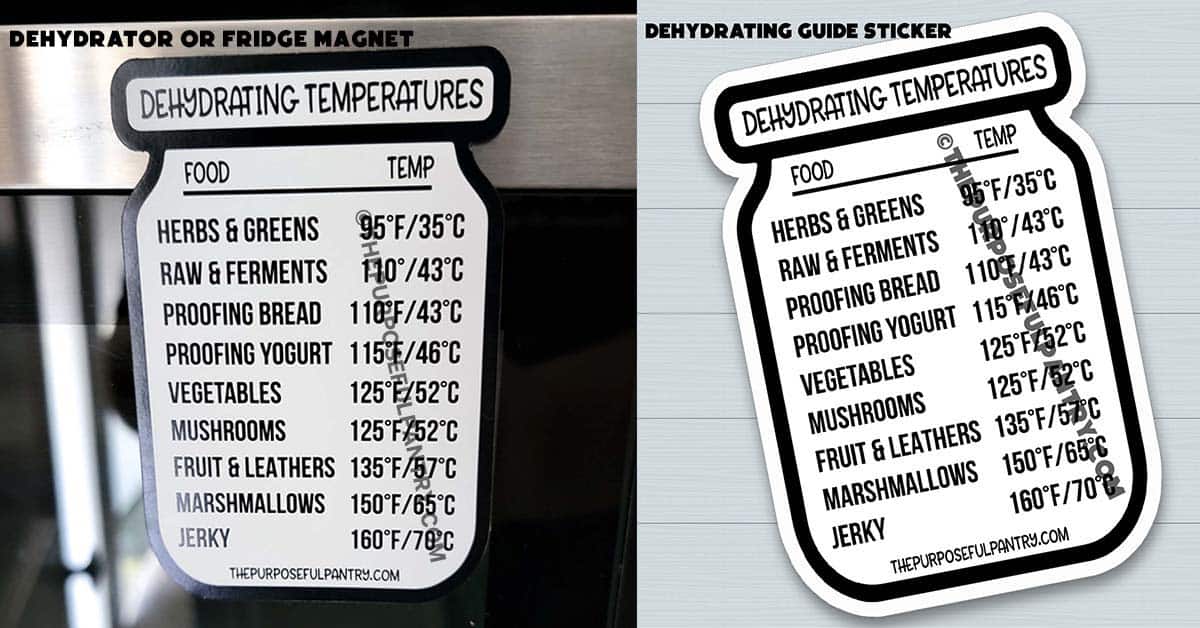
- 95°F – 105°F: Herbs, nuts, and seeds.
- 125°F – 135°F: Vegetables and fruits.
- 160°F – 165°F: Meat, poultry, and fish (to ensure the destruction of pathogens like Salmonella and E. coli).
Users are also cautioned to monitor home humidity levels. High ambient humidity can significantly extend drying times, a factor that is often omitted from simplified drying charts. The consensus among preservationists is that "food is dry when it is dry," meaning visual and tactile checks are more reliable than timer settings.
Conclusion and Outlook
The Cosori food dehydrator series represents a successful fusion of industrial design and consumer accessibility. By providing a quiet, efficient, and aesthetically pleasing machine, the brand has lowered the barrier to entry for food preservation. While minor software limitations—such as the lack of a pause button—and the need for additional accessories like extra mesh liners remain points of contention, the overall value proposition is strong.
As the brand continues to expand its reach into the Canadian and European markets, it is likely to influence further innovations in the space, potentially leading to "smarter" dehydrators with Wi-Fi connectivity or more advanced moisture sensors. For now, the Cosori 6-tray and 10-tray models remain benchmark units for those looking to secure their food supply and explore the versatile world of dehydration. With a standard one-year warranty and a growing community of users, the brand is well-positioned to remain a leader in the kitchen appliance industry for the foreseeable future.