
The global functional beverage market has witnessed a significant shift toward fermented products, with kombucha emerging as a primary driver of consumer interest in probiotic-rich alternatives to traditional soft drinks. As the winter season approaches, the focus on seasonal ingredients has intensified, leading to the development of specific formulations like cranberry orange kombucha. This beverage combines the traditional fermentation of tea with the nutritional density of autumn and winter harvests, offering a unique profile of antioxidants, vitamin C, and probiotics. This report examines the nutritional efficacy, production methodology, and broader market implications of this seasonal fermented beverage.
The Intersection of Tradition and Modern Functional Nutrition
Kombucha, a fermented tea with origins dating back over 2,000 years to Northeast China, is produced through the symbiotic fermentation of sugared tea by a Symbiotic Culture of Bacteria and Yeast (SCOBY). While the base fermentation provides organic acids and probiotics, the "second fermentation" phase has become the focal point for culinary innovation and health optimization.
Cranberries (Vaccinium macrocarpon) and oranges (Citrus × sinensis) represent a strategic pairing in this context. Cranberries are recognized for their high concentration of proanthocyanidins (PACs), which have been clinically studied for their role in preventing urinary tract infections (UTIs) by inhibiting the adhesion of bacteria to the bladder wall. Oranges complement this profile by providing high doses of ascorbic acid (Vitamin C) and limonene, found in the peel, which contributes to immune system support. When integrated into the kombucha fermentation process, these ingredients do not merely flavor the drink; they interact with the live cultures to enhance the bioavailability of various phytonutrients.
Nutritional Profile and Clinical Efficacy
The health implications of cranberry orange kombucha are multifaceted, spanning digestive health, immunology, and specific preventative care.
Probiotic Density and Gut Health
The primary value of any kombucha lies in its microbial diversity. During the fermentation process, the SCOBY produces several strains of lactic acid bacteria and acetic acid bacteria, such as Acetobacter and Gluconacetobacter. These microorganisms contribute to a healthy gut microbiome, which is increasingly linked to systemic health, including mood regulation and immune response.
Antioxidant Capacity
Cranberries are among the highest-ranking fruits in terms of antioxidant content. They contain flavonoids, anthocyanins, and quercetin. In a fermented environment, the acidic nature of the kombucha can help stabilize these pigments, ensuring that the finished beverage retains a high Oxygen Radical Absorbance Capacity (ORAC).
Prevention of Urinary Tract Infections
A critical component of cranberry research involves its impact on urogenital health. Human intervention trials have demonstrated that the regular consumption of cranberry products can reduce the recurrence of UTIs in specific populations. By infusing these properties into a low-sugar, fermented medium, producers offer a health-conscious alternative to commercial cranberry juices, which are often criticized for their high high-fructose corn syrup content.
Technical Methodology: The Chronology of Production
The production of high-quality cranberry orange kombucha requires a two-stage fermentation process. The following chronology outlines the standard operating procedure for achieving optimal carbonation and flavor extraction.

Phase I: The Primary Fermentation
The process begins with a base of black or green tea, steeped and sweetened with cane sugar. The SCOBY is introduced once the liquid has cooled to room temperature. This phase typically lasts between seven and 21 days, depending on ambient temperature and desired acidity. During this time, the yeast converts sugar into ethanol, and the bacteria convert that ethanol into acetic and other organic acids.
Phase II: Preparation of the Flavoring Medium
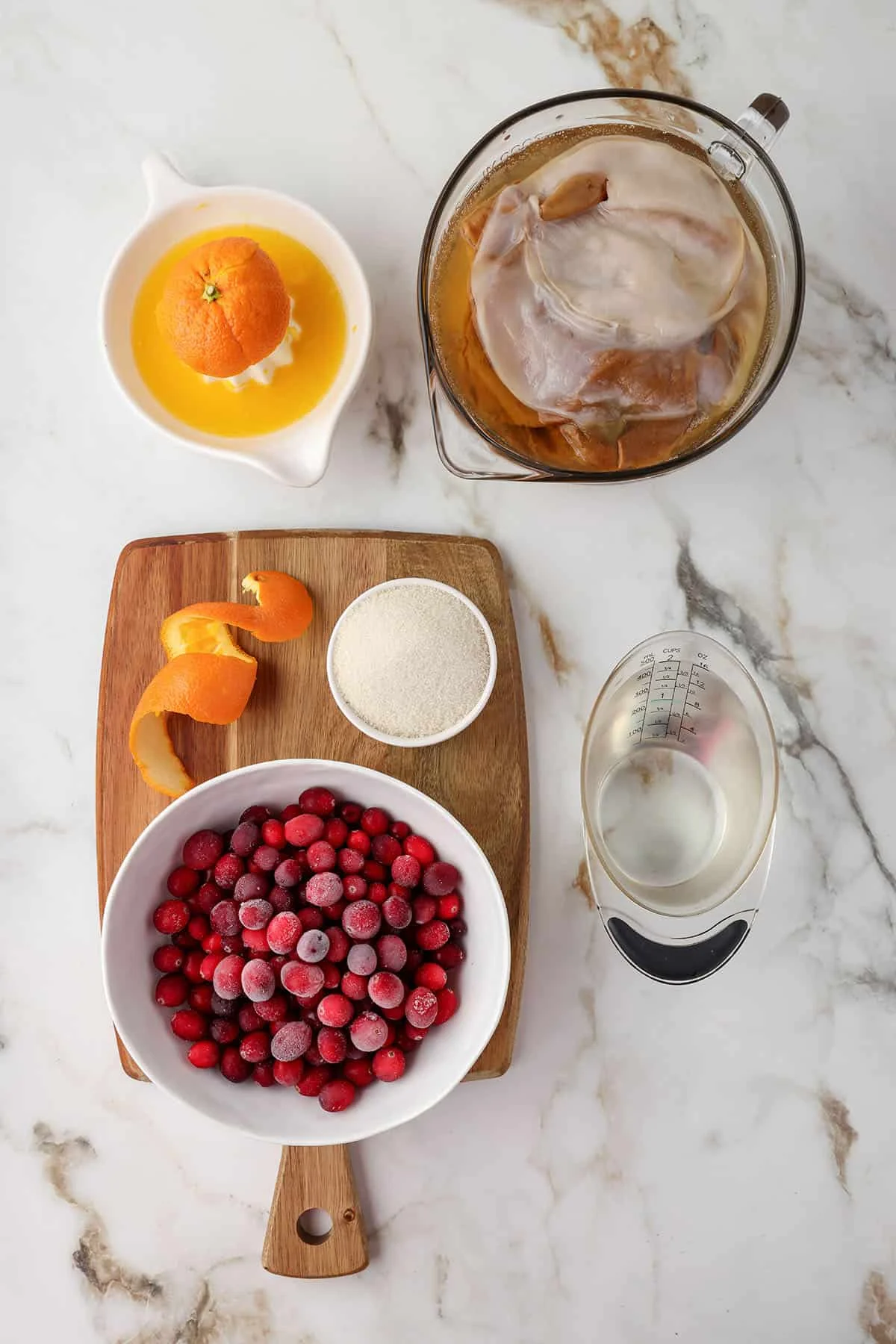
To ensure a consistent and deep flavor profile, a concentrated syrup is prepared. This involves:
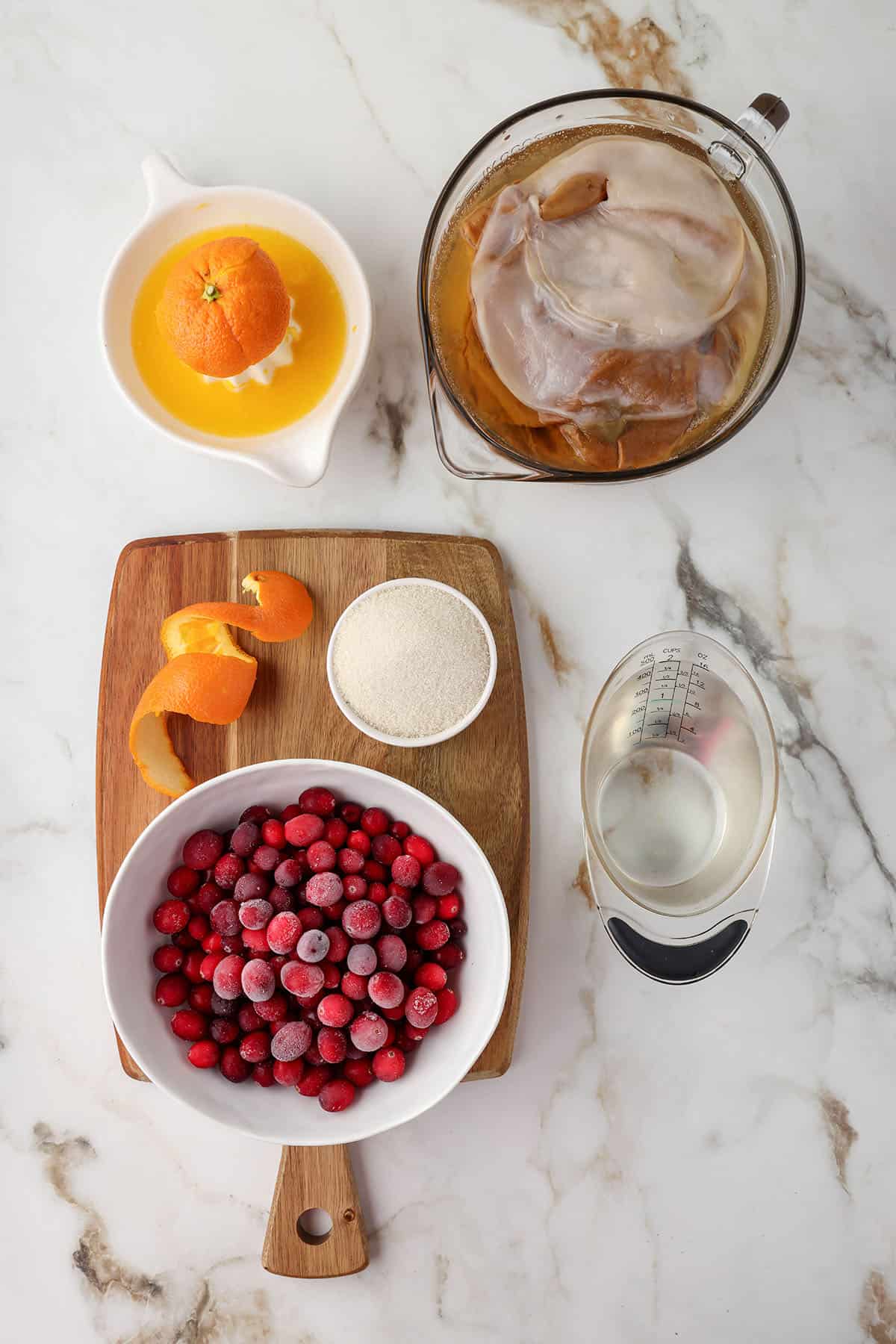
- Extraction: Combining whole cranberries (fresh or frozen), organic cane sugar, and fresh orange juice with orange peel.
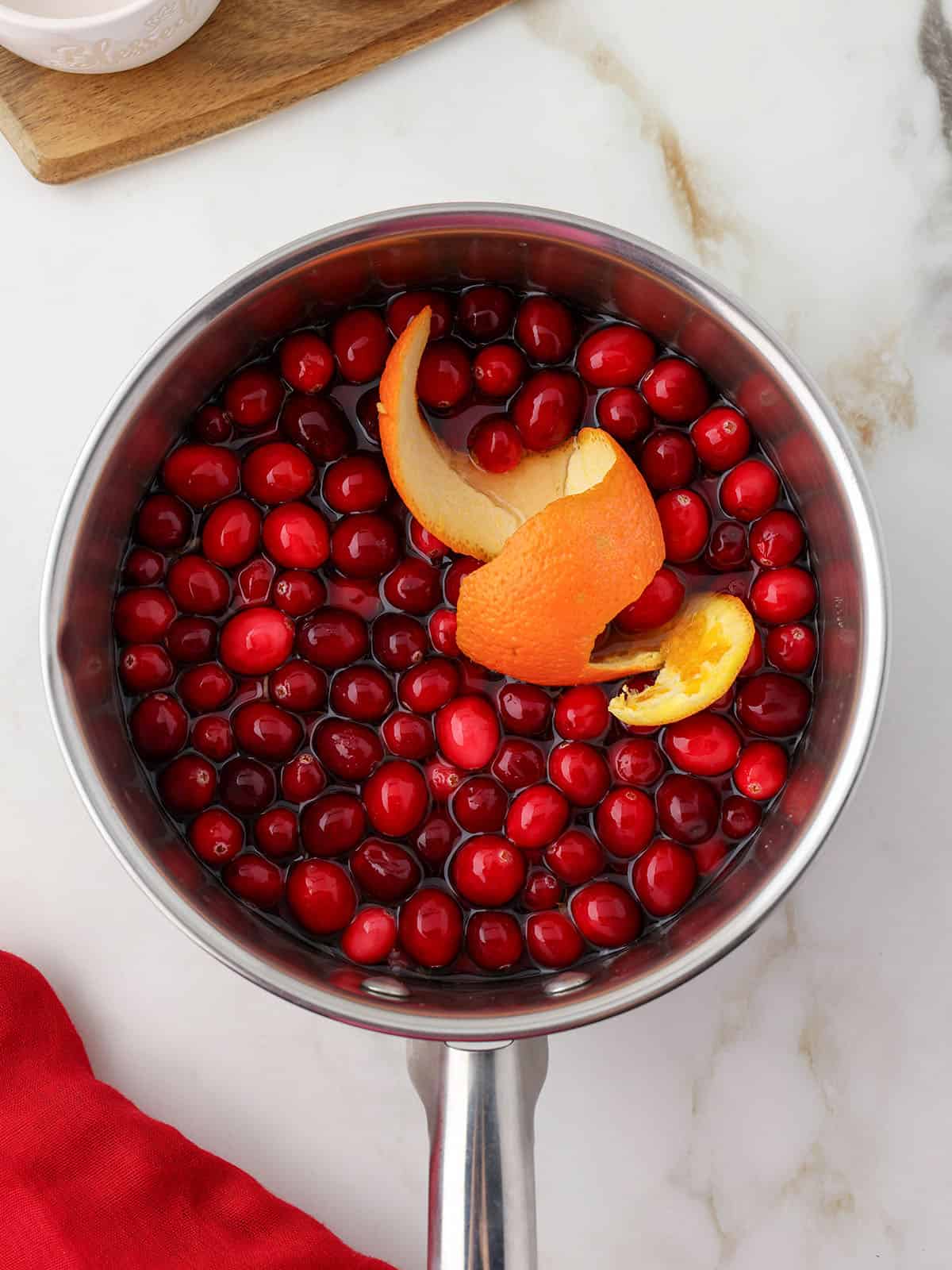
- Thermal Processing: The mixture is simmered to break down the cellular structure of the cranberries, allowing for the release of pectin and juice.
- Infusion: The mixture is mashed and allowed to rest, ensuring that the volatile oils from the orange peel are fully integrated.
- Filtration: The syrup is strained through a fine-mesh sieve or cheesecloth to remove solids, resulting in a clear, nutrient-dense liquid.
Phase III: The Secondary Fermentation
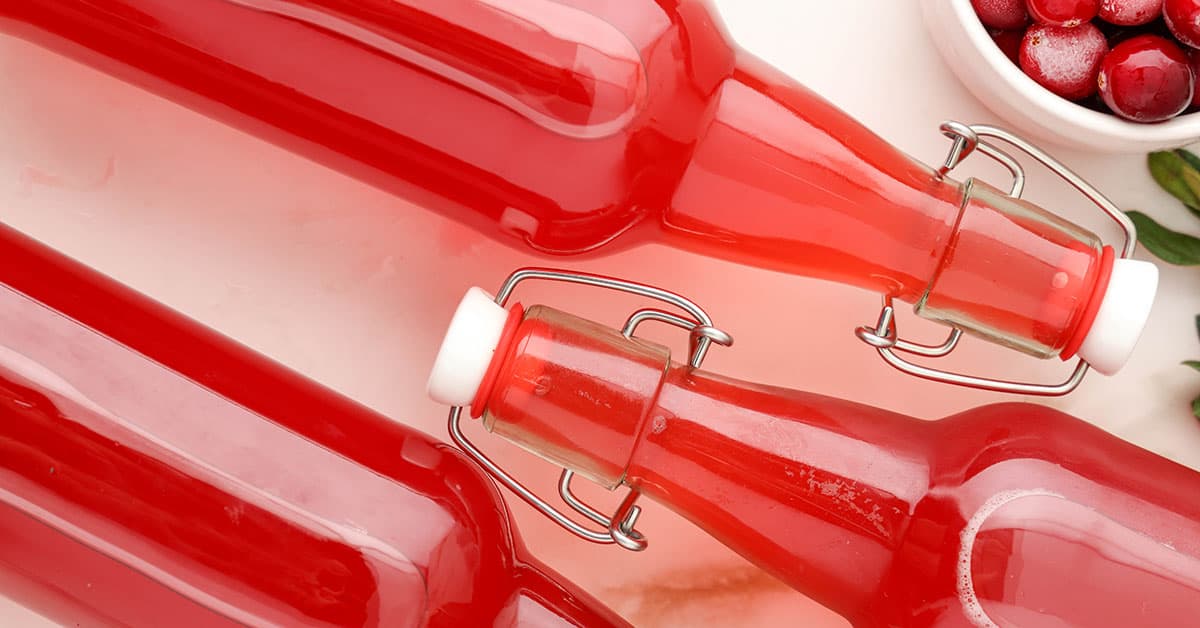
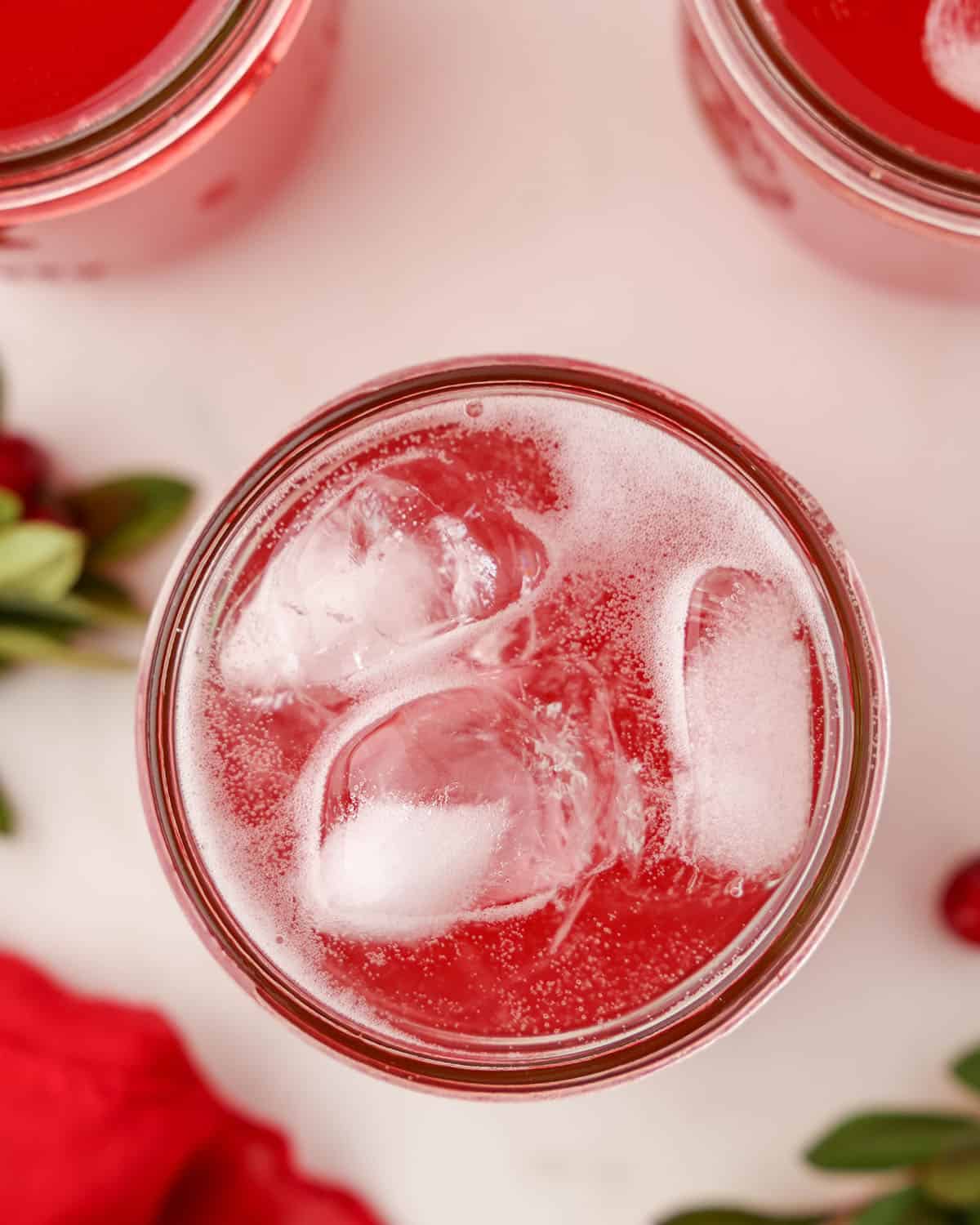
The finished base kombucha is blended with the cranberry-orange concentrate. This mixture is then transferred to anaerobic (oxygen-free) environments, typically pressure-rated swing-top bottles. This stage is crucial for carbonation. The residual yeasts from the primary ferment consume the sugars in the fruit syrup, producing carbon dioxide. Because the bottles are sealed, the CO2 is forced into the liquid, creating the characteristic "fizz."
Market Trends and Economic Impact
The rise of artisanal and home-brewed fermented beverages reflects a broader economic trend toward "functional wellness." Market analysts suggest that the global kombucha market, valued at approximately $2.64 billion in 2022, is projected to expand at a compound annual growth rate (CAGR) of 15.6% through 2030.

Seasonal Demand and Sourcing
The demand for cranberry-based products peaks during the fourth quarter, coinciding with the North American harvest in states like Wisconsin and Massachusetts. The ability to use frozen cranberries allows for year-round production, but seasonal marketing remains a powerful tool for small-scale producers.
The Shift from Sugar-Laden Beverages
Public health initiatives aimed at reducing sugar consumption have positioned kombucha as a formidable competitor to the soda industry. While sugar is a necessary reactant in fermentation, the majority of it is metabolized by the bacteria and yeast. The resulting beverage provides a complex flavor profile—tart, sweet, and effervescent—with a fraction of the caloric load of traditional soft drinks.

Environmental and Sustainability Considerations
The production of cranberry orange kombucha also touches upon environmental sustainability. Cranberry farming, while water-intensive, is a long-standing agricultural tradition in temperate peatlands. By utilizing "seconds" or frozen surplus, fermenters can reduce food waste. Furthermore, the use of reusable glass swing-top bottles for the second fermentation aligns with zero-waste principles, reducing the reliance on single-use plastics and aluminum cans.
The byproduct of the process—the cranberry pulp—offers further utility. Rich in pectin and fiber, this pulp is often repurposed into fruit spreads or "refrigerator jams," embodying a "nose-to-tail" approach to fruit processing.
Broader Impact and Public Response
The reception of seasonal ferments has been overwhelmingly positive among health-conscious demographics. Nutritionists often point to these beverages as a "bridge" for individuals looking to transition away from processed snacks during the holiday season. The presence of organic acids, such as glucuronic acid, is frequently cited in anecdotal reports as a digestive aid after heavy, festive meals.
While the medical community maintains that kombucha should not be viewed as a "cure-all," the consensus remains that it is a healthy addition to a balanced diet. The integration of cranberries adds a layer of clinical relevance that few other flavorings can match.
Conclusion and Future Outlook
Cranberry orange kombucha represents a sophisticated intersection of traditional preservation techniques and modern nutritional science. By leveraging the biochemical process of the second fermentation, producers are able to create a beverage that is not only palatable and festive but also serves as a delivery vehicle for essential vitamins, antioxidants, and probiotics.
As the functional beverage industry continues to evolve, the emphasis on whole-food ingredients and transparent production methods will likely increase. The cranberry orange variant serves as a blueprint for how seasonal agriculture can be integrated into the burgeoning world of fermented health products. For the consumer, it offers a scientifically backed method to support gut health and immunity during the winter months, proving that traditional fermentation remains a vital tool in the modern nutritional landscape.


