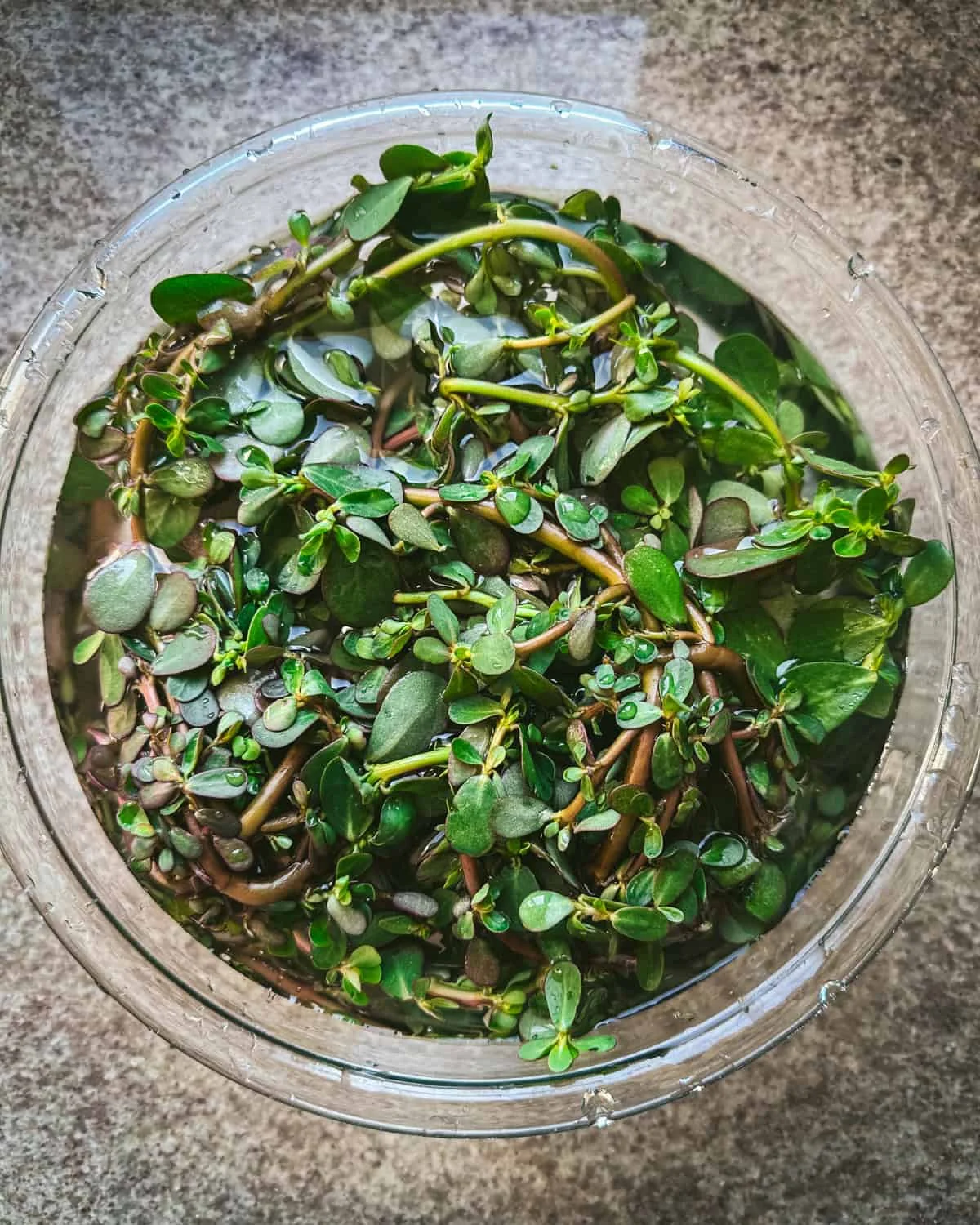
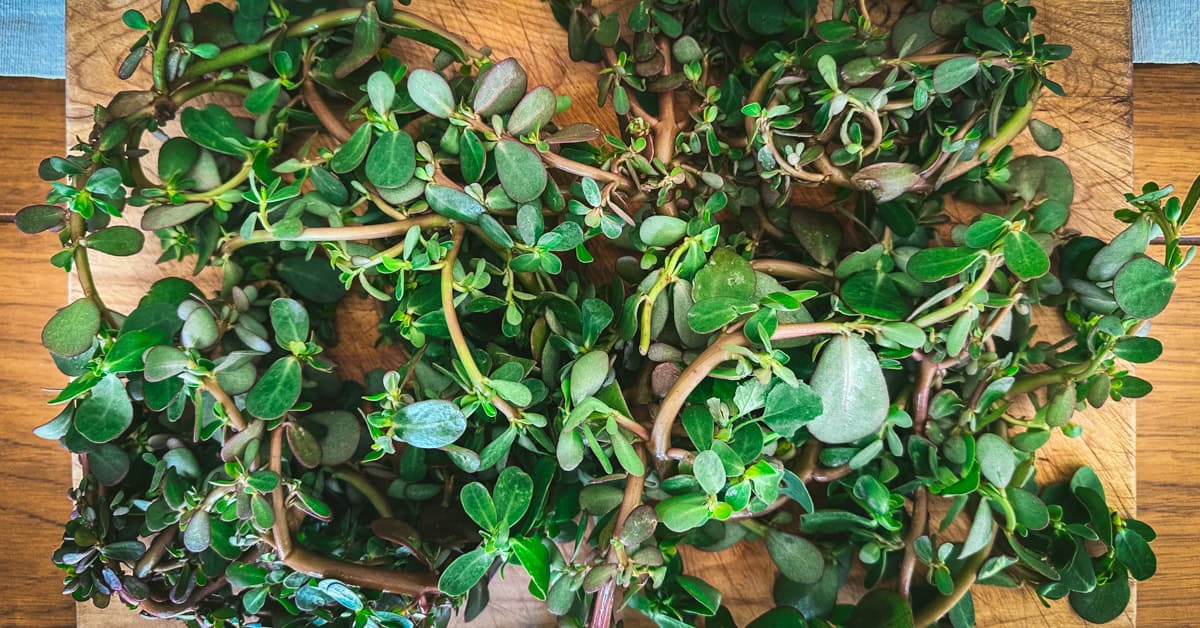
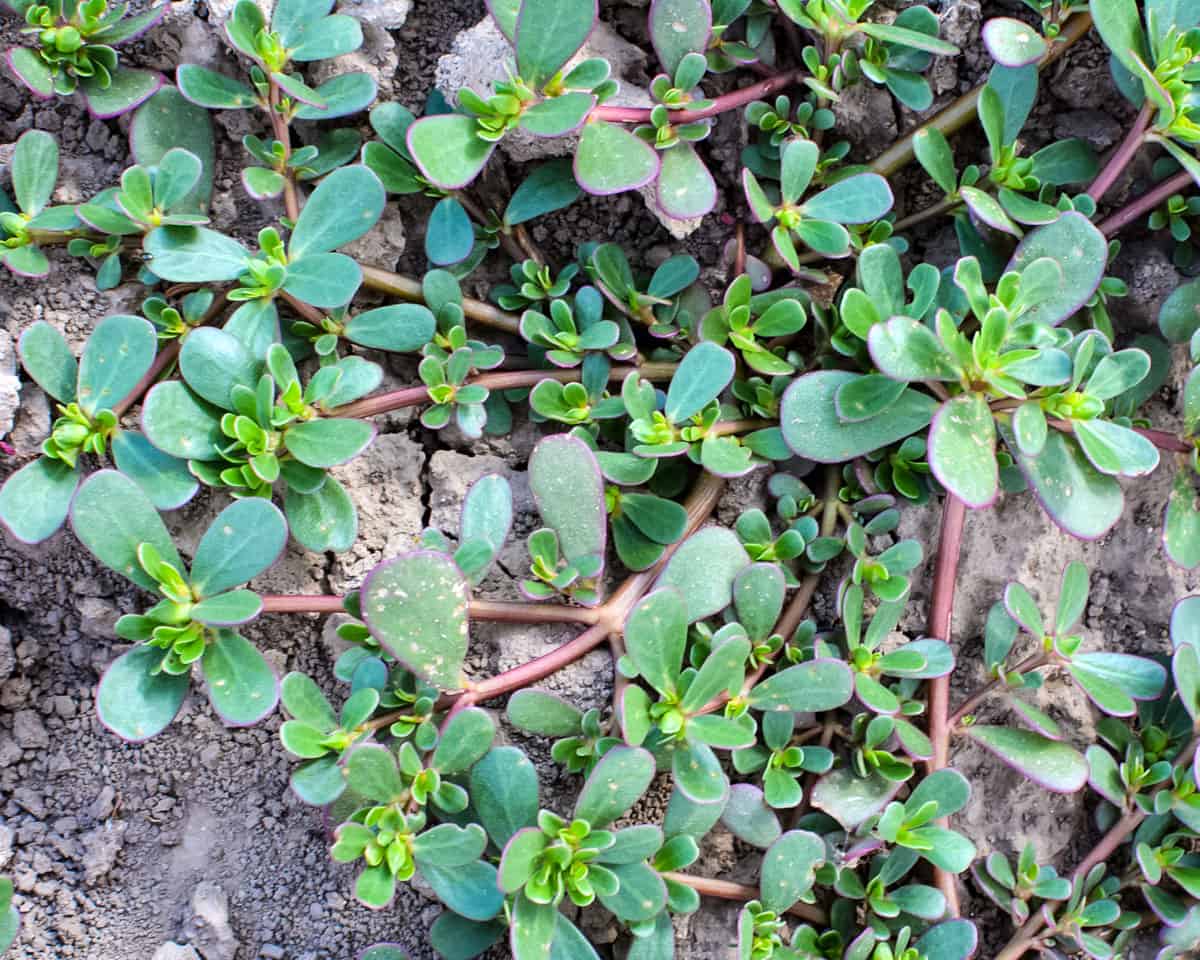
Purslane, scientifically classified as Portulaca oleracea, has transitioned from being a common garden nuisance to a recognized "superfood" in contemporary culinary circles, prized for its exceptional nutritional profile and its versatile application in traditional Mexican and Mediterranean diets. Often found thriving in the nutrient-poor soil of sidewalk cracks or as a volunteer in well-tended vegetable patches, this succulent-like annual is now the subject of increasing interest among nutritionists and sustainable food advocates. The plant is characterized by its smooth, reddish stems and fleshy, paddle-shaped leaves, offering a flavor profile that is notably crisp, slightly salty, and finished with a citrusy tang. While many homeowners in North America have historically viewed purslane as a weed to be eradicated, it remains a staple vegetable in Mexico, where it is known as verdolagas, and is frequently featured in open-air markets from Oaxaca to Mexico City.
Botanical Profile and Ecological Resilience
The resilience of Portulaca oleracea is a primary factor in its global distribution, as it is one of the few plants capable of utilizing both C4 and CAM (Crassulacean Acid Metabolism) photosynthetic pathways. This biological adaptability allows the plant to remain productive during periods of extreme drought and high temperatures, making it an ecologically significant crop in the face of shifting global climates. Botanists note that purslane’s ability to thrive in disturbed soils—often referred to as "pioneer" behavior—allows it to colonize areas where more delicate cultivated greens would fail.
The plant’s growth habit is prostrate, meaning it spreads horizontally across the ground, creating a dense mat that helps retain soil moisture. This physical structure, combined with its rapid growth cycle, has led to its classification as a cosmopolitan species, found on every continent except Antarctica. Despite its hardy nature, culinary experts emphasize that foraged purslane is best harvested when the stems are young and tender, as older plants can become woody and overly mucilaginous.
Nutritional Superiority: A Data-Driven Analysis
Scientific research into the chemical composition of purslane has revealed that it possesses a higher concentration of alpha-linolenic acid (an essential omega-3 fatty acid) than almost any other leafy green vegetable. Data published in the Journal of the American College of Nutrition indicates that purslane contains five to seven times more omega-3s than spinach. Specifically, a 100-gram serving of fresh purslane leaves provides approximately 300 to 400 mg of alpha-linolenic acid.
Beyond its fatty acid content, purslane is a significant source of vitamins and minerals. It is particularly rich in:
- Vitamin A: Crucial for ocular health and immune function, provided in the form of beta-carotene.
- Vitamin C: A powerful antioxidant that supports tissue repair.
- Vitamin E: Purslane contains high levels of alpha-tocopherol, which protects cell membranes from oxidative damage.
- Minerals: It provides substantial amounts of magnesium, calcium, potassium, and manganese.
Nutritionists point out that the plant also contains two types of betalain alkaloid pigments—the reddish betacyanins and the yellow betaxanthins—both of which are known for their antioxidant and antimutagenic properties. This dense concentration of micronutrients has led researchers to describe purslane as a "power food" that could play a role in addressing nutritional deficiencies in various populations.
Historical Context and Cultural Significance
The history of purslane consumption spans millennia, with records of its use dating back to ancient Egypt and the Roman Empire. Pliny the Elder, the Roman naturalist, recommended the plant as an amulet to ward off evil, though its primary use was medicinal and culinary. In traditional Chinese medicine, purslane—known as ma chi xian—has been used for centuries to treat gastrointestinal distress and inflammatory conditions.
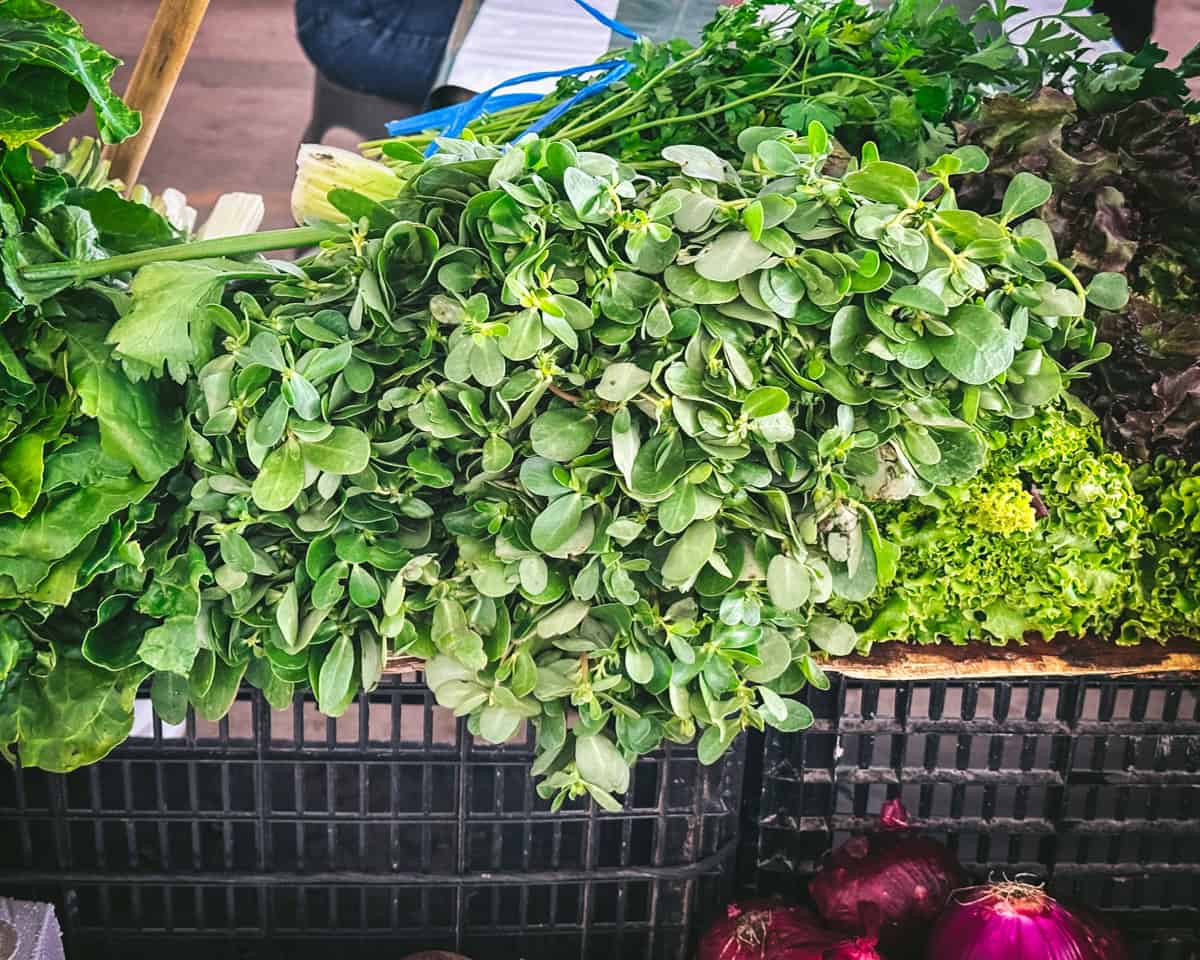
In the Western Hemisphere, the plant’s cultural epicenter is Mexico. The term verdolagas refers not just to the plant itself, but to a category of traditional home-style cooking (comida casera). Historically, it was a food of the rural working class, valued for its ability to grow without cultivation. Over time, it integrated into the broader Mexican culinary identity. It is traditionally simmered in green salsas with pork (espaldilla), folded into scrambled eggs for breakfast, or sautéed as a simple side dish to accompany beans and tortillas. In the United States and Europe, a "foraging renaissance" over the last decade has seen purslane move from the cracks of the pavement to the menus of Michelin-starred restaurants, where chefs utilize its unique texture to add "pop" and acidity to modern dishes.
The Sautéed Purslane Method: A Technical Guide
While purslane can be consumed raw in salads or blended into smoothies, cooking the plant helps to mellow its tartness and softens the succulent leaves into a tender consistency similar to spinach or Swiss chard. The sautéing method is the most efficient way to preserve the plant’s nutritional integrity while enhancing its natural flavors with aromatics.

Ingredient Specifications
- Purslane: One large bunch (approx. 4–6 cups), thoroughly cleaned.
- Lipid: Organic extra virgin olive oil is preferred for its smoke point and flavor, though avocado oil or lard (in traditional Mexican preparations) are viable alternatives.
- Aromatics: One medium red onion, thinly sliced, and three to four cloves of garlic, sliced into slivers to prevent burning.
- Acid: Freshly squeezed lemon or lime juice to brighten the earthy notes of the green.
- Seasoning: Coarse sea salt to taste.
Step-by-Step Chronology of Preparation
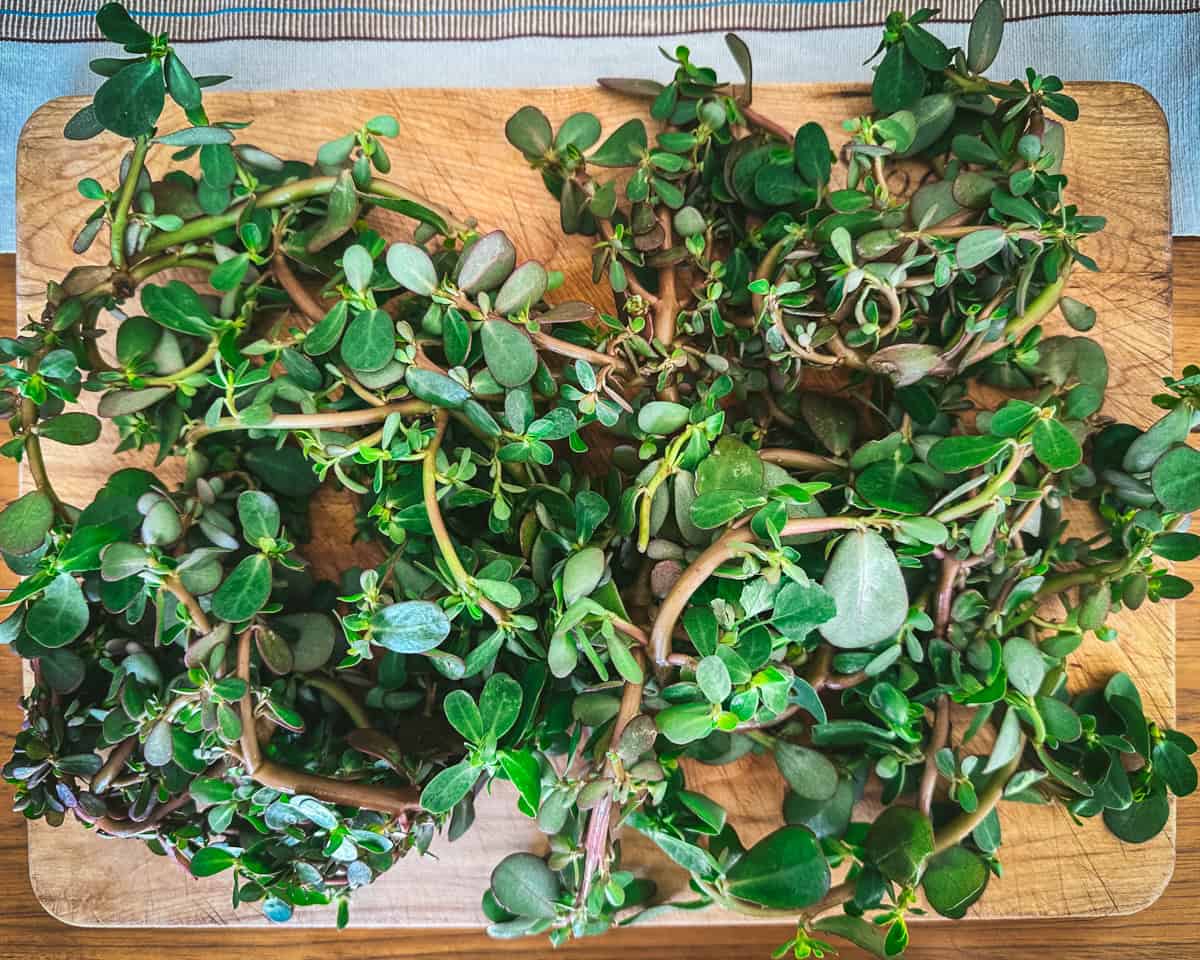
- Sanitization: Because purslane grows close to the ground, it often traps grit. The greens must be soaked in a basin of cold water for 10 minutes, allowing dirt to settle at the bottom.
- Fabrication: The plants should be roughly chopped into two-inch segments. While the stems are edible and provide a pleasant crunch, any thick, fibrous, or excessively woody base stems should be discarded.
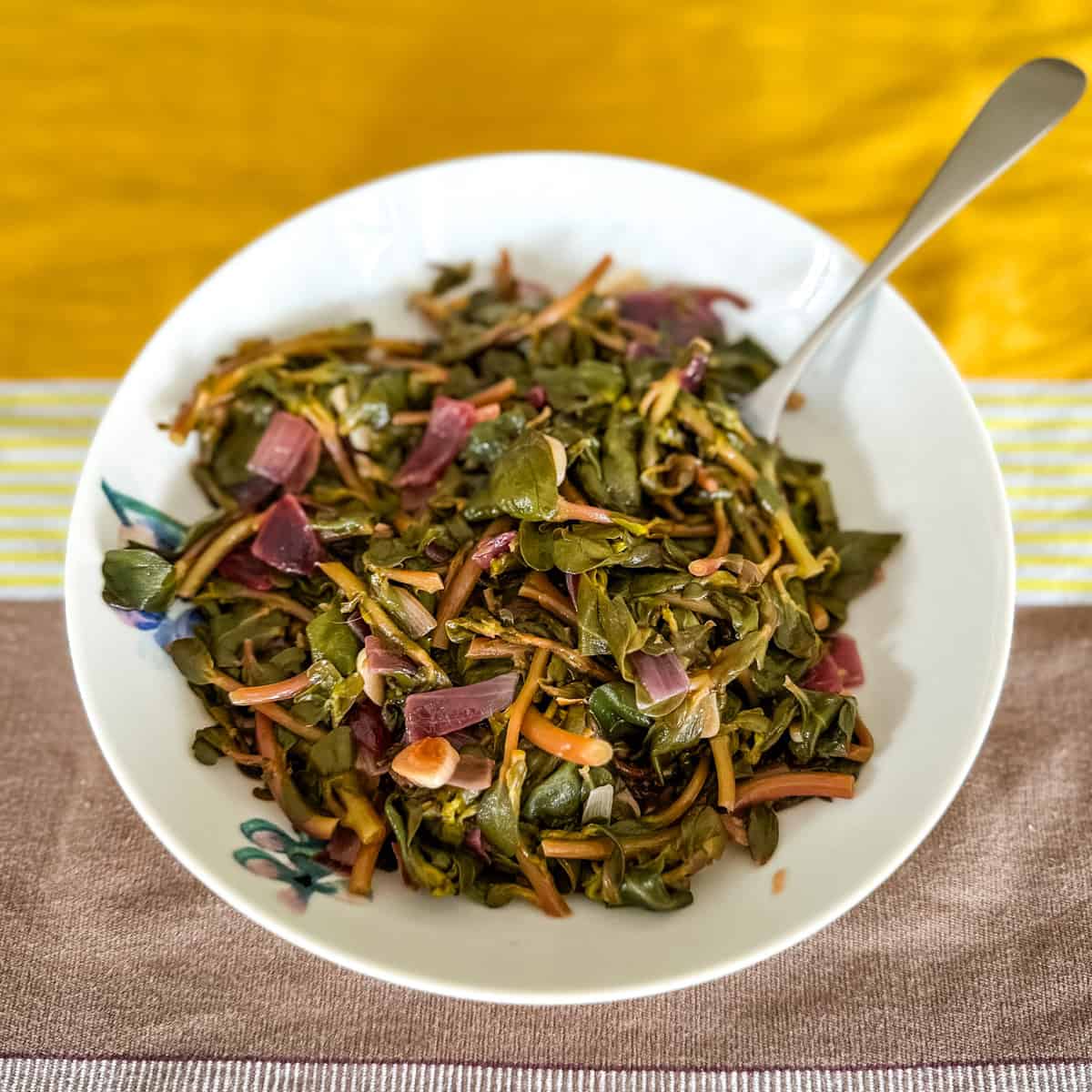
- The Sauté: Heat the oil in a large skillet over medium heat. The aromatics (onions and garlic) are added first, cooked for approximately three minutes until the onions become translucent and the garlic releases its fragrance without browning.
- Wilting: The purslane is added to the pan and tossed with the aromatics. Covering the pan for five to six minutes allows the steam to soften the succulent leaves. The volume of the greens will reduce significantly during this stage.
- Finishing: Once the purslane is tender, the lemon juice is folded in. This acidity is crucial, as it balances the slight mucilaginous quality inherent in succulents.
Foraging Ethics and Safety Protocols
As the popularity of foraged foods grows, experts in ethnobotany emphasize the importance of safety and environmental ethics. Foragers must be able to positively identify Portulaca oleracea to avoid toxic lookalikes, most notably Hairy Spurge (Euphorbia maculata). Spurge grows in similar environments but can be distinguished by its thinner stems, which exude a milky white sap when broken—a substance that is irritating to the skin and toxic if ingested. Purslane stems, by contrast, are thick, succulent, and contain clear sap.
Furthermore, because purslane is a "dynamic accumulator," it can absorb heavy metals and toxins from the soil. Foragers are cautioned against harvesting from areas near high-traffic roads, industrial sites, or lawns that have been treated with chemical pesticides or herbicides. Experts recommend "clean foraging" in private gardens where the soil history is known or purchasing from organic farmers who treat purslane as a specialty crop.

Economic and Environmental Implications
The promotion of purslane as a viable food source carries broader implications for global food security. As traditional crops face challenges from rising temperatures and water scarcity, the agricultural community is looking toward drought-tolerant, "neglected and underutilized species" (NUS) to diversify the food supply.
Agricultural economists suggest that integrating purslane into commercial production could provide a low-input, high-yield vegetable option that requires minimal irrigation compared to lettuce or spinach. Moreover, its role in "edible landscaping" and urban agriculture allows city dwellers to access fresh, nutrient-dense produce with zero "food miles."
Conclusion: A Paradigm Shift in Consumption
The reappraisal of sautéed purslane represents a significant shift in how modern society views "weeds." By recognizing the culinary value and nutritional density of Portulaca oleracea, consumers are participating in a movement that honors traditional Mexican heritage while embracing sustainable, resilient food systems. Whether served alongside huevos con verdolagas for breakfast or as a sophisticated side dish with grilled proteins, purslane stands as a testament to the idea that some of the world’s most valuable resources are often those we have spent the most time trying to overlook. As culinary boundaries continue to expand, this humble succulent is poised to remain a permanent fixture in the global pantry, bridging the gap between wild foraging and mainstream gastronomy.