
The crisp beauty of winter has been artfully captured in a stunning new cake decorating tutorial, "Winter Wonderland Snowflake Cake," presented by the acclaimed Cakegirls, Mary and Brenda Maher. This exquisite creation, designed to be the centerpiece of any holiday gathering, draws inspiration directly from the serene and magical atmosphere of a snow-covered landscape. The tutorial, published on TheCakeBlog.com, offers a step-by-step guide to crafting a visually arresting and delicious dessert that evokes the charm of a snow globe.
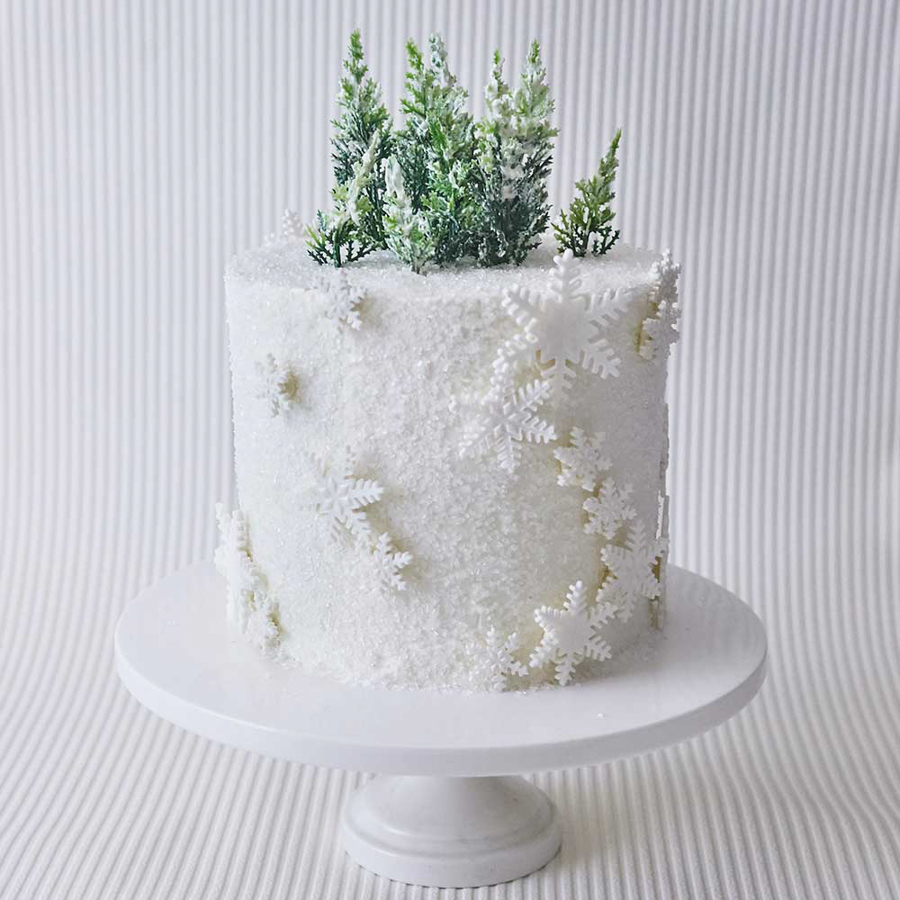
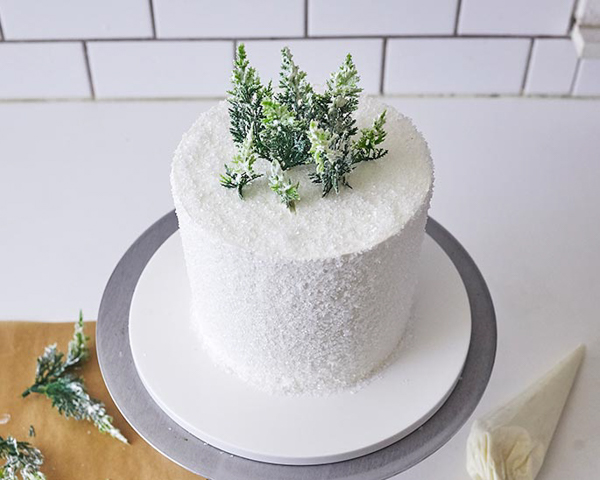
The genesis of this design, as explained by the Cakegirls, stemmed from a desire to create a "show-stopping" cake that was both elegant and achievable. Their inspiration struck during a contemplative walk through Chicago, where the urban environment transformed into a glistening tableau of white. The sight of snow-dusted streets and frosted trees ignited the concept for a cake that mirrored this natural splendor. The resulting "Winter Wonderland Cake" is characterized by its sparkle-coated layers, adorned with delicate fondant snowflakes and whimsical frosted trees, embodying the essence of a serene winter scene.
A Masterpiece of Edible Artistry
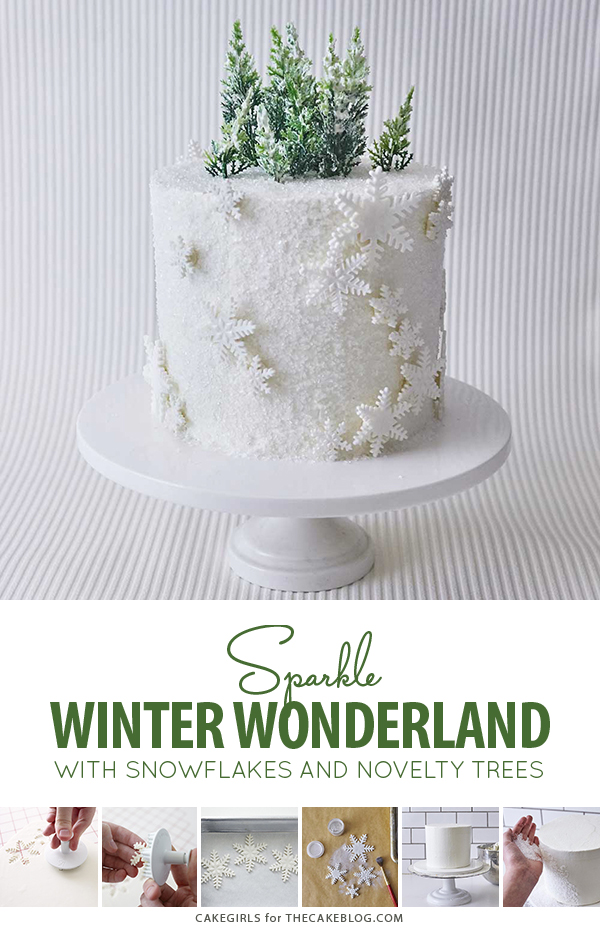
At its core, the "Winter Wonderland Snowflake Cake" relies on foundational cake decorating techniques elevated by thoughtful thematic elements. The tutorial emphasizes the importance of a simple snowflake cutter, described as an essential tool for any aspiring cake decorator. This fundamental element, combined with the strategic application of sparkly sugar and miniature decorative trees, forms the basis of the cake’s captivating aesthetic.
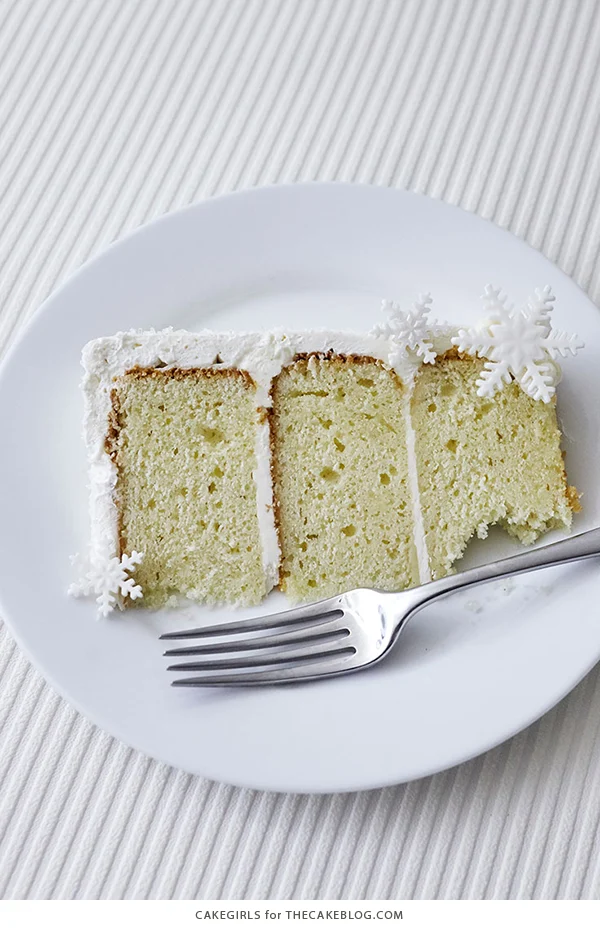
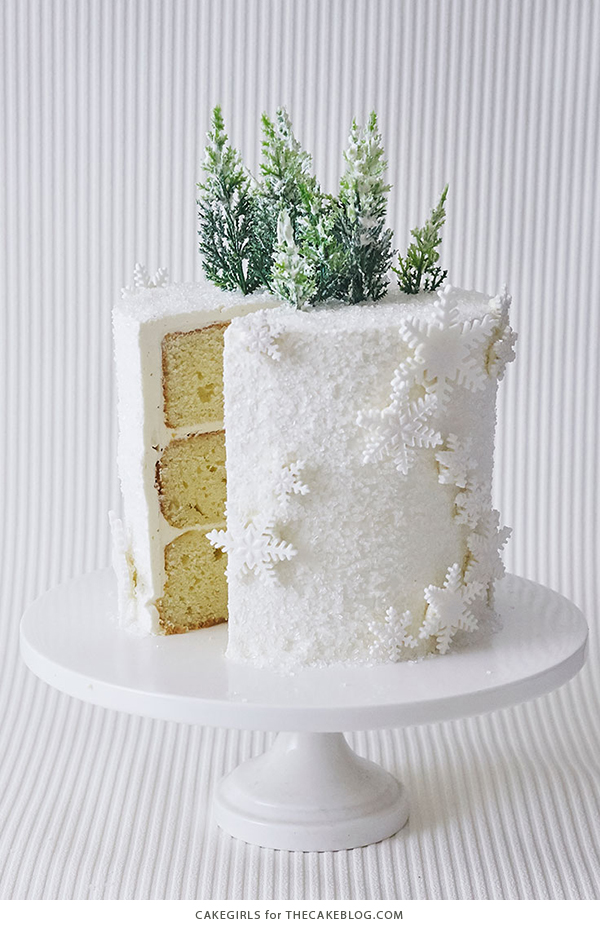
The Cakegirls opted for a classic vanilla cake paired with Swiss meringue buttercream to achieve an interior that complements the pristine white exterior. However, they also suggest creative flavor variations, noting that an eggnog-infused cake or a Champagne Mimosa cake would offer delightful alternatives, further enhancing the festive spirit of the dessert. To construct the cake, the tutorial specifies the need for three 6-inch round cake layers and one batch of buttercream. For larger creations, a proportional increase in decorative sugar is advised, with approximately two jars of white crystal sugar recommended for a larger cake.
The Crafting Process: A Detailed Timeline
The tutorial meticulously breaks down the creation process into manageable steps, allowing decorators of all skill levels to replicate the design.
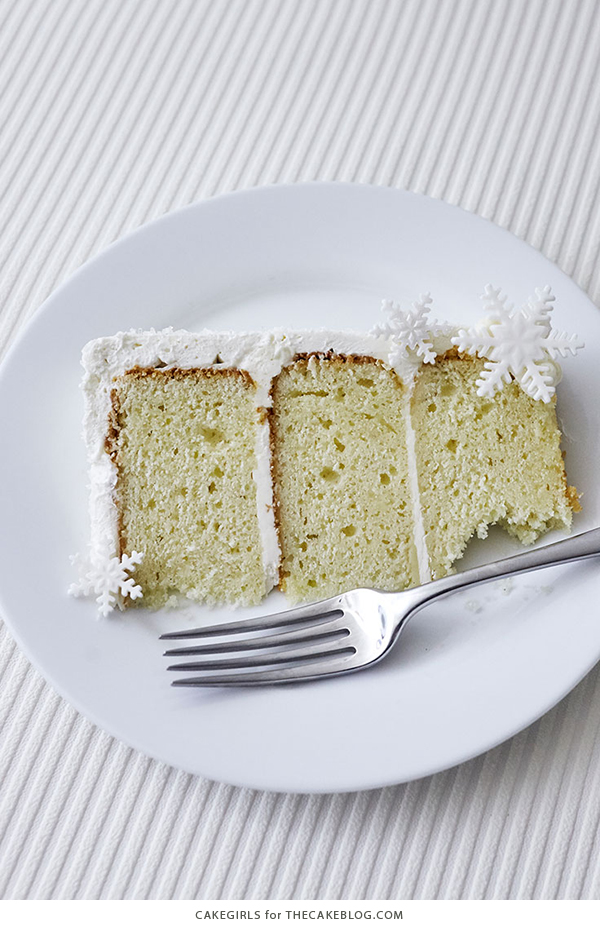
Day Before: Crafting the Delicate Snowflakes
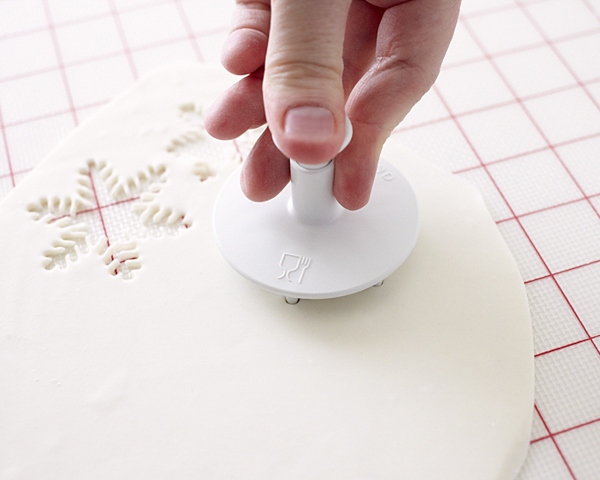
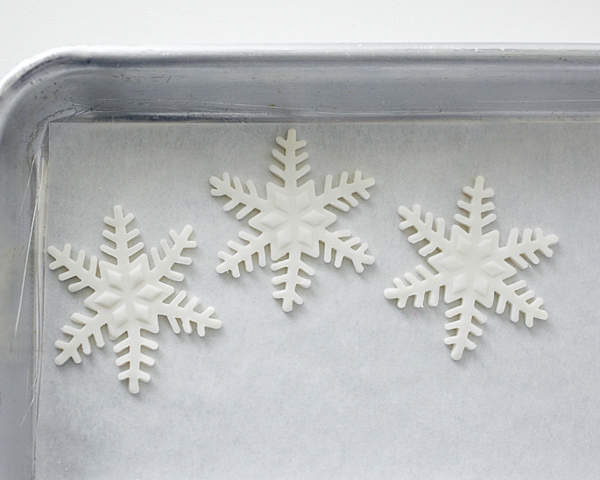
The initial phase of preparation involves the creation of the cake’s signature snowflakes. This requires rolling out white fondant to a very thin consistency, ideally between 1/16th and 1/4 inch thick, on a surface lightly dusted with powdered sugar. Snowflake cutters of various sizes are then used to imprint the delicate shapes. These freshly cut snowflakes are then carefully placed on a parchment-lined tray to dry. The Cakegirls advise making an abundance of snowflakes, acknowledging that some may break during the process.
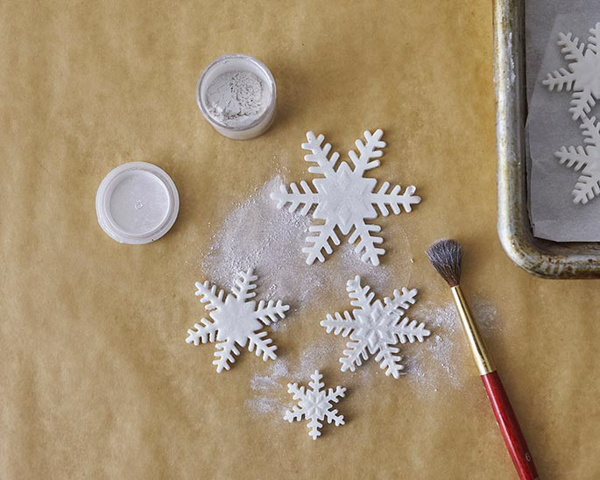
Following the cutting and drying of the fondant snowflakes, the next crucial step is to imbue them with a shimmering, ethereal quality. This is achieved by brushing them with a "Super Pearl" luster dust. Notably, the tutorial specifies that this application requires no liquid, allowing the dust to adhere directly to the fondant. This particular luster dust is intended for purely decorative purposes, meaning the snowflakes are meant to be removed before serving. For those who wish for their snowflakes to be edible, the tutorial suggests either omitting the luster dust or opting for an FDA-approved edible variety.
The Day Of: Assembling the Wintery Landscape

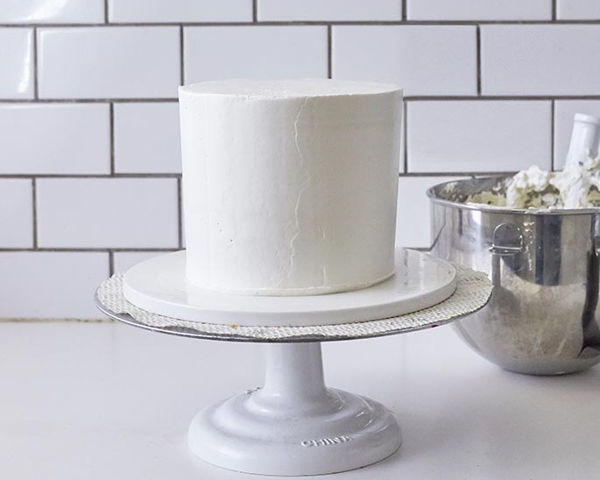
On the day of assembly, the focus shifts to preparing and decorating the cake itself. The three 6-inch round cake layers are iced with buttercream, aiming for the smoothest possible finish. The cake is then chilled in the refrigerator for approximately one hour to ensure the buttercream is thoroughly firm. This firm base is essential for the subsequent application of the decorative sugar.
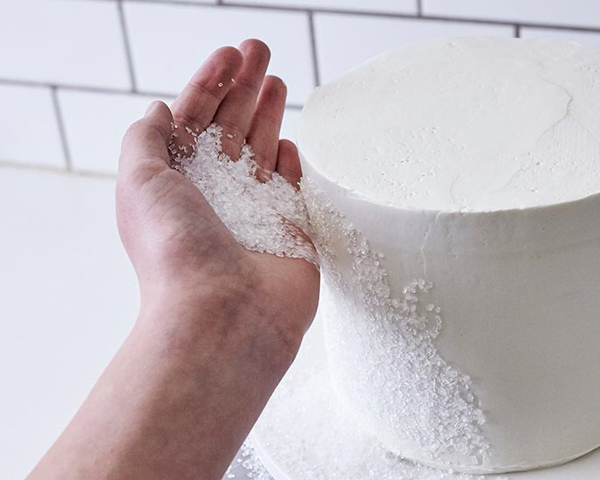
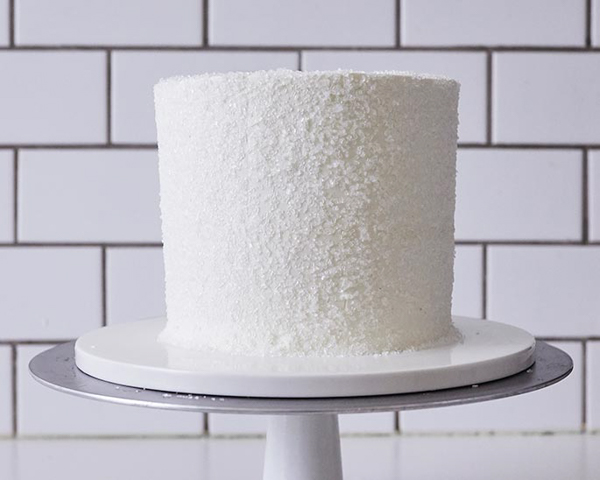
To achieve the frosted appearance, white sugar crystals are poured into the palm of the hand. The decorator then gently runs their hand up the sides of the chilled cake, pressing the sugar against the buttercream. This process is performed over a cake pan or tray to catch any excess sugar for reuse. The top of the cake is then artfully sprinkled with crystals using a spoon. The tutorial encourages embracing any "empty patches," as these areas provide ideal spots for attaching the decorative snowflakes later in the process.
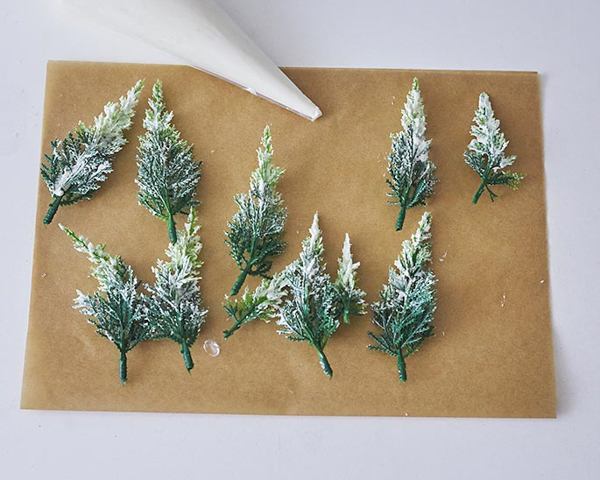
The next step involves preparing the miniature novelty trees that will form a charming forest on the cake. The tutorial advises slightly bending the trees to straighten them and trimming some to varying heights for a more natural look. A light smearing of buttercream on the trees simulates a snowy effect. These prepared trees are then arranged on top of the cake, creating a clustered woodland scene.
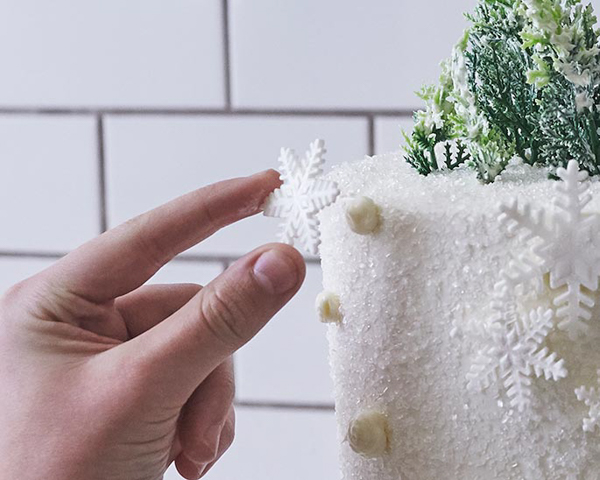
Finally, the decorative snowflakes are attached to the cake. Dots of buttercream are piped onto the cake’s surface in desired locations, serving as adhesive points for the various-sized snowflakes. These are then carefully placed on the sides of the cake, completing the transformation into a "Winter Wonderland." The finished product is presented as a "lovely Winter Wonderland dessert."
The Significance of Edible Art in Holiday Traditions
The creation of elaborate and thematic cakes for holidays and special occasions is a long-standing tradition, deeply embedded in many cultures. These edible creations serve not only as a culinary delight but also as a focal point for celebration, fostering a sense of community and shared joy. The "Winter Wonderland Snowflake Cake" exemplifies this trend, offering a contemporary interpretation of traditional holiday aesthetics.
The act of creating such a cake can be a family affair, bringing generations together in a shared activity that fosters creativity and creates lasting memories. The Cakegirls’ tutorial, by breaking down a seemingly complex design into accessible steps, democratizes this form of edible art, making it attainable for home bakers.
Market Trends and the Rise of Thematic Baking
The popularity of visually stunning and thematically relevant baked goods has surged in recent years, driven in part by social media platforms that allow for widespread sharing of culinary creations. Websites like TheCakeBlog.com have become invaluable resources for home bakers seeking inspiration and instruction. The "Winter Wonderland Snowflake Cake" aligns perfectly with this trend, offering a design that is both aesthetically pleasing and highly shareable.
The demand for custom cakes and intricate decorating techniques has also seen significant growth. While the Cakegirls’ tutorial provides a detailed guide for home creation, it also highlights the skill and artistry involved in professional cake design. The use of specialized tools like fondant cutters and luster dusts, as well as the understanding of cake structure and buttercream application, are all hallmarks of advanced cake decorating.
Expert Endorsement and Community Engagement
The Cakegirls, Mary and Brenda Maher, are recognized figures in the cake decorating community. Their expertise, honed through years of experience, lends significant credibility to their tutorials. Their ability to translate complex techniques into understandable instructions has earned them a loyal following. The collaborative nature of their work, as evidenced by their partnership, often leads to innovative and well-executed designs.
The publication of such tutorials on platforms like TheCakeBlog.com fosters a sense of community among bakers. Participants often share their own creations, offer tips, and provide encouragement, creating a supportive environment for learning and experimentation. This interactive element further enhances the value of the tutorial, extending its impact beyond the immediate instructions.
Broader Implications for Culinary Arts and Home Baking
The "Winter Wonderland Snowflake Cake" tutorial, and others like it, have several broader implications. Firstly, they contribute to the ongoing evolution of culinary arts, pushing the boundaries of what is considered edible artistry. They demonstrate that cakes can be more than just desserts; they can be elaborate sculptures that tell a story or evoke a specific mood.
Secondly, these tutorials empower individuals to engage with baking on a more creative level. They provide the knowledge and inspiration needed to elevate home baking from simple sustenance to a form of personal expression. This can be particularly impactful during holiday seasons, where the act of creating a special dessert can significantly enhance the festive atmosphere.
The accessibility of these tutorials also democratizes high-level cake decorating. While professional bakers may possess specialized equipment and extensive training, these guides break down the essential steps, allowing enthusiastic amateurs to achieve impressive results. This fosters a greater appreciation for the craft and can even inspire some to pursue professional culinary training.
In conclusion, the "Winter Wonderland Snowflake Cake" is more than just a recipe; it is a testament to the creativity and artistry that can be found in the world of baking. Through the detailed guidance of the Cakegirls, this tutorial offers a magical and achievable way to bring a touch of winter’s enchantment to any holiday table, reinforcing the enduring appeal of thematic desserts in celebrating life’s special moments.


