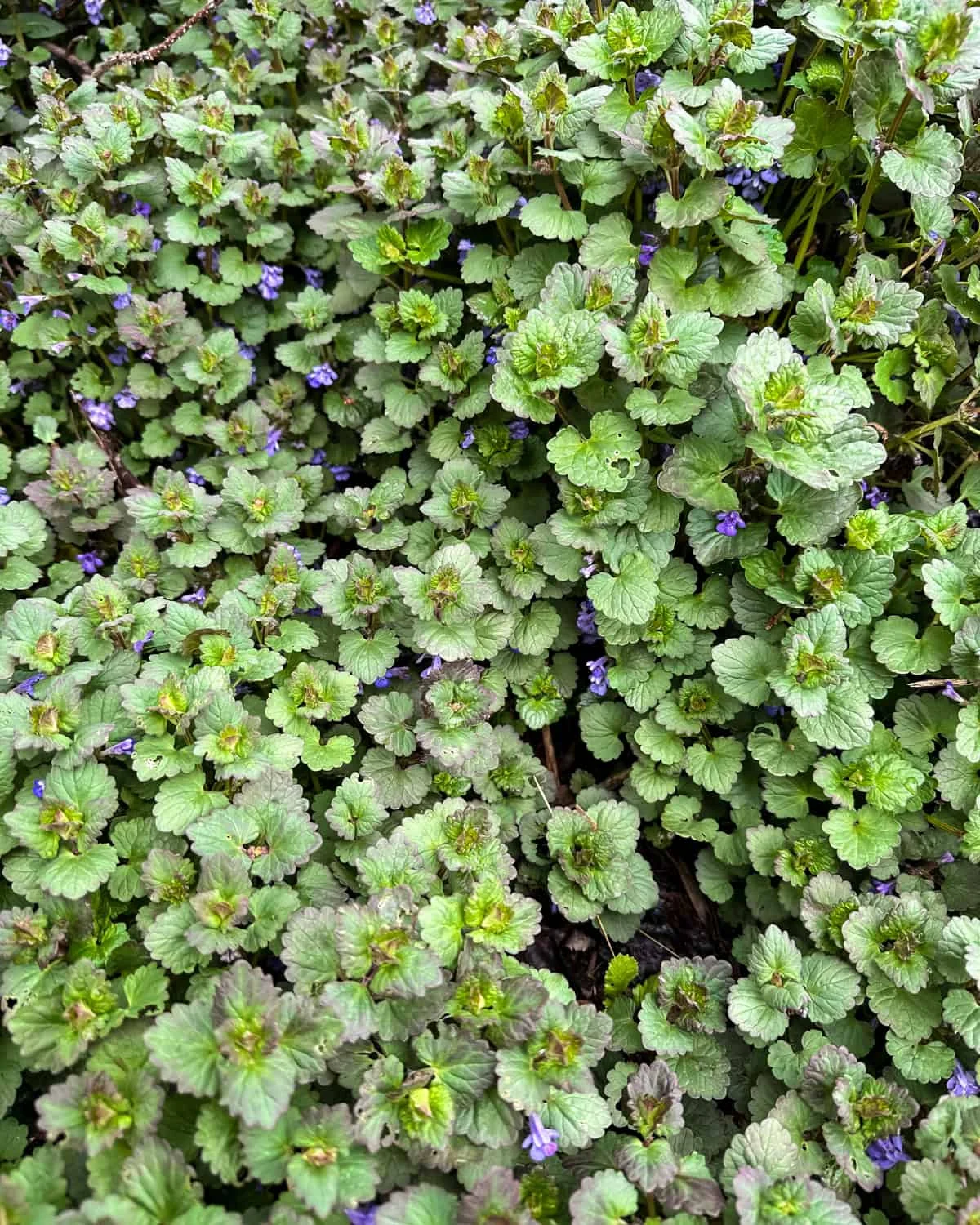
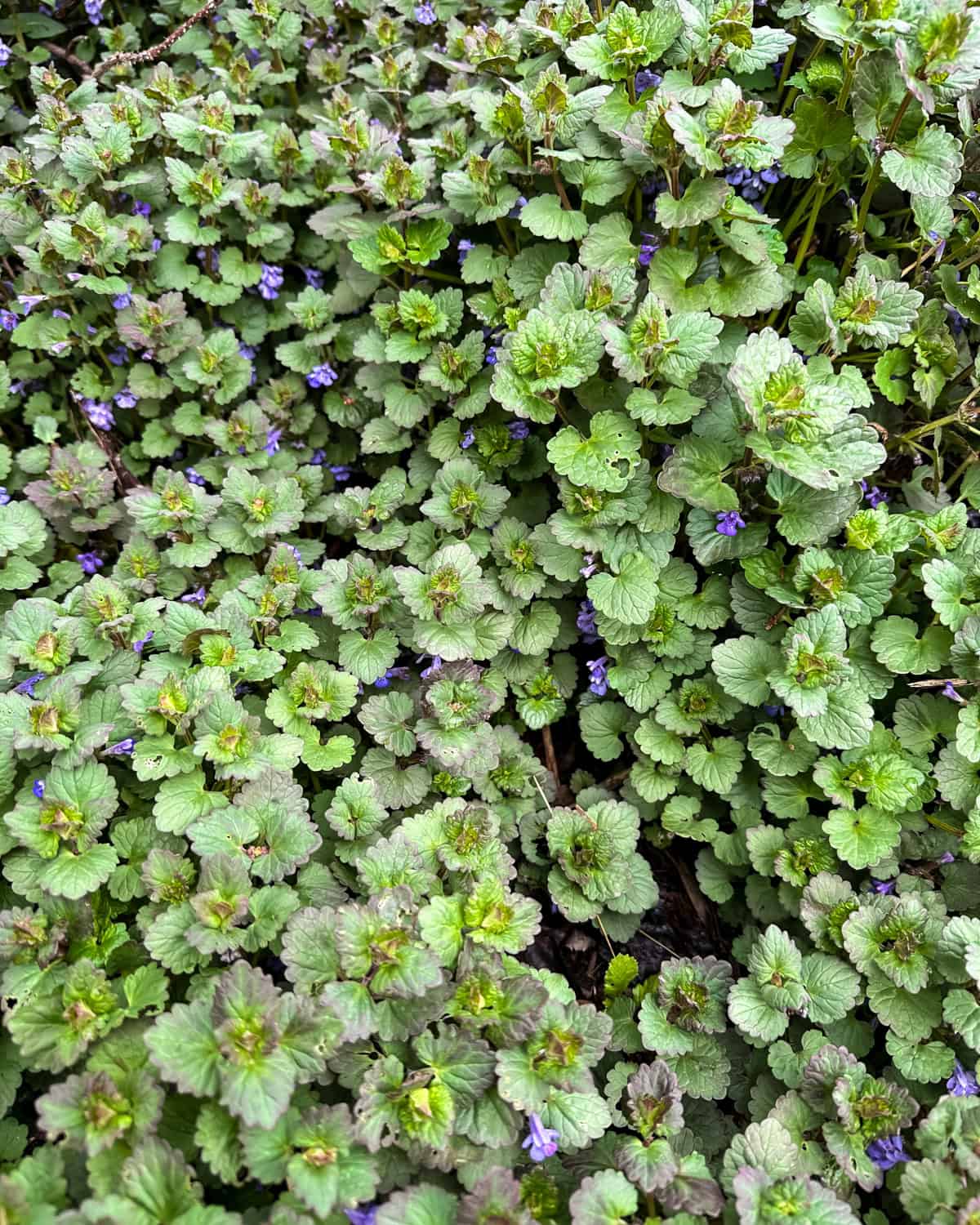
Ground ivy, botanically classified as Glechoma hederacea and frequently referred to by the colloquialism creeping charlie, represents a significant paradox in modern horticulture and foraging. While often maligned as an invasive nuisance by proponents of the traditional manicured lawn, this perennial herb within the Lamiaceae (mint) family possesses a rich historical, medicinal, and culinary pedigree that predates its status as a common backyard weed. Emerging in the early spring across much of the temperate world, ground ivy is characterized by its low-growing, mat-forming habit, dainty purple flowers, and scalloped, kidney-shaped leaves. Its resilience and rapid spread via stolons—creeping horizontal stems—have made it a subject of both frustration for gardeners and fascination for ethnobotanists.
Historical Chronology and Global Dissemination
The trajectory of Glechoma hederacea from a valued medicinal herb to a targeted weed follows the path of European colonization. Native to Europe and parts of Asia, ground ivy was intentionally transported to North America by early settlers. Historical records indicate that the plant was prized for its hardiness and versatility, serving as a reliable ground cover, a source of nutrition, and a primary ingredient in traditional medicine.
In the era preceding the widespread adoption of hops (Humulus lupulus) in the 16th century, ground ivy was a critical component in the brewing of ale. Its common name "alehoof" is derived from the Old English "ale-hove," signifying its use to clarify and add a bitter, aromatic flavor to fermented malt beverages. This practice was so common that the plant’s presence was often synonymous with the domestic brewing industry. Beyond the brewhouse, it was utilized as a "gill" (from the French guiller, to ferment), leading to another of its historical monikers: gill-over-the-ground.
By the 19th and 20th centuries, as the aesthetic of the "perfect lawn" became an economic and social status symbol in the United States, ground ivy’s aggressive growth patterns led to its reclassification. It transitioned from a garden staple to an invasive species that challenged the monoculture of turfgrass, leading to the development of specific herbicides designed to eradicate it.
Botanical Profile and Identification Metrics
Accurate identification of Glechoma hederacea is essential for both foragers and those seeking to manage its growth. As a member of the mint family, ground ivy exhibits several diagnostic features:

- Stem Structure: The plant features a characteristic square stem, a hallmark of the Lamiaceae family. These stems are typically green but can take on a reddish or purplish hue depending on sun exposure and soil nutrients. The stems can extend up to seven feet in length as they "creep" along the soil surface, rooting at the nodes to form dense mats.
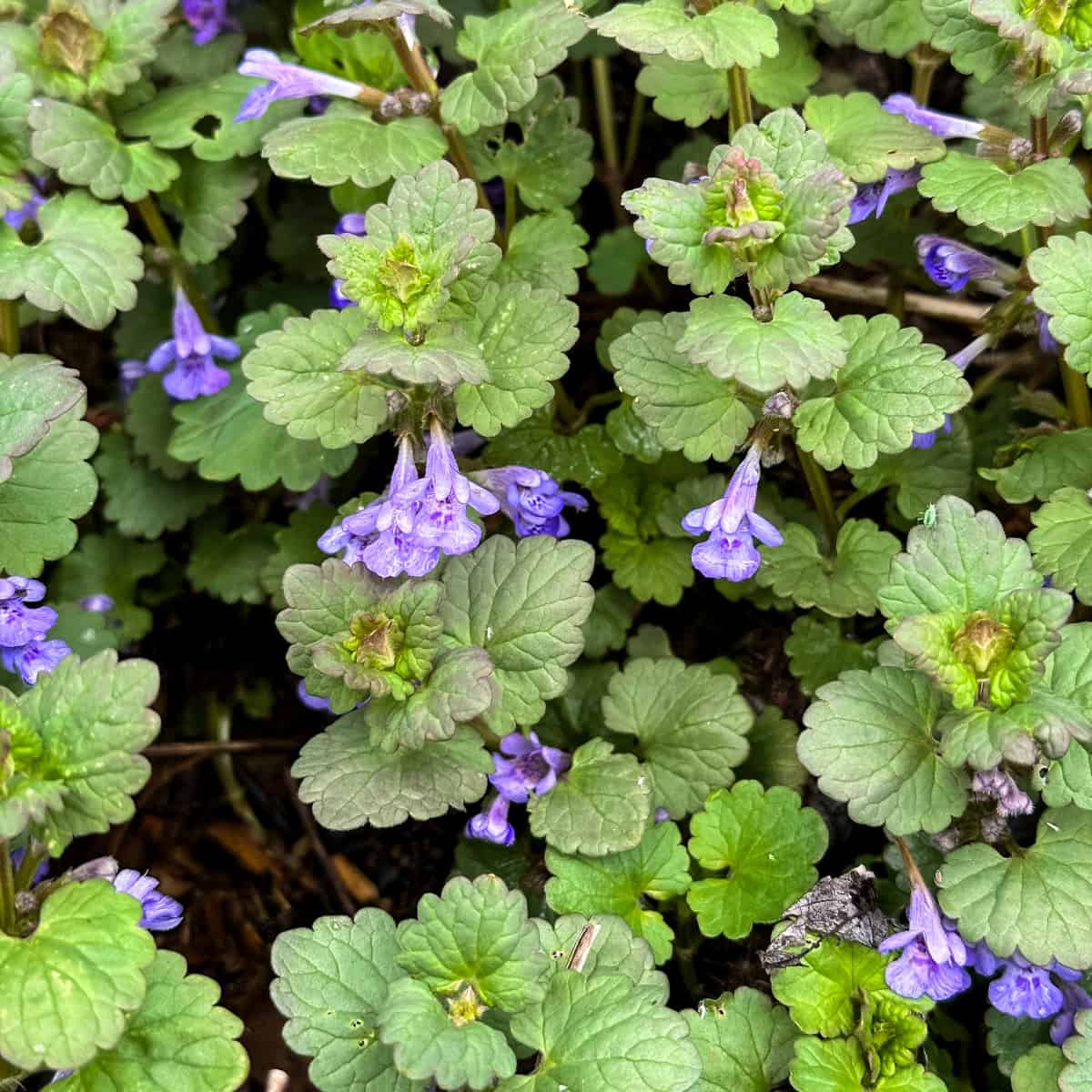
- Leaf Morphology: The leaves are opposite, round or kidney-shaped, with distinct scalloped (crenate) edges. When crushed, they emit a pungent, minty, and slightly earthy aroma.
- Floral Characteristics: The flowers appear in the early spring, typically between March and May. They are funnel-shaped, bluish-purple, and grow in clusters of three to seven from the leaf axils. The lower lip of the flower is often marked with darker purple spots or streaks, which serve as nectar guides for pollinators such as bees and syrphid flies.
- Growth Habit: Ground ivy thrives in damp, shady environments where traditional grasses struggle. However, it is highly adaptable, demonstrating the ability to survive in full sun and disturbed soils, provided there is adequate moisture.
Comparative Analysis of Early Spring Look-Alikes
A significant challenge for novice foragers is the visual similarity between ground ivy and other common spring weeds, specifically henbit (Lamium amplexicaule) and purple dead nettle (Lamium purpureum). While all three belong to the mint family and are non-toxic, they possess distinct botanical differences that are relevant to herbalists.
Henbit (Lamium amplexicaule): Unlike the creeping habit of ground ivy, henbit tends to grow more upright. Its upper leaves are sessile, meaning they lack petioles and appear to "clasp" the square stem directly. The flowers are typically a brighter pink or deep purple and are longer and more slender than those of ground ivy.
Purple Dead Nettle (Lamium purpureum): This plant is distinguished by its triangular, somewhat fuzzy leaves that overlap at the top of the stem. These upper leaves often turn a distinct reddish-purple color. Like henbit, it grows more vertically than ground ivy and does not form the same long, trailing runners.
Common Mallow (Malva neglecta): While not in the mint family, mallow has similar scalloped, round leaves. However, it lacks the square stem and the distinct minty fragrance of Glechoma hederacea.
Chemical Composition and Nutritional Data
From a nutritional and pharmacological perspective, ground ivy is more than a simple weed. Scientific analyses have identified it as a concentrated source of various bioactive compounds. It is particularly rich in:
- Vitamin C: Historically used to prevent scurvy in maritime and winter contexts.
- Minerals: High concentrations of iron and potassium.
- Polyphenols and Flavonoids: These provide the plant with its potent antioxidant properties.
- Terpenes: Including marrubiin, which contributes to its expectorant qualities.
A study published in the International Journal of Molecular Sciences highlighted that ground ivy extracts exhibit significant antimicrobial activity against several bacterial species. The research suggests that the plant’s volatile oils and phenolic acids contribute to its ability to inhibit pathogen growth, validating many of its traditional uses in folk medicine.

Traditional and Modern Medicinal Applications
In the realm of herbalism, ground ivy is classified as an astringent, diuretic, and expectorant. Its historical applications have been documented in various pharmacopeias across Europe.
Respiratory Health: One of its primary uses is the treatment of chronic bronchial catarrh and coughs. Herbalists often prescribe ground ivy infusions to help clear mucus from the respiratory tract, making it a common supportive treatment for conditions such as bronchitis and asthma.
Digestive and Renal Support: Due to its diuretic properties, ground ivy has been used to address "gravel" (kidney stones) and other urinary tract issues. It is also believed to stimulate the appetite and aid in digestion, particularly after heavy, fatty meals.

Topical Uses: In the form of a poultice or compress, ground ivy has been applied to bruises and slow-healing wounds. Its antimicrobial properties help prevent infection, while its astringency aids in tissue repair.
Liver Protection: Recent preliminary studies have indicated that certain compounds in Glechoma hederacea may offer hepatoprotective benefits, potentially shielding the liver from oxidative stress and chemical toxins.
Culinary Versatility and Foraging Ethics
As interest in wildcrafting and sustainable eating grows, ground ivy has seen a resurgence in the kitchen. Its flavor profile is complex—minty with a bitter, peppery finish.
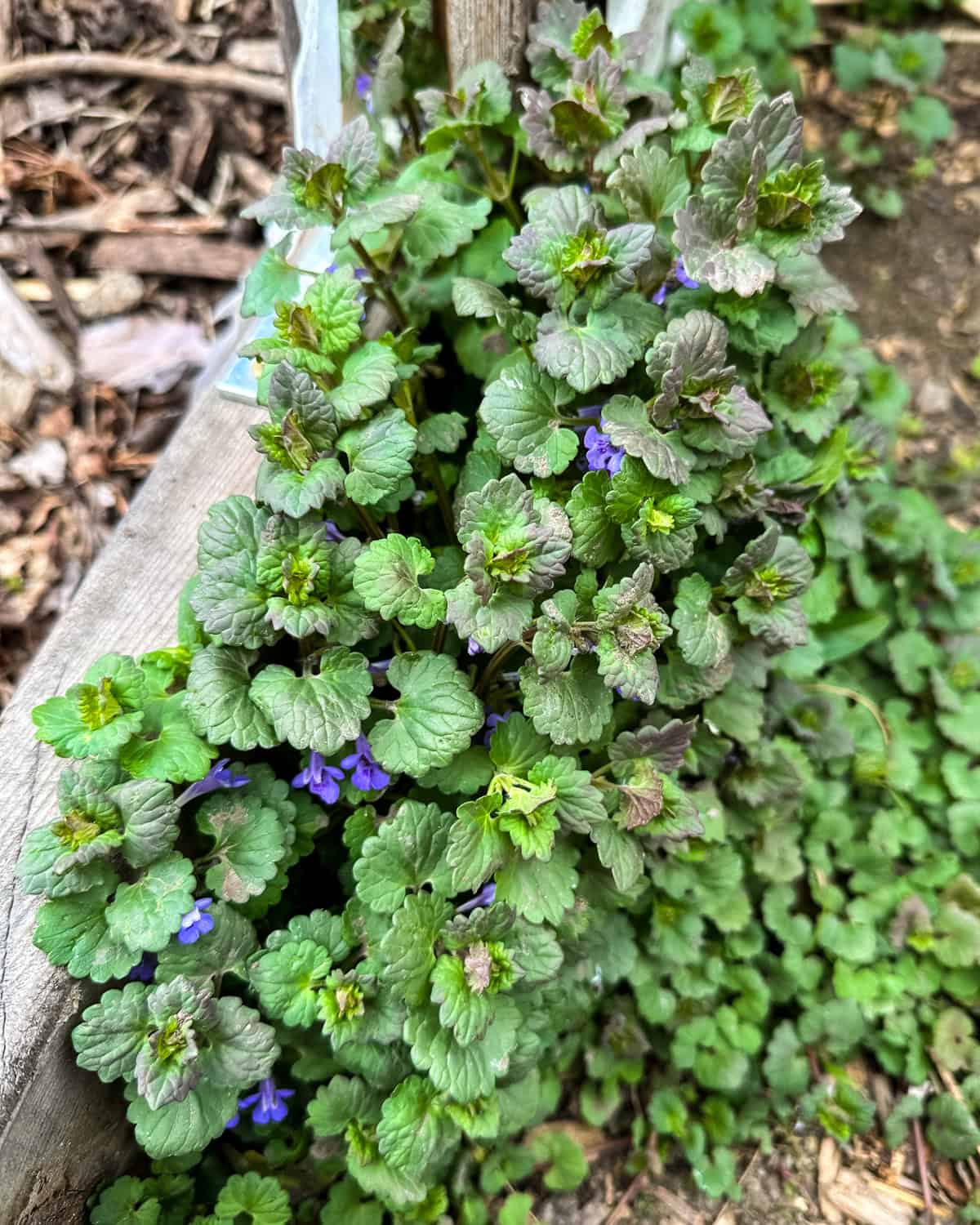
In modern culinary applications, the young leaves and shoots collected in early spring are preferred, as they are less bitter than the mature foliage of summer. They are frequently used as a garnish for salads, a flavoring for soups and stews, or infused into vinegars and oils. Foragers often suggest using it as a substitute for sage or mint in savory dishes. One contemporary trend involves infusing vodka with ground ivy and horseradish to create a unique base for savory cocktails like the Bloody Mary.
However, professional foragers emphasize the importance of ethical and safe harvesting. Because ground ivy is often targeted with broadleaf herbicides in suburban environments, it is crucial to harvest only from areas known to be free of chemical sprays. Furthermore, while the plant is abundant, foragers are encouraged to practice "mindful harvesting," ensuring they do not disturb the local ecosystem or over-harvest in a way that impacts early-season pollinators.
Ecological Impact and Economic Implications
The economic impact of ground ivy is primarily felt in the agricultural and landscaping sectors. In North America, it is often classified as a "weed of concern" because it can outcompete native woodland flora and reduce the biodiversity of the forest floor. In agricultural settings, it can invade pastures; while generally safe for cattle, it can be toxic to horses if consumed in large quantities, leading to respiratory distress.
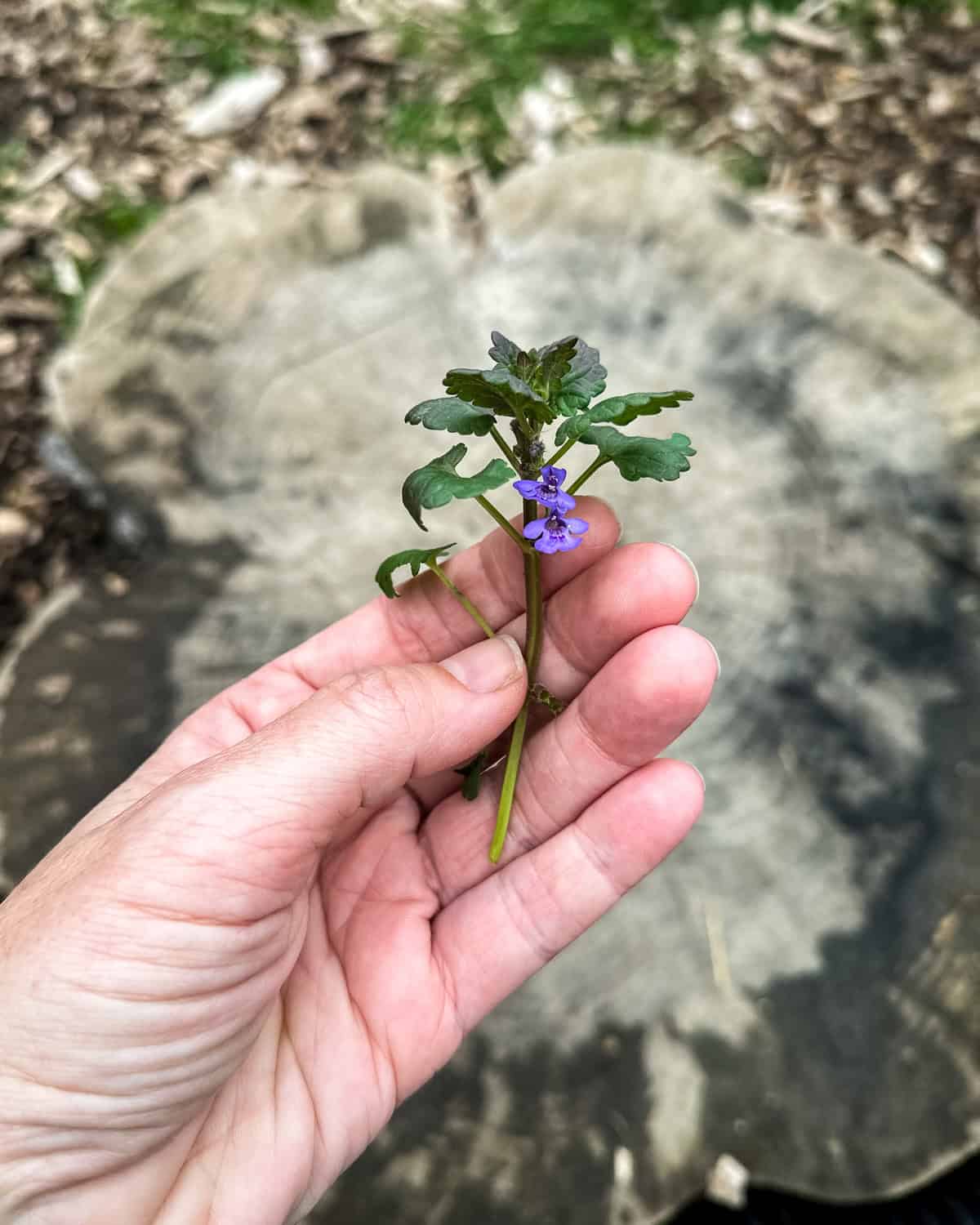
Conversely, ecologists point out that ground ivy provides an essential early-season nectar source for bees when few other plants are in bloom. Its ability to act as a living mulch helps prevent soil erosion and retains moisture in the ground.
The landscaping industry spends millions of dollars annually on the eradication of creeping charlie. However, a shifting paradigm in urban ecology—the "Anti-Lawn" or "No Mow" movement—suggests that ground ivy may be a superior alternative to turfgrass in certain environments. Its low-growing nature requires minimal mowing, and its resistance to pests and diseases eliminates the need for intensive chemical interventions.
Conclusion: A Shift in Perception
The story of ground ivy is a testament to the changing values of human society regarding the natural world. Once a vital component of the medieval pantry and medicine cabinet, it was demoted to a suburban enemy during the height of the industrial lawn era. Today, as the scientific community continues to validate its nutritional and medicinal benefits, and as consumers seek more sustainable and local food sources, the "creeping charlie" is being vindicated.
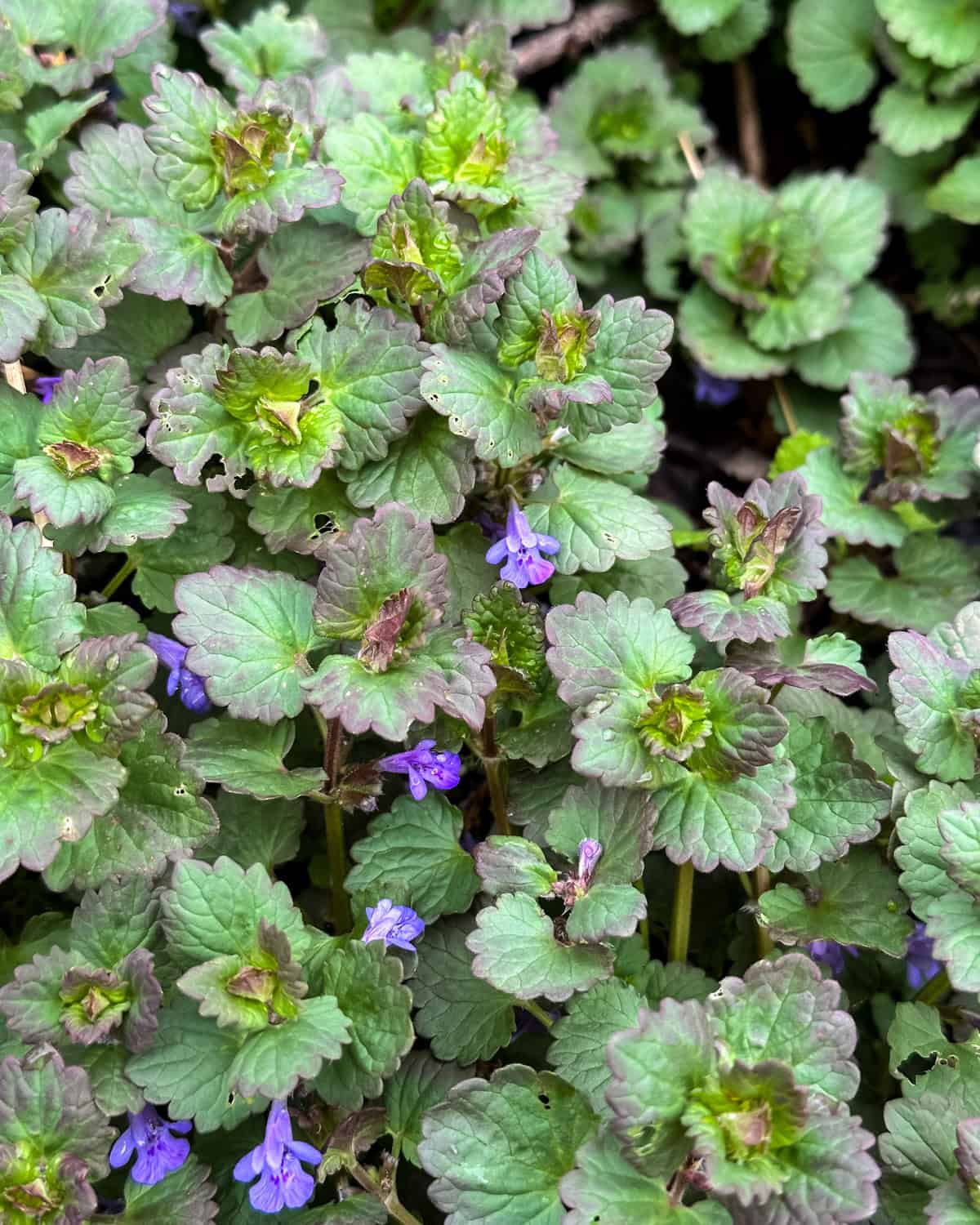
Whether viewed as a persistent weed or a valuable wild resource, the resilience of Glechoma hederacea ensures that it will remain a permanent fixture of the landscape. For those willing to look past the "weed" label, ground ivy offers a wealth of botanical utility, historical depth, and ecological value that far exceeds its modest appearance.