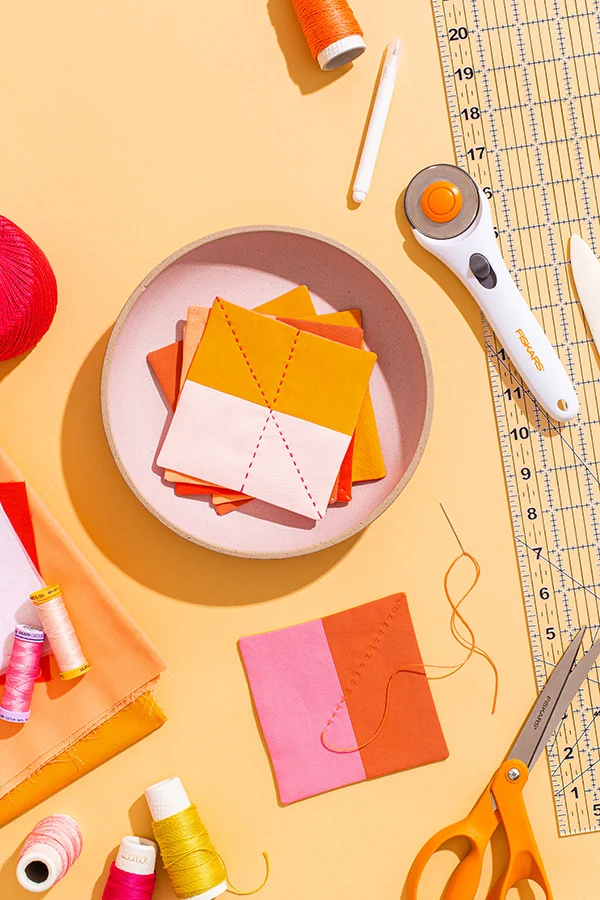
As the northern hemisphere transitions into the autumnal season, consumer trends indicate a significant shift toward interior warmth, tactile home goods, and the "slow living" movement. In a strategic partnership aimed at bridging the gap between professional-grade tools and accessible home artistry, Fiskars has collaborated with lifestyle creators to introduce a modern patchwork coaster project. This initiative highlights the growing intersection of the DIY economy and high-precision manufacturing, providing consumers with a structured approach to seasonal home transformation. The project, which utilizes advanced fabric cutting technology and traditional hand-quilting techniques, serves as a case study in how heritage brands are engaging with a new generation of hobbyists who prioritize both aesthetic value and functional durability.
The Evolution of the DIY Home Decor Market
The resurgence of interest in textile arts—specifically quilting and patchwork—reflects a broader economic and social trend often referred to as the "handmade economy." According to market research, the global handicrafts market reached a valuation of approximately $750 billion in 2023, with projections suggesting a compound annual growth rate (CAGR) of nearly 9% through 2030. This growth is driven by a consumer desire for unique, personalized items that contrast with mass-produced furniture and accessories.
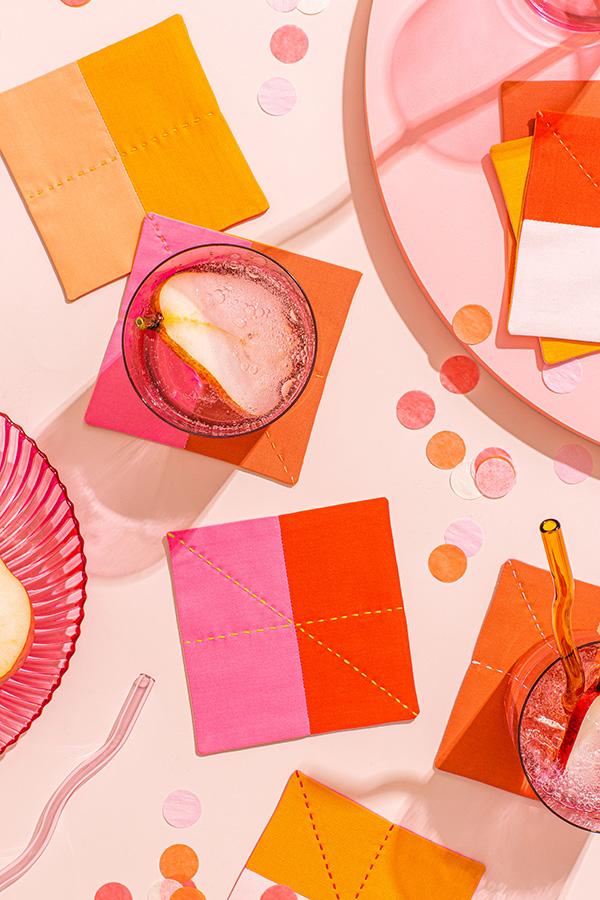
The modern patchwork coaster project is a microcosm of this trend. By simplifying the traditionally complex art of quilting into a manageable, beginner-friendly format, the collaboration seeks to lower the barrier to entry for domestic sewing. The project focuses on "modern patchwork," a style characterized by bold color blocking, minimalist geometric patterns, and a departure from the intricate floral motifs common in 19th-century American quilting. This aesthetic alignment makes the project particularly appealing to urban demographics and younger homeowners looking to infuse their living spaces with seasonal "fall" palettes—specifically ochre, terracotta, and apricot tones.

Technical Specifications and Tool Integration
Central to the success of the patchwork coaster project is the application of precision cutting tools. Fiskars, a company with a history dating back to 1649, has positioned its specialized fabric tools as the cornerstone of the construction process. The project emphasizes the use of the 45mm Stick Rotary Cutter, an instrument designed to provide cleaner, more accurate edges than traditional shears.
The technical requirements for the project include:
- Rotary Cutting Systems: The use of an 18” x 24” cutting mat and a 6” x 24” acrylic ruler is mandated to ensure geometric consistency. In textile manufacturing, even a millimeter of deviation can lead to "skewing" in the final assembly, a common issue for beginners that these tools are designed to mitigate.
- Material Composition: The project utilizes high-quality quilting cotton, selected for its breathability and ease of manipulation under a sewing machine. The inclusion of lightweight interfacing—specifically cotton organdy—serves a structural purpose, providing the coasters with the necessary rigidity to support glassware while maintaining a soft, textile feel.
- Hybrid Stitching Techniques: The project employs a two-stage assembly process involving both machine sewing for structural integrity and hand-stitching (using Sashiko or embroidery thread) for decorative "quilted" texture.
Procedural Methodology: A Chronological Overview
The construction of the modern patchwork coasters follows a rigorous six-step protocol designed to maximize efficiency and minimize material waste.
Phase I: Preparation and Precision Cutting
The process begins with the preparation of 5-inch squares. For a single unit, three distinct colors of quilting cotton are selected to create the "patchwork" effect. The use of the acrylic ruler allows the crafter to see the fabric through the tool, ensuring that the grain of the fabric remains straight. This phase is critical, as the symmetry of the final coaster depends entirely on the initial cuts.
Phase II: Primary Assembly and Seam Management
The second stage involves the creation of the patchwork face. Two squares are joined via a straight machine stitch down the center. A key technical instruction in this phase is the "pressing" of the seam. Using an iron to flatten the seam allowance is a professional tailoring technique that prevents bulkiness, ensuring the coaster sits flat on a table surface.
Phase III: Layering and Structural Fortification
The third and fourth steps involve the integration of the backing and the internal interfacing. The layers are stacked in a specific order—patchwork face, backing square, and interfacing—to ensure that when the piece is "turned," the seams are hidden internally. A 3/8-inch seam allowance is maintained around the perimeter, a standard in small-scale textile goods to provide enough "grip" for the thread without consuming too much fabric.
Phase IV: Finishing and Artisanal Detailing
The final stages focus on the "turn and topstitch" method. After leaving a small gap to flip the fabric right-side out, a point turner or bamboo skewer is utilized to achieve sharp, professional-grade corners. The project concludes with hand-quilted details. Using a running stitch—inspired by the Japanese Sashiko tradition—the crafter adds a tactile dimension to the coaster. This manual element is not merely decorative; it binds the layers together, preventing the fabric from shifting during use or washing.
The Role of Heritage Brands in Modern Crafting
The involvement of Fiskars in this project highlights a significant branding strategy. Known globally for the "Orange-Handled Scissors" introduced in 1967, Fiskars has moved beyond simple utility to become a lifestyle enabler. By providing the specific tools and the educational content (the project instructions), the company fosters brand loyalty within the "maker" community.
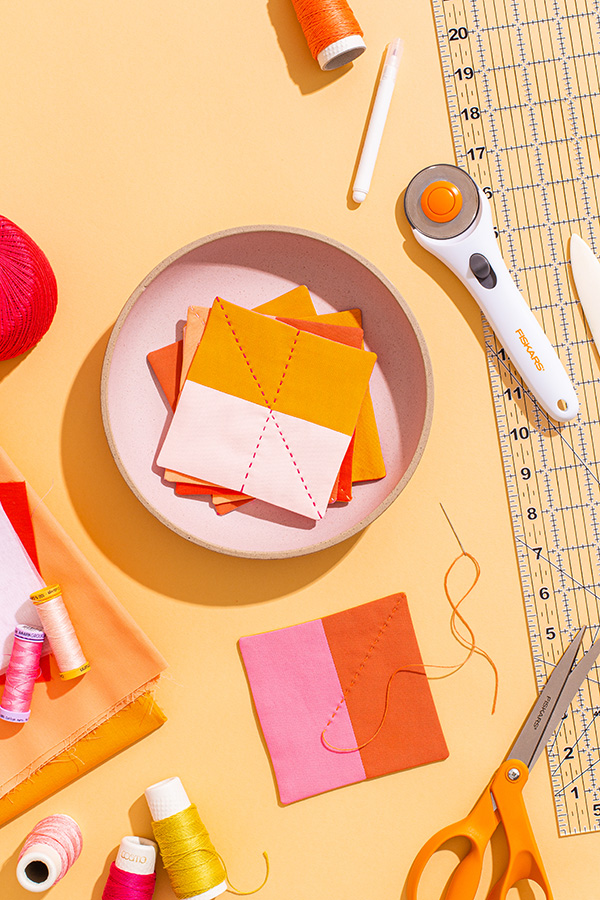
Industry analysts note that such partnerships are vital for legacy brands to remain relevant in a digital-first world. "Consumers are no longer just buying a tool; they are buying the outcome that the tool provides," says a retail trend analyst. "By showcasing the 45mm Rotary Cutter in the context of a trendy, seasonal project, Fiskars is selling the ‘cozy fall experience’ rather than just a sharp blade."
Psychological and Social Implications of Domestic Crafting
Beyond the economic and technical aspects, the patchwork coaster project taps into the psychological benefits of "hand-work." Recent studies in the field of occupational therapy suggest that repetitive, creative tasks like sewing and hand-quilting can significantly reduce cortisol levels and improve cognitive focus. The "hand-quilted details" mentioned in the project instructions are specifically marketed as an activity to be performed while "curled up on the sofa," emphasizing the role of crafting as a form of stress recovery and digital detoxification.
Furthermore, the project encourages a move toward sustainable consumption. Handmade coasters, built with durable cotton and reinforced stitching, offer a long-lasting alternative to disposable or cheap synthetic options. This aligns with the "Buy Less, Buy Better" or "Make Your Own" ethos that is currently permeating the home decor sector.
Broader Impact on the Home Decor Industry
The introduction of the modern patchwork coaster project is expected to influence seasonal retail trends in the fourth quarter. As DIY influencers and hobbyists share their iterations of the Fiskars-designed project on social media platforms, there is a measurable "trickle-up" effect on the retail market. Major home goods retailers often look to these DIY trends to inform their upcoming product lines, suggesting that patchwork motifs and "warm-minimalist" color palettes will remain dominant through the winter season.

In conclusion, the collaboration between Fiskars and the DIY community represents a sophisticated approach to seasonal marketing. By combining high-quality toolsets with accessible, aesthetically pleasing projects, the partnership addresses the dual consumer demand for professional results and personal creative expression. As the "shorter days and cooler nights" arrive, the modern patchwork coaster stands as a functional symbol of the enduring human impulse to create, decorate, and prepare the home for the changing seasons. This project is more than a simple craft; it is a reflection of a global shift toward intentionality in home design and the continued relevance of traditional textile skills in a modern technological landscape.