
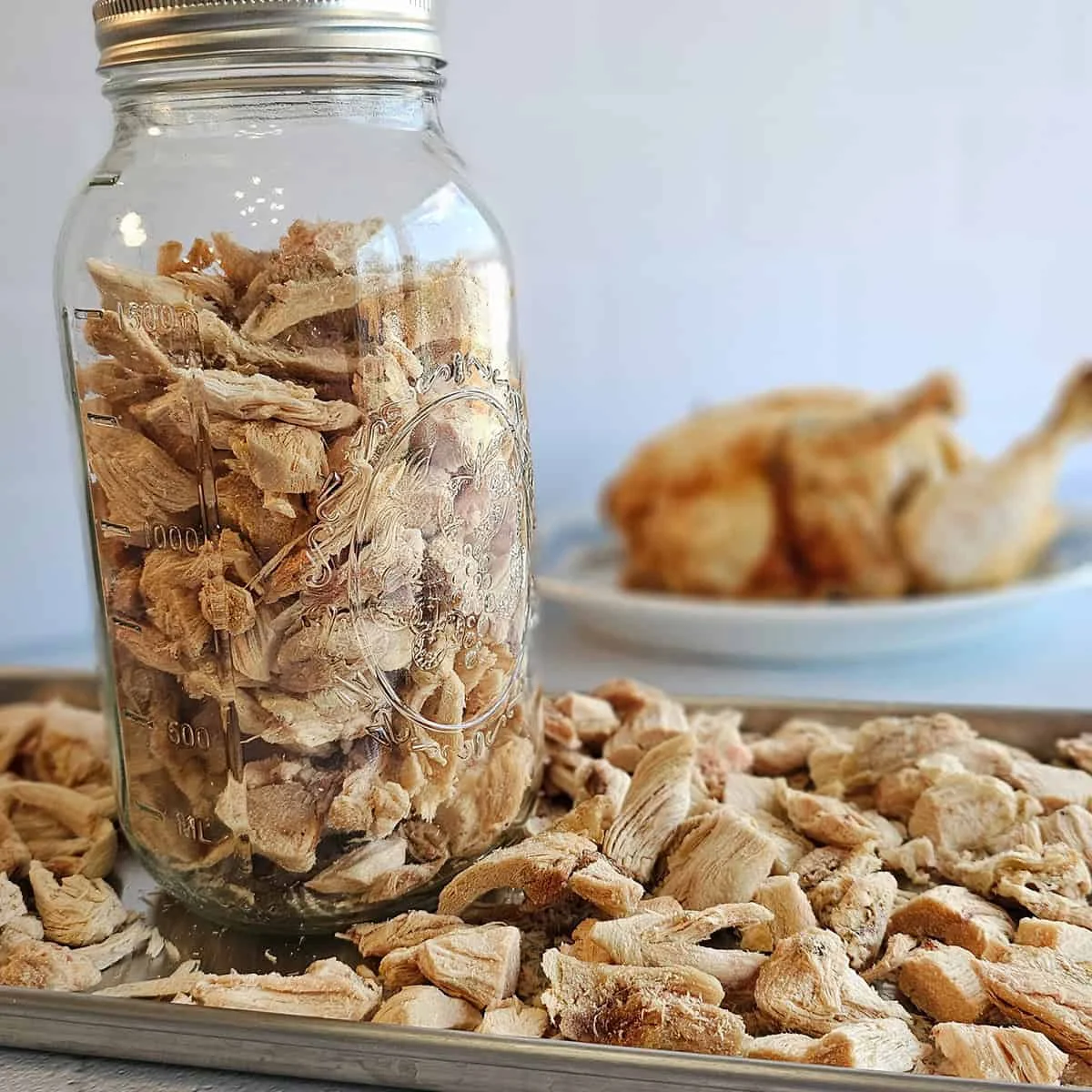
The landscape of domestic food preservation has undergone a significant technological shift over the last decade, transitioning from traditional canning and dehydration toward the more sophisticated process of freeze-drying. At the center of this movement is the repurposing of high-yield, cost-effective proteins, specifically the rotisserie chicken. As grocery retailers continue to use rotisserie chickens as "loss leaders"—products sold at a low price to stimulate other profitable sales—consumers are increasingly leveraging home freeze-drying units to convert these immediate-consumption items into shelf-stable assets. This practice not only addresses rising food costs but also aligns with a growing national emphasis on reducing household food waste.
The Economic Context of Poultry Preservation
Rotisserie chickens have become a staple of the American diet, with industry data suggesting that nearly 900 million are sold annually in the United States alone. Major retailers like Costco and Walmart have maintained low price points for these pre-cooked birds despite inflationary pressures on raw poultry. For the home preservationist, this represents a unique opportunity to secure high-quality protein at a price often lower than raw, unprocessed chicken.
However, the primary challenge with rotisserie chicken is its limited refrigerator shelf life, typically spanning only three to four days. By utilizing a home freeze-dryer, such as those manufactured by industry leader Harvest Right, consumers can extend the viability of this protein from days to years. This transition from "perishable" to "pantry-ready" is a critical component of modern food security strategies, allowing households to build a robust food supply that is resistant to supply chain disruptions and local market fluctuations.
The Technical Mechanism: Sublimation in Poultry
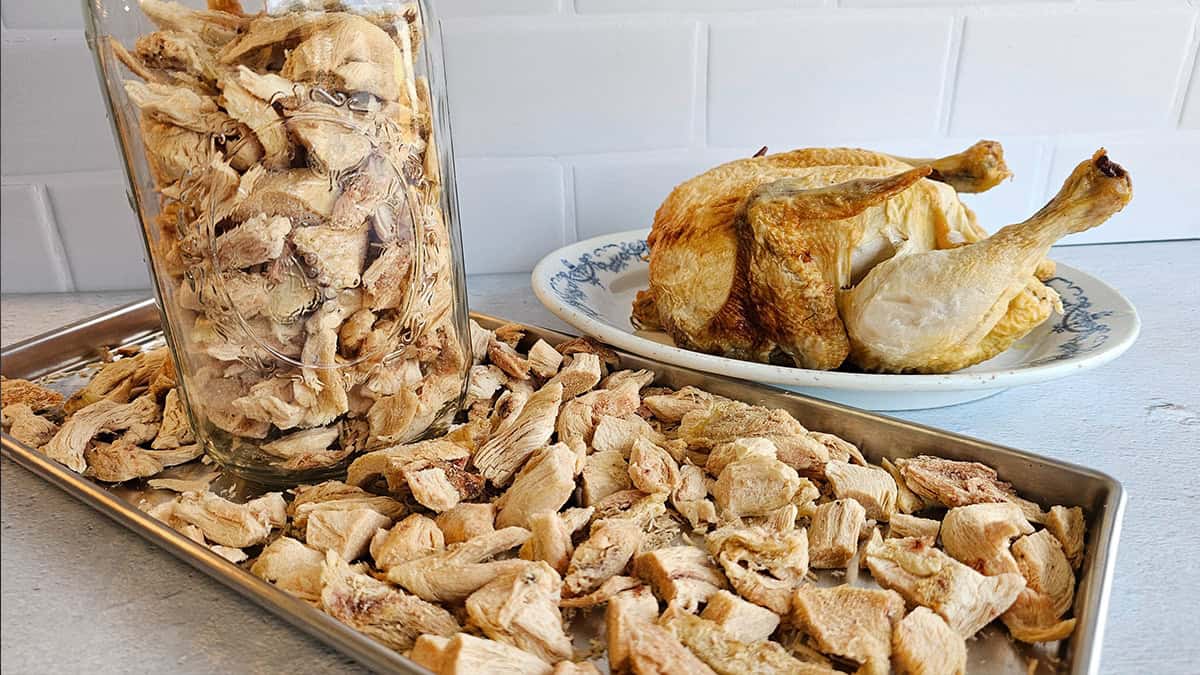
Freeze-drying, or lyophilization, differs fundamentally from dehydration. While dehydration uses heat to evaporate water—often altering the cellular structure and nutritional profile of the food—freeze-drying relies on sublimation. This process involves freezing the food and then reducing the surrounding pressure to allow the frozen water in the material to transition directly from the solid phase to the gas phase.
In the case of rotisserie chicken, this technique is particularly effective because the meat is already cooked. The freeze-drying process locks the fibers in place, ensuring that when the meat is eventually rehydrated, it retains a texture nearly identical to its original state. This makes it a superior option for "protein projects," especially for those new to operating home freeze-drying equipment.
A Chronological Guide to the Freeze-Drying Process
The transformation of a standard rotisserie chicken into a shelf-stable product requires a disciplined, multi-step approach to ensure safety, quality, and longevity.
Phase I: Preparation and Mechanical Separation
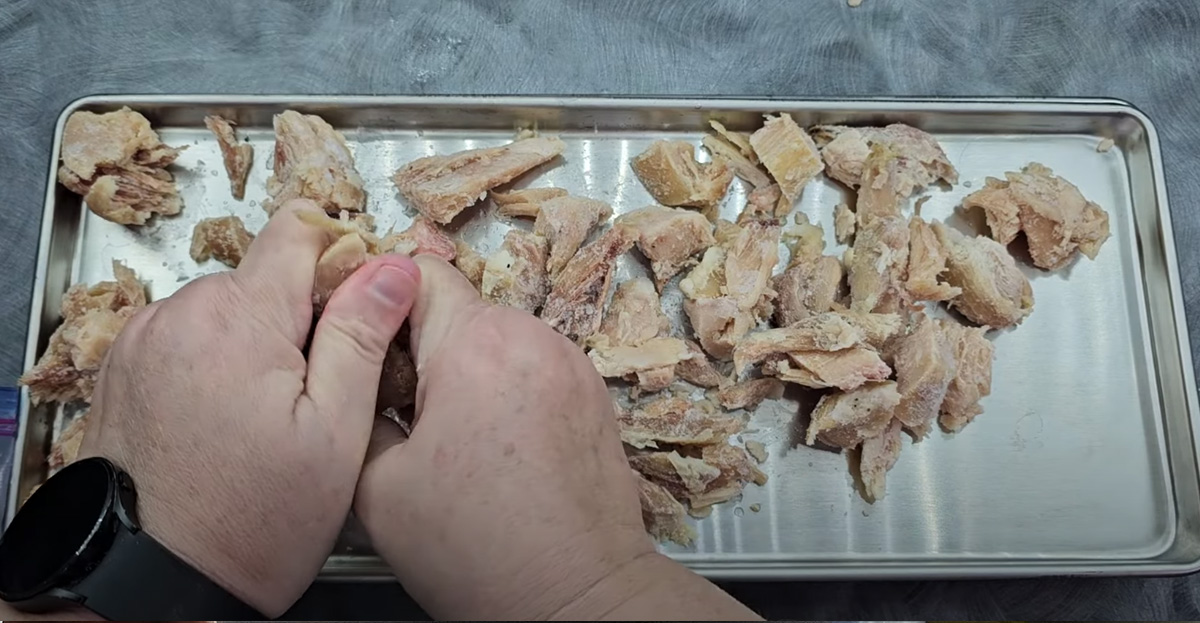
The first stage involves the manual stripping of the chicken. To maximize the shelf life of the final product, it is imperative to remove all skin, visible fat, and bones. Fat is the primary enemy of long-term storage in freeze-drying, as lipids do not freeze-dry; they can turn rancid over time even in a vacuum-sealed environment.
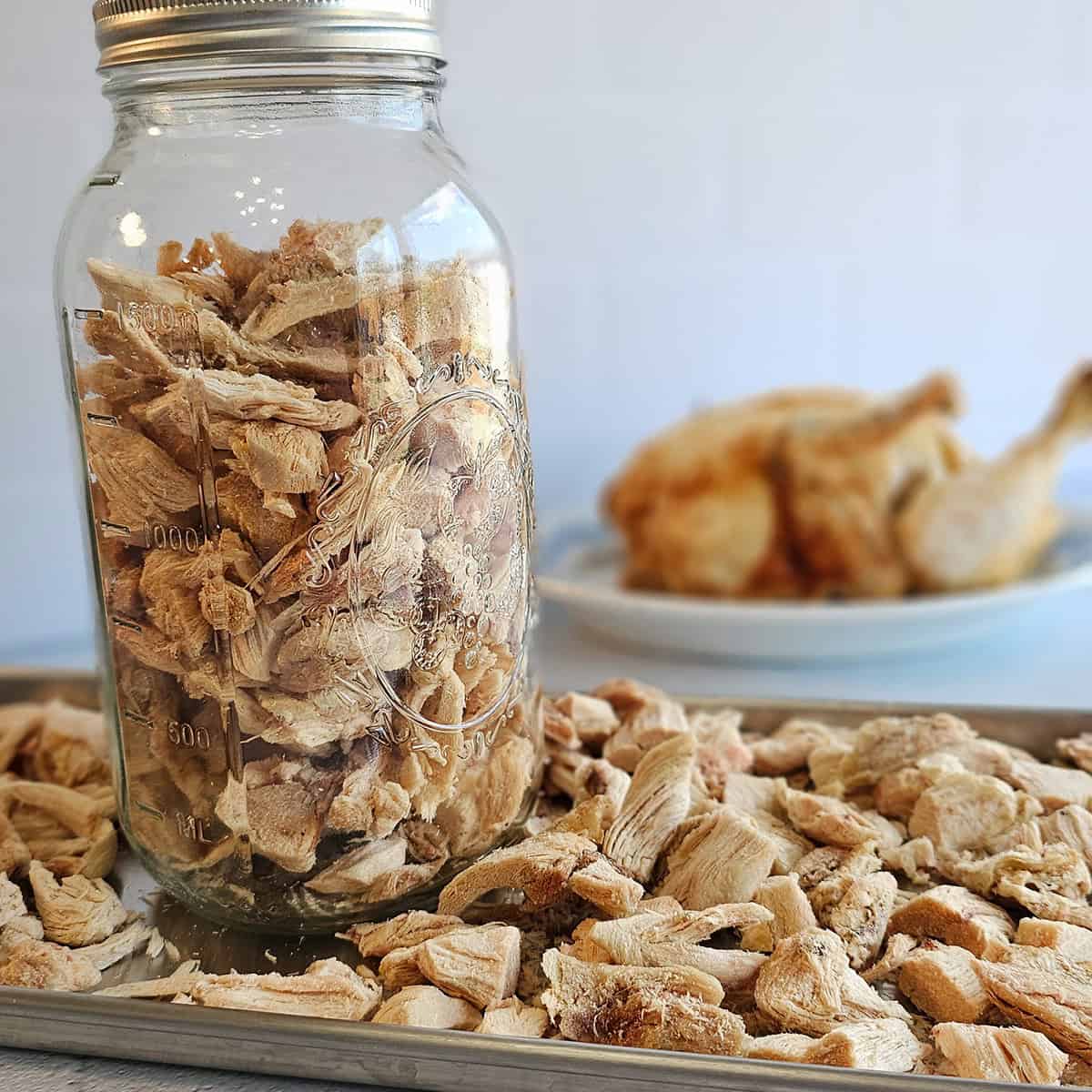
Experts in the field, including Darcy Baldwin of The Purposeful Pantry, emphasize the "zero-waste" potential of this phase. While the meat is destined for the freeze-dryer, the remaining carcass, skin, and connective tissues can be simmered to create a nutrient-dense bone broth. This broth can subsequently be freeze-dried into bouillon powder, creating a secondary shelf-stable product from the same initial investment.
Phase II: Sizing and Pre-Freezing
Once the meat is isolated, it must be processed into uniform pieces. The industry standard for optimal rehydration is approximately one inch or smaller. These "bite-sized" portions allow for more efficient moisture removal during the vacuum cycle.
A critical step in optimizing machine efficiency is the pre-freezing phase. By placing the chicken pieces in a standard chest or stand-up freezer for up to 24 hours prior to entering the freeze-dryer, the user reduces the mechanical strain on the freeze-drying unit’s compressor. This preparatory step can shave several hours off the total machine run time, thereby reducing energy consumption.
Phase III: The Primary and Secondary Drying Cycles
The freeze-drying unit must be prepared with a "pre-freeze" cycle to ensure the chamber is at the appropriate temperature before the trays are loaded. Once the chicken is inside, the machine initiates a vacuum. The drying time is typically set for a minimum of 24 hours, though dense proteins often require additional "extra dry" time to ensure the core of each piece is devoid of moisture.
Phase IV: Quality Control and Testing
After the cycle concludes, the product must undergo rigorous testing. The meat should be brittle and break easily without any evidence of "cold spots," which indicate residual ice. A more scientific method of verification involves weighing the trays, returning them to the machine for two additional hours of drying, and weighing them again. If the weight has remained constant, the sublimation process is complete. If the weight has decreased, moisture was still being removed, and further drying is required.
Storage Specifications and Longevity Analysis
The storage of freeze-dried rotisserie chicken requires a nuanced understanding of food science. Unlike lean vegetables or fruits, which can last 25 years when freeze-dried, poultry containing residual fats has a more limited window of peak quality.
The Impact of Lipids on Shelf Life
Rotisserie chicken, particularly the dark meat from thighs and legs, contains a higher fat content than breast meat. Because fats do not undergo sublimation, they remain in the meat. Over time, these fats can oxidize. Consequently, while lean freeze-dried meats might last 15 to 20 years, freeze-dried rotisserie chicken is generally recommended for consumption within a six-month to two-year window.
Containerization Strategies
To achieve maximum stability, the chicken must be stored in an airtight environment. Two primary methods are utilized in the industry:
- Canning Jars with Vacuum Sealing: Suitable for short-to-medium-term use (1–2 years). This method allows for easy access and re-sealing.
- Mylar Bags with Oxygen Absorbers: This is the gold standard for preventing oxidation. The oxygen absorber (typically containing iron powder) removes any residual oxygen in the bag, bringing levels down to 0.01%, which effectively halts the oxidation process.
Nutritional Integrity and Rehydration Science
One of the most significant advantages of freeze-drying poultry is the retention of nutritional value. Studies indicate that freeze-dried foods retain approximately 97% of their original vitamins and minerals, compared to only 60% for canning and 80% for traditional dehydration.
Rehydration Dynamics
The rehydration of freeze-dried chicken is a process of controlled osmosis. Because the cellular structure remains intact, the meat acts like a sponge.
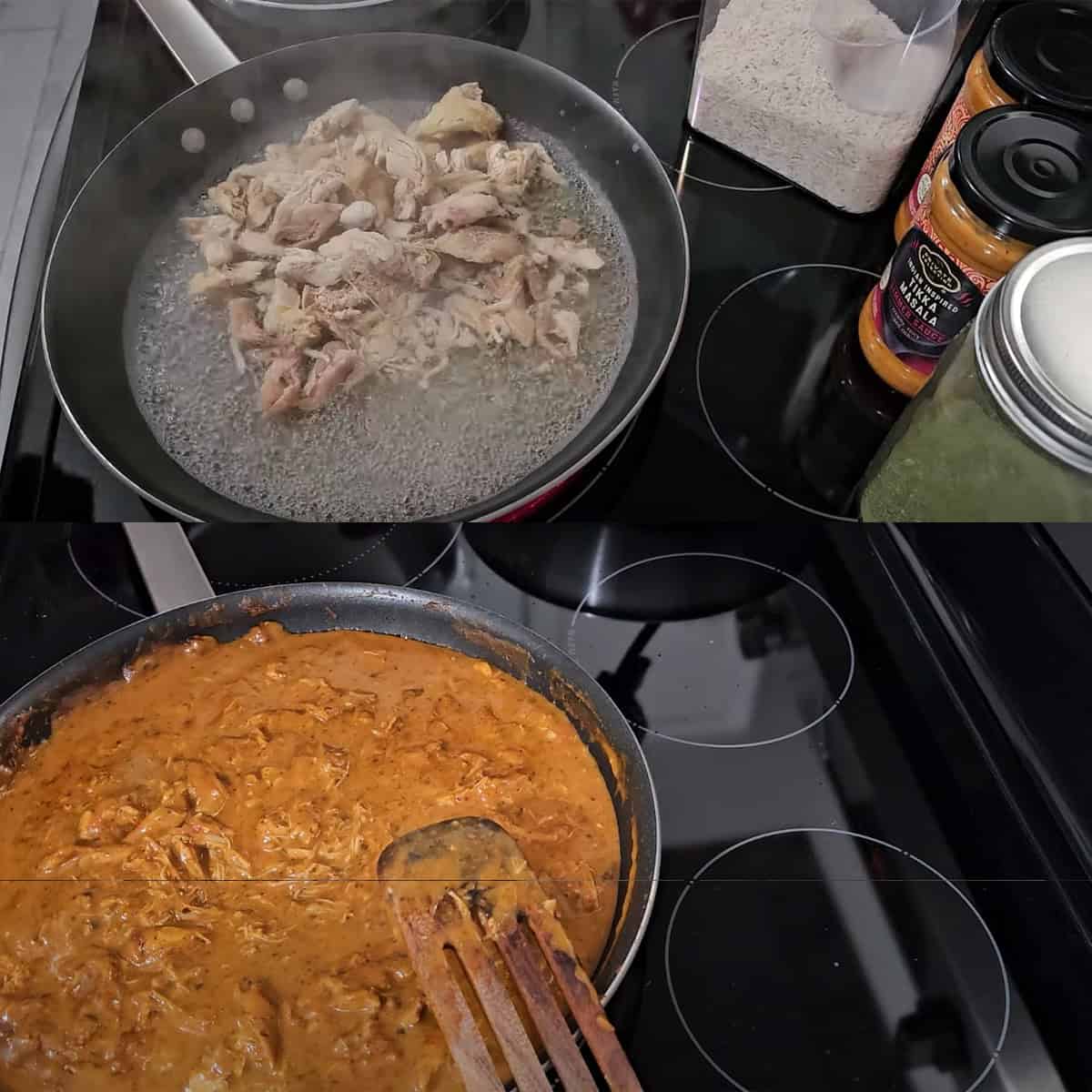
- Hot Rehydration: Simmering the meat in broth or water for three to five minutes allows the fibers to absorb moisture while simultaneously heating the protein for immediate use in soups, stews, or casseroles.
- Cold Rehydration: For use in chicken salads or cold wraps, the meat can be submerged in water or broth in a refrigerated environment for approximately 20 to 30 minutes.
A key data point for culinary application is the yield ratio. Unlike dehydrated meat, which shrinks significantly, freeze-dried chicken maintains its volume. Therefore, one cup of freeze-dried chicken rehydrates into approximately one cup of fresh chicken, allowing for simple 1:1 substitutions in traditional recipes.
Broader Implications for Food Waste and Sustainability
The move toward home freeze-drying represents a broader shift in consumer behavior toward sustainability. According to the USDA, nearly 30-40% of the food supply in the United States is wasted. By intercepting rotisserie chickens that are nearing their "sell-by" date and preserving them through freeze-drying, consumers are actively participating in a circular food economy.
Furthermore, the ability to create "pantry-stable" meals reduces the frequency of grocery store visits and the reliance on highly processed, preservative-laden commercial "emergency foods." The result is a more resilient household that is better equipped to handle economic volatility.
Conclusion
The application of freeze-drying technology to rotisserie chicken is more than a culinary trend; it is a sophisticated intersection of food science, home economics, and emergency preparedness. By understanding the technical requirements of the sublimation process—from the removal of life-limiting fats to the precision of vacuum sealing—homeowners can effectively bridge the gap between perishability and long-term stability. As home freeze-drying technology becomes more accessible, the rotisserie chicken stands as a primary example of how modern preservation can transform everyday grocery items into durable, nutritious, and cost-effective pantry staples.


