
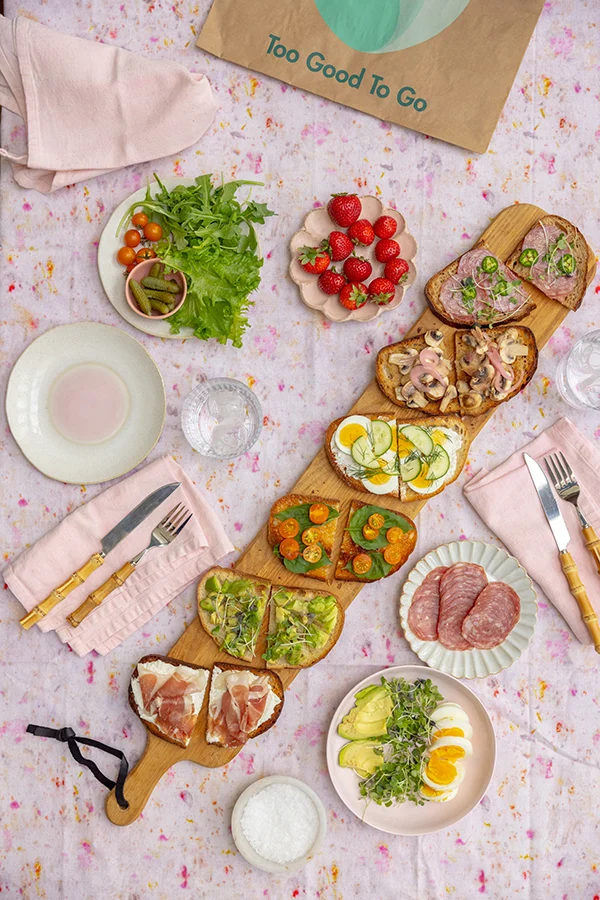
The integration of mobile technology and sustainable logistics is creating a new frontier in the global effort to mitigate the environmental impact of the food service and retail industries. Recent collaborations between sustainability-focused platforms and digital content creators have highlighted the growing efficacy of applications like Too Good To Go, a social impact company that connects consumers with local restaurants, bakeries, and grocery stores to redistribute surplus food. By facilitating the sale of "Surprise Bags"—parcels of high-quality food that would otherwise be discarded at the end of the business day—these platforms are addressing a critical environmental crisis: food waste, which is currently estimated to contribute to approximately 10% of all global greenhouse gas emissions.

The Environmental Imperative of Food Waste Mitigation
To understand the significance of surplus food redistribution, one must examine the broader environmental context. According to the United Nations Food and Agriculture Organization (FAO), approximately one-third of all food produced for human consumption is lost or wasted globally. This inefficiency represents not only a humanitarian failure but also a massive environmental burden. When food is wasted, all the resources used in its production—including water, land, energy, labor, and capital—are also squandered.
Furthermore, the decomposition of food waste in landfills generates methane, a greenhouse gas that is significantly more potent than carbon dioxide in its ability to trap heat in the atmosphere. Current scientific consensus suggests that if food waste were a country, it would be the third-largest emitter of greenhouse gases in the world, trailing only China and the United States. In this context, the role of digital marketplaces in diverting edible food from the waste stream is becoming a cornerstone of urban sustainability strategies.

The Mechanics of the Surplus Marketplace
The operational model of Too Good To Go and similar platforms relies on a "win-win-win" scenario for retailers, consumers, and the environment. Retailers, such as gourmet grocery stores and juice bars, often face the challenge of unpredictable daily demand, leading to a surplus of perishable items like artisanal bread, fresh-pressed juices, and prepared salads. Traditionally, these items would be disposed of, representing a total loss in revenue and an increase in waste disposal costs.
Through the application, these businesses can list "Surprise Bags" at a fraction of the retail price—typically one-third of the original value. Consumers browse the app for nearby participating locations, purchase a bag through the interface, and collect it during a specified window, usually near the store’s closing time. This model provides a revenue stream for the business on items that were otherwise destined for the bin, offers consumers access to high-end products at an accessible price point, and ensures the energy used to produce the food is not wasted.

Chronology of a Zero-Waste Initiative: From Acquisition to Consumption
In a recent demonstration of the app’s utility, participants engaged in a structured test of the surplus redistribution model, targeting two distinct retail sectors: a gourmet grocery store and a specialized juice boutique. The timeline of this initiative reflects the efficiency of the modern surplus food supply chain.
- Identification and Procurement: Using the application’s geo-location features, the participants identified surplus inventory at local high-end establishments. The selection of a gourmet grocery store provided access to complex carbohydrates and proteins, while the juice store offered micronutrient-dense liquids and potentially produce-based snacks.
- Collection: The "Surprise Bag" concept introduces an element of culinary improvisation, as the exact contents are unknown until the point of pickup. In this instance, the procurement included a variety of artisanal breads and fresh ingredients.
- Preparation and Integration: To maximize the utility of the surplus items, a "zero-waste gathering" was organized. The process involved toasting the acquired bread in bulk—a method that optimizes energy use in the kitchen—and utilizing existing refrigerator staples and home-grown produce, such as basil and tomatoes, to create a suite of gourmet toppings.
- Community Engagement: The resulting event served as a practical application of the circular economy, demonstrating that surplus food can be transformed into high-quality, social dining experiences.
Culinary Innovation through Resource Constraints
The "Surprise Bag" model encourages a shift in consumer behavior from prescriptive meal planning to creative, ingredient-led cooking. The recent case study highlighted several sophisticated applications for surplus bread and grocery items. By treating the surplus bread as a canvas for various flavor profiles, the participants developed a menu that mirrored the offerings of high-end bistro catering:
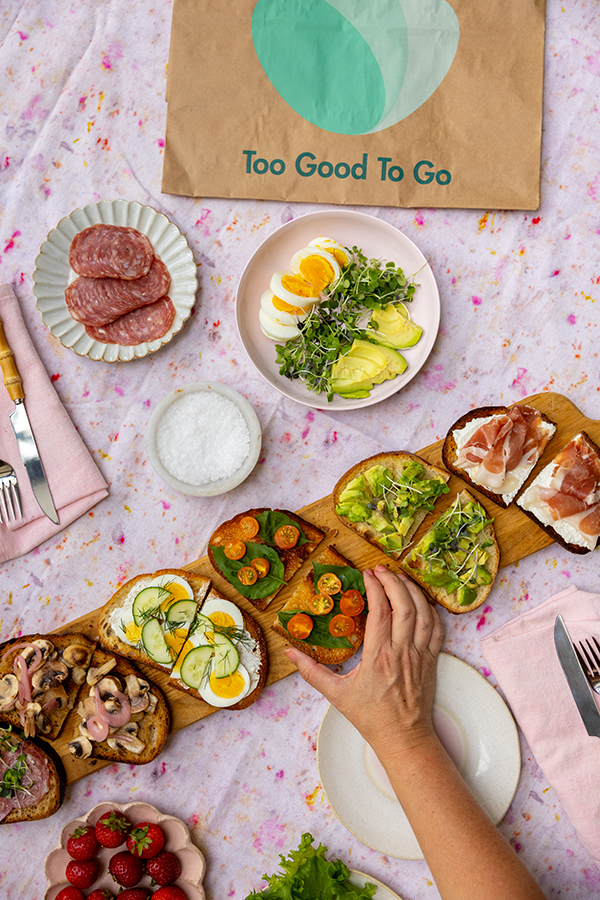
- Protein-Rich Pairings: Ricotta cheese combined with prosciutto and a drizzle of hot honey.
- Plant-Based Nutrition: Mashed avocado with lemon, sea salt, and nutrient-dense sprouts.
- Garden Integration: Fresh tomatoes and basil dressed with olive oil, utilizing home-grown assets to complement the rescued retail items.
- Traditional Delicatessen Styles: Sliced hard-boiled eggs with mayonnaise, cucumbers, and fresh dill.
- Savory Warm Toppings: Melted cheeses paired with sautéed mushrooms or spicy soppressata with jalapeños.
This method of "interactive hosting," where guests can assemble their own creations from a variety of rescued toppings, serves as a model for sustainable entertaining that reduces the likelihood of post-event waste.
Economic and Social Implications of the Surplus Food Sector
The growth of surplus food apps is occurring against a backdrop of rising global food prices and increased consumer awareness regarding corporate social responsibility. For many households, the ability to access gourmet-quality nutrition at a 66% discount provides significant economic relief. Simultaneously, the "surprise" element of the service has gamified sustainability, making the act of waste reduction an engaging experience rather than a chore.

Industry analysts suggest that the success of these platforms is also driving a shift in retail management. As more data is collected through these apps, retailers can better understand their waste patterns, potentially leading to more accurate ordering and production in the long term. However, until supply chains are perfectly optimized, the secondary market for surplus food remains an essential buffer.
Official Responses and Corporate Responsibility
The expansion of Too Good To Go—now a certified B-Corp—reflects a broader trend in the private sector to align profit with purpose. Company representatives have frequently stated that their ultimate goal is a "planet with no food waste," emphasizing that the app is merely a tool toward a larger systemic change.

Environmental advocacy groups have generally responded positively to these technological interventions. "Redirecting food from the landfill to the dinner table is one of the most effective ways to lower an individual’s carbon footprint," noted a spokesperson for a leading environmental non-profit. "While systemic changes in agriculture are necessary, the immediate reduction of retail waste through consumer-facing apps provides a scalable solution that can be implemented today."
Broader Impact: Meeting International Sustainability Goals
The movement to reduce food waste is a central pillar of the United Nations Sustainable Development Goals (SDGs). Specifically, SDG 12.3 aims to halve per capita global food waste at the retail and consumer levels and reduce food losses along production and supply chains by 2030.
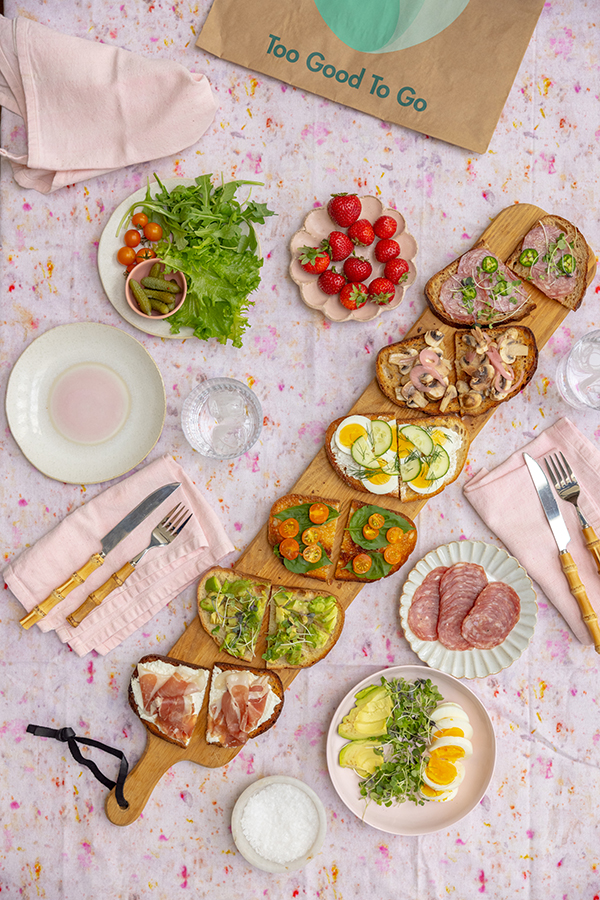
The integration of surplus food into the "gathering culture" of modern society represents a significant cultural shift. By normalizing the use of "leftover" or surplus ingredients in social settings, the stigma associated with food waste is being dismantled. This shift is crucial for the wide-scale adoption of sustainable practices.
Best Practices for Zero-Waste Entertaining
Based on the data gathered from successful surplus-led events, experts suggest several strategies for hosting gatherings that align with circular economy principles:

- Prioritize the "Surprise" Element: Use surplus apps to dictate the menu, which reduces the need for purchasing new, single-use ingredients.
- Bulk Processing: Prepare base ingredients (like grains or breads) in large batches to conserve energy.
- Inventory Auditing: Before shopping, conduct a thorough audit of existing pantry and garden resources to ensure that the surplus items are the only major additions needed.
- Portion Control and Storage: Design menus that allow for easy storage of leftovers, or encourage guests to bring their own containers to take surplus food home.
As the global community continues to grapple with the dual challenges of climate change and food security, the role of innovative platforms like Too Good To Go becomes increasingly vital. By bridging the gap between retail inefficiency and consumer demand, these tools are proving that the path to a sustainable future may well be found in the bags of food we once chose to throw away. Through continued partnership between tech innovators, retailers, and conscious consumers, the goal of a 50% reduction in food waste by the end of the decade remains a challenging but achievable objective.


