
The modern landscape of domestic food management is undergoing a significant shift as consumers increasingly prioritize waste reduction and long-term food security through traditional preservation methods. Among these techniques, the dehydration of high-moisture fruits—specifically the honeydew melon—has emerged as a strategic approach to extending the shelf life of seasonal produce. While watermelon and cantaloupe have long been staples of the home-drying community, honeydew melon is gaining traction as a viable, nutrient-dense, and shelf-stable snack. By removing the high water content of the fruit, practitioners of food preservation are able to transform a perishable summer commodity into a concentrated source of energy that remains edible for up to twelve months.
The Evolution of Home Food Preservation and the Role of Dehydration
Historically, food preservation was a necessity dictated by the lack of refrigeration and the cyclical nature of harvests. In the 21st century, the resurgence of these practices is driven by a combination of economic pressures, environmental consciousness, and a desire for "clean" snacks free from industrial preservatives. According to data from the United States Department of Agriculture (USDA), nearly 30 to 40 percent of the food supply in the United States is wasted, with fresh produce being the most susceptible to spoilage. Melons, characterized by their high water volume and rapid ripening process, represent a significant portion of this waste.
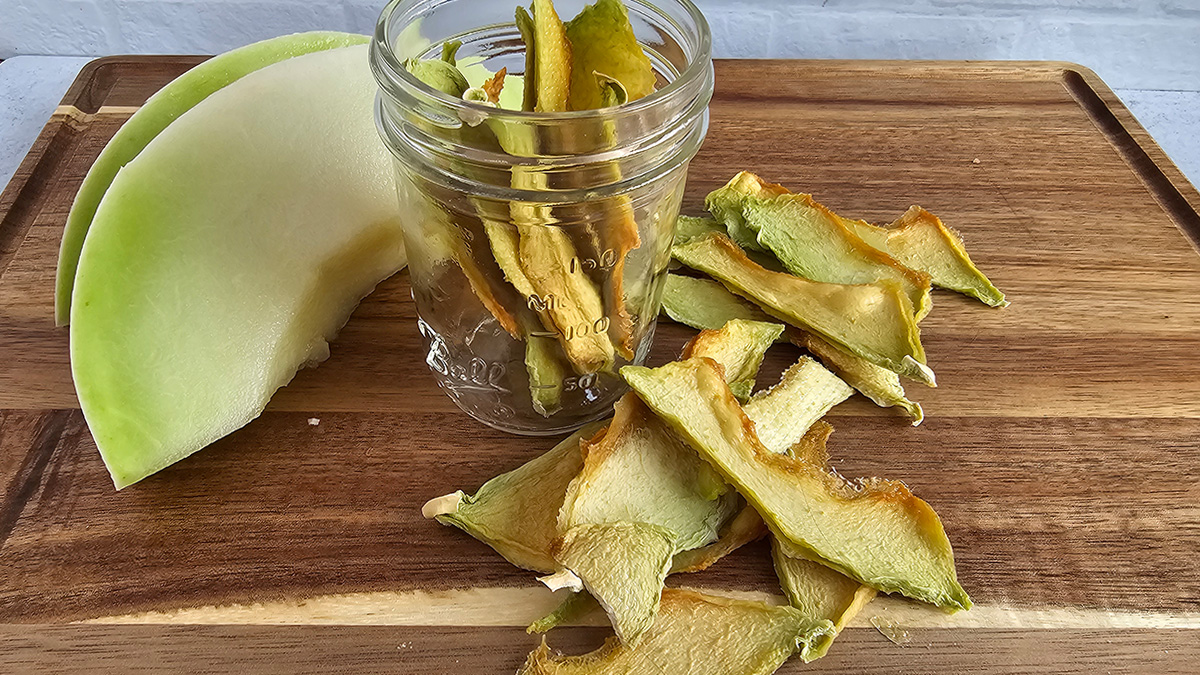
Dehydration serves as a primary solution to this systemic issue. By utilizing a controlled environment to remove moisture, the process inhibits the growth of bacteria, yeast, and mold. Darcy Baldwin, a prominent figure in the food preservation community and author of "Dehydrating Basics & Journal," has recently highlighted the viability of honeydew melon in this context. While the fruit is often overlooked in favor of more vibrant melons like watermelon, its high sugar content and leathery texture upon drying make it an ideal candidate for pantry stocking.
Technical Methodology: The Chronology of Dehydration
The process of converting fresh honeydew into a shelf-stable product requires precision and an understanding of thermodynamic principles as they apply to organic matter. The following timeline and methodology represent the standard industry practice for home-based dehydration.
Preparation and Pre-Processing
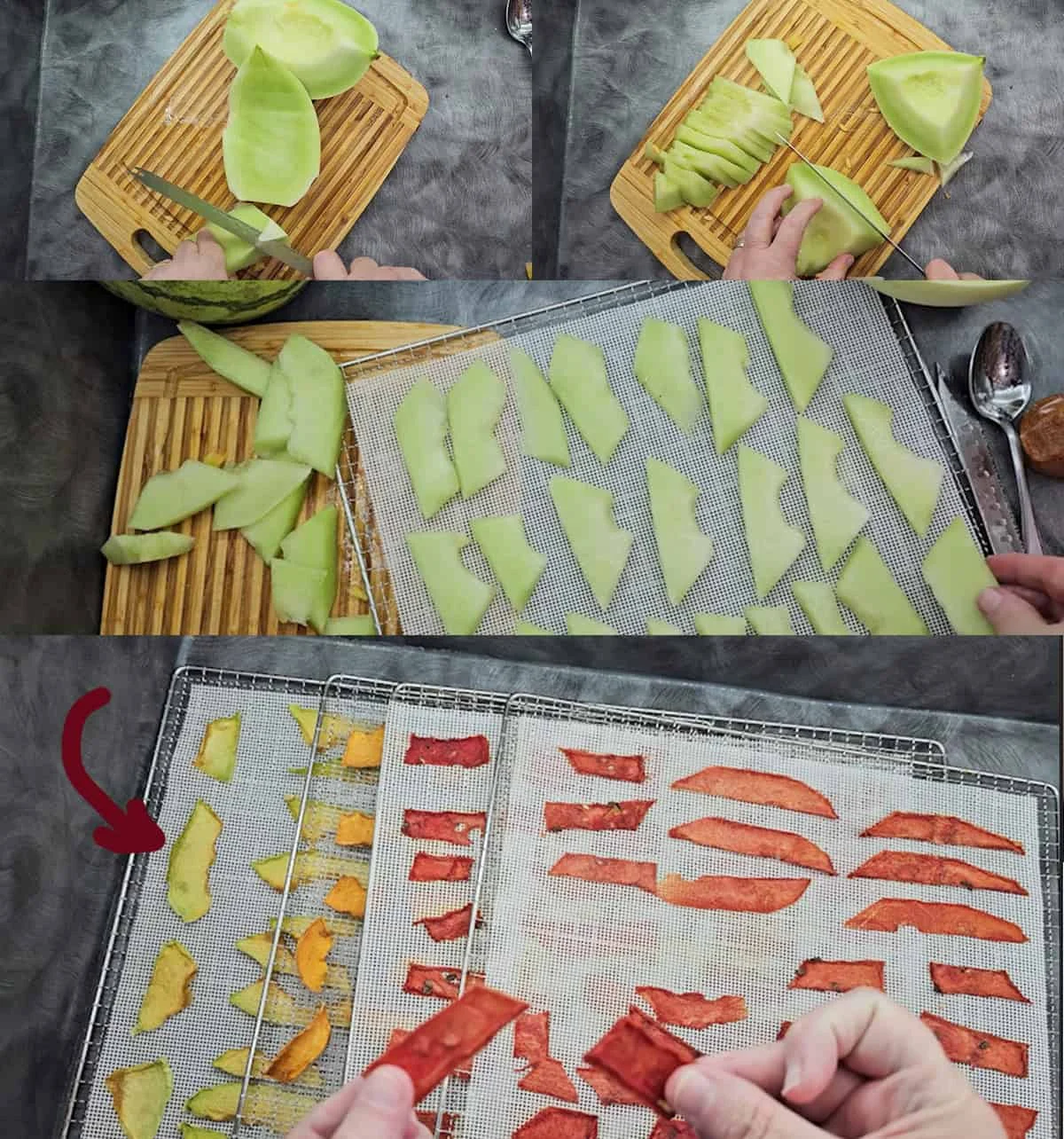
The success of the dehydration process begins with the selection of the fruit. A honeydew must be at peak ripeness to ensure maximum sugar concentration, which translates to better flavor in the dried state. The fruit is first cleaned, halved, and deseeded. The rind is removed, and the flesh is sliced into uniform pieces, ideally one-quarter of an inch thick. Uniformity is critical; inconsistent slicing leads to uneven drying, where some pieces remain moist and prone to mold while others become overly brittle.
The Dehydration Phase
Once sliced, the melon pieces are arranged on dehydrator trays with sufficient spacing to allow for horizontal or vertical airflow. The recommended temperature for fruit dehydration is 135°F (57°C). This specific temperature is high enough to evaporate moisture efficiently but low enough to prevent "case hardening"—a phenomenon where the exterior of the fruit dries too quickly, trapping moisture inside and leading to eventual spoilage.
The duration of this phase typically spans 10 to 14 hours. The internal environment of the dehydrator must remain consistent. Factors such as ambient humidity in the kitchen and the specific water content of the individual melon can influence the final timing. The goal is a "leathery" texture; the fruit should be pliable but not sticky, and no moisture should be visible when the piece is squeezed.
Post-Processing and Conditioning
A critical, yet often skipped, step in the preservation timeline is "conditioning." After the melon is removed from the heat, it must be allowed to cool completely. It is then placed in a clear, airtight container for seven to ten days. During this period, the container is shaken daily. If any condensation appears on the walls of the jar, the fruit is insufficiently dried and must return to the dehydrator. This phase ensures that the residual moisture is evenly distributed across all pieces, guaranteeing long-term safety.
Nutritional Profile and Comparative Analysis
Dehydrated honeydew is not merely a method of storage but a transformation of the fruit’s nutritional density. When water is removed, the remaining vitamins, minerals, and sugars become concentrated.
Based on nutritional estimations, a standard serving of approximately 0.25 cups of dried honeydew contains roughly 14 calories, 3 grams of carbohydrates, and 63 milligrams of potassium. It is essential for consumers to recognize the "one-quarter rule" of dehydration: because the fruit shrinks significantly, one cup of fresh fruit possesses the same caloric and sugar content as one-quarter cup of the dried version. This concentration makes dehydrated melon an efficient energy source for high-output activities such as hiking or athletic training.
Furthermore, honeydew is a source of Vitamin C and B6. While some heat-sensitive vitamins may see a slight reduction during the 135°F drying process, the majority of the mineral content remains intact. Compared to store-bought "fruit snacks," which often contain corn syrup, dyes, and artificial flavorings, home-dehydrated honeydew provides a single-ingredient alternative that aligns with modern dietary standards.

Economic Implications of Home Preservation
The financial benefits of dehydrating honeydew melon are twofold: waste mitigation and cost-per-serving reduction. In the United States, the retail price of premium dried fruit can range from $10 to $20 per pound. By purchasing fresh honeydew during peak season—often when prices drop due to surplus—and processing it at home, consumers can produce a similar product at a fraction of the cost.
The energy consumption of a standard 600-watt food dehydrator is relatively low, often costing between $0.05 and $0.15 per hour depending on local utility rates. Over a 12-hour cycle, the total energy cost remains under $2.00, making it a cost-effective alternative to purchasing pre-packaged preserved goods. Additionally, the ability to store these fruits for up to a year allows households to hedge against seasonal price fluctuations and inflation in the fresh produce market.
Storage Standards and Safety Protocols
To maintain the integrity of dehydrated honeydew, storage conditions must be strictly controlled. The primary enemies of dried food are light, heat, and oxygen.

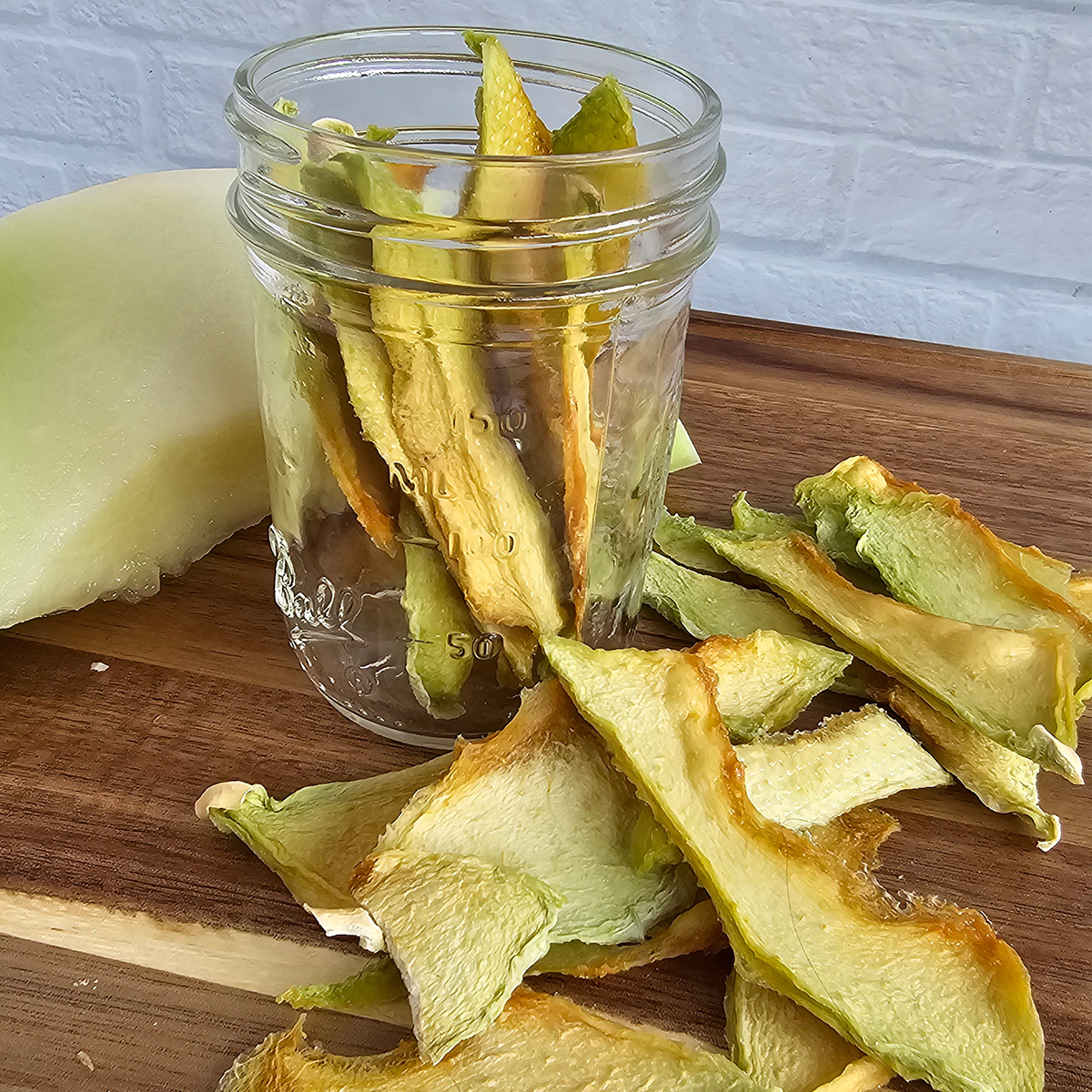
- Containment: Airtight glass jars (such as Mason jars) or vacuum-sealed Mylar bags are the industry standard. For those intending to consume the fruit over several months, the inclusion of a food-grade silica moisture absorber is recommended to mitigate the effects of frequent jar opening.
- Environment: Containers should be stored in a cool, dark, and dry location. Exposure to sunlight can degrade the nutritional quality and color of the melon, while heat can cause the sugars to break down prematurely.
- Physical Barriers: Some preservationists utilize parchment paper to wrap individual slices before placing them in containers. This prevents the natural sugars in the honeydew from causing the pieces to stick together, particularly in humid climates.
Broader Impact on Food Security and Sustainability
The move toward dehydrating non-traditional fruits like honeydew reflects a broader societal trend toward "The Purposeful Pantry"—a concept championed by experts like Darcy Baldwin. This philosophy emphasizes the creation of a robust, home-based food supply that reduces reliance on global supply chains.
From a sustainability perspective, dehydration reduces the carbon footprint associated with food waste. When organic matter decomposes in landfills, it releases methane, a potent greenhouse gas. By preserving fruit that might otherwise be discarded, individuals contribute to a circular domestic economy. Moreover, dehydrated foods are lightweight and compact, requiring less energy for transport and storage compared to canned or frozen alternatives.
Future Outlook in the Food Preservation Sector
As technology in home appliances continues to advance, the barrier to entry for food preservation is lowering. Modern dehydrators with digital thermostats and timed cycles have replaced the inconsistent oven-drying methods of the past, though the latter remains a viable "entry-point" for beginners. The expansion of the "dried melon" category to include honeydew signifies a growing culinary curiosity and a sophisticated understanding of food science among the general public.
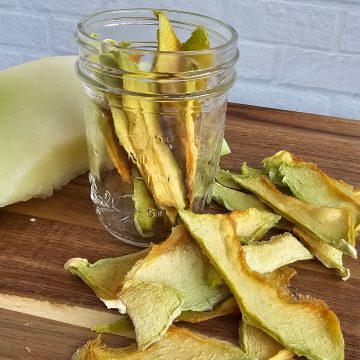
In conclusion, the dehydration of honeydew melon is more than a culinary trend; it is a calculated response to the modern challenges of food waste and economic instability. By adhering to rigorous preparation and storage standards, consumers can ensure a year-round supply of nutritious, flavorful produce, effectively bridging the gap between seasonal harvests and long-term food security. As more households adopt these practices, the impact on both personal finance and environmental sustainability is expected to grow, solidifying dehydration’s place as a cornerstone of the modern purposeful kitchen.


