
The practice of dehydrating cantaloupe represents a sophisticated intersection of culinary tradition and modern food science, offering a viable solution for extending the shelf life of seasonal produce while concentrating its natural sugars and nutrients. As food preservation gains renewed interest among domestic consumers and agriculturalists alike, understanding the technical parameters required to transform a highly perishable melon into a shelf-stable, nutrient-dense snack is essential. Cantaloupe, a member of the cucurbit family, is characterized by its high water content—typically exceeding 90%—which makes it an ideal candidate for dehydration, a process that removes moisture to inhibit the growth of bacteria, yeast, and mold.
The Technical Framework of Melon Dehydration
Dehydration operates on the principle of reducing water activity ($a_w$) to a level where biological spoilage is halted. For cantaloupe, this process requires a controlled environment where temperature and airflow are meticulously managed. According to food preservation standards, the optimal temperature for drying fruits is 135°F (57°C). At this specific thermal point, moisture is evaporated efficiently without "case hardening," a phenomenon where the exterior of the fruit dries too quickly, trapping moisture inside and leading to internal spoilage.
The chronological progression of dehydrating cantaloupe begins with the selection of the fruit. Agricultural experts suggest that while dehydration can salvage a melon that is slightly under-flavored by concentrating its sugars, the highest quality results are achieved using peak-season produce. In the United States, the primary harvest window for cantaloupe runs from June through August, during which the fruit reaches its maximum Brix level—a measurement of sugar content.
Procedural Chronology: From Field to Storage
The transition of cantaloupe from a fresh state to a dehydrated "jerky" follows a strict five-step protocol to ensure safety and quality.
Phase I: Preparation and Sanitization
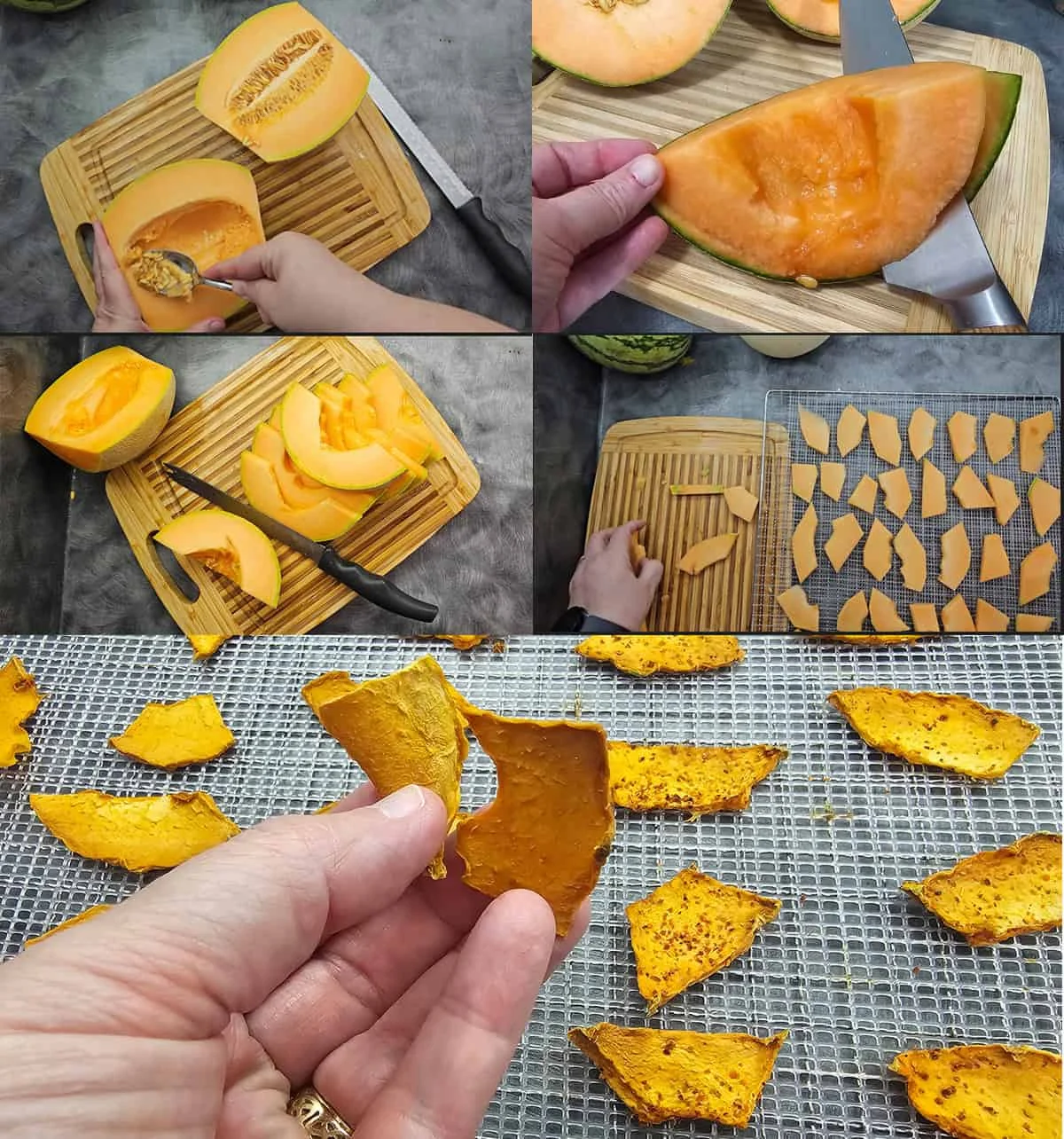
Because the reticulated (netted) rind of a cantaloupe can harbor soil-borne pathogens such as Salmonella or Listeria, the first step is a rigorous cleaning. The fruit must be scrubbed under cold running water with a dedicated vegetable brush. Once sanitized, the melon is halved, and the seeds and fibrous pith are removed.
Phase II: Precision Slicing
Uniformity is the most critical factor in the preparation phase. Slices should be approximately 1/4-inch (6 mm) thick. Inconsistent thickness leads to uneven drying, where some pieces remain dangerously moist while others become brittle. Professional food preparers often utilize a mandoline slicer to ensure every piece is identical, thereby guaranteeing a synchronized drying time.
Phase III: The Dehydration Cycle
The prepared slices are arranged on dehydrator trays with sufficient spacing to allow for horizontal or vertical airflow, depending on the machine’s design. The dehydration process typically spans a duration of 10 to 14 hours. During this window, the fruit undergoes a physical transformation: the vibrant orange flesh deepens in color, and the texture shifts from aqueous to leathery.
Phase IV: Testing and "Conditioning"
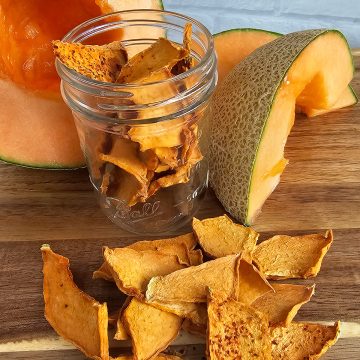
Determining the "doneness" of dehydrated cantaloupe requires tactile assessment. The fruit should be leathery and pliable, showing no signs of internal moisture when torn. However, the process does not end when the machine is turned off. A critical safety step known as "conditioning" must follow. The dried pieces are placed in a clear glass jar for seven to ten days. If any condensation appears on the glass, the fruit must be returned to the dehydrator, as residual moisture could lead to mold growth during long-term storage.
Phase V: Long-Term Storage Protocols
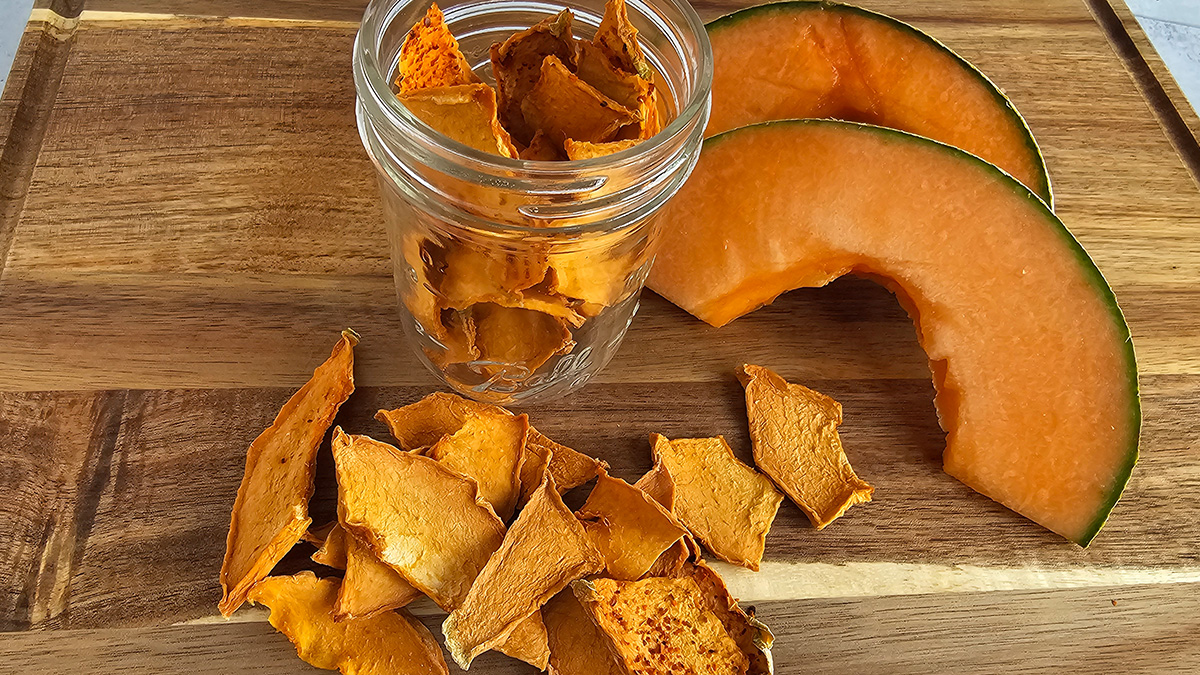
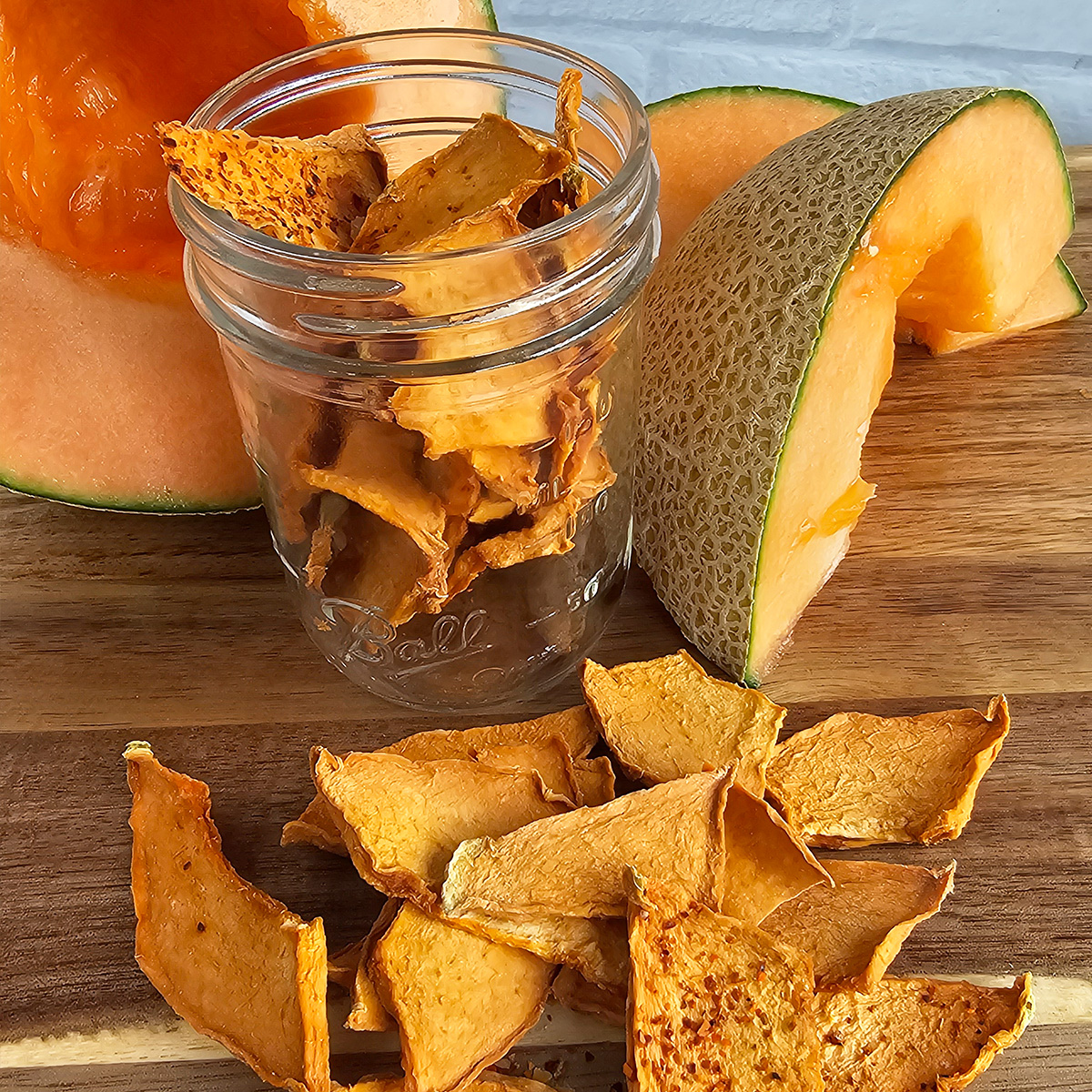
Once conditioned, the cantaloupe should be stored in airtight containers, such as vacuum-sealed bags or Mason jars. When stored in a cool, dark, and dry environment, the product can remain viable for up to twelve months. The use of oxygen absorbers or desiccant packets is recommended for those living in high-humidity climates to prevent the hygroscopic sugars in the melon from absorbing atmospheric moisture.
Nutritional Data and Comparative Analysis
The nutritional profile of dehydrated cantaloupe is remarkably dense. Data indicates that a standard serving of approximately 1/4 cup of dehydrated cantaloupe contains roughly 14 calories, 3 grams of carbohydrates, and 0.3 grams of fiber. Because dehydration removes water but retains solids, the nutrients become concentrated.
Cantaloupe is an exceptional source of Vitamin A (in the form of beta-carotene) and Vitamin C. These antioxidants are vital for immune function and skin health. While some Vitamin C is lost due to heat exposure during the drying process, the retention of minerals such as potassium—approximately 63 mg per serving—remains high. For consumers monitoring their glycemic index, it is important to note that the sugar-to-mass ratio is significantly higher in dried fruit; 1 cup of fresh cantaloupe has the same sugar content as 1/4 cup of the dehydrated version.
Equipment Requirements for Optimal Results
To achieve professional-grade results, the following equipment is standardized across the industry:
- Electric Food Dehydrator: Units with adjustable thermostats and rear-mounted fans (horizontal airflow) are preferred for even drying without the need for tray rotation.
- Mandoline Slicer or High-Carbon Steel Knife: Essential for maintaining the 1/4-inch thickness required for safety.
- Airtight Glass Storage Jars: Preferred over plastic for their non-porous nature and ability to facilitate the conditioning process.
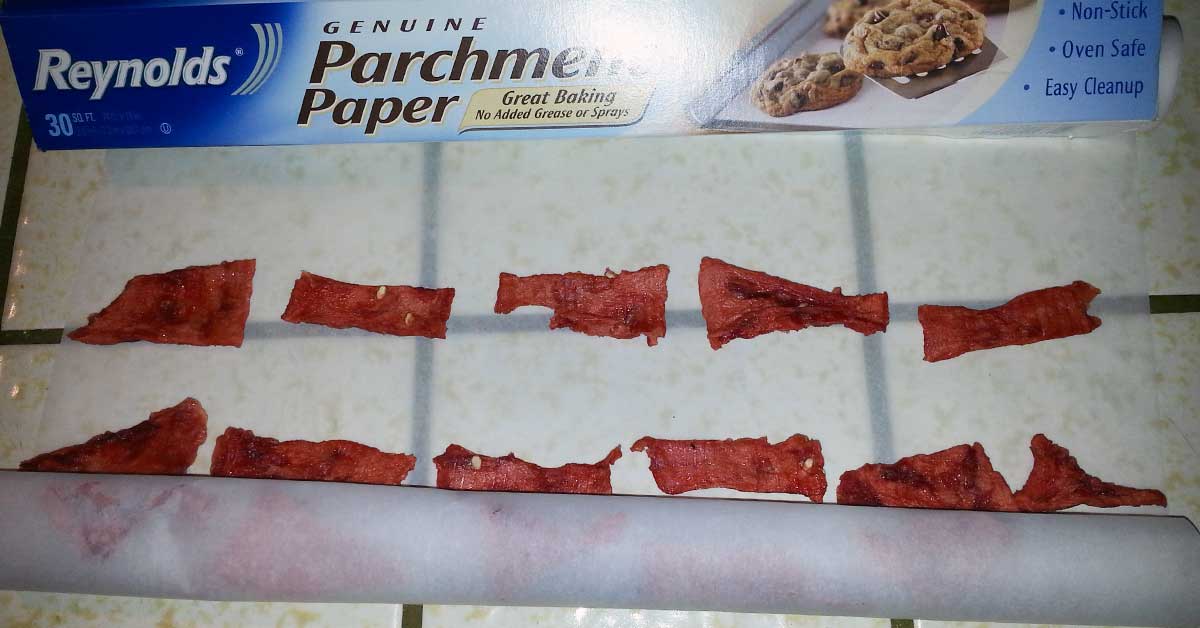
- Parchment Paper or Silicone Liners: These prevent the high-sugar fruit from adhering to the dehydrator trays.
Economic and Environmental Implications
The dehydration of melons serves as a strategic tool in the global effort to reduce food waste. Statistics from the Food and Agriculture Organization (FAO) suggest that nearly one-third of all food produced for human consumption is lost or wasted. Melons, due to their short peak-ripeness window, contribute significantly to these figures at the household level.
By employing dehydration, consumers can purchase cantaloupe in bulk during peak production periods when prices are at their lowest—often 50% cheaper than off-season prices—and preserve them for winter consumption. This not only provides economic relief to the household budget but also reduces the carbon footprint associated with transporting fresh, out-of-season fruit from the southern hemisphere.

Safety Considerations for Alternative Methods
While dedicated dehydrators are the gold standard, many consumers utilize conventional ovens. This method requires higher vigilance. Most modern ovens do not have a setting lower than 170°F (77°C), which is higher than the recommended 135°F. To mitigate this, the oven door must be propped open slightly to allow heat to escape and moisture to circulate. This method is less energy-efficient and poses a safety risk in households with small children or pets. Furthermore, the risk of "toasting" the fruit rather than drying it is significantly higher in an oven environment.
Flavor Enhancement and Culinary Applications
The natural flavor of cantaloupe is enhanced through dehydration, but culinary experts often suggest seasonings to create a more complex palate. Popular additives include:
- Tajin or Chili-Lime Seasoning: Provides a savory and acidic contrast to the melon’s sweetness.
- Cinnamon and Nutmeg: Aligns the fruit with autumnal flavor profiles.
- Ginger Powder: Adds a subtle heat that complements the floral notes of the cantaloupe.
Beyond simple snacking, dehydrated cantaloupe has found a place in modern gastronomy. It is used as a garnish for cocktails, chopped into granola mixes, or rehydrated in small amounts of water or tea to be used in baking.
Broader Impact on the Home Preservation Movement
The resurgence of interest in dehydrating fruits like cantaloupe and watermelon is part of a broader socio-economic shift toward food sovereignty. As supply chain vulnerabilities have become more apparent in recent years, the ability to maintain a "purposeful pantry" has transitioned from a niche hobby to a practical necessity for many.
The dehydration of cantaloupe is more than a culinary curiosity; it is a scientifically grounded method of food management. By adhering to strict temperature controls, ensuring uniform preparation, and following rigorous storage protocols, individuals can secure a year-round supply of nutritious, flavorful fruit. This practice exemplifies the modern movement toward sustainable living, combining the wisdom of traditional preservation with the efficiency of contemporary technology.


