
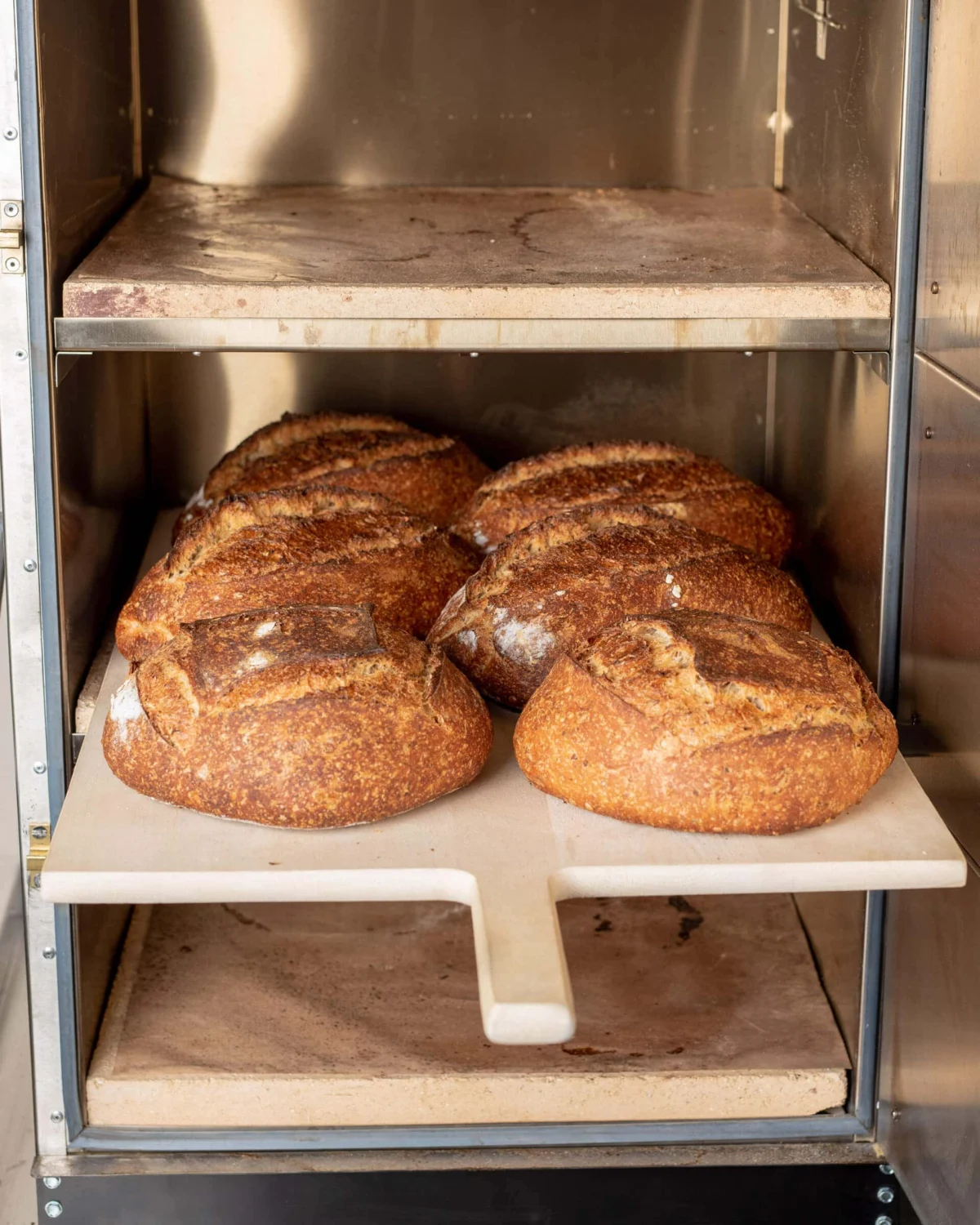
For a growing number of dedicated home bakers, the limitations of a standard kitchen oven eventually become apparent, prompting a search for equipment capable of handling larger quantities with greater efficiency and consistency. This pursuit often leads to specialized appliances designed to bridge the gap between amateur enthusiasm and professional-grade output. Among these, the Rofco bread oven has emerged as a significant contender, particularly its B40 model, which offers a compact yet powerful solution for scaling up artisanal bread production within a domestic setting. The transition from wishing for a larger oven to actively acquiring one signifies a deeper commitment to the craft, driven by the desire to bake multiple loaves simultaneously while maintaining focus on critical aspects such as flavor, fermentation, and shaping.
The past decade has witnessed a significant surge in the popularity of artisan bread baking, fueled by a renewed interest in sourdough, natural fermentation, and the pursuit of wholesome, homemade foods. This culinary movement has empowered countless individuals to experiment with complex doughs and techniques, pushing the boundaries of what is traditionally achieved in a home kitchen. As bakers progress, handling larger dough quantities becomes a natural evolution, inevitably leading to a yearning for tools that can enhance efficiency and elevate results. While baking substantial batches of bread in a conventional home oven is certainly achievable for many, dedicated equipment like the Rofco oven streamlines the process, allowing for consistent quality across multiple loaves, a formidable feat by home kitchen standards. This expansion of home baking can manifest as a gradual, almost obsessive, accumulation of expertise and equipment, occasionally culminating in ventures into nano or micro-bakeries, or even local farmers’ market sales.
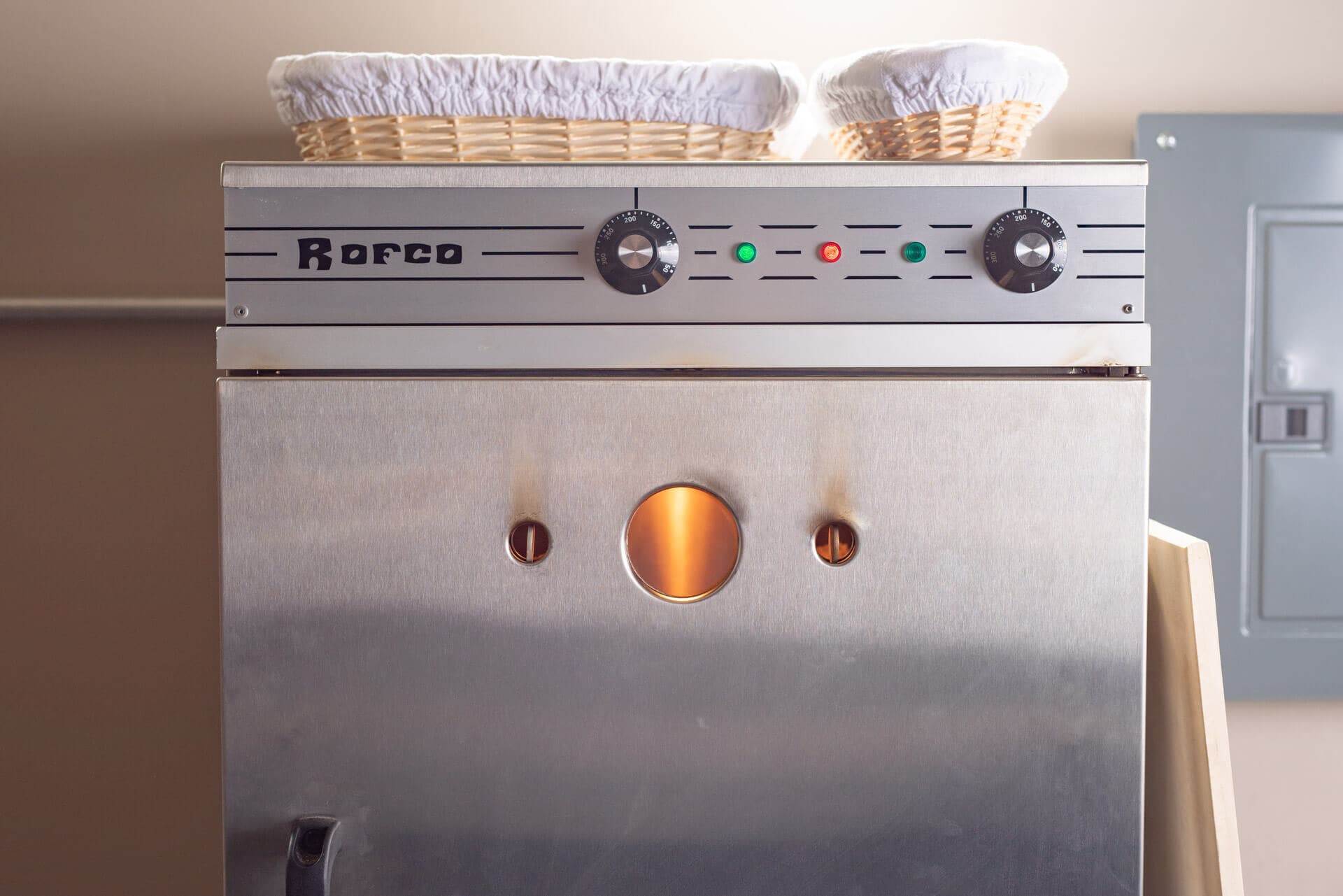
Central to this advanced home baking ecosystem is the Rofco bread oven, a Belgian-engineered appliance specifically designed for bread production. The B40, representing the largest variant in the Rofco lineup, features three square baking decks, each constructed from thick chamotte refractory bricks. These 1-3/8-inch thick stones are critical to the oven’s performance, as they possess exceptional heat retention capabilities. This ensures that even after the oven door is opened for loading dough, the internal temperature remains remarkably stable, minimizing heat loss and promoting consistent baking conditions. The oven’s no-nonsense construction and sealed chamber also contribute to its efficiency, producing minimal external radiant heat, which allows for placement in closer proximity to walls or other appliances without undue concern. This robust design underscores its utility as a bare-bones workhorse, delivering reliable performance precisely when needed.
Operating on a typical 220V AC single-phase power supply, the Rofco B40 requires a dedicated electrical installation, mirroring the power requirements of other heavy-duty home appliances. This typically involves an electrician installing a new receptacle and breaker in the home’s electrical panel, a necessary step to accommodate the oven’s power draw. This technical specification highlights the Rofco’s position as a serious investment for serious bakers, distinguishing it from standard consumer kitchen equipment. The oven’s ability to retain heat for extended periods facilitates multiple back-to-back bakes with only short rest periods for temperature recovery, making it highly efficient for larger batches, whether for family gatherings, community events, or small-scale commercial endeavors. Its compact footprint, relative to its multi-deck capacity, further enhances its appeal for those with limited space but ambitious baking goals.
The Rofco B40’s three 18.9-inch by 18.9-inch baking decks offer considerable versatility in dough arrangement, akin to a real-life Tetris challenge to maximize output while ensuring even baking. For typical home-scale production, common configurations include two 900g batards per deck, two 800g boules, or four 700g loaves. The orientation of the dough on the decks is crucial, with careful consideration given to spacing to prevent loaves from touching during oven spring. While the most common scenario for many users involves baking four to six loaves, the oven’s capacity allows for significantly larger quantities when needed, such as for festivals or parties. Beyond artisanal bread, the Rofco’s design accommodates other baked goods. The inclusion of square steel trays facilitates the baking of smaller items like buns and rolls, and even a large square pizza, providing a convenient method for transferring multiple small items and containing potential spills. This adaptability extends the oven’s utility beyond its primary function, making it a valuable asset for a broader range of culinary pursuits.
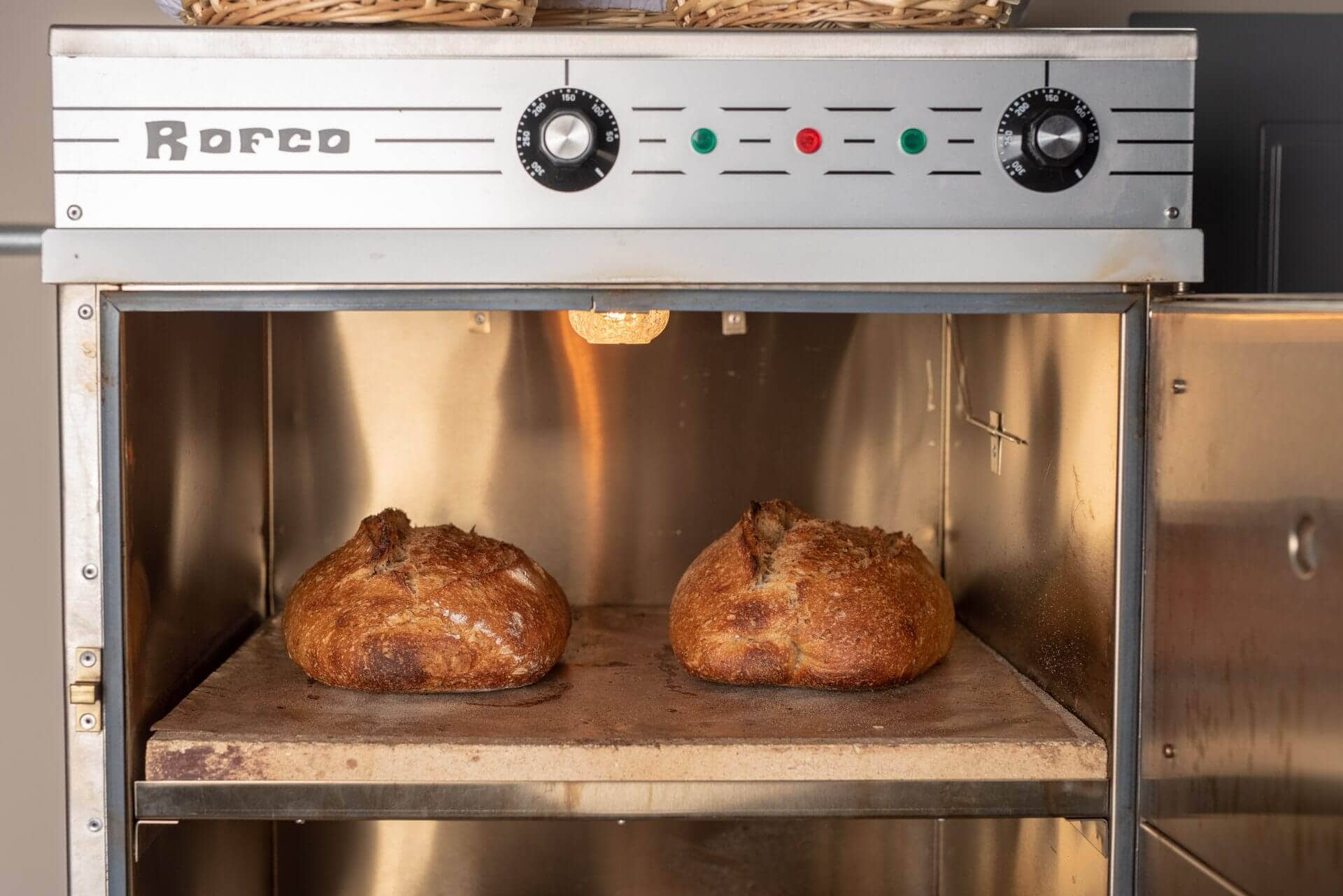
A critical element in achieving optimal bread rise and crust development is the introduction of steam during the initial phase of baking. The Rofco’s sealed oven chamber is advantageous in this regard, preventing steam from escaping prematurely. However, unlike some professional bread ovens that feature built-in steam injection systems, the Rofco requires manual steam application. This necessitates reliable methods to introduce sufficient moisture into the baking environment. Two primary methods are commonly employed by Rofco users: the high-pressure sprayer and optional steam pods. The high-pressure sprayer, particularly a commercial-grade electric model, is favored by many for its ability to produce a fine, pervasive mist. The process involves pressurizing the sprayer, loading the dough onto the decks, and then systematically spraying each deck for approximately 10-12 seconds, taking care to avoid the glass-enclosed light fixture on the top deck to prevent cracking. A second application just before fully closing the door ensures ample steam saturation.
Alternatively, the Rofco offers optional rectangular steel steam pods, designed to be preheated on the sides of each deck. When steam is required, water or ice cubes are poured into these hot pods, rapidly generating steam within the sealed chamber. While effective, these pods occupy valuable deck space, a trade-off many users find prohibitive given the premium on maximizing loaf count. Once the initial steaming phase is complete, venting the oven is essential for crust development. This is typically achieved by carefully opening the oven door to allow the rush of steam to escape, then closing it and tilting the circular vents in the door to their open position. This controlled release of steam facilitates the transition from a moist, pliable crust to a crisp, golden-brown finish.
The baking process in a Rofco oven, while adaptable to different dough types and formulas, generally follows a structured protocol to leverage the oven’s unique heating characteristics. The initial step involves a thorough preheating phase: with the oven empty and vents closed, both the top and bottom heating elements are set to 240°C. This preheat typically lasts for 1.5 hours, a duration specifically chosen to ensure the chamotte bricks are fully saturated with heat, providing a stable thermal mass for baking. Once the oven is adequately preheated, the loading process begins. Using a large wooden pizza peel, dough is gently turned out onto silicone sheets, scored, and then slid from the peel onto each deck, creating an efficient assembly line for rapid transfer.

The subsequent baking cycle, refined through extensive testing by experienced users, typically adheres to a multi-stage approach:
- Preheat Oven (door closed, vents closed): 240°C for 1 hour 30 minutes. This foundational step ensures optimal heat saturation in the refractory stones.
- Bake, with steam: 150°C for 20 minutes. Immediately after loading and steaming, the temperature is set for the initial baking phase.
- Bake, vent steam (carefully open door briefly, swivel open vents): 220°C for 10 minutes. This phase focuses on setting the crust and promoting further oven spring after the steam has done its work.
- Bake (reshuffle loaves, if necessary): 150°C for 20-30 minutes. The temperature is reduced for the remainder of the bake, ensuring thorough cooking and continued crust development, with optional repositioning of loaves for even coloration.
Upon completion of the baking cycle, the fully baked loaves and silicone sheets are carefully removed using the peel and placed on wire racks for cooling. The oven is then either turned off or reset to 240°C if subsequent batches are planned. An often-overlooked utility of the Rofco oven is its residual heat after baking. Many bakers utilize this heat to dry proofing baskets (bannetons) by placing them inside the oven immediately after the loaves are removed. This expedient drying process helps prevent mold formation and ensures the baskets are ready for their next use.
Beyond the oven itself, several ancillary tools significantly enhance the Rofco baking experience. An essential item for many users is a robust oven equipment stand. Custom-cut stainless steel stands, often sourced from restaurant supply retailers, raise the oven to a comfortable working height of approximately 20 inches, facilitating easier loading and unloading. These stands are designed for stability, though optional casters, while convenient for relocation, can slightly reduce structural rigidity. For those who do not require frequent movement, foregoing casters might be preferred for maximum stability.

A large wooden pizza peel is another indispensable tool. Initially, some users may find the included square steel trays cumbersome for loading multiple loaves. A wide wooden peel, such as an 18-inch by 29.5-inch model with a suitable handle, proves ideal. Its width often perfectly matches the Rofco B40’s decks (18.9 inches), allowing for seamless transfer of silicone sheets with dough into and out of the oven. This facilitates a smooth, efficient workflow, critical when handling multiple loaves. As previously noted, an electric commercial-strength sprayer is highly recommended for manual steam injection, providing a consistent, fine mist without the physical effort required by hand-pump models.
New Rofco oven users should anticipate a slight dip in initial baking quality as they acclimate to the new equipment and process. This learning curve is common with any specialized baking apparatus. It is advisable to begin with a straightforward sourdough recipe and practice consistently until proficiency is achieved with the oven’s unique parameters. The Rofco B40 represents a significant investment, both financially and in terms of learning, but one that is highly recommended by its users for anyone aspiring to move beyond two loaves in a home oven. Vendors like Pleasant Hill Grain in the US are frequently cited for their exceptional customer service and responsiveness, a crucial factor when purchasing specialized equipment.
For those considering an even greater scale of operation, or complementary equipment, the market offers various professional-level tools. This includes spiral dough mixers, such as the Famag, capable of mixing up to 8 kilograms of dough, or smaller home-friendly versions like the Ooni Halo Pro Spiral Mixer, suitable for test batches in a micro-bakery. For bakers requiring even larger capacity than the Rofco, ovens like the RackMaster 2020 Bread Oven provide substantial deck space for high-volume production. The Rofco B40, therefore, occupies a vital niche in the evolving landscape of advanced home and micro-bakery operations, providing a robust, efficient, and reliable solution for serious bakers seeking to elevate their craft.


