
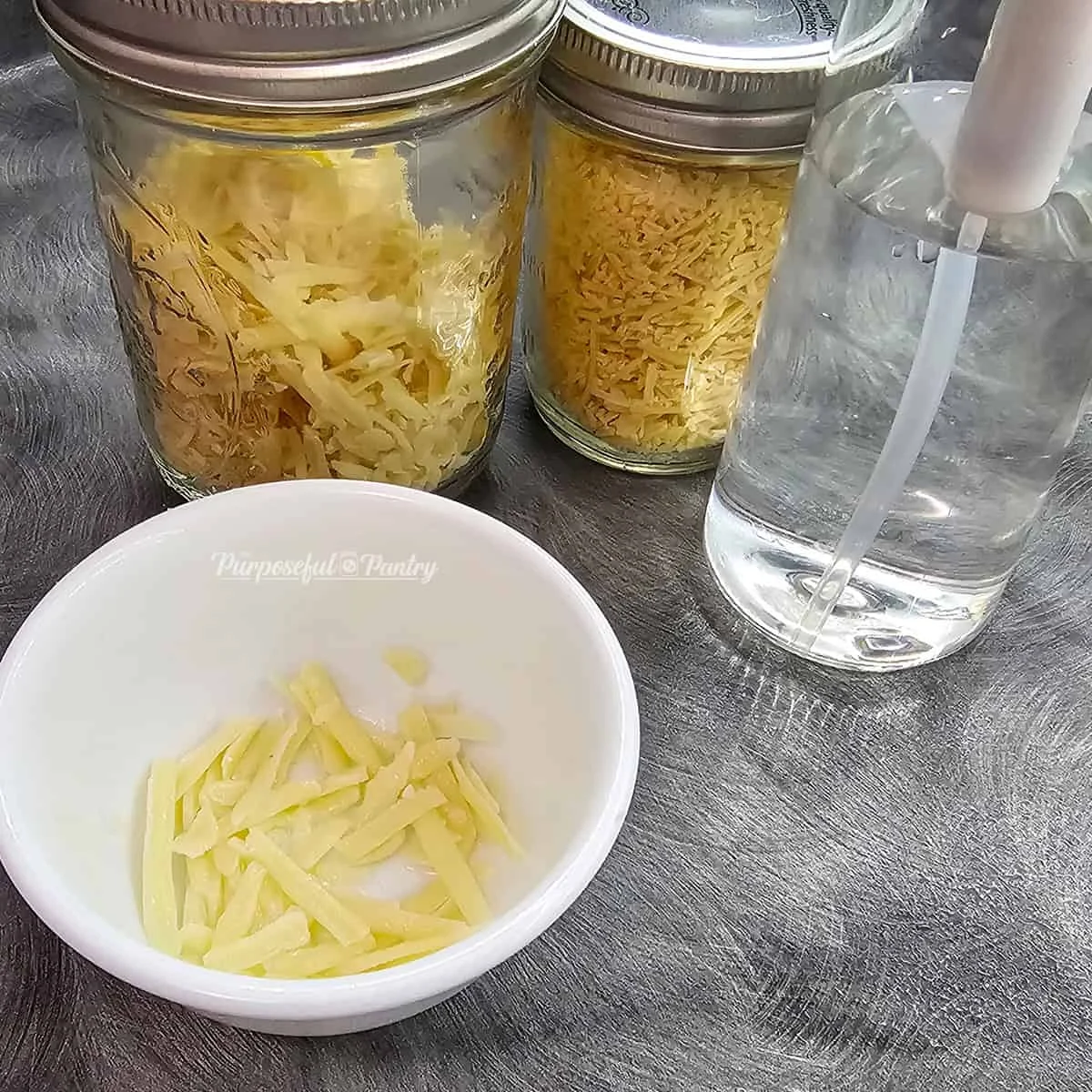
The preservation of dairy products has long been a challenge for home economists and food preservation enthusiasts due to the high fat and moisture content inherent in milk-based goods. However, the application of dehydration technology to hard cheeses, specifically Parmesan, has emerged as a viable method for extending shelf life and enhancing the portability of nutrient-dense proteins. While the process does not render the cheese indefinitely shelf-stable in the manner of commercially processed "cheese powders" that often contain anti-caking agents and preservatives, home dehydration offers a clean-label alternative for short-term storage, outdoor recreation, and artisanal seasoning blends.
The Evolution of Hard Cheese Preservation
The practice of aging cheese is, in itself, an ancient form of food preservation. Parmesan, or Parmigiano-Reggiano, is a hard, granular cheese that undergoes a rigorous aging process, often lasting between 12 and 36 months. This aging naturally reduces moisture content and increases acidity, making it more resistant to spoilage than soft cheeses like Brie or Mozzarella. In the context of modern food preservation, the home dehydrator serves as a tool to further extract remaining water, thereby inhibiting the growth of mold and bacteria that require moisture to thrive.
The current surge in home dehydration is driven by a broader movement toward food self-sufficiency and the rising popularity of "meals in a jar" and lightweight camping rations. According to industry analysis, the global food dehydrator market has seen steady growth as consumers seek to reduce food waste and create customized, additive-free ingredients. Within this landscape, Darcy Baldwin, a food preservation expert and founder of The Purposeful Pantry, has identified Parmesan as a primary candidate for home processing due to its structural integrity and lower fat-to-protein ratio compared to softer varieties.
Technical Methodology: The Dehydration Chronology
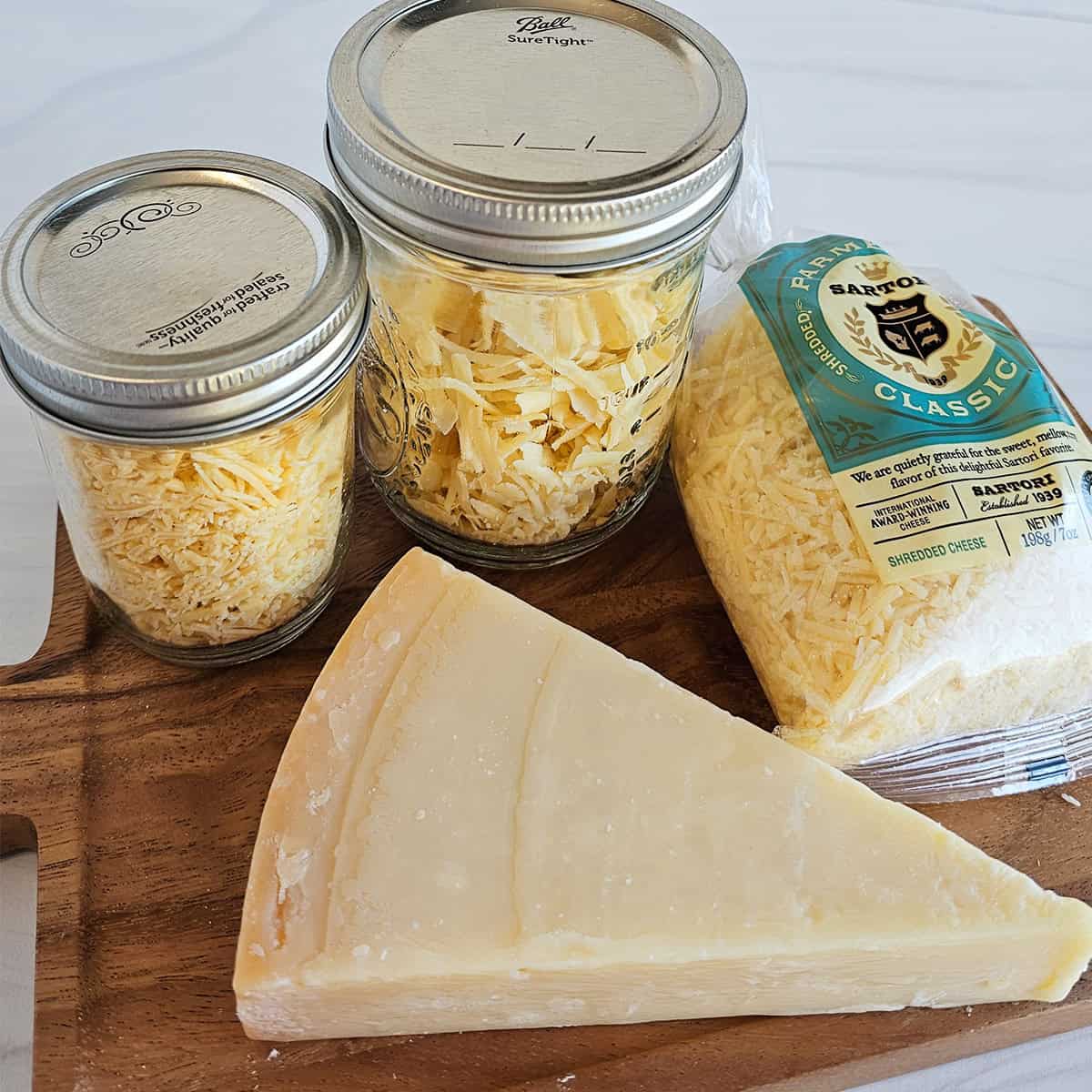
Achieving a successful result requires a systematic approach to moisture removal while managing the presence of lipids. The process begins with the selection of the cheese. While fresh wedges offer the highest quality, pre-shredded varieties are also compatible with the method.
Preparation and Arrangement
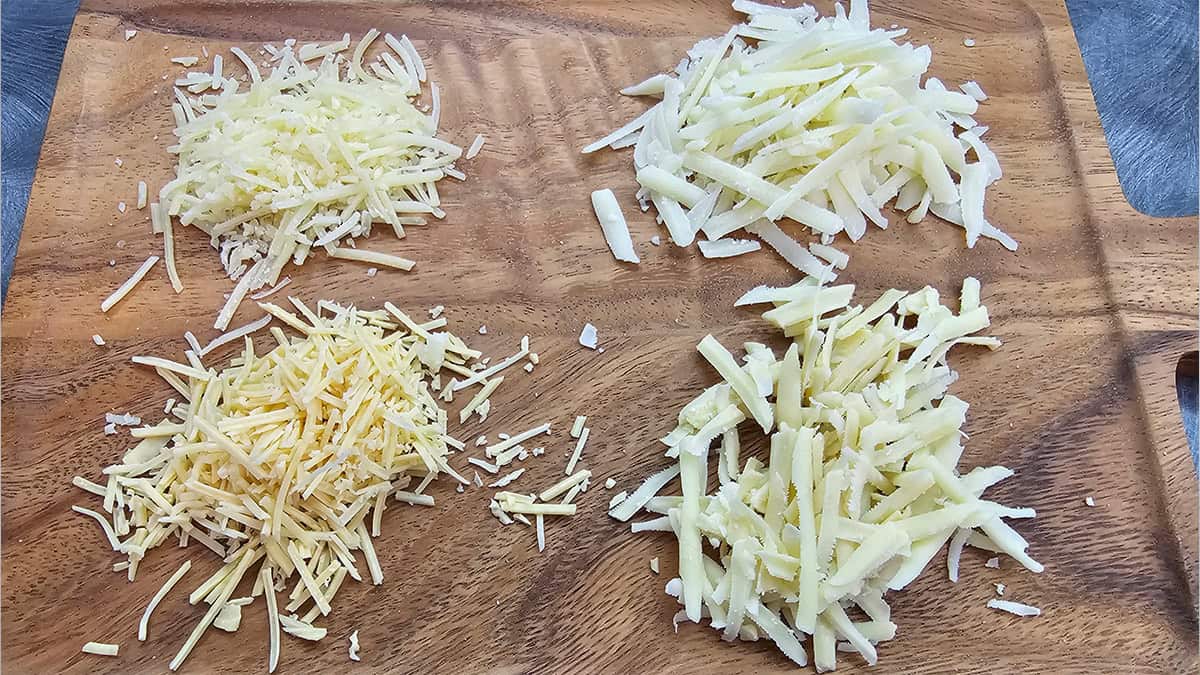
The cheese must be processed into uniform shreds. Uniformity is critical in dehydration to ensure that all particles reach the desired level of dryness simultaneously, preventing "case hardening" where the exterior dries too quickly, trapping moisture inside. The shreds are distributed in a single layer across the trays of a food dehydrator. To manage the inevitable release of oils, experts recommend lining the trays with parchment paper or specialized mesh sheets.
The Thermal Process
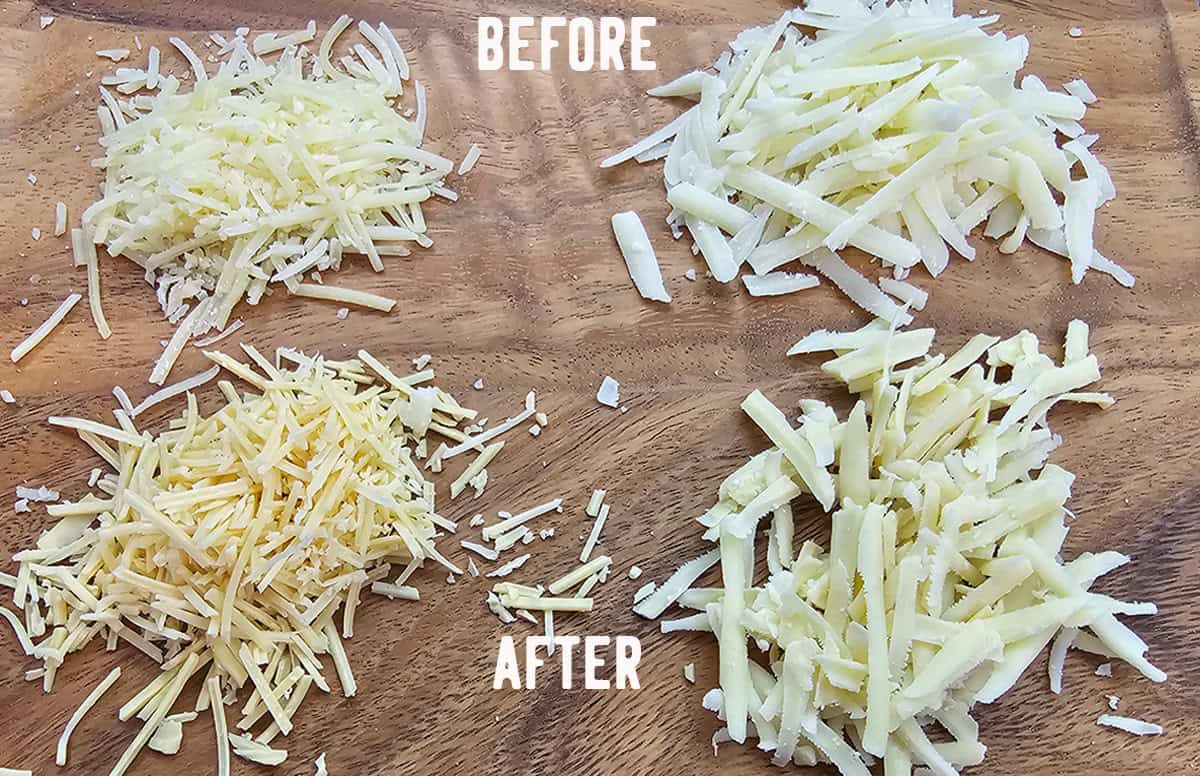
The dehydrator is typically set to a temperature range between 125°F and 135°F (52°C to 57°C). This temperature is sufficient to evaporate moisture without "cooking" the cheese or causing excessive melting. During the cycle, which can last several hours, the cheese undergoes a visible transformation. As water evaporates, the protein structures contract, resulting in a crunchy, brittle texture.
Lipid Management
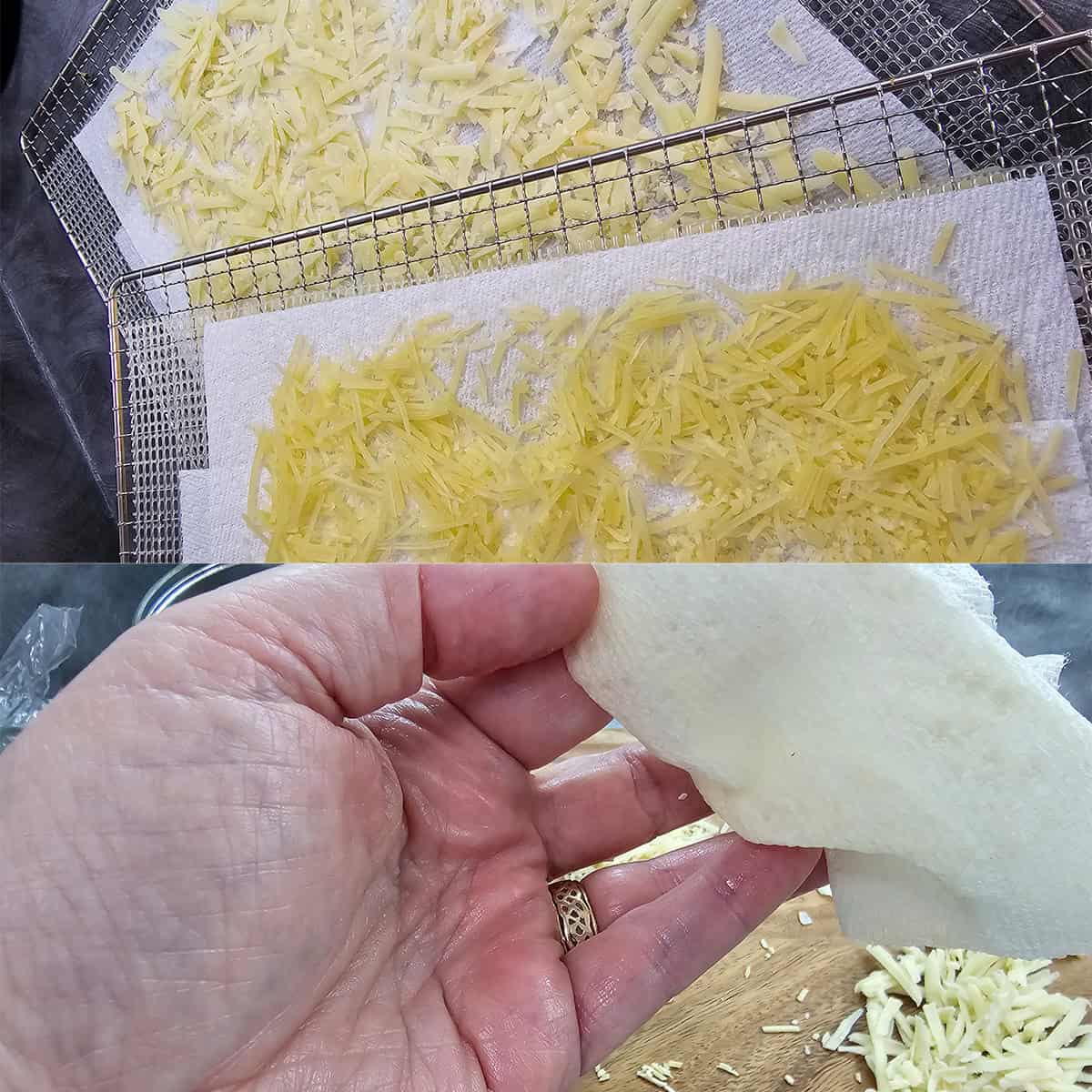
A unique requirement of cheese dehydration is the active management of fat. Unlike fruits or vegetables, cheese contains significant lipids that do not evaporate. During the heating process, these fats may bead on the surface of the cheese. Practitioners are advised to periodically blot the cheese with clean paper towels to remove excess oil. This step is vital for extending the product’s shelf life, as surface oils are the first components to undergo oxidation.
The Science of Shelf Stability and Lipid Oxidation
A critical distinction must be made between "moisture-free" and "fat-free." Home dehydration effectively removes water content, which is the primary catalyst for microbial spoilage. However, it does not remove the fat. This reality dictates the limitations of the product’s shelf life.
Lipid oxidation, or rancidity, occurs when fats are exposed to oxygen, light, and heat. Because the dehydrated Parmesan still contains its original fat content, it remains susceptible to this chemical breakdown. Over time, oxidized fats produce "off" flavors and odors, rendering the cheese unpalatable. Consequently, while dehydrated Parmesan is more stable than its fresh counterpart, it is not considered a multi-year storage item. Experts suggest a viable shelf life of six months to one year, depending on storage conditions.
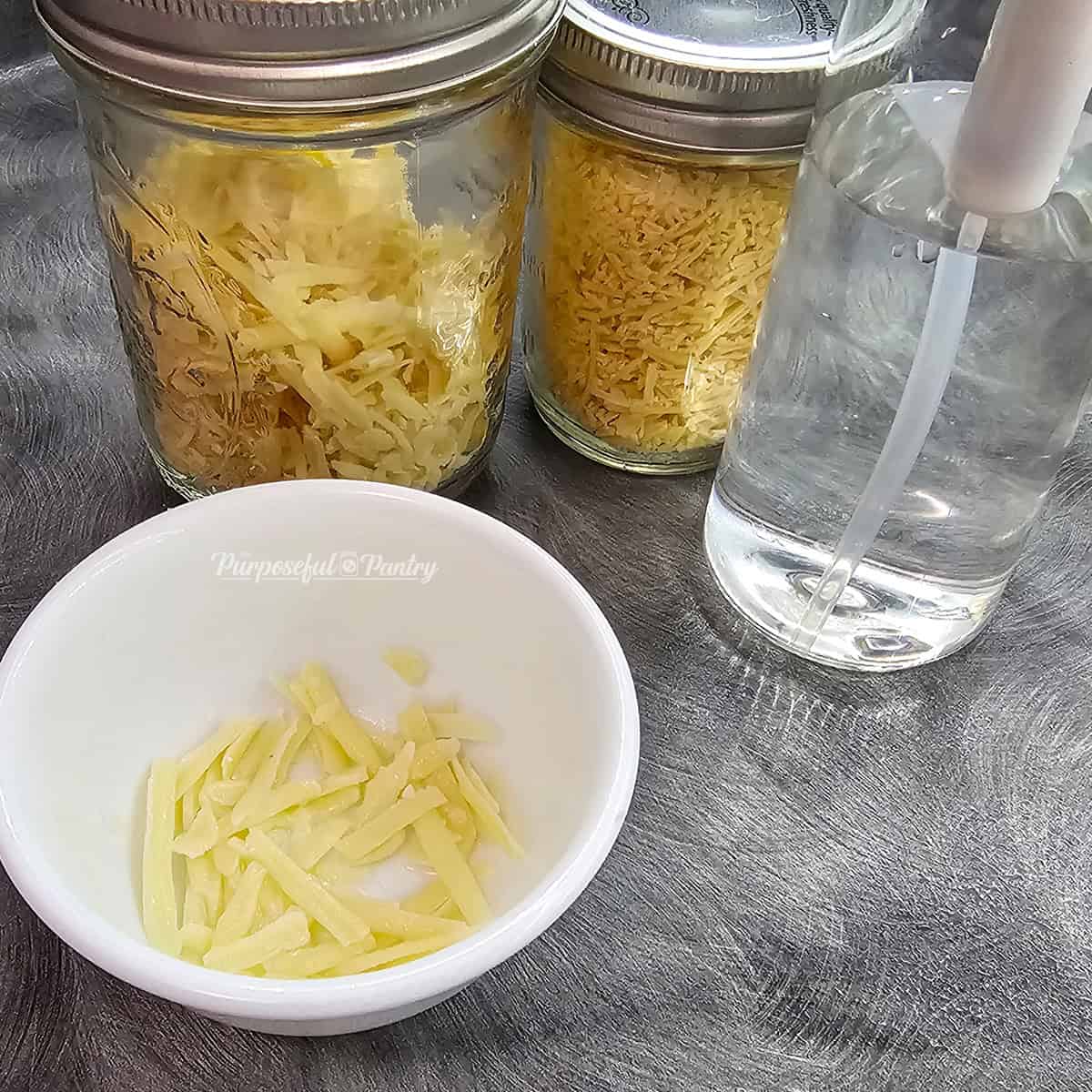
To mitigate oxidation, the storage environment must be strictly controlled. Placing the dried shreds in airtight glass jars or vacuum-sealed bags is the standard recommendation. While the product can be kept on a pantry shelf for short durations—making it ideal for hiking trips or emergency kits—long-term quality is best maintained through refrigeration or freezing, which slows the kinetic energy of the oxidation process.
Comparative Suitability: Hard vs. Soft Cheeses
The success of dehydration is largely dependent on the starting material’s composition. Hard cheeses are characterized by a lower moisture content and a denser protein matrix.
- Optimal Candidates: Parmesan, Romano, Pecorino, and Asiago are the most suitable for this process. Their low moisture levels allow them to dry into a crisp texture that can be easily powdered or stored as shreds.
- Sub-Optimal Candidates: Softer cheeses, such as Cheddar, Swiss, or Monterey Jack, contain higher levels of lactose and fat. When subjected to the heat of a dehydrator, these cheeses tend to melt and pool rather than dry. While they can be dehydrated, the resulting product requires much more intensive fat management and generally has a shorter shelf life due to higher fat concentrations.
Nutritional Profile and Dietary Implications
Dehydrated Parmesan remains a nutrient-dense food. Based on standard nutritional data, a one-ounce serving of the cheese provides approximately 105 calories, 7 grams of protein, and 7 grams of fat. It is also a significant source of sodium (approximately 438 mg) and calcium.
It is important for consumers to understand the concentration effect of dehydration. Because the water is removed, the weight of the cheese decreases significantly, but the caloric and nutrient density remains. When calculating nutritional intake for recipes, preservationists use a 4:1 ratio; essentially, 1/4 cup of dehydrated cheese provides roughly the same nutritional value as one cup of fresh shredded cheese. This concentration makes it an exceptionally efficient source of protein for backpackers and individuals requiring high-calorie density in small volumes.
Culinary Applications and Market Impact
The utility of dehydrated Parmesan extends beyond simple storage. It has become a foundational ingredient in several niche culinary applications:
- Seasoning Blends: Dehydrated Parmesan is a key component in "Umami" powders. When combined with dehydrated mushroom powder, garlic, and herbs, it creates a shelf-stable seasoning that enhances soups, pastas, and roasted vegetables.
- Meal-in-a-Jar: For those practicing long-term food prep, dehydrated cheese allows for the inclusion of dairy in dry-mix meals (such as "instant" risotto or pasta Alfredo) without the need for commercial chemicals.
- High-Protein Snacks: The "Parmesan crisp" has gained popularity in ketogenic and low-carbohydrate diets. Dehydrated shreds offer a shelf-stable version of these snacks that do not require refrigeration during travel.
- Rehydration Versatility: The product can be returned to a softer state by adding a small amount of moisture. This makes it a functional ingredient for backcountry cooking where fresh dairy is inaccessible.
Safety Standards and Official Responses
While home food preservation is a widely accepted practice, federal health agencies like the USDA and the National Center for Home Food Preservation (NCHFP) maintain cautious stances on home-dried dairy. The primary concern is the lack of standardized testing for fat-containing foods in a home environment. Unlike high-acid canning or vegetable dehydration, cheese preservation involves complex proteins and fats that can harbor pathogens if not handled correctly.
Official guidelines emphasize that dehydration should be viewed as a method for short-term convenience rather than indefinite stockpiling. The industry consensus among experts like Darcy Baldwin aligns with this: the process is a tool for enhancing the utility of the pantry, provided the user understands the biological limitations of the medium.
Conclusion: The Role of Dehydrated Parmesan in Modern Pantries
The dehydration of Parmesan cheese represents a bridge between traditional preservation and modern convenience. By understanding the chemistry of the cheese—specifically the interplay between moisture removal and fat retention—consumers can successfully create a product that is both versatile and portable.
As the demand for transparent, additive-free food continues to rise, techniques such as these provide an alternative to the highly processed options found in commercial grocery aisles. While the risk of fat rancidity prevents Parmesan from being a "set and forget" long-term storage item, its six-to-twelve-month stability window offers ample opportunity for culinary innovation and practical application in various lifestyles, from the suburban kitchen to the remote mountain trail.


