
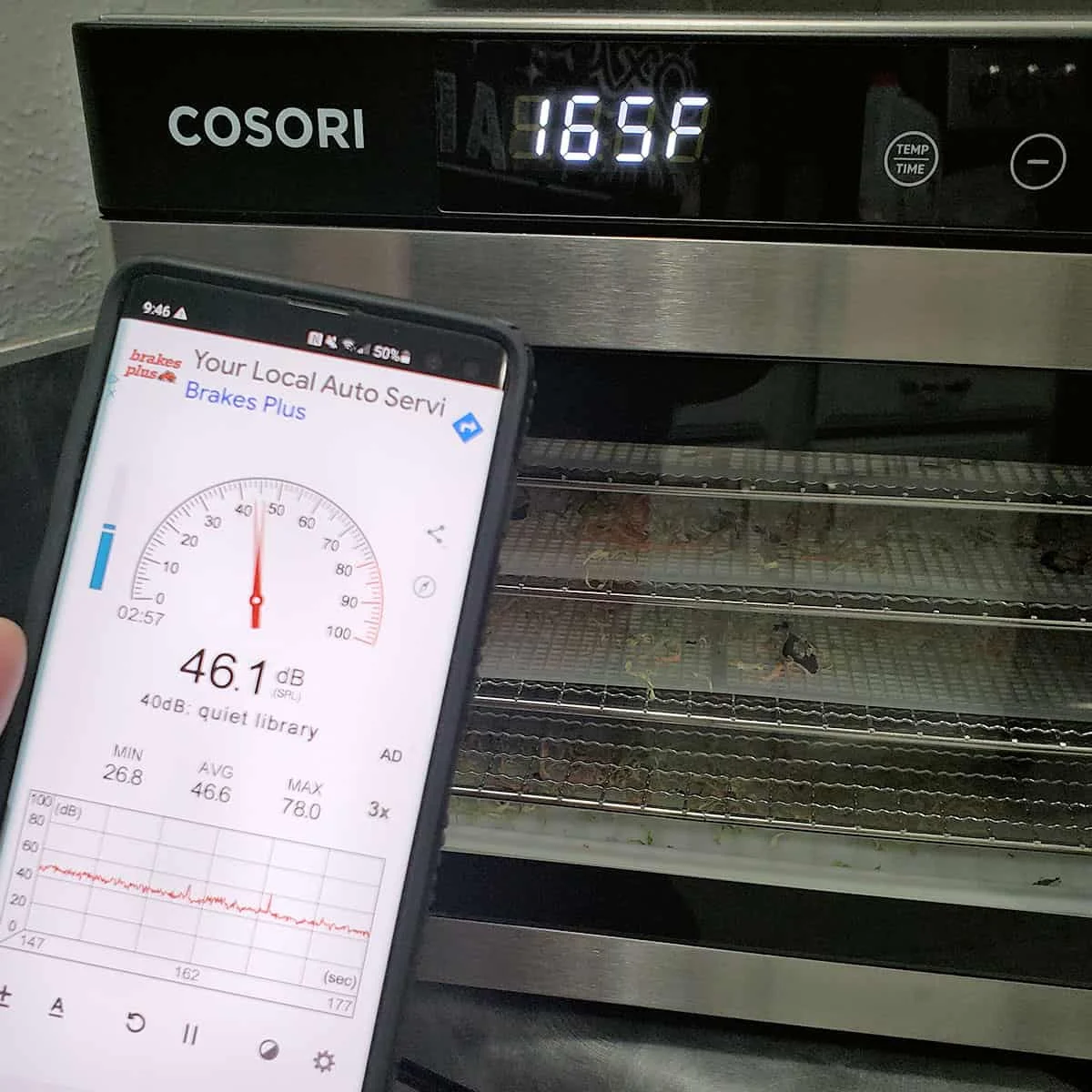
The global market for home food preservation has seen a significant shift toward professional-grade appliances, with Cosori food dehydrators emerging as a prominent choice for consumers seeking a balance between functionality and affordability. As food security and waste reduction become central themes in modern household management, the demand for reliable drying technology has transitioned from niche hobbyist equipment to essential kitchen inventory. The Cosori series, specifically the 6-tray and 10-tray stainless steel models, represents a departure from traditional plastic stackable units, offering horizontal airflow systems and digital precision that were previously reserved for commercial-grade machinery.
The Rise of Precision Dehydration Technology
Dehydration as a method of food preservation dates back millennia, but the technological requirements for safe, long-term storage have become more stringent in the contemporary era. Modern dehydrators must maintain consistent temperatures to prevent "case hardening"—a condition where the outside of the food dries too quickly, trapping moisture inside and leading to mold growth. Cosori’s entry into this market focused on addressing these technical hurdles through the implementation of rear-mounted fans and digital thermostats.
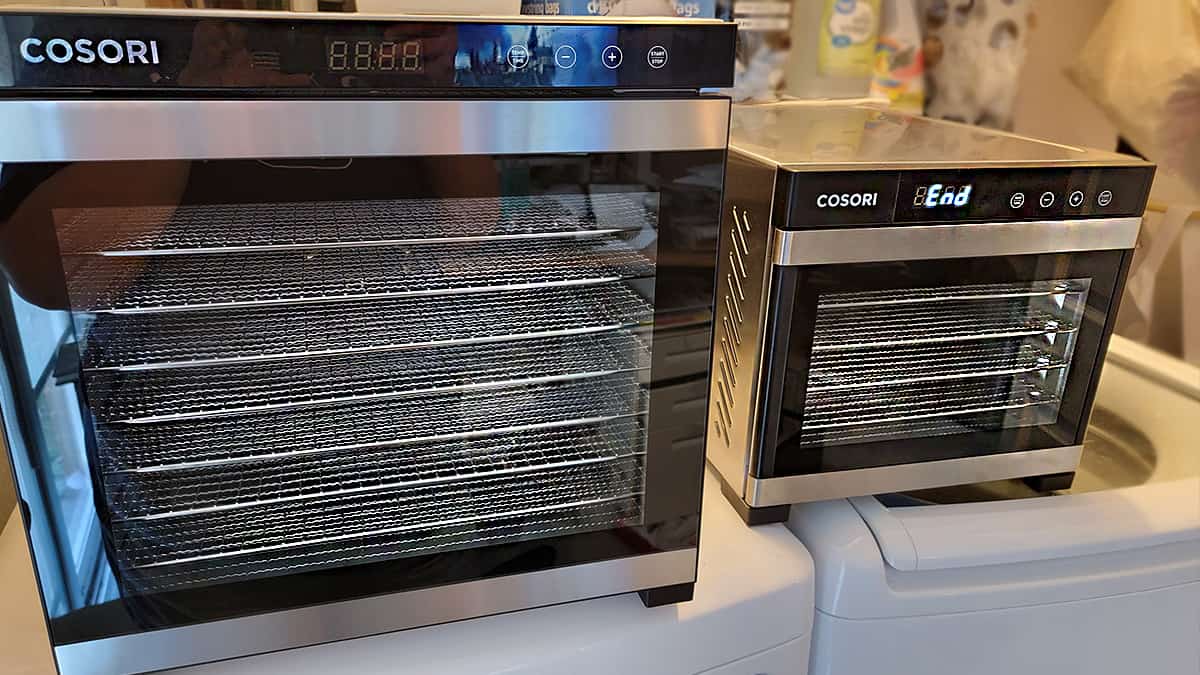
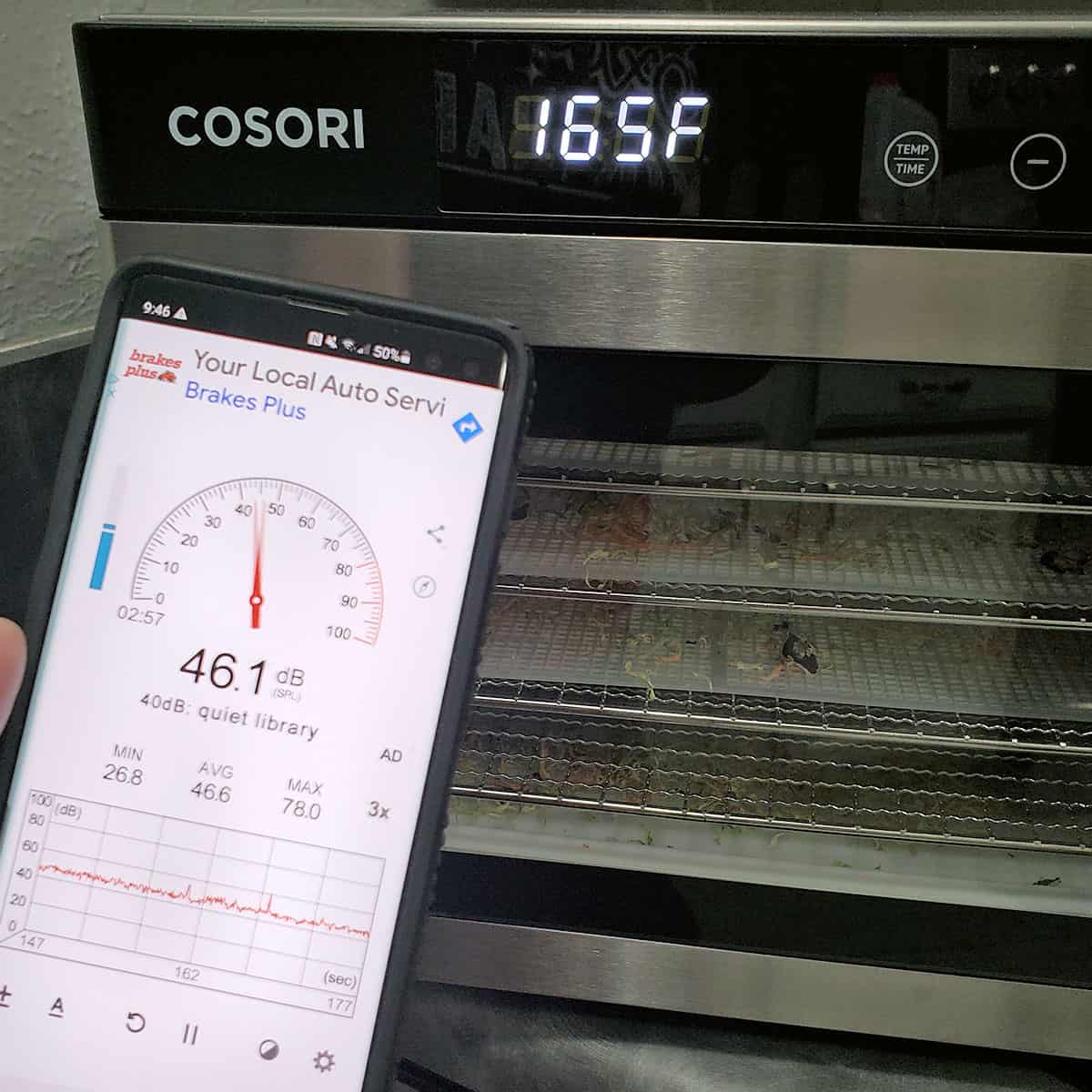
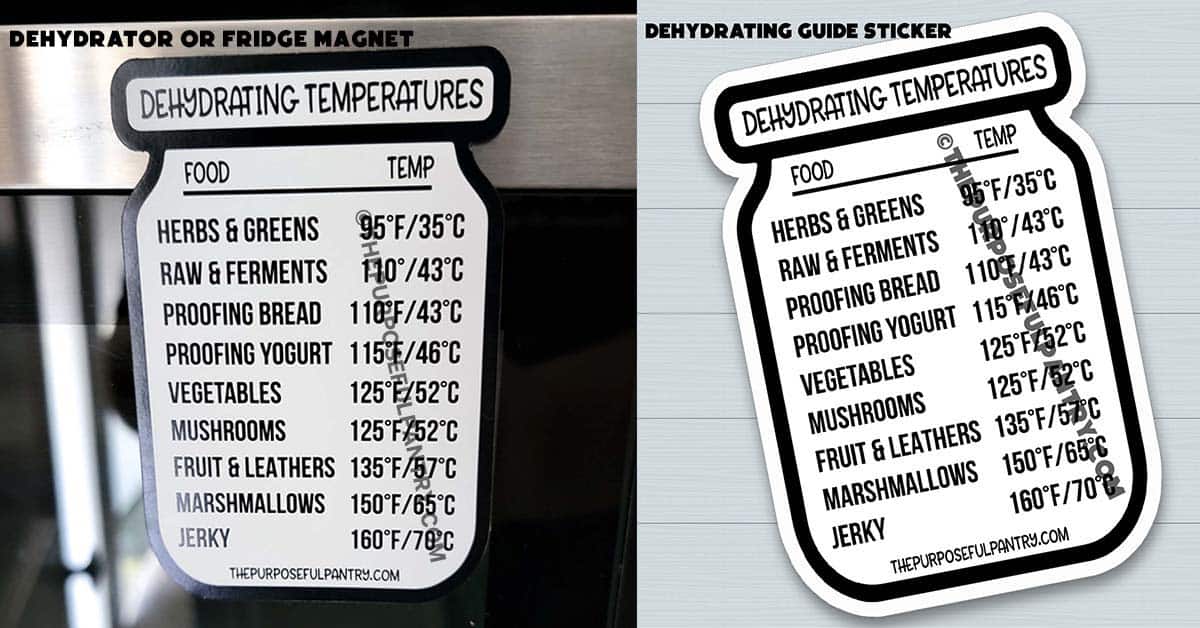
The current market landscape shows that consumers are increasingly prioritizing stainless steel construction over plastic alternatives. This shift is driven by concerns over bisphenol A (BPA) leaching at high temperatures and the overall durability of the appliance. The Cosori Premium Stainless Steel Dehydrator (Model CP267-FD) has become a benchmark for this transition, offering a 600-watt heating element and a temperature range of 95°F to 165°F. While the 10-tray variant offers higher wattage to accommodate a larger internal volume, laboratory testing and consumer feedback indicate that drying times remain consistent across both models, provided the airflow-to-volume ratio is maintained.
Technical Specifications and Chronology of Design
The development of the Cosori dehydrator line reflects a broader trend in kitchen appliance engineering: the integration of "set-and-forget" digital interfaces.
Evolution of the Cosori Interface
- The Analog Era: Early home dehydrators relied on simple dial thermostats with high variance in actual internal temperatures.
- Digital Integration: Cosori introduced a digital control panel that allows for 30-minute increment timers and 1-degree temperature adjustments.
- Materials Upgrade: Transitioning from the all-plastic "L" series to the "Premium" stainless steel series, which utilizes 304-grade stainless steel for trays and a glass viewing window for monitoring progress without heat loss.
Performance Data for the 6-Tray Model
The CP267-FD model operates on a standard 120V/60Hz power supply. Its technical footprint is designed for countertop efficiency, measuring approximately 13.4 x 17.8 x 12.4 inches. The 600-watt output is calibrated to support a 48-hour continuous run time, which is necessary for high-moisture foods like tomatoes or thick-cut jerky. Industry standards suggest that for every 1,000 feet of elevation, drying times can increase by roughly 10%; the Cosori’s fan-forced horizontal airflow is designed to mitigate these environmental variables by ensuring even distribution across all six tiers.
Economic and Environmental Implications of Home Dehydration
The adoption of high-efficiency dehydrators has measurable economic impacts on the average household. According to data from food waste advocacy groups, the average family discards nearly 30% of purchased produce. By utilizing dehydration, households can extend the shelf life of seasonal harvests and grocery surpluses from days to years.
Cost-Benefit Analysis
From a fiscal perspective, the initial investment in a stainless steel dehydrator is often recouped within the first 12 to 18 months of regular use. Store-bought dehydrated snacks, such as organic apple chips or beef jerky, typically retail at a 300% to 500% markup over the raw ingredient cost. Furthermore, the energy consumption of a 600-watt unit is relatively low; running the machine for 10 hours at a medium setting typically costs less than $1.00 in electricity in most North American jurisdictions.
Sustainability Factors
Dehydration significantly reduces the weight and volume of food, which in turn reduces the carbon footprint associated with storage and transport. Unlike canning, which requires glass jars and single-use lids, or freezing, which requires constant energy to maintain sub-zero temperatures, dehydrated foods can be stored in reusable vacuum-sealed bags or Mylar at room temperature.
Operational Challenges and Consumer Feedback
Despite the technological advancements, the use of Cosori dehydrators involves a learning curve that has been documented in various consumer advocacy reports. One recurring observation among users is the sensitivity of the digital timer. The current design resets the timer if the door is left open for an extended period, a feature intended to prevent temperature fluctuations but one that users find inconvenient during the final "dryness check" phase.
Accessory Gaps and Market Response
A point of contention in the consumer market has been the inclusion of accessories. While the units ship with stainless steel trays, they often include only a limited number of mesh liners and fruit leather sheets. This has spawned a secondary market for compatible silicone liners, which many users find superior to the manufacturer’s original plastic mesh.
Manual Accuracy and Safety Standards
Expert analysis of the provided instructional manuals suggests a discrepancy between manufacturer recommendations and long-term food safety protocols. Many dehydrator manuals, including Cosori’s, provide conservative storage estimates of only a few weeks. However, food preservation specialists note that if food is dried to a moisture content of 10% or less and stored in an oxygen-free environment, it remains shelf-stable for several years. Consumers are encouraged to cross-reference manufacturer recipes with USDA or National Center for Home Food Preservation (NCHFP) guidelines to ensure safety, particularly when processing meats.
Comparative Analysis of the Competitive Landscape
The Cosori dehydrator occupies a middle-ground "prosumer" niche. It competes directly with brands such as Excalibur, Magic Mill, and Ivation.
- Excalibur: Known for its long history and square tray design, Excalibur often utilizes plastic housings and analog controls in its entry-level models, though its higher-end units remain the industry standard for capacity.
- Magic Mill/Ivation: These brands offer nearly identical specifications to Cosori, often utilizing the same manufacturing plants in China. The primary differentiators between these brands are often the warranty terms and customer service responsiveness.
Cosori’s competitive advantage has largely been its customer service model. While "duds" or electronic failures are reported at a rate consistent with other consumer electronics (approximately 2-4% of units), the company’s policy of requesting video evidence to expedite replacements has been cited as an efficient, if unconventional, approach to technical support.
Maintenance and Longevity Protocols
To maximize the lifespan of a stainless steel dehydrator, specific maintenance protocols are required. The interior of the Cosori unit, while stainless steel, can accumulate "food rain"—sugars and fats that drip during the initial stages of drying.
Cleaning and Care
- Tray Maintenance: Stainless steel trays are dishwasher safe, but high-mineral water can cause spotting. A vinegar-based soak is recommended for maintaining the finish.
- Fan Protection: The rear heating element and fan must remain free of debris. Users are advised to use a drip tray (a solid fruit leather sheet on the bottom rack) to prevent liquids from reaching the internal components.
- Operational Rest: The manufacturer recommends a two-hour cooling period for every 48 hours of operation to prevent the thermal fuse from tripping.
Conclusion and Future Outlook
The Cosori food dehydrator series represents a significant step in the democratization of food preservation technology. By bringing stainless steel construction and digital accuracy to a price point accessible to the average consumer, it has facilitated a resurgence in home-based food security. As the market continues to evolve, expectations for integrated smart-home features—such as Wi-Fi monitoring and humidity sensors—are likely to become the next frontier in dehydration technology. For now, the focus remains on the fundamental principles of airflow, temperature stability, and material safety, areas where the Cosori line has established a firm foothold in the modern kitchen.


