
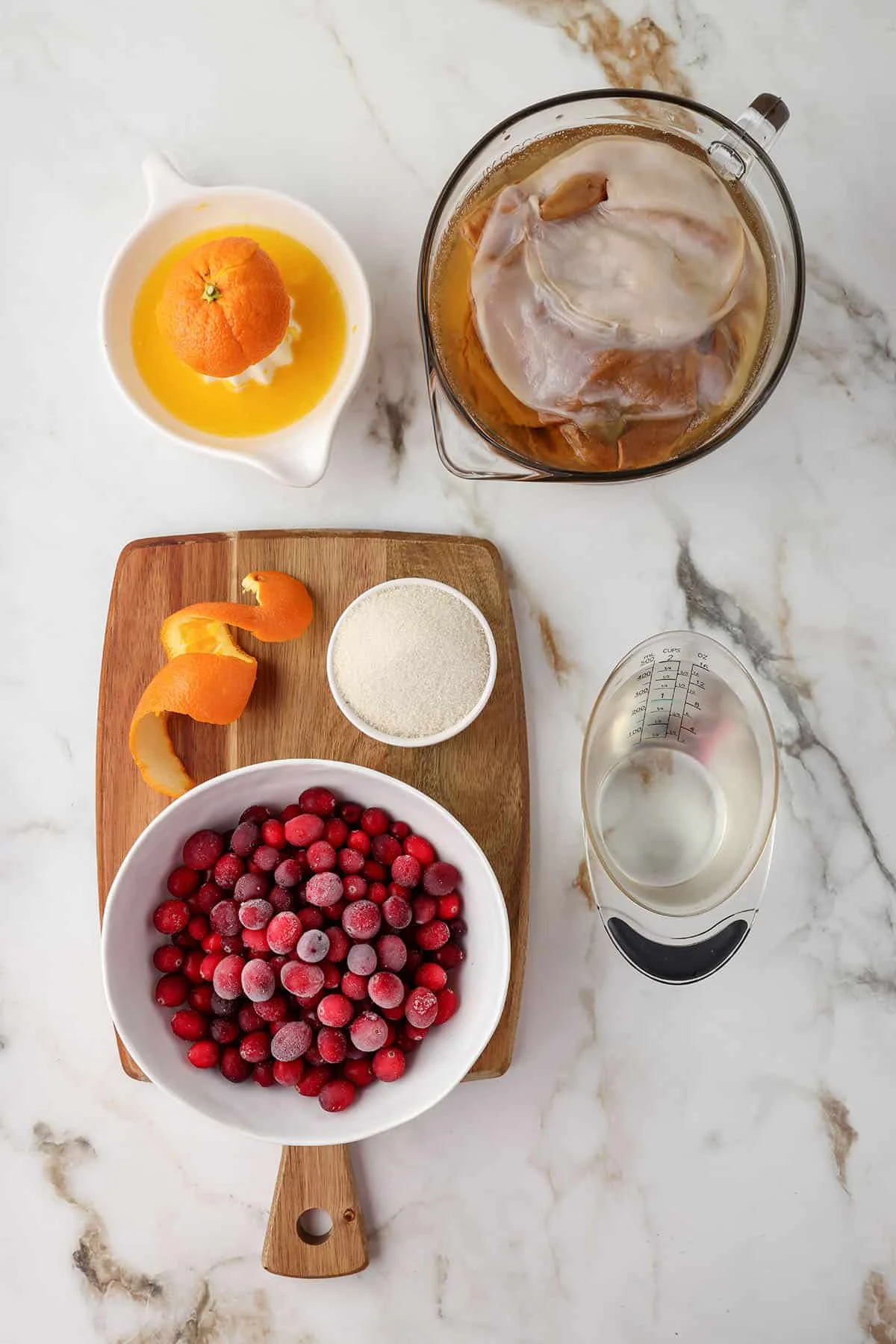
The culinary landscape of the winter season is increasingly defined by a shift toward functional beverages that prioritize gut health alongside traditional seasonal flavors. As consumers move away from high-sugar commercial sodas, the home-brewing community has seen a significant rise in the popularity of flavored kombuchas, specifically those utilizing seasonal produce like the North American cranberry. This trend is driven by a combination of interest in the "second fermentation" process—which creates natural carbonation—and the potent nutritional profile of winter-harvested berries. By integrating a cranberry-orange syrup into a base of fermented tea, brewers are able to produce a beverage that offers a sophisticated tartness while delivering a dense concentration of probiotics, Vitamin C, and antioxidants.
The Biochemical Foundation of Second Fermentation
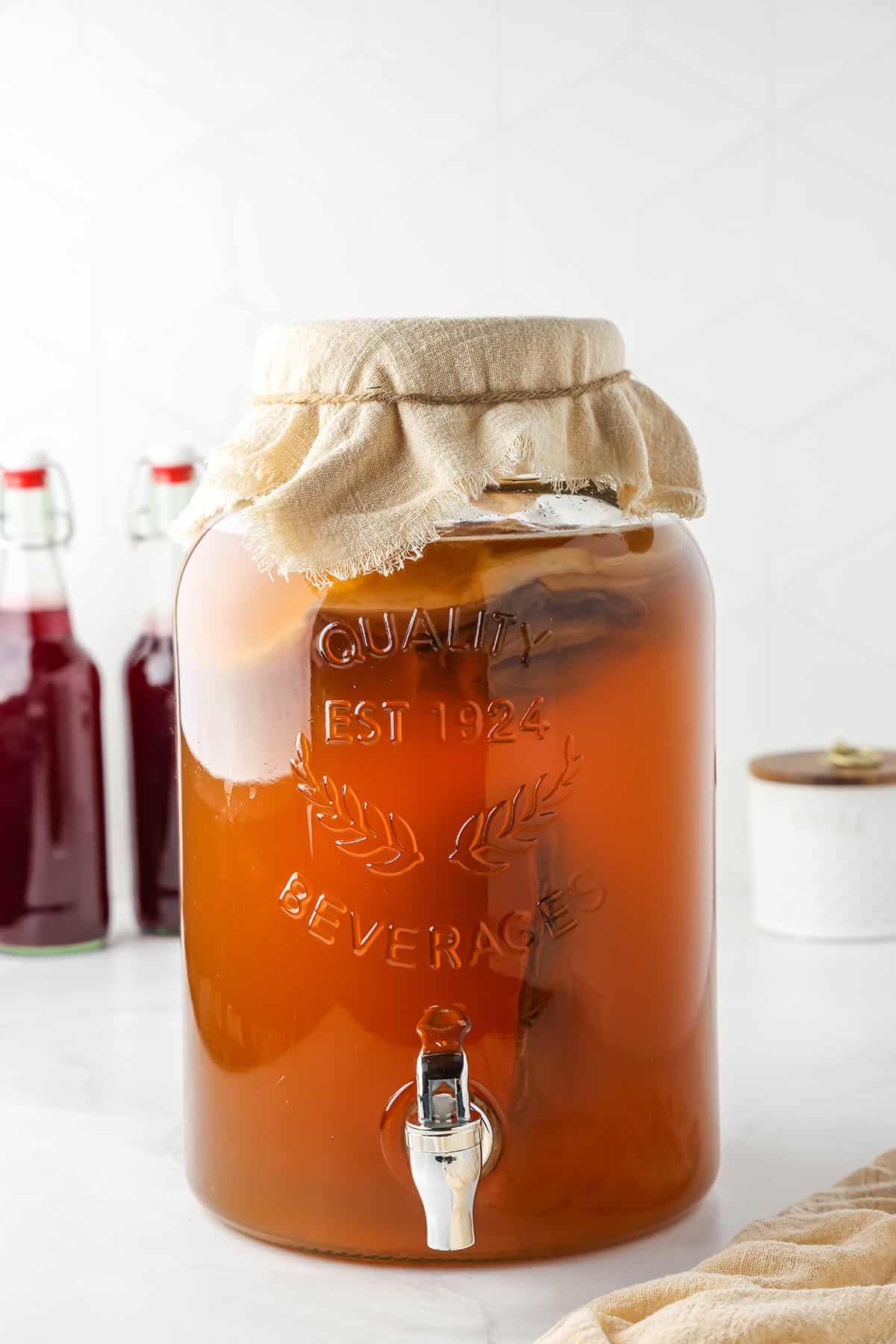
Kombucha is fundamentally a product of a Symbiotic Culture of Bacteria and Yeast, commonly referred to by the acronym SCOBY. The primary fermentation stage involves the conversion of sugared tea into a tart, acetic liquid through the metabolic actions of yeast and acetic acid bacteria. However, the complexity of the drink is finalized during the "second ferment." In this phase, the finished kombucha is bottled with additional sugars—often derived from fruit syrups—to fuel a secondary metabolic process.
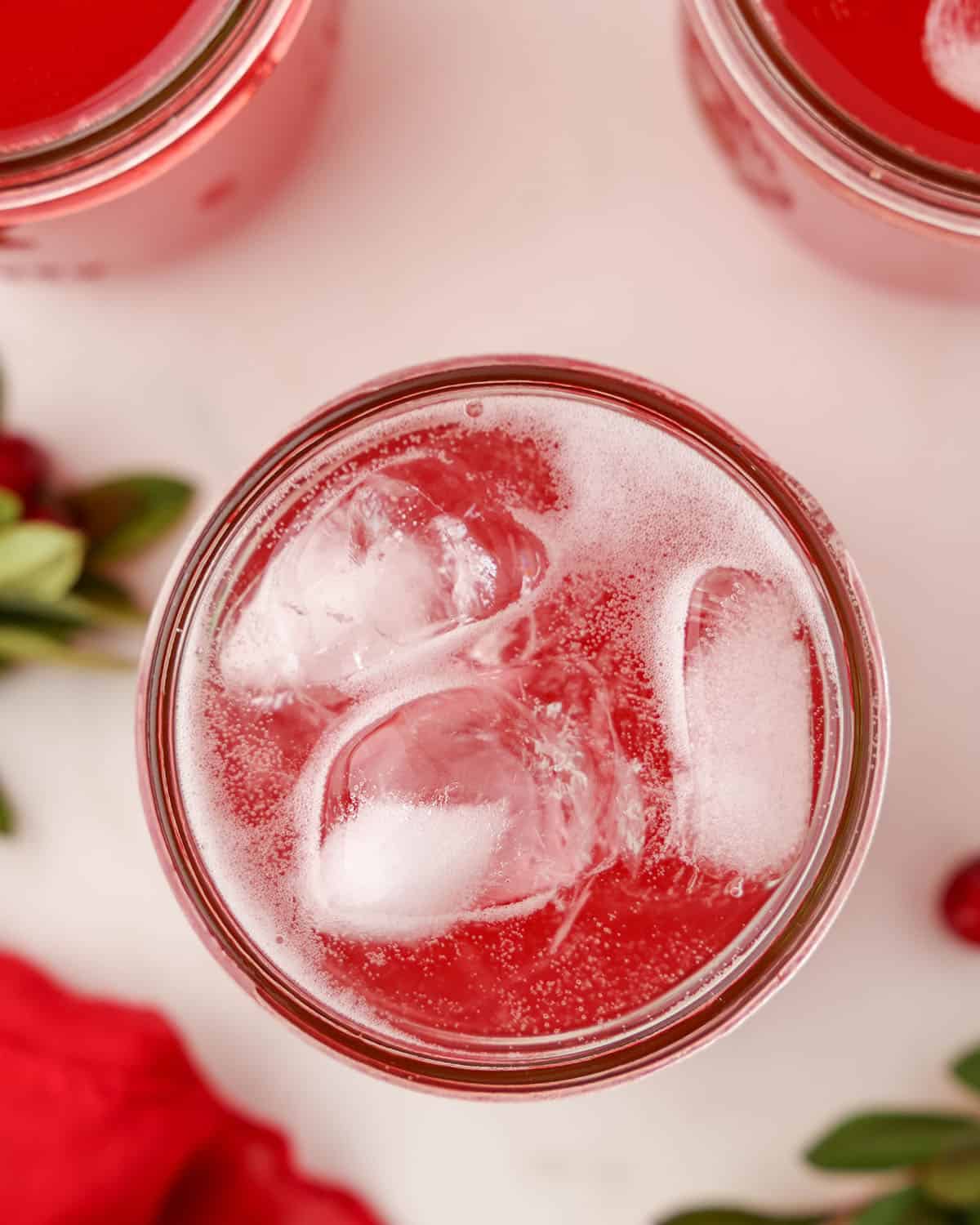
During this stage, the bottles are sealed, creating an anaerobic environment. The residual yeast consumes the newly introduced sugars from the fruit syrup, producing carbon dioxide as a byproduct. Because the gas is trapped within the vessel, it dissolves into the liquid, creating the effervescence or "fizz" that characterizes high-quality artisanal kombucha. The use of a cranberry-orange syrup is particularly effective in this stage, as the natural sugars in the fruit and the added organic cane sugar provide a reliable fuel source for carbonation, while the high acidity of the cranberries helps maintain a stable pH level, discouraging the growth of spoilage organisms.
Nutritional Profile and Clinical Implications of Cranberry Integration
The decision to utilize cranberries (Vaccinium macrocarpon) in winter fermentation is supported by a robust body of nutritional data. Cranberries are recognized for their exceptionally high concentration of proanthocyanidins (PACs), specifically Type-A PACs, which are unique to the fruit. Clinical research has consistently demonstrated that these compounds prevent the adhesion of certain bacteria, such as E. coli, to the urinary tract wall, thereby serving as a preventative measure against urinary tract infections (UTIs).
Furthermore, the integration of orange juice and zest adds a significant layer of Vitamin C (ascorbic acid) and limonene, a terpene found in the peel that has been studied for its potential anti-inflammatory properties. When these ingredients are fermented, the bioavailability of certain nutrients may be enhanced. The probiotics generated during the fermentation process—including various strains of Lactobacillus and Acetobacter—contribute to the maintenance of the human gut microbiome. Health professionals often note that the consumption of fermented foods can assist in the digestion of the heavier, starch-rich meals typically consumed during the winter holidays.
A Chronological Guide to Production Methodology
The production of cranberry orange kombucha follows a precise timeline that ensures both safety and flavor development. The process is divided into the preparation of the flavor base and the subsequent bottling phase.
Phase I: The Extraction of the Flavor Matrix
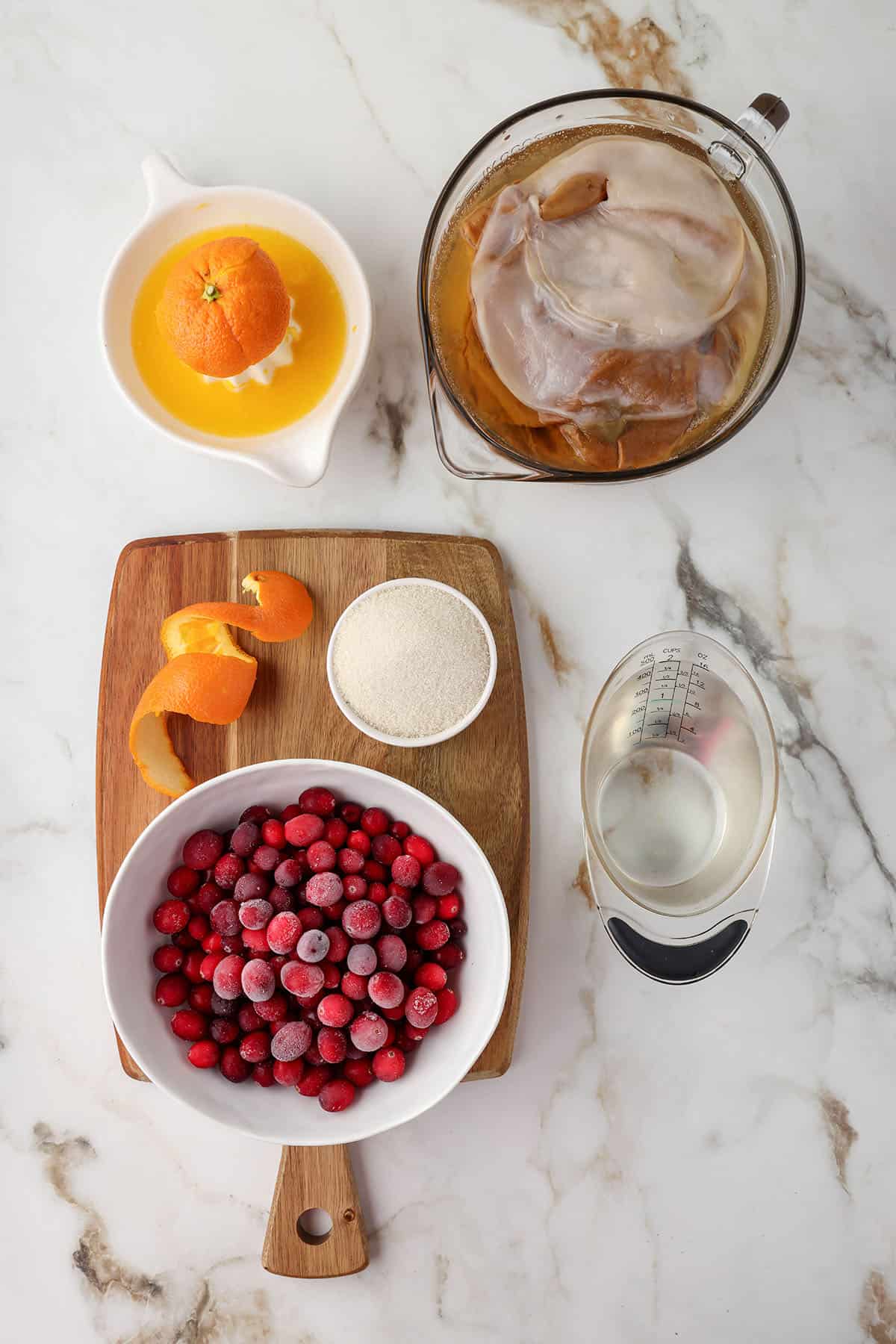
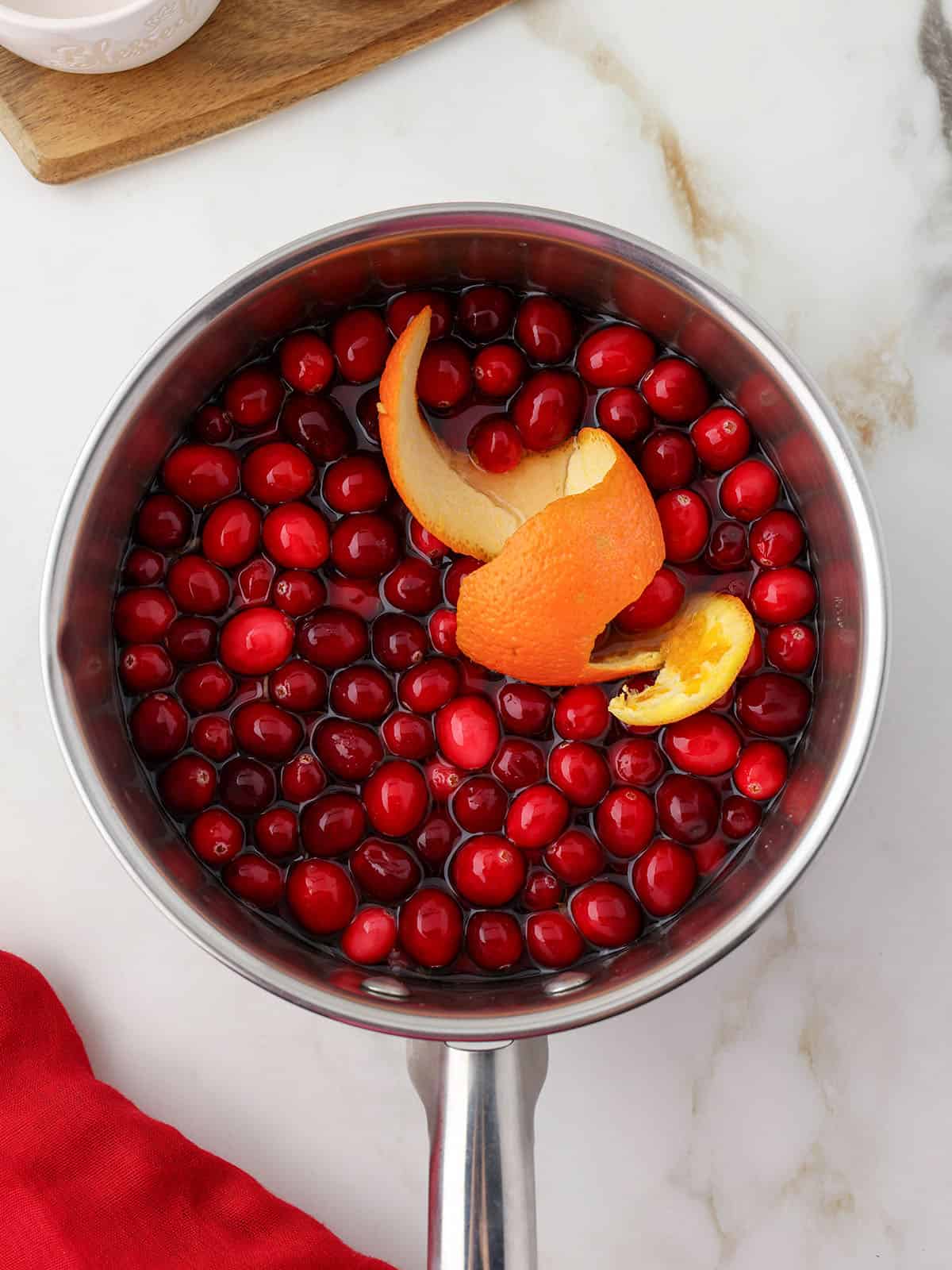
To begin, brewers prepare a concentrated syrup. This involves combining approximately 12 ounces of fresh or frozen cranberries with one cup of organic cane sugar, the juice of one large orange, and the accompanying orange peel. The mixture is brought to a simmer over medium heat. This thermal processing serves two purposes: it breaks down the cellular structure of the cranberries to release their juices and ensures that the added sugar is fully dissolved into a homogenous syrup.
After simmering for five to seven minutes, the cranberries are mashed to maximize juice extraction. The mixture is then allowed to rest and infuse for 15 minutes, allowing the essential oils from the orange peel to permeate the liquid. The final step of this phase is straining the mixture through a fine-mesh sieve or cheesecloth. This removes the fibrous pulp, resulting in approximately two cups of a clear, nutrient-dense syrup that is ready for the fermentation vessels.
Phase II: Bottling and Carbonation
The second phase involves blending the syrup with the base kombucha. For a standard batch, seven cups of original black or green tea kombucha are combined with the two cups of prepared syrup in a large pitcher. This ratio ensures a balance between the existing acidity of the tea and the tart-sweet profile of the fruit.
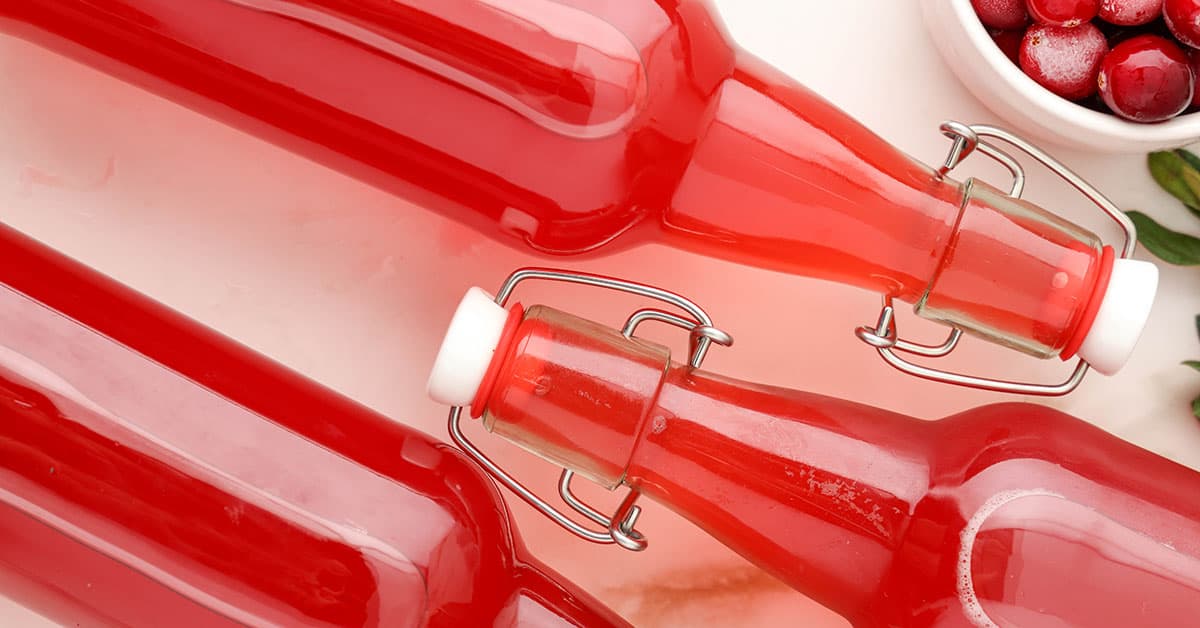
The mixture is then funneled into swing-top glass bottles, which are designed to withstand the pressure of carbonation. It is critical to leave approximately one to two inches of "headspace" at the top of each bottle. This space acts as a buffer for the accumulating carbon dioxide. The bottles are then stored in a dark environment at room temperature for a period of two to three days.
Monitoring and Quality Control
The duration of the second fermentation is heavily influenced by ambient temperature. In warmer kitchen environments, the yeast becomes more active, potentially leading to rapid carbonation. Conversely, in cooler winter temperatures, the process may require additional time.

Professional home-brewers recommend a daily "burping" or pressure check. By briefly opening the swing-top lid, the brewer can observe the rate at which bubbles rise to the surface. This practice serves as a safety protocol to prevent excessive pressure buildup, which could lead to vessel failure. Once the desired level of effervescence is achieved, the bottles are moved to cold storage (refrigeration). This drop in temperature significantly slows the metabolic activity of the yeast, "locking in" the flavor profile and carbonation level for consumption.
Market Trends and the Growth of Functional Beverages
The rise of DIY fermentation projects like cranberry kombucha reflects a broader shift in the global beverage market. According to recent industry reports, the global kombucha market size was valued at approximately USD 2.64 billion in 2021 and is expected to expand at a compound annual growth rate (CAGR) of over 15% through 2030.

Consumers are increasingly seeking "clean label" products that offer transparent ingredient lists. The ability to control sugar content—noted in this recipe as the option to reduce cane sugar to 1/2 cup—appeals to a demographic focused on glycemic control. Furthermore, the "zero-waste" potential of home brewing is an attractive factor. For instance, the leftover cranberry pulp from the syrup-making process can be repurposed into a thick refrigerator jam, utilizing the natural pectin found in the fruit.
Broader Impact on Winter Wellness and Digestive Health
The implications of incorporating fermented beverages into the winter diet extend beyond simple hydration. The holiday season is traditionally associated with a higher intake of processed sugars and fats, which can disrupt the balance of the gut microbiome. By providing a source of live active cultures, cranberry kombucha serves as a digestive aid.
Experts in the field of nutritional science often point to the "gut-brain axis," suggesting that a healthy microbiome can influence mood and immune response—two factors that are often challenged during the darker, colder months. The bright, acidic profile of the cranberry-orange combination also provides a sensory "boost," offering a sharp contrast to the often muted flavors of winter storage crops.
Conclusion and Future Outlook
As the interest in artisanal and fermented foods continues to grow, recipes like cranberry orange kombucha represent a intersection of traditional preservation techniques and modern nutritional awareness. The process is accessible to the novice brewer while offering enough complexity for the experienced fermenter to refine. By utilizing seasonal ingredients at their peak, brewers not only capture the essence of the winter season but also equip themselves with a potent tool for health maintenance.
The success of this particular flavor profile—tart, effervescent, and vitamin-rich—suggests a lasting place for cranberry-based ferments in the functional beverage category. As more clinical data emerges regarding the specific benefits of kombucha-derived probiotics, the transition from "health fad" to a staple of the winter pantry appears increasingly certain. Whether served as a sophisticated non-alcoholic alternative at holiday gatherings or consumed as a daily tonic, cranberry kombucha stands as a testament to the power of traditional fermentation in the modern era.


