
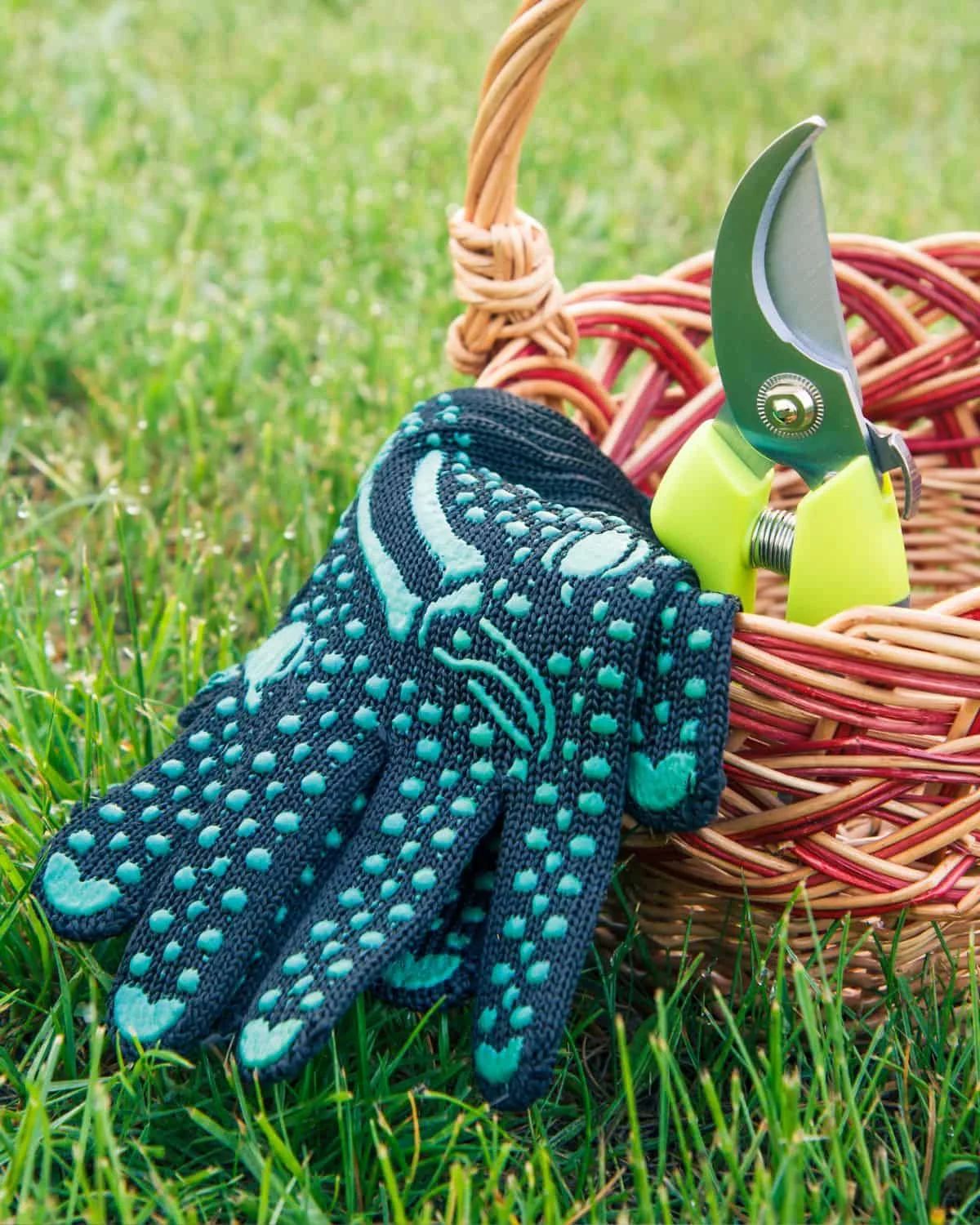
The Evolution of the Modern Gardening Market
The gardening sector has undergone a profound transformation over the last decade, shifting from a hobby focused primarily on aesthetic landscaping to one centered on functional, edible landscapes. According to the National Gardening Association’s latest reports, American gardeners spent a record $52.3 billion on lawn and garden retail sales in recent years, with a notable increase in younger demographics participating in food gardening. This shift is characterized by a move toward permaculture principles, which prioritize soil health, water conservation, and perennial food systems.

Chronologically, the surge in home gardening can be traced through several key phases. The "Victory Garden" era of the 1940s established a baseline for home production, but the late 20th century saw a decline in favor of industrial agriculture. The resurgence began in the early 2000s with the "urban homesteading" movement, followed by a massive spike during the 2020 global pandemic, which forced millions of households to reconsider their supply chains. Today, the market is maturing, with consumers seeking high-quality, long-lasting tools rather than disposable alternatives.

Essential Hardware and Precision Tools for Small-Scale Cultivation
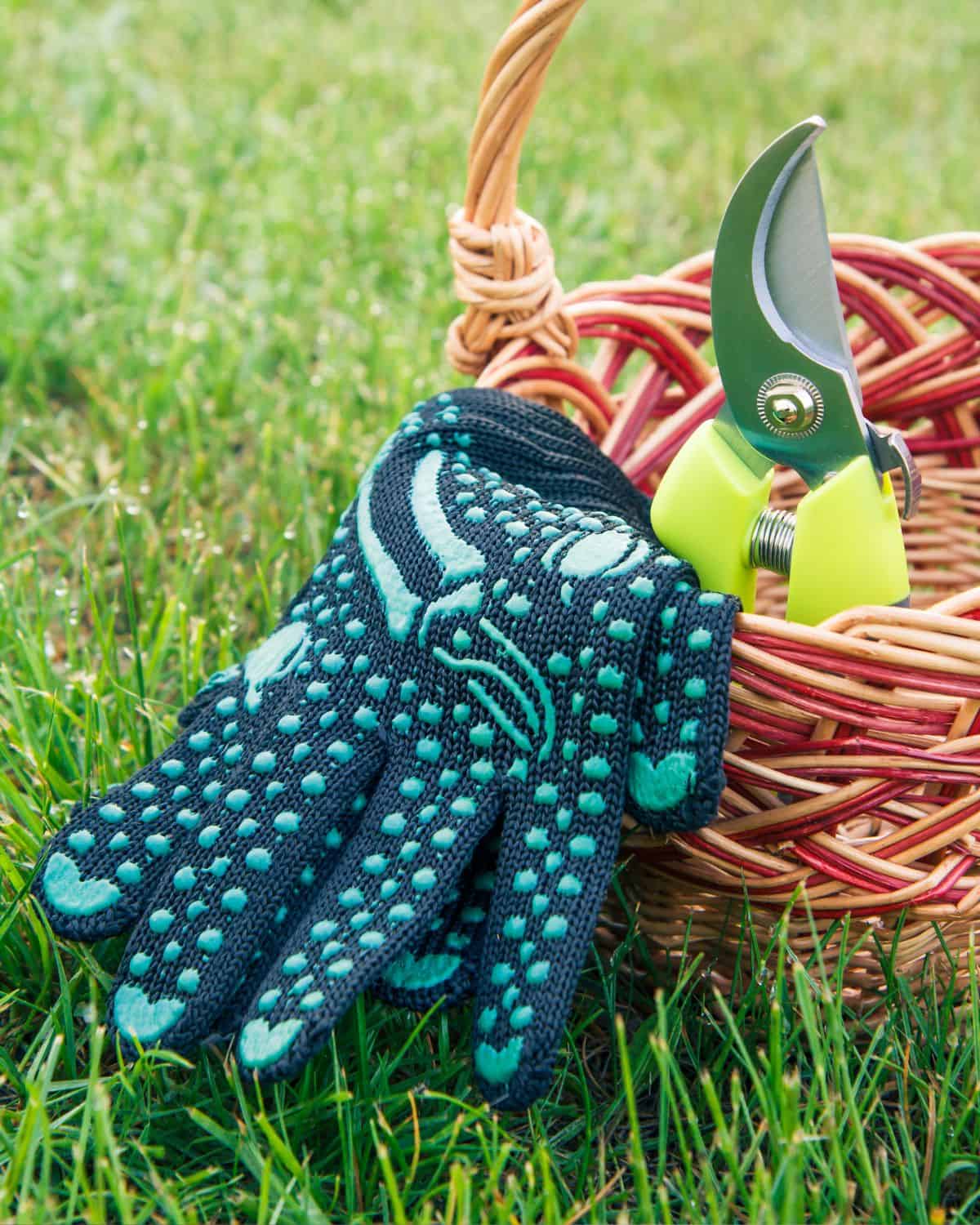
In the realm of backyard permaculture, the efficiency of a harvest is often dictated by the quality of the implements used. Professional-grade tools are no longer reserved for commercial farmers; they are increasingly sought after by backyard practitioners who view gardening as a long-term investment.
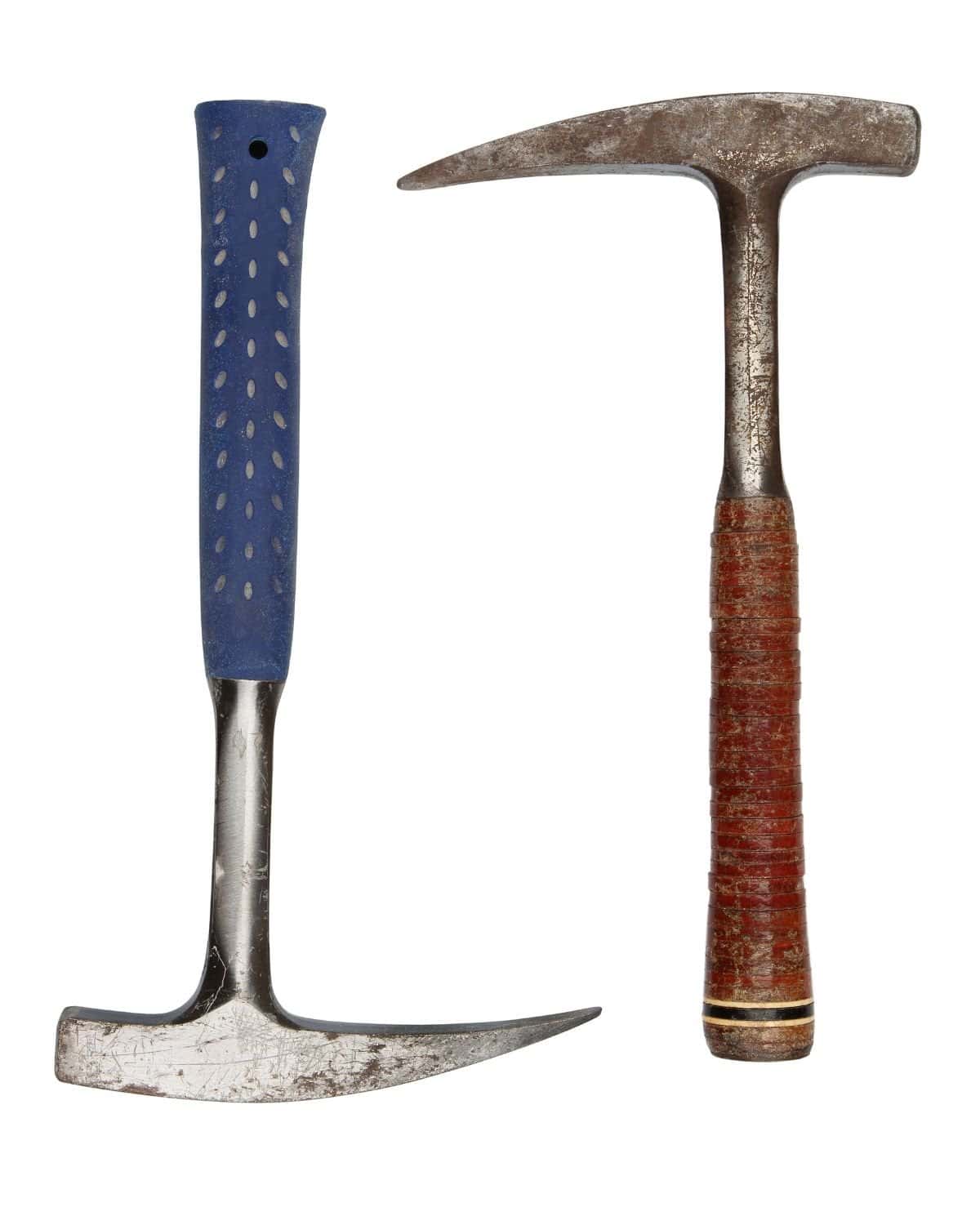
One of the most versatile tools highlighted in current industry standards is the Hori Hori Garden Knife. Originating from Japan, this multipurpose tool serves as a saw, a trowel, and a measuring device. Its popularity in the permaculture community stems from its ability to handle transplanting and weeding in densely planted "food forests" where traditional large shovels are impractical. Similarly, the CobraHead Weeder and Cultivator has gained a reputation for its ergonomic design, allowing for the precise removal of deep-rooted weeds without disturbing the surrounding soil microbiome.
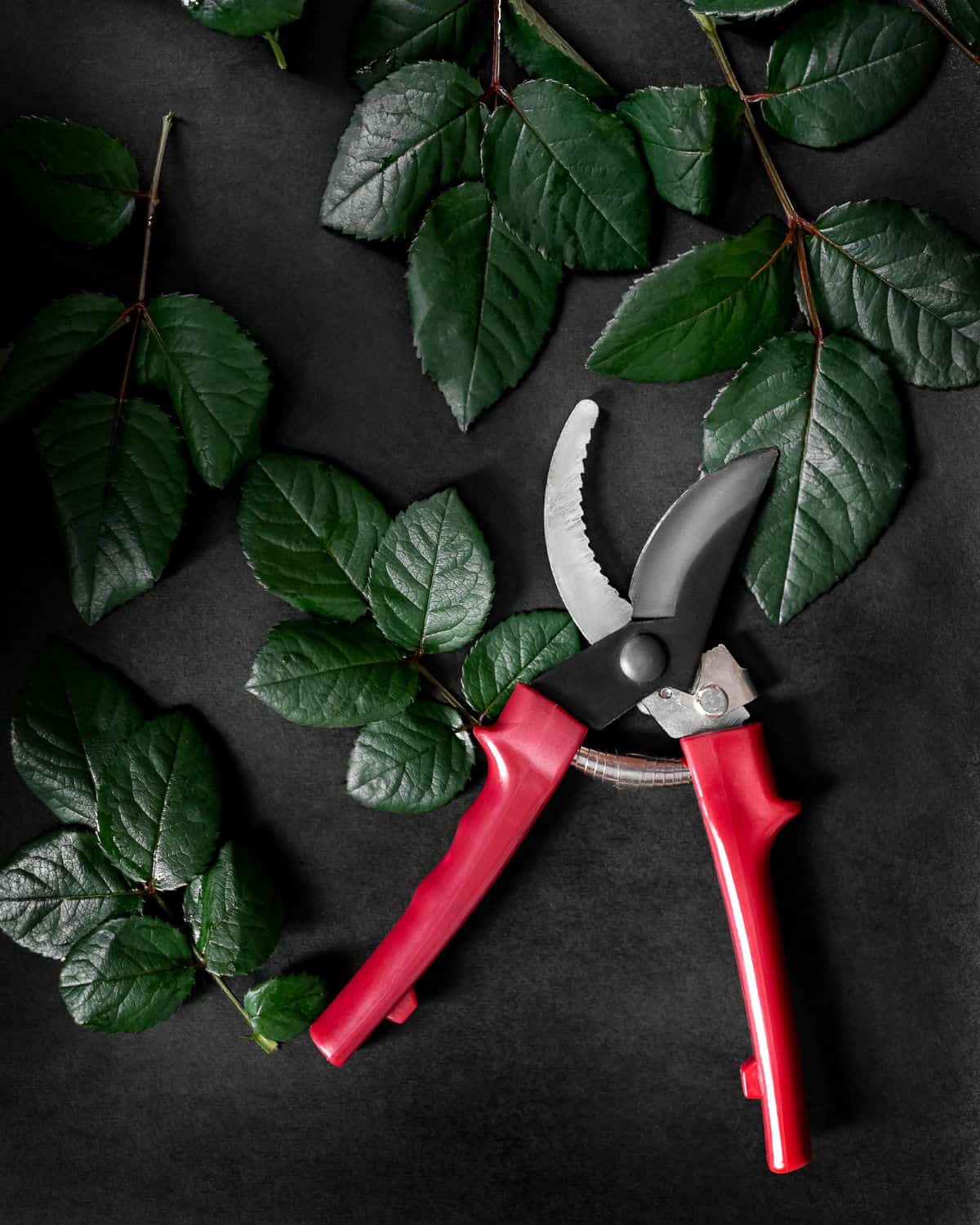
For perennial management, pruning equipment represents a critical category. The Felco brand, specifically the Felco 2 model, remains the industry benchmark for durability and replaceable parts. Market analysis indicates that while higher-priced, these tools reduce long-term waste by lasting decades. For consumers on a more restrictive budget, the Corona line offers a middle-ground alternative that maintains high performance for fruit tree and shrub maintenance. Furthermore, the Laplander Folding Saw has become a staple for backyard forest gardeners, offering a portable solution for thinning branches and managing woody biomass—a key component of carbon sequestration in permaculture systems.

Sustainable Irrigation and the Role of Youth Engagement
Water management is a cornerstone of permaculture design. While automated drip irrigation is the standard for large-scale operations, the "slow water" movement encourages manual observation through traditional methods. Galvanized metal watering cans are increasingly preferred over plastic counterparts due to their UV resistance and lack of chemical leaching. These metal containers are not only functional but serve as a statement against the "throwaway culture" often associated with modern plastic gardening supplies.

The guide also emphasizes the importance of non-toxic infrastructure. Traditional garden hoses often contain lead, phthalates, and BPA. Consequently, the market for drinking-water-safe hoses, such as those produced by Water Right, has expanded. These polyurethane hoses are designed to remain flexible in cold temperatures and ensure that the water applied to edible crops is free from industrial contaminants.

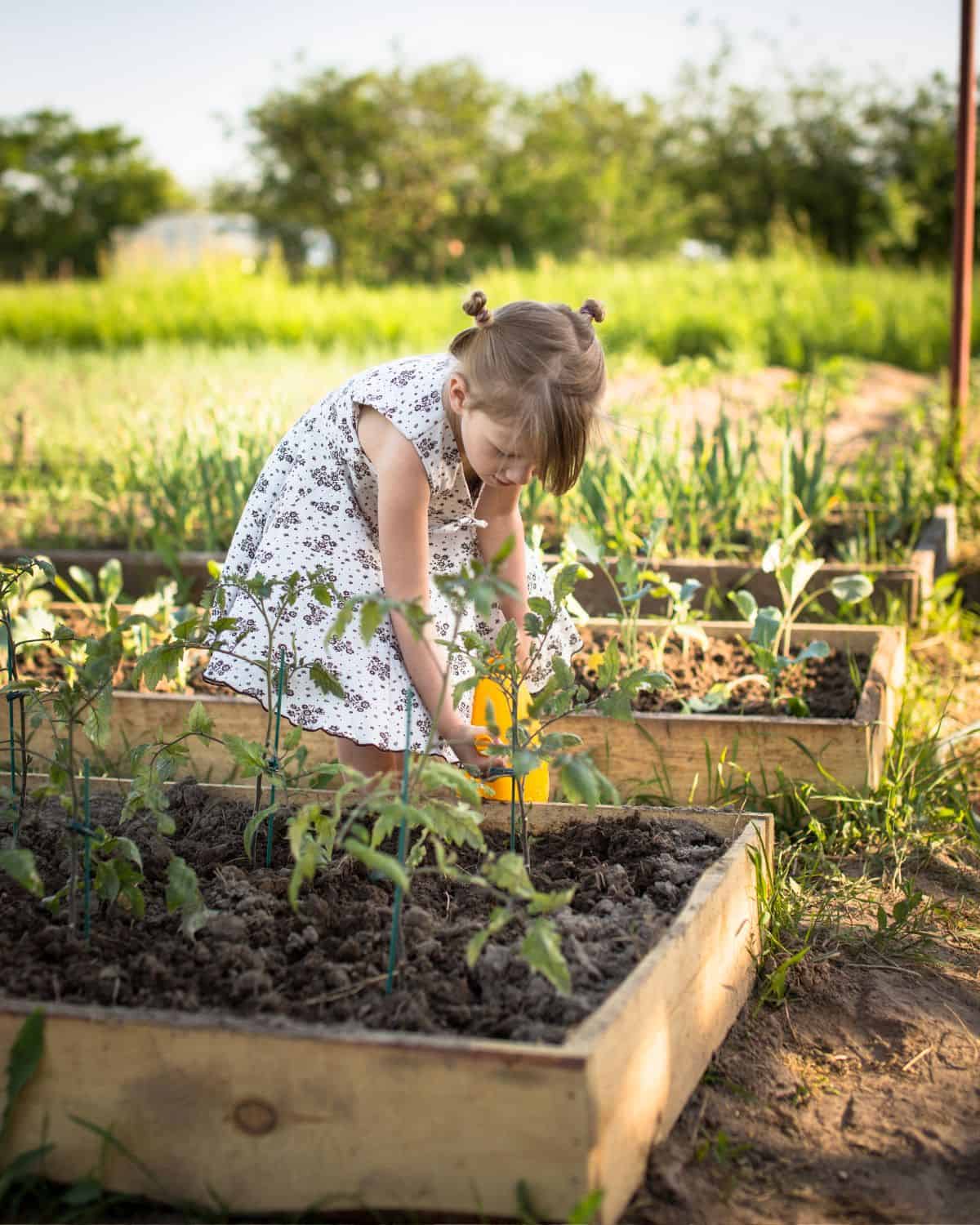
Parallel to the hardware market is the growing sub-sector of children’s gardening equipment. Educational psychologists and horticultural experts have long advocated for the integration of children into food production cycles. Sets such as the Green Toys watering kit, made from recycled plastics, provide a dual benefit: they engage the next generation in environmental stewardship while utilizing sustainable manufacturing processes. This segment of the market reflects a broader trend toward "intergenerational gardening," where skills and tools are passed down within families.
Seed Propagation and Genetic Preservation
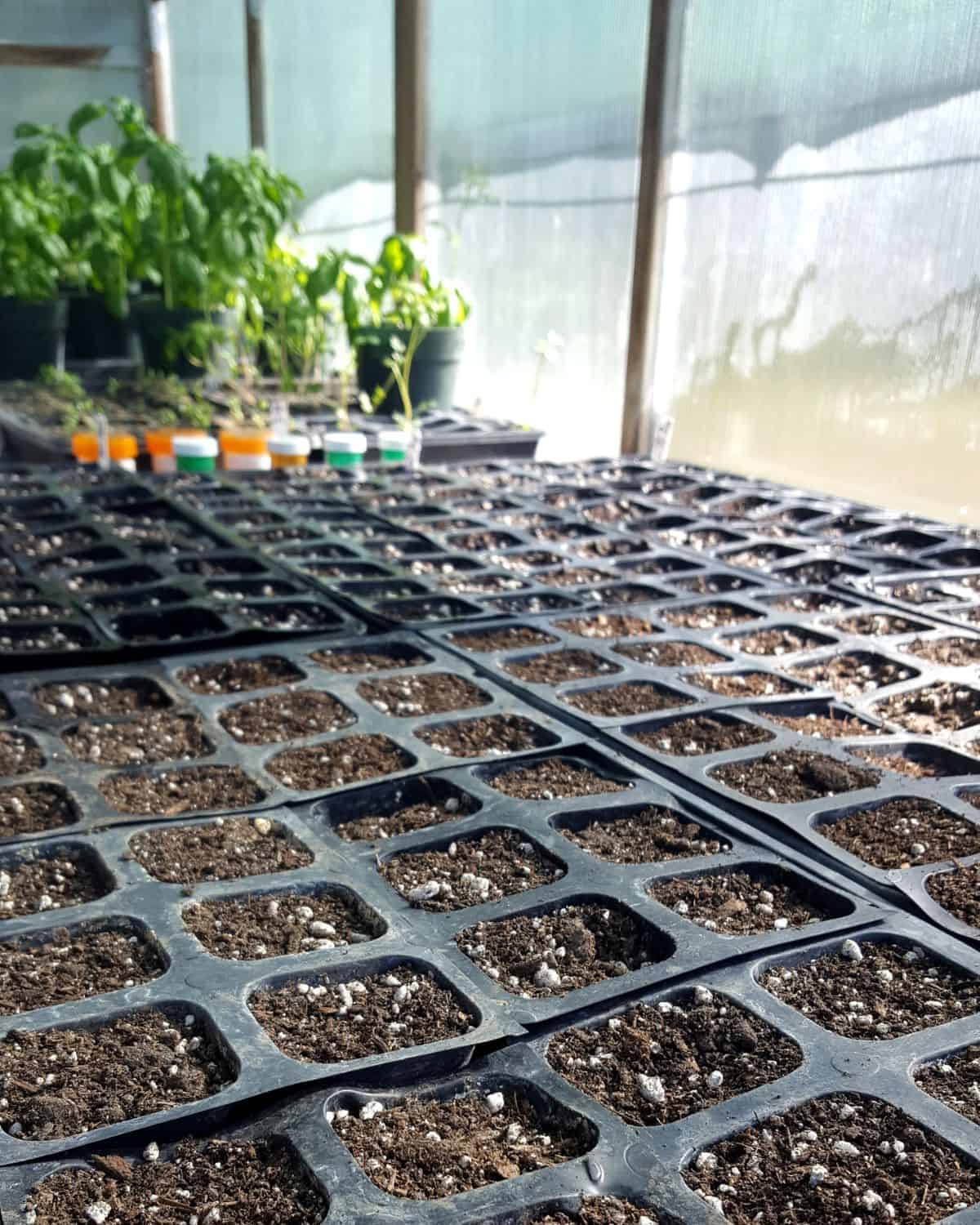
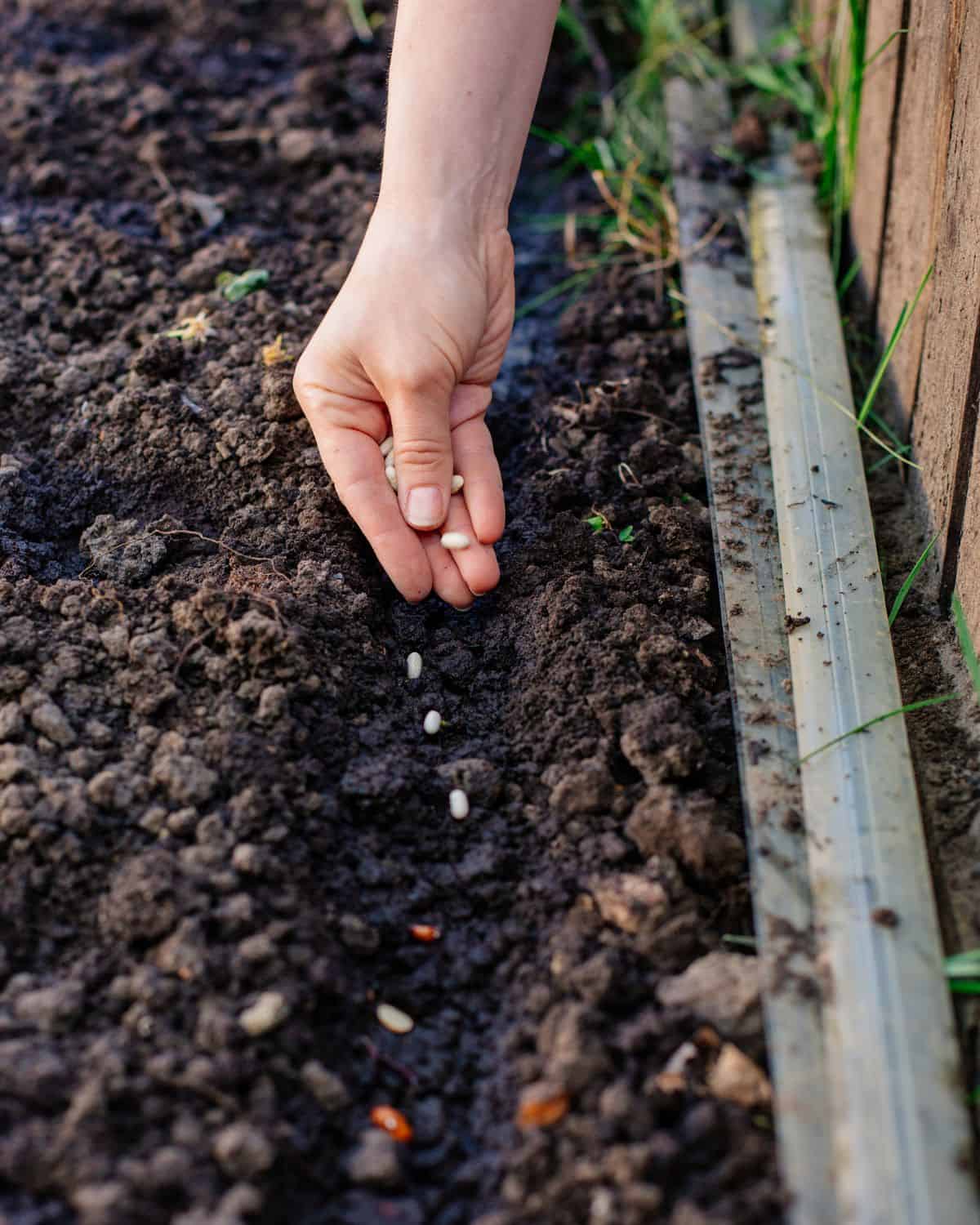
As the spring planting season approaches, the focus for many gardeners shifts to seed starting and season extension. The "Seed Vault" concept has gained traction among those interested in heirloom preservation and biodiversity. High-quality seed kits, such as those from Survival Garden Seeds or Garden Republic, offer curated selections of non-GMO, open-pollinated varieties. These kits are often packaged in moisture-resistant containers designed for long-term storage, appealing to the "prepper" and sustainability communities alike.
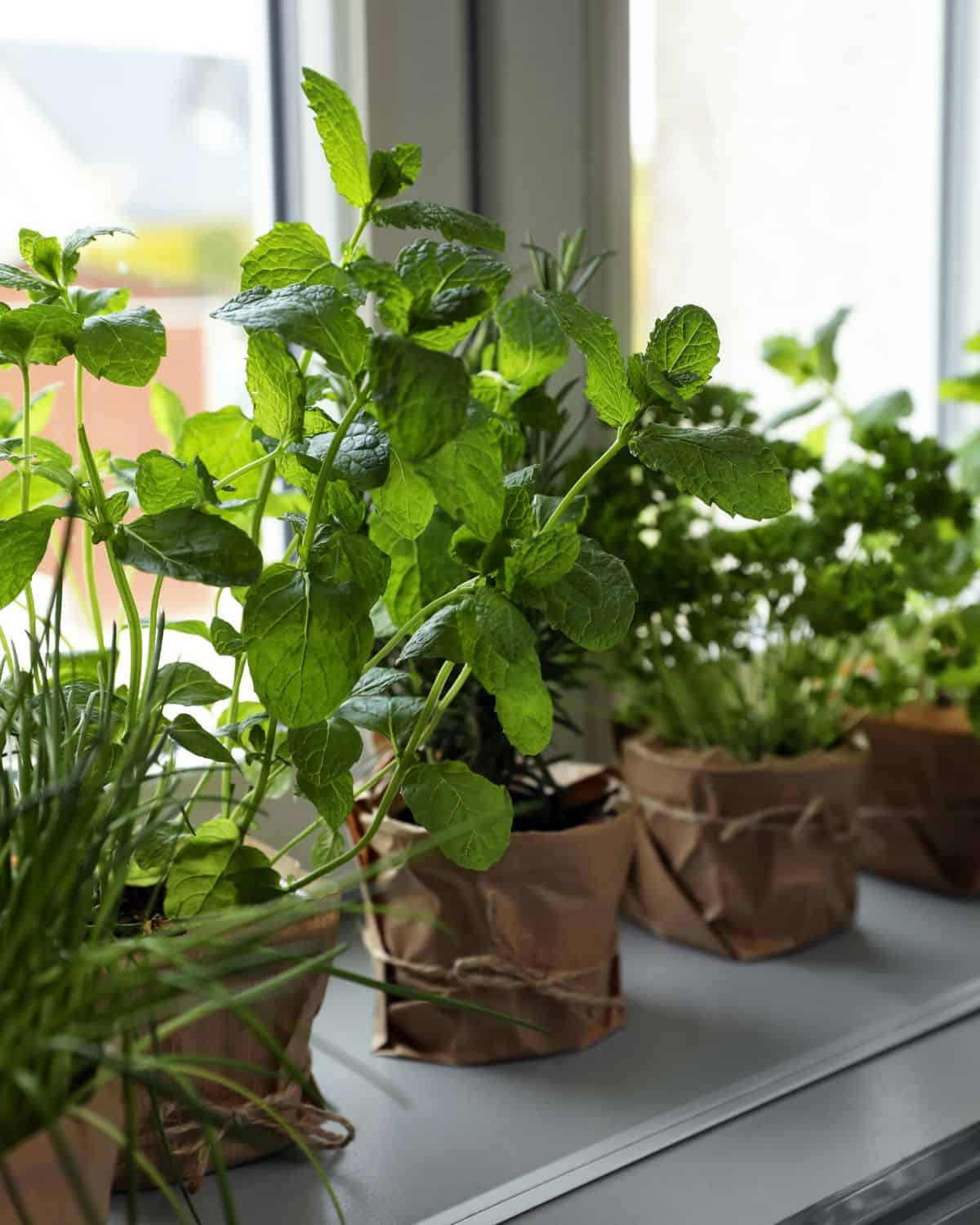
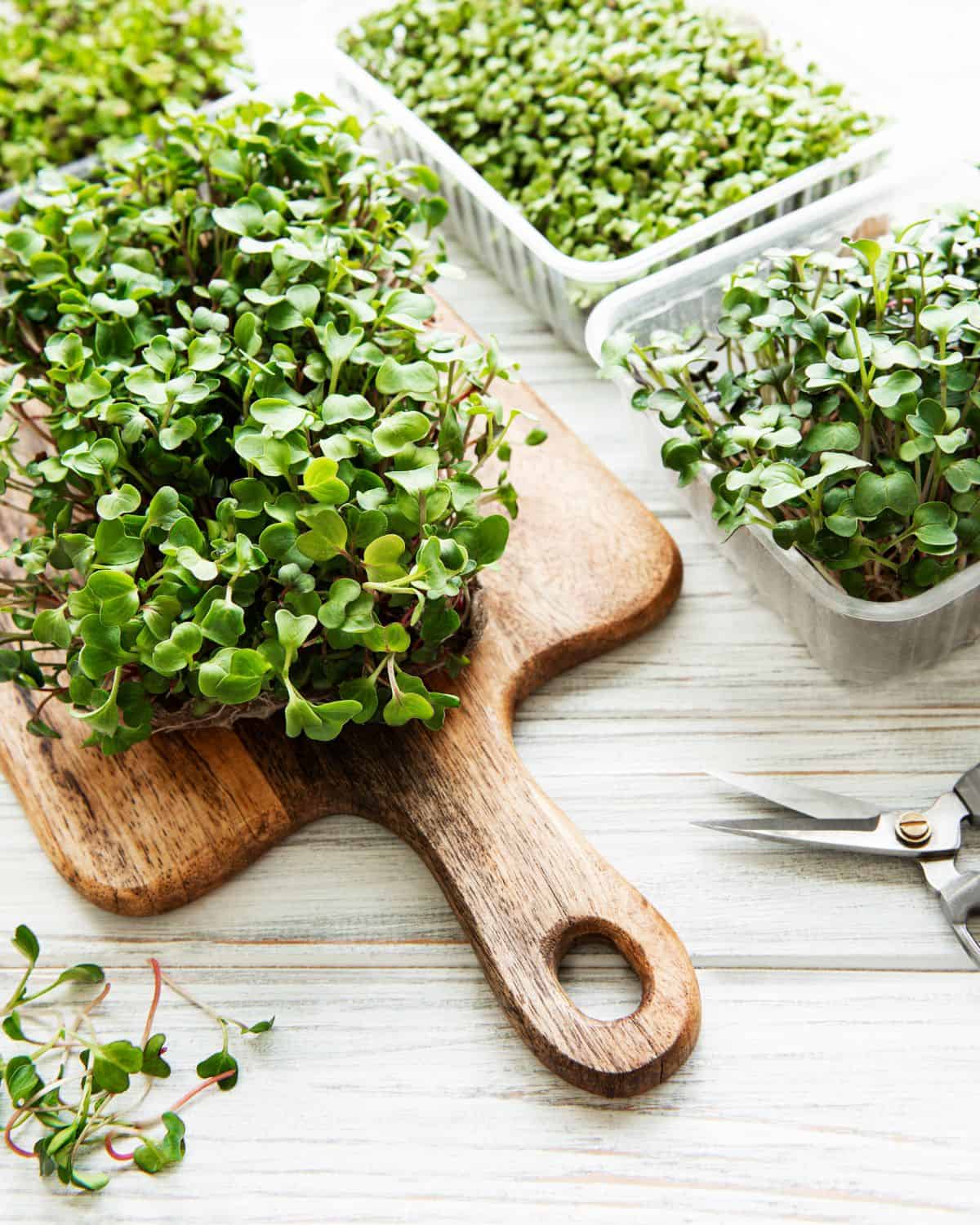
Technological advancements in seed starting have also led to the rise of the soil block maker. This manual press creates cubes of compressed soil, eliminating the need for plastic nursery pots. By reducing "transplant shock" and plastic waste, soil blocking aligns perfectly with the zero-waste goals of permaculture. For urban gardeners with limited space, mini-greenhouses and microgreens kits have become essential, allowing for year-round nutrient production in climate-controlled indoor environments.
Intellectual Capital: Literature and E-Learning Resources
The transition from a traditional lawn to a permaculture food forest requires a significant shift in knowledge. As such, educational literature remains one of the most impactful gifts for the modern gardener. Several key texts have defined the current landscape of sustainable gardening:
- Gaia’s Garden by Toby Hemenway: Widely considered the most influential book on home-scale permaculture, it provides the framework for ecological design.
- The Suburban Micro-Farm by Amy Stross: This text bridges the gap between high-level theory and practical application in small, residential lots.
- Square Foot Gardening by Mel Bartholomew: A classic resource for maximizing yield in restricted spaces, particularly relevant for urban environments.
- The Resilient Farm and Homestead by Ben Falk: A more advanced resource for those looking to integrate whole-systems design, including water harvesting and animal husbandry.
In addition to physical books, digital resources such as The Backyard Forest Garden eBook offer step-by-step instructions for creating multi-layered edible landscapes. This digital shift reflects a broader trend in the publishing industry toward accessible, niche-specific guides that can be updated in real-time as climate zones and planting recommendations evolve.
Economic and Environmental Implications
The rise of the backyard gardener has significant implications for local economies and environmental health. On an economic level, the decentralization of food production reduces the carbon footprint associated with long-distance transportation. Data from the USDA suggests that localized food systems can improve community resilience against supply chain disruptions.
From an environmental perspective, the adoption of permaculture tools and techniques promotes biodiversity. Backyard forest gardens act as carbon sinks and provide essential habitats for pollinators. The shift toward high-quality, repairable tools also reduces the volume of gardening-related plastic entering landfills. Industry analysts predict that the "green" gardening market will continue to grow at a compound annual growth rate (CAGR) of over 5% through the next five years, driven by innovation in sustainable materials and a cultural shift toward self-sufficiency.
Conclusion
The Ultimate Holiday Gift Guide for Backyard Gardeners and Permaculture Enthusiasts serves as more than a simple list of products; it is a reflection of a changing societal relationship with the land. By prioritizing durability, non-toxicity, and ecological intelligence, today’s gardeners are positioning themselves as active participants in the fight against climate change and food insecurity. Whether through the precision of a Hori Hori knife or the wisdom contained in a design manual, the tools and resources selected this holiday season will shape the landscapes of tomorrow. As consumers continue to vote with their dollars, the move toward a more sustainable, permaculture-based future appears not only possible but inevitable.


