
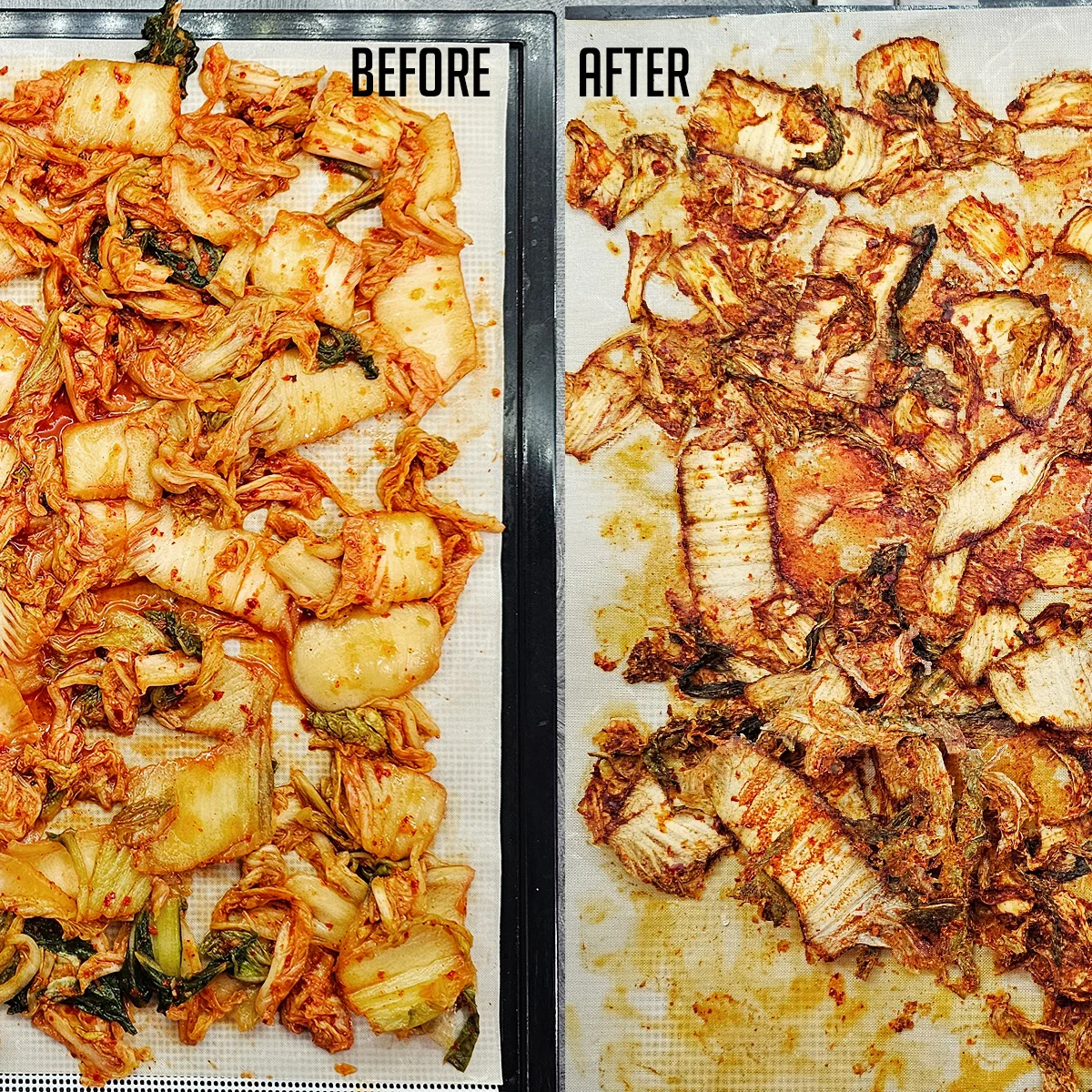
Kimchi, the venerable staple of Korean cuisine, represents one of the world’s most sophisticated examples of lacto-fermentation. Traditionally prepared with napa cabbage, radishes, and a complex paste of chili powder, garlic, ginger, and salted seafood, kimchi is celebrated not only for its pungent, umami-rich flavor profile but also for its status as a "superfood" teeming with probiotics. As global interest in food preservation and sustainable domestic practices continues to rise, the dehydration of kimchi has emerged as a vital technique for extending the shelf life of this fermented product while maintaining its nutritional essence. By removing moisture, practitioners can transform a highly perishable fermented vegetable dish into a stable, versatile ingredient suitable for long-term storage, lightweight travel, and innovative culinary applications.
The Science of Fermentation and Dehydration
To understand the dehydration of kimchi, one must first understand the biological landscape of the fresh product. Kimchi is the result of a spontaneous fermentation process primarily driven by Lactic Acid Bacteria (LAB), including strains such as Leuconostoc mesenteroides, Lactobacillus plantarum, and Lactobacillus brevis. These microorganisms convert sugars into lactic acid, which acts as a natural preservative and gives kimchi its signature tang.
The primary challenge in dehydrating kimchi lies in the preservation of these delicate microorganisms. Probiotics are thermolabile, meaning they are sensitive to heat. While the primary goal of dehydration is the removal of water to inhibit spoilage organisms like mold and yeast, excessive heat can denature the enzymes and kill the beneficial bacteria that define kimchi’s health benefits. Consequently, the temperature at which the dehydration occurs is the most critical variable in the process.
Strategic Temperature Management for Nutritional Retention
The methodology for drying kimchi is bifurcated based on the desired end goal: the preservation of live cultures or the simple preservation of flavor and fiber.
For those seeking to maintain the probiotic integrity of the kimchi, temperatures must remain below 115°F (46°C). Scientific consensus within the food preservation community suggests that the "kill zone" for most beneficial Lactobacillus strains begins around 120°F (49°C). By maintaining a steady environment of approximately 100°F to 110°F (38°C to 43°C), the moisture is slowly evaporated through a process of sublimation-like transition without compromising the cellular structure of the bacteria.
Conversely, for commercially jarred, shelf-stable kimchi—which has often already undergone a pasteurization process to make it safe for unrefrigerated retail—the probiotic concern is moot. In these instances, or when the consumer is primarily interested in the flavor profile for use in cooked dishes like stews or ramen, higher temperatures such as 140°F (60°C) are permissible. These higher temperatures significantly accelerate the drying time, reducing the window of potential spoilage during the transition from wet to dry.
Technical Execution: A Step-by-Step Chronology
The process of dehydrating kimchi requires precision and adherence to a specific timeline to ensure food safety and quality.
Preparation and Loading
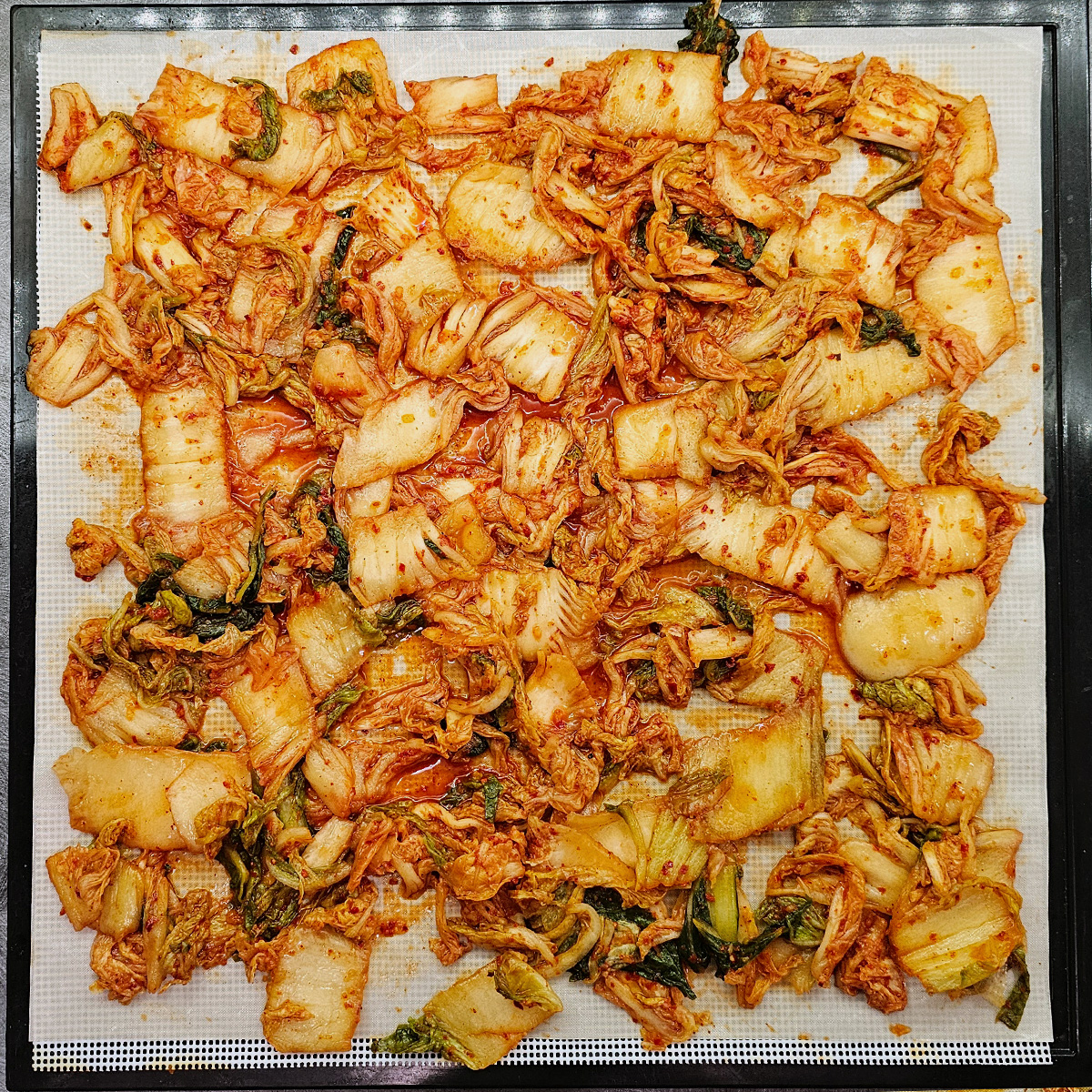
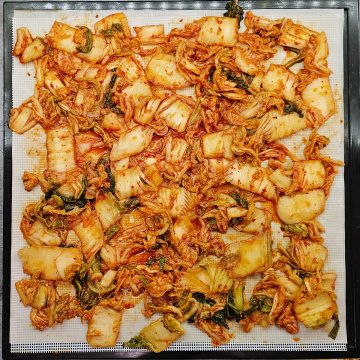
The first phase involves the physical preparation of the kimchi. Because kimchi is characterized by a high water content and a viscous seasoning paste (often containing fish sauce or rice flour porridge), it is classified as a "wet" ingredient. Dehydrator trays must be lined with non-stick surfaces, such as parchment paper or silicone fruit leather sheets. This prevents the small pieces of cabbage and radish from falling through the mesh trays as they shrink and protects the equipment from the staining properties of the gochugaru (Korean red chili flakes).
When spreading the kimchi, density is a factor. Unlike raw leafy greens, which can be piled relatively high, kimchi should be spread in a thin, even layer. While individual leaves do not need to be separated, avoiding large clumps ensures that the airflow of the dehydrator can reach all surfaces, preventing "case hardening"—a condition where the outside of the food dries and seals, trapping moisture in the center.
The Drying Phase
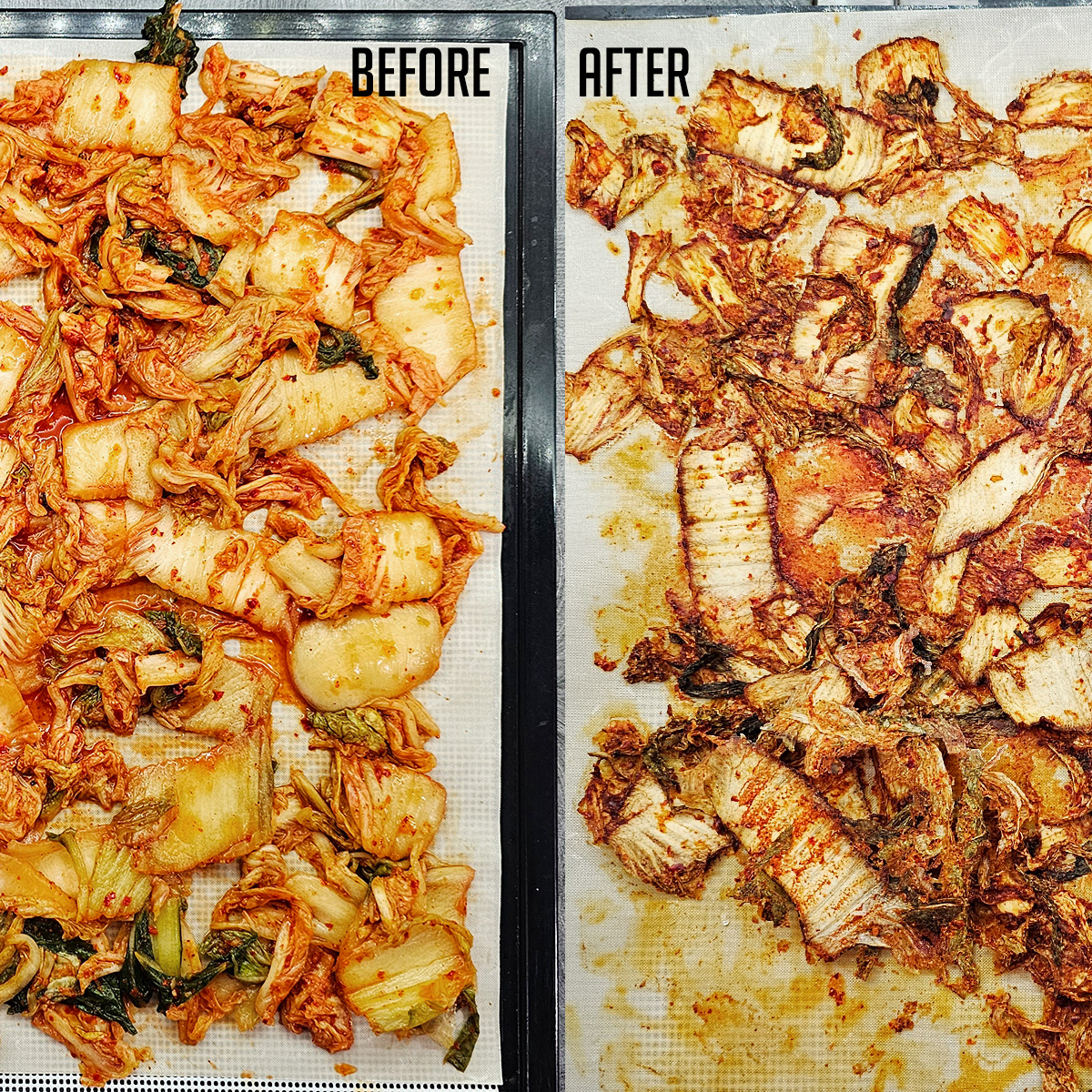
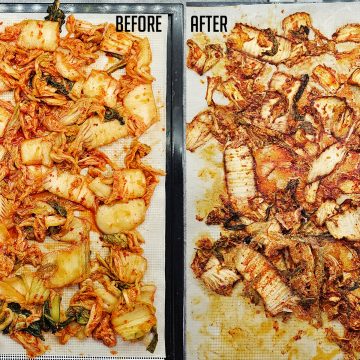
Once loaded, the dehydrator is set to the appropriate temperature based on the probiotic goals mentioned previously. The duration of this phase is highly variable, typically ranging from 12 to 24 hours. Factors influencing this timeline include the ambient humidity of the room, the specific water content of the cabbage, and the efficiency of the dehydrator’s fan system. During this window, the kimchi undergoes a dramatic physical transformation, losing approximately 90% of its volume and weight as the water molecules are evacuated.
Verification of Dryness
Testing for dryness is a tactile process. The kimchi is considered fully dehydrated when the pieces are brittle or slightly pliable but snap easily when bent. There should be no evidence of internal moisture when a piece is torn open. If the cabbage feels "leathery" or "tacky," it requires additional time in the dehydrator.
The Critical Role of Conditioning
One of the most overlooked steps in the dehydration of fermented foods is the conditioning phase. Even when food appears dry, there may be microscopic pockets of moisture or an uneven distribution of water throughout the batch.
Conditioning involves placing the dried kimchi into a sealed glass container, such as a canning jar, and leaving it for five to seven days. During this period, the jar must be shaken daily. This allows the remaining moisture to equilibrate across all pieces. If any condensation appears on the interior of the glass or if the pieces begin to stick together, the batch must be returned to the dehydrator immediately. Failure to condition kimchi properly can lead to the growth of mold during long-term storage, rendering the entire batch unsafe for consumption.
Long-Term Storage and Stability
Once conditioned, dehydrated kimchi is remarkably stable. When stored in an airtight container—ideally a glass jar or a Mylar bag with an oxygen absorber—it can maintain its quality for up to two years. The storage environment should be cool, dark, and dry.
From a nutritional standpoint, dehydrated foods are highly concentrated. Because the water has been removed, the nutrient density per gram increases significantly. It is estimated that one-quarter cup of dehydrated kimchi contains roughly the same caloric and mineral content as one full cup of fresh kimchi. This makes it an exceptionally efficient source of vitamins A, B, and C, as well as minerals like iron and calcium, for those with limited storage space.
Culinary Applications: From Powder to Ramen
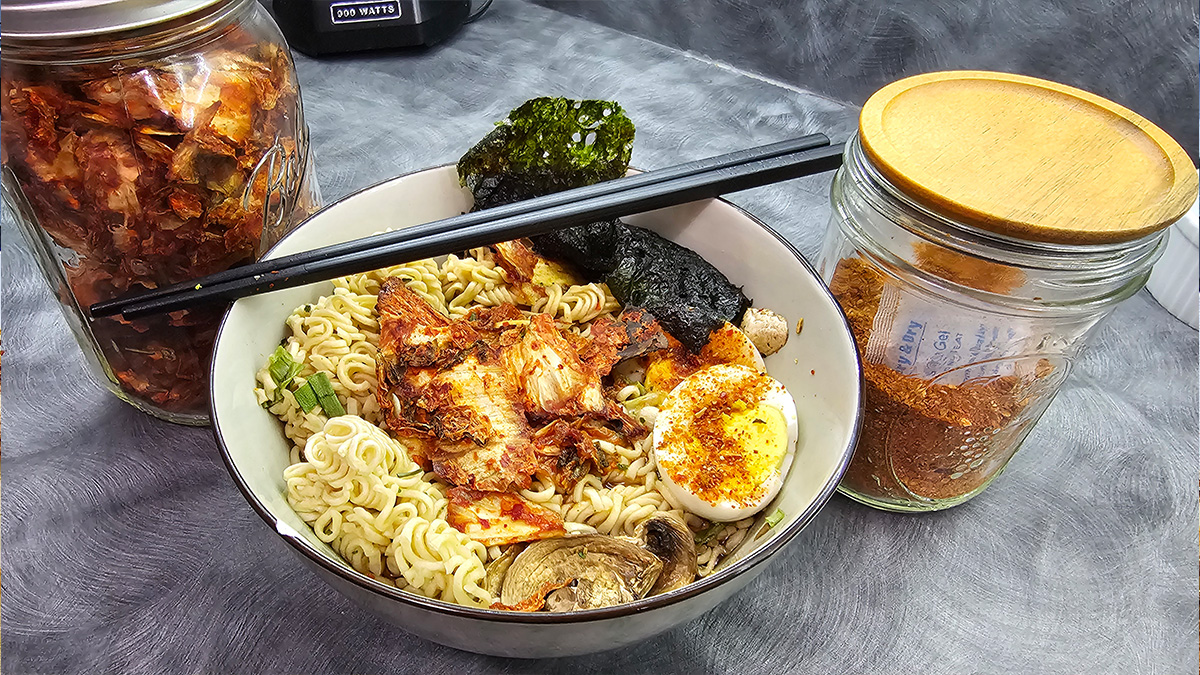
The utility of dehydrated kimchi extends far beyond simple preservation. It has become a staple in the "ultralight" backpacking community, where weight is a premium. Dehydrated kimchi can be added directly to boiling water alongside instant noodles, where it rehydrates in minutes, providing a complex acidity and heat that is otherwise difficult to achieve in the wilderness.
Furthermore, the creation of "Kimchi Powder" has gained traction as a gourmet seasoning trend. By grinding fully dehydrated kimchi in a high-speed blender, chefs and home cooks create a concentrated "umami dust." This powder can be used as:
- A topical seasoning for popcorn or dehydrated vegetable chips.
- A dry rub for proteins such as pork or chicken.
- A flavor enhancer for stir-fries and fried rice.
- An additive to salt rims for savory cocktails like the Bloody Mary.
Global Market Context and Economic Implications
The rise of home-dehydrated kimchi reflects a broader global shift toward food autonomy and the reduction of household waste. According to data from the Korea Customs Service, kimchi exports have reached record highs in recent years, signaling a global palate that is increasingly comfortable with fermented flavors. However, the large containers in which kimchi is typically sold often lead to domestic food waste when the product is not consumed before it becomes "over-fermented" and too sour for raw consumption.
Dehydration offers an economic solution to this waste. Rather than discarding sour kimchi, consumers are repurposing it into a shelf-stable format. This aligns with the "Zero Waste" movement and provides a buffer against food supply chain fluctuations.
Conclusion
Dehydrating kimchi is more than a culinary novelty; it is a sophisticated intersection of ancient fermentation traditions and modern preservation technology. By adhering to strict temperature controls and rigorous conditioning protocols, individuals can capture the essence of this Korean staple in a form that is both durable and versatile. Whether used as a probiotic-rich snack, a lightweight trail meal, or a concentrated seasoning powder, dehydrated kimchi represents a significant advancement in the way we interact with fermented foods in the 21st century. As we continue to seek ways to make our food systems more resilient and our pantries more purposeful, the humble dried cabbage leaf stands as a testament to the enduring power of preservation.


