
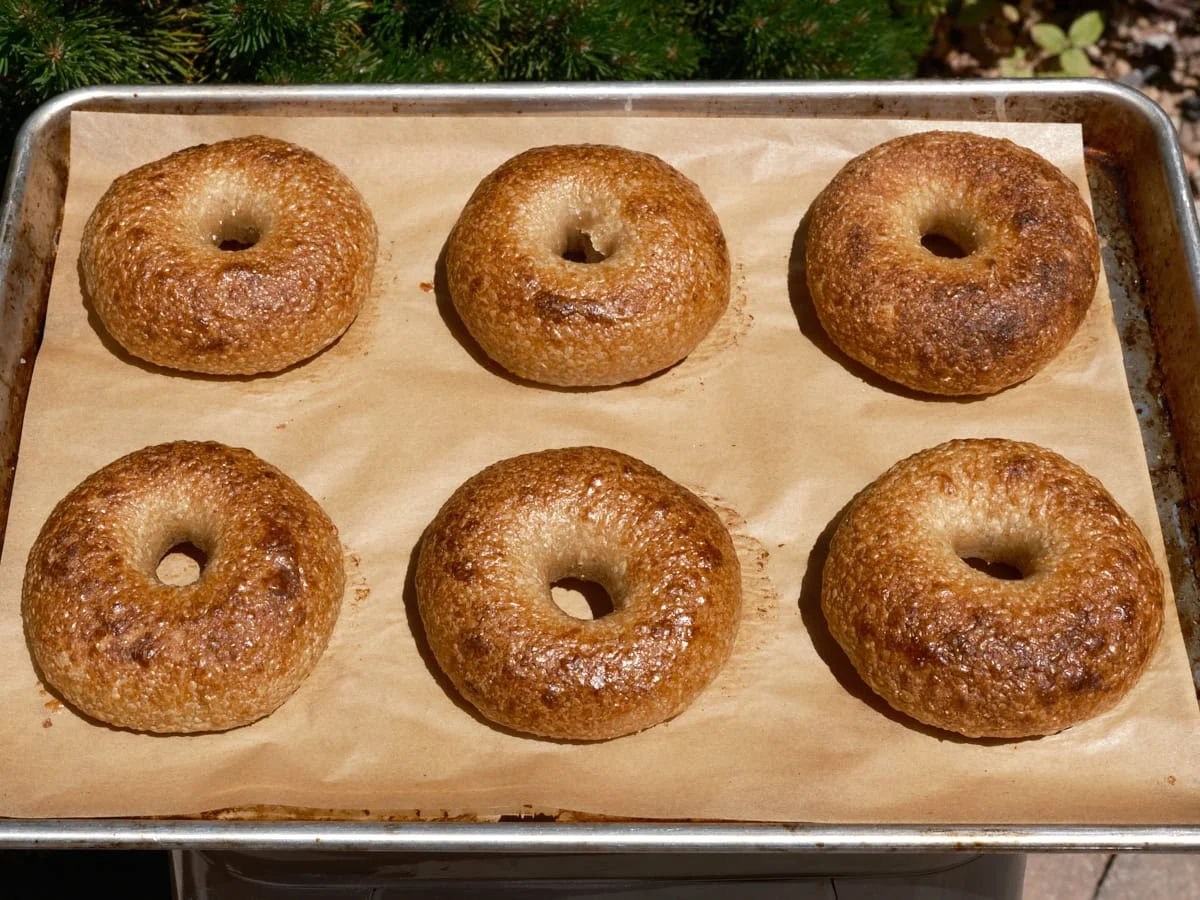
A pioneering development in artisan baking has emerged with the unveiling of a meticulously refined "new wave" sourdough bagel recipe, poised to redefine expectations for texture, flavor, and overall culinary experience. Developed through extensive experimentation by a renowned baking expert, this innovative formula represents a significant departure from conventional bagel production, prioritizing a lighter, crisper crust, a more open crumb, and a nuanced flavor profile derived from a sophisticated blend of flours and a unique fermentation approach. This culinary advancement challenges the established norms of bagel crafting, offering a product that is both familiar in its essence and groundbreaking in its execution.
The Evolution of the Bagel: A Historical Context
Bagels, with their iconic chewy texture and dense interior, have long held a cherished place in culinary traditions, particularly in North American cities like New York, where the "New York-style" bagel became a benchmark. Traditionally, these bagels are characterized by a thick, resilient crust and a tight, closed crumb, achieved through specific flour types, kneading techniques, a short fermentation, and a precise boil-and-bake process. However, the broader artisan food movement of the 21st century, coupled with a resurgence of interest in sourdough and fermentation, has spurred a desire for greater complexity and variation within established food categories. This "new wave" bagel recipe taps directly into this evolving culinary landscape, pushing the boundaries of what a bagel can be while still honoring its fundamental appeal.
The journey towards this refined bagel began with fundamental questions challenging the status quo of sourdough baking. Queries such as whether the levain could impart sweetness directly, rather than relying solely on sugar in the final dough, or if a multi-flour blend could offer more character and tenderness than a single flour type, drove the extensive research. Furthermore, the exploration of alternative shaping methods and the impact of an extended cold fermentation period on crust development and flavor depth became central to the project. This iterative process, akin to scientific inquiry, focused on incremental changes that, when aggregated, yield a profoundly different and enhanced product.
Deconstructing the "New Wave": Innovations in Dough and Fermentation
The core of this new bagel lies in several key innovations spanning ingredient selection, fermentation strategy, and dough handling. Each element was critically re-evaluated and optimized to contribute to the desired "new wave" characteristics.
The Sweet Levain Revolution: A pivotal change in this recipe involves the creation of a "sweet levain." Unlike traditional sourdough starters, which are typically fed only flour and water, this preferment incorporates a small amount of superfine (caster) sugar. This strategic addition is designed to encourage a yeast-heavy culture within the levain, thereby promoting maximum dough rise and a significantly less sour flavor profile in the finished bagel. The goal is to harness the leavening power of sourdough without the pronounced acidity often associated with it, resulting in a cleaner, sweeter taste that complements the multi-grain blend. This method allows the levain to carry a portion of the sweetness, ensuring a more integrated and nuanced flavor distribution throughout the dough.
A Symphony of Grains: The Multi-Flour Approach: Departing from the use of a single flour, this recipe employs a sophisticated blend of four distinct flours, each chosen for its specific contribution to the bagel’s structure, tenderness, and flavor.
- High-protein white flour (12-14% protein): Constituting approximately 45% of the total flour, this provides the essential gluten structure for the bagel’s characteristic chew and robust framework.
- Medium-protein white flour (e.g., Central Milling Artisan Bakers Craft, ~11% protein): Making up 40% of the blend, this flour introduces a degree of tenderness and contributes to a more open crumb structure, preventing the bagel from becoming overly dense.
- Whole wheat flour (10%): Integrated for its warm, nutty depth of flavor, whole wheat adds complexity and nutritional value without making the bagel heavy.
- Whole rye flour (5%): A smaller but significant component, whole rye contributes subtle earthiness, aids in fermentation activity, and enhances crust color.
This meticulously balanced blend ensures a complex flavor profile that is richer and more engaging than bagels made with white flour alone. It demonstrates a move towards ingredients chosen not merely for bulk, but for their specific sensory and functional attributes.
The Art of the Cold Retard: A cornerstone of this "new wave" methodology is the extended overnight cold proof, or retard, in the refrigerator. After the dough is mixed, bulk fermented, and shaped, it undergoes a prolonged rest at cold temperatures, typically for 12 to 24 hours. This extended cold fermentation period is crucial for several reasons:
- Flavor Development: The cold environment slows down yeast activity but allows lactic acid bacteria to continue their work, deepening the dough’s flavor profile and adding layers of complexity that are impossible to achieve with same-day proofing.
- Crust Characteristics: The slow fermentation contributes to a more blistered, glossy, and crispy crust. The extended cold exposure helps to condition the dough, leading to superior browning and texture during baking.
- Improved Handling: Chilled dough is significantly easier to handle, especially for shaping and transferring to the boiling water, reducing the risk of distortion.
- Scheduling Flexibility: For home bakers and professional kitchens alike, the overnight retard offers invaluable scheduling convenience, allowing for early morning boiling and baking without the need for an overnight vigil.
While a same-day option is available for those in a rush, the full spectrum of textural and flavor enhancements is realized through this patient, cold proofing process.
Crafting the Perfect Form and Finish: Shaping and Boiling Techniques
Beyond the dough itself, the "new wave" approach also refines the critical steps of shaping, boiling, and baking to achieve its distinctive qualities.
The Poke Method: A Modern Shaping Solution: Traditional bagel shaping often involves rolling a rope of dough and joining its ends, a method that can be challenging with higher-hydration doughs and risks seam separation during boiling. This new recipe advocates for the "poke method." This technique involves forming the dough into a tight ball, then using an index finger to gently press a hole through the center. The dough is then stretched and rotated with both hands to enlarge the hole to approximately 2 to 2.5 inches in diameter. This method is lauded for its simplicity, forgiveness, and ability to create a more uniform ring, which is particularly advantageous for the slightly higher hydration (68%) dough used in this recipe.
The Alchemy of the Boil: The pre-bake boil is a non-negotiable step for any bagel, contributing to its signature chew and glossy crust. However, this recipe elevates the boiling process:
- Barley Malt Syrup: A generous addition of barley malt syrup to the boiling water is central. This classic ingredient is responsible for the bagel’s distinctive malty flavor and its deep, rich crust color. The non-diastatic properties of the syrup ensure it primarily contributes flavor and browning, rather than enzymatic activity.
- Baking Soda: A small amount of baking soda is added to the boil water to increase its alkalinity. This adjustment further aids in crust browning and contributes to the desired blistered texture. The combined effect of malt and baking soda transforms the water into a dark, flavorful bath.
- Precise Boil Time: Unlike traditional methods that might call for longer boils, this recipe emphasizes a short, vigorous boil—20 to 30 seconds per side. This shorter duration is crucial for achieving the "new wave" bagel’s thinner, crispier crust while still ensuring the gelatinization of starches on the surface, which is vital for chewiness. A longer boil would result in a thicker, chewier skin, aligning more with traditional styles.
Precision Baking for Optimal Results: The final stage of baking is equally critical. The bagels are baked on a preheated baking steel or thick stone, which provides intense, direct heat from below. This high heat promotes an "explosive rise" (oven spring) and develops a crisp bottom crust. The oven is initially set at a high temperature (500°F/260°C convection or 525°F/270°C conventional) and then reduced during baking. Furthermore, the introduction of steam into the oven immediately after loading the bagels is recommended. This steam encourages the formation of microblisters on the crust, enhancing its visual appeal and textural complexity, mirroring techniques often employed in artisanal hearth bread baking.
Beyond Tradition: A Comparative Analysis
The "new wave" sourdough bagel stands in clear contrast to its "traditional New York-style" counterpart. While the latter is revered for its dense chew, robust crust, and closed crumb, the new iteration aims for different, yet equally desirable, attributes. This innovation aligns with trends seen in modern bagel shops, such as the highly acclaimed Courage Bagels in Los Angeles, which have popularized a lighter, glossier, and more open-crumbed bagel experience.
Culinary critics and baking enthusiasts have observed a growing appreciation for diverse textural experiences in baked goods. The "new wave" bagel, with its crispy, blistered exterior and tender, subtly chewy, open interior, caters to this demand. It offers a more delicate bite, allowing the complex flavors from the multi-grain blend and malty boil to truly shine. This distinction is not about one being superior to the other, but rather about expanding the spectrum of what a sourdough bagel can offer, providing consumers with more choices to suit their evolving palates.
Broader Implications for Home Bakers and the Artisan Food Movement
This detailed and innovative recipe holds significant implications for both home bakers and the broader artisan food movement. For home bakers, it demystifies complex techniques, making a professional-quality, nuanced bagel achievable in a home kitchen. The comprehensive instructions, coupled with a flexible three-day schedule, provide a structured yet adaptable framework for success. The emphasis on specific ingredients like diastatic malt powder underscores the increasing sophistication of home baking, where specialized ingredients are now more accessible and understood.
For the artisan food movement, this recipe exemplifies the ongoing spirit of innovation and refinement. It demonstrates that even classic items like bagels can be re-imagined through careful application of scientific principles and a deep understanding of fermentation. Baking industry analysts suggest that such detailed, technique-driven recipes contribute to a higher standard of culinary literacy and encourage consumers to seek out and appreciate nuanced flavors and textures in their everyday foods. The meticulous development process, documented through numerous test batches, highlights a dedication to culinary excellence that resonates with a discerning audience.
The Three-Day Craft: A Detailed Baking Schedule Overview
The creation of these "new wave" sourdough bagels is structured over three days, a timeline designed for optimal flavor development and practical scheduling:
- Day One Evening: The process begins with preparing the sweet levain. This involves feeding a ripe sourdough starter with a specific blend of flour, water, and superfine sugar, allowing it to ferment overnight at a warm room temperature to achieve a highly active and sweet-smelling culture.
- Day Two Morning to Afternoon: The main dough is mixed using the prepared levain and the multi-flour blend, along with barley malt syrup, diastatic malt powder, and salt. After mixing, the dough undergoes a bulk fermentation period, typically around three hours at room temperature, without the need for stretches and folds due to its stiff consistency and thorough initial mixing. Following bulk fermentation, the dough is divided and shaped using the poke method. The shaped bagels are then placed on cornmeal-dusted sheet pans, covered, and transferred to the refrigerator for an extended overnight cold retard.
- Day Three Morning/Early Afternoon: The cold-proofed bagels are removed from the refrigerator and allowed to proof at warm room temperature for approximately two hours. During this time, the oven is preheated to a high temperature with a baking steel or stone. The bagels are then briefly boiled in a vigorous bath of water, barley malt syrup, and baking soda (20-25 seconds per side), optionally topped with seeds, and finally baked until deep golden brown.
This schedule, while spanning three days, minimizes active work time on any single day, making the production of these complex bagels accessible and enjoyable. A notable provision is the "same-day option," where the overnight retard can be skipped, allowing the shaped bagels to proof at room temperature for 2-3 hours before boiling and baking. While the flavor complexity may be slightly reduced, the convenience factor makes this an attractive alternative for impromptu baking.
Addressing Common Baking Queries
The comprehensive development of this recipe also includes practical guidance for common baking challenges. For instance, to minimize sourness, bakers are advised to ensure their sourdough starter is not overly ripe when preparing the levain, and the optional removal of whole rye flour can further reduce acidity. Achieving an open crumb, a hallmark of these "new wave" bagels, can be further enhanced by incrementally increasing dough hydration, though this requires careful handling. Guidance is also provided for preventing flat bagels, emphasizing proper fermentation, tight shaping, and, crucially, ensuring the boil water is at a vigorous rolling boil. The role of diastatic malt powder, while not strictly essential, is highlighted for its significant impact on oven spring, crust color, and crumb texture.
In summary, this "new wave" sourdough bagel recipe is more than just a culinary instruction set; it represents a thoughtful evolution of a classic food item. By meticulously questioning and refining every stage of the bagel-making process, from ingredient selection and fermentation kinetics to shaping and baking dynamics, the developer has crafted a product that is both exquisitely delicious and profoundly informative, pushing the boundaries of artisan baking and setting a new standard for home and professional bakers alike.
Special acknowledgement is extended to baking collaborator Josh Fairbanks, whose contributions were instrumental in refining this innovative recipe. Fairbanks’ expertise further solidifies the collaborative spirit often found at the forefront of culinary innovation.


