
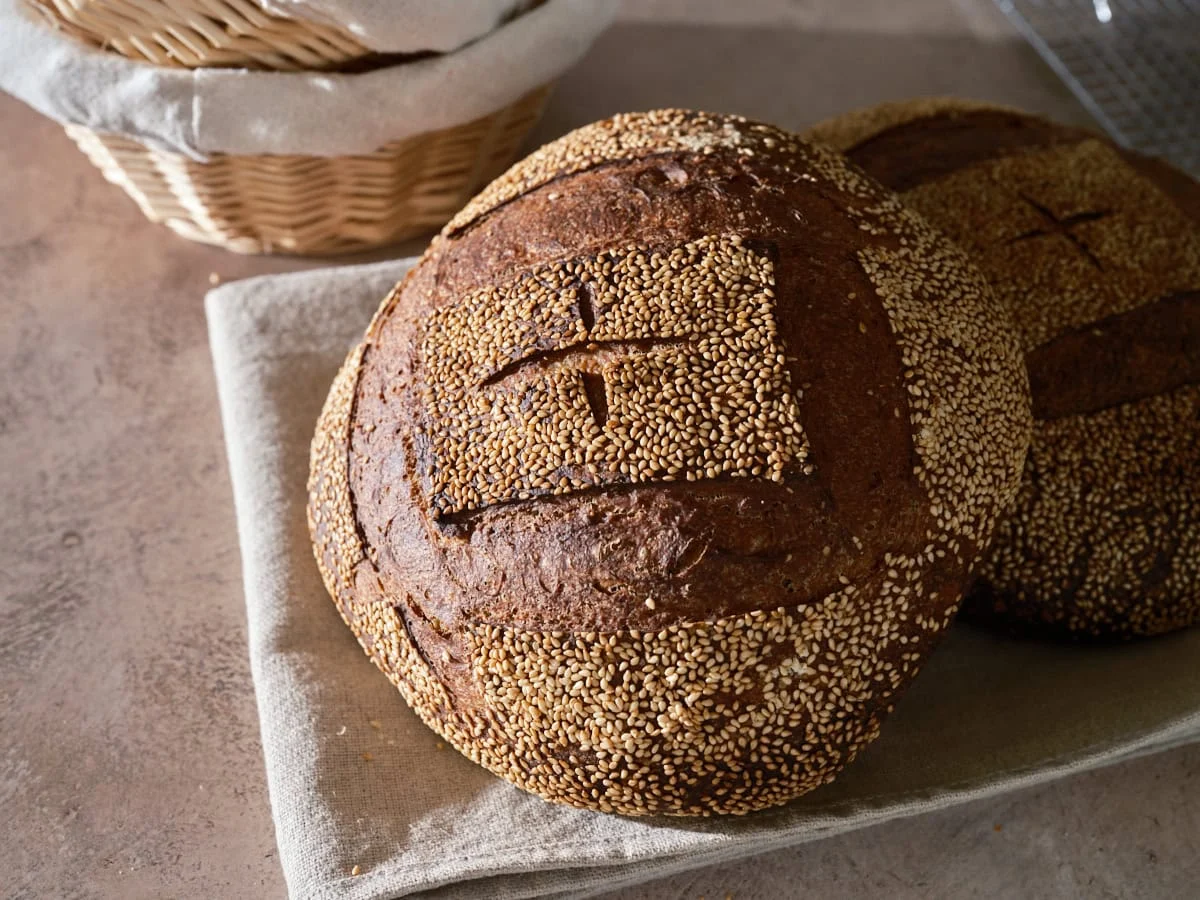
A new artisanal sourdough recipe, featuring a unique blend of spice, grain, and a specialized flour scald technique, has been introduced by the prominent baking resource, The Perfect Loaf. This robust bread, designed to offer a comforting and flavorful experience, incorporates heady aniseed, nutty buckwheat, and rich barley malt syrup, all harmonized within a sourdough matrix enhanced by a flour scald for superior texture and longevity. The creation arrives as a timely culinary response to the lingering cold seasons, providing a compelling reason for home bakers to engage with their ovens and explore advanced techniques.
The Scalded Buckwheat and Malt Sourdough stands out for its distinctive aromatic and textural profile. At its core is the pungent, licorice-sweet aroma of freshly ground aniseed, a spice that asserts its presence from the initial grinding stages through to the final baked loaf. This bold flavor is expertly paired with buckwheat, a pseudo-cereal celebrated for its earthy, mineral, and slightly tannic notes, which collectively contribute to a remarkably balanced and irresistible bread. The visual appeal is further enhanced by a striking topping of white sesame seeds, chosen not only for their complementary flavor but also for their aesthetic contrast against the whole-grain-rich crust.
The Strategic Inclusion of a Flour Scald
Central to this recipe’s innovation is the application of a flour scald, a technique employed to significantly enhance both the flavor and texture of the final bread. The scald involves simply covering a portion of flour—in this case, buckwheat flour—with boiling water, transforming it into a thick, aromatic paste. This method is closely related to the traditional Asian baking techniques of yudane and tangzhong, both renowned for their ability to improve bread quality.
The scientific principle behind the flour scald is the gelatinization of starches. When flour is exposed to boiling water, the starch granules absorb moisture and swell, creating a viscous gel. This gelatinized starch is highly aromatic and flavorful, and crucially, it possesses an increased capacity to retain moisture. When incorporated into the main dough, this paste contributes to a remarkably silky crumb texture, a characteristic softness that persists over several days, and a delayed staling process, thereby extending the bread’s freshness. For bakers seeking to elevate their loaves beyond conventional methods, the scald offers a straightforward yet profoundly impactful addition to their repertoire. The Perfect Loaf emphasizes that this technique is an easy step, yielding significant improvements in the bread’s overall quality and enjoyment.
Key Ingredients and Their Culinary Significance
The selection of ingredients for this sourdough is deliberate, each playing a vital role in crafting its unique character:
- Aniseed: A spice with a rich history, aniseed (Pimpinella anisum) has been used in culinary applications for millennia, tracing back to ancient Egypt and Rome. Its distinctive licorice-like flavor, attributed primarily to the compound anethole, makes it a popular ingredient in both sweet and savory dishes across various cultures, from Italian biscotti and German pumpernickel to Indian curries and Middle Eastern pastries. Beyond its flavor, aniseed has been traditionally recognized for its digestive properties. In this sourdough, it provides a warm, aromatic backbone that elevates the entire loaf.
- Buckwheat Flour: Despite its name, buckwheat is not a wheat and is naturally gluten-free, though in this recipe, it is combined with wheat flours. As a pseudo-cereal, it is highly nutritious, packed with fiber, protein, and essential minerals like magnesium, manganese, and copper. Its flavor profile is distinctively nutty and earthy, which beautifully complements the sweetness of the malt and the pungency of the anise. The Perfect Loaf notes that even in small percentages, buckwheat can impact the crumb structure, tending to make it slightly denser due to its lack of gluten-forming proteins. However, this is a conscious trade-off for the intense flavor and gorgeous speckled color it imparts.
- Barley Malt Syrup: This natural sweetener, derived from sprouted barley, contributes a complex sweetness, a rich, malty flavor, and a desirable dark crust color to the bread. Malt syrup is rich in enzymes that aid in fermentation and help break down starches into sugars, providing more "food" for the yeast and bacteria in the sourdough starter. This not only enhances flavor development but also contributes to a more tender crumb.
- High-Extraction Wheat Flour (Type 85): As the base flour, Cairnspring’s Trailblazer Type 85 flour was chosen for its hearty characteristics. Type 85 flour represents a milling process that removes some, but not all, of the bran and germ, placing it between a refined white flour and a whole wheat flour. This results in a flour that offers more flavor and nutritional benefits than standard white flour, while still providing a robust gluten structure necessary for sourdough. It contributes a deeper, more nuanced flavor profile compared to white flour, aligning with the intention for a substantial, flavorful loaf suitable for sandwiches.
The Meticulous Two-Day Baking Schedule
The development of this Scalded Buckwheat and Malt Sourdough adheres to a structured two-day baking schedule, a common practice in artisanal sourdough production that allows for deep flavor development and optimal gluten structure. This method minimizes hands-on time, requiring periodic interaction from the baker, primarily during bulk fermentation and shaping, before an extended cold proof in the refrigerator.
Day 1: Preparation and Fermentation
- Levain Preparation (9:00 a.m.): The process begins with mixing the levain, a refreshed sourdough starter. High-extraction wheat flour, water, and ripe starter are combined and left to ripen for approximately 3 hours at a controlled temperature of 74-76°F (23-24°C). This ensures the starter is active and potent for optimal dough leavening.
- Flour Scald Preparation (9:10 a.m.): Immediately following levain preparation, buckwheat flour is scalded with boiling water, creating a thick, aromatic paste. This paste is then covered and set aside to cool, ready for integration into the main dough.
- Autolyse (11:00 a.m.): The main flours—high-extraction wheat and whole wheat—along with water and the prepared flour scald, undergo an autolyse. This initial hydration period, lasting 1 hour, allows the flour to fully absorb water, initiating gluten development without the presence of salt or starter. The dough becomes stronger and more hydrated, preparing it for subsequent mixing. Dough temperature is carefully managed, aiming for a final dough temperature (FDT) of 78°F (25°C) for consistent fermentation.
- Mixing (12:00 p.m.): After the autolyse, the remaining water, fine sea salt, and ripe levain are incorporated. The recipe features a high hydration level (75% overall, or 83% including the scald water), necessitating careful mixing. The bassinage technique is advised, where a portion of water is reserved and added gradually, allowing the baker to assess the dough’s capacity to absorb moisture without becoming overly slack. Whether mixed by mechanical mixer (such as the Ooni Halo Pro spiral mixer, as used by The Perfect Loaf) or by hand using slap-and-fold or in-bowl methods, the goal is a smooth, cohesive dough.
- Bulk Fermentation (12:30 p.m. to 3:30 p.m.): The dough enters its bulk fermentation phase, lasting approximately 3 hours at 74-76°F (23-24°C). During this time, the dough undergoes two sets of stretches and folds at 30-minute intervals during the initial stages. These manipulations help to build gluten strength and evenly distribute yeast activity. By the end of bulk fermentation, the dough is expected to have increased in volume by about 30%, appearing smooth and puffy.
- Pre-shape (3:30 p.m.): The dough is gently scraped onto a work surface, divided into two equal portions, and lightly pre-shaped into loose rounds. This brief resting period, lasting 30 minutes, allows the gluten to relax, making the dough more amenable to final shaping.
- Shape (4:00 p.m.): Each round is then shaped using a specific "gather up" method, which builds tension on the surface of the dough. The shaped loaves are inverted onto a bed of raw white sesame seeds, ensuring an even coating, before being placed seam-side up into proofing baskets.
- Proof (4:15 p.m. to 9:00 a.m. Day 2): The proofing baskets, covered to prevent drying, are placed into the refrigerator for an extended cold proof overnight. This low-temperature fermentation further develops flavor and enhances the dough’s structure, making it easier to handle and score the following day.
Day 2: Baking
- Bake (9:00 a.m.): On the second day, the oven is preheated to 450°F (230°C) with a Dutch oven, combo cooker, or baking stone/steel in place, along with a separate pan for steaming. One proofed loaf is removed from the refrigerator, inverted onto parchment paper, and scored with a sharp blade. The dough is then carefully transferred into the preheated baking vessel.
- Steaming and Baking: Initial baking occurs for 20 minutes in a steamy environment, either by covering the baking vessel or adding ice to the preheated pan. Steam is crucial for crust development, allowing the loaf to expand fully before the crust sets. After 20 minutes, the steam is vented (by removing the lid or steam pans), and baking continues for an additional 30 minutes. The goal is a deeply colored crust and an internal temperature of approximately 204°F (95°C).
- Cooling: Upon removal from the oven, the loaves are allowed to cool on a wire rack for 1 to 2 hours. This crucial cooling period allows the internal structure of the bread to set and the flavors to fully develop, preventing a gummy texture if sliced too early.
Broader Implications and Trends in Artisanal Baking
The introduction of the Scalded Buckwheat and Malt Sourdough by The Perfect Loaf reflects several significant trends in contemporary artisanal baking. There is a growing consumer demand for breads that are not only deeply flavorful but also offer enhanced nutritional value and unique textural experiences. This recipe champions the integration of ancient grains and diverse spices, moving beyond traditional white flour loaves to explore a wider spectrum of culinary possibilities.
Furthermore, the emphasis on techniques like the flour scald highlights the increasing sophistication of home bakers. What were once niche or professional methods are now becoming accessible to a broader audience, driven by a desire for higher quality, homemade products. The detailed instructions and clear rationale provided by resources like The Perfect Loaf empower bakers to experiment and refine their skills.
The thoughtful combination of ingredients—anise for its bold aroma, buckwheat for its earthy complexity and nutritional benefits, and malt for its nuanced sweetness—underscores a holistic approach to bread development, where every component contributes meaningfully to the final product. This sourdough serves as an excellent example of how traditional methods, when combined with innovative ingredient pairings, can yield extraordinary results, perfectly suited for the discerning palates of modern bread enthusiasts. As colder weather encourages more indoor activities, this hearty, spice-forward loaf provides both a culinary project and a delicious reward, reinforcing the enduring appeal of handcrafted bread.


