
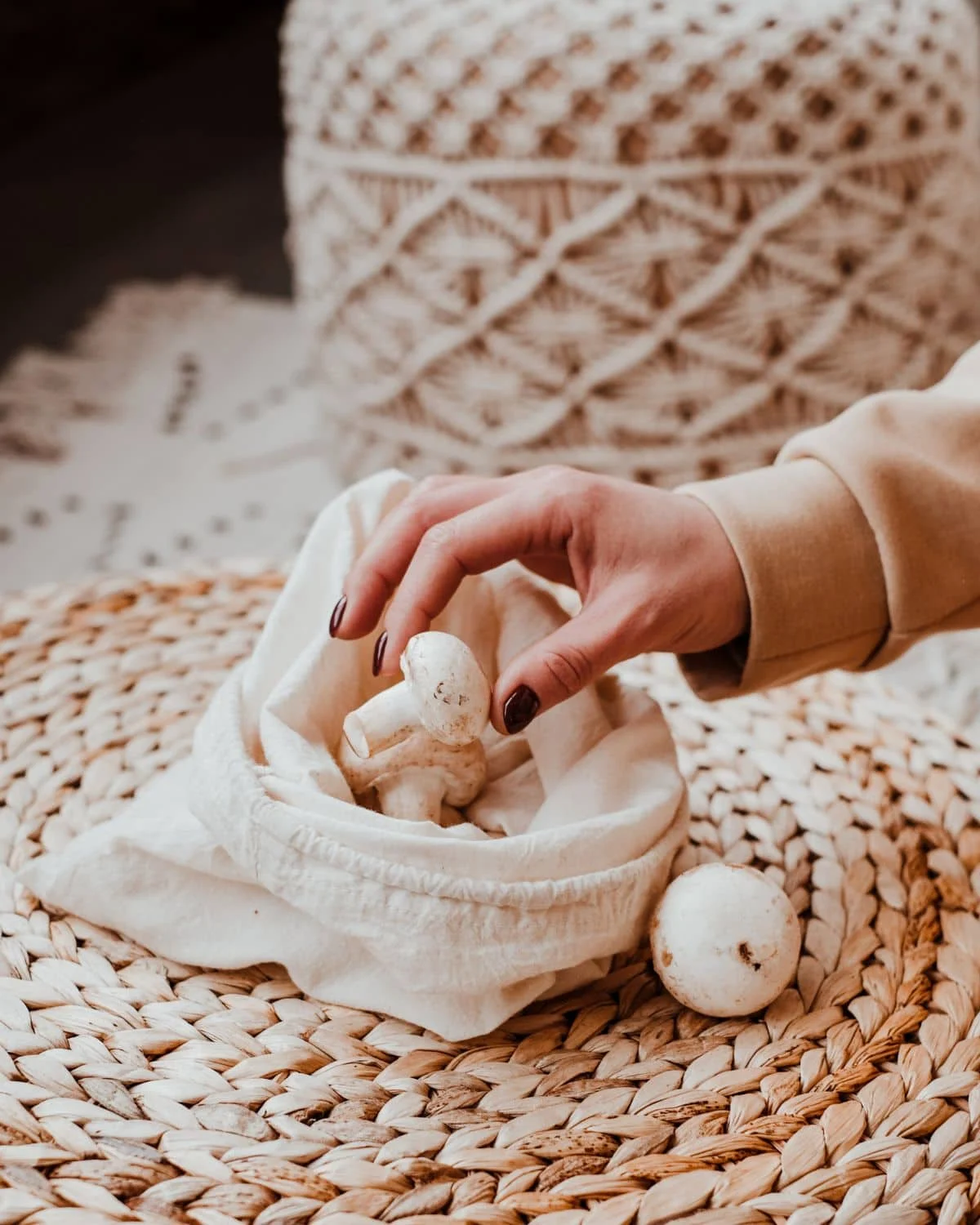
The global interest in foraging and wildcrafting has seen a significant resurgence in recent years, driven by a growing movement toward food sovereignty, sustainable living, and a desire for deeper connections with the natural environment. As the holiday season approaches, the demand for specialized equipment, educational literature, and nature-inspired apparel has shifted from niche markets to mainstream retail interest. Market data suggests that the "outdoor hobby" sector, which includes foraging and mushroom hunting, has experienced a steady compound annual growth rate as consumers increasingly prioritize experiential gifts and functional tools over disposable consumer goods. This comprehensive guide outlines the essential components of a modern foraging toolkit, ranging from precision harvesting knives to advanced mycological resources.
The Evolution of Foraging Gear and the Rise of Ethical Harvesting
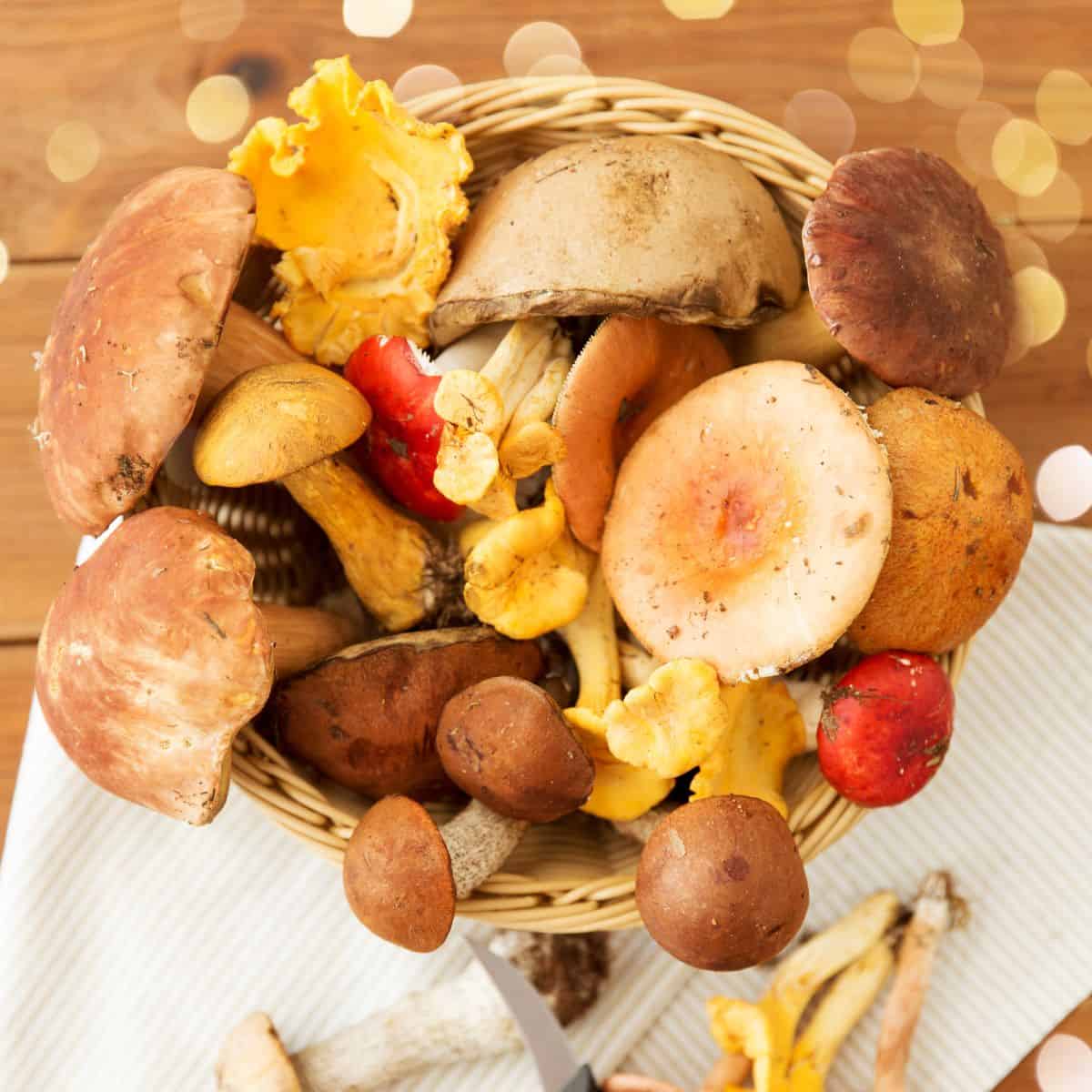
Foraging, once a survival necessity, has transitioned into a sophisticated recreational and professional pursuit. This shift has necessitated a higher standard of equipment that balances durability with ecological sensitivity. Professional foragers emphasize that the right tools not only improve the efficiency of the harvest but also ensure the long-term health of the ecosystem. For instance, the use of mesh or breathable baskets is not merely an aesthetic choice; it allows for the dispersal of spores while a forager moves through the woods, effectively contributing to the propagation of fungal colonies.
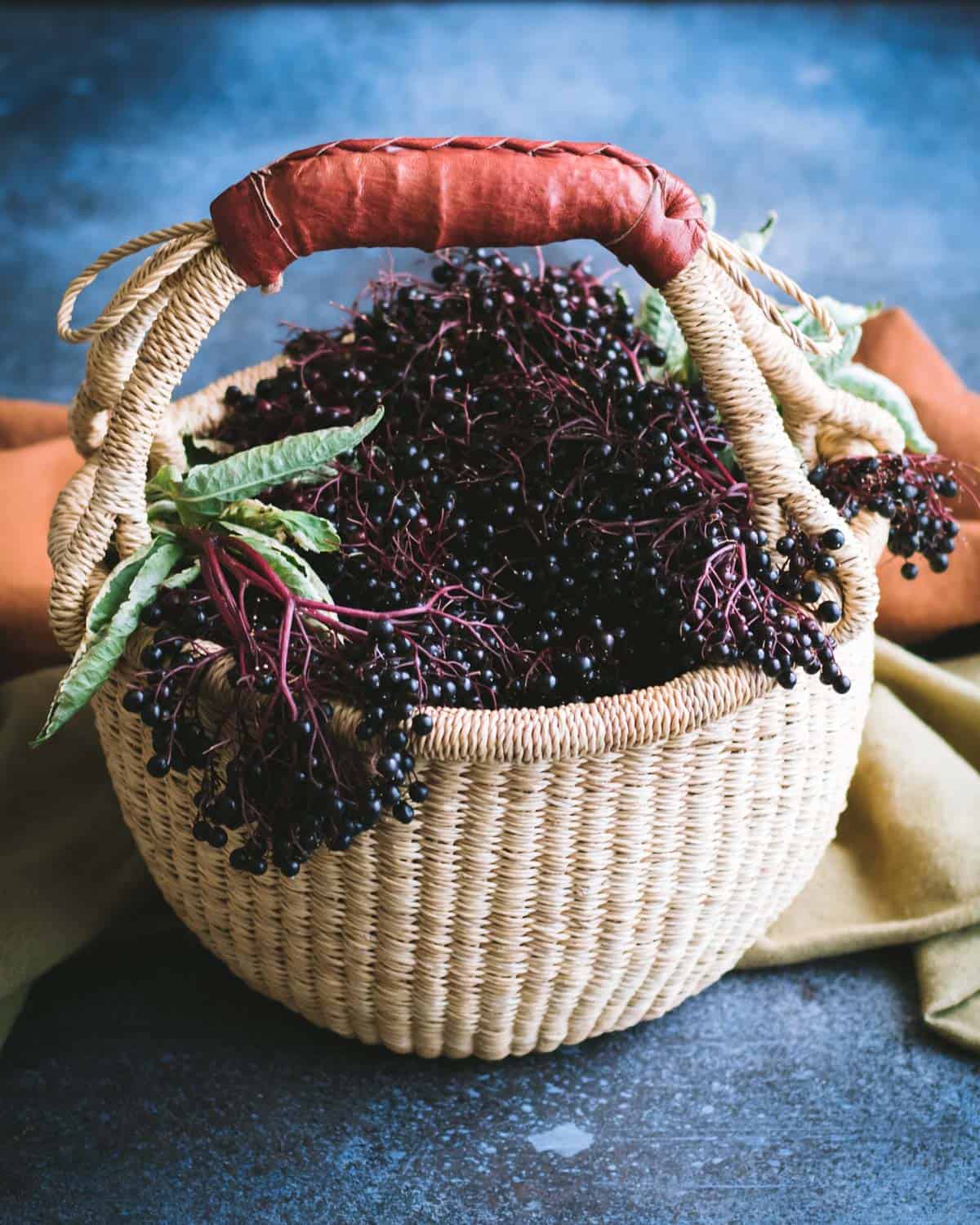
The market for traditional harvesting vessels has expanded to include fair-trade market baskets. These items, often hand-woven from sustainable reeds or grasses, have become staples for those collecting medicinal plants and edible greens. Their structural integrity allows for the transport of heavy yields without crushing delicate specimens, a common issue with plastic or thin-walled containers. Furthermore, the integration of lightweight cloth bags into the forager’s kit reflects a trend toward "everyday carry" preparedness. These stowable options allow enthusiasts to engage in opportunistic harvesting during hikes or incidental nature walks, reducing the reliance on single-use plastics.
Technical Specifications of Professional Foraging Knives
In the field of wildcrafting, the knife is regarded as the most critical instrument. Two distinct schools of thought dominate the industry: specialized mycological tools and general-purpose fixed blades.
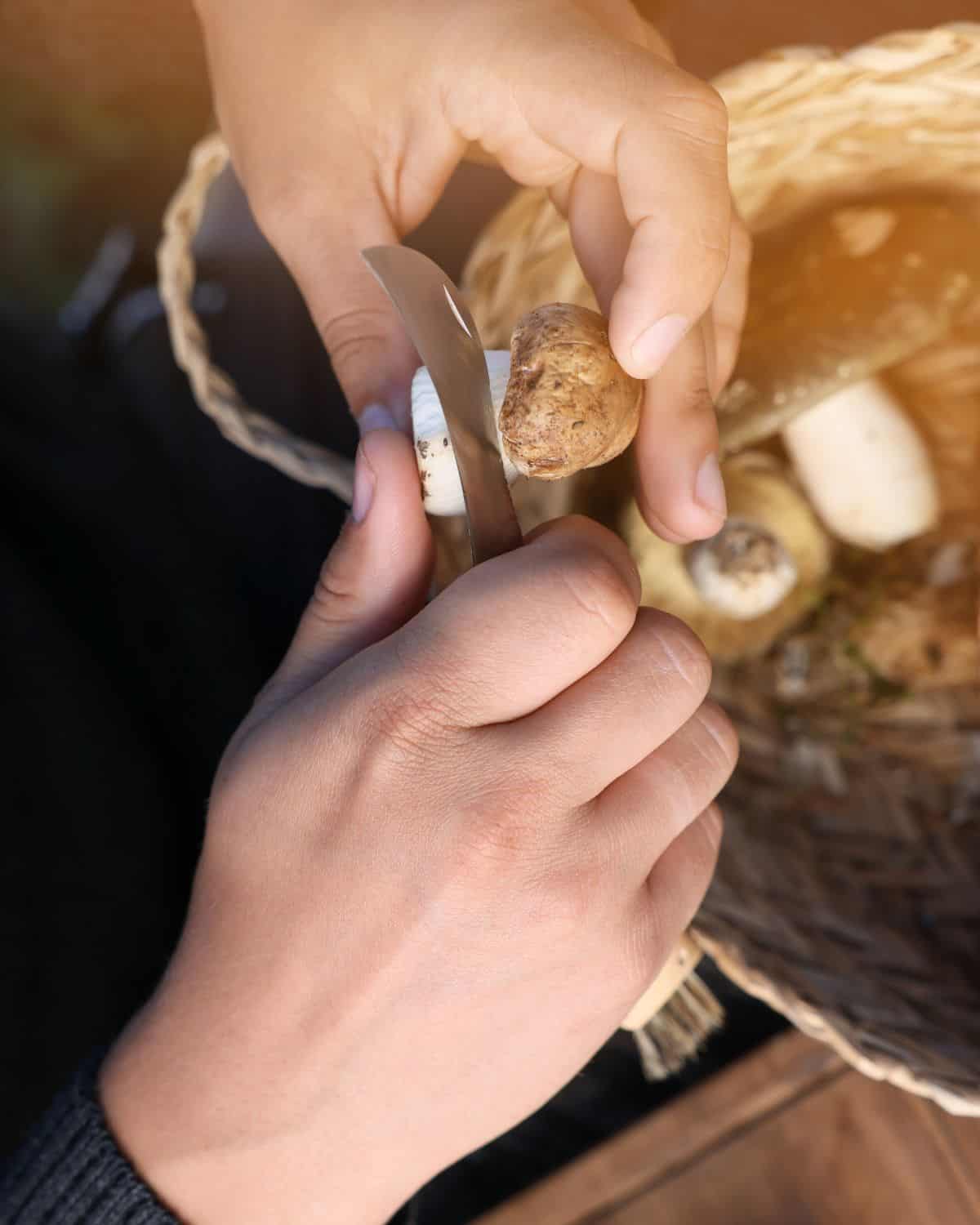
The Opinel Mushroom Knife represents the pinnacle of specialized design. Manufactured in the French Alps, this tool features a curved Sandvik stainless steel blade designed to cut delicate stalks without damaging the mycelium. The inclusion of a serrated spine and a natural boar hair brush at the hilt allows for immediate field cleaning, which prevents grit from contaminating the harvest during transport. This level of specialization is increasingly sought after by "mycophiles" who prioritize the culinary quality of their finds.
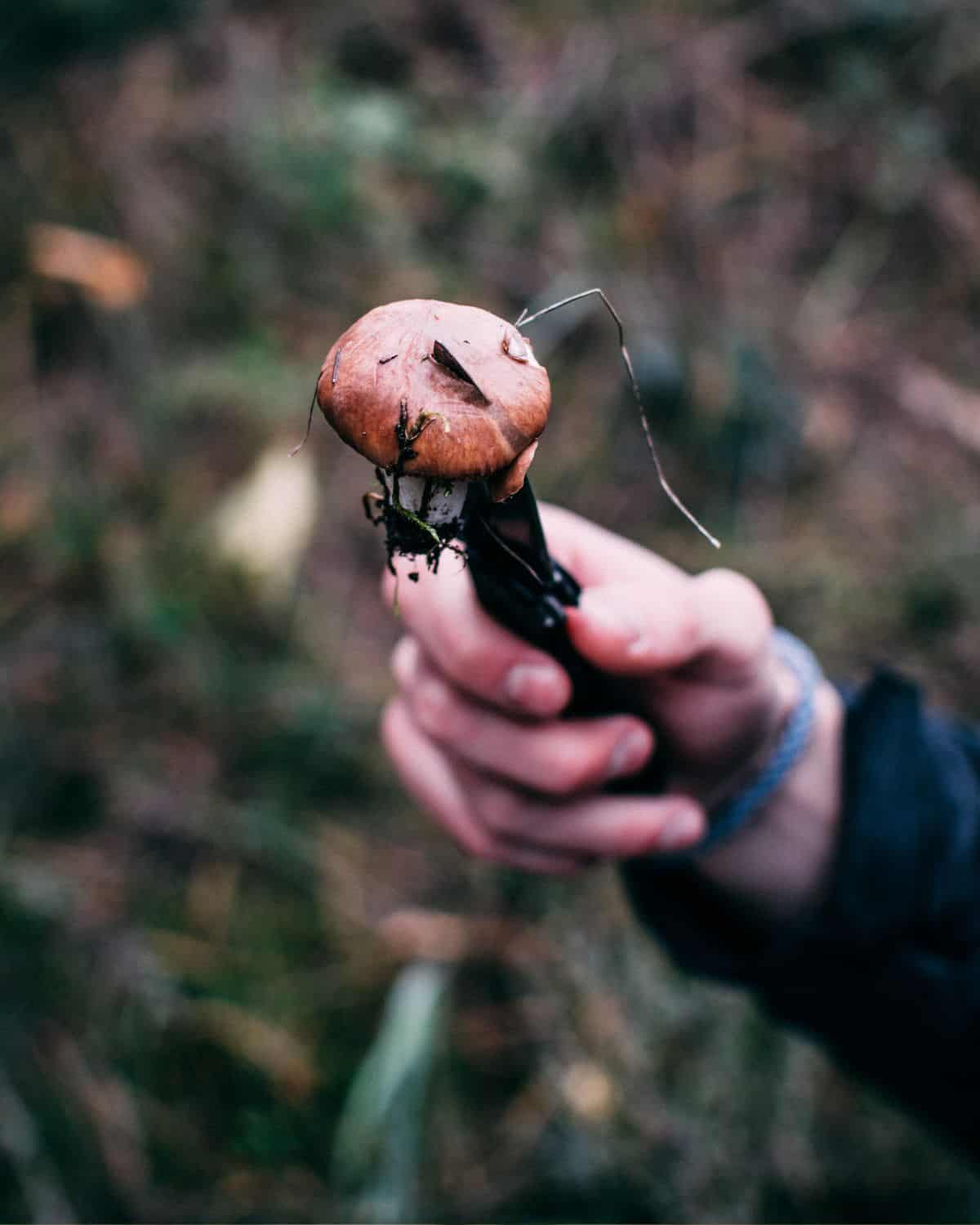
Conversely, for general wildcrafting—which may involve digging for tubers, stripping bark, or cutting tough woody stems—fixed-blade knives like the Morakniv Companion are frequently cited by experts as the industry standard for value and utility. Market analysis of outdoor cutlery indicates that Morakniv’s use of high-quality Swedish steel, combined with an ergonomic polymer grip, provides a level of reliability that outperforms many higher-priced competitors. The durability of such tools is a key consideration for foragers who operate in diverse and often harsh climatic conditions.
The Commercial Expansion of Home Mycology and Functional Fungi
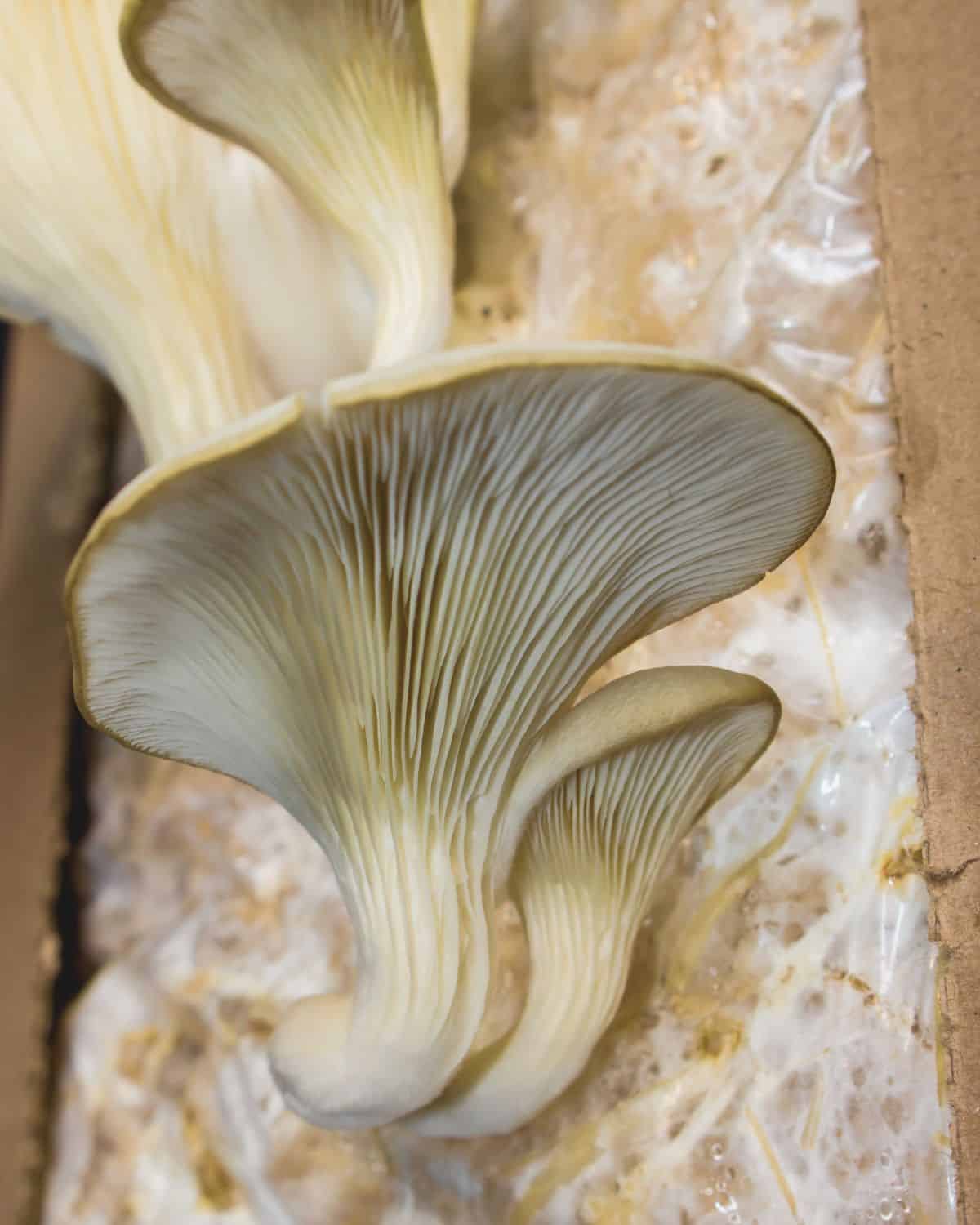
For those unable to access wild landscapes, the "grow-your-own" sector has filled a significant market gap. Mushroom growing kits, such as the Organic Mushroom Mini Farm by Back to the Roots, have simplified the complex science of mycology for the domestic setting. These kits typically utilize recycled coffee grounds or agricultural waste as a substrate, aligning with circular economy principles. Data from the specialty food industry indicates that home-grown oyster mushrooms and shiitakes are among the fastest-growing segments in the indoor gardening category.
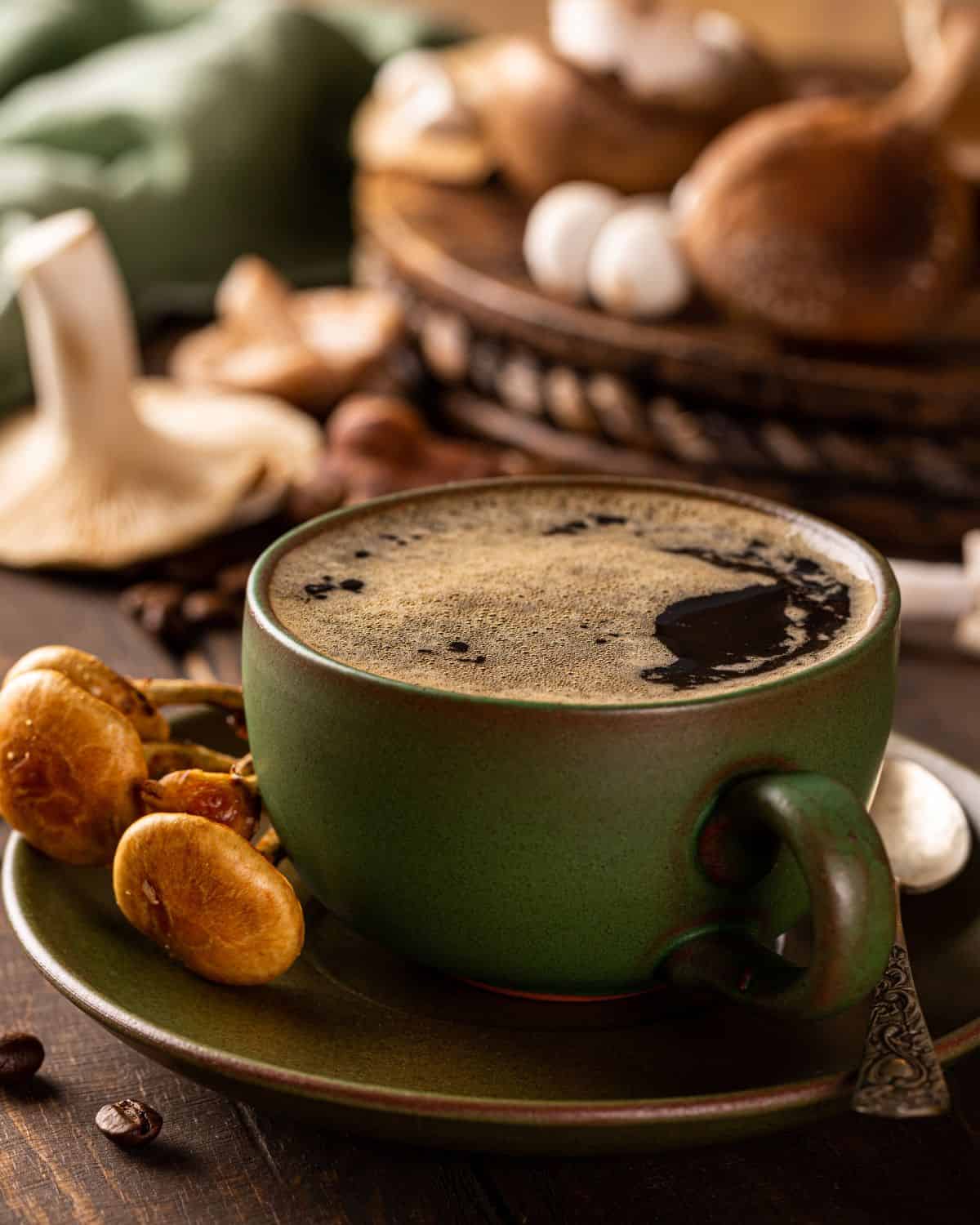
Beyond cultivation, the integration of fungi into the wellness industry has led to the rise of "functional coffee" and adaptogenic beverages. Companies like Four Sigmatic have successfully commercialized extracts of Lion’s Mane, Chaga, and Reishi. This trend reflects a broader cultural shift where foraging enthusiasts and health-conscious consumers seek the benefits of wild-type organisms in convenient, standardized formats. The global functional mushroom market is projected to reach several billion dollars by the end of the decade, signaling that "mushroom culture" has moved well beyond the forest floor.
Foraging as a Lifestyle: Aesthetics and Domestic Integration
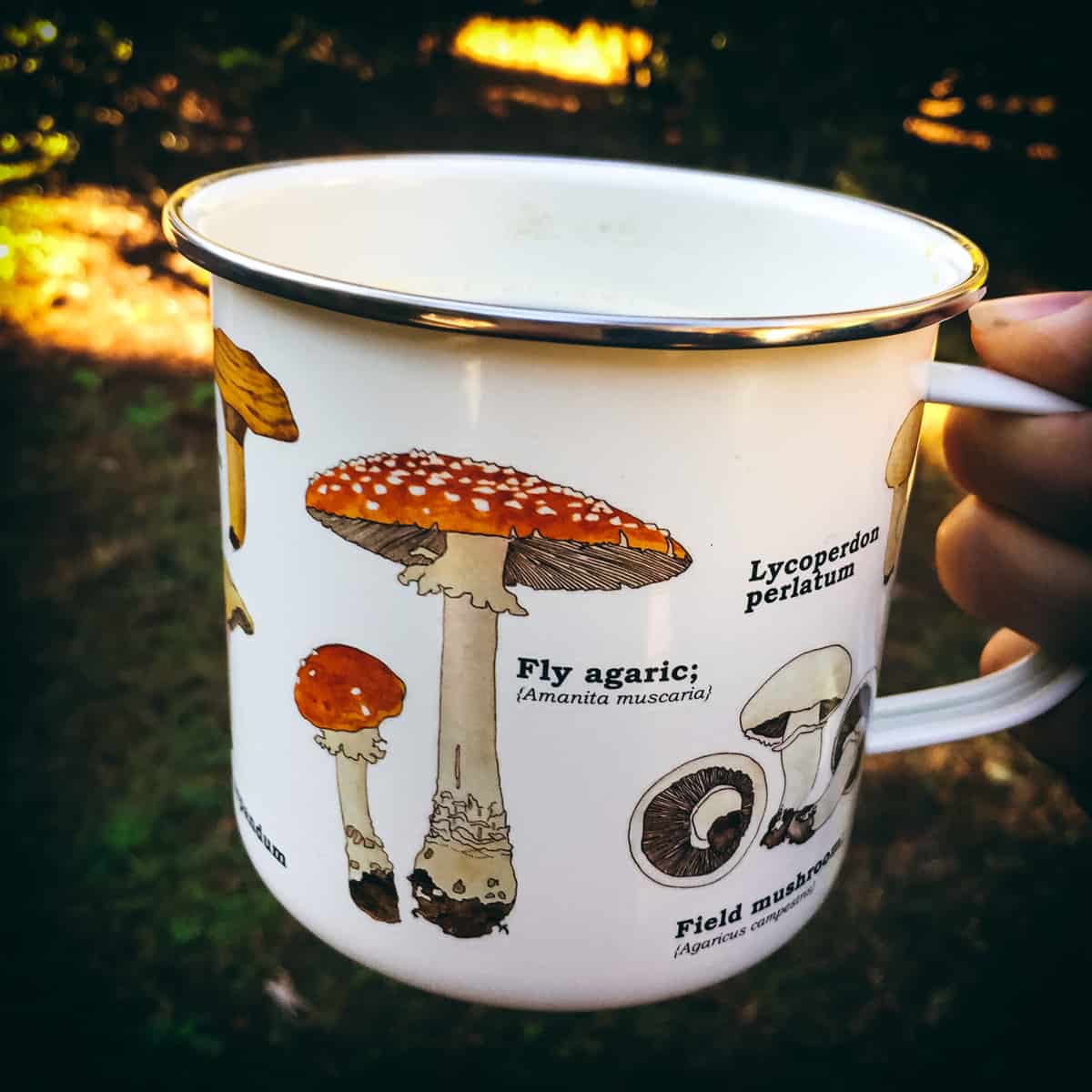
The influence of wildcrafting has extended into home decor and apparel, creating a distinct "botanical aesthetic" that resonates during the holiday season. Retailers have noted an increase in demand for kitchenware and textiles featuring scientifically accurate illustrations of flora and fungi. Mushroom-themed mugs, vintage-inspired tea towels, and oven mitts have become popular gift items, serving as functional reminders of the forager’s passion within the home environment.
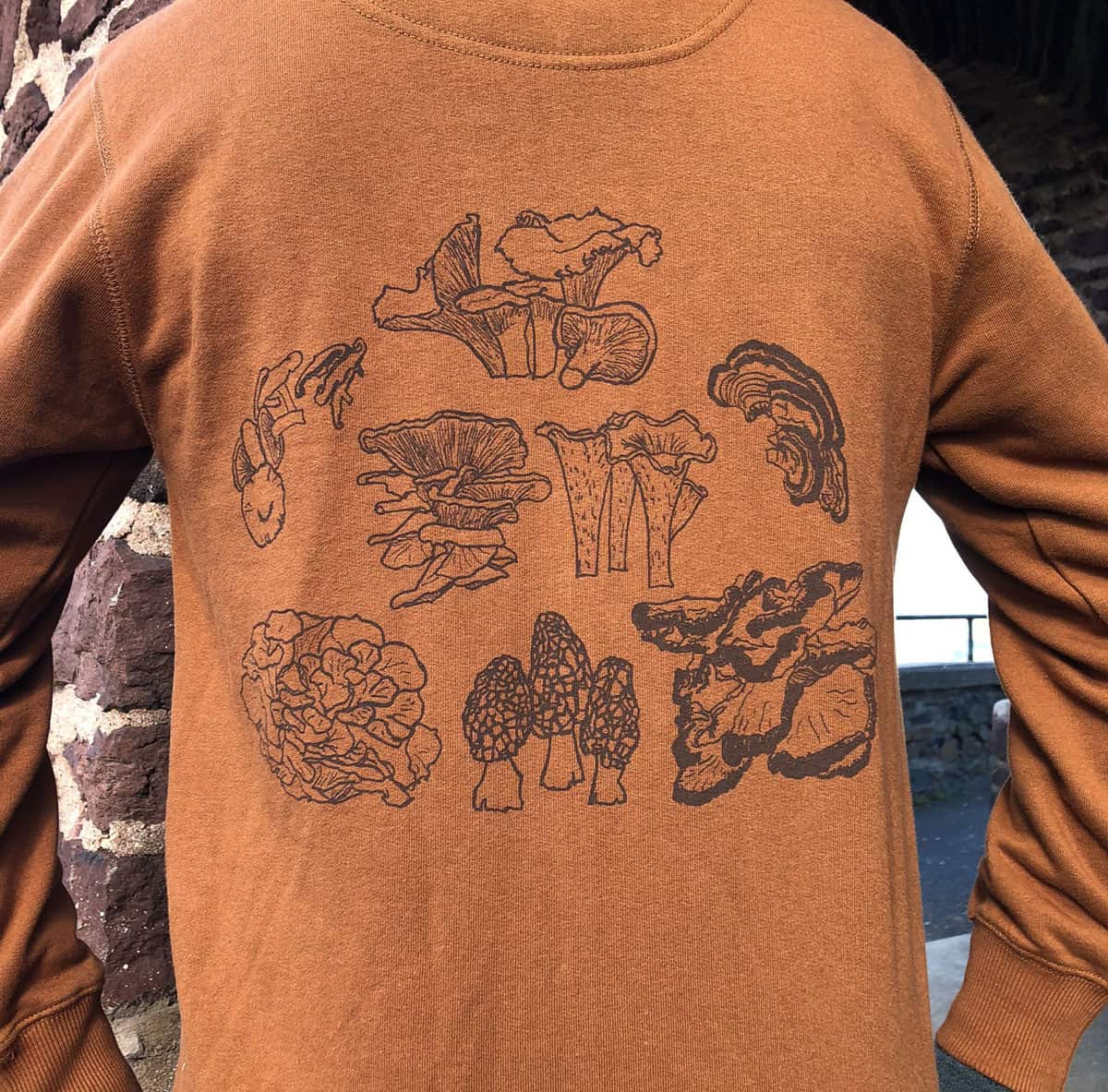
In the apparel sector, brands such as Taproot Threads have gained traction by producing clothing that serves as both a style statement and a tribute to botanical diversity. Screen-printed hoodies and onesies featuring Yarrow, Chanterelles, and other wild species allow enthusiasts to signal their interests while supporting independent artists. This intersection of art and ecology is a hallmark of the modern foraging community, which often emphasizes the beauty of the natural world as much as its utility.
Educational Resources and the Importance of Expert Guidance
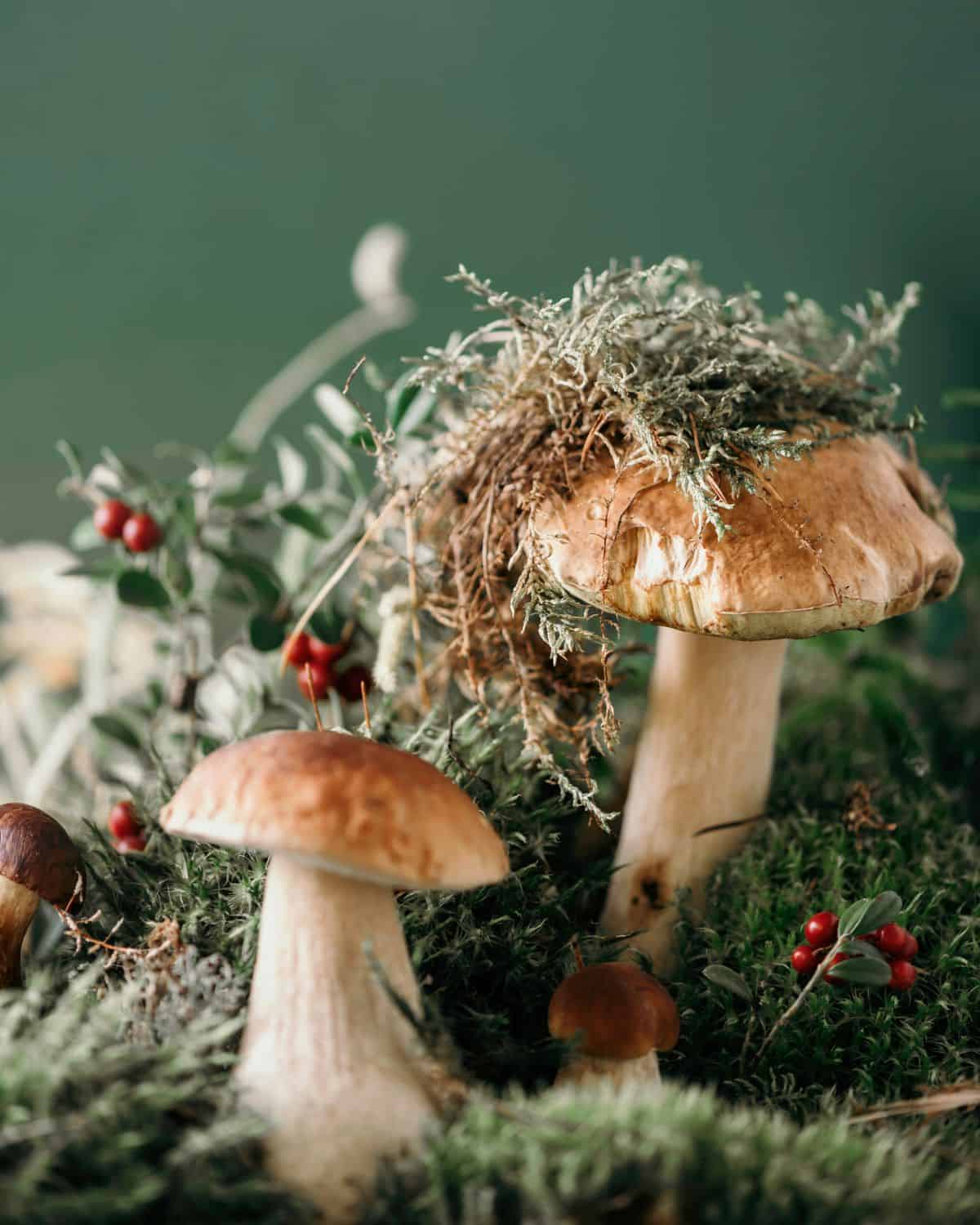
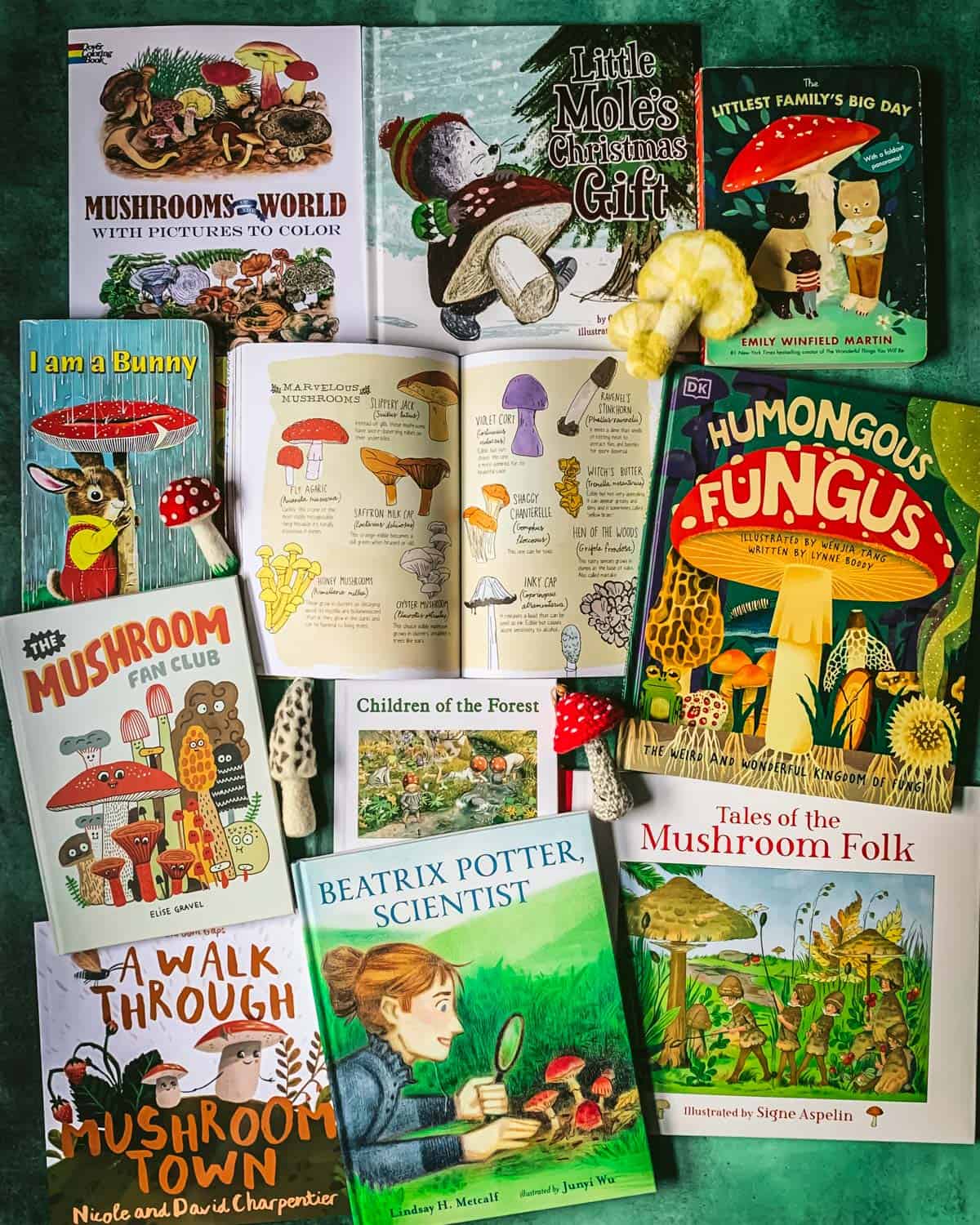
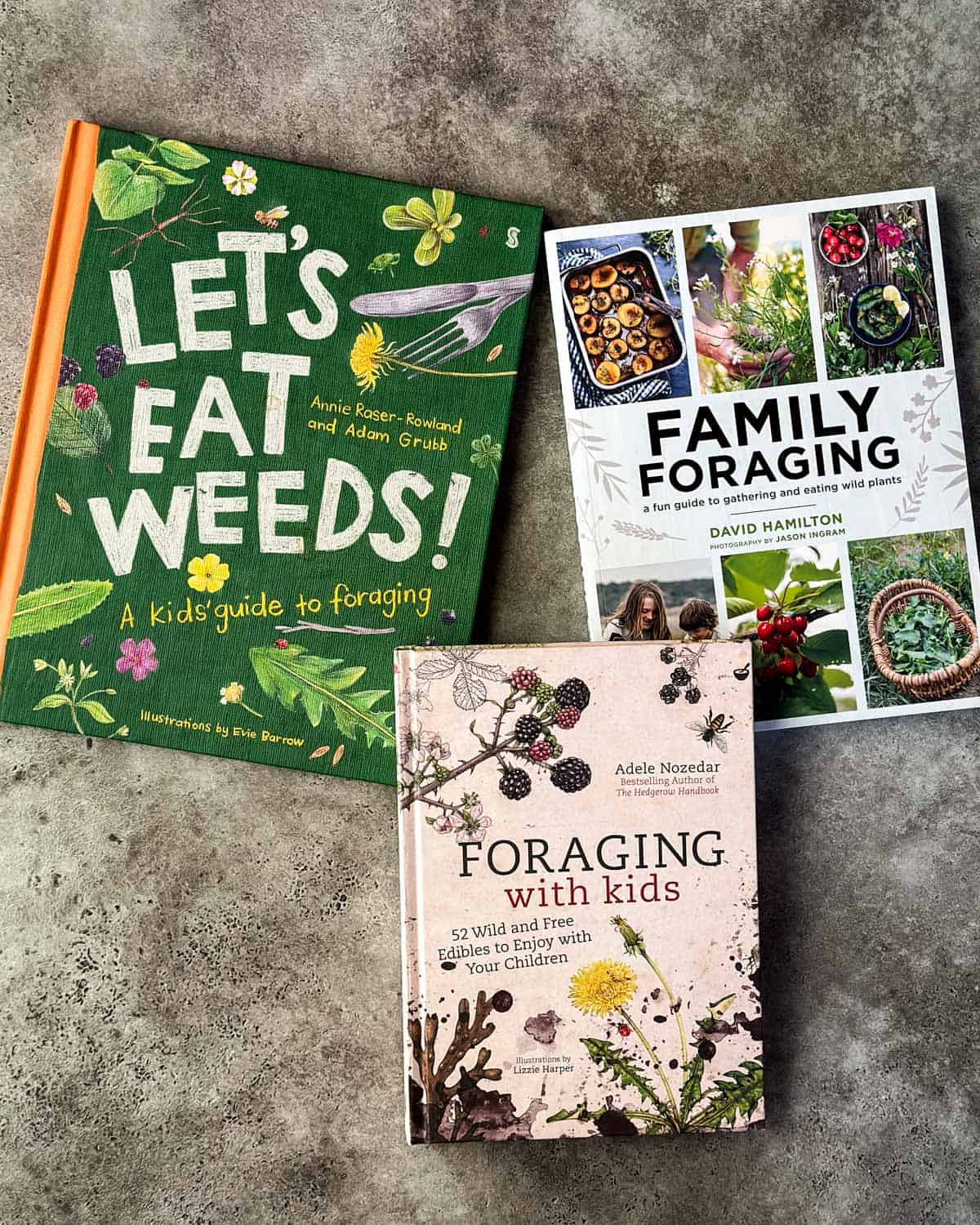
The most critical asset for any forager is not a tool, but knowledge. The risks associated with misidentification, particularly in mycology, necessitate high-quality educational materials. The literature of foraging has been shaped by foundational figures whose guidebooks remain the primary authority in the field.
- Samuel Thayer’s Contributions: Thayer is widely considered one of the leading authorities on edible wild plants in North America. His books, including The Forager’s Harvest and Nature’s Garden, are praised for their rigorous field testing and detailed photographic evidence. Thayer’s work is characterized by a rejection of "survivalist" tropes in favor of a deep, culinary appreciation for wild foods.
- David Arora’s Mycological Bibles: For mushroom identification, David Arora’s Mushrooms Demystified and the portable All That the Rain Promises and More are essential. Arora’s writing combines technical accuracy with a dry wit that has made his guides favorites among both amateurs and professional mycologists.
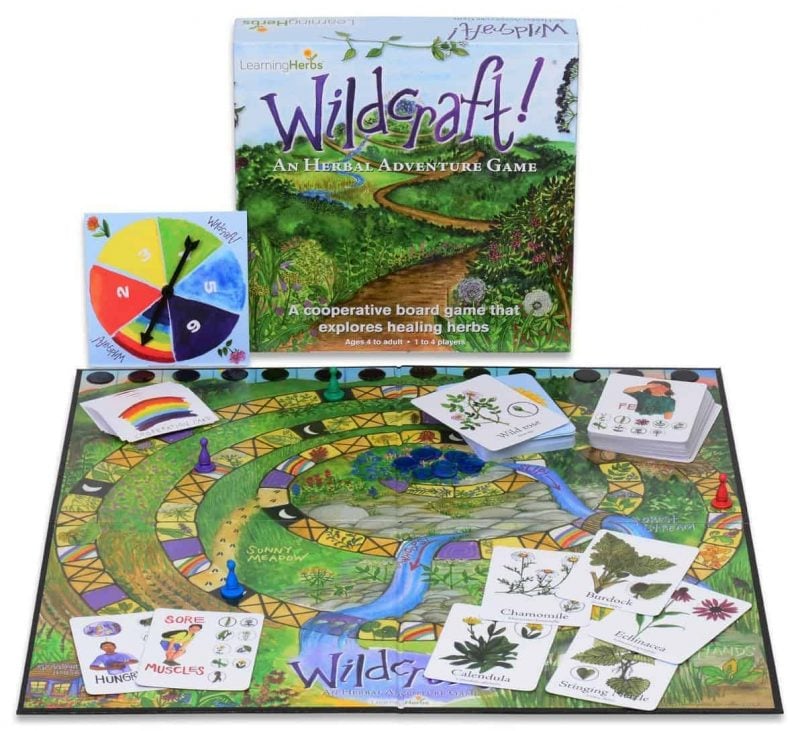
The holiday season also sees a focus on "nature-based" education for children. The Wildcraft! herbal adventure game is a notable example of how complex ecological concepts can be translated into interactive play. By teaching children about medicinal plants and their uses through a cooperative board game, educators and parents are addressing "nature-deficit disorder" and fostering the next generation of environmental stewards.
Implications for Sustainability and Conservation
The commercialization of foraging tools and the increased visibility of wildcrafting carry significant implications for conservation. As more individuals enter the woods in search of wild edibles, the risk of over-harvesting increases. This has led to a push for "ethical foraging" guidelines, which are often bundled with the sale of tools and books.
Industry analysts suggest that the rise in foraging interest could serve as a double-edged sword for biodiversity. While it creates a larger constituency of people who care about forest health, it also puts pressure on sensitive habitats. Consequently, the most highly recommended gifts in the foraging community are those that promote education and responsible stewardship. Professional organizations often advocate for the "one-third rule"—taking only a third of a patch, leaving a third for wildlife, and a third for the plant to reproduce.
Conclusion: The Broader Impact of the Wildcrafting Movement
The shift toward foraging-related gifts is more than a seasonal trend; it is reflective of a broader societal movement toward self-reliance and environmental literacy. By equipping individuals with the tools to identify, harvest, and process their own food and medicine, these gifts empower consumers to step outside the traditional industrial food complex.
As we look toward the future, the integration of foraging into mainstream culture is likely to continue. The demand for high-quality, durable tools like those from Morakniv and Opinel, combined with the educational depth provided by authors like Thayer and Arora, ensures that this ancient practice is adapted for the 21st century. Whether through a mushroom-growing kit in a suburban kitchen or a professional-grade knife in the deep woods, the spirit of foraging remains a powerful bridge between human culture and the wild landscapes that sustain it.


