
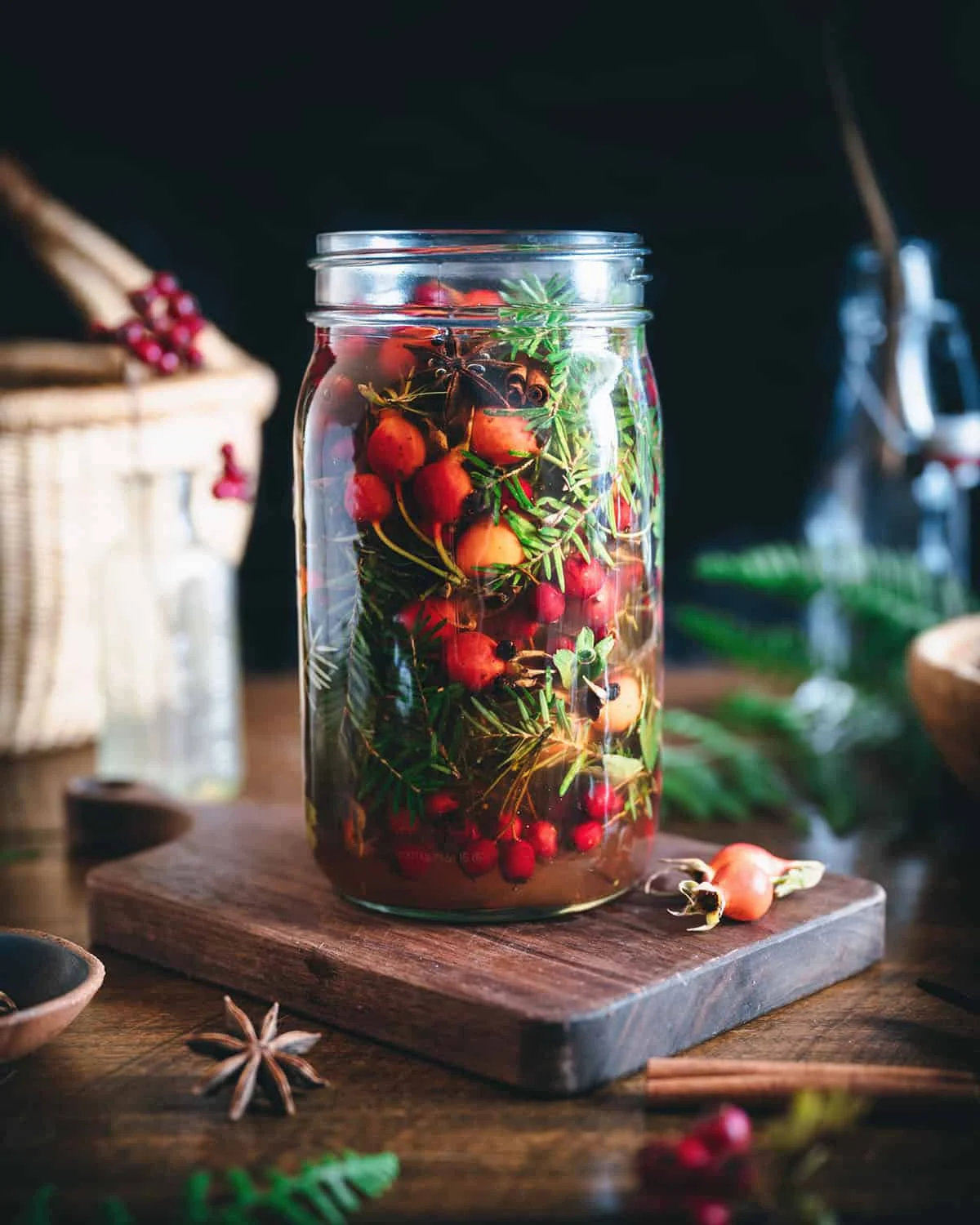
The global herbal medicine market, valued at approximately $165.66 billion in 2022, is projected to reach over $347 billion by 2030, reflecting a significant cultural shift toward natural wellness and preventative healthcare. As the holiday season approaches, this burgeoning interest has translated into a high demand for specialized botanical tools, organic raw materials, and accredited educational resources. For those seeking to support the aspiring or seasoned herbalist, the selection of gifts requires an understanding of both the practical needs of the apothecary and the rigorous quality standards inherent in botanical medicine. This guide serves as a comprehensive resource for navigating the complex landscape of herbalism-related gifts, ranging from foundational ingredients to advanced laboratory equipment.

The Foundation of the Apothecary: Botanical Sourcing
At the core of any herbalist’s practice is the acquisition of high-quality, ethically sourced plant material. The efficacy of homemade remedies—including tinctures, infusions, and salves—is directly proportional to the freshness and purity of the dried herbs used. Industry leaders such as Mountain Rose Herbs have set the benchmark for the commercial distribution of organic botanicals, emphasizing the importance of sustainable harvesting and third-party testing for contaminants.
For a gift that serves as the "building block" of an apothecary, bulk organic herbs remain the most versatile option. Key botanicals currently in high demand include:
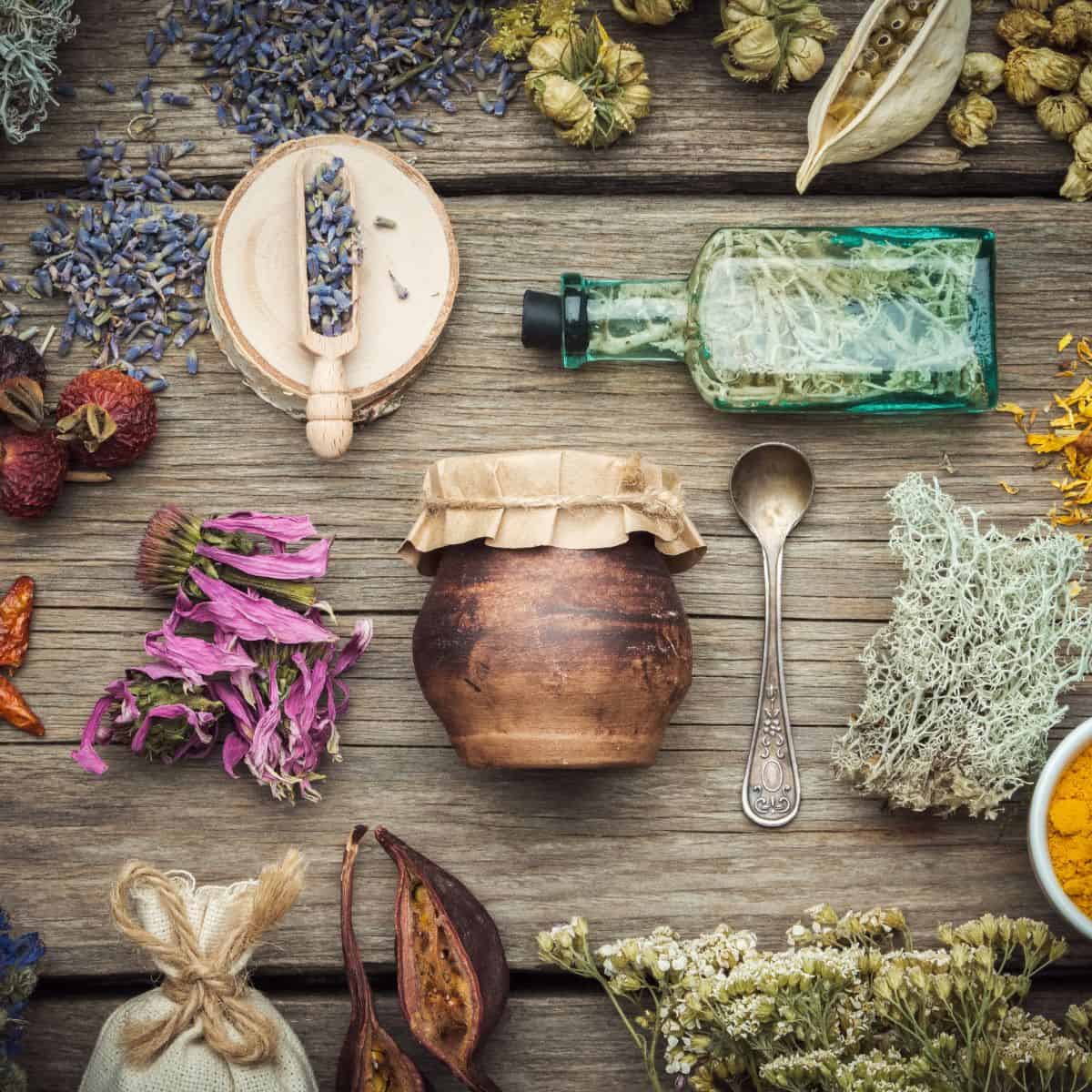
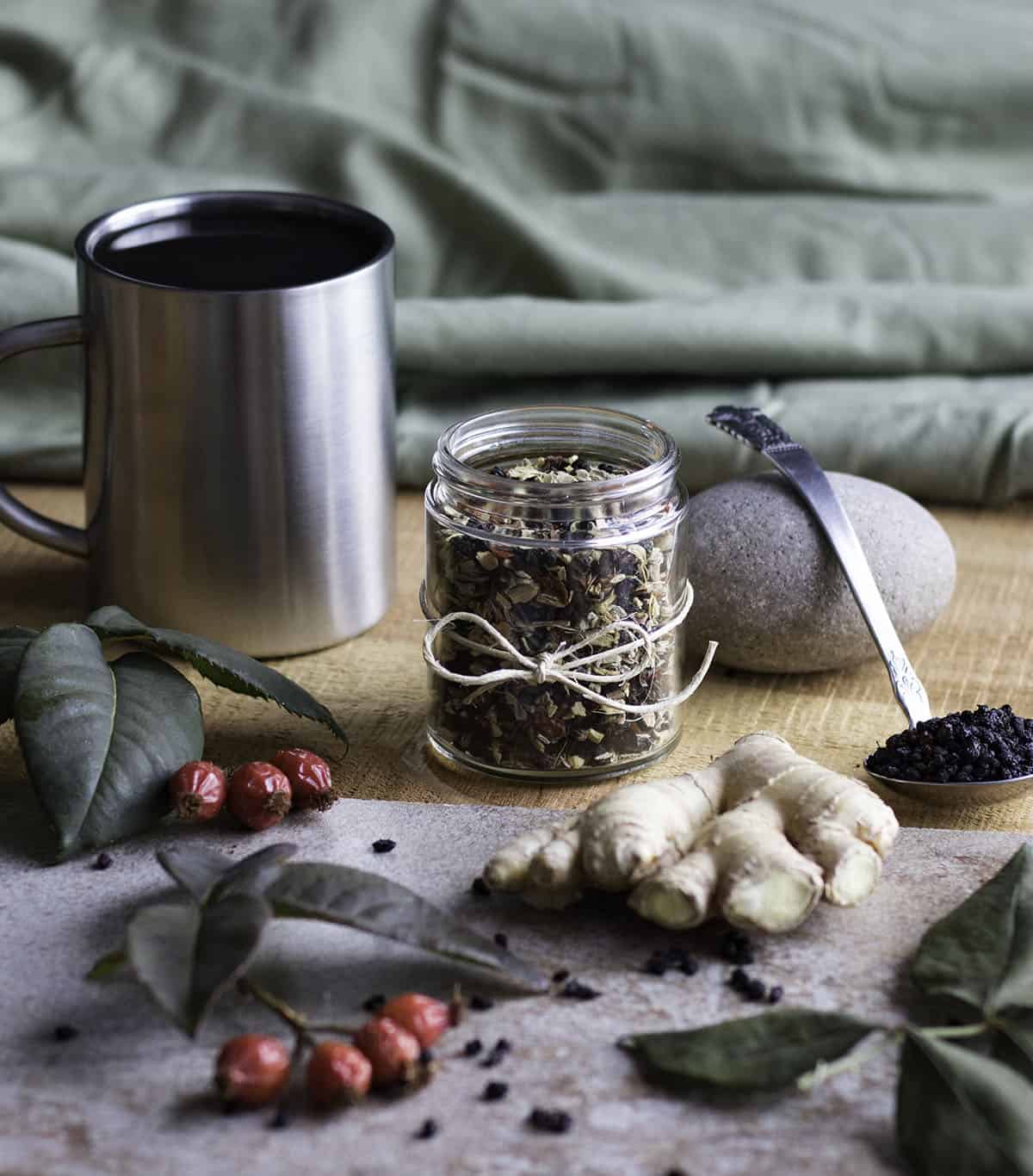
- Elderberries (Sambucus nigra): Highly sought after during the winter months for their antiviral properties and use in immune-supporting syrups.
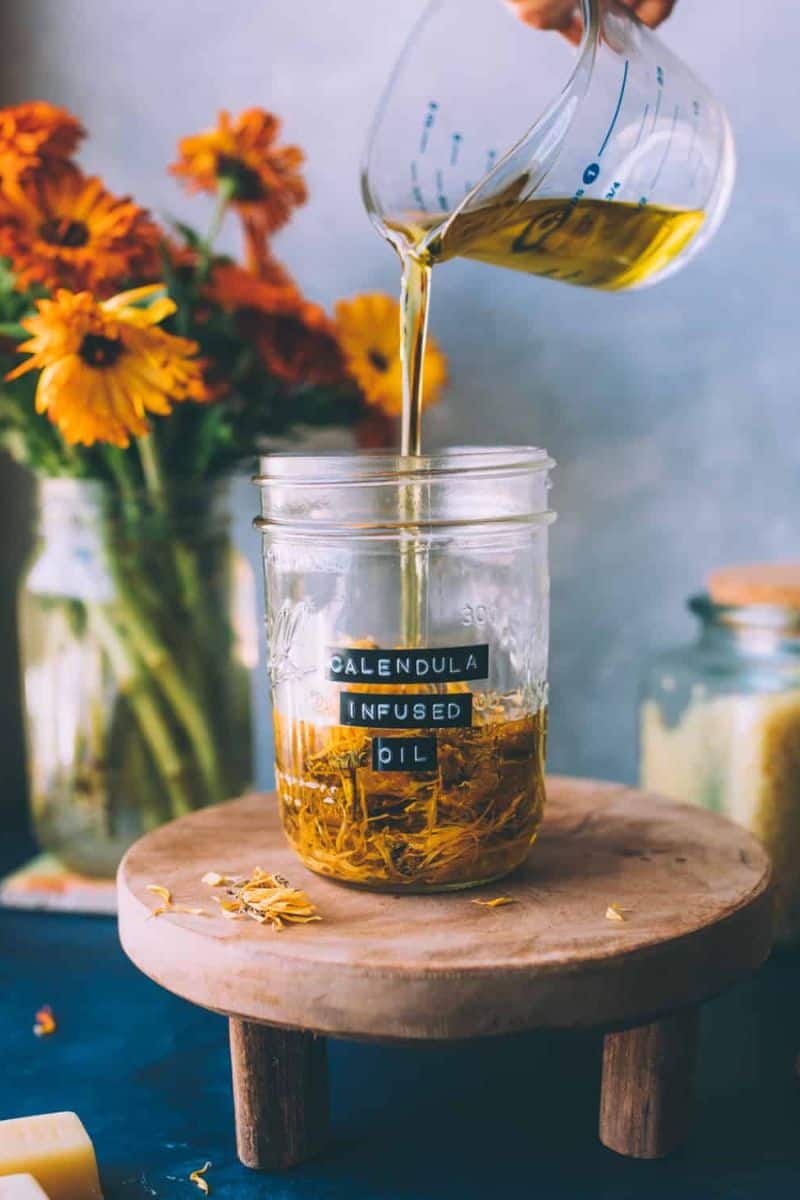
- Calendula (Calendula officinalis): A staple for topical applications, valued for its ability to promote skin regeneration and reduce inflammation.
- Nettle Leaf (Urtica dioica): Often referred to as a "nutritive tonic," it is a foundational herb for daily infusions due to its high mineral content.
- Echinacea (Echinacea purpurea): A critical component in the treatment of acute respiratory infections.
- Lemon Balm (Melissa officinalis): Favored for its nervine properties, aiding in the management of anxiety and sleep disorders.
Beyond individual herbs, the assembly of "thematic kits" has emerged as a popular trend. These kits categorize herbs by their physiological impact, such as digestive health, stress management (nervines and adaptogens), or reproductive support. This structured approach allows the recipient to build a specialized medicine chest tailored to specific family or community needs.
Technical Equipment and Laboratory Supplies
The transition from a casual interest in tea to the professional preparation of herbal medicine requires specific infrastructure. Modern herbalists utilize a variety of specialized containers and tools to ensure the shelf-life and potency of their preparations.
Glassware and Storage Solutions
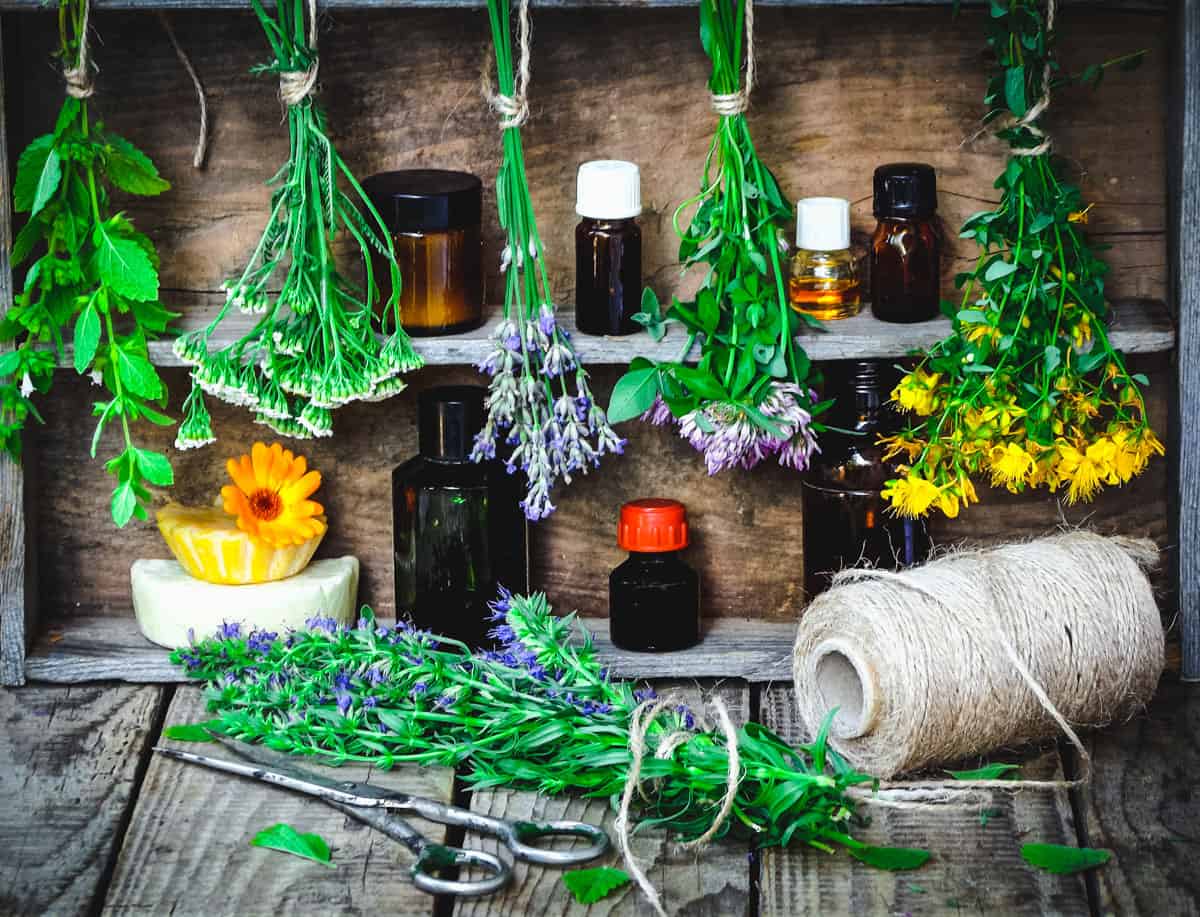
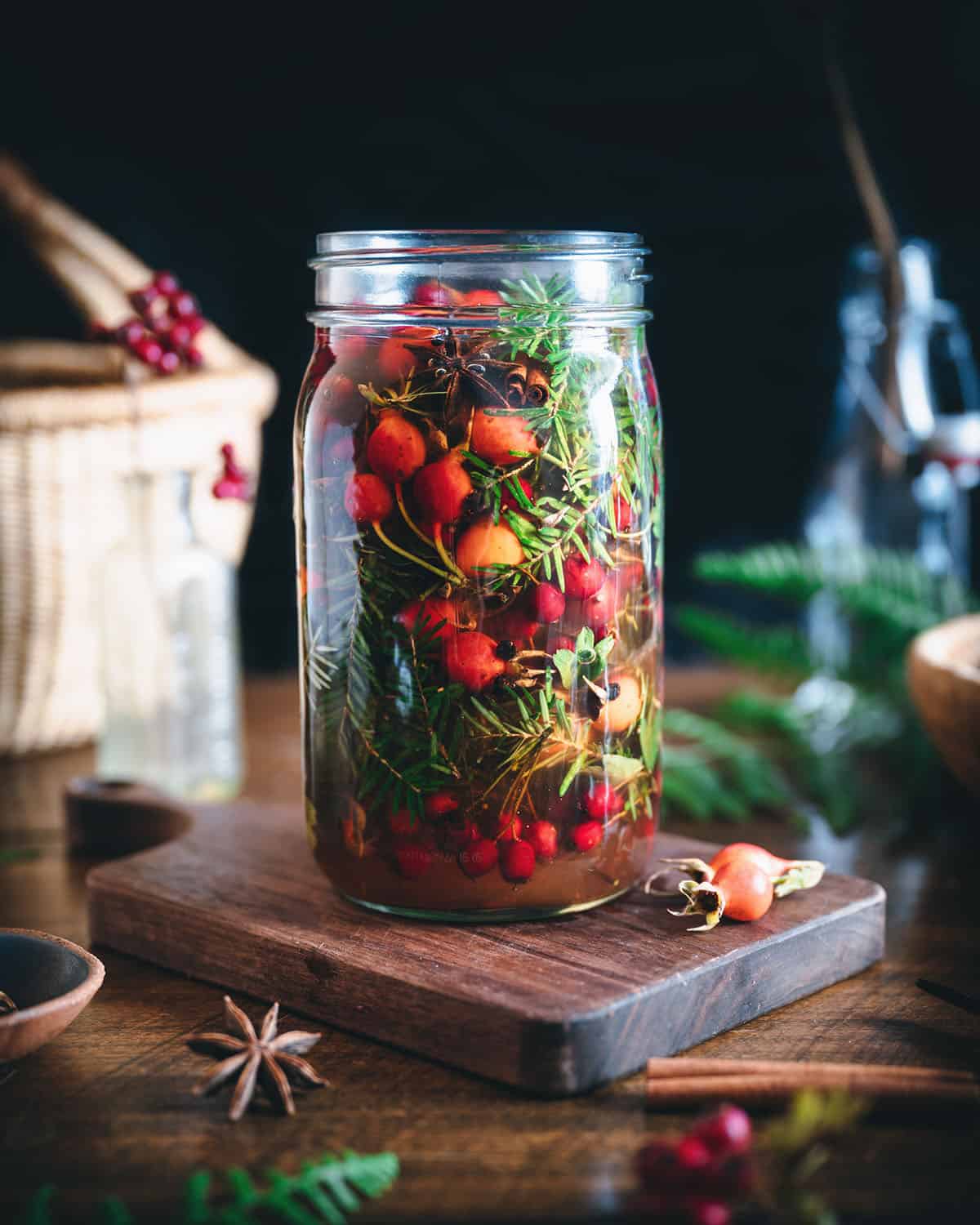
The use of inert materials is paramount in herbalism to prevent chemical leaching. Borosilicate glass, such as that used in traditional Mason jars, remains the industry standard. While standard jars are sufficient for the infusion process, the recent introduction of leak-proof, airtight storage lids has solved long-standing issues regarding the oxidation of oils and the spillage of tinctures during the agitation process.
For finished products, specialized glassware is necessary:
- Amber Boston Round Bottles: These are essential for tinctures, as the dark glass protects light-sensitive compounds from photodegradation.
- Apothecary Jars with Corks: Used primarily for dry storage, these provide an aesthetic yet functional way to organize a home pharmacy.
- Metal Tins and Cosmetic Jars: Essential for the distribution of salves, lip balms, and creams.
Precision Tools
The process of straining and decanting requires fine-mesh stainless steel equipment to ensure the clarity of the final product. Professional-grade funnels and multi-stage strainers allow herbalists to process large batches of infused oils or vinegars without the risk of residue, which can lead to rancidity or mold growth in topical products.
The Evolution of Tea Culture and Infusion Technology
Herbal tea, or tisane, represents the most accessible form of herbal medicine. However, the modern tea enthusiast has moved beyond disposable bleached paper bags in favor of more sustainable and effective extraction methods.
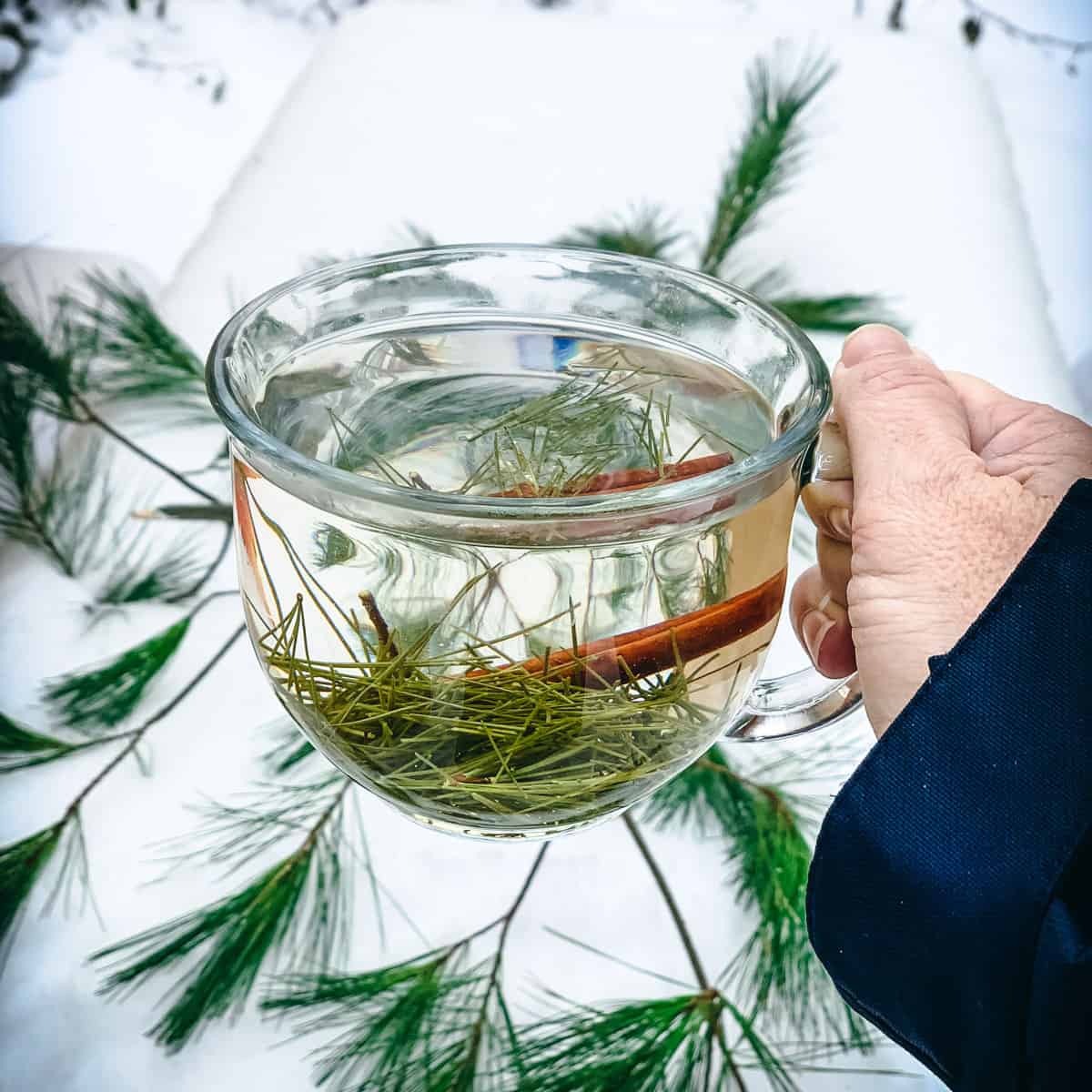
Current market data indicates a preference for loose-leaf brewing, which allows for larger leaf fragments and, consequently, a higher concentration of volatile oils and polyphenols. Recommended hardware for this practice includes:
- Borosilicate Glass Teapots: These allow the brewer to observe the "agony of the leaf," ensuring the infusion reaches the desired strength.
- Cast Iron (Tetsubin) Kettles: Valued for their heat retention properties, these are ideal for longer decoctions of roots and barks.
- Reusable Cloth and Stainless Infusers: These provide an eco-friendly alternative to single-use plastics and papers, aligning with the "zero-waste" philosophy often held by members of the botanical community.
Topical Formulations: Ingredients for Botanical Skincare
Herbalism extends into the realm of "clean beauty" and dermatological health. The production of high-quality salves and lotions requires more than just herbs; it necessitates a pantry of stable carrier oils and thickening agents.
The following ingredients are considered essential for the botanical formulator:
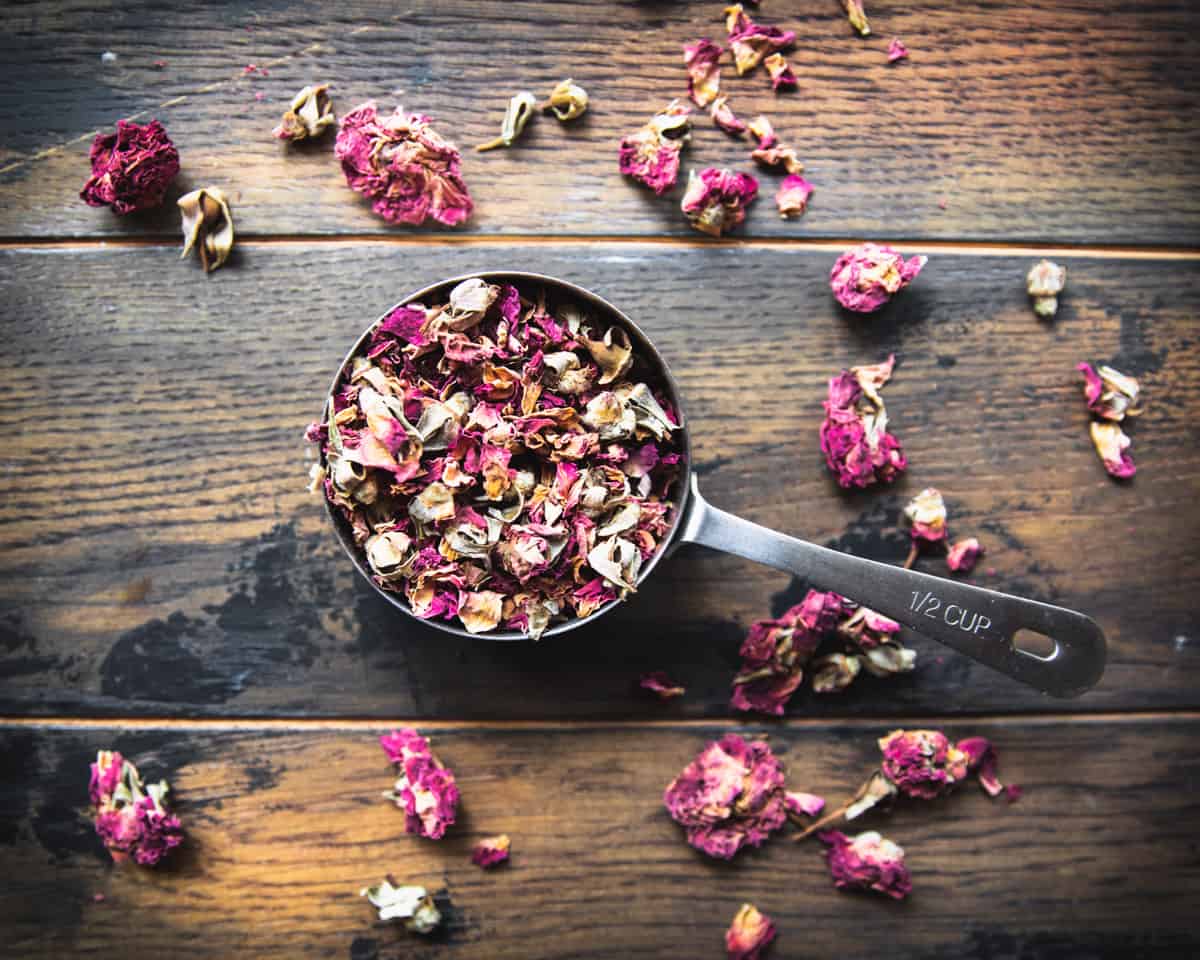
- Organic Beeswax: Acting as both a humectant and a structural agent, beeswax is the primary ingredient used to solidify oils into balms.
- Carrier Oils: Jojoba, sweet almond, and apricot kernel oils are favored for their stability and skin-absorption rates.
- Essential Oils: While used sparingly, therapeutic-grade essential oils provide both aromatic benefits and concentrated antimicrobial properties.
For those who prefer to gift finished products, the market for "artisan-made" herbal goods has seen substantial growth. Brands like Homestead and Chill and MadeOn Skin Care have gained traction by emphasizing transparency in sourcing and the absence of synthetic preservatives, appealing to consumers who prioritize ingredient purity.
Professional Education and the Literary Tradition
Perhaps the most enduring gift for an herbalist is the acquisition of knowledge. The field of herbalism is currently undergoing a "digital renaissance," with online institutions like The Herbal Academy offering accredited courses that range from introductory foraging to clinical herbalism. These programs provide a structured curriculum that covers botany, phytochemistry, and human anatomy, moving the practice from folklore into a more evidence-based framework.
Essential Literature for the Botanical Library
A well-curated library is a requirement for any practitioner. Key texts that have shaped modern Western herbalism include:
- Healing Herbal Infusions by Colleen Codekas: A practical guide focusing on accessible home remedies.
- Medicinal Herbs: A Beginner’s Guide by Rosemary Gladstar: Often considered the "godmother of modern herbalism," Gladstar’s work is foundational for anyone entering the field.
- The Herbal Medicine-Maker’s Guide by James Green: A technical manual for those looking to master the chemistry of extractions.
- Alchemy of Herbs by Rosalee de la Forêt: A text that bridges the gap between the kitchen and the apothecary, focusing on common spices and food-as-medicine.
Chronology of the Modern Herbal Movement
The current surge in herbal interest is not an isolated event but the latest peak in a multi-decadal timeline:
- 1960s-1970s: The "Back-to-the-Land" movement sparked a renewed interest in wildcrafting and traditional folk medicine in North America and Europe.
- 1990s: The Dietary Supplement Health and Education Act (DSHEA) of 1994 regulated herbal products in the U.S., providing a legal framework that allowed the industry to scale.
- 2010s: The rise of social media and "wellness influencers" democratized herbal knowledge, though sometimes at the cost of clinical accuracy.
- 2020-Present: The global pandemic led to a historic spike in the sale of immune-supporting herbs and a massive influx of students into online herbal schools as individuals sought greater autonomy over their health.
Economic and Environmental Implications
The act of gifting herbal supplies carries broader implications for the global economy and environment. By supporting companies that prioritize organic farming and fair-trade sourcing, consumers contribute to the preservation of biodiversity and the protection of endangered medicinal species, such as Goldenseal (Hydrastis canadensis) and American Ginseng (Panax quinquefolius).

Furthermore, the shift toward DIY herbalism reduces the carbon footprint associated with industrial pharmaceutical manufacturing and plastic packaging. As more individuals learn to formulate their own remedies, there is a measurable shift toward localized, decentralized healthcare.
In conclusion, selecting a gift for an herbalist is an exercise in intentionality. Whether it is a simple bag of organic lavender or a comprehensive online certification course, these gifts represent an investment in the recipient’s skill set and the broader movement toward a more natural, sustainable way of living. The items outlined in this guide provide the necessary tools for the modern apothecary to thrive in a world increasingly focused on the power of botanical medicine.


