
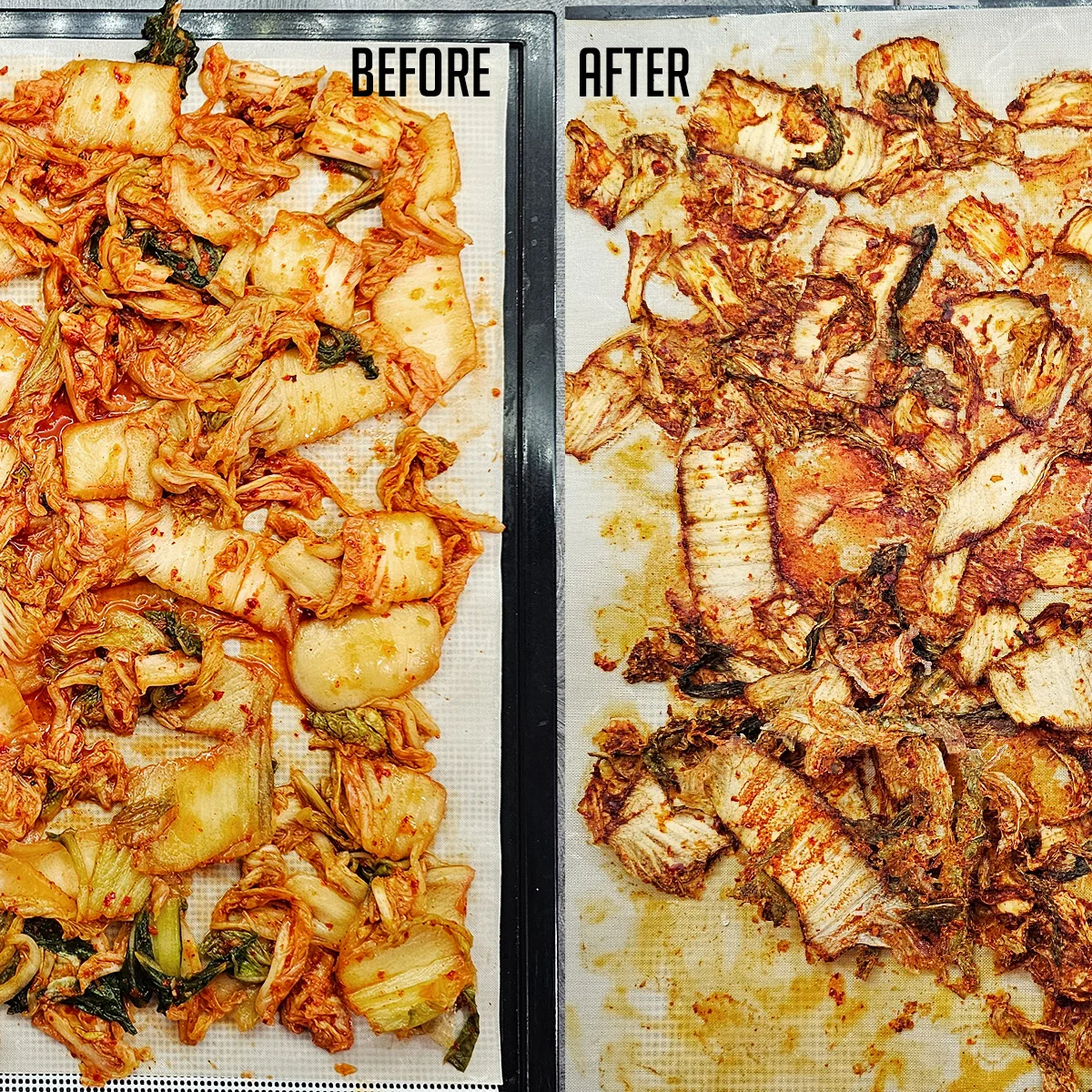
The practice of dehydrating kimchi represents a sophisticated intersection of ancient fermentation traditions and modern food preservation technology. As global interest in Korean cuisine continues to surge, both domestic cooks and culinary professionals are seeking methods to extend the shelf life of this probiotic-rich staple while unlocking new textural and flavor profiles. Kimchi, a traditional Korean dish typically composed of salted and fermented vegetables—most notably napa cabbage and Korean radishes—is celebrated for its complex array of seasonings, including gochugaru (chili powder), spring onions, garlic, and ginger. While traditionally stored in cool, subterranean environments in clay vessels known as onggi, the modern kitchen utilizes dehydration to transform this perishable fermented product into a shelf-stable ingredient capable of lasting up to two years.
The Evolution of Kimchi Preservation Techniques
Historically, kimchi was developed as a means of preserving vegetables through the harsh Korean winters. The lacto-fermentation process not only preserved the produce but also enhanced its nutritional value through the development of beneficial bacteria. However, even under refrigeration, fresh kimchi continues to ferment, eventually becoming overly acidic or "sour" for some palates. Dehydration offers a definitive solution to this progression, halting the fermentation process at its peak flavor profile.
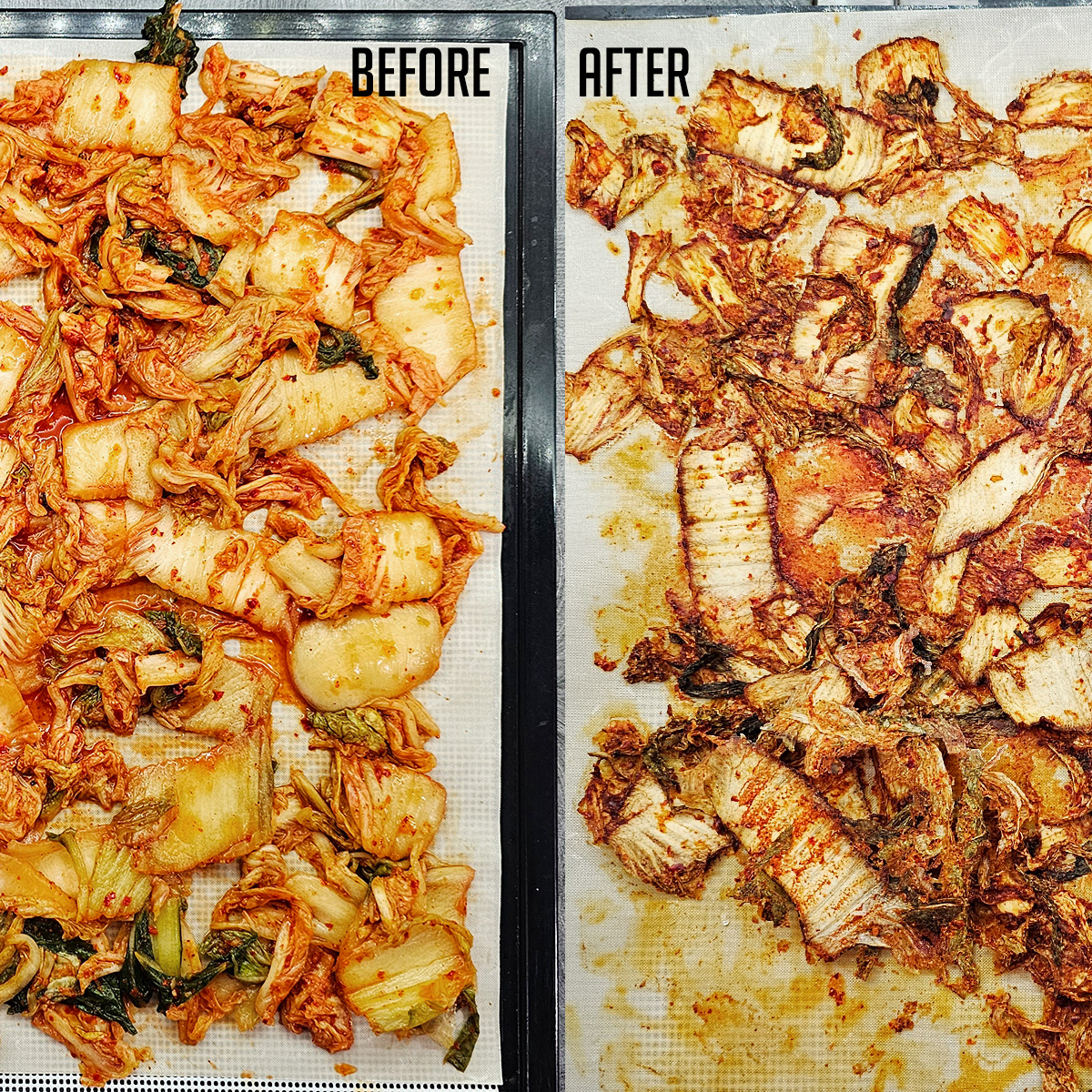
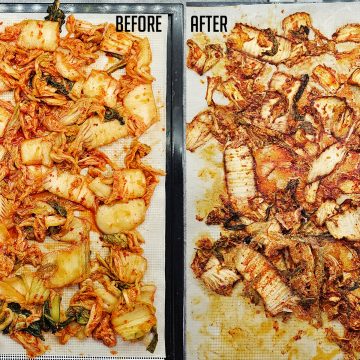
The transition from fresh to dried kimchi involves the careful removal of moisture, which constitutes approximately 90% of the fresh product’s weight. By reducing the water activity (aw) to below 0.6, the growth of spoilage microorganisms is inhibited. This process effectively concentrates the "umami" and spicy notes, creating a versatile pantry staple that occupies a fraction of the space required by traditional jars.
The Microbiology of Probiotic Preservation
A primary concern for health-conscious consumers is the preservation of the live cultures found in fermented foods. Kimchi is a significant source of lactic acid bacteria (LAB), including Lactobacillus plantarum and Leuconostoc mesenteroides. These microorganisms are sensitive to thermal processing. Scientific studies in food microbiology indicate that many probiotic strains begin to degrade when exposed to temperatures exceeding 115°F (46°C).
To maintain the biological integrity of the kimchi, the dehydration process must be conducted at a low-temperature setting, specifically below 115°F (35°C is often recommended for maximum safety). At these lower temperatures, the bacteria enter a state of dormancy rather than being destroyed by heat. Conversely, for commercially jarred kimchi that has already been pasteurized or shelf-stabilized via canning, higher temperatures—up to 140°F—can be employed to accelerate the drying process, as the probiotics have already been neutralized during the initial manufacturing.
A Systematic Methodology for Dehydration
The dehydration of kimchi requires a structured approach to ensure consistency and food safety. Unlike simple vegetables, kimchi is a composite food containing sugars, salts, and varying fiber densities.
Preparation and Tray Management
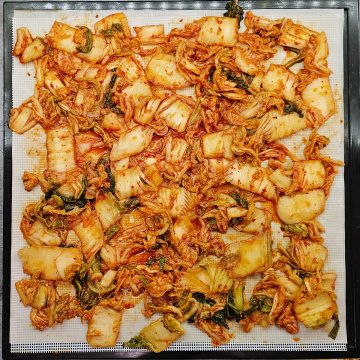
The process begins with the selection of high-quality kimchi. Whether house-made or commercially sourced, the cabbage should be chopped into uniform pieces to ensure even drying. Due to the high liquid content and the staining potential of the capsicum-based seasonings, the use of parchment paper or silicone fruit leather sheets is mandatory. These liners prevent the seasoning paste from dripping through the dehydrator trays and protect the equipment from permanent discoloration.
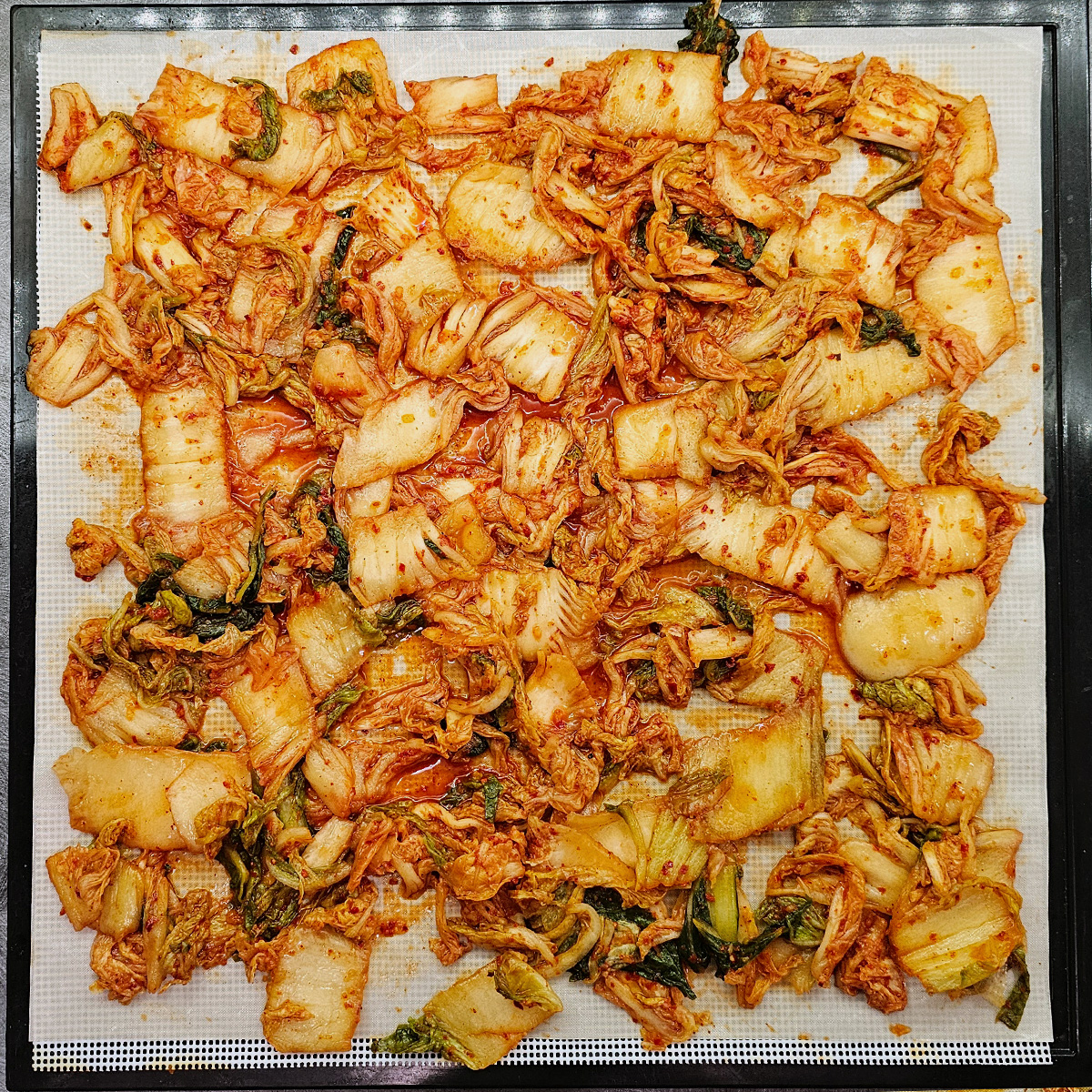
When spreading the kimchi, technicians and home cooks must avoid overcrowding. While the product will shrink significantly as moisture evaporates, an initial layer that is too dense will impede airflow, leading to uneven drying and potential spoilage. The goal is a single, loose layer that allows the heated air to circulate around each piece of cabbage and radish.
Thermal Regulation and Duration
The dehydrator should be set to a temperature between 95°F and 110°F to preserve the probiotic content. This low-temperature approach necessitates a longer duration, typically ranging from 12 to 24 hours. The specific timeframe is influenced by the ambient humidity of the processing environment and the thickness of the cabbage leaves. During this period, the moisture is slowly extracted, leaving behind a concentrated matrix of fiber and seasoning.
Testing for Desiccation
The "dryness test" is a critical quality control step. Fully dehydrated kimchi should exhibit a brittle texture. Large leaves may retain a slight pliability due to their fibrous nature, but they should snap or break easily when bent. Any signs of "squishiness" or residual moisture indicate that the product requires further time in the dehydrator.
Post-Dehydration Protocols: Conditioning and Storage
Even when kimchi appears dry, internal moisture pockets can remain, particularly in the thicker stems of the napa cabbage. To mitigate the risk of mold growth during storage, a process known as "conditioning" is employed.
The Conditioning Phase
The dried kimchi is placed into airtight glass jars, filled to approximately two-thirds capacity. These jars are stored in a room-temperature environment for five to seven days and shaken daily. This allows any residual moisture to redistribute evenly among the pieces. If condensation appears on the interior of the glass or if the pieces begin to stick together, the batch must be returned to the dehydrator for additional processing. Only after a successful conditioning period, where no moisture is detected, is the product ready for long-term storage.
Long-Term Stability
For optimal shelf life, dehydrated kimchi should be stored in an airtight container—such as a vacuum-sealed glass jar or a Mylar bag with an oxygen absorber—in a cool, dark, and dry location. Under these conditions, the product can maintain its flavor and nutritional profile for up to 24 months. This represents a significant improvement over the typical three-to-six-month refrigerated lifespan of fresh kimchi.
Nutritional Profile and Data Analysis
The nutritional density of dehydrated kimchi is remarkably high due to the removal of water. Based on standardized nutritional estimates, a single serving of the dehydrated product (approximately one-fourth the volume of the fresh equivalent) contains:
- Calories: 17 kcal
- Sodium: 573 mg (contributing to its role as a potent seasoning)
- Potassium: 174 mg
- Fiber: 2 g
- Carbohydrates: 3 g
- Protein: 1 g
It is important to note that while the caloric count remains low, the sodium concentration per gram increases significantly. This makes dehydrated kimchi an efficient way to add flavor without adding excessive bulk or fats.
Culinary Utility and the Rise of Kimchi Powder
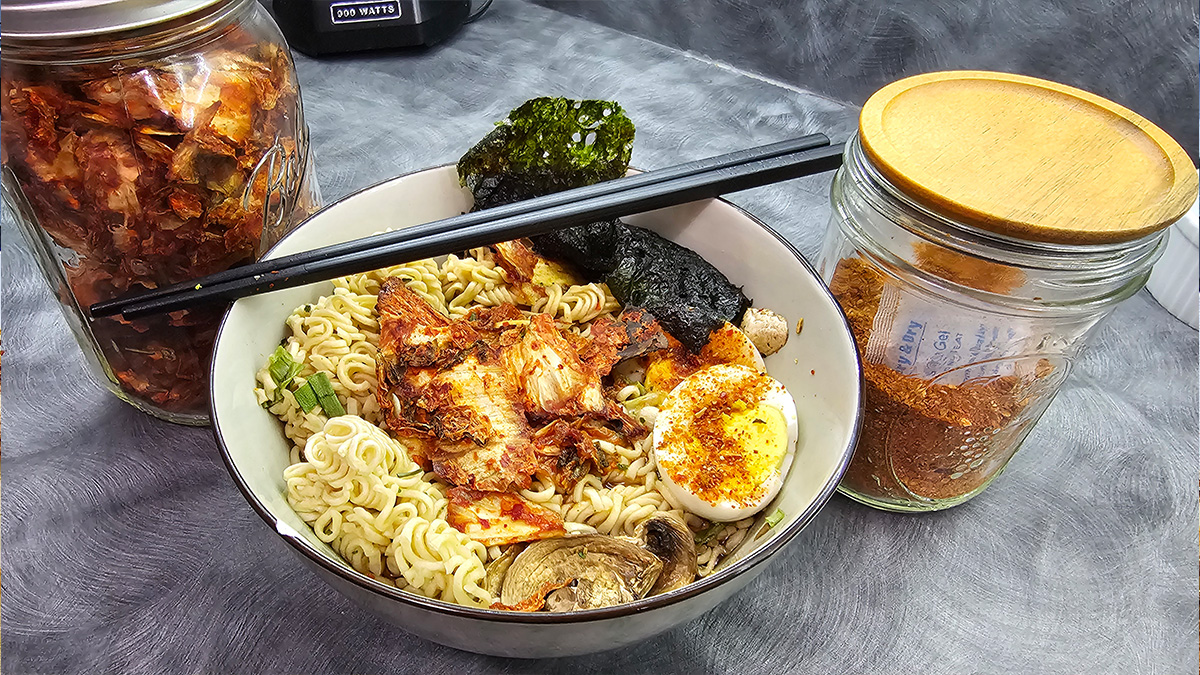
The applications for dehydrated kimchi extend far beyond simple rehydration. While it can be added directly to boiling water for ramen or soups—where it regains its texture in approximately three to five minutes—the dried form has birthed a new culinary trend: kimchi powder.
Processing into Powder
By pulverizing the fully conditioned dried kimchi in a high-speed blender, cooks can create a fine, crimson dust. This "kimchi flour" serves as a concentrated umami seasoning. It is increasingly used as a topical application for popcorn, dehydrated vegetable chips, and fried chicken. In professional kitchens, kimchi powder is used in dry rubs for meats, providing the acidic "bite" of vinegar and the heat of chili in a stable, dry format.
Rehydration Techniques
For those wishing to use the product in its original form, rehydration is straightforward. The dried pieces can be soaked in warm water for 15-20 minutes or added directly to liquid-heavy dishes. While the texture may be slightly softer than fresh kimchi, the flavor remains intense and tangy, making it an ideal component for kimchi-jjigae (stew) or fried rice.
Economic and Environmental Impact
The move toward dehydrating fermented foods like kimchi aligns with broader global trends in food waste reduction and sustainable consumption. According to the Food and Agriculture Organization (FAO), roughly one-third of all food produced for human consumption is lost or wasted. By dehydrating surplus kimchi, households and retailers can effectively eliminate waste associated with the over-fermentation of refrigerated stocks.
Furthermore, the reduction in weight and volume has significant implications for the logistics and carbon footprint of food transport. Dehydrated kimchi is a favorite among the backpacking and "overlanding" communities, providing a lightweight, nutrient-dense, and flavorful meal component that requires no refrigeration.
Broader Implications for the Global Food Market
The commercialization of dehydrated kimchi products is a testament to the "K-Food" explosion. Market analysts suggest that the global fermented food market is projected to grow at a CAGR of over 5% through 2030, driven by consumer demand for gut-health-oriented products. Dehydrated formats allow manufacturers to reach international markets without the high costs of cold-chain logistics.
In conclusion, dehydrating kimchi is more than a simple preservation hack; it is a sophisticated method of flavor concentration and nutritional management. By adhering to strict temperature controls and conditioning protocols, individuals can ensure that the probiotic benefits of this ancient dish are carried forward into a modern, shelf-stable format. Whether used as a crunchy snack, a rehydrated soup base, or a potent seasoning powder, dehydrated kimchi represents the future of functional, flavorful, and sustainable food storage.


