
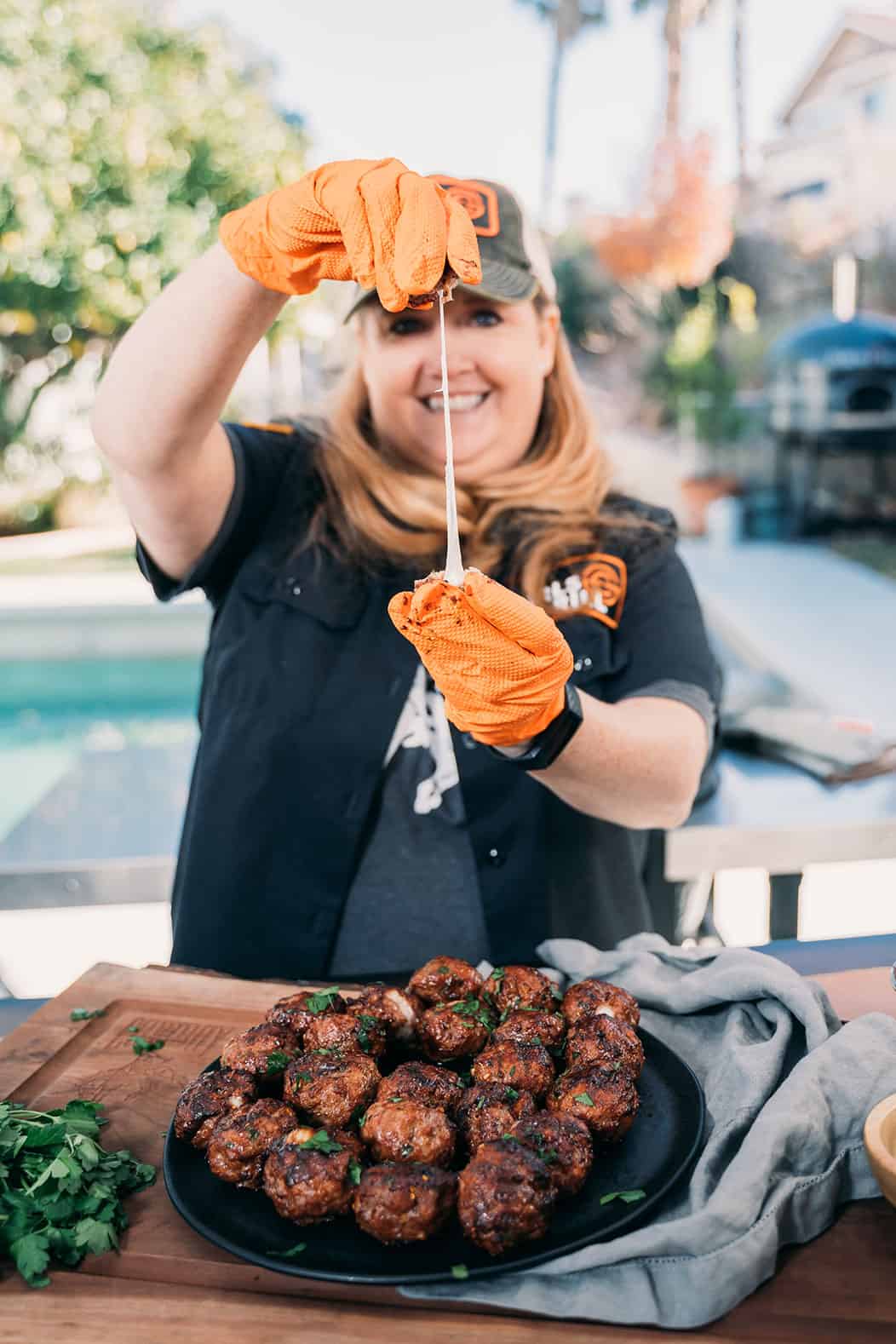
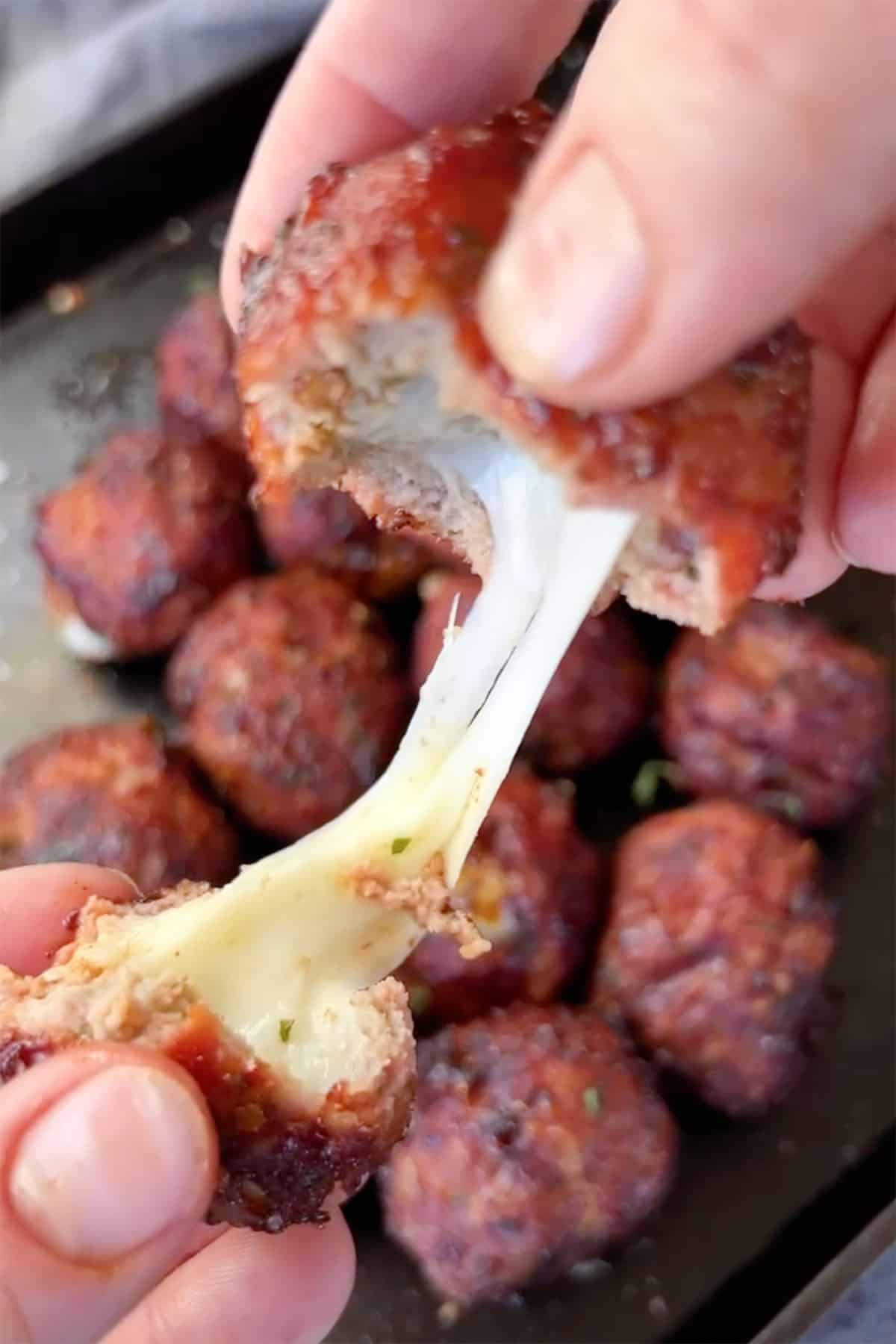
In the competitive and ever-evolving world of barbecue, achieving perfection in even the most seemingly simple dishes requires a nuanced understanding of technique and a commitment to flavor. Christie Vanover, the acclaimed pitmaster behind Girls Can Grill, has refined the art of the cheese-stuffed meatball to a point where it stands as a testament to her expertise. These are not your average meatballs; they are a carefully constructed culinary creation, designed to deliver a decadent, melty cheese core with every bite, a feat often elusive for home cooks and even seasoned professionals. Vanover’s method, honed through years of experience catering events and perfecting her craft, ensures a clean, satisfying cheese pull rather than a messy, uncontrolled eruption.
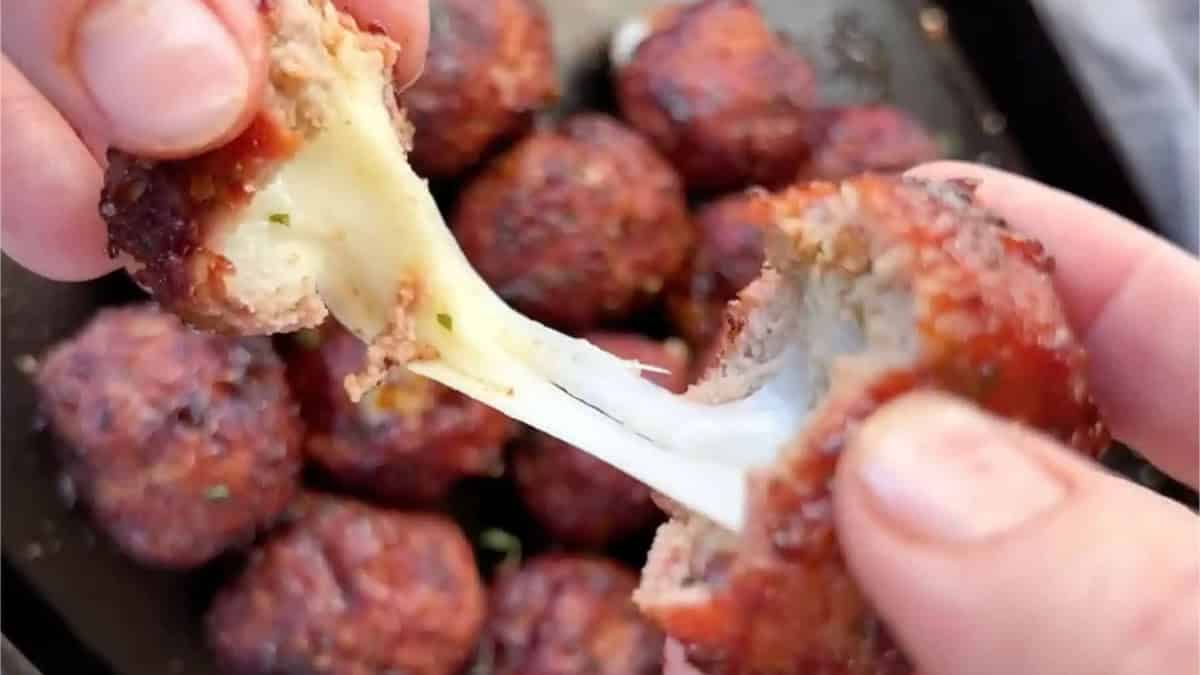
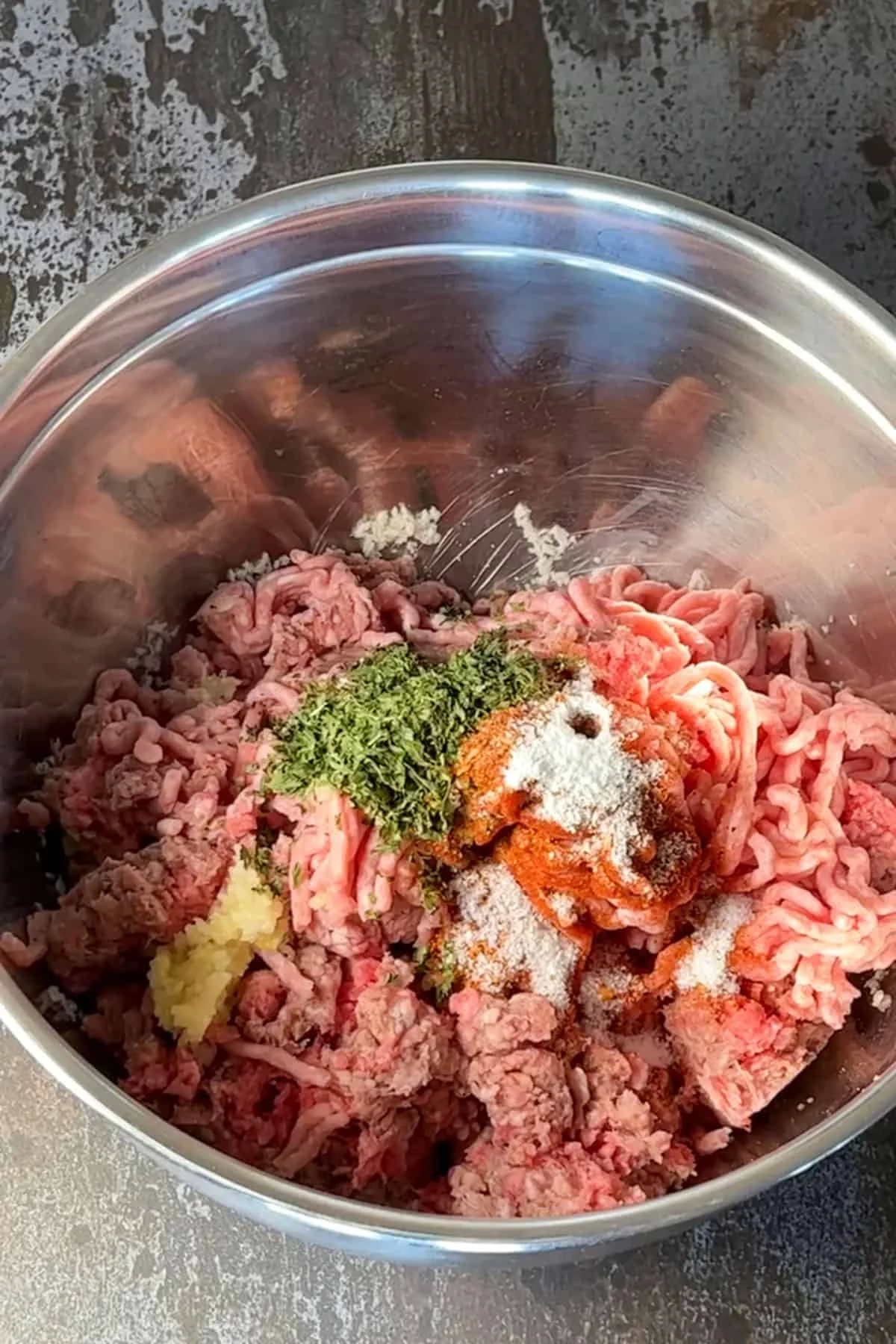
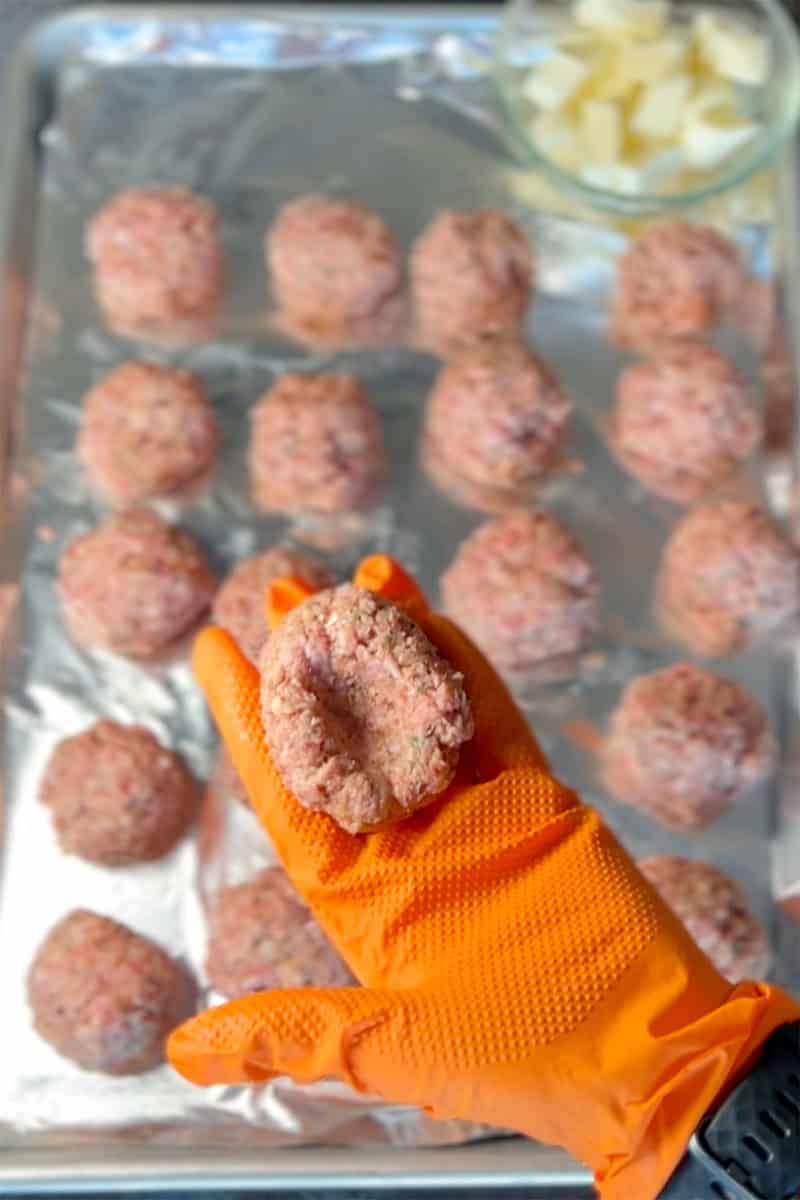
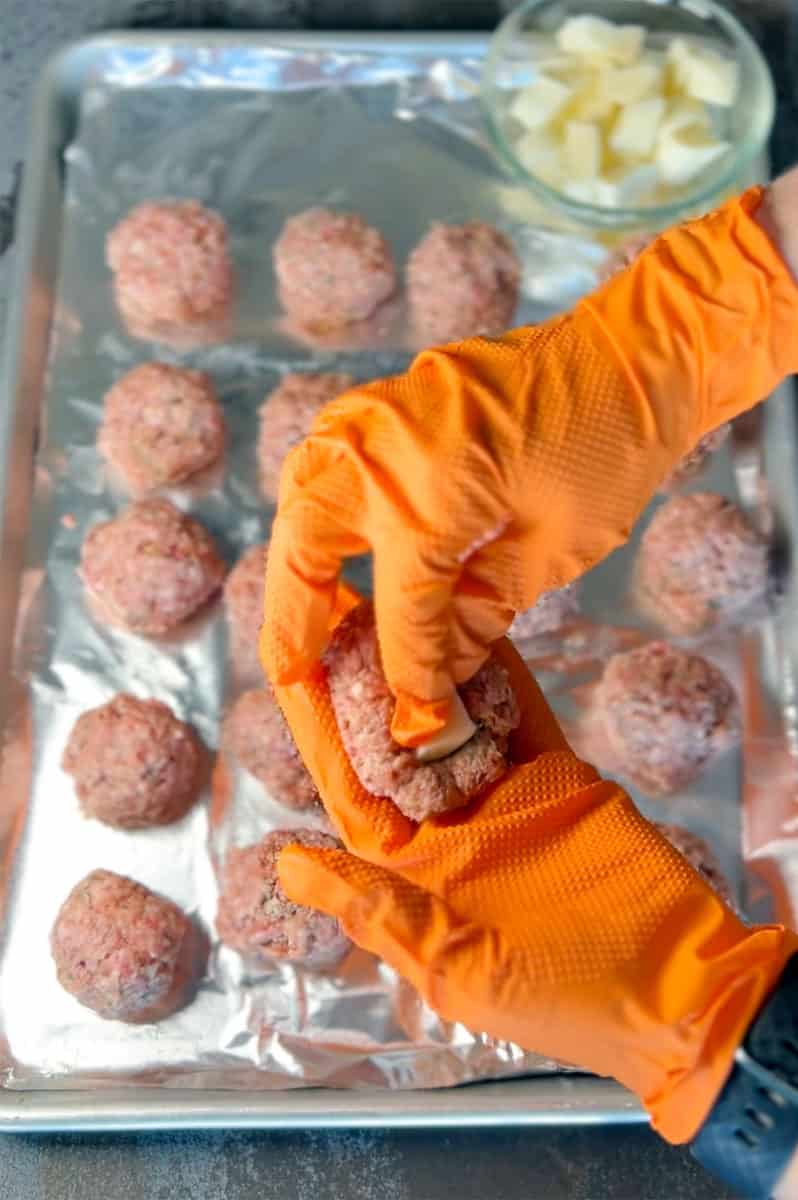
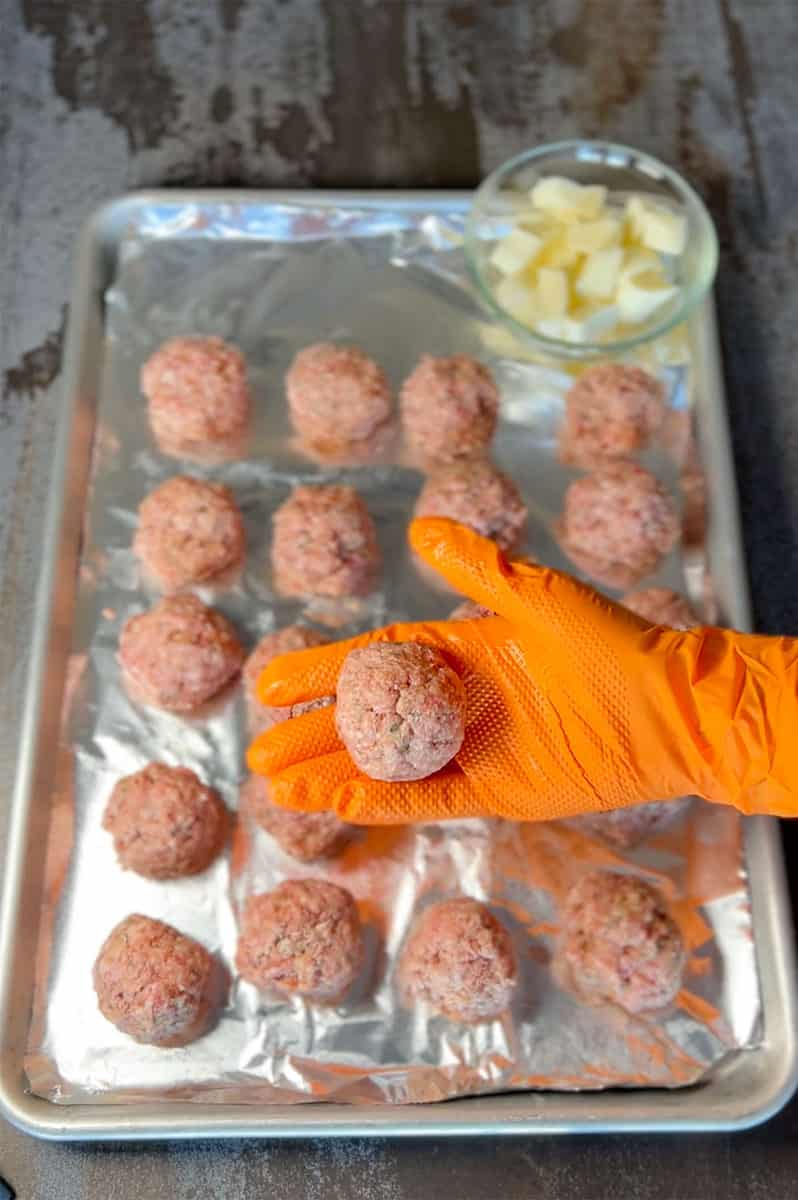
The foundation of Vanover’s signature meatball lies in its meticulous preparation. The blend of beef and pork, seasoned generously with a well-crafted BBQ rub, forms a robust exterior. The key to its success, however, is the strategic inclusion of Oaxaca cheese. This mild, wonderfully meltable Mexican cheese, known for its stringy texture, is cubed and carefully encased within the meat mixture. The process involves stuffing a portion of the seasoned meat with a half-inch cube of chilled Oaxaca cheese, then meticulously sealing the seams to create a perfect sphere. Crucially, these prepared meatballs are then chilled before hitting the smoker. This crucial step solidifies the meat and cheese, preventing premature melting and leakage during the cooking process.
Vanover, who has scaled her recipes from intimate gatherings to catering events for hundreds, emphasizes the importance of this chilling phase. "I’ve smoked up small batches for friends and made big batches by the hundreds to cater events, so I’ve worked out exactly how to keep the cheese inside instead of on your sheet pan," she states. This dedication to detail is what elevates her recipe from a simple appetizer to a standout dish, embodying the principles of low-and-slow barbecue.

The Smoking Process: Achieving Flavor and Texture
The smoking process itself is as critical as the preparation. Vanover advocates for a smoking temperature of around 300°F (149°C), a temperature that allows the meatballs to cook through while rendering the fat and developing a beautiful exterior crust without scorching. The choice of wood plays a significant role in the final flavor profile and appearance. Vanover often utilizes Cowboy Charcoal Apple Hardwood Briquets for their clean burn and consistent heat, complemented by chunks of cherry wood. The cherry wood imparts a visually appealing mahogany hue to the meatballs and a subtle, fruity smokiness that pairs exceptionally well with the savory meat and rich cheese.
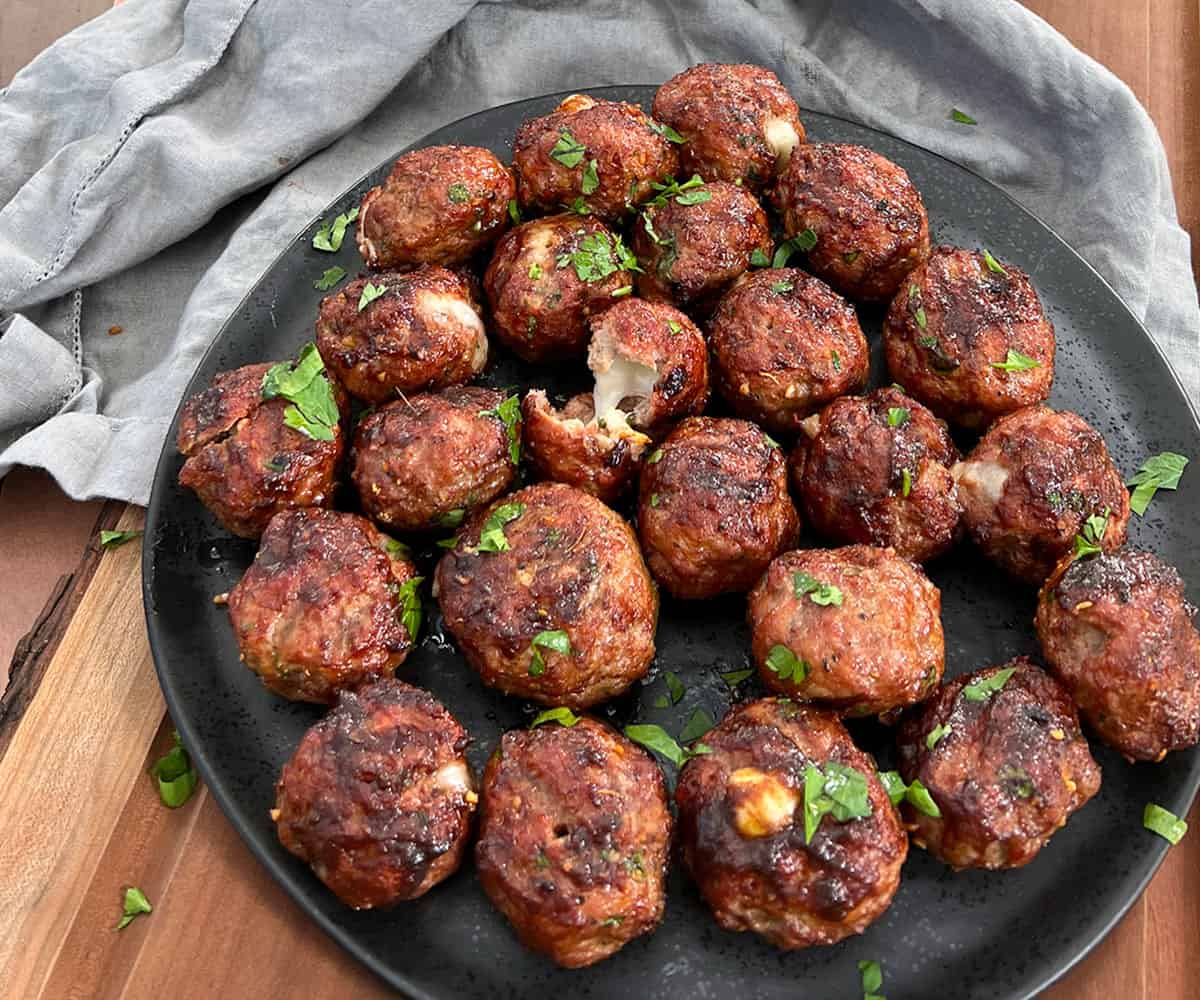
The meatballs are introduced to the smoker over indirect heat, allowing them to cook evenly. An initial 15-minute smoking period allows the exterior to begin to form and absorb the smoke. Following this, the meatballs are flipped, and an additional application of BBQ rub is applied, building layers of flavor. Another 15 minutes of smoking continues this process. It is during this stage that the cheese begins its transformation within.
A Proactive Approach to Cheese Containment
Even with meticulous preparation, the nature of melting cheese means some leakage can occur. Vanover’s approach is proactive rather than reactive. She advises that if any cheese begins to ooze out, the meatball should be rotated so that the escaping cheese faces upwards. This not only minimizes mess on the cooking surface but also helps to re-seal the meatball as it continues to cook. This attention to detail ensures that the majority of the cheese remains contained, ready to deliver that signature gooey pull.
The final stage involves the application of barbecue sauce. After the initial smoking and flipping, the meatballs are brushed with a favorite BBQ sauce and returned to the smoker for an additional 10 to 15 minutes. This allows the sauce to caramelize and become tacky, creating a glossy, flavorful coating that enhances the overall taste experience. The internal temperature of the meatballs should reach 165°F (74°C), a food safety standard for ground meats, with care taken to avoid inserting the thermometer directly into the cheese pocket.
Nutritional Snapshot and Serving Suggestions
Each serving of these Smoked Oaxaca Cheese Stuffed Meatballs, based on the provided nutritional information for 24 meatballs, offers approximately 162 calories, 5g of carbohydrates, 9g of protein, and 11g of fat, with 6g being saturated fat. They also contain modest amounts of sodium, potassium, and trace vitamins and minerals.

When it comes to serving, Vanover suggests four meatballs per person as a main course, or two per person as an appetizer. They are best presented with toothpicks for easy handling and a side of extra barbecue sauce for dipping. For a heartier meal, these meatballs can be piled into hoagie rolls to create a decadent meatball sub, a testament to their versatility. Garnishing with fresh chopped parsley adds a touch of color and freshness, balancing the richness of the dish.
Variations on a Theme: Culinary Adaptability
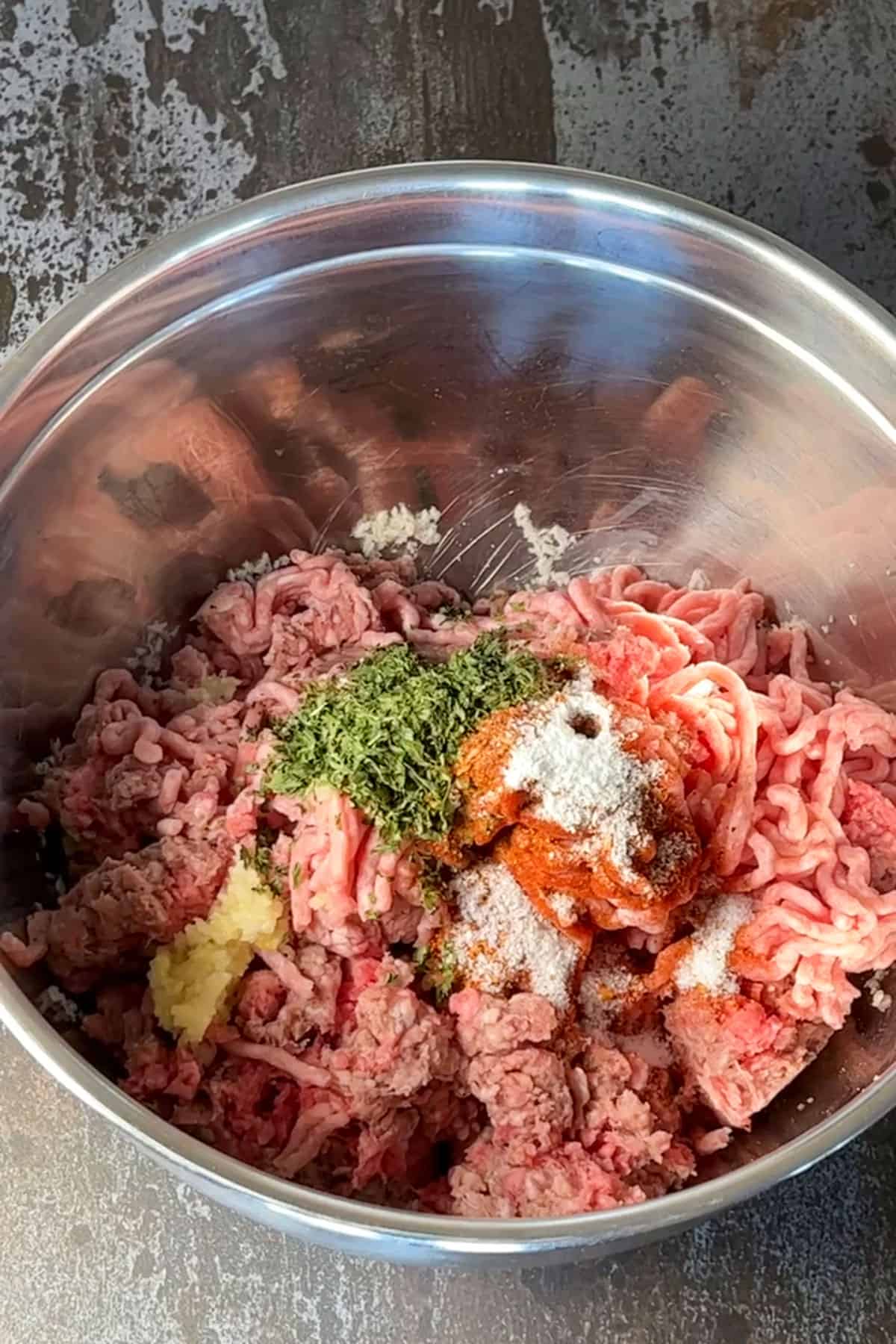
Vanover’s expertise extends to adapting her core recipe to suit different flavor profiles. For those who prefer a more Italian-inspired dish, substituting mozzarella cheese for Oaxaca and incorporating Italian seasonings and black pepper instead of BBQ rub creates a classic flavor. Serving these with marinara sauce and a sprinkle of Parmesan cheese transforms them into an Italian-American favorite.
For a bolder, spicier experience, the "Mexican Meatballs" variation is recommended. This involves using ground beef and chorizo, seasoned with taco seasoning, and incorporating cilantro or roasted chiles. A raspberry chipotle sauce provides a sweet and smoky counterpoint to the rich, savory flavors.
The "Thai Meatballs" offer a more exotic twist, blending ground beef and pork with ginger, soy sauce, and cilantro. A unique spice blend of salt, pepper, turmeric, and lime zest replaces the BBQ rub, and the dish is finished with a sweet chili sauce. These variations demonstrate Vanover’s understanding of how different flavor components can be masterfully combined and adapted.
Storage and Advanced Preparation
The practicalities of event catering and home entertaining are also addressed in Vanover’s detailed instructions. The prepared, uncooked meatballs can be refrigerated for up to three days or frozen for longer storage. Freezing raw meatballs is a valuable strategy for making ahead, allowing for a quick thaw in the refrigerator before smoking. Cooked meatballs can be stored in an airtight container in the refrigerator for up to five days and can be reheated in a microwave or oven. Freezing cooked meatballs is also an option for up to six months, though care should be taken during reheating to manage potential cheese leakage.
Conclusion: A Benchmark in Barbecue
Christie Vanover’s Smoked Oaxaca Cheese Stuffed Meatballs are more than just a recipe; they are a demonstration of culinary precision and passion. By mastering the intricacies of cheese containment, low-and-slow smoking, and flavor layering, she has created a dish that is both comforting and sophisticated. Her willingness to share these detailed techniques, honed through years of dedication and competition, provides aspiring pitmasters and home cooks alike with a clear path to achieving barbecue excellence. The success of these meatballs, characterized by their perfect cheese pull and robust flavor, solidifies their place as a benchmark in the world of smoked delicacies.


