The world of culinary artistry is constantly evolving, with bakers and confectioners seeking innovative ways to elevate their creations. Among the most captivating techniques is the creation of edible sugar glass, a versatile ingredient that transforms ordinary desserts into extraordinary visual masterpieces. This seemingly magical substance, with its clear, hard, and often vibrantly colored properties, offers a unique textural and aesthetic dimension to cakes, cookies, and other sweet treats. Recent advancements and readily available recipes have democratized this once-elusive technique, allowing home bakers to achieve professional-level results.
Unveiling the Versatility of Edible Sugar Glass
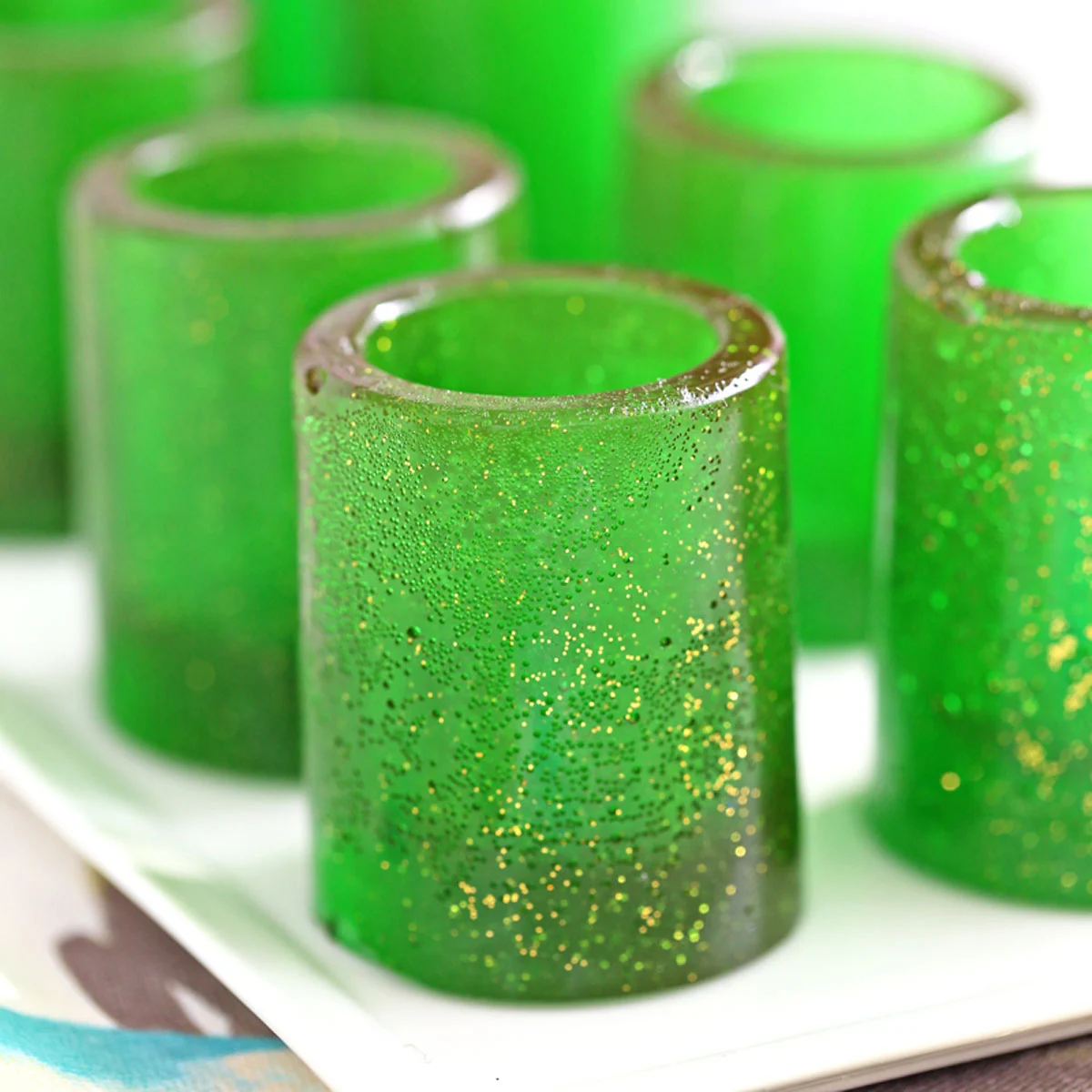
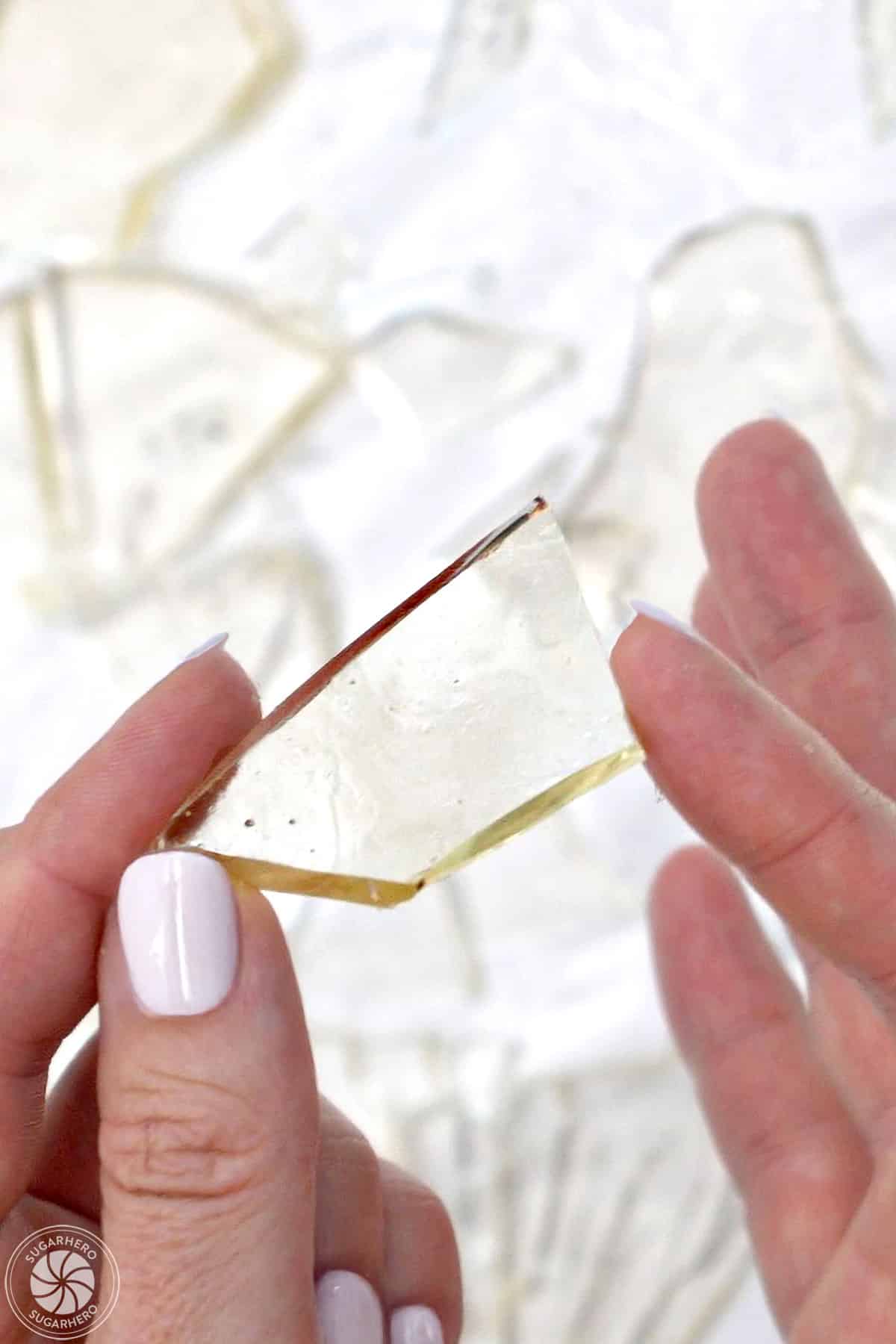
Edible sugar glass, at its core, is a form of hard candy, meticulously crafted to achieve a glass-like transparency and rigidity. Its appeal lies in its remarkable adaptability. Whether the intention is to craft realistic windows for intricate gingerbread houses, design dramatic, shattered shards for Halloween-themed cupcakes, or even emulate the striking appearance of rock candy inspired by popular culture, this culinary building block proves indispensable. The inherent nature of sugar glass allows for extensive customization, enabling decorators to infuse it with a spectrum of colors and a variety of flavors, opening up an almost limitless palette for creative expression.
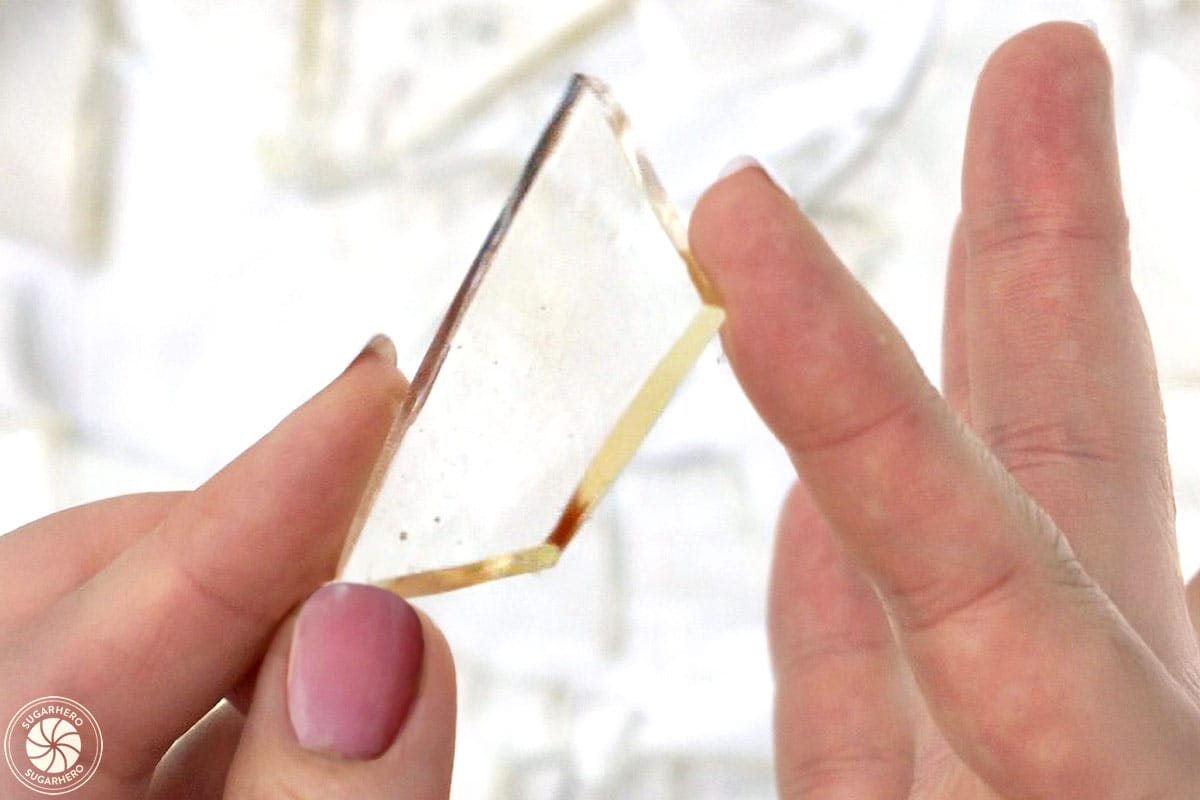
Beyond its chromatic and gustatory possibilities, the physical manipulation of sugar glass is equally impressive. It can be poured onto flat surfaces and subsequently broken into irregular, sharp fragments, mimicking the appearance of genuine broken glass. Alternatively, it can be cast into molds, creating precisely shaped decorative elements. A particularly popular application involves pouring the molten sugar directly into pre-cut openings in baked goods, such as gingerbread house panels or cookie cut-outs, effectively creating transparent windows that add depth and realism to the final presentation. This inherent moldability makes it a favored tool for intricate dessert construction.
The Science and Simplicity of Creating Sugar Glass
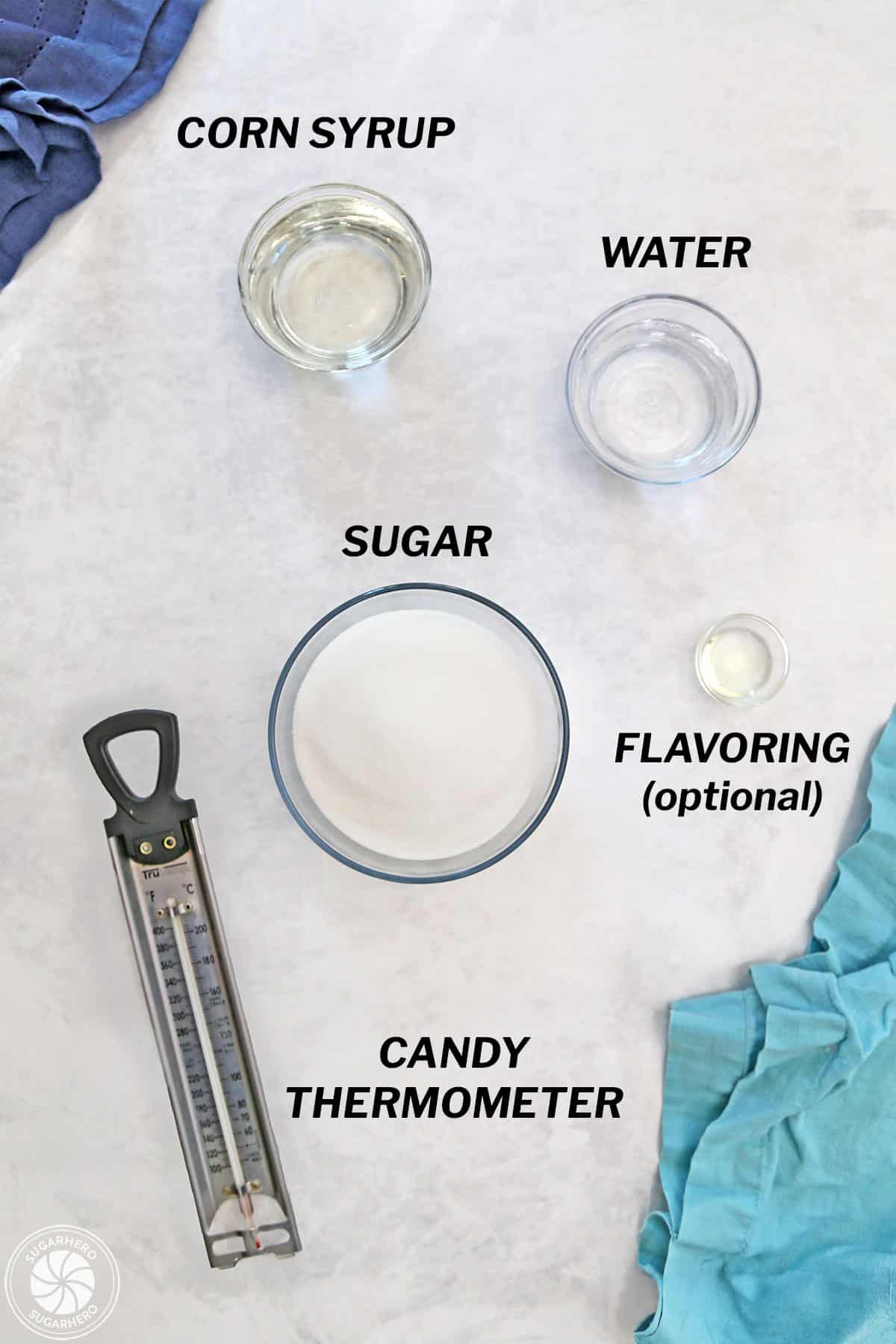
Contrary to initial perceptions, the creation of flawless edible sugar glass is an accessible endeavor, even for novice candy makers, when guided by precise instructions. The process hinges on a few fundamental ingredients and careful attention to temperature. The primary components typically include granulated sugar, corn syrup, and water. The corn syrup plays a crucial role as an inhibitor of crystallization, ensuring the final product remains smooth and transparent rather than becoming cloudy or granular.
The process involves heating these ingredients to a specific temperature, known as the "hard crack stage," which is approximately 300-310 degrees Fahrenheit (149-154 degrees Celsius). This precise temperature is critical for achieving the desired brittle texture. A candy thermometer is an indispensable tool in this process, providing accurate readings to ensure the sugar mixture reaches the correct stage without burning or undercooking.
Essential Ingredients and Equipment for Success
To embark on the journey of creating edible sugar glass, a select group of ingredients and equipment are necessary. The quality and type of ingredients can subtly influence the final outcome.
Key Ingredients:
- Granulated Sugar: The fundamental building block of sugar glass, providing its sweetness and structure.
- Corn Syrup: Essential for preventing crystallization, ensuring a smooth, clear, and glass-like texture. Light corn syrup is commonly used.
- Water: Acts as a solvent, dissolving the sugar and facilitating even heating.
- Flavoring Extracts (Optional): A few drops can be added to impart subtle or distinct flavors, such as vanilla, almond, or fruit essences.
- Food Coloring (Optional): Gel or liquid food colorings can be used to achieve vibrant hues. It’s important to note that some colorings may affect the clarity or texture slightly.
Essential Equipment:
- Heavy-Bottomed Saucepan: A sturdy saucepan with a thick base ensures even heat distribution, preventing scorching.
- Candy Thermometer: Crucial for accurately measuring the temperature of the sugar mixture. Digital candy thermometers offer enhanced precision.
- Heat-Resistant Spatula or Wooden Spoon: For stirring the initial mixture before it reaches boiling point. Once boiling, stirring should be minimized or avoided.
- Baking Sheet: A flat baking sheet is required for pouring and cooling the sugar mixture.
- Silicone Baking Mat or Parchment Paper: These non-stick surfaces are essential for lining the baking sheet, preventing the sugar glass from adhering. Silicone mats are often preferred for their durability and even heat distribution.
- Pastry Brush and Water: A pastry brush dipped in water is used to wash down the sides of the saucepan, preventing sugar crystals from forming and potentially causing crystallization.
- Heat-Resistant Gloves: For safely handling hot pans and pouring the molten sugar.
- Cutting Board and Sharp Knife (or Hammer): Once cooled, the sugar glass can be carefully broken into desired shapes.
Pro Tips for Mastering the Candy Thermometer
The candy thermometer is arguably the most critical instrument in sugar glass creation. Its accurate calibration and proper usage are paramount to success.
- Calibration is Key: Before each use, it’s advisable to test the accuracy of your candy thermometer. Submerge it in boiling water (212°F or 100°C at sea level). If the thermometer doesn’t register precisely at this temperature, adjust your readings accordingly.
- Secure Placement: Ensure the thermometer is securely clipped to the side of the saucepan, with the tip submerged in the sugar mixture but not touching the bottom of the pan, which can provide a false higher reading.
- Avoid Stirring Near the Thermometer: Once the mixture begins to boil and the thermometer is in place, avoid vigorous stirring around the thermometer itself, as this can dislodge sugar crystals and initiate unwanted crystallization.
- Read at Eye Level: For analog thermometers, position yourself at eye level with the mercury or alcohol column to ensure accurate reading and avoid parallax errors.
- Post-Cooking Check: After use, clean the thermometer thoroughly. If it’s a digital model, ensure the battery is functioning correctly for consistent performance.
A Step-by-Step Guide to Crafting Edible Sugar Glass
The process of making edible sugar glass is a meticulous yet rewarding one, typically involving the following steps:
- Preparation is Paramount: Line a baking sheet with a silicone mat or parchment paper. Ensure all ingredients are measured precisely and within easy reach. Have your candy thermometer ready.
- Combine Ingredients: In the heavy-bottomed saucepan, combine the granulated sugar, corn syrup, and water.
- Initial Heating and Dissolving: Place the saucepan over medium heat. Stir the mixture gently until the sugar is completely dissolved. Avoid splashing the sides of the pan.
- Washing Down the Sides: Once the sugar is dissolved, increase the heat to medium-high. As the mixture begins to simmer, use a pastry brush dipped in water to carefully wash down any sugar crystals that may have adhered to the sides of the pan. This step is crucial to prevent crystallization.
- Reaching the Hard Crack Stage: Clip the candy thermometer to the side of the pan. Allow the mixture to boil undisturbed. Resist the urge to stir, as this can introduce air bubbles and cause crystallization. Continue to boil until the thermometer reaches the hard crack stage, approximately 300-310°F (149-154°C).
- Adding Color and Flavor (Optional): Once the target temperature is reached, immediately remove the pan from the heat. Carefully stir in any desired food coloring and flavoring extracts. Work quickly, as the mixture will begin to cool and thicken.
- Pouring the Sugar Glass: Wearing heat-resistant gloves, carefully and slowly pour the molten sugar onto the prepared baking sheet. Tilt the baking sheet to spread the sugar into a thin, even layer. For creating windows, you can also pour the sugar into pre-cut openings in parchment paper placed on a baking sheet.
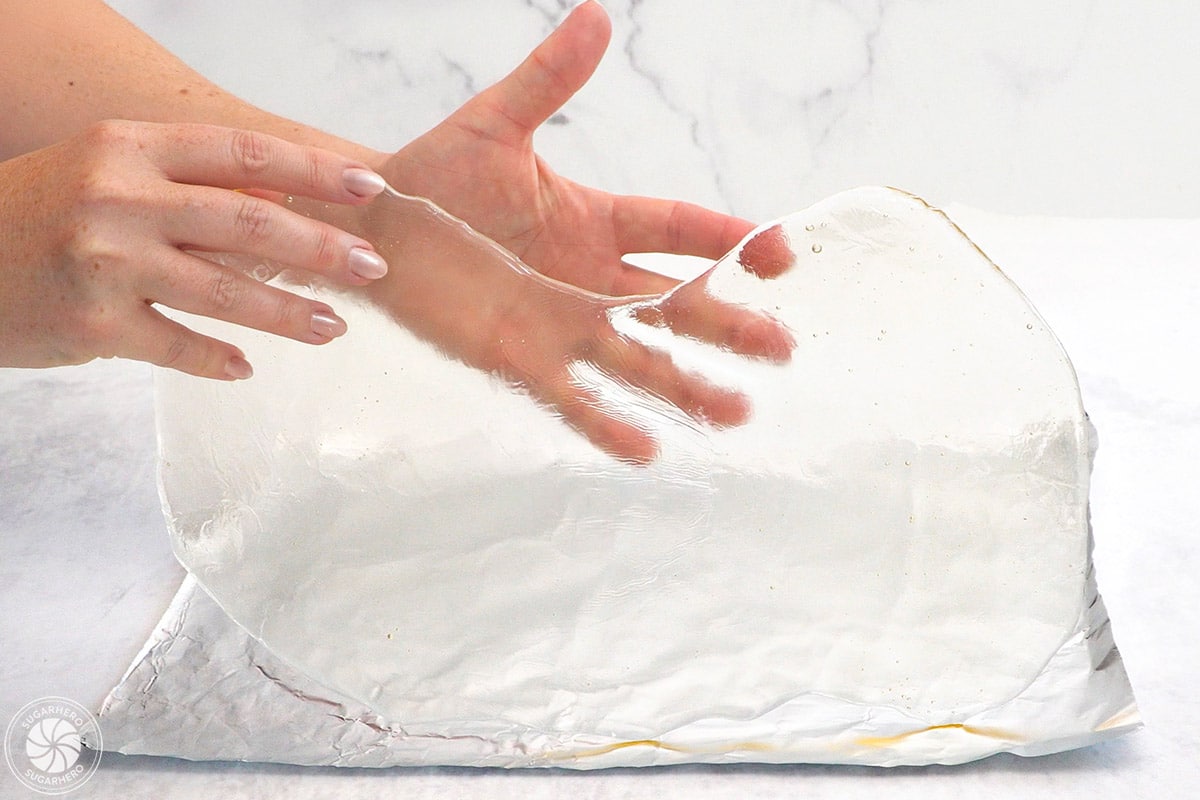
- Cooling and Hardening: Allow the sugar glass to cool completely at room temperature. This can take anywhere from 30 minutes to several hours, depending on the thickness of the pour and ambient humidity. Do not attempt to move or break the sugar while it is still warm, as it will be pliable and sticky.
- Breaking the Glass: Once fully hardened, carefully lift the sugar glass off the baking sheet. Place it on a sturdy cutting board and use a sharp knife to score and break it into desired shapes and sizes. Alternatively, for more dramatic shards, you can gently tap the cooled sheet with a mallet or the back of a heavy spoon.
- Storage: Store the finished sugar glass in an airtight container at room temperature. Avoid refrigeration, as the moisture in the refrigerator can cause the sugar to become sticky.
Addressing Common Challenges: FAQs for Sugar Glass Perfection
Even with meticulous preparation, home bakers may encounter occasional issues. Understanding common problems and their solutions is key to consistent success.
-
Why is my candy sticky?
The primary culprit behind sticky candy is humidity. Sugar is hygroscopic, meaning it readily absorbs moisture from the air. On humid or rainy days, sugar glass is prone to becoming soft and sticky, even after proper cooking. To mitigate this, always make sugar glass on a dry day. For storage, airtight containers are essential. In particularly humid climates, incorporating silica gel packets within the storage container can help absorb excess moisture and preserve the candy’s crispness. -
Why is my candy not hardening?
If the candy remains too soft or fails to set, it indicates that it has not been cooked to the correct temperature. Ensure your candy thermometer is accurate and calibrated. Double-check the ingredient measurements to confirm you’ve used the precise quantities specified in the recipe. Insufficient cooking time at the hard crack stage is the most common reason for this issue. -
Why is my glass candy opaque or crumbly?
An opaque or crumbly texture signifies crystallization. This occurs when sugar crystals form prematurely during the cooking process. Common causes include excessive stirring once the mixture has begun to boil, failing to wash down the sides of the pan with a wet brush to remove stray crystals, or the presence of any accidental sugar crystals on utensils or the pan. The corn syrup in the recipe is specifically designed to inhibit this, so using it is vital. Substituting other ingredients for corn syrup can increase the likelihood of crystallization.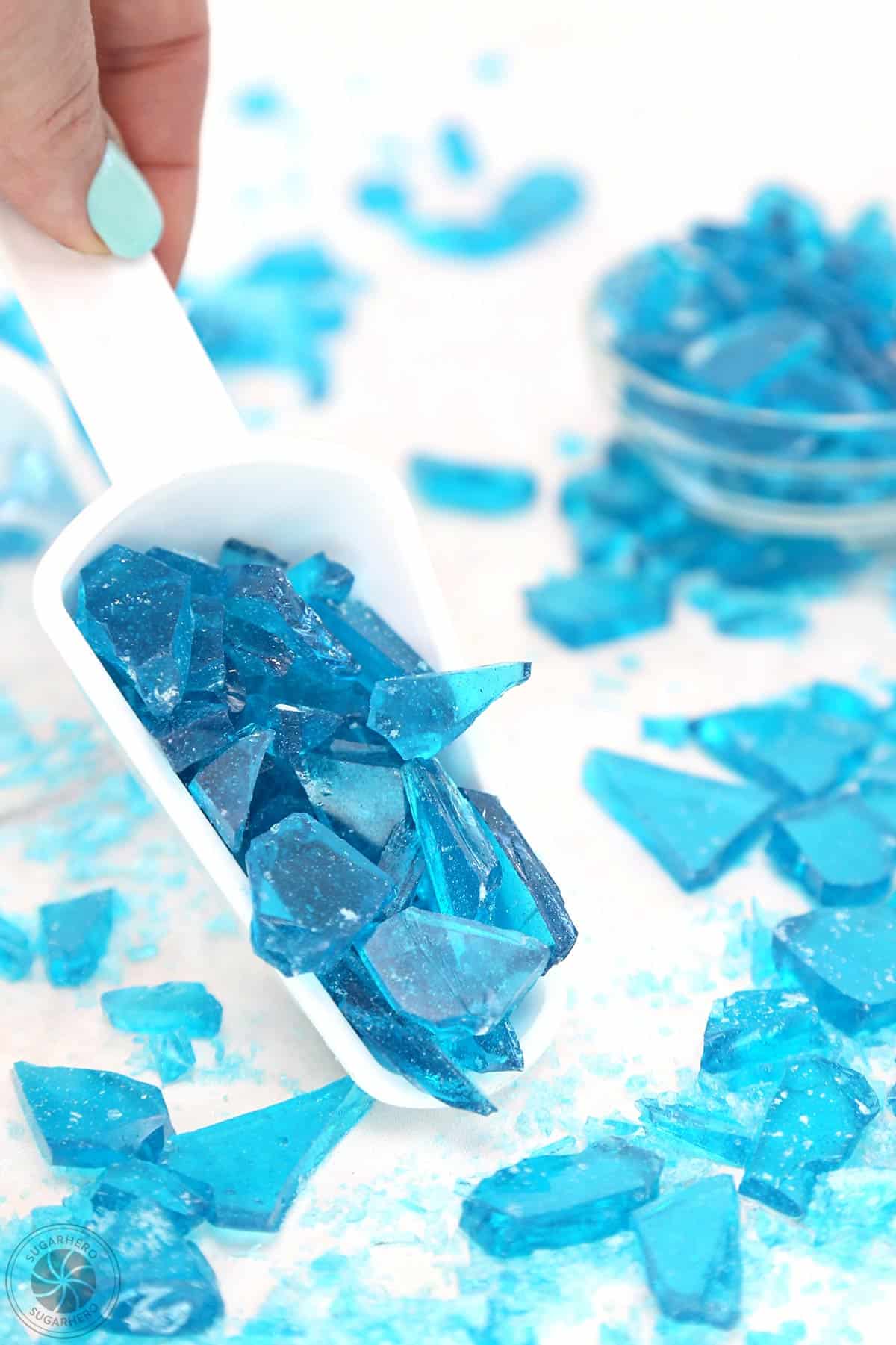
-
Storage Information:
Proper storage is crucial for maintaining the integrity of edible sugar glass. It should be stored at room temperature in an airtight container for optimal preservation, typically for up to seven days. Refrigeration or freezing is strongly discouraged, as the condensation that forms can lead to stickiness and a loss of crispness. For those in regions with high humidity, consuming the sugar glass within two to three days might be advisable, or employing silica gel packets within the storage container to combat moisture.
The Broader Impact on Culinary Design
The accessibility of recipes and techniques for creating edible sugar glass has had a significant impact on the landscape of dessert decoration. What was once a technique primarily reserved for professional patisseries is now within reach of passionate home bakers. This democratization of a sophisticated decorating element allows for a greater array of creative expression in everyday baking. It encourages experimentation, pushing the boundaries of what is visually possible with desserts. The ability to craft intricate, transparent elements not only enhances the aesthetic appeal of baked goods but also provides a delightful textural contrast, adding another layer of sensory enjoyment for the consumer. As culinary trends continue to emphasize visual storytelling through food, edible sugar glass is poised to remain a celebrated and indispensable tool in the modern decorator’s arsenal.