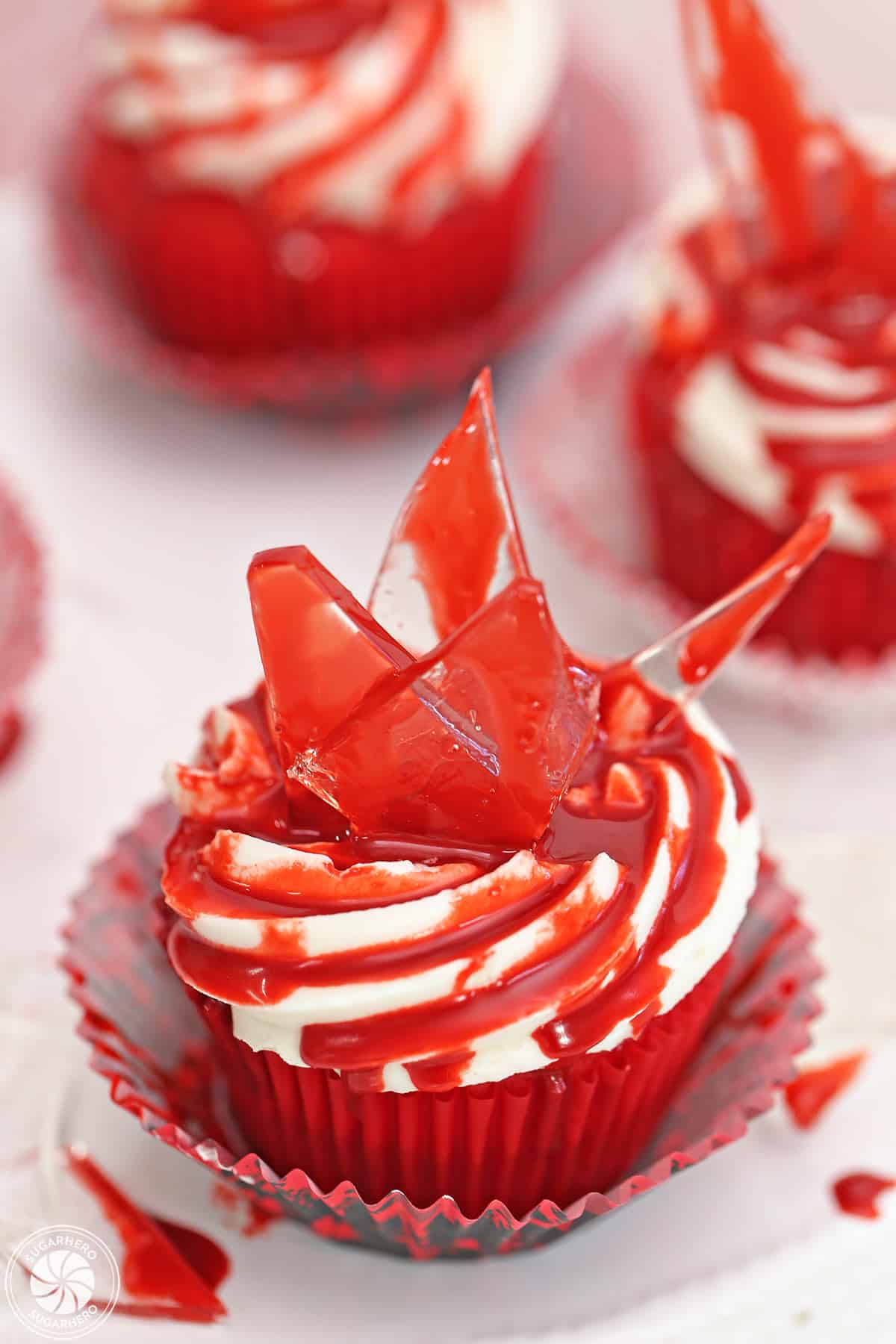
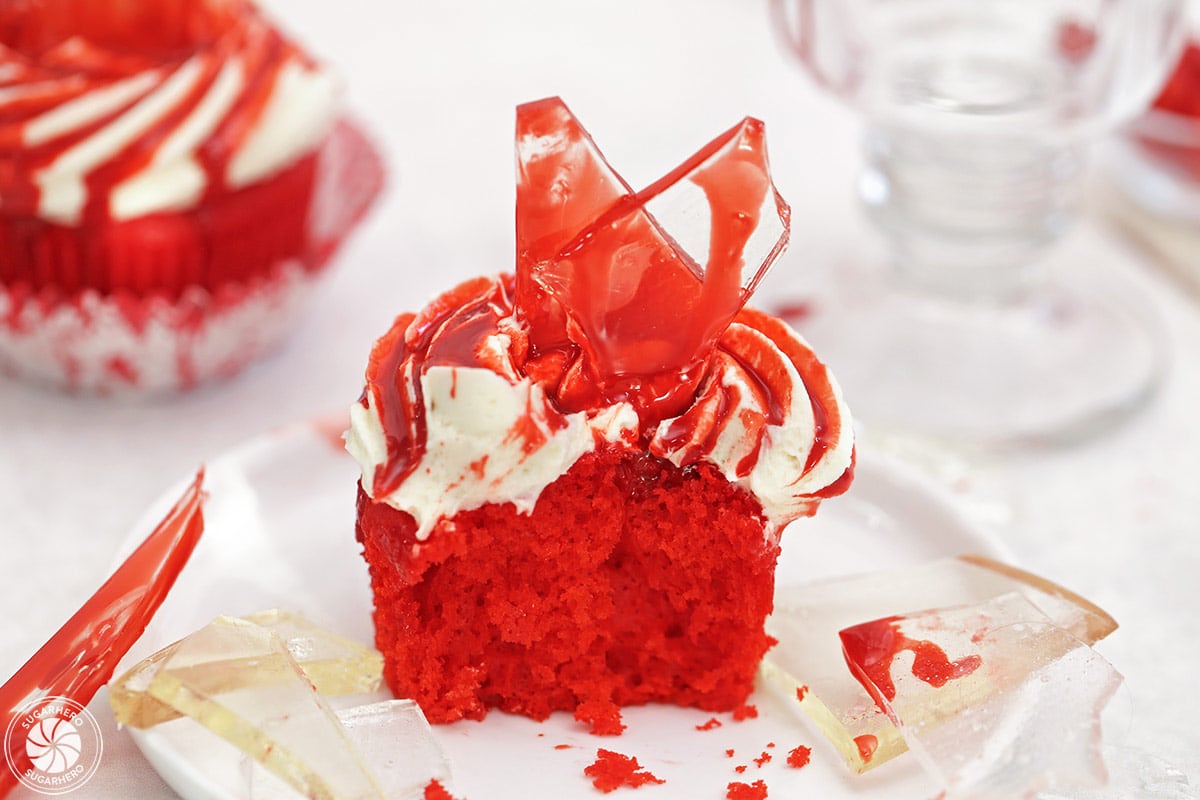
These Bloody Glass Cupcakes offer a chillingly delicious twist on traditional Halloween treats, blending the rich, moist texture of red velvet cake with the smooth, decadent sweetness of vanilla buttercream. The real spectacle, however, lies in their dramatic presentation: shards of homemade candy glass, resembling shattered crimson ice, artfully embedded into the frosting, complemented by a vibrant drizzle of edible "blood." While their appearance may evoke a sense of delightful dread, the taste promises a heavenly experience, making them an ideal centerpiece for any Halloween gathering.
The concept of transforming a beloved dessert into something visually unsettling yet undeniably appealing aligns with a broader trend in seasonal culinary arts, particularly around holidays like Halloween. This approach taps into a desire for themed experiences that engage multiple senses, offering a playful confrontation with the macabre. The contrast between the innocent red velvet base and the gruesome, yet edible, adornments creates a memorable and conversation-starting dessert.
The Allure of the Macabre in Cuisine
The popularity of visually striking, even frightening, food presentations for Halloween has seen a significant rise in recent years. This trend is fueled by social media platforms, where visually engaging content often goes viral, and a growing interest in immersive holiday experiences. Culinary artists and home bakers alike are pushing creative boundaries, transforming familiar ingredients into edible art that tells a story or evokes a specific emotion.
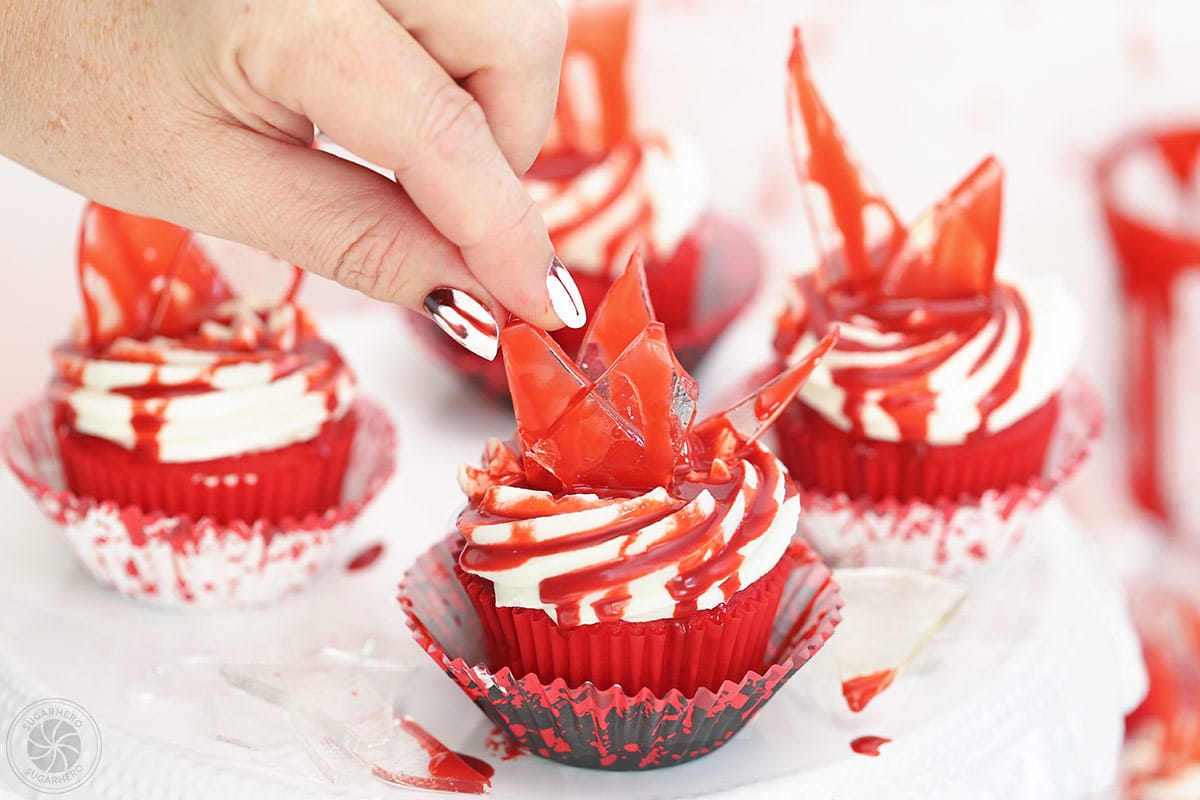
The "Bloody Glass Cupcakes" exemplify this trend by leveraging the inherent drama of Halloween themes. The use of red velvet, a flavor often associated with richness and indulgence, provides a solid foundation. The key innovation lies in the "bloody glass" element, which elevates the cupcake from a simple treat to a narrative piece. Edible candy glass, a technique that allows for the creation of transparent, brittle sugar structures, is a versatile tool for achieving such dramatic effects. When shattered, it mimics the sharp, dangerous appearance of broken glass, while the red coloring and a blood-like drizzle complete the illusion.
Recipe Genesis and Culinary Craftsmanship
While the specific origin of this particular recipe is rooted in home baking creativity, the techniques employed are standard in patisserie. The creation of edible candy glass typically involves boiling sugar, corn syrup, and water to specific temperatures, often around 300°F (149°C), the hard crack stage. This superheated mixture is then poured thinly onto a silicone mat or parchment paper and allowed to cool and harden. Once solid, it can be broken into irregular shards, mimicking shattered glass.
The red velvet component is a classic of American baking, known for its distinctive red hue, subtle cocoa flavor, and tender crumb. Achieving this requires precise measurements of flour, sugar, cocoa powder, buttermilk, and often a touch of vinegar and baking soda to activate the red color and enhance tenderness. The vanilla buttercream frosting offers a creamy, sweet counterpoint to the slightly richer red velvet and the brittle sugar shards.
A Timeline of Spooky Creation
The process of creating these Bloody Glass Cupcakes can be broken down into several stages, allowing for efficient preparation, especially when planning for a Halloween event.
-
Advance Preparation (Up to 7 Days Prior): The edible sugar glass shards can be prepared well in advance. This is a crucial step for streamlining the final assembly. Once cooled and hardened, the glass can be carefully broken into desired shapes and stored in an airtight container at room temperature, provided the environment is dry. Humidity is the primary enemy of candy glass, as it can cause it to become sticky and lose its crispness.
-
The Day Before or Morning Of: The red velvet cupcakes can be baked and fully cooled. The vanilla buttercream frosting can also be prepared. Both components can be stored separately. Cupcakes, once cooled, can be stored in an airtight container at room temperature for a day or two. Frosting, if made ahead, should be stored in an airtight container, with plastic wrap pressed directly onto its surface to prevent a crust from forming. It can be brought back to room temperature and re-whipped to its original smooth consistency.
-
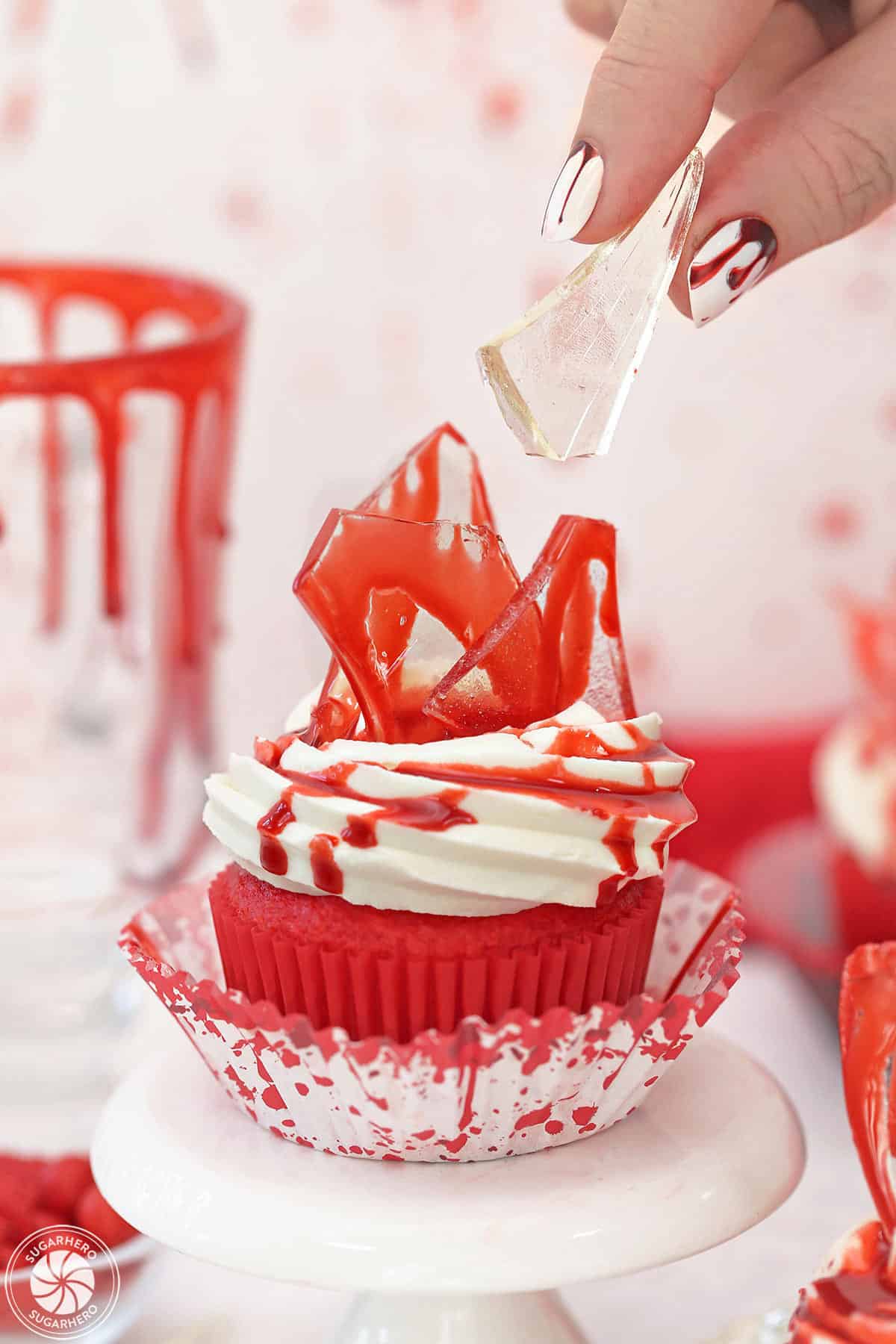
Event Day (Assembly): On the day of the event, the cupcakes are frosted. This is where the visual transformation begins. The edible "blood" topping, often a simple mixture of corn syrup and red food coloring, is then drizzled over the frosting and glass shards. The placement of the glass shards is an artistic choice, aiming for a look of dramatic breakage and disarray.
Ingredient Breakdown and Culinary Considerations
The success of the Bloody Glass Cupcakes relies on the quality and proper handling of each ingredient.
For the Cupcakes and Glass Candy:
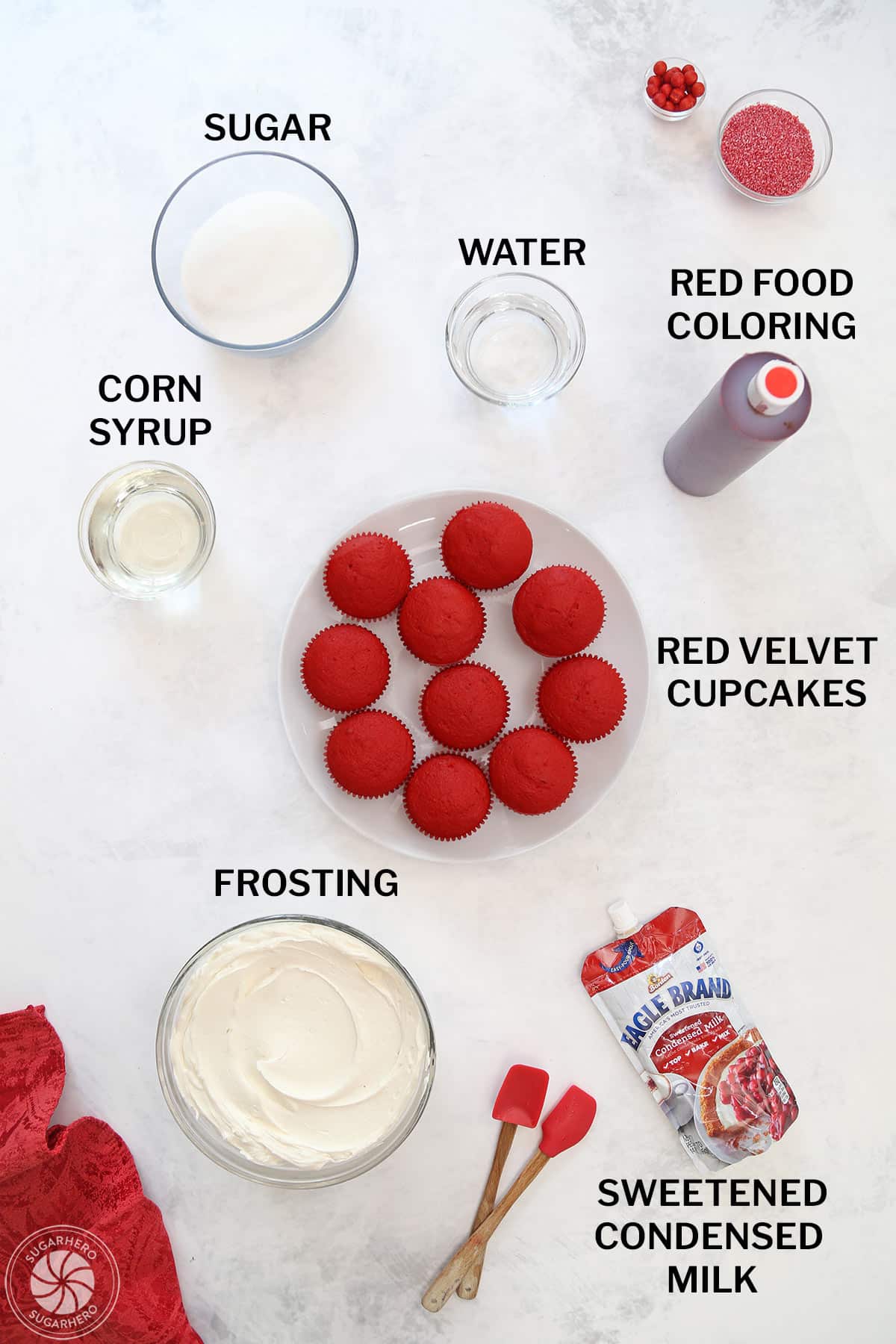
- Flour, Sugar, Cocoa Powder, Baking Soda, Salt: The foundational dry ingredients for the red velvet cake, requiring precise measurement for optimal texture and flavor.
- Buttermilk, Eggs, Oil, Vanilla Extract: The wet ingredients that contribute to moisture, richness, and flavor. The acidity in buttermilk reacts with baking soda to enhance the red hue and tenderness.
- Red Food Coloring: Essential for achieving the signature vibrant red of red velvet. Gel or liquid forms can be used, with gel typically providing a more intense color without altering the batter consistency significantly.
- Corn Syrup, Granulated Sugar, Water: The core components for creating the hard crack stage candy glass. The corn syrup helps prevent crystallization, ensuring a smooth, clear result.
For the Frosting:
- Unsalted Butter, Powdered Sugar: The primary ingredients for a classic American buttercream. The quality and temperature of the butter are critical for achieving a light and fluffy texture.
- Vanilla Extract, Milk or Cream: Vanilla enhances the flavor, while milk or cream can be used to adjust the frosting’s consistency.
For the Blood Topping:
- Corn Syrup, Red Food Coloring: A simple yet effective combination to mimic the appearance of blood. The corn syrup provides a glossy, viscous texture.
Equipment Essentials for Culinary Success
Beyond basic baking tools, certain equipment is crucial for achieving the desired aesthetic for these cupcakes.
- Candy Thermometer: Indispensable for accurately reaching the hard crack stage for the candy glass. Temperature is paramount in candy making.
- Silicone Baking Mats or Parchment Paper: Used as a non-stick surface for pouring and cooling the candy glass. Silicone mats are often preferred for their even heat distribution and flexibility.
- Piping Bags and Tips: While a Ziploc bag with a corner snipped can be a substitute, professional piping bags and tips allow for more control and decorative flair in frosting application, creating the signature swirls.
- Offset Spatula: Useful for spreading frosting evenly or for creating textured effects.
- Food-Grade Gloves (Optional but Recommended): For handling the candy glass during the breaking process, ensuring hygiene and preventing fingerprints.
Broader Implications and Culinary Commentary
The "Bloody Glass Cupcakes" are more than just a recipe; they represent a creative expression within the culinary landscape. They tap into the growing demand for experiential food, where presentation plays an equally important role as taste. In a competitive social media environment, visually striking and thematically relevant food items gain significant traction, driving trends and inspiring further innovation.
This type of dessert also highlights the accessibility of advanced culinary techniques for home bakers. With the availability of specialized ingredients like gel food coloring and candy thermometers, and clear instructions, intricate designs are within reach for many. The success of such recipes on platforms like Sugarhero.com indicates a strong community of enthusiastic home bakers eager to experiment and share their creations.
Frequently Asked Questions and Make-Ahead Strategies
What can I do if I don’t have piping bags or tips?
A simple yet effective alternative is to use a sturdy resealable plastic bag. Fill it with frosting, then snip off a small corner. The size of the opening will determine the thickness of the piped frosting. While it may not achieve the intricate patterns of specialized tips, it allows for a decorative swirl.
Can I make the cupcakes and frosting ahead of time?
Yes, the red velvet cupcakes can be baked and cooled, then stored in an airtight container at room temperature for up to two days. The vanilla buttercream can also be made ahead and stored in an airtight container. It’s advisable to press plastic wrap directly onto the surface of the frosting to prevent a dry crust from forming. Before using, allow the frosting to come to room temperature and re-whip it until smooth and creamy. The finished cupcakes, once frosted (without the glass shards and blood), can be stored in the refrigerator in an airtight container for up to a week. It’s recommended to let them return to room temperature before serving for optimal taste and texture.
How should I store leftover cupcakes?
Leftover cupcakes can be stored in an airtight container at room temperature for 2-3 days. However, it is important to note that the candy glass may begin to soften and become sticky when in prolonged contact with the frosting, especially in humid conditions. For best results, it is advisable to add the glass shards and blood topping just before serving.
What are the challenges of making candy glass?
The primary challenge in making candy glass is temperature control. The sugar mixture must reach the precise "hard crack" stage (around 300°F/149°C) to achieve the brittle, glass-like texture. Overheating can lead to a burnt flavor, while underheating will result in a soft, sticky candy. Humidity is also a significant factor; candy glass is highly susceptible to moisture, which can cause it to become soft and unusable. Working in a dry environment or using moisture-absorbing aids like silica gel packets can help mitigate this issue. Altitude can also affect candy making, requiring adjustments to cooking times and temperatures.
The "Bloody Glass Cupcakes" stand as a testament to the creative spirit in home baking, offering a visually arresting and delicious treat that perfectly encapsulates the spirit of Halloween. They demonstrate how simple ingredients and well-executed techniques can transform a dessert into an edible work of art, designed to thrill and delight.