
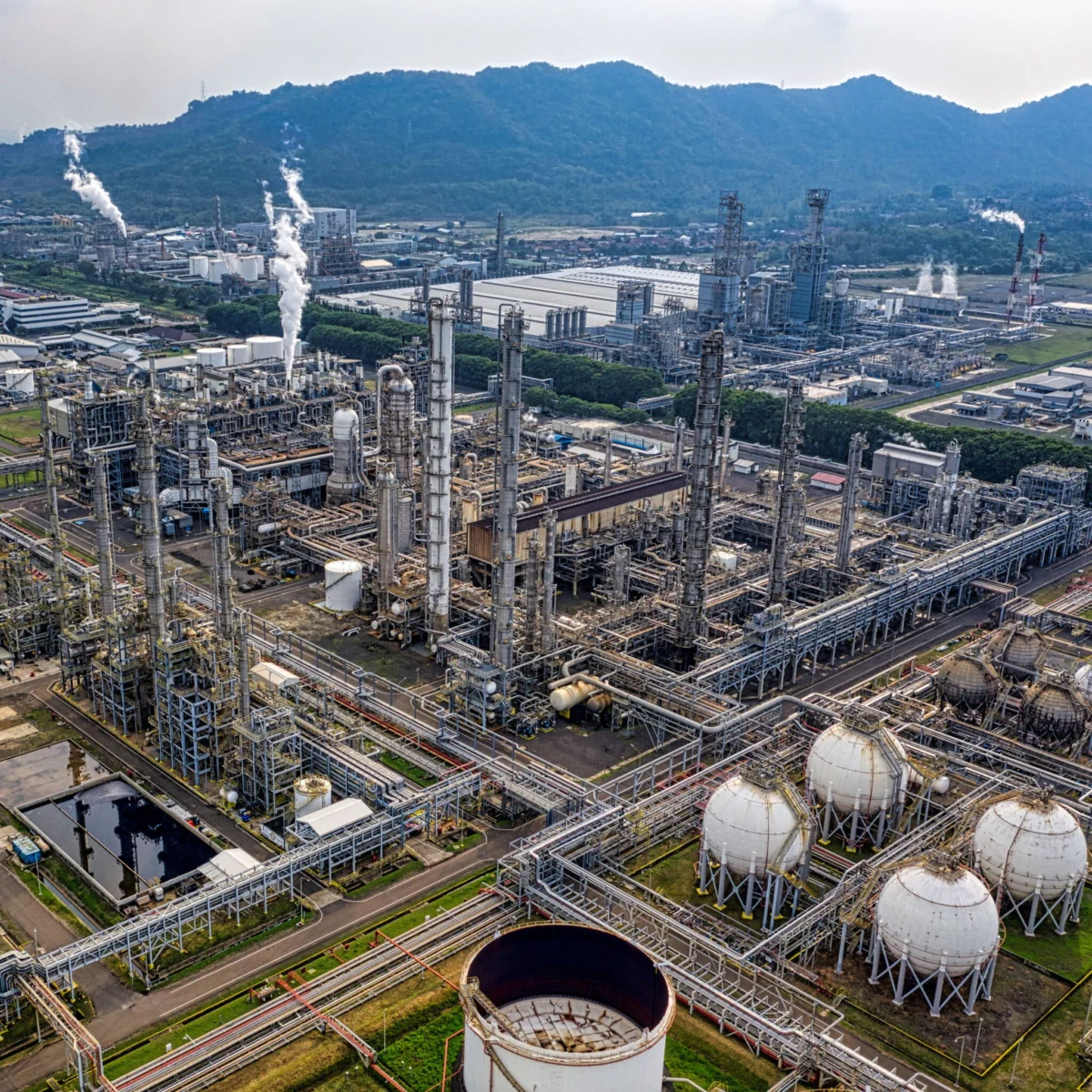
The 85-mile industrial corridor stretching along the Mississippi River between New Orleans and Baton Rouge, Louisiana, has earned the grim moniker Cancer Alley due to its density of nearly 200 fossil fuel and petrochemical operations. This region has become the epicenter of a national debate over environmental justice, public health, and the future of the global energy transition. Residents in these communities, who are predominately Black and low-income, face a health risk from hazardous air pollutants that is more than ten times higher than the average for the rest of the state. As the world attempts to pivot away from combustible fossil fuels, the petrochemical industry has emerged as a strategic lifeline for major oil and gas corporations, leading to a massive expansion of plastic production facilities that critics argue creates permanent sacrifice zones of human health and ecological stability.
Defining the Petrochemical Infrastructure
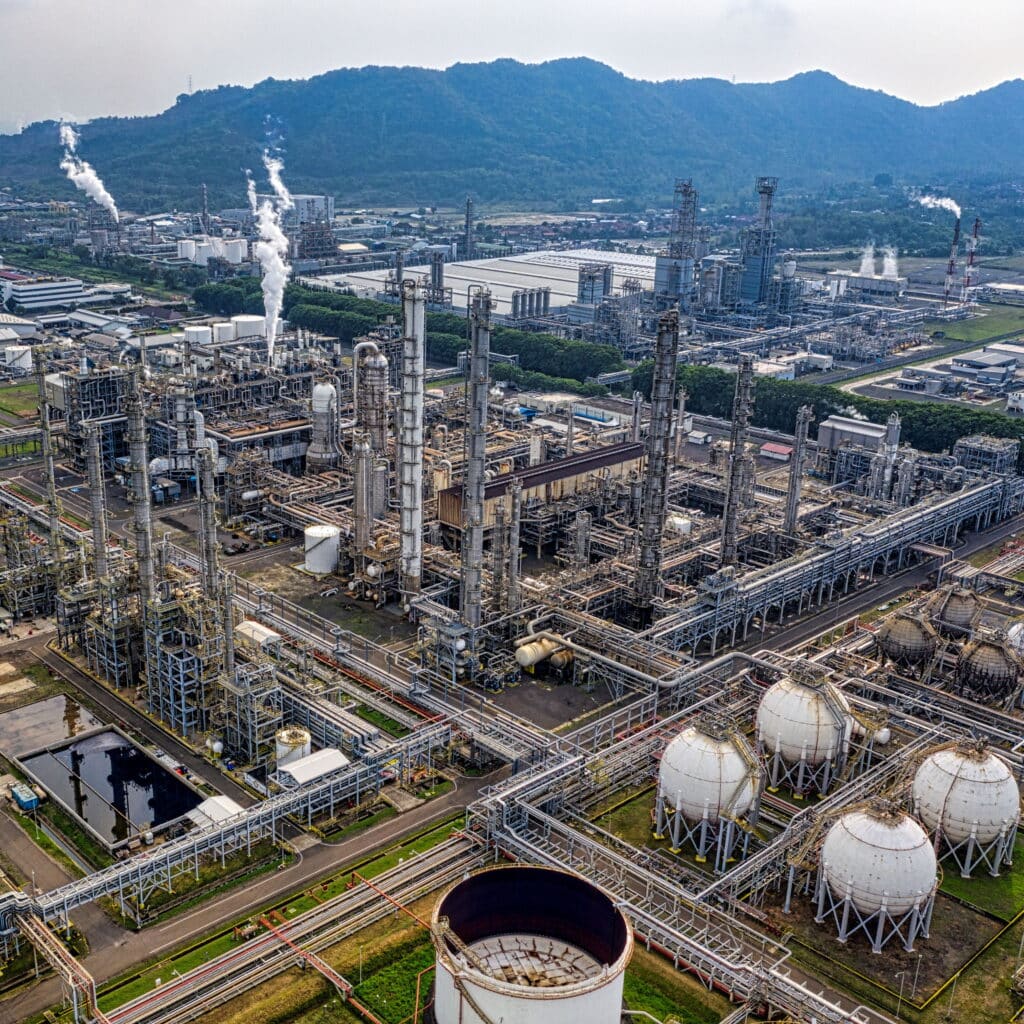
Petrochemical plants are industrial facilities that serve as the bridge between raw fossil fuels and the myriad of synthetic products that define modern life. These complexes process crude oil and methane-rich fracked gas to produce the building blocks for plastics, industrial chemicals, synthetic rubbers, and pesticides. Most of these facilities are strategically located near petroleum refineries or integrated into sprawling industrial hubs to minimize the logistical costs of transporting volatile hydrocarbons.
The transformation of raw hydrocarbons into finished chemical products is an energy-intensive and carbon-heavy process. At the heart of most petrochemical operations are steam crackers, which use extreme heat and pressure to break down molecular chains. This process produces olefins, such as ethylene and propylene. Ethylene remains the most widely produced petrochemical globally, serving as the primary feedstock for polyethylene—the world’s most common plastic. Polyethylene is categorized into various resins, including High-Density Polyethylene (HDPE), used for durable goods like milk jugs and detergent bottles, and Low-Density Polyethylene (LDPE), which is the primary material for single-use plastic bags and films.
Beyond olefins, aromatic plants produce chemicals like benzene, toluene, and xylene from refinery streams. These substances are essential for the production of dyes, synthetic detergents, and high-performance plastics. Additionally, syngas plants utilize natural gas or coal to generate synthetic gas, which is further refined into industrial chemicals such as ammonia for fertilizers and methanol for various solvent applications. While these products are foundational to the global economy, the environmental and human costs of their manufacture are increasingly under scrutiny.
A Legacy of Environmental Racism and Public Health Crises
The concentration of industrial hazards in specific geographic areas is often cited by sociologists and environmental advocates as a primary example of environmental racism. In Louisiana’s Cancer Alley, the historical placement of these plants often traces back to the sites of former plantations, where Black communities remained after the abolition of slavery. The proximity of these residential areas to high-output industrial stacks has resulted in a public health emergency that has spanned generations.
According to a 2024 report by Human Rights Watch titled "We’re Dying Here," residents of these zones are subjected to a toxic cocktail of Volatile Organic Compounds (VOCs), ethylene oxide, and chloroprene. The health implications are devastating and well-documented. Analysis published in the New England Journal of Medicine has directly linked petrochemical exposure to elevated rates of various cancers, including leukemia and lymphoma.
The crisis extends beyond the air. A report by the Environmental Integrity Project (EIP) revealed that nearly 70 petrochemical companies across the United States are discharging millions of pounds of pollutants into waterways annually. Weak or nonexistent regulations have allowed toxins to seep into local aquifers and municipal water systems. In many parts of Cancer Alley, levels of Per- and Polyfluoroalkyl Substances (PFAS), often called "forever chemicals," have been detected in drinking water at concentrations hundreds of times higher than the safety thresholds recommended by the Environmental Protection Agency (EPA).
The reproductive health of the region is particularly impacted. In over 70 interviews conducted with local residents, women reported a staggering frequency of miscarriages, high-risk pregnancies, and neonatal health complications. Community leaders like Robert Taylor, founder of Concerned Citizens of St. John, have argued that the government has effectively abandoned these citizens, designating their homes as "sacrifice zones" to facilitate industrial profit.
Chronology of Regulation and Political Shifts
The legal and regulatory landscape surrounding Cancer Alley has been marked by periods of intense federal scrutiny followed by abrupt shifts in policy.
In 2021, the United Nations Human Rights Council issued a scathing statement describing the situation in Louisiana as a form of environmental racism, calling on the U.S. government to take immediate action. This was followed by a period of increased federal oversight under the Biden administration’s "Journey to Justice" initiative. In early 2023, the Department of Justice (DOJ) and the EPA filed a landmark lawsuit against Denka Performance Elastomer, a plant in St. John the Baptist Parish, seeking to compel the facility to reduce its emissions of chloroprene, a known carcinogen.
However, the political pendulum swung again in 2025 and 2026. Recent administrative changes led to the DOJ and EPA dropping several key lawsuits aimed at curbing industrial expansion in the region. This shift has been met with alarm by local activists and international observers. Simultaneously, the state of Texas has cleared the way for its own massive petrochemical expansion along the Gulf Coast, despite warnings from health experts that the cumulative impact of these new facilities could overwhelm regional air quality standards.
The Industry Pivot: Plastics as the New Frontier for Big Oil
The rapid growth of the petrochemical sector is not an isolated economic event but a strategic shift by the fossil fuel industry. As global efforts to combat climate change reduce the demand for gasoline and diesel through the adoption of electric vehicles and renewable energy, major oil companies are pivoting toward plastics as their primary growth engine.
Industry analysts suggest that petrochemicals will account for more than a third of the growth in global oil demand by 2030, and nearly half by 2050. This transition ensures that even as the world stops burning oil for fuel, the extraction of hydrocarbons will continue to expand to meet the demand for synthetic materials. This "plastic pivot" creates a direct conflict with global climate goals, as the lifecycle of plastic—from extraction and refining to disposal—is a significant contributor to greenhouse gas emissions.
The infrastructure required for this pivot is immense. Massive "plastic plants" are being commissioned not only in the United States but also in China and the Middle East. These facilities are designed to operate for decades, effectively locking in high levels of carbon emissions and plastic waste production for the foreseeable future.
Community Resistance and the Fight for Environmental Justice
Despite the formidable economic and political power of the petrochemical industry, local resistance in Cancer Alley has become a global symbol of the environmental justice movement.
Sharon Lavigne, a retired special education teacher and the 2021 recipient of the Goldman Environmental Prize, founded Rise St. James to combat the proliferation of industrial plants in her parish. Her organization successfully led the fight to block the construction of a multi-billion dollar plastics complex by Formosa Plastics, arguing that the facility would double the toxic air emissions in the area. Lavigne’s demands are centered on the fundamental right to clean air and water, rejecting the narrative that economic development must come at the cost of human life.
Advocacy groups are now focusing on a multi-pronged strategy to address the crisis:
- Legal Challenges: Utilizing civil rights laws to argue that the disparate impact of industrial zoning on BIPOC communities is unconstitutional.
- Corporate Accountability: Pressuring the financial institutions that fund petrochemical expansion to divest from projects in high-risk zones.
- Global Treaties: Supporting the development of a UN Global Plastic Treaty that would cap the production of virgin plastics and mandate more stringent environmental controls on manufacturing.
- Independent Monitoring: Deploying community-led air and water monitoring systems to provide transparent data that contradicts industry-funded reports.
Broader Impact and Future Implications
The crisis in Cancer Alley is a harbinger of the challenges facing the global energy transition. It highlights the intersectionality of climate change, public health, and social equity. If the expansion of petrochemicals continues unregulated, the environmental gains made in the transportation and energy sectors may be offset by the carbon footprint of the plastics industry.
Furthermore, the health costs associated with these industrial zones create a significant economic burden on the public health system. The long-term treatment of cancer, respiratory illnesses, and developmental disorders caused by industrial pollution represents a massive "externalized cost" that petrochemical companies do not account for in their profit margins.
As of early 2026, the situation remains a stalemate between a powerful industrial lobby and a determined grassroots movement. The future of Cancer Alley will likely depend on whether federal and state authorities prioritize industrial output or the constitutional rights of their citizens to live in a safe and healthy environment. For the residents of St. James and St. John the Baptist Parishes, the struggle is not merely about policy—it is a fight for the survival of their communities and the preservation of their heritage against an encroaching industrial tide.


