
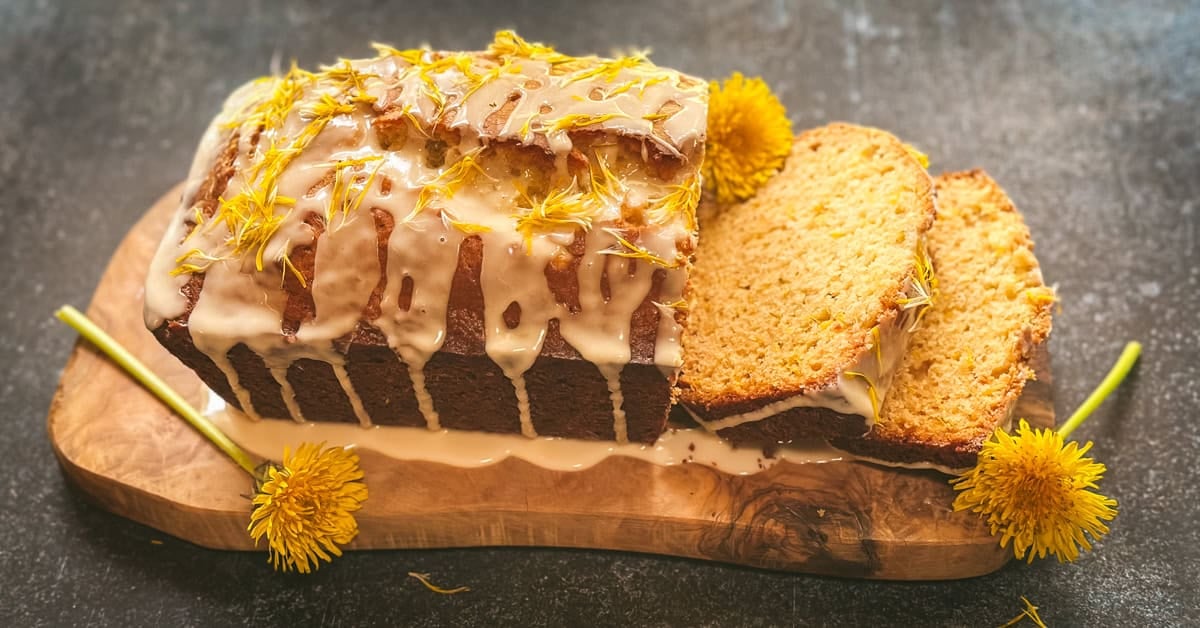
The transition from winter to spring has long been marked by the emergence of the dandelion (Taraxacum officinale), a perennial herb that, despite its modern reputation as a stubborn garden weed, is increasingly being recognized by culinary experts and herbalists for its nutritional density and versatility. As the "slow food" and foraging movements gain momentum across North America and Europe, the dandelion has moved from the lawnmower’s path to the artisanal kitchen. Central to this seasonal shift is the preparation of dandelion bread, a dense, comfort-style quick bread that utilizes the plant’s yellow petals to impart a subtle, honey-like flavor. When paired with a bright lemon glaze, this dish represents a sophisticated intersection of wild foraging and traditional baking, offering a tangible connection to the local ecosystem.
The Botanical and Historical Context of the Dandelion
To understand the current resurgence of dandelion-based recipes, one must examine the plant’s historical significance. Originally brought to the Americas by European settlers, the dandelion was intentionally cultivated for its medicinal and nutritional properties. Every part of the plant—the root, the leaves, and the flower—is edible. Historically, the roots were roasted as a coffee substitute, the leaves were used as bitter spring tonics to stimulate digestion, and the blossoms were fermented into wine or baked into cakes.
In the mid-20th century, the rise of the "perfect lawn" aesthetic in suburban planning relegated the dandelion to the status of an invasive pest. This led to the widespread application of broadleaf herbicides, which fundamentally altered the relationship between homeowners and the plant. However, contemporary environmental data suggests a shift in public perception. Movements such as "No Mow May" emphasize the importance of dandelions as a critical early-season food source for pollinators, including honeybees and bumblebees. This ecological awareness has paved the way for a culinary re-evaluation, where harvesting dandelions is seen as both a sustainable practice and a method of waste reduction.
Foraging Safety and Ethical Harvesting Protocols
The primary hurdle in the culinary use of dandelions is the safety of the harvest site. Professional foragers and agricultural extension offices emphasize that dandelions should never be harvested from areas treated with chemical fertilizers, pesticides, or herbicides. Because the plant is often targeted by municipal maintenance crews and homeowners seeking a monoculture lawn, the risk of ingesting toxic residues is significant.
Ethical foraging guidelines suggest harvesting from one’s own untreated backyard or from certified organic land. Furthermore, foragers are advised to avoid harvesting near high-traffic roadways, as dandelions can accumulate heavy metals from vehicle emissions. When collecting the blossoms, it is standard practice to leave a portion of the flowers for local bee populations, ensuring that the human culinary pursuit does not come at the expense of the local ecosystem’s health.
Nutritional Profile and Pharmacological Insights
From a nutritional standpoint, the dandelion is a powerhouse. While the leaves are famous for being high in Vitamin K, Vitamin A, and Vitamin C, the petals themselves contain unique phytochemicals. Laboratory analyses have demonstrated that dandelion flower preparations exhibit significant antioxidant potential. In some comparative studies, the petals have shown higher antioxidant activity than the leaves, specifically regarding their ability to neutralize free radicals.
Herbalists traditionally categorize the dandelion as a "family herb," used to support liver function and kidney health. Modern research, including studies published in journals such as Nutrients, suggests that the active components in dandelions—including luteolin and chlorogenic acid—may modulate hemostatic processes and provide anti-inflammatory benefits. While clinical trials in humans are ongoing to determine precise therapeutic dosages, the inclusion of dandelion petals in a balanced diet is widely regarded as a safe way to increase the intake of beneficial plant compounds.
The Chemistry of Dandelion Bread: Ingredient Analysis
Creating a successful dandelion bread requires an understanding of how wild ingredients interact with standard baking staples. The following components are essential for achieving the desired texture and flavor profile:
The Floral Component
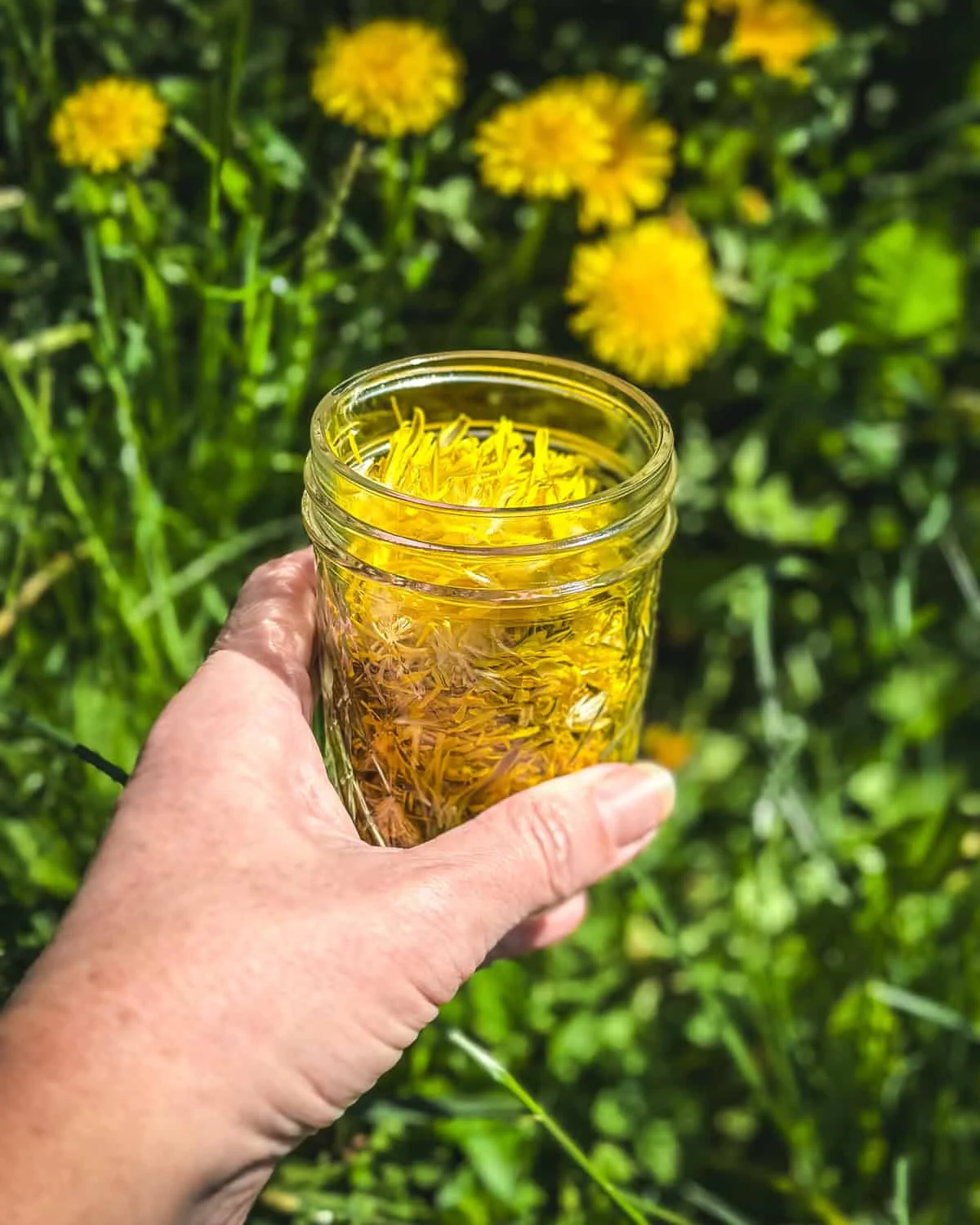
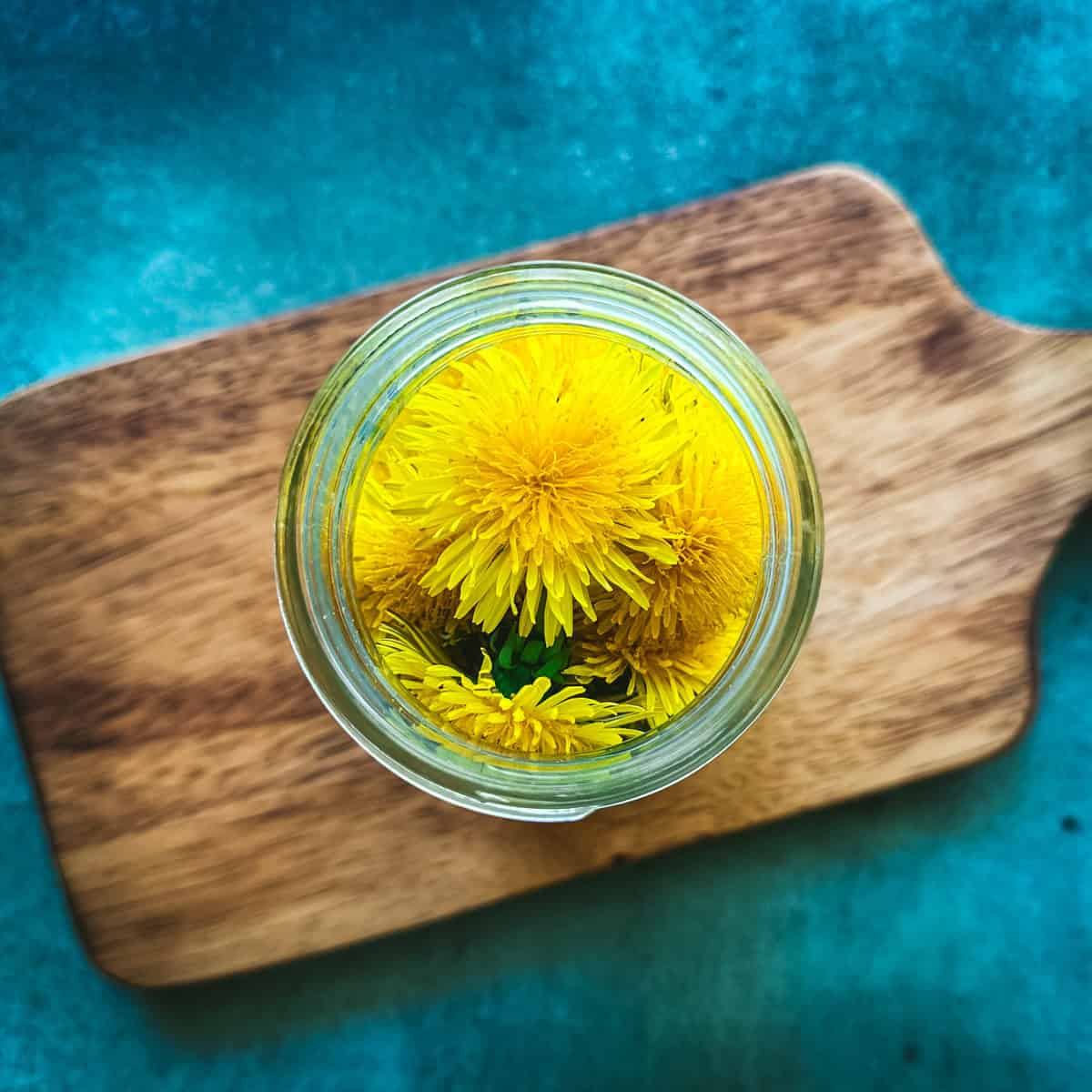
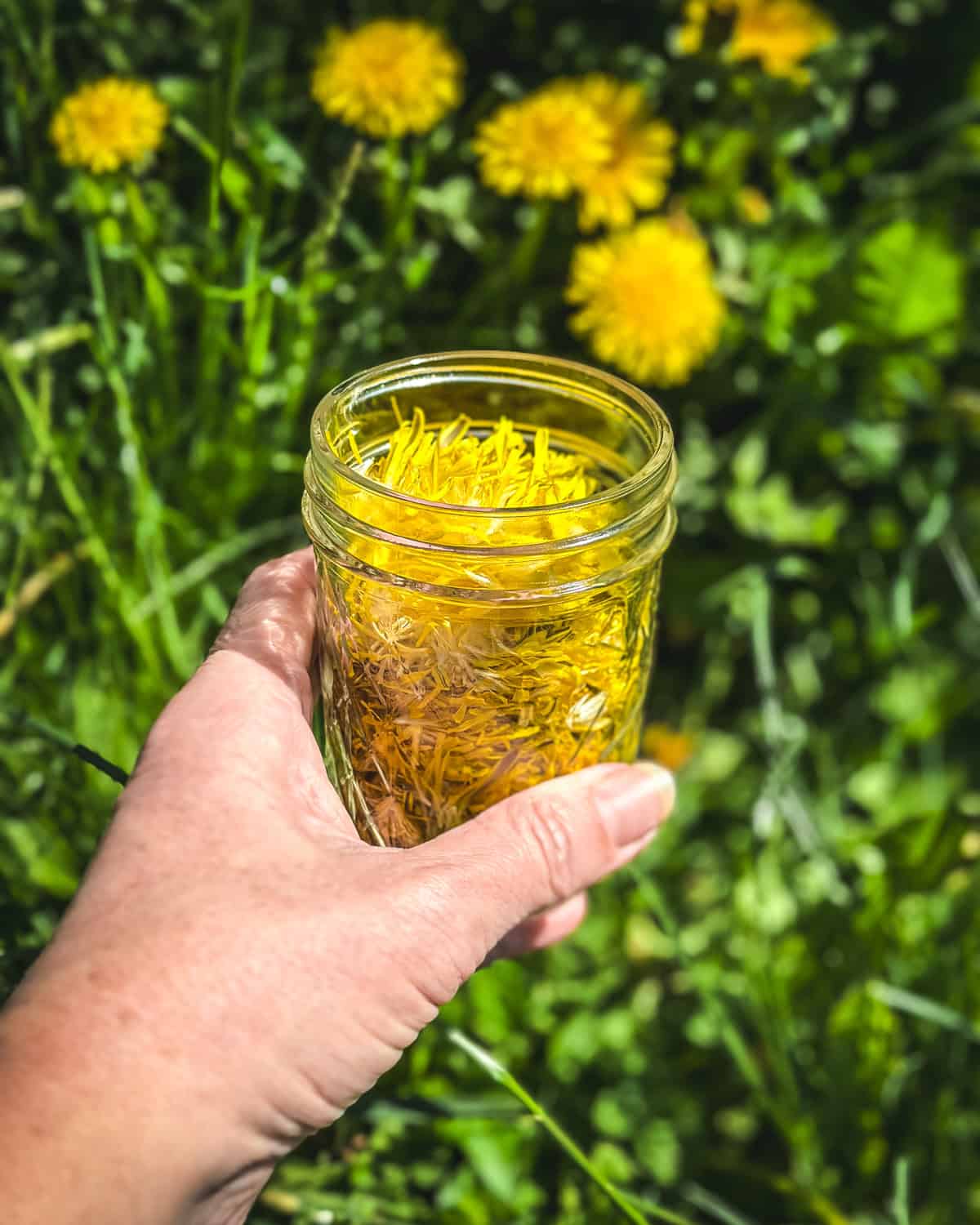
The recipe calls for approximately one cup of tightly packed dandelion petals. The "green" parts of the flower—the sepals and the bracts—contain a milky latex that is intensely bitter. For a sweet, palatable bread, it is necessary to pull the yellow petals away from the green base. This process, while time-consuming, ensures that the bread retains the "honeyed" essence of the flower without the harshness of the plant’s alkaloids.
Sweeteners and Moisture
The use of raw honey in both the batter and the glaze serves a dual purpose. Honey complements the natural floral notes of the dandelion and acts as a humectant, keeping the bread moist for several days. When combined with granulated sugar, it creates a complex sweetness that balances the earthy undertones of the flour.
Fat and Leavening
Light vegetable oils, such as organic canola or avocado oil, are preferred over butter in this specific recipe. These oils allow the delicate floral flavor to remain the protagonist, whereas butter might mask the subtle notes of the dandelion. The bread relies on baking powder for its lift, classifying it as a "quick bread" similar in structure to banana or zucchini bread.
Comprehensive Preparation Chronology
The process of creating dandelion bread is an exercise in "slow food" philosophy, spanning several hours from harvest to table.
- Harvesting (30–45 minutes): Collect approximately 50 to 80 large, fully open dandelion blossoms during the sunniest part of the day, when the flowers are at their peak expansion.
- Processing (30 minutes): Separate the yellow petals from the green calyx. This is best done by pinching the base of the flower and pulling the petals out in a bunch.
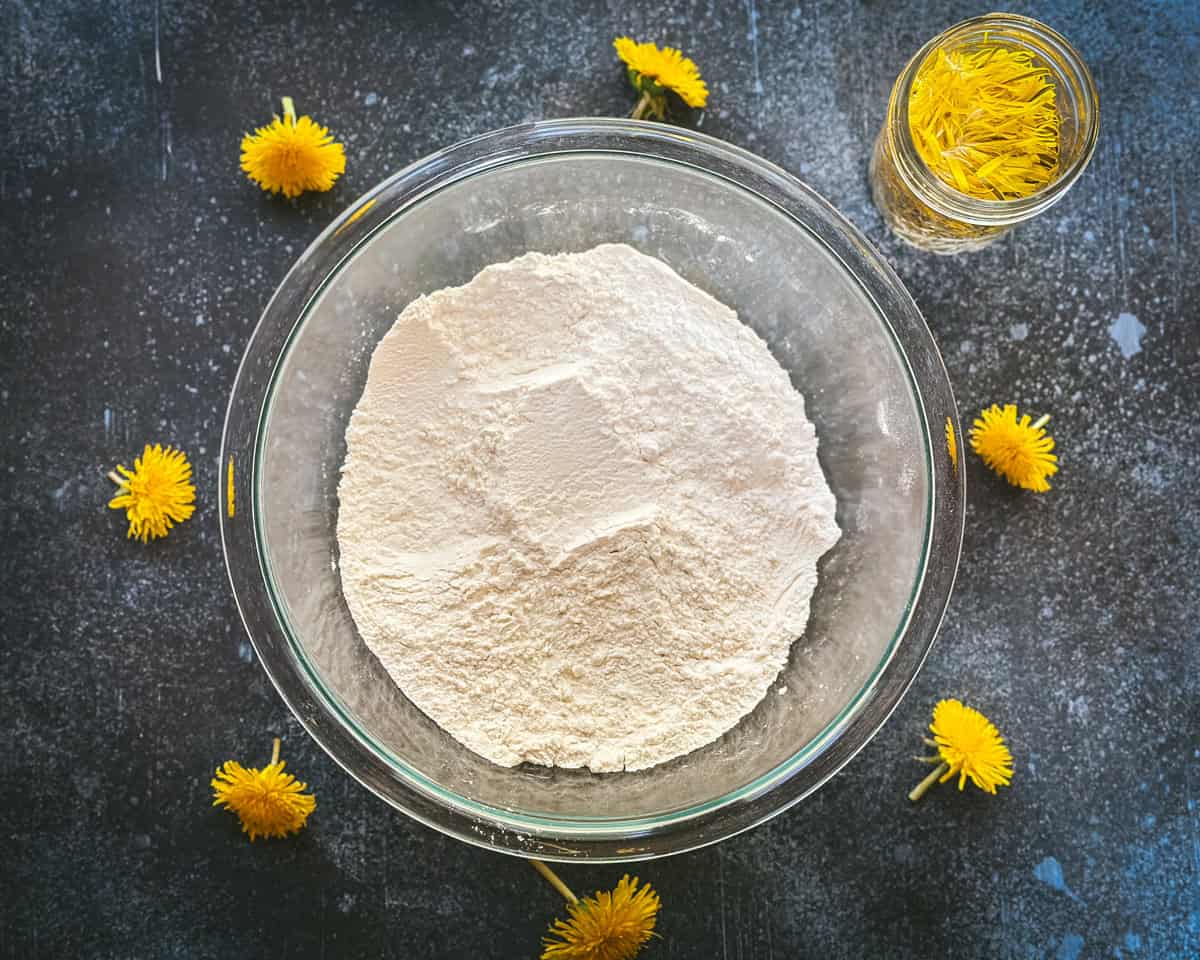
- Mixing (15 minutes): The dry ingredients (all-purpose flour, baking powder, salt) are sifted together. In a separate vessel, the wet ingredients (oil, sugar, honey, egg, milk) are whisked until emulsified. The two are combined until just moistened to avoid over-developing the gluten, which would result in a tough crumb.
- Baking (55–65 minutes): The batter is baked at 350°F (175°C). Strategic use of aluminum foil during the final 20 minutes of baking is often employed to prevent the honey-rich crust from over-browning while the center finishes setting.
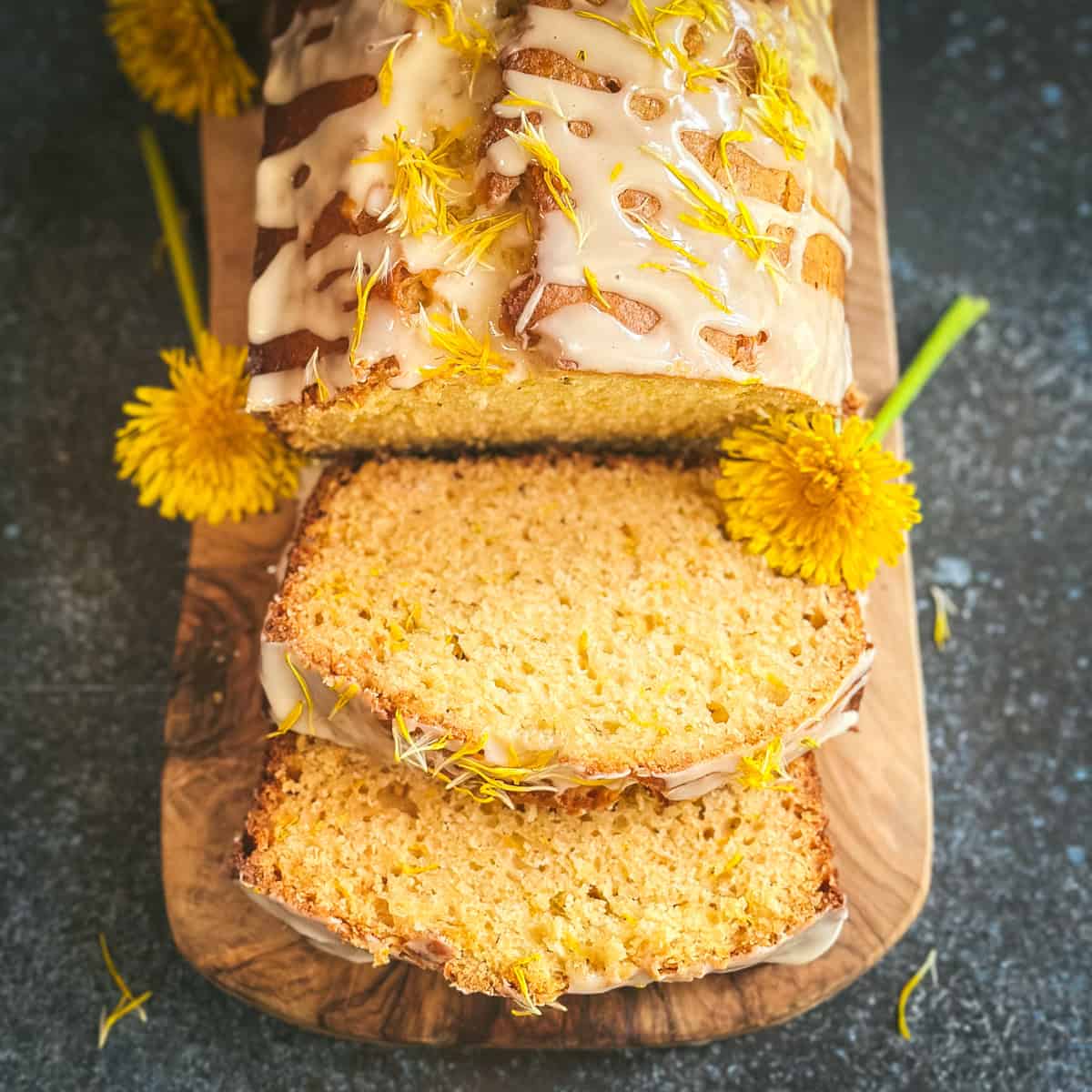
- Cooling and Glazing (60 minutes): The bread must cool entirely on a wire rack. Applying the honey-lemon glaze—a mixture of powdered sugar, fresh lemon juice, and honey—to a warm loaf would cause the glaze to melt and run off rather than setting into a crisp, opaque layer.
Broader Impact: Sustainability and the Future of Edible Landscaping
The popularity of recipes like dandelion bread reflects a broader shift in how society views the environment and food security. By transforming a "weed" into a gourmet item, consumers are participating in a form of micro-localism that reduces the carbon footprint associated with store-bought produce.

Furthermore, this culinary trend encourages the preservation of biodiversity. When homeowners view dandelions as a crop rather than a nuisance, they are less likely to use chemical interventions. This creates a safer environment for pets, children, and wildlife. The "edible flower" market is also seeing growth in the commercial sector, with small-scale farmers and foragers supplying high-end restaurants with wild-harvested ingredients, signaling a long-term integration of foraged foods into mainstream gastronomy.
Storage and Culinary Versatility
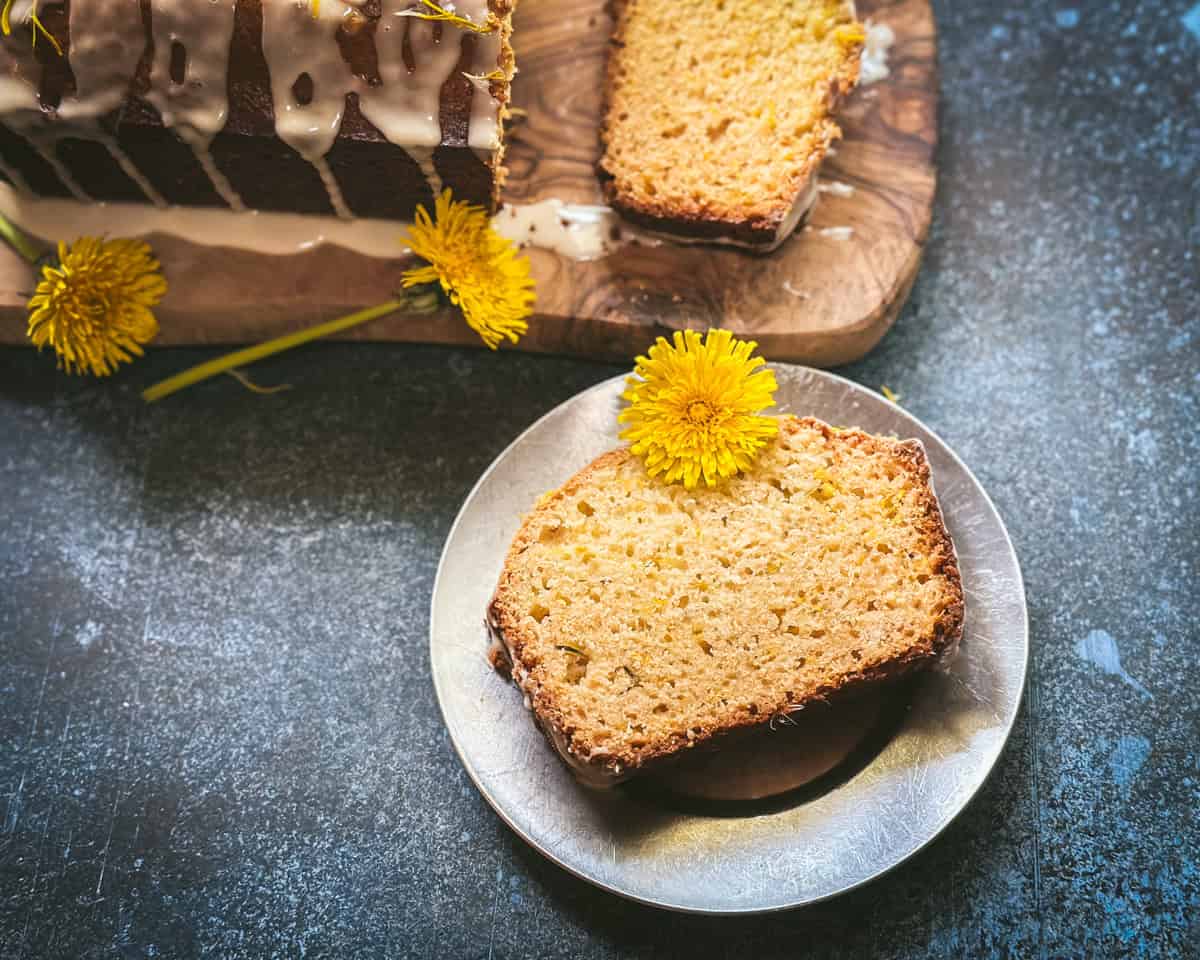
Dandelion bread is noted for its durability. Due to the high moisture content from the honey and oil, it can be stored in an airtight container at room temperature for up to three days without significant degradation of quality. For long-term preservation, the bread can be sliced and frozen for up to three months, making it possible to enjoy the "taste of spring" well into the summer months.

Beyond a simple snack, the bread serves as a versatile base for various culinary applications. It is frequently served alongside dandelion root coffee—a caffeine-free alternative with a nutty, toasted flavor—or incorporated into "fairy-themed" tea services featuring other foraged delicacies like lilac jellies or violet-infused syrups.
Conclusion: The Cultural Significance of the Dandelion
The act of baking dandelion bread is more than a culinary exercise; it is a reclamation of traditional knowledge. In an era dominated by processed foods and global supply chains, the ability to walk into one’s own backyard and harvest a nutritious, flavorful ingredient is a powerful act of self-sufficiency. As research continues to validate the health benefits of these "resilient" plants, it is likely that the dandelion will continue its ascent from the margins of the garden to the center of the plate, proving that sunnier days—and more flavorful ones—are indeed ahead.


