
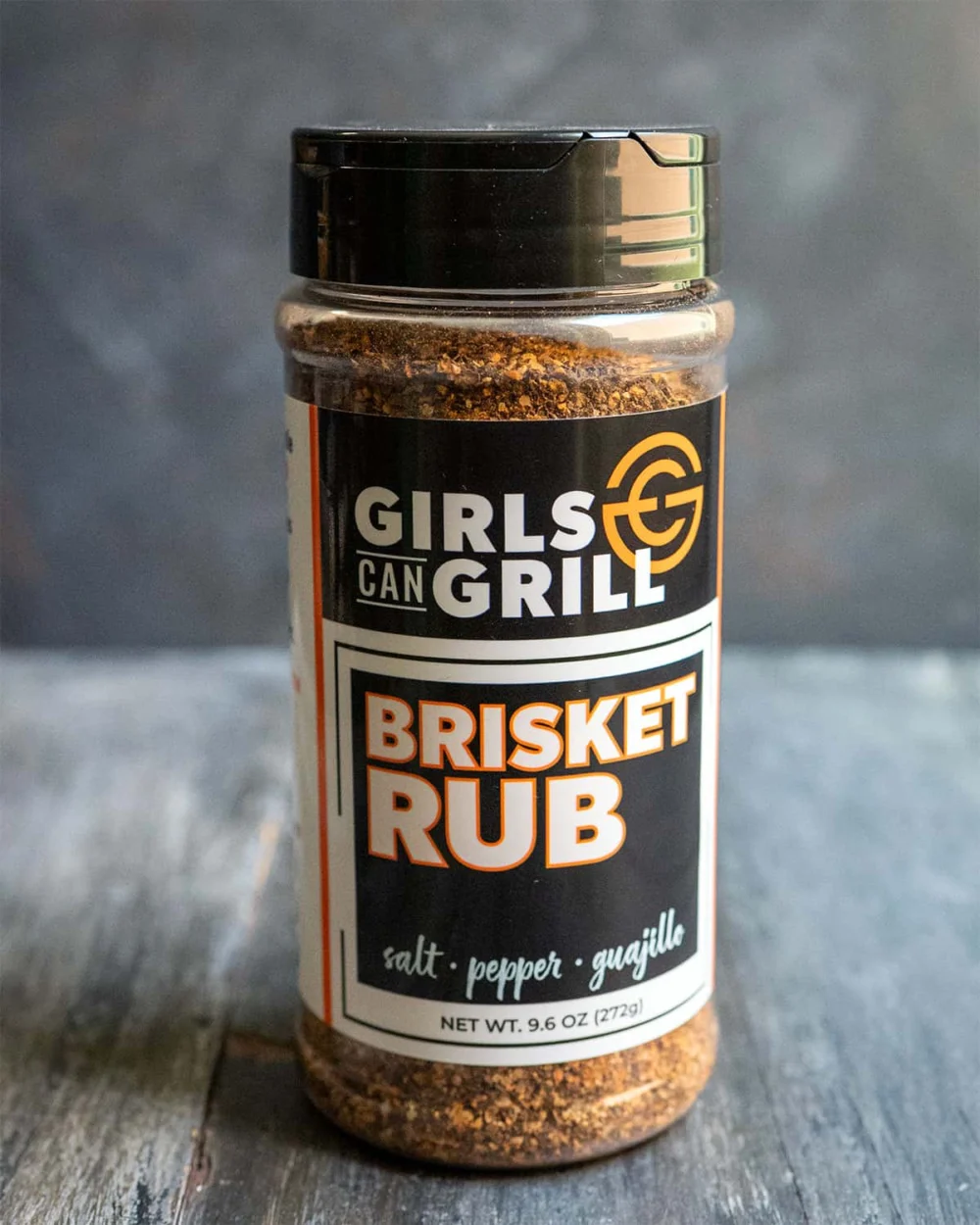
Undercooked brisket, a culinary disappointment that can derail even the most enthusiastic barbecue efforts, is a surprisingly common challenge, particularly for novice cooks or those who err on the side of premature removal from the heat. The tell-tale signs are unmistakable: a brisket that feels stubbornly firm when probed and resists a clean, satisfying slice. However, the narrative surrounding undercooked brisket is not one of failure, but rather one of opportunity, as this issue is frequently reversible with a measured application of continued time and controlled heat. This comprehensive guide delves into the nuances of identifying, rectifying, and ultimately preventing the frustration of an undercooked brisket, drawing upon expert insights and established barbecue methodologies.
Identifying the Undercooked Brisket: Beyond Internal Temperature
The primary reason a brisket remains undercooked is insufficient time for the connective tissues, primarily collagen, to fully break down. This breakdown process, a cornerstone of tender brisket, transforms tough muscle fibers into gelatin, lending moisture and a yielding texture. While internal temperature is a critical metric in barbecue, it is not the sole determinant of doneness for brisket. In fact, an undercooked brisket can register an internal temperature that might otherwise suggest readiness.
The most reliable indicators of an undercooked brisket are tactile:
- Probe Tenderness: This is the gold standard. A perfectly cooked brisket will offer very little resistance when a probe, such as a thermometer probe or a skewer, is inserted into the thickest part of the flat. It should slide in and out with minimal effort, akin to inserting a probe into warm butter. If there is significant tightness or resistance, the collagen has not fully rendered.
- Slicing Difficulty: An undercooked brisket will not slice cleanly. Instead, the meat will likely tear, shred, or crumble as the knife passes through it. The slices will lack the distinct, yet tender, integrity of a properly cooked piece.
- Appearance: While less definitive, an undercooked brisket may appear somewhat "tight" or "grippy" in texture, lacking the loose, almost unctuous feel of well-rendered meat. The fat pockets may not have fully rendered and integrated into the muscle.
The critical takeaway is that even if a thermometer indicates a seemingly adequate internal temperature, such as 195-205°F (90-96°C), if the brisket does not exhibit probe tenderness, it is not yet fully cooked. This temperature range is a guideline, not a hard rule, and the true measure of doneness lies in the texture of the meat.
The Genesis of an Undercooked Brisket: Common Pitfalls
The most frequent culprit behind an undercooked brisket is premature removal from the heat source. This often stems from a variety of common scenarios encountered by pitmasters:

- Misinterpreting Temperature Readings: Relying solely on internal temperature without assessing probe tenderness is a leading cause of pulling brisket too early.
- External Pressure or Time Constraints: Guests arriving, a scheduled mealtime, or the simple impatience that can arise during a long cooking process can lead to the temptation to pull the brisket before it’s truly ready.
- Inconsistent Heat Application: While less common for undercooking, if the heat source has been inconsistent or the pitmaster has been hesitant to maintain the necessary temperature for the full duration, it can contribute to a longer cook time, increasing the risk of pulling prematurely if time becomes a factor.
- Variations in Brisket Thickness and Type: Thicker cuts or briskets with denser muscle structures may require longer cooking times than anticipated.
Understanding these potential missteps is crucial for developing a proactive approach to brisket preparation.
Rectifying the Undercooked Brisket: A Return to Heat
The good news for pitmasters facing an undercooked brisket is that it is often salvageable. The key lies in providing the meat with the additional time and consistent heat it needs to complete the rendering process.
On the Smoker: The Preferred Method
If the undercooked state is identified while the brisket is still warm and ready for further smoking, returning it to the smoker is the optimal solution. This allows the meat to continue absorbing smoke flavor (if desired) and benefit from the consistent, low-and-slow heat.
Steps for Rectifying on the Smoker:
- Re-wrap: If the brisket is not already wrapped, tightly wrap it in butcher paper or a double layer of heavy-duty aluminum foil. This will help to trap moisture and prevent the exterior from drying out during the extended cooking period.
- Return to Smoker: Place the wrapped brisket back onto the smoker at the same temperature or a slightly lower temperature (e.g., 225-250°F or 107-121°C).
- Continue Cooking: Allow the brisket to cook until it achieves probe tenderness. This may take anywhere from 1 to 4 additional hours, depending on the severity of the undercooking and the size of the brisket.
- Rest: Once probe tender, remove the brisket from the smoker and allow it to rest for at least 1 hour, or ideally longer, before slicing. This resting period is critical for allowing the juices to redistribute throughout the meat, ensuring maximum moisture and tenderness.
The wrapping technique is essential as it creates a steaming environment within the foil or paper, which facilitates the breakdown of collagen without further drying the surface of the meat.
In the Oven: A Viable Alternative
Should the smoker no longer be a practical option, the oven serves as an effective substitute for finishing an undercooked brisket. At this stage, the brisket has already absorbed its maximum potential smoke flavor, so the focus shifts solely to achieving the correct internal texture through steady, even heat.

Steps for Rectifying in the Oven:
- Preheat Oven: Preheat your oven to a temperature between 250°F and 300°F (121°C and 149°C). A slightly higher temperature than smoking can expedite the process.
- Wrap Tightly: Ensure the brisket is securely wrapped in butcher paper or heavy-duty aluminum foil to retain moisture.
- Bake: Place the wrapped brisket in the preheated oven.
- Cook to Tenderness: Continue baking until the brisket is probe tender. This could take anywhere from 1 to 3 hours. Regularly check for tenderness by probing the thickest part.
- Rest: As with smoker-finished brisket, allow the oven-finished brisket to rest for at least 1 hour before slicing.
The oven’s consistent heat provides a stable environment for the collagen to break down without the variables associated with open-fire cooking.
The Sliced Predicament: Salvaging Slices
If the undercooked brisket has already been sliced, the situation becomes more challenging, but not entirely hopeless. While it’s difficult to fully replicate the texture of a perfectly cooked whole brisket, several methods can improve the palatability of sliced, undercooked meat.
For Slightly Undercooked Slices:
- Brief Reheating: Arrange the sliced brisket in a single layer in an oven-safe dish. Add a small amount of beef broth or au jus to the bottom of the dish. Cover tightly with foil and reheat in a low oven (around 250°F or 121°C) for 20-30 minutes, or until the slices are warmed through and have softened slightly. This process can help to reintroduce some moisture and encourage a bit more tenderness.
- Slow Cooker Transformation: For a more significant transformation, place the sliced brisket into a slow cooker. Add a cup or two of beef broth, beef stock, or even a rich barbecue sauce. Set the slow cooker to the "low" setting for 2-3 hours. This will effectively braise the slices, breaking down any remaining tough connective tissue and yielding tender, shredded meat. This shredded meat is ideal for use in tacos, sandwiches, or as a component in other dishes.
These methods prioritize rehydrating and further tenderizing the meat, making it more enjoyable even if it doesn’t achieve the ideal sliced texture of a perfectly cooked brisket.
The Time Factor: Patience is a Virtue
There is no definitive timeline for how long it takes to fix an undercooked brisket. The duration is entirely dependent on the individual cut of meat, the degree of undercooking, and the continued cooking temperature.

- Minor Undercooking: A brisket that is only slightly undercooked might require an additional 1-2 hours of cooking time.
- Significant Undercooking: A brisket that is considerably tough could need 3-4 hours or even more to reach probe tenderness.
The paramount principle here is to forgo clock-watching and instead focus on the tactile assessment of probe tenderness. This patient approach ensures the brisket receives the time it truly needs to achieve optimal results.
Prevention: The Masterstroke of Pitmastery
The most effective strategy for dealing with undercooked brisket is to prevent it from happening in the first place. By adhering to proven techniques and developing a keen understanding of brisket behavior, pitmasters can significantly increase their chances of success.
Key preventative measures include:
- Embrace Probe Tenderness: Make probe tenderness your primary indicator of doneness, not just internal temperature. Practice probing briskets to understand the feel of properly rendered meat.
- Utilize a Reliable Recipe: Follow a well-tested recipe from a reputable source. These recipes often provide detailed guidance on cooking times, temperatures, and indicators of doneness.
- Allow Ample Time: Factor in extra time for your brisket cook. Brisket cooking times can be highly variable, and it’s always better to have too much time than not enough. A long, slow cook is the foundation of tender brisket.
- Monitor Temperature and Tenderness: Regularly check both the internal temperature and, more importantly, the probe tenderness throughout the cooking process.
- Don’t Rush the Rest: A proper rest period is as crucial as the cooking itself. It allows the meat to relax and reabsorb juices, leading to a more tender and moist final product.
When the probe glides into the brisket with ease, signaling minimal resistance, that is the definitive sign that the brisket is ready to be removed from the heat.
Christie’s Pitmaster Take: An Unfinished Symphony
As award-winning competitive pitmaster Christie Vanover of Team Girls Can Grill aptly states, "Undercooked brisket isn’t a failure. It’s just unfinished." This perspective reframes the challenge from a setback to a solvable problem. If a brisket feels tight, it is simply signaling a need for more time and consistent heat to allow the collagen to complete its transformative journey. Vanover emphasizes, "Give it steady heat, keep it wrapped and let the collagen finish breaking down. I’d much rather fix an undercooked brisket than an overcooked one. Time can still work in your favor." This philosophy underscores the forgiving nature of brisket cooking when approached with patience and the right techniques. The ability to rectify an undercooked brisket through continued cooking is a testament to the resilience of this beloved cut of meat and the adaptability of pitmaster skills.
The journey to perfect brisket is one of learning and refinement. By understanding the science behind collagen breakdown, diligently assessing doneness through probe tenderness, and employing effective rectification strategies, pitmasters can confidently navigate the occasional undercooked brisket and emerge with a delicious, tender result. Prevention, however, remains the ultimate goal, achieved through meticulous preparation, patient cooking, and a deep respect for the process.


