Mastering the Art of Edible Sugar Glass: A Comprehensive Guide for Bakers
The allure of realistic dessert decorations, from the gleaming windows of gingerbread houses to the dramatic shards of "broken glass" on Halloween cupcakes, often captivates both bakers and dessert enthusiasts. Achieving these stunning visual effects is now within reach for home bakers, thanks to a meticulously developed recipe for edible sugar glass. This guide delves into the creation of this versatile confectionery, offering insights into its applications, the science behind its formation, and practical advice for achieving flawless results.
The Versatility of Edible Sugar Glass
Edible sugar glass, a confectionary marvel, offers a remarkable degree of adaptability for a wide range of dessert projects. Its translucent, hard-candy structure can be manipulated to mimic various materials, lending itself to intricate designs and eye-catching presentations. Beyond its aesthetic appeal, the recipe allows for extensive customization through coloring and flavoring, opening up a world of creative possibilities.
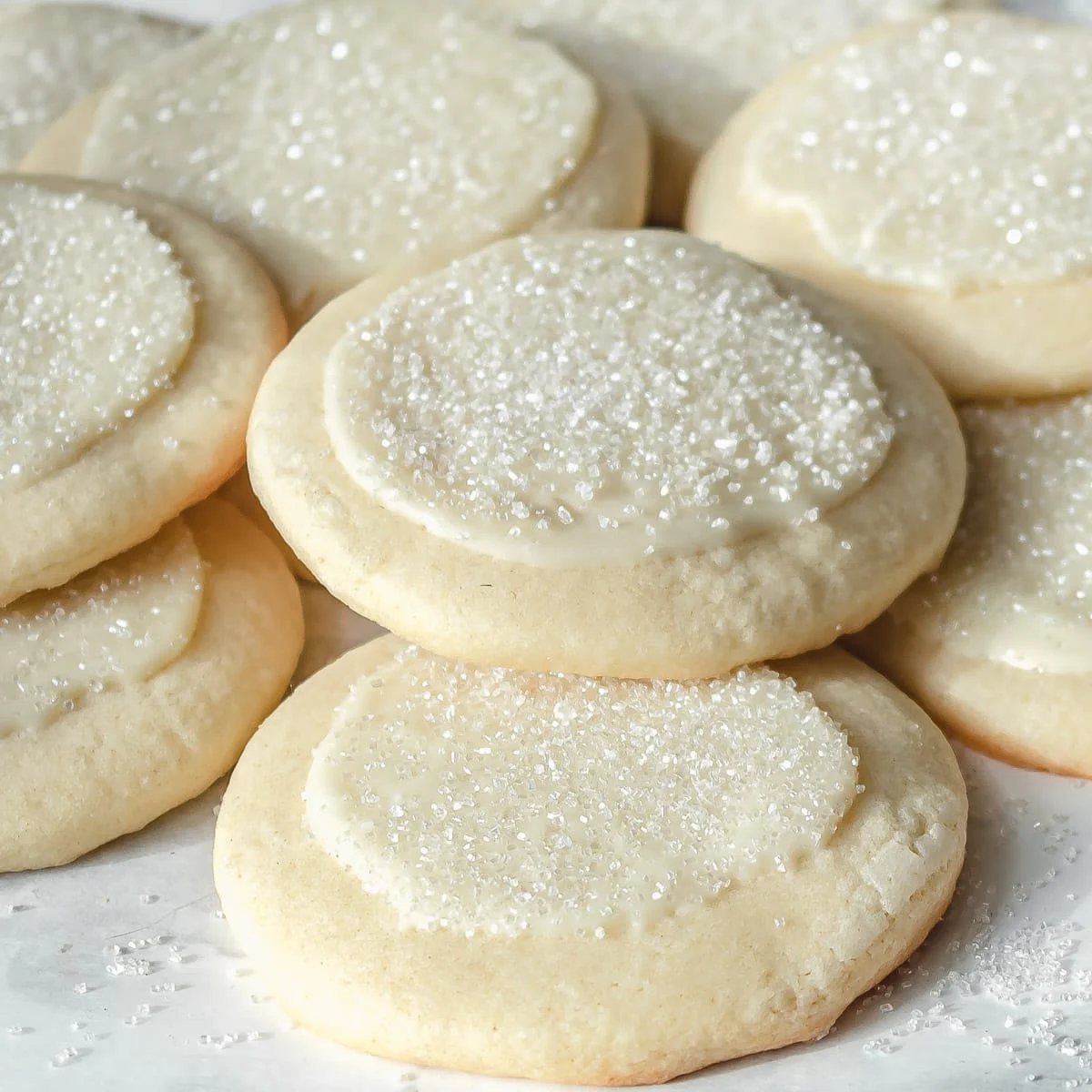
One of the primary applications of sugar glass is in architectural confectionery. It serves as the perfect material for creating transparent window panes in gingerbread houses, allowing light to filter through and enhancing the structural integrity of these edible structures. The clarity of the glass provides a realistic touch, transforming simple gingerbread constructions into miniature edible abodes.
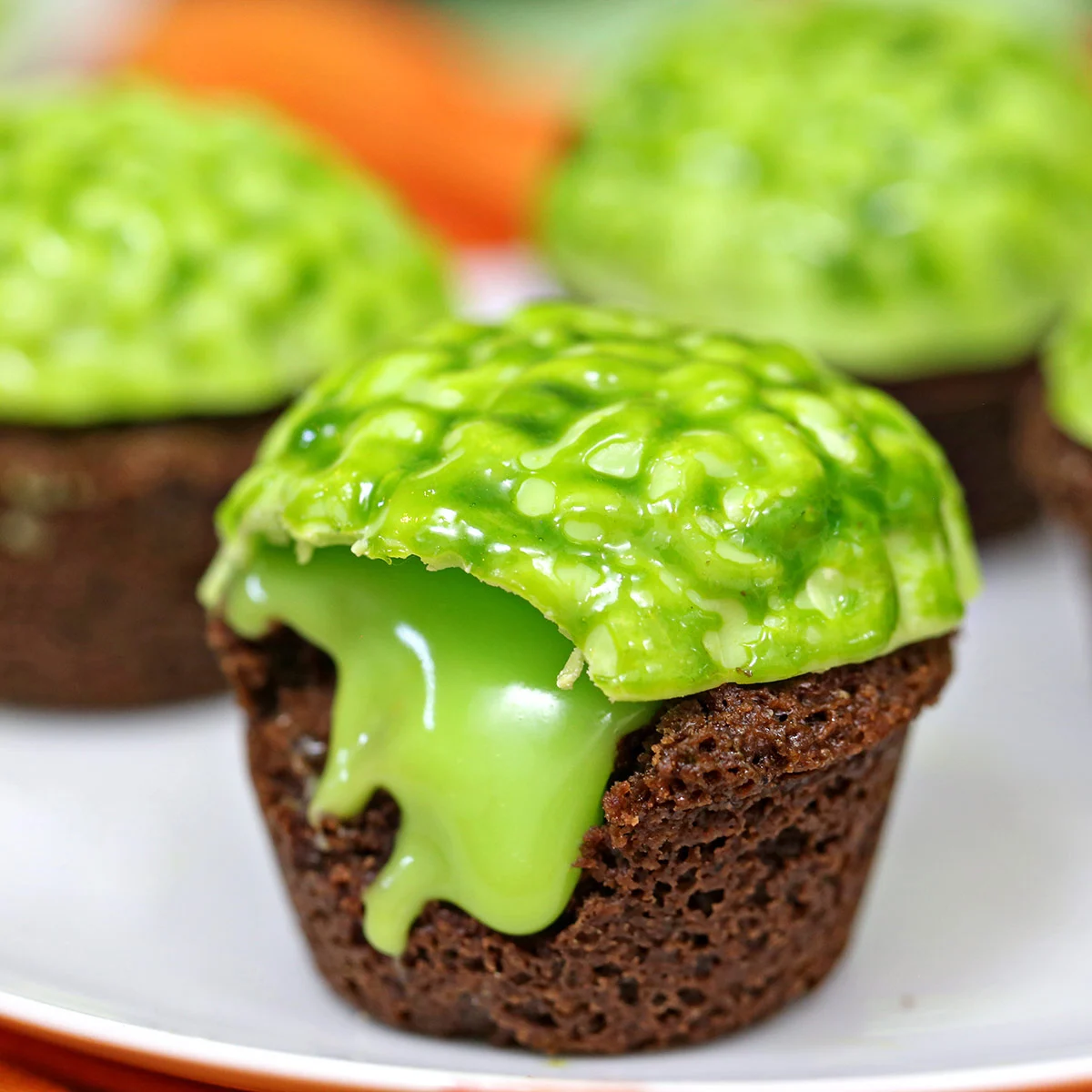
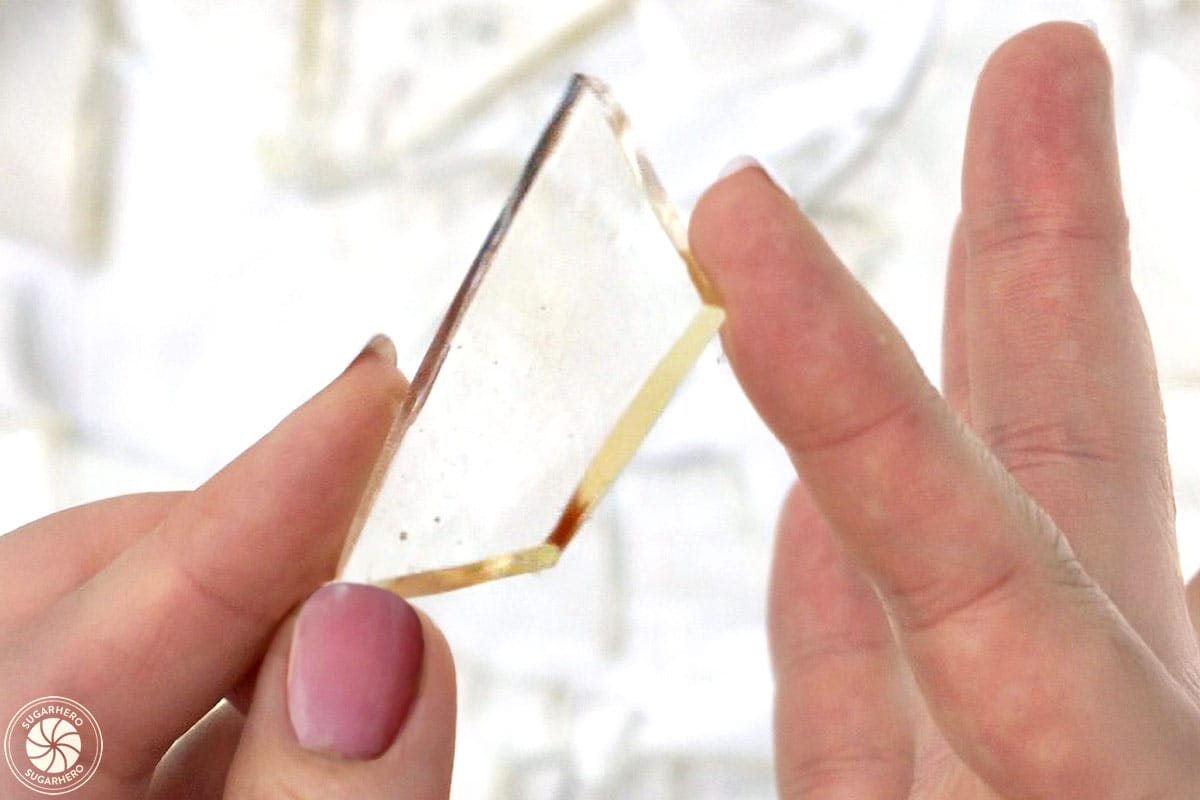
For themed events, particularly Halloween, sugar glass can be fractured into sharp, irregular shards to simulate broken glass. This adds a dramatic and slightly edgy element to cakes, cupcakes, and other treats, creating an illusion of shattered elements that are both visually striking and entirely edible. The ability to control the color further amplifies its thematic potential, allowing for the creation of blood-red shards or eerie green fragments.
Furthermore, this sugar glass recipe can be adapted to produce rock candy, reminiscent of the popular "Breaking Bad" aesthetic. By altering the crystallization process and introducing specific colorants, bakers can recreate the iconic crystalline structures that have become a cultural touchstone. This adaptability underscores the recipe’s value as a foundational technique for advanced sugar work.
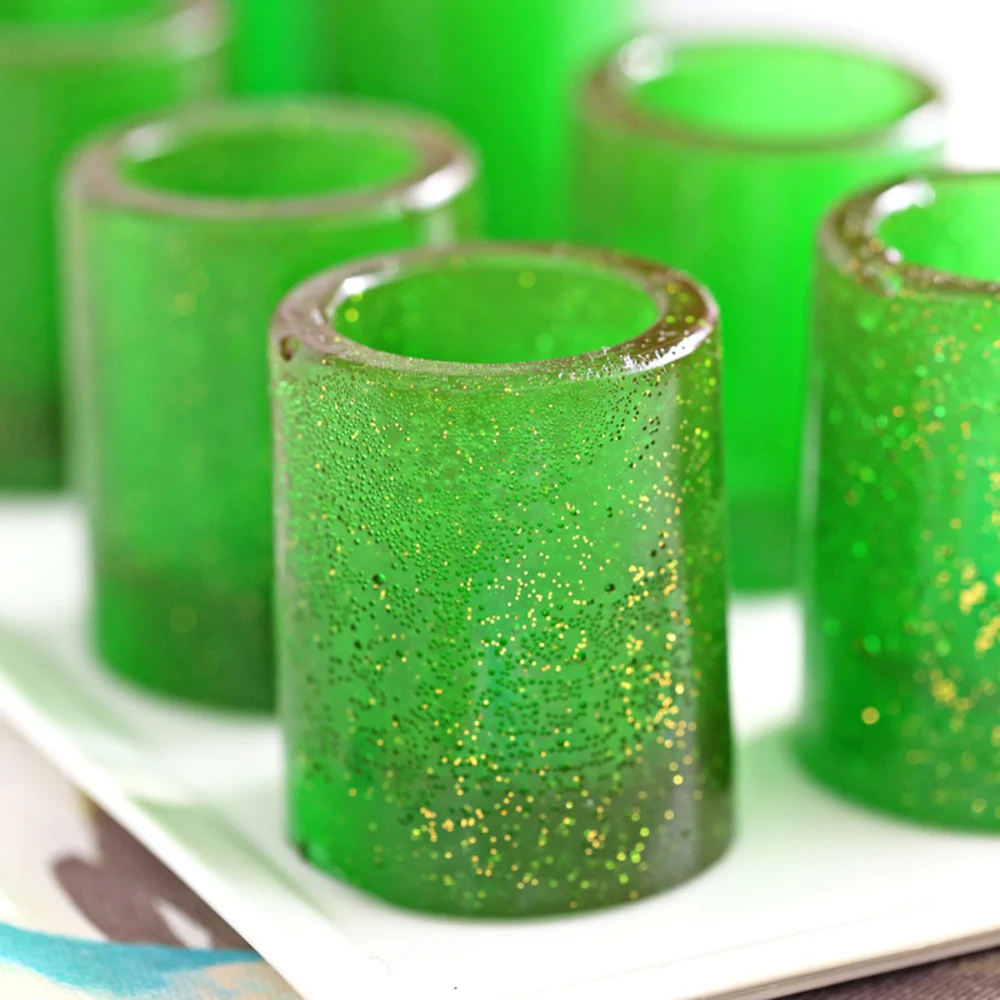
The shaping capabilities of sugar glass are equally impressive. It can be poured onto a flat, prepared surface and broken into smaller pieces after cooling, offering a rustic, artisanal texture. Alternatively, it can be molded into specific shapes using silicone molds, allowing for precise and repeatable designs. For direct application, it can be poured into pre-cut openings in cookies or gingerbread panels, seamlessly integrating into the baked structure to create functional and decorative windows. This multi-faceted nature makes edible sugar glass an indispensable tool in a baker’s repertoire.
The Science and Technique of Flawless Sugar Glass
The creation of flawless edible sugar glass, while seemingly complex, is an achievable endeavor with a thorough understanding of the underlying principles and meticulous execution. The process hinges on carefully controlling the temperature and preventing unwanted crystallization. Success in this culinary endeavor requires attention to detail, from ingredient selection to the final cooling stage.
The fundamental principle behind sugar glass is the transformation of sugar molecules through heating. When sugar, water, and corn syrup are combined and heated to specific temperatures, the sugar dissolves and then undergoes molecular changes. Corn syrup, a crucial ingredient, plays a vital role in inhibiting the crystallization of sugar. Without it, the sugar molecules would readily re-form into crystals, resulting in an opaque, grainy texture rather than the desired smooth, transparent glass.
Achieving the correct temperature is paramount. The recipe typically calls for the sugar mixture to reach the "hard crack" stage, which is approximately 300-310°F (149-154°C). At this temperature, most of the water has evaporated, leaving a concentrated sugar solution that, when cooled, hardens into a brittle, glass-like substance. Using a reliable candy thermometer is indispensable for accurately monitoring this temperature. Any deviation can result in a product that is either too soft and sticky or burnt and bitter.
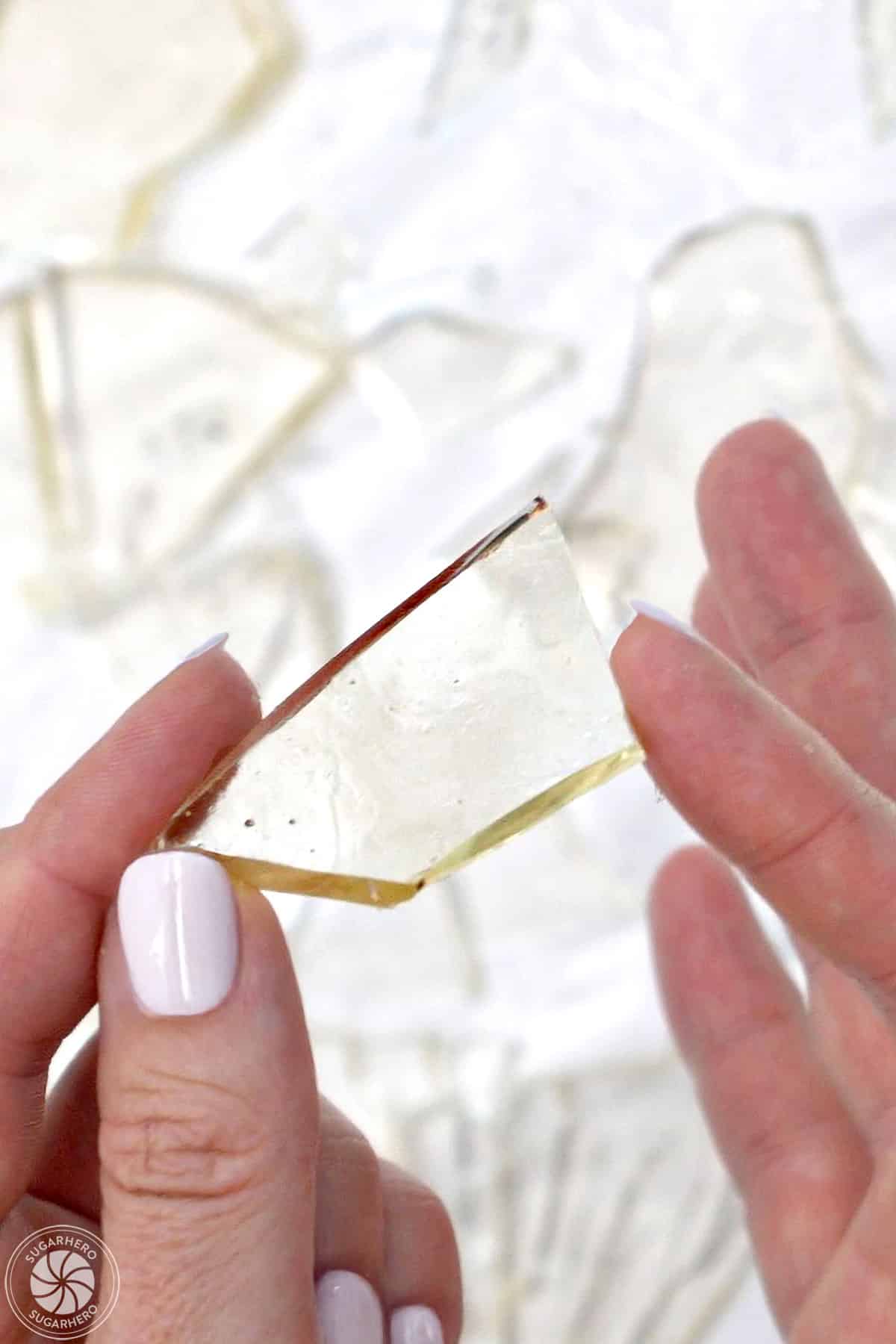
Preventing crystallization is another critical aspect of producing clear sugar glass. Crystallization occurs when sugar molecules begin to align and form visible crystals. This can be triggered by several factors during the cooking process:
- Stirring: Once the sugar mixture reaches a boil, it should generally not be stirred. Agitation can introduce sugar crystals from the sides of the pan or the utensils into the boiling syrup, initiating crystallization.
- Impurity: Any stray sugar crystals adhering to the sides of the saucepan, the candy thermometer, or the stirring utensil can act as nucleation sites, promoting the formation of more crystals throughout the syrup.
- Dusting: Even microscopic sugar dust can trigger crystallization.
To combat this, bakers often employ techniques such as "washing down" the sides of the pan. This involves using a pastry brush dipped in water to gently wipe away any sugar crystals that may form on the interior walls of the saucepan above the liquid level. This ensures that only the liquid syrup is being heated, minimizing the risk of premature crystallization.
The choice of ingredients also plays a role. Granulated sugar provides the base sweetness and structure. Water acts as the solvent, allowing the sugar to dissolve. Corn syrup, as mentioned, is the key anti-crystallization agent. The quality of these ingredients can subtly influence the final product. For instance, using filtered water can reduce the presence of minerals that might interfere with the sugar’s behavior.
Essential Ingredients and Equipment
The creation of edible sugar glass is remarkably accessible due to its minimal ingredient list and reliance on common kitchen equipment. This approach democratizes the art of sugar work, making it feasible for a broad audience of home bakers.
Key Ingredients:
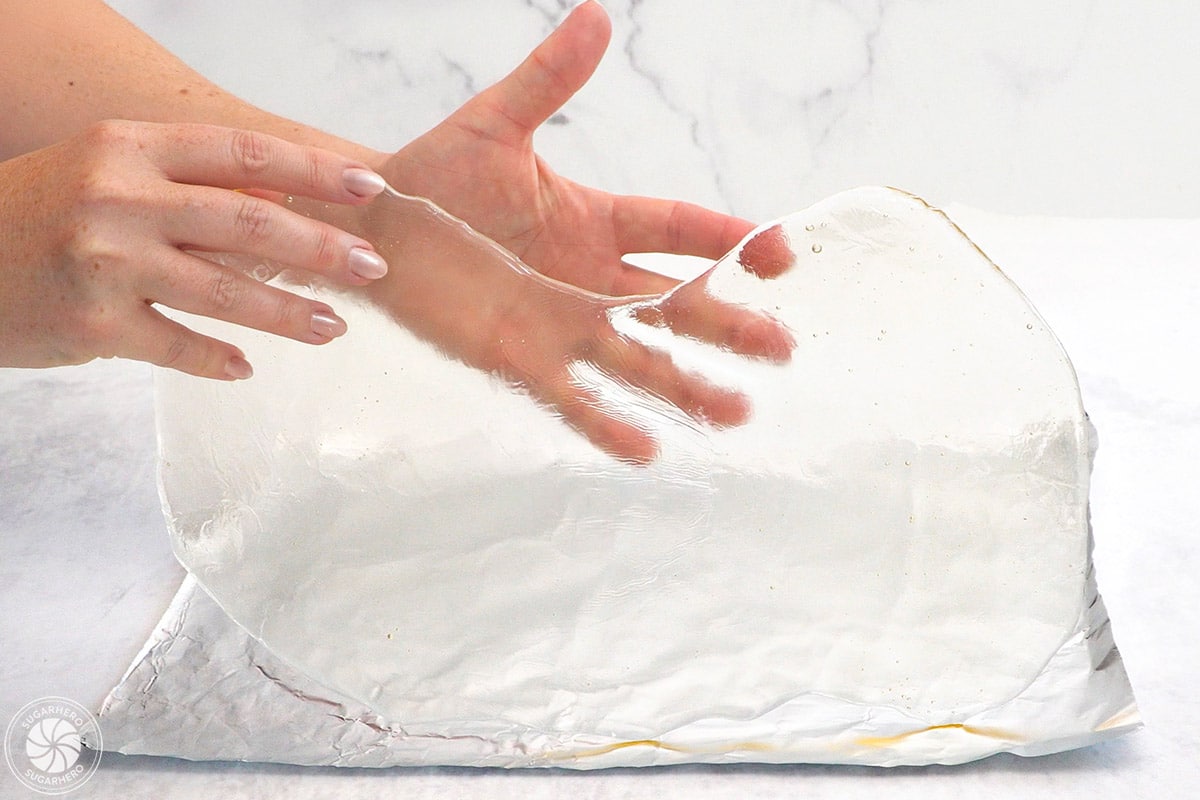
- Granulated Sugar: This forms the primary structure of the sugar glass. It’s crucial to use standard granulated sugar for consistent results. The precise amount is critical for achieving the correct texture and sweetness.
- Corn Syrup: This is arguably the most important ingredient for preventing crystallization. Its viscous nature and chemical composition interfere with the sugar molecules’ ability to bond and form crystals. Light corn syrup is typically recommended for its neutral flavor and color.
- Water: Water acts as the solvent, dissolving the sugar and corn syrup to form the syrup base. The amount of water directly impacts the cooking time and the final sugar concentration.
- Optional: Food Coloring: For creating vibrant and varied effects, liquid or gel food colorings are essential. Gel colorings are often preferred as they provide intense color without adding excessive liquid.
- Optional: Flavor Extracts: To impart specific flavors, extracts such as peppermint, lemon, or vanilla can be added. It is important to use oil-based extracts or those specifically designed for candy making, as water-based extracts can sometimes affect the texture.
Essential Equipment:
- Heavy-Bottomed Saucepan: A saucepan with a thick, heavy bottom is crucial for even heat distribution. This prevents hot spots that could lead to scorching or uneven cooking, ensuring a uniform syrup.
- Candy Thermometer: An accurate candy thermometer is non-negotiable for this recipe. It must be able to accurately measure temperatures up to at least 310°F (154°C). Clip-on candy thermometers are convenient as they attach directly to the side of the pan, keeping the probe submerged in the syrup without touching the bottom.
- Heat-Resistant Spatula or Wooden Spoon: A silicone or heat-resistant spatula is ideal for initial stirring and for scraping down the sides of the pan. A wooden spoon can also be used.
- Baking Sheet or Silpat Mat: A sturdy baking sheet lined with parchment paper or, preferably, a silicone baking mat (Silpat) is needed for pouring and cooling the sugar syrup. The mat prevents sticking and allows for easy removal of the hardened glass.
- Pastry Brush and Water: A small pastry brush is used to wash down the sides of the saucepan with water, a critical step in preventing crystallization.
- Heat-Resistant Gloves: Handling hot sugar syrup poses a significant burn risk. Heat-resistant gloves are highly recommended for safety when pouring and manipulating the hot sugar.
- Optional: Molds: If specific shapes are desired, heat-resistant silicone molds designed for candy making are required.
Pro Tips for Candy Thermometer Usage
The candy thermometer is the most critical tool in the sugar glass making process, and its correct usage is paramount to achieving the desired outcome. Understanding its nuances can prevent common pitfalls and ensure a successful confection.
- Calibration: Before embarking on any candy-making project, it is advisable to calibrate your candy thermometer. This can be done by placing the thermometer in boiling water (which should read 212°F or 100°C at sea level) or in ice water (which should read 32°F or 0°C). If there is a significant discrepancy, you can either adjust your temperature readings accordingly or invest in a more accurate thermometer.
- Placement: Ensure the thermometer bulb is fully submerged in the sugar syrup but does not touch the bottom of the pan. The bottom of the pan is often hotter than the syrup itself, which can lead to an inaccurate reading and potentially burn the sugar. A clip-on thermometer is ideal for maintaining the correct position.
- Reading the Temperature: When reading the temperature, do so at eye level to avoid parallax error. As the syrup heats, the mercury or alcohol column will rise. Note the temperature when it stabilizes.
- Understanding Stages: Familiarize yourself with the different temperature stages of sugar cooking. For sugar glass, the target is the "hard crack" stage (300-310°F or 149-154°C). Reaching this temperature ensures that most of the water has evaporated, resulting in a brittle, glass-like consistency upon cooling. Falling short of this temperature will result in a sticky, soft candy, while exceeding it can lead to burning and a bitter taste.
- Monitoring Closely: As the syrup approaches the target temperature, monitor it closely. The temperature can rise rapidly in the final stages. Be prepared to remove the pan from the heat immediately once the desired temperature is reached.
- Cleaning: After use, clean the thermometer thoroughly with warm, soapy water and dry it completely. This will help maintain its accuracy and longevity.
A Step-by-Step Photo Tutorial for Edible Sugar Glass
The following photographic guide illustrates the process of creating edible sugar glass, providing a visual roadmap for bakers of all skill levels.
Step 1: Preparation is Key
Begin by preparing your workspace. Line a baking sheet with parchment paper or a silicone baking mat. Have all your ingredients measured and ready, and ensure your candy thermometer is calibrated and attached to your saucepan. If using food coloring or flavorings, have them within easy reach.
Step 2: Combine Ingredients
In a heavy-bottomed saucepan, combine the granulated sugar, corn syrup, and water. Stir gently over medium heat until the sugar is completely dissolved.
Step 3: Boiling and Washing Down
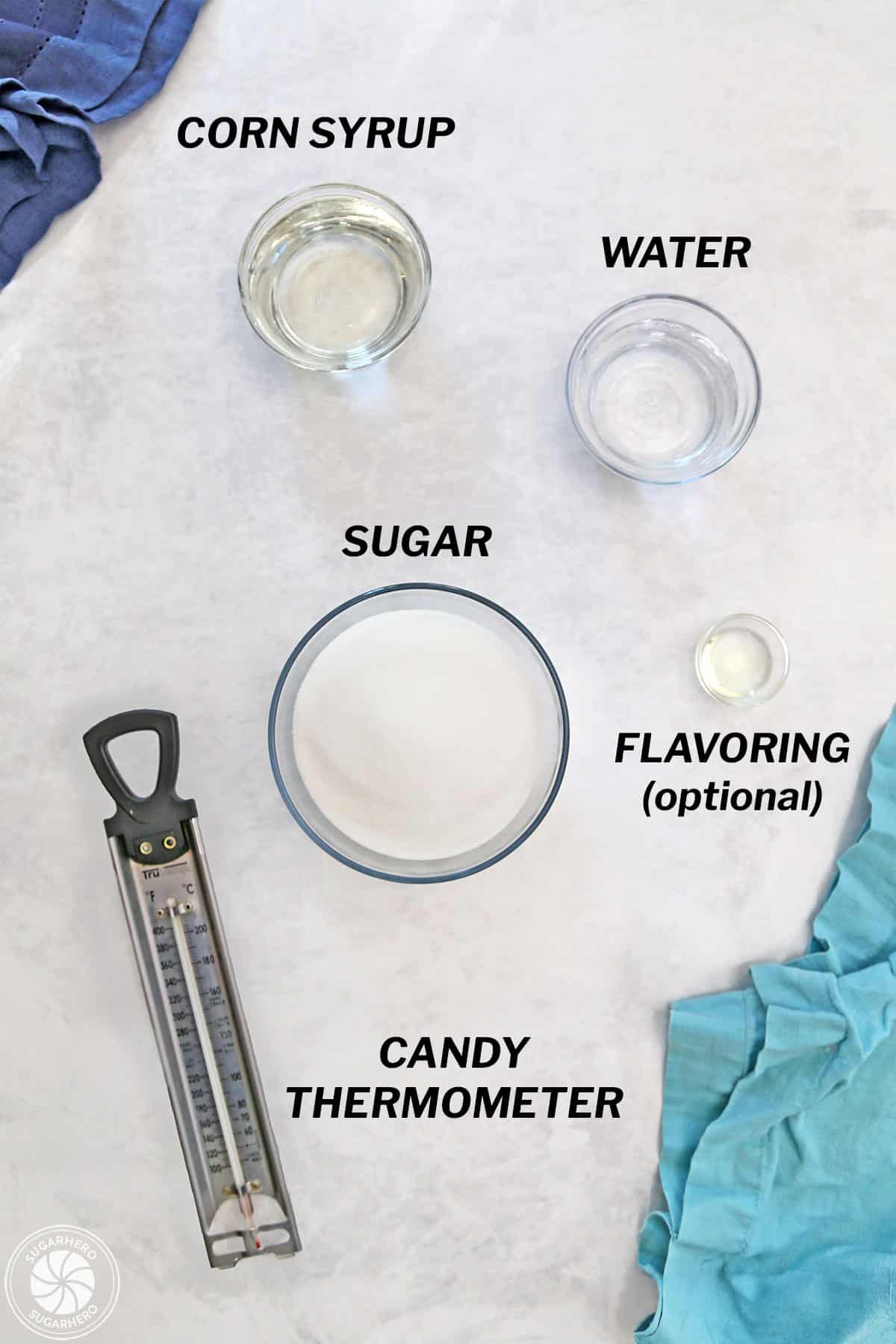
Once the sugar has dissolved and the mixture begins to boil, insert the candy thermometer. Resist the urge to stir. If sugar crystals form on the sides of the pan, use a pastry brush dipped in water to gently wash them down into the syrup.
Step 4: Reaching the Hard Crack Stage
Continue to cook the syrup, monitoring the thermometer closely. The temperature will gradually rise. As it approaches the hard crack stage (300-310°F or 149-154°C), the syrup will become thicker and lighter in color.
Step 5: Adding Color and Flavor (Optional)
Once the syrup reaches the target temperature, immediately remove the pan from the heat. Carefully stir in your desired food coloring and flavor extracts. Work quickly, as the syrup will begin to cool and thicken.
Step 6: Pouring the Sugar Glass
Wearing heat-resistant gloves, carefully and slowly pour the hot sugar syrup onto the prepared baking sheet. Pour it into a thin, even layer to create a sheet of glass. You can tilt the baking sheet to help spread the syrup if needed.
Step 7: Cooling and Hardening
Allow the sugar glass to cool completely undisturbed. This can take anywhere from 30 minutes to a couple of hours, depending on the thickness of the pour and the ambient temperature. The syrup will transform from a liquid state into a hard, brittle sheet.
Step 8: Breaking the Glass
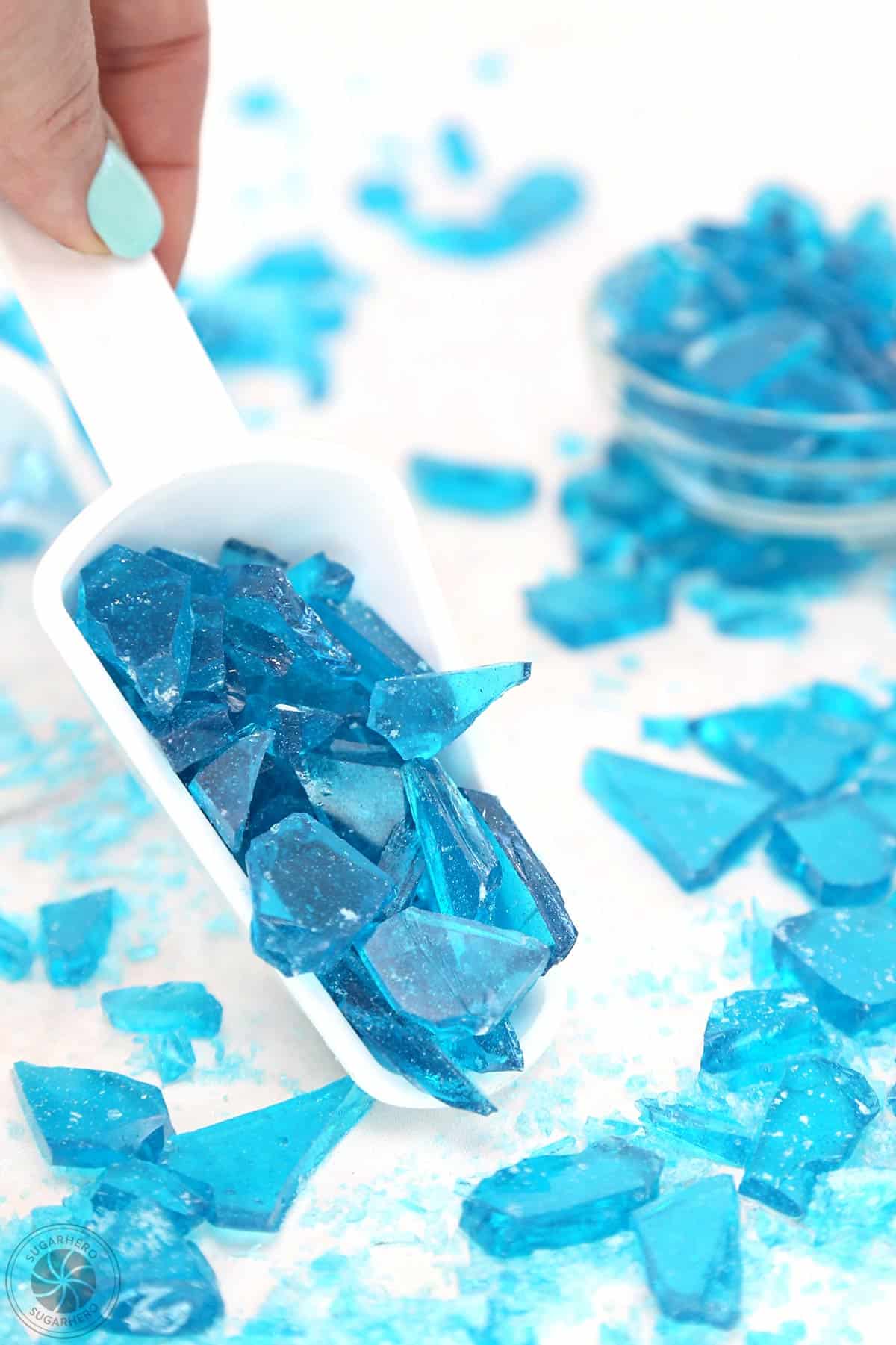
Once fully cooled and hardened, carefully lift the sheet of sugar glass from the parchment paper or mat. You can then break it into desired pieces by hand or by gently tapping it with the back of a heavy spoon or a small mallet. For cleaner breaks, you can score the glass with a sharp knife before it fully hardens.
Step 9: Application and Storage
Your edible sugar glass is now ready to be used in your dessert creations. Store any unused pieces in an airtight container at room temperature.
Frequently Asked Questions for Sugar Glass Success
Navigating the intricacies of candy making often leads to common questions. Addressing these FAQs proactively can significantly improve the chances of success and help troubleshoot potential issues.
-
Why is my candy sticky?
Stickiness in hard candy is almost always a result of humidity. Sugar is hygroscopic, meaning it absorbs moisture from the air. On humid or rainy days, the sugar glass will readily absorb atmospheric moisture, leading to a sticky surface. To mitigate this, avoid making sugar glass on days with high humidity. When storing, ensure the candy is kept in an absolutely airtight container at room temperature. For extremely humid environments, consider adding silica gel packets to the container to absorb excess moisture. -
Why is my candy not hardening?
If your sugar glass remains soft or doesn’t harden properly, it indicates that it has not been cooked to a high enough temperature. The "hard crack" stage is essential for achieving the brittle texture. If you used a candy thermometer and followed the recipe precisely, it’s advisable to test the accuracy of your thermometer. Sometimes, thermometers can be slightly off, leading to undercooking. Double-checking ingredient quantities is also crucial, as incorrect ratios can affect the final consistency.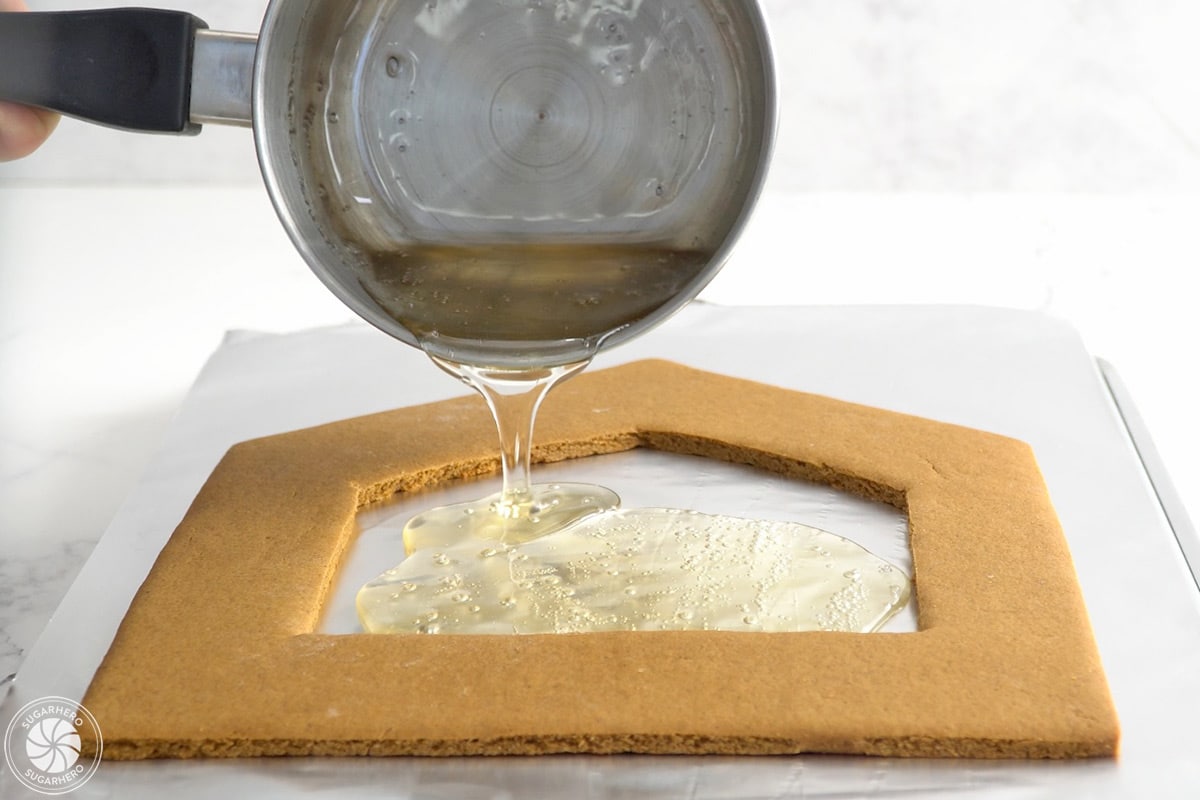
-
Why is my glass candy opaque or crumbly?
An opaque or crumbly texture signifies that crystallization has occurred during the cooking process. This happens when sugar molecules begin to reform into crystals. As mentioned earlier, this can be caused by stirring the syrup after it has boiled, failing to wash down the sides of the pan to remove stray crystals, or the presence of accidental sugar particles. The corn syrup in the recipe is designed to prevent this, so if you’ve substituted ingredients, crystallization becomes a more likely outcome. While still edible, the aesthetic and textural qualities will be compromised. -
Storage Information:
Proper storage is key to maintaining the integrity of your sugar glass. It should be stored at room temperature in an airtight container for up to seven days. Refrigeration or freezing is not recommended, as the condensation that forms can cause the candy to become sticky and lose its crispness. In very humid climates, even room temperature storage might lead to stickiness within a few days. In such cases, consuming the sugar glass within two to three days is advisable. As previously noted, silica gel packets can be a valuable addition to storage containers in high-humidity areas.
The creation of edible sugar glass is a rewarding culinary technique that opens up a universe of decorative possibilities for bakers. By understanding the science behind sugar crystallization, employing precise cooking methods, and utilizing the right tools, anyone can master this art form and elevate their desserts to a new level of visual sophistication.