
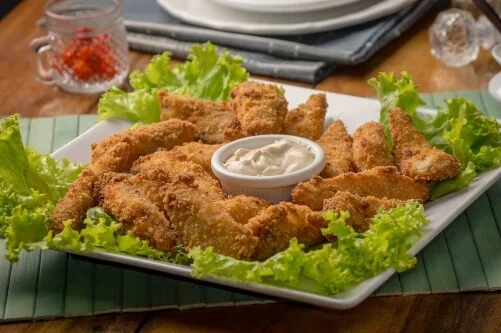
The deep-fried chicken cheese ball stands as a testament to the enduring appeal of comfort food, a dish that masterfully blends savory chicken, molten cheese, and a crisp exterior into a singular, irresistible experience. Far from a mere snack, its preparation involves precise culinary techniques and an understanding of ingredient interactions, making it a subject of interest for both amateur cooks and seasoned chefs alike. This article delves into the intricate process of creating these popular morsels, exploring the historical underpinnings of its components, the science behind its preparation, and its place in contemporary gastronomy.
A Culinary Journey: The Origins and Evolution of Fried Chicken and Cheese
The lineage of the deep-fried chicken cheese ball is not a direct historical path but rather a confluence of culinary traditions that have evolved over centuries. Fried chicken, a staple in many global cuisines, boasts roots stretching back to ancient Rome, Scotland, and West Africa. Its widespread popularity in the American South, where it became synonymous with comfort and hospitality, further cemented its place in the global culinary lexicon. Early Scottish immigrants brought their tradition of frying chicken in fat, while West African culinary practices introduced seasoning and a more robust frying method.
Concurrently, cheese, an ancient foodstuff with origins dating back thousands of years, developed into an incredibly diverse category. From the firm, aged varieties like Parmesan to the soft, melty textures of mozzarella, cheese has served as a primary ingredient in countless dishes, celebrated for its flavor, texture, and ability to bind ingredients. The concept of combining meat and cheese, particularly in a fried or baked format, can be seen in various cultural dishes, such as Italian arancini (fried rice balls, often with ragu and mozzarella), Dutch bitterballen (fried meat croquettes), or even traditional Scotch eggs. The modern deep-fried chicken cheese ball, therefore, represents a contemporary fusion, bringing together the textural delight of fried protein with the rich, gooey satisfaction of melted cheese, often encased in a crunchy breadcrumb crust. This specific combination gained traction in casual dining and appetizer menus, reflecting a broader trend towards indulgent, shareable comfort foods.
The Anatomy of a Perfect Deep-Fried Chicken Cheese Ball
Crafting the quintessential deep-fried chicken cheese ball requires meticulous attention to its constituent parts: the chicken, the cheese, the binding agents, and the breading. Each component plays a critical role in achieving the desired flavor and textural profile.
- Chicken Selection and Preparation: The foundation of the dish typically involves boneless chicken, with breast or thigh meat being the most common choices. Chicken breast offers a leaner profile and a mild flavor that readily absorbs marinades, while thigh meat provides a richer taste and remains more tender and moist after cooking due to its higher fat content. For optimal texture and ease of binding, the chicken is usually ground or finely minced. This allows it to be uniformly mixed with other ingredients and formed into compact balls. Some recipes opt for pre-cooked, shredded chicken, which can offer a different textural experience, but raw ground chicken is preferred for a more cohesive and flavorful interior. Seasoning the chicken generously with salt, pepper, garlic powder, onion powder, and optionally a touch of paprika or cayenne pepper, is crucial at this stage to build a robust flavor base.
- Cheese Varieties and Their Role: The choice of cheese is paramount to the "cheese pull" and creamy interior that defines this dish. Mozzarella is a popular default due to its excellent melting properties and mild flavor, which allows the chicken’s seasoning to shine. Low-moisture mozzarella, often found in blocks or shredded, is ideal as it melts smoothly without releasing excessive water, which could make the chicken mixture soggy. Other popular choices include:
- Parmesan: While less prone to a long cheese pull, grated Parmesan adds a sharp, salty, umami depth that complements the chicken beautifully. It is often incorporated directly into the chicken mixture rather than used as a distinct core.
- Cheddar: Offering a more pronounced flavor and a good melt, sharp or mild cheddar can introduce a tangy note.
- Cream Cheese: Sometimes mixed with other cheeses or herbs, cream cheese provides an incredibly rich, smooth, and tangy creaminess.
- Monterey Jack or Pepper Jack: These provide excellent melt and can introduce a subtle heat or a buttery flavor.
The cheese is typically cubed or shredded and either mixed into the chicken base or, for a more dramatic molten core, encased within the chicken mixture.
- Binding Agents and Flavor Enhancers: To ensure the chicken mixture holds its shape and to enhance moisture, binders are essential. Eggs, typically one or two depending on the quantity of chicken, serve as an excellent emulsifier and binder, helping the mixture cohere. A small amount of flour or finely ground breadcrumbs can also be added to absorb excess moisture and further aid in binding. Beyond the chicken’s initial seasoning, additional flavor can be introduced through finely minced garlic, green banana chili peppers (or jalapeños for a spicier kick, as mentioned in the original context), fresh herbs like parsley or chives, and even a dash of Worcestershire sauce or hot sauce for complexity.
- The Breading System: The crispy exterior is achieved through a multi-stage breading process.
- Flour Dredge: A light coating of all-purpose flour helps create a dry surface for the egg wash to adhere to. Seasoning this flour with salt and pepper can add an extra layer of flavor.
- Egg Wash: Whisked eggs provide the necessary moisture for the final breading to stick. Some recipes might add a splash of milk or water to the egg wash for a thinner consistency.
- Panko Breadcrumbs: Panko, a Japanese-style breadcrumb, is widely preferred for its superior crispiness and lighter texture compared to traditional breadcrumbs. Its larger, flakier structure creates a delicate, airy crunch that resists sogginess. While panko is the gold standard, regular breadcrumbs, seasoned breadcrumbs, or even a mix of breadcrumbs and crushed cornflakes can be used for variations in texture and flavor.
The Science of Frying: Achieving Culinary Perfection
Deep frying is a cooking method that, when executed correctly, transforms ingredients into golden, crispy delights. It relies on the rapid transfer of heat from hot oil to the food, resulting in a crispy exterior and a thoroughly cooked interior.
- Oil Selection and Temperature Control: The choice of frying oil significantly impacts the flavor and quality of the final product. Oils with a high smoke point, such as canola, vegetable, peanut, or sunflower oil, are ideal as they can withstand high temperatures without breaking down and imparting off-flavors. The optimal frying temperature for chicken cheese balls typically ranges between 350°F and 375°F (175°C to 190°C). Maintaining this precise temperature is critical:
- Too Low: If the oil temperature is too low, the food will absorb excessive oil, resulting in a greasy, soggy product. The crust will not develop properly.
- Too High: If the oil is too hot, the exterior will brown too quickly, potentially burning before the interior (chicken and cheese) has had a chance to cook thoroughly and melt properly.
A reliable deep fryer with an adjustable thermostat is invaluable for this purpose, allowing for consistent temperature management. For stovetop frying, a deep-fry thermometer is an indispensable tool.
- Deep Fryer Technology and Features: Modern deep fryers offer features designed to enhance safety, convenience, and cooking performance. As highlighted, an optimal deep fryer should include:
- Adjustable Thermostat: Essential for precise temperature control.
- Safety Timer: Prevents overcooking and ensures proper timing.
- Built-in Oil Filtration System: This feature is particularly beneficial as it extends the life of the cooking oil by removing food particles, reducing waste and cost.
- Odor-Reducing Lid: Minimizes the pervasive smell of frying, a common concern in home kitchens.
- Multiple Baskets: Allows for cooking larger batches or different items simultaneously, increasing efficiency.
These features not only streamline the frying process but also contribute to a safer and more enjoyable cooking experience.
- The Maillard Reaction and Crispness: The browning and crisping of the breading are primarily due to the Maillard reaction, a complex chemical process between amino acids and reducing sugars that occurs at high temperatures. This reaction creates hundreds of flavor compounds, contributing to the rich aroma and savory taste of fried foods. The rapid evaporation of surface moisture during frying also contributes to the crisp texture, forming a protective barrier that prevents the interior from becoming overly oily.
Crafting the Dish: A Step-by-Step Culinary Guide with Expert Insights
The preparation of deep-fried chicken cheese balls involves a series of structured steps, each critical for achieving the desired outcome. Culinary experts emphasize precision and patience throughout the process.
- Prepare the Chicken Mixture: In a large bowl, combine 1 kg of finely ground boneless chicken with finely minced garlic, desired chili peppers (green banana chili or jalapeños), salt, and black pepper. Add one or two beaten eggs to bind the mixture. If using Parmesan cheese, incorporate it here. Mix thoroughly until all ingredients are evenly distributed.
- Forming and Filling: Take small portions of the chicken mixture (about 1.5-2 tablespoons) and flatten them in your palm. Place a cube or small ball of mozzarella (or preferred cheese) in the center. Carefully mold the chicken mixture around the cheese, ensuring it is completely sealed within the chicken to prevent cheese leakage during frying. Roll the mixture into uniform balls, approximately 1.5 to 2 inches in diameter. Uniformity is key for even cooking.
- The Breading Process: Set up a three-station breading assembly:
- Station 1: A shallow dish with seasoned all-purpose flour.
- Station 2: A shallow dish with whisked eggs (egg wash).
- Station 3: A shallow dish with panko breadcrumbs.
Roll each chicken ball first in the flour, ensuring a thin, even coating. Gently shake off any excess. Then, dip it into the egg wash, allowing excess to drip off. Finally, roll it thoroughly in the panko breadcrumbs, pressing gently to ensure the crumbs adhere firmly to all surfaces. For an extra crispy crust, some chefs recommend a double-breading, repeating the egg wash and panko steps. Once breaded, place the balls on a tray lined with parchment paper. Chilling the breaded balls for at least 30 minutes in the refrigerator can help them maintain their shape during frying and prevent the breading from falling off.
- Frying Technique:
- Preheat the Deep Fryer: Fill your deep fryer with a high smoke point oil to the recommended level. Preheat to 350°F-375°F (175°C-190°C). If using a pot on the stovetop, ensure the oil depth is sufficient to fully submerge the chicken balls, and use a thermometer to monitor the temperature.
- Batch Frying: Fry the chicken cheese balls in small batches to avoid overcrowding the fryer. Overcrowding significantly lowers the oil temperature, leading to greasy, undercooked results.
- Cooking Time: Fry each batch for approximately 5-7 minutes, or until golden brown and cooked through. The internal temperature of the chicken should reach 165°F (74°C). The cheese inside should be melted and gooey.
- Draining: Carefully remove the fried balls with a slotted spoon or spider and place them on a wire rack set over a baking sheet lined with paper towels to drain excess oil.
- Troubleshooting and Common Pitfalls:
- Cheese Leaking: This often occurs if the cheese is not completely sealed within the chicken mixture or if the oil temperature is too low, causing the cheese to melt and escape before the exterior has set.
- Soggy Crust: Insufficient oil temperature, overcrowding, or not draining properly can lead to a soggy crust.
- Uneven Cooking: Inconsistent ball sizes or fluctuating oil temperatures can result in some balls being undercooked or overcooked.
- Breading Falling Off: This can happen if the chicken balls are not chilled before frying or if the flour and egg wash coatings are not applied correctly.
Beyond the Frying Basket: Serving, Pairing, and Global Adaptations
Deep-fried chicken cheese balls are incredibly versatile and can be served in numerous ways, making them a staple for appetizers, party snacks, or even as a component of a larger meal. They are almost universally accompanied by dipping sauces, which add another layer of flavor and moisture. Classic choices include marinara sauce, ranch dressing, honey mustard, or a spicy sriracha mayonnaise. For a gourmet touch, a homemade aioli or a sweet chili jam can elevate the experience.
The concept of a fried, breaded, and cheese-filled item resonates across various culinary traditions. In Italy, arancini, though rice-based, share a similar philosophy of a crispy exterior giving way to a rich, often cheesy, interior. The Korean fried chicken trend, known for its ultra-crispy crusts and diverse glazes, showcases the global appeal of well-executed fried poultry. The chicken cheese ball can be seen as a playful adaptation, borrowing elements from these traditions while establishing its own identity. Its adaptability allows for endless variations, from incorporating different herbs and spices into the chicken mixture to experimenting with exotic cheeses or gluten-free breadings.
Nutritional Considerations and Contemporary Food Trends
While undeniably delicious, deep-fried chicken cheese balls are an indulgent food, and their nutritional profile reflects this. A typical serving can be high in calories, saturated fat, and sodium due to the frying process and the cheese content. For instance, a single medium-sized chicken cheese ball could range from 150-250 calories, depending on size, ingredients, and oil absorption.
However, in the context of contemporary food trends, these items are often positioned as "comfort food" or "treats" rather than daily staples. There is a growing understanding among consumers and producers alike about balancing indulgence with healthier choices. For those seeking to mitigate some of the nutritional impact, alternatives exist:
- Air Frying: Air fryers circulate hot air to achieve a crispy texture with significantly less oil, drastically reducing fat content. While the texture may differ slightly from deep frying, it offers a commendable healthier alternative.
- Baking: Oven-baking at a high temperature (around 400°F/200°C) can also yield a reasonably crispy exterior, especially if the breaded balls are lightly misted with oil before baking.
- Ingredient Adjustments: Using leaner ground chicken, low-fat cheese, or incorporating vegetables into the chicken mixture can also slightly improve the nutritional profile.
- Portion Control: Enjoying these delectable morsels in moderation remains the most straightforward approach to fitting them into a balanced diet.
Industry reports indicate a steady growth in the demand for comfort foods, particularly those offering a blend of familiar flavors with an element of textural excitement. This positions dishes like deep-fried chicken cheese balls as enduring favorites in casual dining, catering, and home cooking, despite their caloric density.
The Enduring Appeal and Future of Comfort Cuisine
The deep-fried chicken cheese ball, with its golden crust, savory chicken, and luscious molten cheese, embodies the very essence of comfort food. It delivers a sensory experience that is both satisfying and memorable. As culinary landscapes continue to evolve, the fundamental appeal of well-executed, indulgent dishes remains constant. Food critics frequently laud the textural contrast and flavor harmony achieved when these components are perfectly balanced. The future of such comfort cuisine lies in its continued innovation, exploring new flavor combinations, healthier preparation methods, and global influences, ensuring that the deep-fried chicken cheese ball, or its delicious descendants, will remain a cherished item on menus and in kitchens worldwide.


