
The arrival of spring has historically served as a catalyst for a shift in culinary focus toward fresh, seasonal ingredients, but recent trends indicate a significant move beyond traditional produce toward foraged botanicals. Central to this movement is the common dandelion (Taraxacum officinale), a plant long dismissed by the landscaping industry as a persistent weed, yet increasingly recognized by culinary experts and herbalists for its nutritional density and versatile flavor profile. The preparation of dandelion bread, characterized by the use of sweet, honey-scented petals and a citrus-based glaze, represents a synthesis of traditional foraging wisdom and contemporary comfort food. As the demand for sustainable, locally sourced nutrition grows, the transformation of this resilient wildflower into a gourmet staple highlights a broader cultural shift in the perception of "edible landscapes."
The Historical and Botanical Context of the Dandelion
To understand the current resurgence of dandelion-based recipes, it is necessary to examine the plant’s historical trajectory. Native to Eurasia, the dandelion was intentionally brought to North America by early European settlers who valued its medicinal and nutritional properties. Unlike many invasive species that offer little to the local ecosystem, every part of the dandelion—from the deep taproot to the bright yellow inflorescence—is edible and has been utilized in various cultures for centuries.
In the mid-20th century, the rise of idealized lawn culture in the United States led to the dandelion being reclassified as a pest. This shift resulted in the widespread application of chemical herbicides, a practice that foraging experts now warn against. Today, the "No Mow May" movement and an increased awareness of pollinator health have begun to reverse this stigma. The dandelion is once again being viewed through the lens of food security and herbal medicine, particularly as a source of early-season nectar for bees and a nutrient-rich ingredient for humans.

Chronology of the Foraging Season and Harvest Methodology
The window for harvesting dandelions for culinary use, specifically for dandelion bread, follows a precise seasonal chronology. The process begins in early spring when the first blooms appear in response to rising soil temperatures. Foragers emphasize that the timing of the harvest is critical to the flavor profile of the final product.
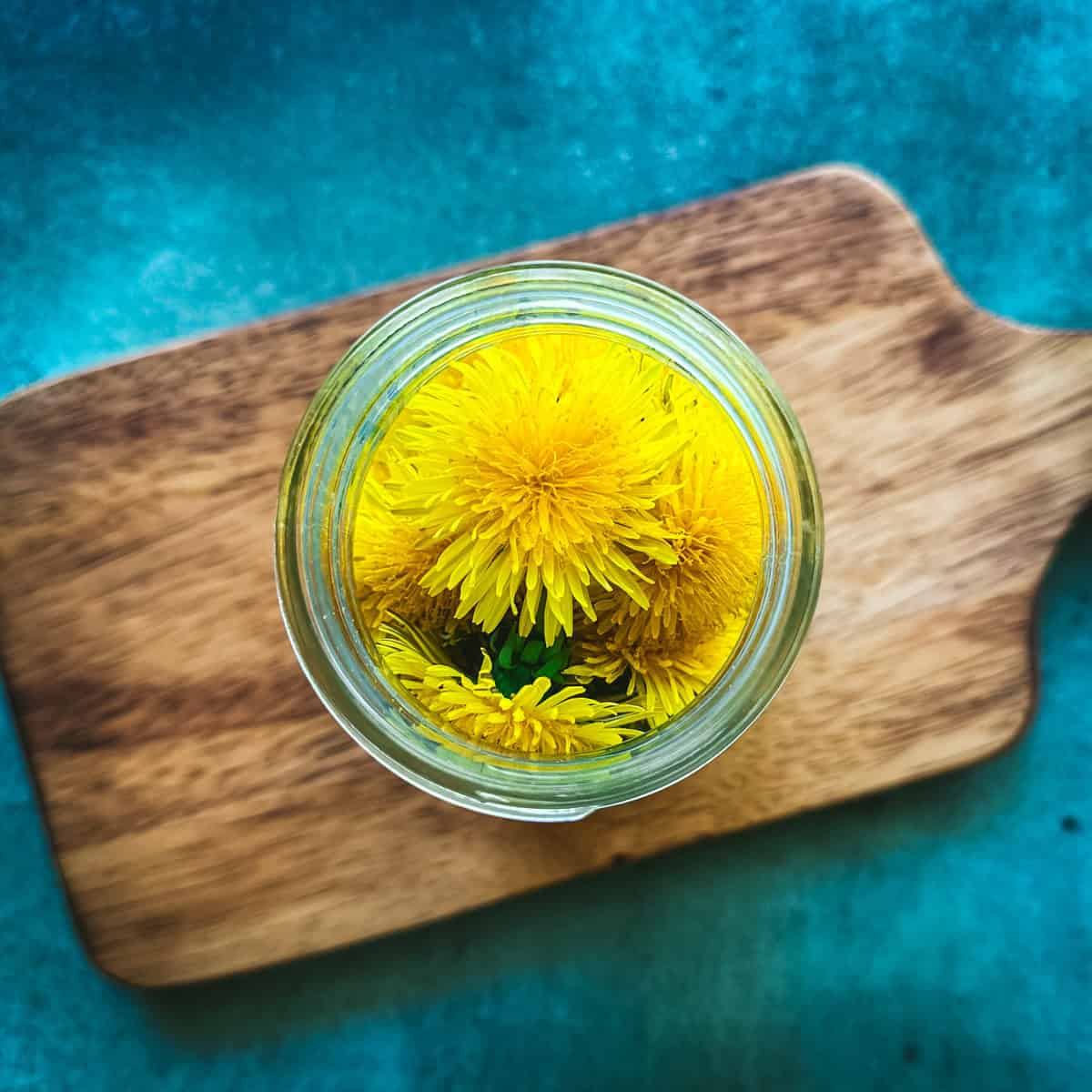
- Selection (Early to Mid-Spring): The most desirable flowers are those that have recently opened and are free from environmental contaminants. Journalistic investigation into foraging practices reveals that the primary concern for modern gatherers is the "spraying status" of the land. Public parks and manicured private lawns are often avoided in favor of organic gardens or verified chemical-free meadows.
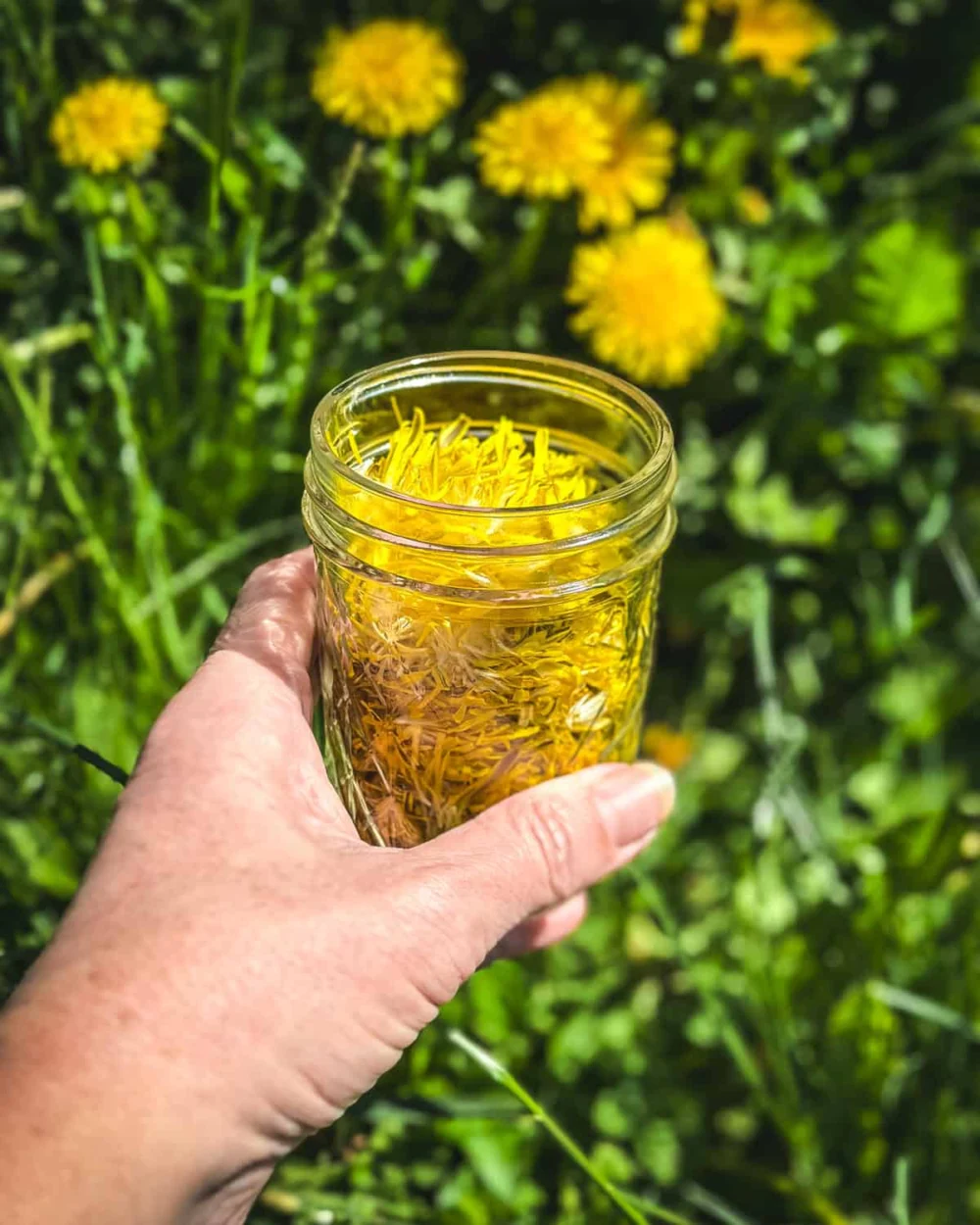
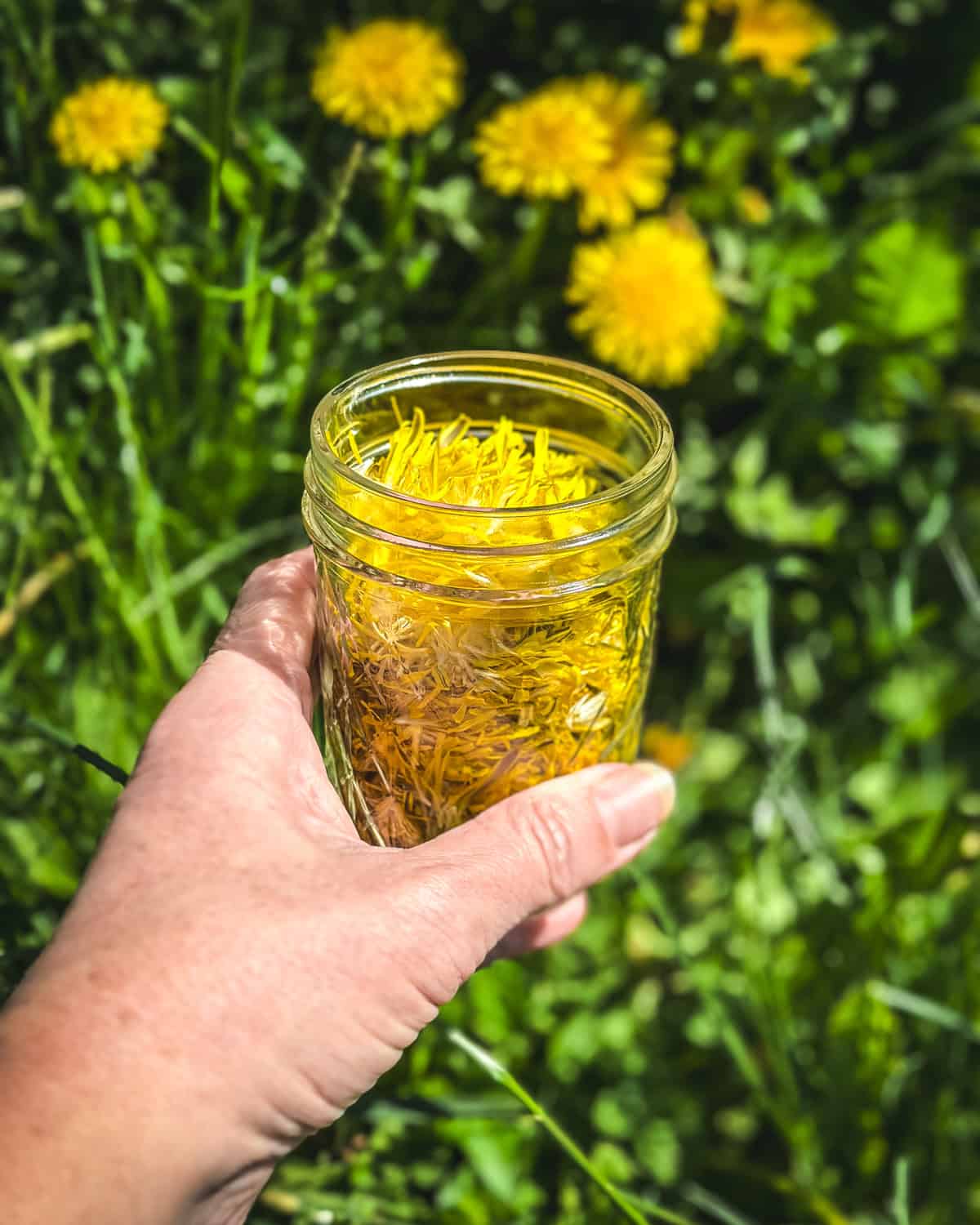
- Processing (Post-Harvest): Once gathered, the flowers require immediate processing. While the entire plant is edible, the greens contain sesquiterpene lactones, which impart a bitter flavor that increases as the plant matures. For the specific application of dandelion bread, the chronology moves from whole flower to isolated petal. The green bracts at the base of the flower must be removed to ensure the bread retains its intended sweetness.
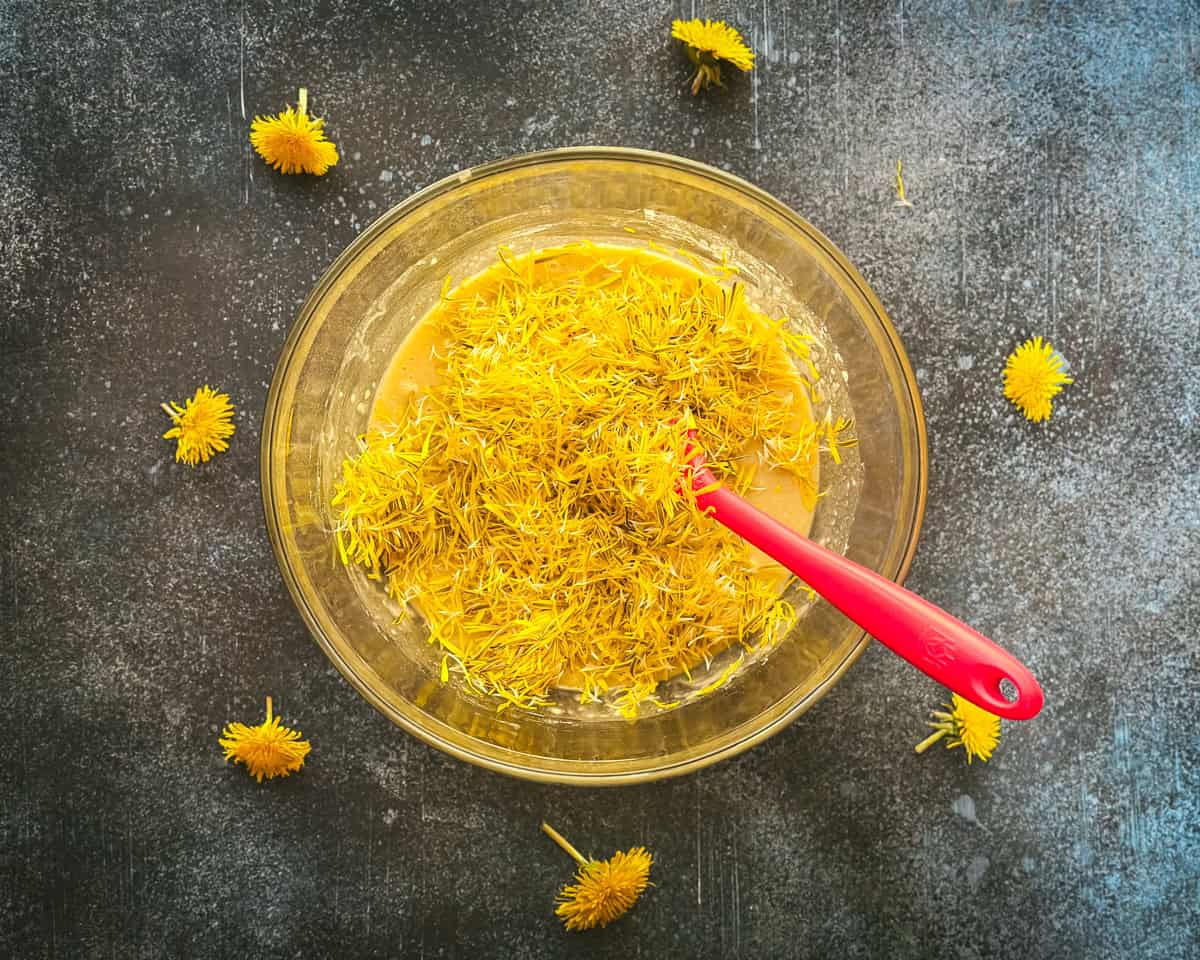
- Integration (Culinary Application): The isolated petals are then integrated into a batter where they serve both a functional and aesthetic role. The petals provide a mild, honey-like essence and a distinct yellow flecked appearance throughout the loaf.
Nutritional and Pharmacological Analysis
The inclusion of dandelions in a daily diet is supported by a growing body of scientific literature. According to data indexed in the National Center for Biotechnology Information (NCBI) and various pharmacological studies, the dandelion is a rich source of vitamins A, C, and K, as well as minerals such as iron, calcium, and potassium.
A fact-based analysis of the plant’s properties reveals that dandelion petals possess significant antioxidant potential. Studies have demonstrated that preparations derived from the petals often exhibit higher antioxidant activity than the leaves. This is attributed to the presence of polyphenols and flavonoids, which assist in neutralizing free radicals in the human body. Furthermore, research suggests that active components within the Taraxacum genus may modulate hemostatic processes—the body’s mechanism for stopping bleeding—though researchers maintain that more clinical trials are necessary to determine precise dosages and long-term effects.
Traditional herbalists have long utilized the plant as a "family herb," employing the roots for digestive support and the leaves as a diuretic. The transition of these components into baked goods like bread allows for the consumption of these beneficial compounds in a more palatable, calorie-dense format suitable for the energetic demands of the spring season.
Culinary Technicalities and Recipe Composition
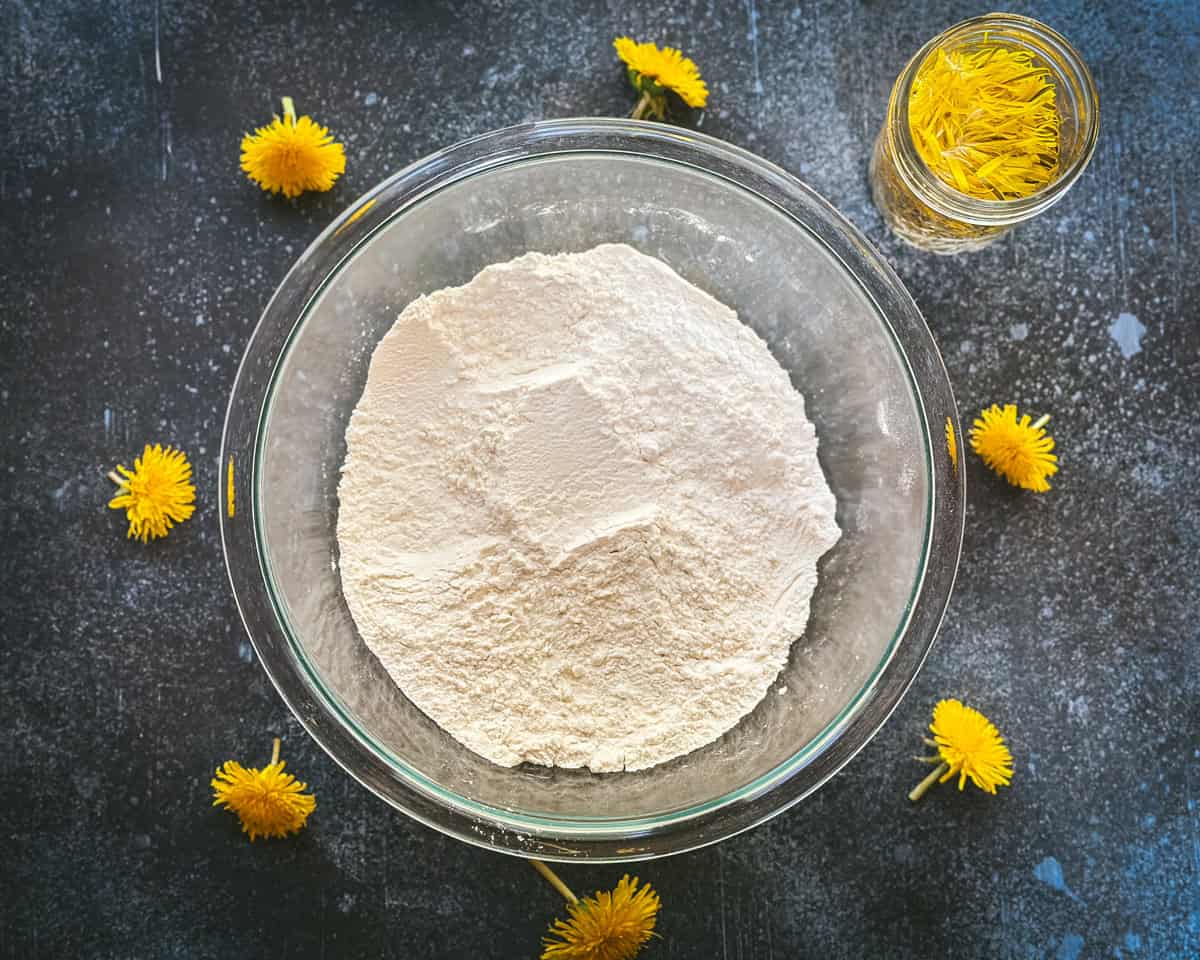
The preparation of dandelion bread is a precise exercise in baking chemistry, balancing the delicate floral notes of the petals with the structural requirements of a quick bread. The standard formulation utilizes a combination of all-purpose flour, leavening agents (baking powder), and a blend of fats and sweeteners.
The Role of Ingredients
- Lipids and Emulsifiers: The use of organic canola or avocado oil provides a neutral base that does not overwhelm the floral scent. The addition of eggs serves to emulsify the batter, providing the necessary structure to support the weight of the petals.
- Sweetening Agents: A dual-sweetener approach is often employed. Granulated sugar provides the primary sweetness, while raw honey acts as a flavor bridge, echoing the natural honey-like notes found within the dandelion petals themselves.
- Floral Inclusions: The recipe typically calls for approximately one cup of cleaned petals. From a technical standpoint, the removal of the green sepals is the most labor-intensive portion of the process but is essential to avoid the "herbal bitterness" that would otherwise clash with the lemon glaze.
The Baking and Glazing Process
The bread is baked at a temperature of 350°F (175°C) for a duration of 55 to 65 minutes. Journalistic observation of the baking process notes that the high moisture content of foraged petals can occasionally lead to over-browning of the crust; therefore, the application of aluminum foil during the final 20 minutes of baking is a common corrective measure.
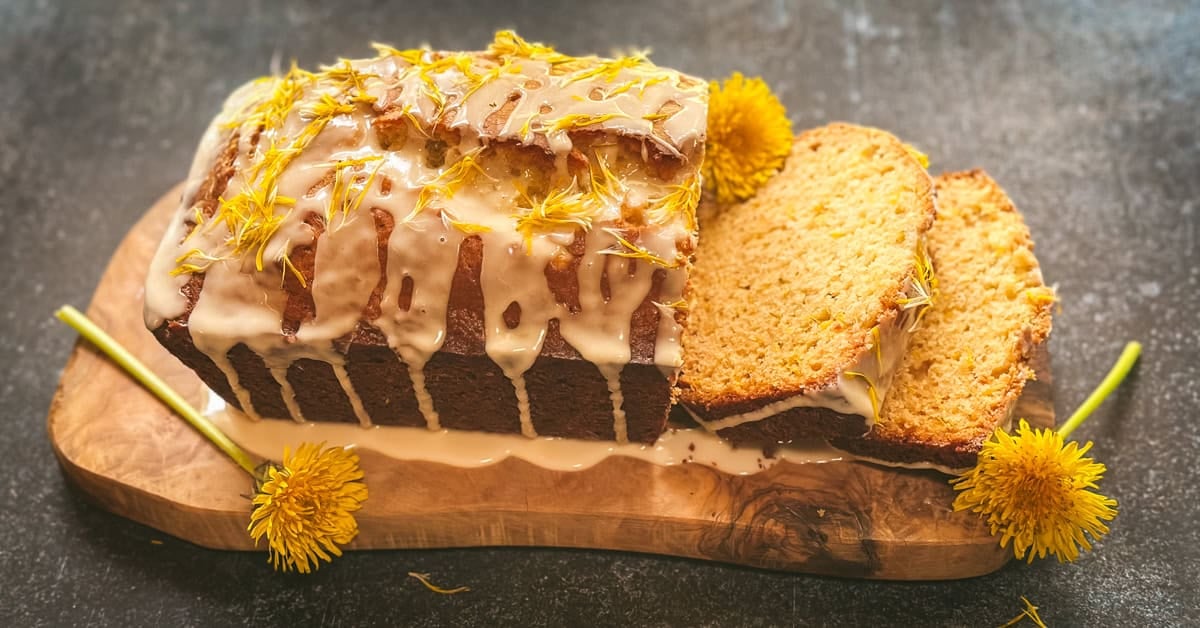
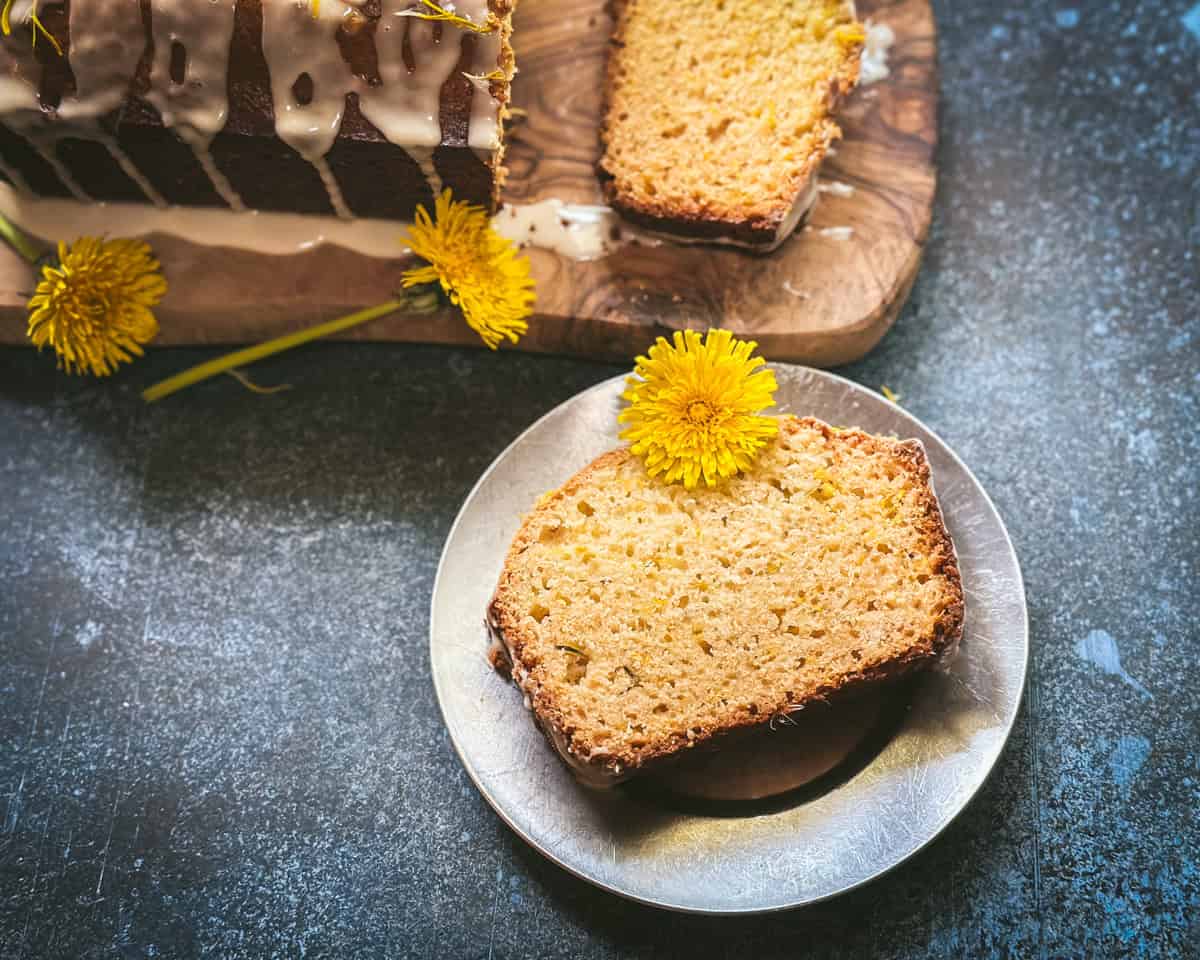
The final stage of preparation involves a honey-lemon glaze. This citrus inclusion is not merely for flavor; the acidity of the lemon juice serves to brighten the earthy undertones of the bread, creating a balanced sensory experience. The addition of fresh dandelion petals as a garnish serves as a visual indicator of the bread’s origin, a practice common in farm-to-table establishments.
Economic and Environmental Implications
The rise of foraging for ingredients like dandelions has broader implications for local economies and environmental sustainability. As food prices fluctuate, the ability to supplement one’s diet with high-quality, free, and nutrient-dense wild plants provides a degree of food autonomy.
From an environmental perspective, the "edible weed" movement encourages the reduction of pesticide use. If homeowners and municipalities view dandelions as a crop rather than a nuisance, the chemical load on local watersheds is significantly reduced. This shift supports biodiversity, as dandelions are a critical early-season food source for pollinators, including honeybees and native bumblebees.
However, experts in the field of botany emphasize the importance of "ethical foraging." This involves taking only what is needed and ensuring that enough blooms remain to support the local insect population. The rise of dandelion bread as a popular seasonal item has led to an increased dialogue regarding the balance between human consumption and ecological preservation.

Professional Perspectives and Community Reactions
Culinary professionals have expressed varying views on the integration of wild-foraged items into mainstream diets. While some chefs praise the unique terroir that wild dandelions provide, others caution about the lack of standardization in wild-harvested ingredients. "The flavor profile of a dandelion can change based on the soil pH and the amount of rainfall it received during its growth phase," notes one anonymous source in the culinary industry.
Community reactions have been largely positive, particularly among proponents of the "slow food" movement. The process of foraging and baking is seen as a way to reconnect with the natural world and the changing seasons. The popularity of ebooks and digital guides—such as those focusing on edible flower recipes—indicates a significant public appetite for instructional content that demystifies the use of wild plants.

Broader Impact on Modern Nutrition
The phenomenon of dandelion bread is indicative of a larger trend toward "functional foods"—items that provide health benefits beyond basic nutrition. By incorporating foraged botanicals into familiar formats like bread, the barrier to entry for herbalism is lowered. This allows a wider demographic to engage with plant-based wellness.
As society continues to grapple with the complexities of industrial food systems, the humble dandelion stands as a symbol of resilience and accessible nutrition. The bread made from its petals is more than a seasonal snack; it is a testament to the enduring relationship between humans and the "wild" world that exists just beyond the doorstep. Whether used in infusions, salves, or baked goods, the dandelion remains a cornerstone of the modern forager’s pantry, promising a future where the distinction between "weed" and "wonder" continues to blur in favor of sustainable, health-conscious living.
Conclusion and Future Outlook
The trajectory of the dandelion from a reviled weed to a celebrated ingredient in artisanal bread reflects a maturing understanding of ecology and nutrition. As scientific research continues to validate the traditional uses of the plant, it is likely that foraged florals will become even more integrated into the global culinary landscape. The practice of making dandelion bread serves as a seasonal ritual that honors the resilience of nature and the ingenuity of those who seek to harvest its hidden bounties. Moving forward, the focus will likely remain on refining these recipes and expanding the knowledge base to include other underutilized wild plants, ensuring that the spirit of spring comfort is preserved for generations to come.


